
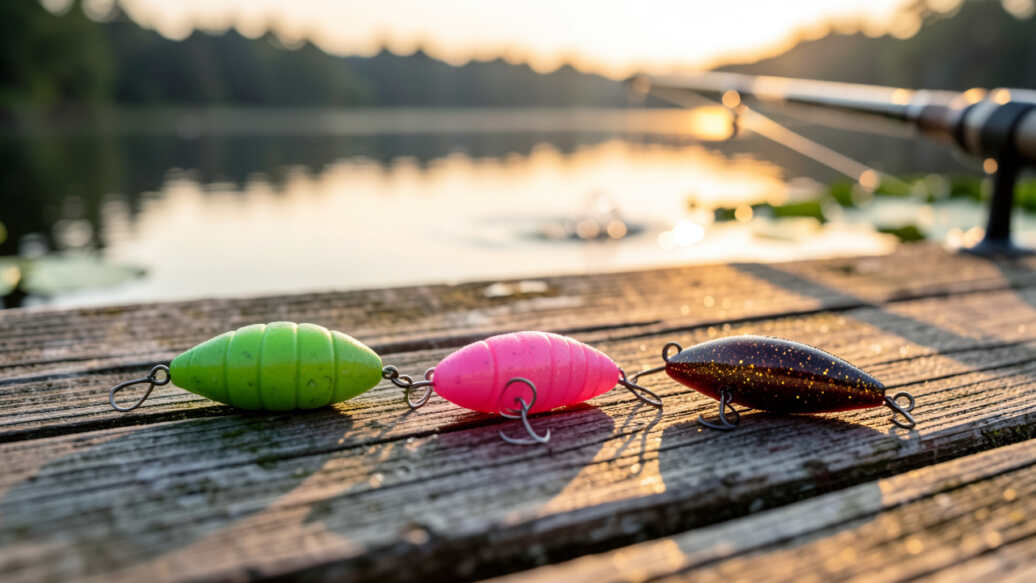
Soft Plastic Worms For Bass: Texas, Wacky, And Senko Tips
Soft plastic worms for bass are effectively presented using three distinct rigging techniques—the Texas rig for heavy cover, the wacky worm for finicky bass, and the Senko style for versatile action. The Texas rig uses a bullet weight and weedless hook to navigate dense structure and trigger strikes from bass holding tight. The wacky worm rigged through the middle offers a subtle fall that entices hesitant fish, while the Senko can be rigged weightless or on a shakey head to match water clarity and bass behavior.
Catching more bass with soft plastic worms is a goal for many anglers. Knowing how to rig and present these lures can make a big difference on the water. Whether you’re fishing in heavy cover, open water, or around structure, the right technique matters.
This guide offers practical advice on Soft Plastic Worms for Bass: Texas, Wacky, and Senko Tips to help you improve your success and land those lunkers. We’ll cover simple ways to rig, when to use each method, and how to make your soft plastics irresistible to bass, so you can spend less time guessing and more time reeling.
Key Takeaways
- Understand the effectiveness of the Texas rig for bass fishing in various conditions.
- Learn how to properly rig a wacky worm for enticing bites when bass are finicky.
- Discover the versatility and subtle action of the Senko style bait and its rigging options.
- Gain insights into choosing the right worm sizes, colors, and hook types for different situations.
- Explore tips on presenting these lures to trigger strikes from bass.
- Learn how to adapt your soft plastic worm techniques based on water clarity and bass behavior.
Mastering the Texas Rig for Bass
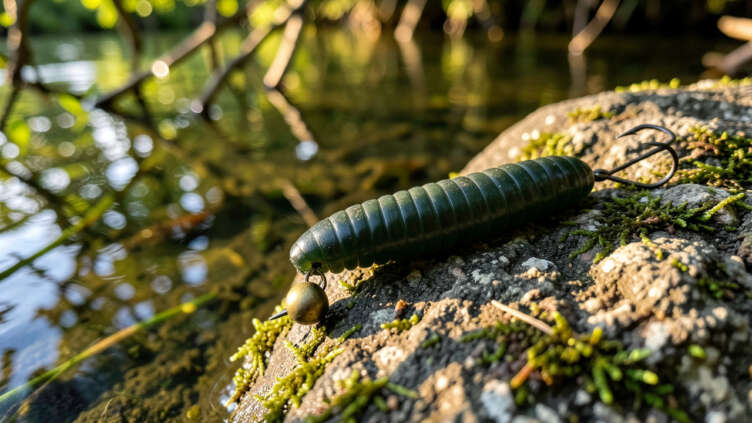
The Texas rig is a classic for a reason. It’s incredibly versatile and weedless. This means you can cast it into thick brush, lily pads, or other heavy cover where bass love to hide.
The bait slides through vegetation without snagging. This allows you to get your lure right to where the fish are waiting.
Using the Texas rig is straightforward. You thread the hook through the worm, ensuring the point is buried just under the surface of the plastic. This keeps it snag-free.
When a fish bites, you pull the worm off the hook point. Then you set the hook. A properly rigged Texas worm looks natural and moves with a subtle wiggle.
This makes it very appealing to bass.
Choosing the Right Texas Rig Setup
When rigging a Texas rig, the hook is crucial. For most soft plastic worms, a 3/0 to 5/0 worm hook works well. The size depends on the worm you’re using.
A wide gap hook is often best. It gives you more room for the hook point. This leads to better hooksets.
The weight for a Texas rig can vary. For shallow water or when bass are active, a lighter weight (1/8 to 1/4 ounce) is good. It allows the worm to fall more slowly.
For maximum weedlessness, ensure the hook point is buried just under the plastic’s surface; this lets you fish heavy cover without snagging.
This can trigger bites. In deeper water or when bass are less active, a heavier weight (3/8 to 1/2 ounce) helps get your bait down quickly. It also gives you more control.
Soft Plastic Worms for Bass: Texas, Wacky, and Senko Tips often emphasize weight selection. The weight helps your bait reach the strike zone. It also adds to the bait’s action.
Experimenting with different weights is key. You want the bait to fall naturally. It should also move enticingly when you twitch it.
When to Throw a Texas Rig
The Texas rig is your go-to for fishing around cover. Think fallen trees, rocks, and thick vegetation. Bass use these areas for ambush.
The weedless nature of the Texas rig lets you fish these spots effectively. You can drag your worm along the bottom. You can also hop it or swim it through the cover.
This rig also works well in open water. You can cast it out and let it sink. Then, use a slow retrieve or a hopping motion.
This mimics a crawfish or baitfish. Bass will often strike as the worm falls or when it’s sitting on the bottom.
The Subtle Power of the Wacky Worm
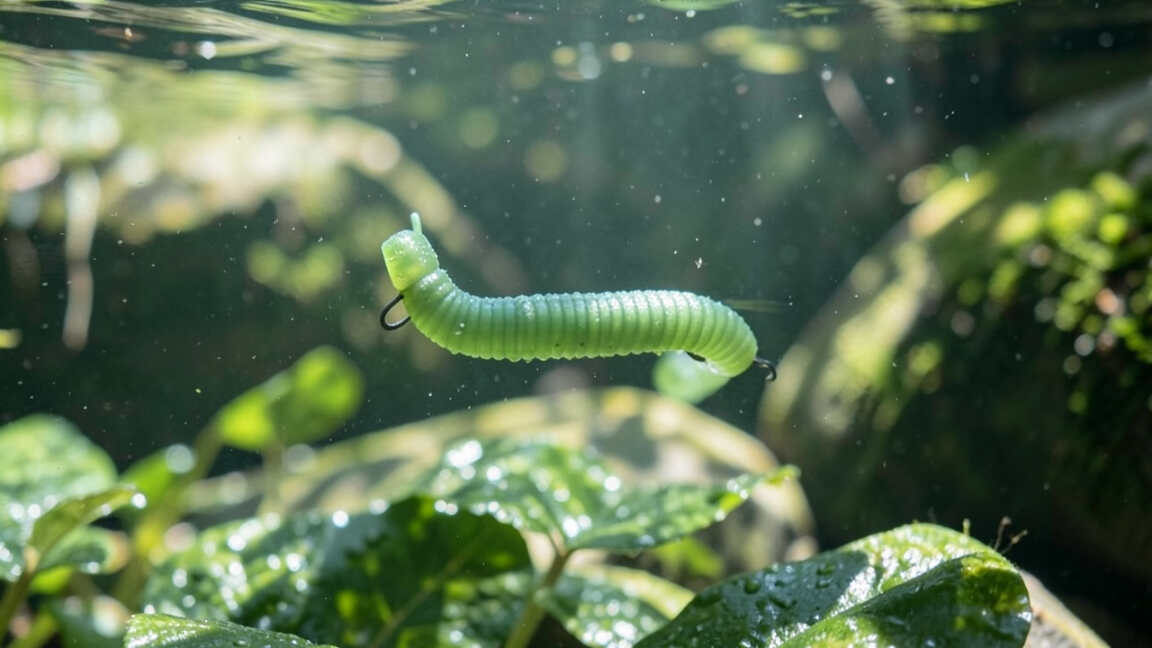
The wacky rig is a simpler setup. It’s fantastic for when bass are a bit picky. You rig the hook right through the middle of the worm.
This causes the worm to wiggle erratically. It does this even with the slightest twitch of your rod. This action is very natural and often irresistible to bass.
This method is perfect for clear water. It’s also great when bass aren’t aggressively chasing baits. The slow, tantalizing action of a wacky worm can draw strikes from even the most hesitant fish.
It’s a confidence builder and a proven producer.
How to Rig a Wacky Worm
Rigging a wacky worm is easy. You can use a special wacky hook. These hooks have a ring or an O-ring to keep the worm in place.
You can also use a standard worm hook. You thread it directly through the worm, perpendicular to its body. Make sure the hook point is exposed.
This ensures a good hookset. Some anglers add a small O-ring. This protects the worm from tearing.
When bass are lethargic or in clear water, the wacky rig’s slow, side-to-side wiggle often triggers strikes that other presentations miss.
It also helps it stay rigged longer.
The key to the wacky rig is presentation. You want to give it a gentle twitch. This makes the worm dance.
Let it fall slowly. Watch your line for any subtle movement. This often indicates a bite.
Don’t work it too fast. The slow, wiggling action is what draws the fish in.
When to Use a Wacky Worm
The wacky rig shines in several situations. It’s excellent for fishing around docks, submerged grass, and other structure. It’s also a top choice for pressured waters.
Fish that have seen a lot of baits can be fooled by its subtle action. It works well in spring and fall. It’s also effective during the summer when bass might be looking for an easy meal.
Try a wacky worm when bass are holding tight to cover. It can be fished vertically, dropped straight down to a fish. It can also be cast and retrieved with a slow, twitching motion.
The key is patience. Let the worm do the work. This is a core technique in Soft Plastic Worms for Bass: Texas, Wacky, and Senko Tips.
The Versatile Senko and Its Rigging
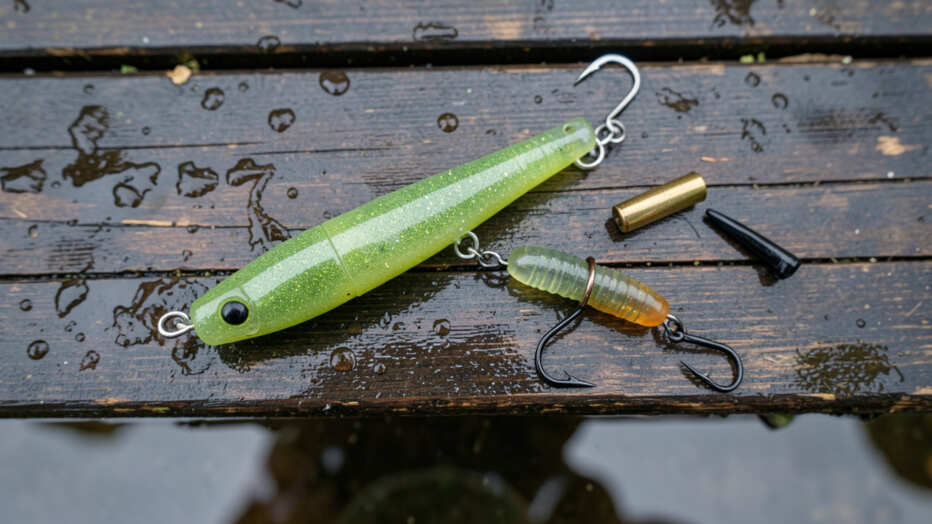
The Senko-style bait is a game-changer. It’s a soft plastic stick bait. It has a unique action.
When you twitch it, it darts and wobbles. When you let it fall, it has a subtle shimmy. This action works on many types of bass.
It’s effective in various conditions.
Senkos are incredibly versatile. You can rig them in several ways. Each method offers a different presentation.
This makes them a go-to bait for many anglers. Understanding these rigging options is vital for success.
No other soft plastic combines a darting twitch with a shimmying fall quite like a Senko; that versatility is why it catches bass from clear lakes to muddy rivers.
Popular Senko Rigging Methods
There are a few main ways to rig a Senko. Each has its advantages:
- Texas Rigged Senko: This is a very popular method. It’s weedless. You rig it just like a regular worm. This allows you to fish it around cover. It’s great for flipping and pitching.
- Wacky Rigged Senko: This is another top choice. You hook it through the middle. It gives the Senko that signature erratic wiggle. This is deadly when bass are finicky.
- Nekked Rigged Senko: This is essentially a wacky rig without an O-ring. You just thread the hook through the middle. It’s simpler and faster.
- Weightless Senko: This is the classic way to fish a Senko. It’s unweighted. It falls slowly with a natural shimmy. This is perfect for clear water and subtle presentations.
- Jig Head Senko: You can also put a Senko on a jig head. This makes it sink faster. It also adds a bit of wobble. This is good for a more active retrieve.
Choosing Senko Sizes and Colors
Senkos come in various sizes, typically from 4 to 7 inches. Smaller sizes (4-5 inches) are great for finesse fishing or when bass are smaller. Larger sizes (6-7 inches) are good for targeting bigger bass.
They also create a bigger profile in stained water.
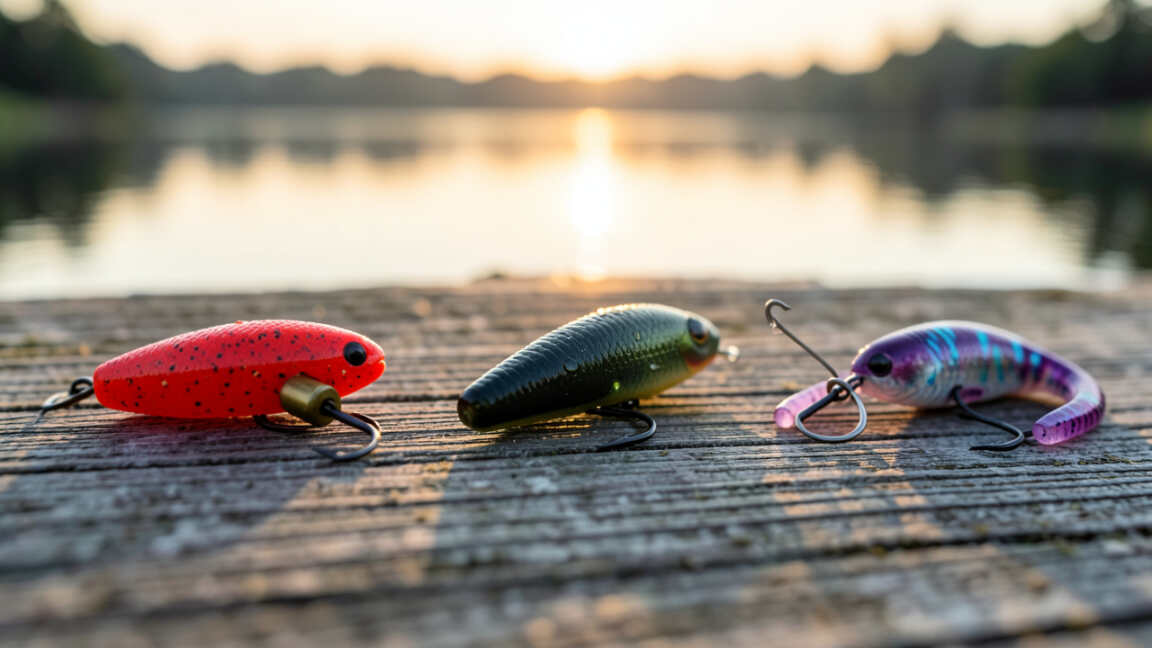
Color selection is important. Natural colors like green pumpkin, watermelon, and black are always good. They imitate common forage.
Brighter colors like chartreuse or pink can work in murky water. They can also trigger reaction bites. Consider the water clarity and light conditions when choosing your color.
Optimizing Your Soft Plastic Worm Presentation
Catching bass with soft plastic worms isn’t just about rigging. How you present the bait is just as important. Your retrieve, rod action, and even line choice can make a difference.
Mastering these details can turn a slow day into a great one.
Retrieve Techniques That Trigger Bites
For Texas-rigged worms, a common technique is the drag-and-pause. Cast your worm out. Let it sink to the bottom.
Then, slowly drag it a short distance. Pause. Let it sit for a few seconds.
Repeat this process. Bass often hit the worm when it’s sitting still or just starting to move again.
For wacky worms and weightless Senkos, a twitch-and-fall retrieve is effective. Give the bait a few sharp twitches of your rod tip. This makes it dance.
For Texas-rigged worms, the drag-and-pause retrieve mimics a crawfish; let the bait sink, drag slowly, then pause to trigger strikes.
Then, let it fall on a slack line. Watch your line for any movement. This is a sign of a bite.
You can also slowly reel it in with occasional twitches.
Hooksets and Line Choices
A good hookset is vital. When you feel a bite, don’t just yank. Give the fish a second to take the bait.
Then, reel in any slack line quickly. Set the hook with a firm, upward motion. For Texas rigs, this is usually a strong sweep of the rod.
Line choice matters. For Texas rigs in heavy cover, braided line is often preferred. It offers strength and sensitivity.
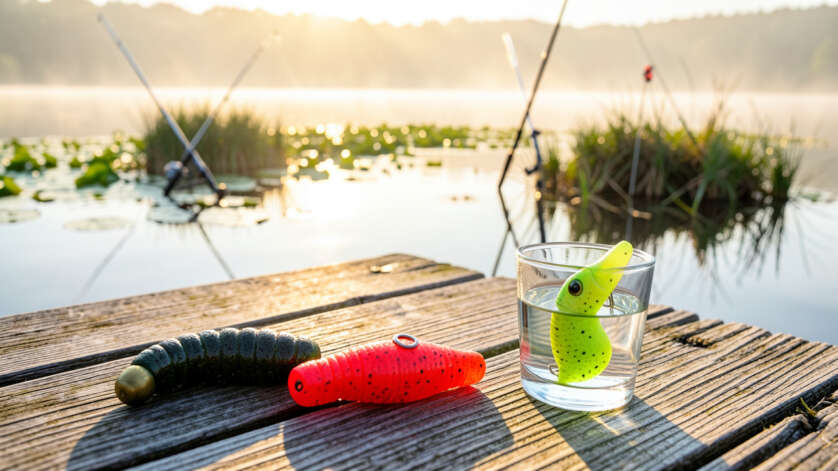
For finesse presentations like wacky rigs or weightless Senkos, monofilament or fluorocarbon line can be better. Fluorocarbon offers less stretch and better sensitivity. It also sinks, which can help with the bait’s fall.
When to Choose Texas, Wacky, or Senko
Deciding which rig to use depends on several factors. Water clarity, cover, and bass behavior all play a role. Understanding these elements will help you make the right choice.
Matching the Rig to the Conditions
Water Clarity: In clear water, subtle presentations are often best. Weightless Senkos or wacky-rigged worms work well. These baits have a natural action.
In stained or muddy water, you might need a more aggressive presentation. A Texas-rigged worm with a bit of weight can be more effective. It creates vibrations that bass can detect.
Cover: If you’re fishing around heavy cover like weeds or wood, the Texas rig is your best bet. Its weedless design allows you to get into tight spots. For less dense cover, like scattered grass or docks, a wacky rig or a weightless Senko can also be very effective.
Bass Activity: When bass are actively feeding, they’ll chase faster baits. A Texas rig can be worked with a bit more speed. When bass are more lethargic or pressured, they prefer slower, more tantalizing baits.
One common mistake is using a heavy Texas rig in open water or sparse grass; the wacky rig or weightless Senko offers a more subtle and effective presentation.
This is where the wacky worm and the weightless Senko shine. Their subtle action can draw strikes when other baits fail.
The Power of Experimentation
The best advice for Soft Plastic Worms for Bass: Texas, Wacky, and Senko Tips is to experiment. Conditions change. Bass behavior changes.
What works one day might not work the next. Don’t be afraid to switch things up.
Try different worm sizes, colors, and rigging methods. Pay attention to what the bass are reacting to. Sometimes, a small change can make a big difference.
The goal is to find what triggers a bite in that specific moment. Bass fishing is a game of adjustments.
Frequently Asked Questions
Question: What is the best soft plastic worm for bass fishing?
Answer: There isn’t one single “best” worm. The effectiveness depends on the conditions. However, the Texas rig, wacky rig, and Senko-style baits are all highly effective.
Learning to use them well is key.
Question: How do I rig a Senko weedless?
Answer: You can rig a Senko weedless using a Texas rig. Thread the hook through the worm, burying the point into the plastic. This prevents snags.
Question: When should I use a wacky worm vs. a Texas rig for bass?
Answer: Use a wacky worm when bass are finicky or in clear water for a subtle, dancing action. Use a Texas rig when fishing heavy cover or when bass are more active and aggressive.
Question: What hook size should I use for soft plastic worms for bass?
Answer: For most soft plastic worms, a 3/0 to 5/0 worm hook is a good starting point. The exact size depends on the worm’s length and thickness. A wide-gap hook is often recommended.
Question: Are Senkos good for beginners?
Answer: Yes, Senkos are excellent for beginners. They are easy to rig and fish, and their versatility makes them effective in many situations. Learning Soft Plastic Worms for Bass: Texas, Wacky, and Senko Tips will greatly help beginners.
Question: Should I use weight with a Senko?
Answer: It depends on the situation. A weightless Senko falls slowly with a natural shimmy, ideal for clear water and passive bass. Adding weight helps it sink faster and reach deeper water or cover.
Final Thoughts
Mastering Soft Plastic Worms for Bass: Texas, Wacky, and Senko Tips opens up new possibilities on the water. By understanding how to rig and present these versatile baits, you can consistently catch more bass. Experiment with these techniques to find what works best for you and enjoy your time on the water.




6 Comments