


Carolina Rig Bass Fishing: When And Why It Outshines Texas
The Carolina rig outshines the Texas rig when bass are scattered over open water, points, humps, and ledges because its bullet weight and long leader allow the bait to suspend and glide naturally, enticing bites from suspended or wary fish. It performs best on clean to moderately clear water with hard, gravel, or sand bottoms, enabling efficient coverage of large areas while keeping the bait slightly off the bottom. The Carolina rig’s ability to trigger strikes in pressured bass and maintain effectiveness over varied bottom compositions makes it a superior choice when fish are not concentrated in heavy cover.
When you’re out on the water chasing bass, you want every advantage. Sometimes, the best way to catch fish isn’t about the flashiest lure, but about how you present it. Understanding when and why to use different rigs can make all the difference.
This guide breaks down Carolina Rig Bass Fishing: When and Why It Outshines Texas rigs, helping you pick the right tool for the job and put more bass in your boat. We’ll cover how each rig works and when one truly shines over the other, so you can fish smarter.
Key Takeaways
- The Carolina Rig is excellent for covering large areas and finding scattered bass.
- The Texas Rig excels in thick cover where you need to get through weeds and brush.
- Water clarity and bottom composition heavily influence which rig performs better.
- The Carolina Rig is ideal for targeting bass holding on points, humps, and ledges.
- The Texas Rig is the go-to for flipping and pitching into dense vegetation.
- Understanding the subtle differences helps anglers adapt to various fishing conditions.
Understanding the Carolina Rig
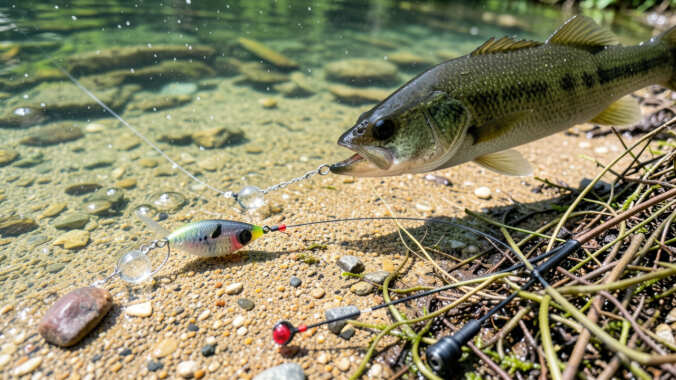
The Carolina Rig, often called a “C-Rig,” is a popular bass fishing setup. It features a weight, a bead, a swivel, a leader line, and a hook. The weight slides freely on your main fishing line.
A bead sits between the weight and the swivel. This setup allows your bait to move naturally. It presents the bait with a subtle, enticing action.
This makes it very effective for certain situations.
The main advantage of the Carolina Rig is its ability to cover a lot of water. It’s perfect for searching for bass that are spread out. You can cast it long distances.
It also slides easily over bottom structure like rocks and gravel. This helps you feel what’s on the bottom. It’s a great tool for locating active fish.
When bass are not in super thick cover, the C-Rig can be deadly.
When to Deploy the Carolina Rig
There are specific times and places where the Carolina Rig truly shines. Think about when bass are relating to structure but aren’t necessarily buried in heavy cover. This includes fishing over submerged points, humps, and ledges.
Use a shorter leader between 6 inches and 1 foot when fishing flats to keep your bait closer to the bottom and increase detection of subtle strikes.
These areas often attract baitfish, and bass follow. The Carolina Rig allows your bait to drift and present itself naturally over these spots.
Another prime scenario is when bass are suspended slightly off the bottom. The leader line allows your bait to float up a bit. This can trigger strikes from bass that might ignore a bait right on the bottom.
Water clarity also plays a role. In clearer water, the natural presentation of the Carolina Rig is often more appealing. This is where Carolina Rig Bass Fishing: When and Why It Outshines Texas becomes very clear.
It’s about finesse and natural movement.
Carolina Rig Components and Setup
Setting up a Carolina Rig is straightforward. You’ll need a bullet-shaped weight, typically 1/4 to 1 ounce, depending on conditions. A glass or plastic bead goes on the line before the weight.
This protects the knot and adds a subtle clicking sound. A high-quality swivel connects the main line to your leader.
The leader line is crucial. It’s usually made of fluorocarbon, which is less visible in the water. The length can vary from 6 inches to 3 feet.
Shorter leaders are better for covering flats. Longer leaders work well for deeper water or when bass are more finicky. Your hook choice depends on the bait you’re using.
A wide gap hook is common for soft plastics.
Understanding the Texas Rig
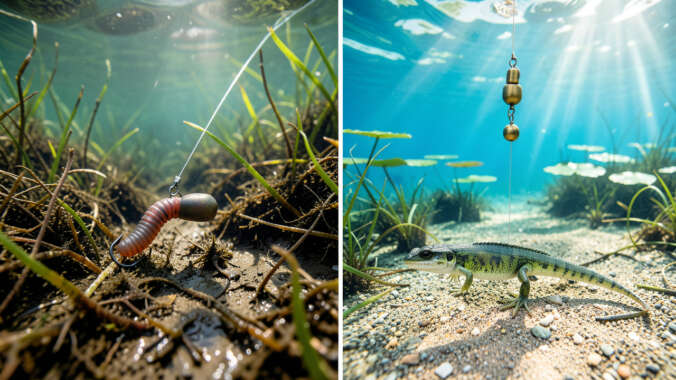
The Texas Rig is another staple for bass anglers. It’s known for its weedless design. This rig consists of a hook, a sinker (usually a bullet weight), and a soft plastic bait.
The key feature is that the hook point is buried into the bait. This prevents it from snagging on cover like weeds, rocks, and wood.
This rig is fantastic for fishing in and around heavy cover. When you need to punch through thick vegetation or drag a bait over a laydown log, the Texas Rig is your best friend. It’s often used for flipping and pitching techniques.
This allows for precise bait placement in tight spots. The weight is typically pegged to the bait with a toothpick or a specialized bobber stopper.
When to Deploy the Texas Rig
The Texas Rig is the undisputed king when it comes to fishing thick cover. If you’re looking at lily pads, dense weeds, submerged timber, or brush piles, this is the rig you want. Bass often hold tight to this kind of structure for safety and ambush opportunities.
The weedless nature of the Texas Rig allows you to get your bait right into those prime spots without getting hung up.
The weedless design of the Texas Rig lets you fish directly inside heavy cover where bass ambush prey, making it a must for thick vegetation or wood.
It’s also highly effective in stained or muddy water. The direct contact with the bottom and the less subtle presentation can still trigger bites. When bass are less active or are holding very tightly to cover, the Texas Rig’s ability to be presented directly to them is invaluable.
This is where the Texas Rig really shines and often outshines other setups.
Texas Rig Components and Setup
A Texas Rig is simple to assemble. You’ll need a worm hook, often a wide-gap or offset hook. The size depends on your soft plastic bait.
A bullet-shaped sinker, usually 1/8 to 1/2 ounce, is common. You thread the weight onto your fishing line first. Then, you insert the hook point into the nose of your soft plastic bait.
You then bring the hook point out through the body of the bait. Finally, you bury the hook point back into the plastic. This makes it weedless.
You can use a toothpick or a rubber peg to secure the weight to the nose of the bait. This prevents it from sliding up the line. This secure rigging is vital for its effectiveness in heavy cover.
Carolina Rig Bass Fishing: When and Why It Outshines Texas
While both rigs are essential tools for bass anglers, there are distinct situations where the Carolina Rig Bass Fishing: When and Why It Outshines Texas rigs. The primary difference lies in how they present the bait and their effectiveness in different environments. The Carolina Rig excels in open water and around lighter structure.
It offers a more natural, subtle presentation that can fool wary bass.
When bass are scattered and not locked onto a specific piece of cover, the Carolina Rig is superior. Its ability to cover vast areas allows you to search for active fish. The free-sliding weight and leader create a lifelike bait action.
This is particularly effective when bass are feeding on crawfish or smaller baitfish that move along the bottom. The Carolina Rig is a search bait and a finesse bait rolled into one. It allows for a wider sweep of the bottom, finding fish that might be spread out.
The subtle drag and glide are key to triggering bites when other methods fail. This is a critical distinction for anglers seeking an edge.
Comparing Presentation Styles
The presentation style of the Carolina Rig is its greatest strength. The weight stays on the bottom, while the bait drifts and glides behind it on the leader. This creates a highly natural appearance.
It mimics a crawfish or a small baitfish moving along. The bead and swivel can also create subtle sounds. These sounds can attract curious bass.
When bass are scattered and not locked onto specific cover, the Carolina Rig’s subtle, widespread search pattern consistently outperforms targeted presentations.
The bait has freedom to move independently of the weight.
In contrast, the Texas Rig usually has the weight directly in front of or attached to the bait. This creates a more direct, often heavier action. It’s designed to plow through cover.
While effective for getting into tight spots, it can sometimes present the bait in a less natural way. This is why, when you need that subtle, widespread search and natural drift, the Carolina Rig Bass Fishing: When and Why It Outshines Texas is often the better choice. It’s all about mimicking natural forage.
Bottom Composition and Rig Performance
The type of bottom you are fishing on greatly influences which rig will perform best. The Carolina Rig thrives on softer bottoms like mud, sand, and gravel. It slides over these surfaces easily.
The weight can settle slightly, giving your bait a natural resting position. It also excels on rocky bottoms and subtle changes in structure like points and humps.
The Texas Rig, while versatile, is best suited for areas with more obstacles. It handles thick mud, rocks, and heavy vegetation without issue. Its weight is more directly in contact with the bottom.
This can be good for feeling subtle bites. However, on a clean, hard bottom, the Carolina Rig’s natural presentation often has an edge. The Carolina Rig allows for a cleaner sweep of these less obstructed areas.
The difference in how they interact with the bottom is a major factor.
When the Carolina Rig Truly Shines
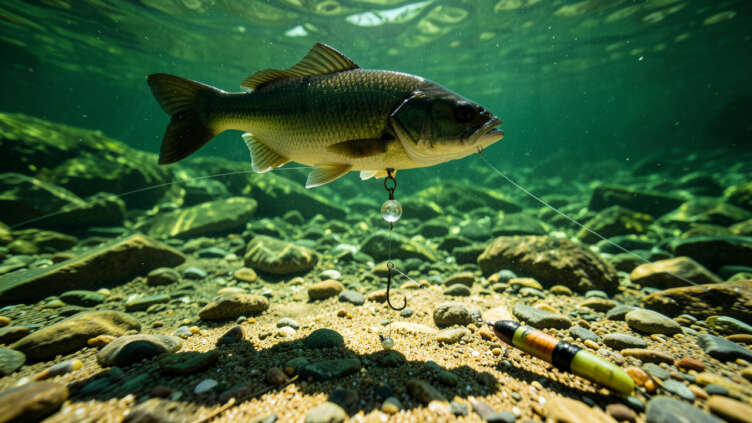
There are specific scenarios where the Carolina Rig is the undisputed champion. One of the most prominent is when bass are actively feeding on crawfish. The natural crawling action of a soft plastic crawfish bait on a Carolina Rig is incredibly effective.
Bass often target crawfish along the bottom. This rig perfectly imitates that feeding behavior. The weight stays put, and the bait moves realistically.
Another situation is when you need to cover a lot of ground quickly. If you’re on a large lake and the bass are scattered, the Carolina Rig allows you to cast long distances and drag your bait across various bottom types. You can systematically search flats, points, and drop-offs.
This efficiency is key to finding active schools of bass. This is a prime example of Carolina Rig Bass Fishing: When and Why It Outshines Texas. It’s about covering water and finding active fish.
Targeting Specific Bass Behaviors
Bass exhibit different behaviors depending on the season and conditions. During the spring, as bass move shallow to spawn, a Carolina Rig can be effective for targeting prespawn females holding on deeper structure near spawning flats. They are often looking for a substantial meal.
The Carolina Rig presents a larger profile bait effectively.
In clear water, lengthen your leader to 2–3 feet to keep the bait farther from the weight, creating a more natural fall that spooky bass can’t resist.
In the summer, when bass might suspend or move deeper to cooler water, the Carolina Rig’s ability to present bait naturally in the water column is invaluable. It can be fished at various depths. This allows you to find bass holding on humps, ledges, or the edges of drop-offs.
The subtle action is key to enticing lethargic summer bass. This highlights the adaptability of the rig.
The Advantage in Clear Water
When fishing in clear water conditions, the subtle and natural presentation of the Carolina Rig becomes even more critical. In clear water, bass can see your bait from a distance. They can also scrutinize its movement.
A rig that presents a bait with minimal disturbance and a lifelike glide is often more successful. The fluorocarbon leader on a Carolina Rig is also less visible.
The Texas Rig, with its more direct presentation, can sometimes spook wary bass in clear water. While it can still be effective, anglers often find they need to downsize their baits or use more subtle colors with the Texas Rig in clear conditions. For a consistently natural presentation that bass won’t shy away from, the Carolina Rig often has the edge.
This is a key reason why Carolina Rig Bass Fishing: When and Why It Outshines Texas in certain scenarios.
When the Texas Rig Takes the Lead
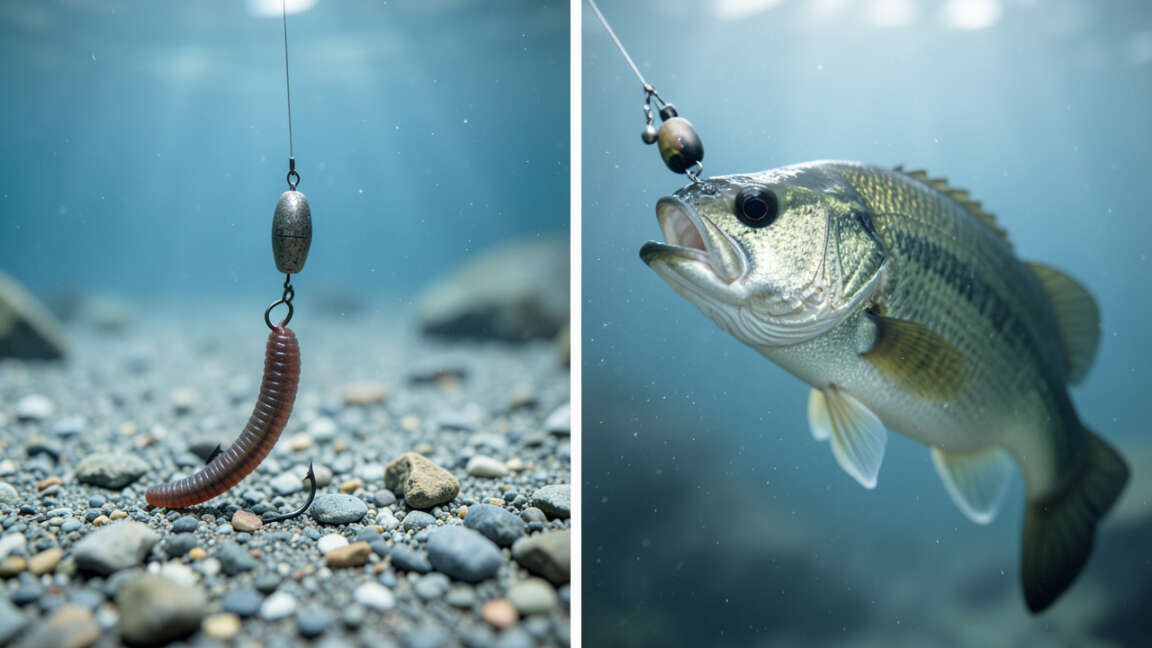
Now, let’s look at when the Texas Rig is the clear winner. Its primary advantage is its weedless nature. This makes it the go-to rig for fishing heavy cover.
Think about areas with thick vegetation, submerged logs, brush piles, or docks. The Texas Rig allows you to pitch your bait right into these spots and drag it through without constant snagging.
When bass are holding tight to cover, waiting to ambush prey, the Texas Rig is perfect. You can work your bait right up to the edge of the cover or even into it. The direct contact with the weight helps you feel the cover and know when you’re in a prime strike zone.
This direct approach is often necessary to provoke a bite from a bass that might otherwise ignore a bait presented further away.
Punching and Flipping Techniques
The Texas Rig is fundamental to popular techniques like punching and flipping. Punching involves dropping your bait through small holes in thick matted vegetation. The weight and weedless design allow the bait to penetrate the mat.
Flipping involves casting your bait with a controlled motion into tight spots, like under docks or into brush piles. Both techniques rely on the Texas Rig’s ability to get your bait precisely where the bass are hiding.
Avoid using a Carolina Rig in heavy cover; the exposed hook and free weight will snag constantly, whereas the Texas Rig keeps you fishing through the strike zone.
These techniques require a rig that won’t snag. The Texas Rig’s hook buried in the bait is essential for this. Without it, you’d spend more time untangling your line than fishing.
The weight pegging system also keeps the bait and weight together, ensuring a compact profile for easy penetration. This is a major reason why Carolina Rig Bass Fishing: When and Why It Outshines Texas in these specific applications.
Effectiveness in Stained or Murky Water
In stained or murky water, visibility for the bass is reduced. This changes how they hunt and react to lures. The Texas Rig, with its more direct and sometimes heavier presentation, can be very effective in these conditions.
The weight can help create vibrations and a more pronounced feel for the bass. It also allows you to keep your bait in the strike zone longer.
The subtle action of the Carolina Rig can sometimes be lost in very dirty water. The Texas Rig’s ability to be worked more aggressively along the bottom can generate reaction strikes. Bass in low visibility often rely more on their lateral line and other senses.
The Texas Rig can stimulate these senses effectively. This makes it a reliable choice when the water is not clear.
Comparing the Rigs: A Quick Look
Let’s put the two rigs side-by-side to see their core differences. Understanding these distinctions is key to mastering both. They each have strengths that make them ideal for different fishing scenarios.
The Carolina Rig excels in open water with a natural drift, while the Texas Rig is built for direct contact and weedless penetration in dense structure.
As you can see, the choice often comes down to the type of cover and how the bass are positioned. The table clearly shows why Carolina Rig Bass Fishing: When and Why It Outshines Texas is not always the case, and vice versa. Each rig has its place.
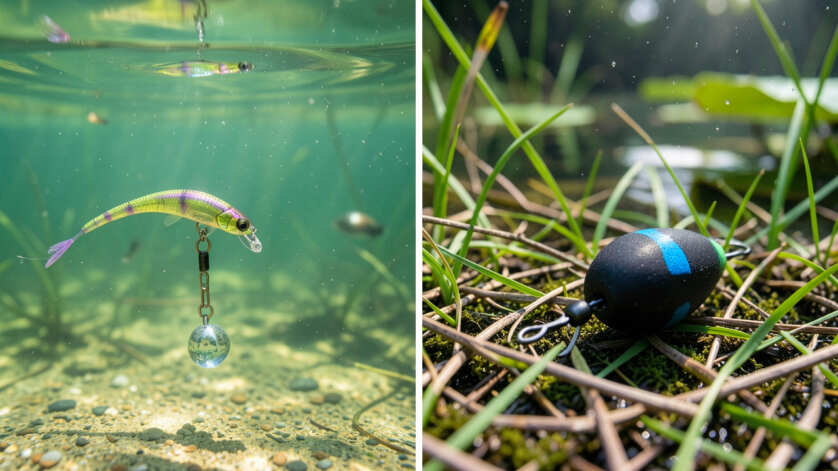
Choosing the Right Bait for Each Rig
The type of soft plastic bait you choose is also important. For the Carolina Rig, baits that mimic crawfish are very popular. Soft plastic craws, lizards, and creature baits work well.
You can also use paddle tail swimbaits or worms. The key is a bait that has a natural swimming or crawling action.
Matching your soft plastic to the rig’s purpose—crawfish imitations for the Carolina Rig, versatile worms for the Texas Rig—makes the difference between a hit and a miss.
For the Texas Rig, the options are vast. Worms are classic choices, especially straight-tail or ribbon-tail worms. Crawfish imitations, creature baits, and flukes are also highly effective.
Paddle tail swimbaits are great for punching and getting through thick cover. The goal is a bait that can be rigged weedlessly and has an enticing action when pulled through cover.
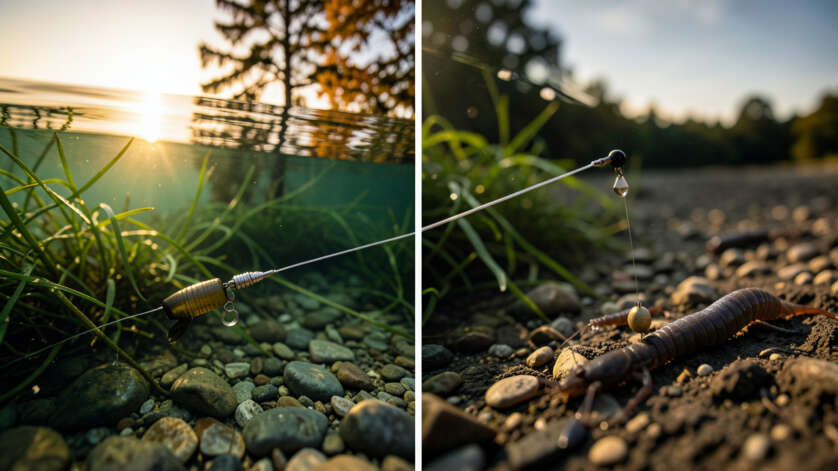
When to Switch Rigs
Sometimes, bass fishing requires adaptability. You might start your day with one rig and need to switch. If you’re fishing a large lake, you might begin by covering broad areas with a Carolina Rig.
You might find a school of fish on a point. Then, you can switch to a Texas Rig to flip into the nearby brush or laydowns where those fish might retreat.
If the Texas Rig isn’t getting bites in heavy cover, back off and throw a Carolina Rig over adjacent flats or ledges to find scattered feeding bass.
Conversely, if you’re trying to punch through thick mats with a Texas Rig and aren’t getting bites, it might mean the bass are not holding tight to the cover. They might be slightly off it, feeding on baitfish. In that case, backing off and trying a Carolina Rig over the nearby flats or ledges could be the ticket.
The ability to recognize when a rig isn’t working and switch is a mark of a skilled angler. This constant evaluation is part of successful Carolina Rig Bass Fishing: When and Why It Outshines Texas.
Frequently Asked Questions
When is the best time of year for Carolina Rig Bass Fishing?
The Carolina Rig is effective year-round, but it particularly shines in the spring and fall when bass are actively feeding on crawfish and moving along structure. It’s also great in the summer for finding deeper bass.
What is the main difference between a Carolina Rig and a Texas Rig?
The main difference is how the weight is configured and the rig’s weedlessness. The Carolina Rig has a free-sliding weight and a leader, making it great for covering water with a natural presentation. The Texas Rig has the weight directly on the line with the hook buried in the bait, making it weedless for fishing heavy cover.
Can I use a Carolina Rig in heavy cover?
While not its primary strength, you can use a Carolina Rig in lighter cover like sparse weeds or rocks. However, for thick vegetation or dense brush, the Texas Rig is far superior due to its weedless design.
Why does the Carolina Rig presentation outshine the Texas Rig sometimes?
The Carolina Rig’s ability to offer a subtle, natural drift and glide on the bottom mimics prey like crawfish very effectively. This natural presentation often appeals to wary bass, especially in clearer water or when they are not in heavy cover, making Carolina Rig Bass Fishing: When and Why It Outshines Texas in these specific situations.
What kind of line should I use for a Carolina Rig?
A fluorocarbon leader is highly recommended for its low visibility in the water. The main line can be monofilament or fluorocarbon. A 10-20 pound test range is common, depending on the size of bass you’re targeting and the structure you’re fishing.
Final Thoughts
Choosing between a Carolina Rig and a Texas Rig depends on where the bass are and how they’re feeding. Use the Carolina Rig for searching open water and lighter structure with a natural presentation. Opt for the Texas Rig when you need to get into heavy cover and fish weedless.
Mastering both will make you a more versatile and successful angler.