




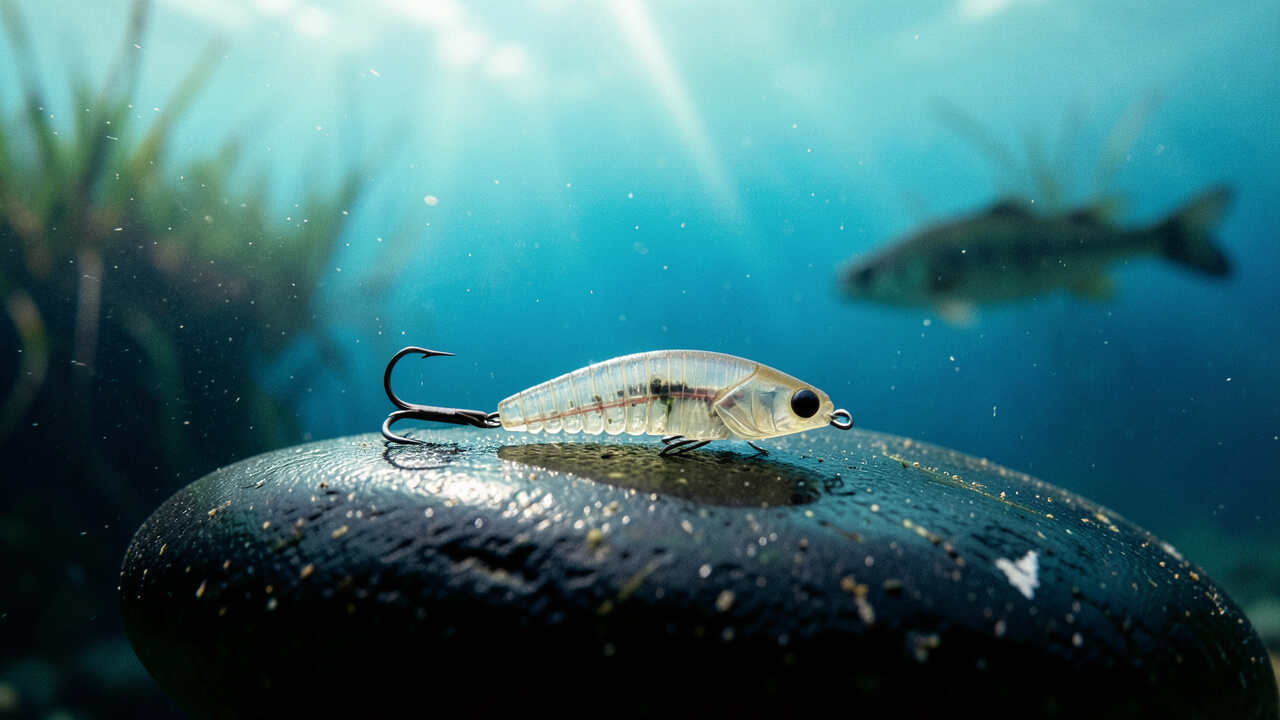
Bass Fishing Clear Water: Finesse Tactics That Catch Fish
Bass fishing in clear water demands finesse tactics that minimize visibility and disturbance to fool spooky bass. Using light fluorocarbon line and a sensitive rod allows anglers to detect subtle bites while presenting small, natural-looking lures like drop-shots or finesse worms. Precise, quiet casting and stealthy boat positioning prevent bass from fleeing, and mastering slow, subtle lure movements triggers strikes from wary fish. Understanding how clear water amplifies a bass's ability to see threats is essential for consistently catching them with these refined approaches.
When the water is crystal clear, bass can be tough to catch. They get spooky and see everything. You need a different approach than you would in murky conditions.
Learning how to fish in clear water can make a big difference in your success. This guide will show you how to adapt your techniques to fool those wary bass. You’ll learn how to present lures so they don’t get spooked.
Get ready to catch more fish with these proven Bass Fishing Clear Water: Finesse Tactics That Catch Fish.
Key Takeaways
- Clear water requires stealth and subtle lure presentations.
- Smaller, natural-looking lures are often more effective.
- Light line and sensitive rod setups help detect subtle bites.
- Precise casting and quiet boat positioning are crucial.
- Understanding bass behavior in clear water leads to better results.
- Finesse techniques focus on presentation over aggressive action.
Why Clear Water Bass Are So Tricky
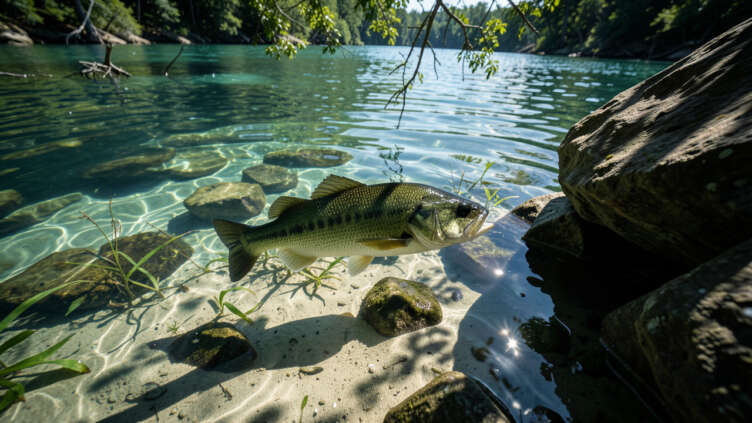
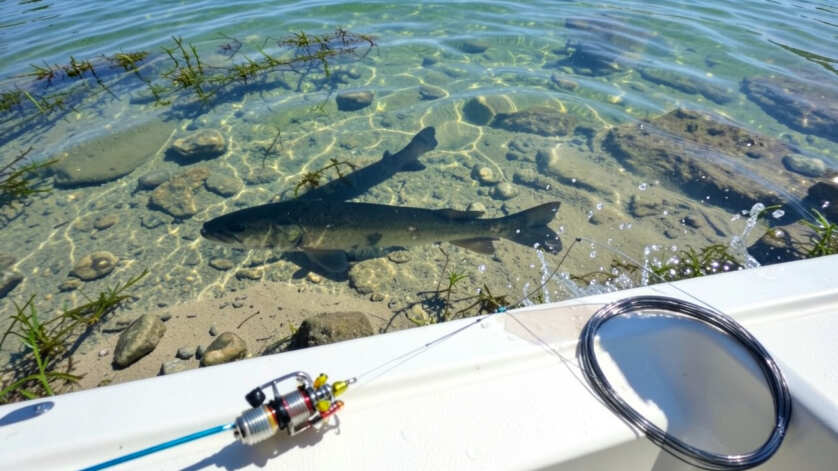
Bass in clear water have a huge advantage. They can see your lure from a long way off. They also see you and your boat.
This makes them very cautious. If your lure looks unnatural or your approach is noisy, they’ll just swim away. They have plenty of time to inspect your offering.
A medium-light spinning rod with fast action and light line is essential for detecting the subtle bites of finicky clear water bass.
Approach clear water bass with extreme stealth; avoid noisy boat movements and use long casts to keep your profile low.
This is why standard, aggressive techniques often fail. You need to change how you fish. Stealth and subtlety become your best friends.
Think about it from the bass’s perspective. They live in an environment where they can see danger coming. They are less likely to chase a big, flashy bait.
They prefer to ambush prey that looks easy to catch. For successful Bass Fishing Clear Water: Finesse Tactics That Catch Fish, you have to think like that bass. You have to present something that looks natural and easy to eat.
Choosing the Right Gear for Clear Water
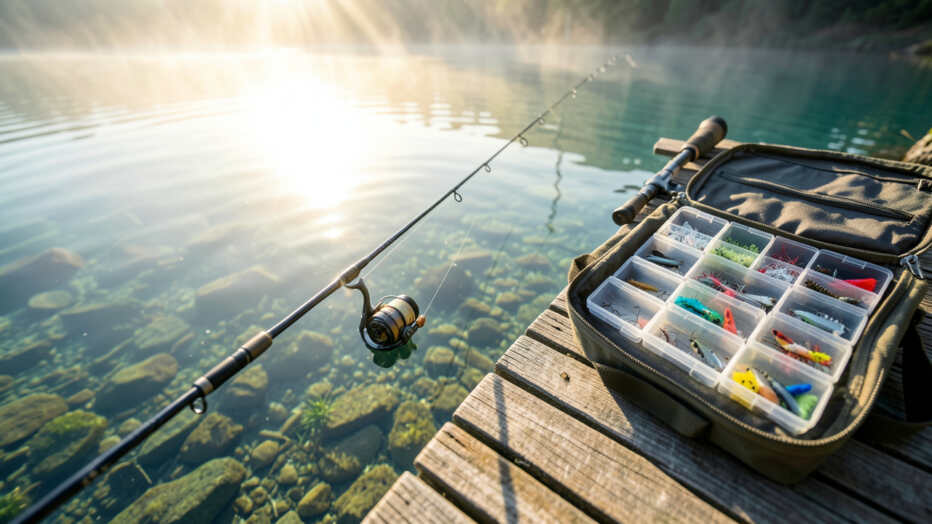
Your fishing gear makes a big difference. You need equipment that lets you feel subtle bites. You also need gear that can handle light lines.
Light line is essential in clear water. It’s less visible to the fish. A sensitive rod will help you detect those light takes.
A spinning rod and reel combo is often the best choice.
A medium-light or light power spinning rod is ideal. Look for a rod with a fast or extra-fast action. This helps with casting accuracy and detecting bites.
A good quality spinning reel with a smooth drag system is also important. You want to be able to cast light lures accurately. You also need to be able to fight a bass on light line without breaking it.
In clear water, the most effective presentation is one that makes your lure look like an easy, natural meal—not a fleeing target.
Line Selection for Clear Water Bass
Line visibility is a huge factor in clear water. Bass can see fishing line very well. This is why fluorocarbon line is so popular.
It’s nearly invisible underwater. It also has less stretch than monofilament. This gives you better feel and hooksets.
You can also use monofilament line. Some anglers use monofilament and tie on a fluorocarbon leader. This gives you the best of both worlds.
For most clear water finesse applications, 4-pound to 8-pound test line is common. You might go up to 10-pound test if you are fishing around cover. Using the lightest line possible that you can safely fish with is key.
This reduces the fish’s ability to see your line. It also allows your lure to move more naturally.
Mastering Finesse Lure Presentations
The key to Bass Fishing Clear Water: Finesse Tactics That Catch Fish is the lure and how you present it. Finesse fishing means using smaller, more subtle lures. It also means using a slower, more deliberate presentation.
The goal is to make the lure look like an easy meal. You want the bass to bite out of instinct, not aggression.
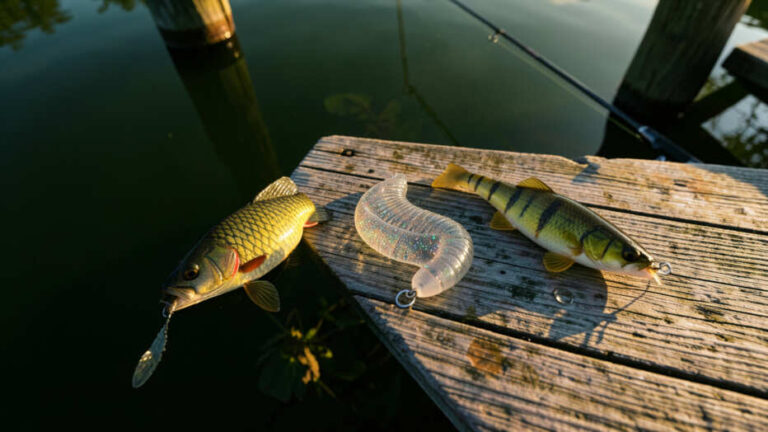
Think about what bass eat in clear water. They eat small baitfish, crawfish, and insects. Your lures should mimic these natural food sources.
Smaller sizes and natural colors are usually best. Avoid bright, flashy colors unless the conditions are very bright and sunny. Even then, subtle is often better.
Top Finesse Lures for Clear Water
Several types of lures excel in clear water. These are the workhorses for many clear water anglers. They are designed to be fished slowly and subtly.
This makes them perfect for wary bass. Using these lures correctly will significantly improve your catch rate.
Make long casts past the fish and retrieve your lure toward them; this prevents your boat's shadow from spooking them.
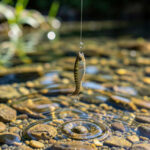
- Drop Shot Rig: This is a very popular finesse rig. It uses a weight at the bottom of the line. Your lure is then tied a foot or two above the weight. This keeps your bait suspended and moving naturally. It’s great for targeting suspended bass or bass holding near the bottom.
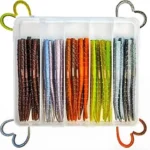
- Texas Rigged Worms: Use smaller, thinner worms for this. Rig them weedless on a light, sharp hook. Keep the worm’s tail straight or use a subtle action tail.
- Jigging Spoons: Smaller, slender jigging spoons can work. Work them with a subtle jigging motion.
- Ned Rigs: A small, buoyant bait on a mushroom-shaped head. This bait stands up off the bottom and wiggles with the slightest current.
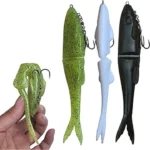
- Small Swimbait: A 2-3 inch swimbait can be deadly. Rig it on a light jig head.
- Hair Jigs: These have a natural, flowing profile. They look like small baitfish or crawfish.
Each of these lures has its place. The important thing is to fish them slowly. Let the lure do the work.
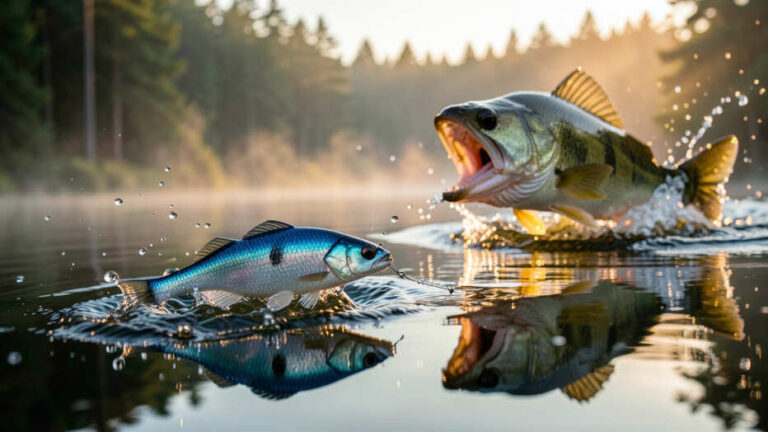
Bass in clear water are often not looking for a high-speed chase. They are looking for an easy snack.
The Art of Subtle Lure Movement
Presentation is everything in clear water. You can’t just reel a lure past a bass and expect it to bite. You need to make your lure look alive.
This means using subtle twitches and pauses. Let the lure flutter down slowly. Sometimes, just holding the lure still is enough to get a bite.
The natural drift of the bait is often what triggers a bass.
For a drop shot, a gentle lift and fall of the rod tip is all you need. For a Texas-rigged worm, a slow crawl along the bottom or a series of short, subtle hops will work. The key is to avoid any sudden, jerky movements that will spook the fish.
Experiment with different retrieve speeds and actions to see what the bass are responding to on any given day.

Stealthy Boat Positioning and Casting
Bass in clear water are not only spooked by lures. They can also see your boat. They can see your shadow.
This means you need to be quiet and stealthy. Approach potential fishing spots slowly. Keep your boat a good distance from the fish if possible.
This is where long casts become very important.
Try to cast past the fish and retrieve the lure towards them. This way, they see the lure before they see your boat. Use your trolling motor at the lowest speed.
Avoid making loud noises. Don’t stomp around on the boat. Anything that makes a disturbance can shut down the bite.
Beware of making vibrations or casting shadows; clear water bass are highly alert and will avoid any sign of danger.
Casting Accuracy for Clear Water Success
Accurate casting is crucial for Bass Fishing Clear Water: Finesse Tactics That Catch Fish. You need to be able to place your lure precisely where you want it. This often means targeting specific pieces of cover.
It might be a single rock, a dock piling, or a patch of weeds. A misplaced cast can alert the fish before they even see your lure.
Practice your casting. Work on your accuracy with light lures. A spinning rod helps with this.
It allows for controlled, accurate casts with light baits. Aim for a target and try to land your lure within a foot of it. This precision will make a big difference.
It helps you get your lure in front of more wary bass.
Understanding Bass Behavior in Clear Water
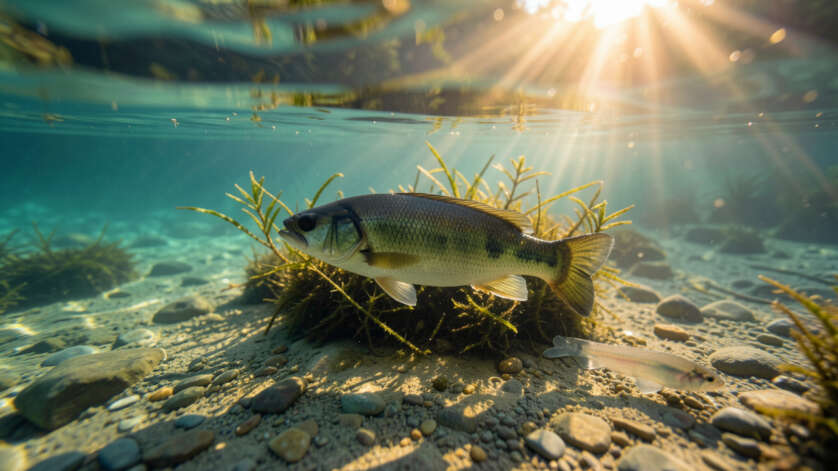
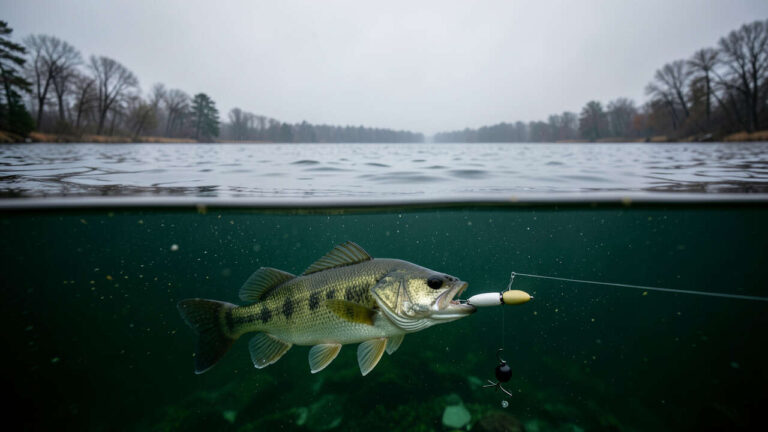
Bass behave differently in clear water. They tend to be more spread out. They can see food from further away.
They are also more sensitive to vibrations and shadows. This means you need to pay attention to where they are holding. Look for subtle signs of bass activity.
In clear water, bass often relate to structure and cover. They might be holding on the shady side of a dock. They could be near a submerged log.
They might be using a drop-off to ambush baitfish. Understanding these patterns will help you find them. Once you find them, you can use your finesse tactics to catch them.
Finesse tactics outperform power techniques in clear water because they use smaller lures, natural actions, and light line to match the bass's cautious behavior.
Reading the Water for Clear Water Bass
Learning to read clear water is a skill. Look for changes in the bottom contour. Look for submerged vegetation.
Pay attention to where baitfish are schooling. Sometimes, you can see the bass themselves. They might be cruising near the surface or holding tight to cover.
Don’t overlook shallow areas, as bass will move up to feed.
The time of day also matters. Early morning and late evening are often best. Bass are more active then.
The sun is lower, casting fewer shadows. Overcast days can also be great for clear water bass fishing. The reduced sunlight makes them a little less spooky.
Finesse Techniques in Action: A Comparison
To truly master Bass Fishing Clear Water: Finesse Tactics That Catch Fish, it helps to see how different techniques stack up. While aggressive lures might work in stained water, they often fail in clear conditions. Finesse is all about subtlety.
Using too heavy line or making too much noise are common mistakes that can ruin your clear water fishing before you even get a bite.
Here’s a look at how finesse compares to more power-oriented approaches.
As you can see, the approaches are quite different. For Bass Fishing Clear Water: Finesse Tactics That Catch Fish, you are focusing on fooling the fish with stealth and realism. Power fishing is about covering water and triggering reaction strikes in low visibility.
Common Mistakes to Avoid in Clear Water
Even with the right gear and lures, you can still make mistakes. These common errors can cost you bites. Being aware of them will help you avoid them.
When bass are lethargic in stained or transitional waters, switching to a finesse presentation can turn a slow day into a successful one.
This leads to more fish in the boat.
- Using too heavy a line: Bass can see thick lines easily.
- Making too much noise: Loud noises from the boat or equipment spook fish.
- Aggressive casting: Plopping lures in the water will scare them.
- Fast retrieve speeds: Bass won’t chase a fast bait in clear water.
- Ignoring natural colors: Bright, unnatural colors are a red flag.
- Not being patient: Finesse fishing requires patience.
Avoiding these pitfalls is just as important as using the right techniques. It’s about creating an overall stealthy and natural presentation that the bass can’t resist. Perfecting these Bass Fishing Clear Water: Finesse Tactics That Catch Fish takes practice.

When to Use Finesse in Other Conditions
While finesse fishing is most critical in clear water, it has its place in other scenarios too. Sometimes, even in stained or dirty water, bass can become lethargic. They might not be aggressive enough to chase moving baits.
In these situations, slowing down and using a finesse approach can still save your day.
Think about tough bite days. This often happens in transitional seasons like spring or fall. Bass might be finicky.
They might be more interested in an easy meal than a chase. A small, subtle bait can often entice these less active fish. So, while clear water is the prime time, don’t discount finesse when the bite is tough.
Frequently Asked Questions
What is the most important factor for Bass Fishing Clear Water: Finesse Tactics That Catch Fish?
The most important factor is presentation – making your lure look as natural and subtle as possible to avoid spooking wary bass.
How does line visibility affect bass fishing in clear water?
Bass can see fishing line very well in clear water, so using thin, nearly invisible lines like fluorocarbon is crucial.
When should I use a drop shot rig for bass fishing in clear water?
A drop shot rig is excellent when bass are suspended or holding tight to the bottom, as it keeps your bait naturally presented.
Are bright lure colors ever good for Bass Fishing Clear Water: Finesse Tactics That Catch Fish?
Generally, natural colors are best. Bright colors are rarely needed and can sometimes spook fish in clear conditions.
How can I avoid spooking bass when approaching them in clear water?
Approach potential bass locations slowly and quietly, using your trolling motor on a low speed and casting from a greater distance.
Is finesse fishing only for clear water bass?
No, finesse techniques can be very effective in other conditions, especially on tough bite days when bass are less aggressive.
Final Thoughts
Catching bass in clear water requires a delicate touch. By focusing on stealth, subtle lure presentations, and light tackle, you can overcome their caution. Mastering these finesse tactics will lead to more successful fishing trips.
Keep practicing and observing, and you’ll see your catch rates improve.



5 Comments