

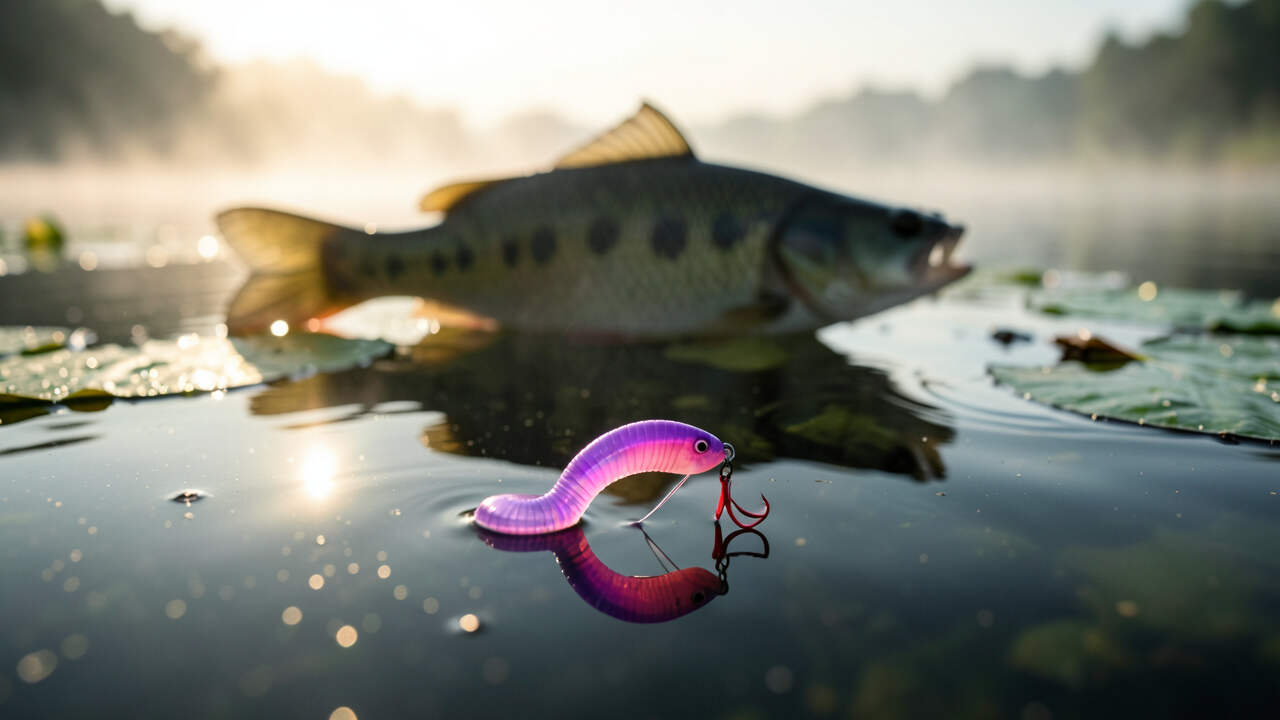
Wacky Rig Bass: The Subtle Presentation That Always Works
The wacky rig is a subtle bass presentation that consistently triggers strikes by allowing a soft plastic bait to fall naturally and wiggle enticingly. This technique overcomes bass skittishness in clear or pressured water because the bait's slow, side-to-side flutter mimics an injured prey item that wary fish cannot resist. For best results, anglers should pair a medium-light spinning rod with a 6- to 8-pound fluorocarbon line and a stick worm rigged through the middle.
When you’re out on the water, sometimes the fish just aren’t biting. You’ve tried everything, but nothing seems to work. That’s where a simple, yet effective technique comes into play.
Learning about Wacky Rig Bass: The Subtle Presentation That Always Works can change your fishing game. This method is great because it makes the bait look so natural, even picky fish can’t resist it. You’ll gain the satisfaction of landing more fish and enjoying your time on the water.
We’ll cover how this subtle approach can lead to more bites and ultimately, more fish in your boat.
Key Takeaways
- The Wacky Rig Bass: The Subtle Presentation That Always Works relies on simple bait movement.
- Proper bait selection is key to making the wacky rig effective.
- Understanding how to rig the bait correctly ensures natural action.
- Different retrieve speeds can trigger strikes from wary bass.
- The wacky rig works well in various water conditions and seasons.
- This technique is excellent for catching finicky or pressured bass.
Why Bass Can’t Resist a Wacky Rig
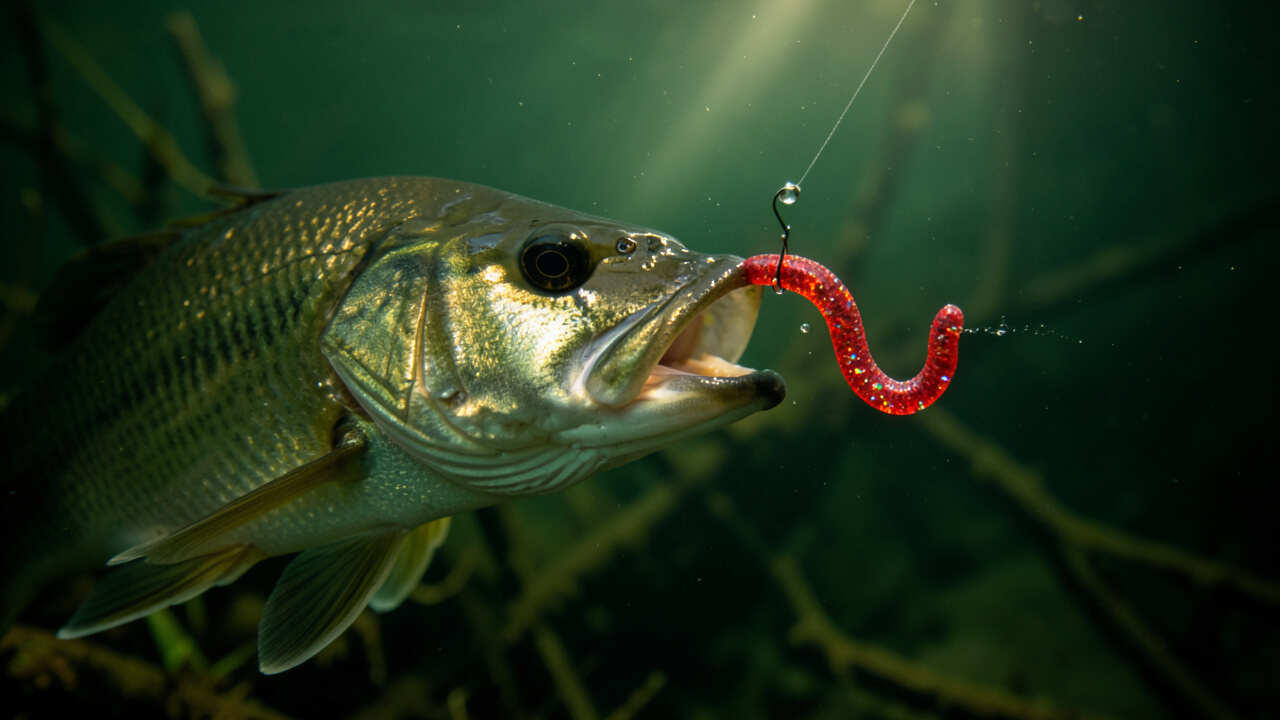
When bass are hesitant to chase fast lures, switch to a wacky rig and let its subtle, fluttering fall do the work.
The Natural Fall and Wiggle
The magic of the wacky rig is in its fall. When you cast it out, the bait doesn’t just sink straight down. Instead, it wobbles and drifts. This is because the hook is usually placed right through the middle of a soft plastic bait, like a worm. This makes the bait unstable, causing it to fall with a tantalizing side-to-side motion. Bass see this and think it’s an easy meal. They don’t have to work hard for it. This natural presentation is why the Wacky Rig Bass: The Subtle Presentation That Always Works is so successful.Overcoming Bass Skittishness
Sometimes, bass get pressured by a lot of fishing. They learn to avoid baits that look unnatural or move too fast. The wacky rig is the opposite of that. It’s slow, it’s subtle, and it looks completely natural. This makes it ideal for those days when the fish are being shy. You can present the bait right in front of a bass, and it will look so real, the fish might just grab it without thinking. This is a huge advantage for any angler.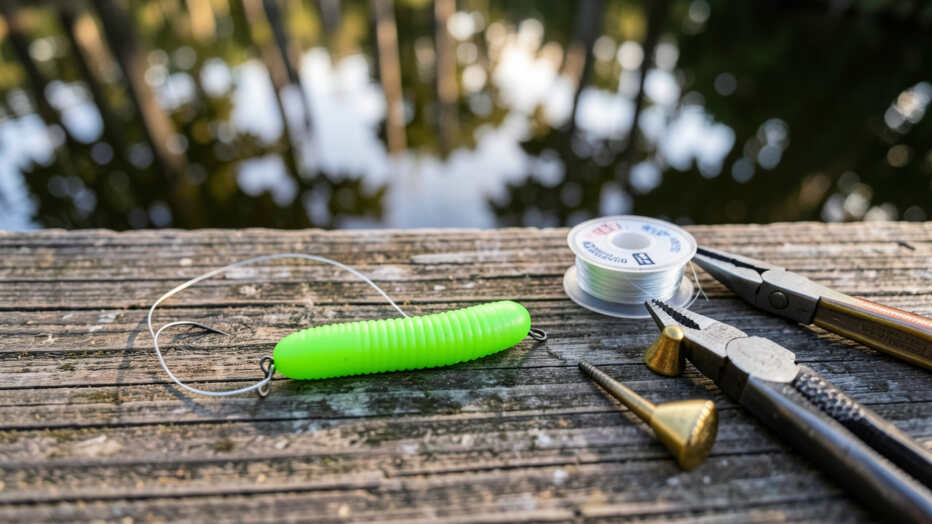
Choosing the Right Gear for Wacky Rigging
A rod with a fast or extra-fast action tip gives you the sensitivity to detect subtle takes and the accuracy for precise casts.
Rod and Reel Selection
For wacky rigging, a medium-light to medium power spinning rod is usually best. You want something with enough backbone to set the hook, but also enough sensitivity to feel those light bites. A fast or extra-fast action tip helps with detecting subtle takes and making precise casts. Pair this with a 2500 or 3000 size spinning reel. This combination gives you good control over your line and the bait.Line Choice Matters
Monofilament line can work, but many anglers prefer braided line with a fluorocarbon leader. Braided line offers excellent sensitivity, letting you feel even the slightest tap. Fluorocarbon is nearly invisible in the water and has less stretch than monofilament, which helps with hooksets. A 10- to 15-pound test braid with a 6- to 10-pound test fluorocarbon leader is a common and effective setup for the Wacky Rig Bass: The Subtle Presentation That Always Works.Bait Selection for Maximum Wacky Rig Appeal
The type of soft plastic bait you use for a wacky rig is crucial. While many baits can be wacky-rigged, some are specifically designed or perform exceptionally well. The key is finding a bait that has good action when rigged through the middle.The best wacky rig baits have inherent action or buoyancy that creates natural movement when rigged horizontally through the middle.
The Classic Stick Worm
The most popular bait for wacky rigging is the stick worm. These are simple, cylindrical baits that often have a slightly pointed or rounded tail. Brands like Senko are famous for their wacky rig performance. When rigged through the middle, the ends of the stick worm float or wiggle independently, creating that signature erratic action. The buoyancy of many stick worms is also a major factor in their success.Other Effective Baits
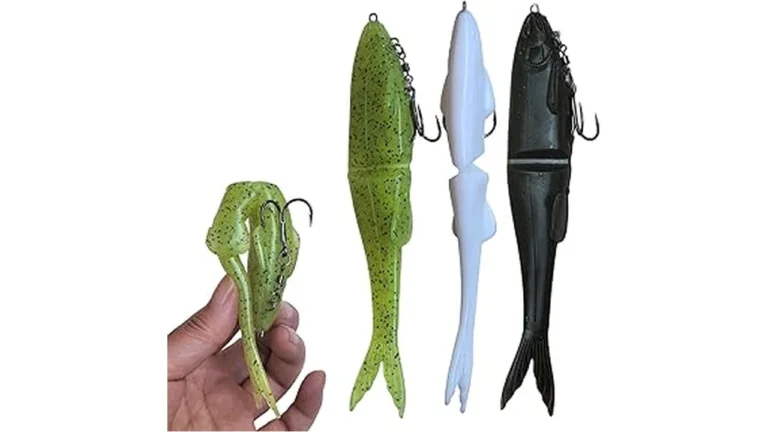
While stick worms are king, other soft plastics can also be rigged wacky. Small, buoyant creature baits or even certain types of fluke-style baits can work. The important thing is that the bait has some inherent action or buoyancy that causes it to move naturally when rigged horizontally. Experimenting with different shapes and sizes can help you find what works best in your local waters.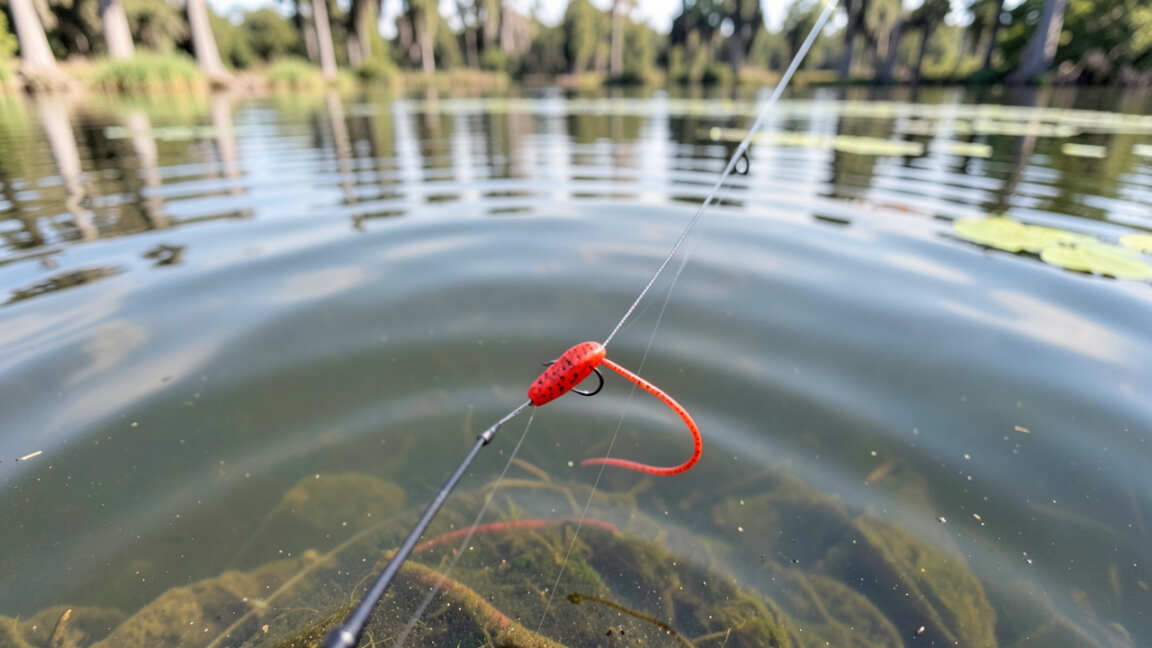
Mastering the Wacky Rig Technique
After the bait reaches the bottom or your target depth, use gentle rod tip twitches to impart an irresistible dance.
How to Rig a Wacky Worm
Rigging a wacky worm is simple. Take your soft plastic bait and a wacky-style hook. The hook usually has a wide gap and a point that is slightly offset. You’ll insert the hook through the middle of the bait, perpendicular to its length. Some anglers prefer to use O-rings to secure the bait to the hook. This protects the plastic and keeps it from tearing off too quickly.Here’s a simple step-by-step process:
- First, choose a soft plastic bait, like a stick worm.
- Second, locate the exact center of the bait.
- Next, thread the hook point through the center of the bait.
- Then, bring the hook point out the other side, ensuring the bait is balanced.
- Finally, position the hook so the bait is centered and ready to be cast.
The Art of the Twitch and Pause
Once your bait is rigged and in the water, how you work it makes all the difference. The wacky rig is not a bait that you reel in quickly. It’s all about subtle movements and patience.- Cast and Let it Sink: Cast your wacky rig to your target area and let it fall on a semi-slack line. Watch your line for any subtle ticks or jumps, which often indicate a bite.
- The Twitch: After the bait has reached the bottom or a desired depth, give your rod tip a few gentle twitches. This makes the bait wiggle and dance.
- The Pause: After twitching, let the bait sit still for a few seconds. Many bites happen during this pause when the bait looks like an easy meal.
- Repeat: Continue this twitch-pause retrieve until the bait is back to the boat or you decide to cast again.

When and Where to Throw a Wacky Rig
Avoid relying on the wacky rig during summer when bass are deep and lethargic; a weighted version or faster presentation may be needed.
Seasonal Effectiveness
The wacky rig is effective year-round, but it truly excels during the spring and fall. In spring, as bass move shallow to spawn, the subtle presentation can coax bites from active fish. In fall, when baitfish are schooling and bass are actively feeding, the wacky rig can mimic these smaller prey items. During the hot summer months, when bass might be deeper or less active, the slow, natural fall of a wacky rig can still draw strikes. Even in winter, when bass metabolism slows, this presentation can be a go-to for getting bites.Water Conditions and Structure
This technique is fantastic for fishing around various types of structure. Think about areas like:- Submerged vegetation: The wacky rig can be pitched or flipped into holes in the weeds, or dragged along the edges.
- Docks and laydowns: Bass love to hide in these structures. A wacky rig can be dropped right next to them without spooking the fish.
- Rocky points and ledges: These areas hold baitfish, and a wacky rig can mimic them effectively.
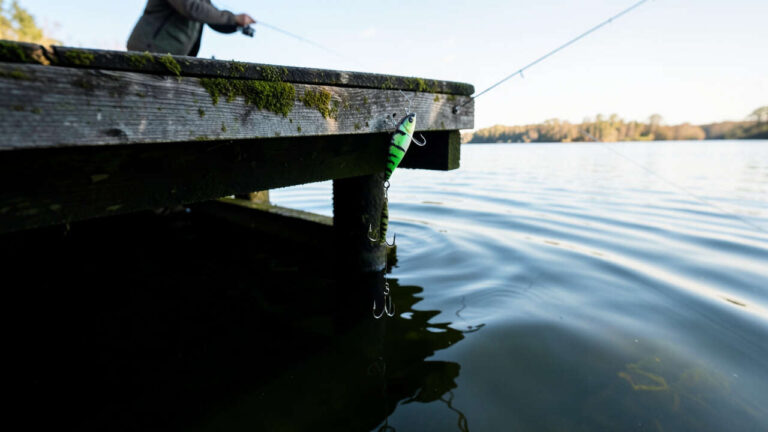
- Open water: Sometimes, bass suspend in open water. A wacky rig can be cast and allowed to sink, intercepting these suspended fish.
Hooking Bass on a Wacky Rig
Because the soft bait often partially buries the hook point, stay alert and drive the hook home firmly when you see line movement or feel a tap.
Detecting the Bite
The most common way to detect a bite on a wacky rig is by watching your line. You’ll see it jump, hesitate, or move unnaturally as the fish takes the bait. Sometimes, you’ll feel a light tap or a subtle weight increase. It’s crucial to be attentive, especially when the bait is falling or sitting still.The Hookset
When you detect a bite, the hookset should be firm but not overly aggressive. Since you’re likely using spinning gear and lighter line, a sharp, steady pull is usually all that’s needed. If you’re using braided line, a quick snap of the wrist can ensure the hook penetrates the bass’s jaw. The wide gap of the wacky hook helps ensure a good hookup percentage. Remember, the bait is designed to look like an easy meal, so the bass often commits fully.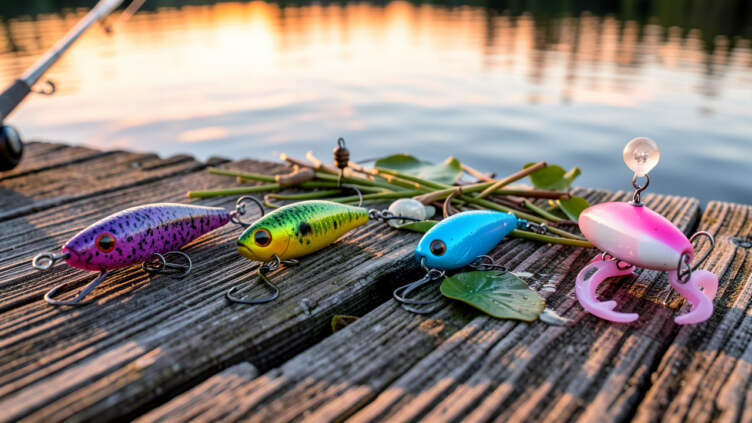
Wacky Rig Variations for Different Situations
While the standard wacky rig is incredibly effective, there are a few variations that can help you adapt to different fishing conditions and target specific bass behaviors.While the standard wacky rig is highly effective, variations like the Neko rig allow you to adapt to deeper water or more hesitant bass.
The Neko Rig
The Neko rig is a variation where a small weight is inserted into the head of the wacky-rigged bait. This weight causes the bait to stand more upright on the bottom and gives it a more pronounced shimmy when twitched. It’s excellent for fishing deeper water or when you need the bait to stay in the strike zone longer. The added weight also helps with casting distance and detecting bites.The Drop Shot Wacky Rig
You can also fish a wacky-rigged bait on a drop shot rig. This allows you to present your bait in a specific depth zone with incredible accuracy. The bait will hang off the drop shot leader, and the subtle action of the wacky rig will still be present. This is a great way to target suspended bass or fish in very clear water where they might be wary of baits on a traditional rig. These variations expand the utility of the Wacky Rig Bass: The Subtle Presentation That Always Works.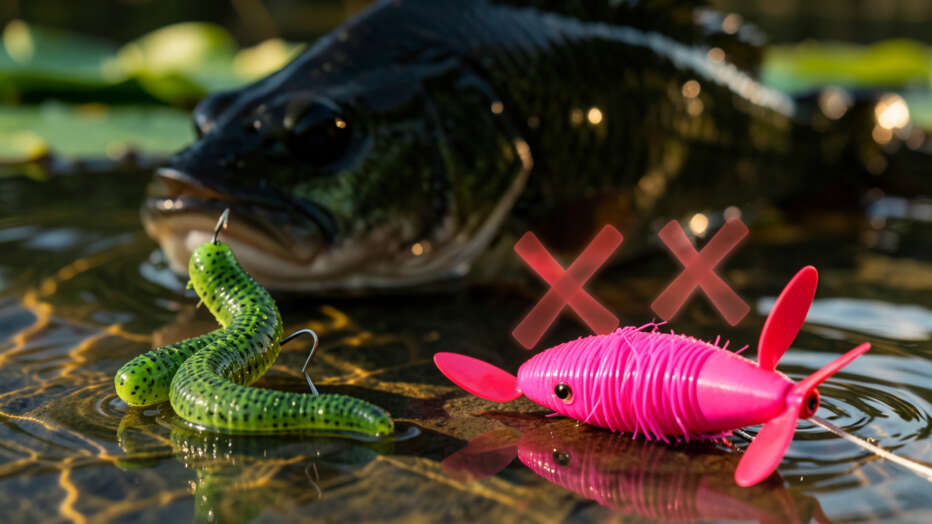
Common Mistakes to Avoid
Even a simple technique can fail if you overwork the bait or use the wrong hook size—keep movements subtle and hook size appropriate.
Overworking the Bait
One of the biggest mistakes is twitching the bait too aggressively or too often. The beauty of the wacky rig is its subtle action. Constant, jerky movements can make the bait look unnatural and scare fish away. Remember, the goal is to mimic a dying or injured baitfish.Using the Wrong Hook
Using a hook that is too small or too large can lead to missed bites or fish coming unbuttoned. A wide-gap, offset hook in the 1/0 to 3/0 size range is usually ideal for most standard stick baits. Make sure the hook point is sharp and exposed enough to easily penetrate the bass’s mouth.Not Watching Your Line
As mentioned earlier, line-watching is crucial. If you’re not paying attention to your line, you’ll miss subtle bites, especially when fishing on the fall or when the bait is stationary. Keep your eyes on the line and be ready to set the hook.Frequently Asked Questions
What is the best bait for a wacky rig?
The most popular and effective bait for a wacky rig is a stick worm, like a Senko. Its buoyancy and shape create a natural, enticing wobble when rigged through the middle.
How do I make my wacky rig sink faster?
To make your wacky rig sink faster, you can add a small nail weight or a weedless weight into the head of the soft plastic bait, or use a Neko rig setup. You can also use a denser plastic or a slightly heavier hook.
Can I use a wacky rig in heavy cover?
Yes, you can fish a wacky rig in heavy cover. Using a weedless hook or an O-ring helps protect the hook point. Pitching or flipping the wacky rig into holes in the cover is a very effective strategy for Wacky Rig Bass: The Subtle Presentation That Always Works.
What kind of rod and reel is best for wacky rigging?
A medium-light to medium power spinning rod with a fast action tip is ideal. Pair it with a 2500 or 3000 size spinning reel for good sensitivity and control.
When is the best time of year to use a wacky rig?
The wacky rig is effective year-round, but it particularly shines in spring and fall when bass are actively feeding. It’s also great for pressured fish in any season.
What is the main advantage of the Wacky Rig Bass: The Subtle Presentation That Always Works?
The main advantage is its extremely natural and subtle action that appeals to wary or less aggressive bass, often leading to more bites than faster, more aggressive presentations.
Final Thoughts
Mastering the wacky rig is a valuable skill for any angler. Its simple design and irresistible action make it a go-to technique for catching bass when other methods fail. By using the right gear, bait, and presentation, you can consistently fool finicky fish and enjoy more success on the water.
Give the Wacky Rig Bass: The Subtle Presentation That Always Works a try and see the difference it makes.