




Pre-Spawn Bass: How To Find Them Before The Crowds Arrive
Pre-spawn bass can be found before the crowds arrive by targeting specific shallow-water areas where water temperatures first reach 50-60 degrees Fahrenheit and trigger their movement toward spawning flats. During this transitional period, bass relate to key structural elements such as rocky points, submerged stumps, creek channel edges, and scattered vegetation near deeper wintering areas. Adjusting lure selection to match their feeding intensity—using slower, finesse presentations in colder water and faster reaction baits as it warms—directly increases catch rates. Focusing fishing efforts on early morning and late evening windows, when pre-spawn bass are most active and less pressured, provides the highest probability of consistent strikes.
Getting a jump on the fishing season means finding bass before everyone else hits the water. Knowing where these fish are before they spawn can make all the difference between a great day and a frustrating one. It’s all about understanding their behavior and key locations.
This knowledge helps you have more bites and bigger catches. We’ll show you the best ways for Pre-Spawn Bass: How to Find Them Before the Crowds Arrive so you can enjoy the best fishing before the busy times. Let’s get started on finding those early spring giants.
Key Takeaways
- Understand the water conditions that trigger pre-spawn bass movement.
- Identify specific shallow-water areas where bass gather before spawning.
- Learn how to adjust your lure choices and retrieve speeds for pre-spawn bass.
- Recognize the importance of early morning and late evening for finding active fish.
- Discover how to read subtle signs of pre-spawn bass activity on the water.
Understanding Pre-Spawn Bass Behavior
The pre-spawn period is a critical time for bass anglers. It happens as water temperatures start to rise in early spring. Bass are moving from their deeper wintering grounds.
They are preparing to move into shallower areas to spawn. This is when they start feeding more aggressively. They build up energy reserves for the upcoming spawning ritual.
Understanding this transition is key to finding them. The goal is to locate these fish before they spread out too much or before other anglers do.
During this time, water temperature is the main trigger. Bass are cold-blooded. Their metabolism speeds up as the water warms.
Focus on areas with abundant forage like shad or crawfish, as pre-spawn bass feed heavily to build energy reserves.
A consistent rise in temperature, even by a few degrees each day, signals them to start moving. They look for areas that warm up faster. These are often shallower, darker-bottomed coves or flats.
They also seek out areas with some protection from harsh winds. Knowing these preferences helps you pinpoint likely spots.
The bass diet also shifts. They become more opportunistic feeders. They are looking for high-energy meals.
This means baitfish, crawfish, and other small aquatic creatures. They will chase down prey with more vigor than in colder months. This increased activity makes them more susceptible to various fishing lures.
Anglers who understand these behavioral changes have a significant advantage. They can anticipate where the fish will be and what they will be biting.

Finding the Right Water Conditions
Water temperature is the most important factor. Most anglers look for water temperatures between 50°F and 60°F (10°C to 15.5°C) for the pre-spawn phase. Warmer water means more active fish.
Look for areas that heat up quickly. These include shallow bays, coves, and creek arms. Darker bottoms absorb sunlight better.
This makes them warmer than lighter bottoms. Areas protected from cold north winds also warm up faster. Pay attention to the weather forecast.
A few sunny, warm days can significantly speed up the pre-spawn bite.
Water temperature is the single most reliable indicator of pre-spawn activity; target temperatures between 50-60°F for the most aggressive feeding.
Water clarity plays a role too. In clearer water, bass might stay a bit deeper. They will still move shallower but may be more cautious.
In stained or muddy water, they will move shallower much sooner. This is because the murkier water offers them more protection from predators. It also warms up faster.
You can often find them closer to the bank in these conditions. If the water is very clear, try looking slightly deeper or along weed lines.
Current can also be a factor. While bass don’t typically seek out heavy current in the pre-spawn, they will use it to their advantage. They might position themselves behind points or in calmer eddies near current flows.
This allows them to ambush baitfish that are being moved by the water. Areas where creeks or small streams enter the main body of water are good places to check. These areas often have slightly warmer, moving water.
Identifying Key Pre-Spawn Bass Locations
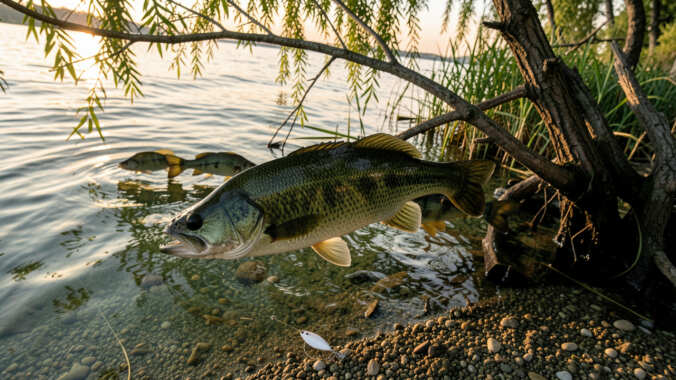
The primary locations for pre-spawn bass are shallow areas near their main spawning grounds. Think of areas that are protected and will warm up quickly. These include shallow coves, small bays, and the backs of larger coves.
Look for areas with a dark bottom. Gravel and sand bottoms tend to warm faster than mud. These are prime spots for bass to stage before moving onto the beds.
Another important area is transition zones. These are spots where deeper water meets shallower water. Think of the first drop-offs leading into coves or flats.
Bass will often gather in these areas. They wait for the shallower water to reach the right temperature. Look for points that stick out into warmer water.
These points can act as highways for bass moving shallower.
Bass patrol transition zones where deep water meets shallow, waiting for an easy meal.
Weed lines and submerged structure are also critical. Even in early spring, some vegetation might be present. Bass will use these as cover and ambush points.
Submerged logs, rocks, and brush piles provide structure. They offer protection and attract baitfish. Bass will patrol these areas, waiting for an opportunity to feed.
If you can find structure in the right depth range, it’s a great place to start.
Consider the type of cover. Bass are attracted to anything that offers them an advantage. This includes laydown logs, fallen trees, docks, and even bridge pilings.
These provide ambush points and attract bait. They also offer a slight temperature advantage. Look for these features in areas that are generally shallower and more protected.
Effective Lure Strategies for Pre-Spawn Bass
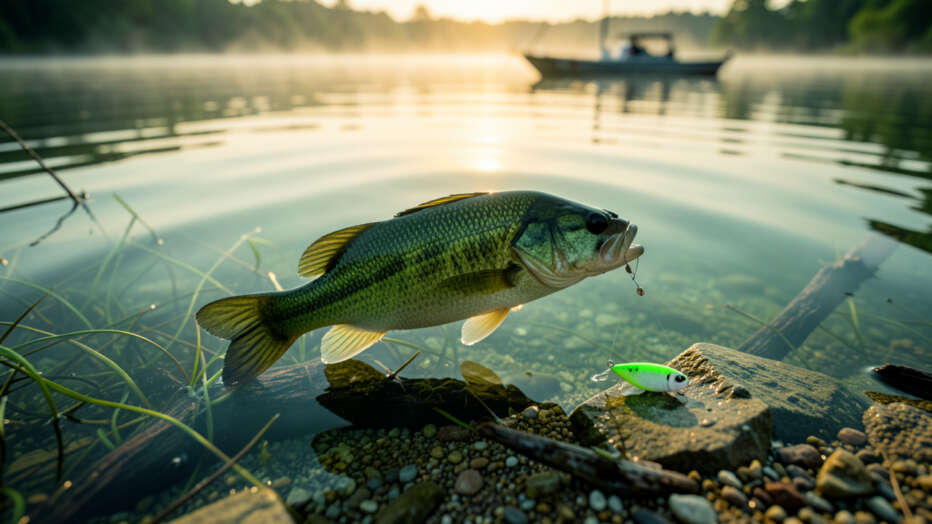
During the pre-spawn, bass are often looking for a substantial meal. This means larger lures can be very effective. Spinnerbaits are a classic choice.
They mimic baitfish and crawfish. You can vary the speed to match the bass’s activity level. A steady retrieve often works best.
Try different blade combinations to find what the bass prefer on a given day.
Crankbaits are also excellent. Look for medium-diving crankbaits that can get down to the depth where bass are staging. Shad or crawfish patterns are usually good choices.
A tight wiggle can imitate fleeing baitfish. Experiment with retrieve speeds. Sometimes a slow, steady retrieve is best.
Other times, a stop-and-go retrieve can trigger a strike.
Start with a steady retrieve on spinnerbaits, then experiment with blade combinations to match the bass's mood.
Jigs are another go-to lure. A football jig or a swim jig can be very effective. These lures mimic crawfish or other bottom-dwelling prey.
Dragging a jig slowly along the bottom can entice hesitant fish. Adding a craw trailer or a grub can make it more appealing. The key is to present the lure in a way that looks natural and easy to eat.
For more aggressive fish, consider lipless crankbaits. These can be burned through the water to trigger reaction strikes. They also work well when ripped through grass or other cover.
You can also try them with a yo-yo retrieve. This involves reeling and then pausing, letting the lure flutter down.
Don’t forget about soft plastics. Texas-rigged worms, creature baits, and craws can be deadly. These offer a more subtle presentation.
They are good for finicky fish or when the bass are not chasing. Rigging them weedless allows you to fish them around cover without getting snagged.
Adjusting Retrieve Speeds and Techniques
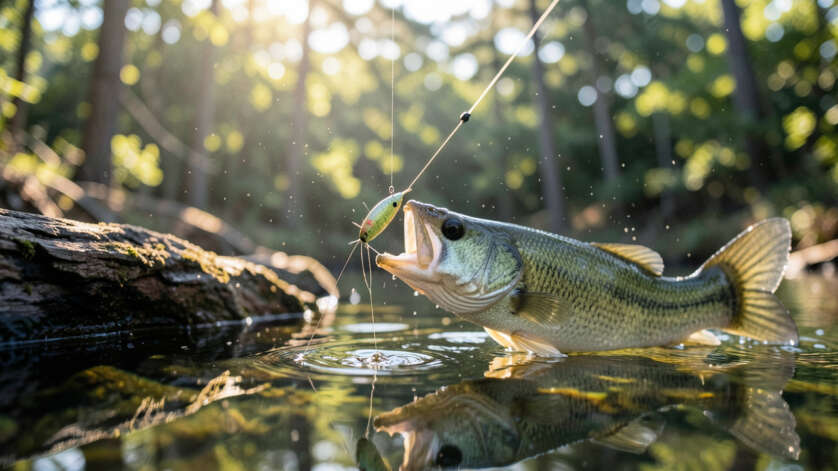
The retrieve speed is crucial for catching pre-spawn bass. As the water warms, bass become more active. However, they are not yet at their peak summer speed.
You need to find a balance. A common mistake is retrieving lures too fast. Try starting with a slower, more deliberate retrieve.
This allows the bass to catch up to your lure.
For lures like spinnerbaits and crankbaits, a steady, moderate retrieve is often best. This mimics baitfish moving through the water. If you see the fish following but not striking, try slowing down.
You can also add a pause. This pause can often trigger a strike as the lure momentarily stops or flutters.
When using jigs or soft plastics, a slow, crawling retrieve is usually preferred. Drag the lure along the bottom. Let it bump over rocks and other structure.
Many anglers retrieve too fast for pre-spawn bass; if fish follow without striking, slow down immediately.
This mimics crawfish scurrying. Feel for the subtle taps of a bass picking up the bait. Set the hook quickly when you feel weight.
Sometimes, bass are still a bit sluggish. In these cases, an even slower retrieve is needed. Try a “dead sticking” technique.
This means letting the lure sit still for a few seconds. Then, give it a very slow retrieve. Repeat this process.
This can be very effective when the water is on the cooler side of the pre-spawn range.
Pay attention to how the bass are reacting. If they are aggressively chasing your lure, you might be able to speed up. If they are just following or short-striking, slow down.
This adaptability is what makes anglers successful when targeting Pre-Spawn Bass: How to Find Them Before the Crowds Arrive.
Reading the Water and Weather for Success
Understanding the weather patterns is vital. A warming trend with sunny days is ideal. This heats up shallow water quickly.
It also encourages baitfish to move into these areas. Bass will follow their food. Look for days following a few consecutive warm, sunny periods.
These are often prime fishing days.
Wind can be both a friend and a foe. A steady wind blowing into a shallow bank can push baitfish into that area. It can also concentrate plankton, which attracts baitfish.
This makes the windward side of points and coves a great place to fish. However, strong, cold north winds can shut down the bite. Try to fish areas that are protected from the prevailing winds.
Wind blowing into a shallow bank concentrates plankton and baitfish, drawing pre-spawn bass to the windward side of points and coves.
Cloud cover can also affect fishing. On bright, sunny days, bass might move to slightly deeper water or seek shade. They may be less active in the middle of the day.
Early mornings and late evenings can be very productive. On overcast days, bass might be more willing to move and feed throughout the day. This can make for more consistent action.
Observe the water. Look for signs of baitfish activity. This could be baitfish jumping or dimpling the surface.
Look for areas where the water might be slightly clearer or warmer. You might see subtle ripples or boils that indicate feeding activity. Learning to read these subtle cues will significantly improve your success when trying to find Pre-Spawn Bass: How to Find Them Before the Crowds Arrive.
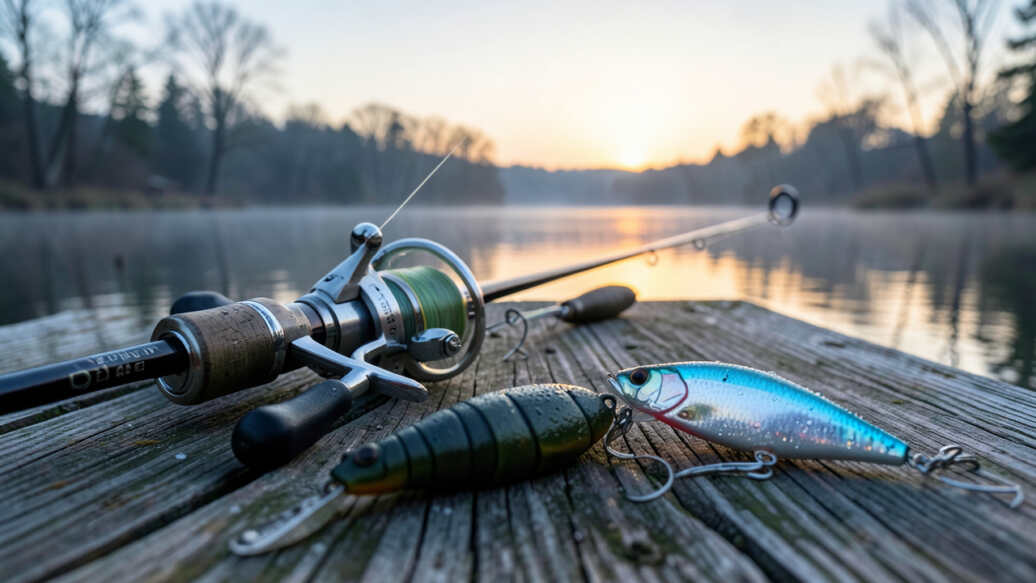
Gear and Tackle Considerations
For most pre-spawn bass fishing, a medium-heavy action casting rod is a good choice. This provides enough backbone to set the hook and control larger fish. A baitcasting reel with a good drag system is recommended.
A gear ratio around 7:1 is versatile. It allows for both fast and slow retrieves.
Line choice is also important. Monofilament line can be good for lures that run near the surface. It floats and has some stretch.
Fluorocarbon line is a great all-around choice. It sinks, is sensitive, and has low stretch. It’s excellent for jigs and soft plastics.
A lightweight jig head with a small plastic bait offers the subtle presentation needed for reluctant pre-spawn bass.
For spinnerbaits and crankbaits, 10-20 pound test is common. For jigs and punching techniques, you might go up to 50-65 pound test braid.
Having a variety of lures is key. Ensure you have spinnerbaits in various sizes and colors. Include a selection of crankbaits that dive to different depths.
Stock up on jigs and soft plastic baits that mimic crawfish and baitfish. A few topwater lures can also be effective if the water temperature is on the warmer side of the pre-spawn.
Consider having a separate setup for finesse techniques. If the bass are being finicky, a spinning rod and reel with lighter line can be more effective. This allows for more subtle presentations.
A lightweight jig head with a small plastic bait can entice even the most reluctant fish. Mastering these different techniques will help you catch Pre-Spawn Bass: How to Find Them Before the Crowds Arrive.
Timing Your Pre-Spawn Bass Trips
The timing of your fishing trips is critical. The pre-spawn period can be short. It depends heavily on the weather and your location.
Generally, it starts when water temperatures begin to consistently rise into the low 50s Fahrenheit. It lasts until the bass move shallow to actually spawn.
Early mornings and late evenings are often the most productive times. Bass are actively feeding during these periods. The lower light conditions make them feel more secure.
They will move into shallower areas to hunt. As the sun gets higher, they might move slightly deeper or seek shade.
Plan your trips when water temperatures first climb into the low 50s Fahrenheit, marking the start of pre-spawn activity.
Watch the weather closely. A few days of stable, warming weather are ideal. A sudden cold front can push the bass back to deeper water or shut down their bite.
If you can, plan your trips for days following stable, warm weather. This is when you’re most likely to find active fish.
Don’t overlook the power of transitional periods. The shift from winter to spring is when bass are most vulnerable and eager to feed. Being on the water during this time gives you a real advantage.
It’s the best opportunity to catch those big, pre-spawn females before they commit to the beds. This is the essence of mastering Pre-Spawn Bass: How to Find Them Before the Crowds Arrive.
Frequently Asked Questions
What is the best water temperature for pre-spawn bass?
The ideal water temperature for pre-spawn bass is typically between 50°F and 60°F (10°C to 15.5°C). This range signals them to move from their wintering grounds and begin feeding actively.
Where do bass go during the pre-spawn phase?
During the pre-spawn, bass move from deeper wintering areas to shallower water. They tend to stage in protected coves, bays, and along transition lines where deeper water meets shallower areas, often near their future spawning beds.
What lures work best for pre-spawn bass?
Effective lures for pre-spawn bass include spinnerbaits, crankbaits, jigs, and soft plastic baits like worms and craws. These lures mimic the baitfish and crawfish that bass are actively feeding on during this time.
How does wind affect pre-spawn bass fishing?
A steady wind blowing into shallow areas can concentrate baitfish and warm the water, making it a prime spot for bass. However, strong, cold winds can negatively impact their activity.
When is the best time of day to catch pre-spawn bass?
Early mornings and late evenings are generally the most productive times for catching pre-spawn bass. The lower light conditions encourage them to feed more actively in shallower waters.
Is it possible to find Pre-Spawn Bass: How to Find Them Before the Crowds Arrive?
Yes, by understanding water temperatures, identifying key locations like warming coves and transition zones, and using effective lure strategies, you can successfully find Pre-Spawn Bass: How to Find Them Before the Crowds Arrive and enjoy great fishing before the peak season.
Final Thoughts
Finding pre-spawn bass before the crowds is all about understanding their needs. Focus on warming shallow waters, key transition areas, and matching your lures to their feeding habits. Adapt your retrieve speeds to the conditions.
By paying attention to these details, you’ll significantly increase your chances of catching more fish early in the season.