How To Match Rod Action To Lure Type Step-By-Step Tutorial
Matching rod action to lure type involves selecting fast, medium, or slow action based on the weight and intended presentation of each lure to optimize casting and hookset performance. Fast action rods work best with heavy, single-hook lures requiring quick tip responsiveness, while medium action suits moderate weights and treble-hooked baits, and slow action pairs with lightweight or finesse lures for delicate presentation. The step-by-step process begins by identifying the lure weight range and primary technique, then choosing the rod action that flexes appropriately within that range for consistent loading and energy transfer. By applying this direct matching method, anglers achieve significantly better casting distance, fewer missed strikes, and more successful hookups across common fishing scenarios.
Picking the right fishing rod can make a big difference in how much fun you have and how successful you are. It’s not just about the length; the rod’s “action” is super important for casting, feeling bites, and fighting fish. If your rod action doesn’t match the lures you’re using, you might find yourself missing fish or having a tough time casting.
This guide will walk you through How to Match Rod Action to Lure Type Step-by-Step Tutorial so you can get the most out of your fishing trips. We’ll help you understand the basics and make smart choices, leading to more enjoyable days on the water.
Key Takeaways
- Understanding rod action is key to effective fishing.
- Matching rod action to lure weight and type improves casting and hooksets.
- Fast action rods are best for quick bites and heavy lures.
- Medium action rods offer versatility for a wide range of lures and techniques.
- Slow action rods excel with finesse techniques and lighter lures.
- This guide provides clear steps for making the right rod and lure choices.
Why Rod Action Matters for Your Fishing Success
Fishing rods aren’t all the same. They have different features that affect how they bend and feel when you cast or reel. One of the most critical features is rod action.
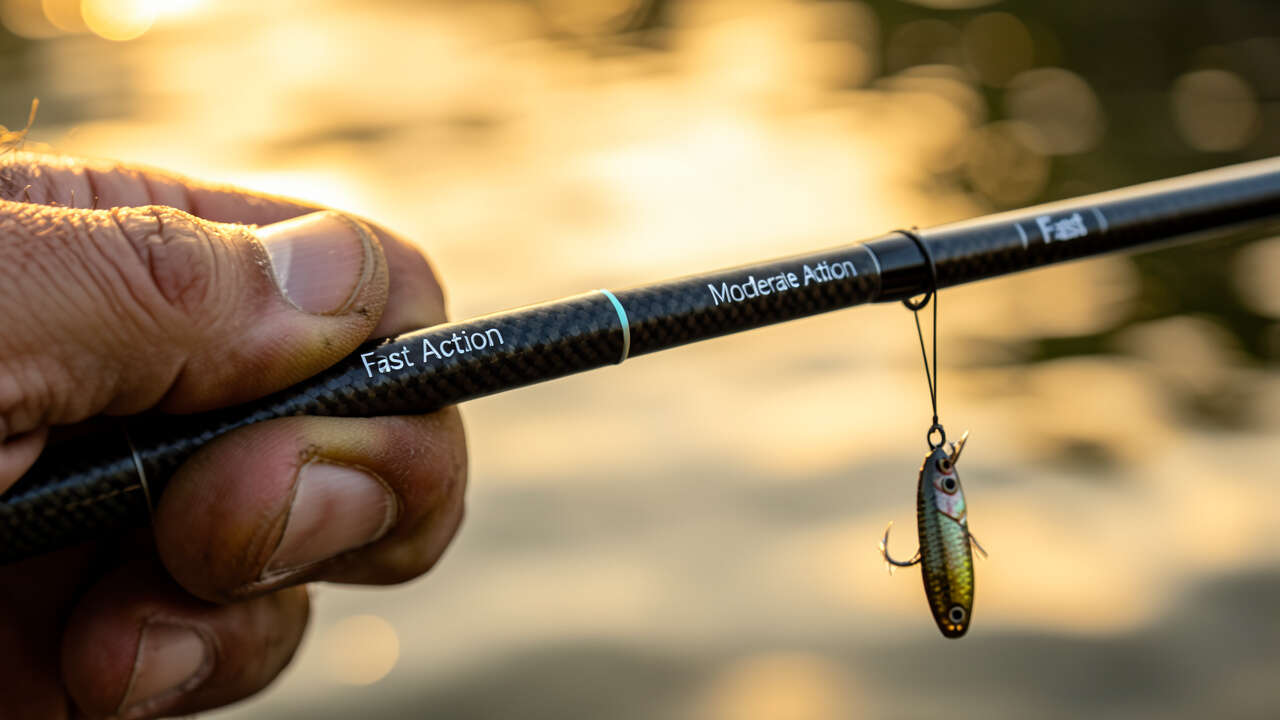
This tells you where along the rod’s length it bends the most. It’s not just a technical term; it directly impacts how well your lure performs and how you can react to a fish biting. Getting this right means better casts, more sensitive bite detection, and a stronger ability to set the hook when a fish strikes.
For top-performing casts and hooksets, match your rod action to the lure's weight; this optimizes energy transfer and improves bite detection.
It’s a fundamental part of making your fishing enjoyable and productive.
The core idea behind rod action is how much of the rod bends when pressure is applied. Think of it like a spring. Some springs snap back quickly, while others bend more slowly.
Fishing rods work in a similar way. This bending point is crucial because it affects how the rod loads and unloads during a cast, how it transmits vibrations from your lure, and how it absorbs the shock of a fighting fish. Understanding this will help you see why How to Match Rod Action to Lure Type Step-by-Step Tutorial is so valuable.
Understanding the Basics: Rod Action Explained
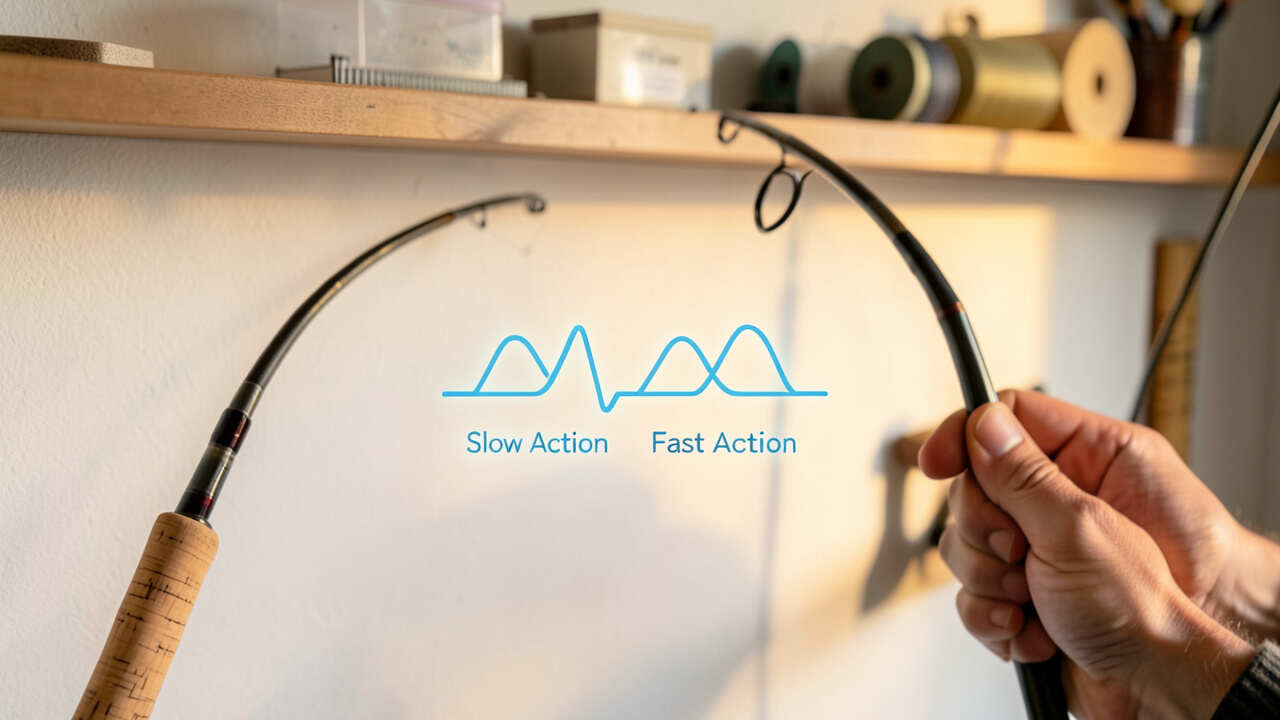
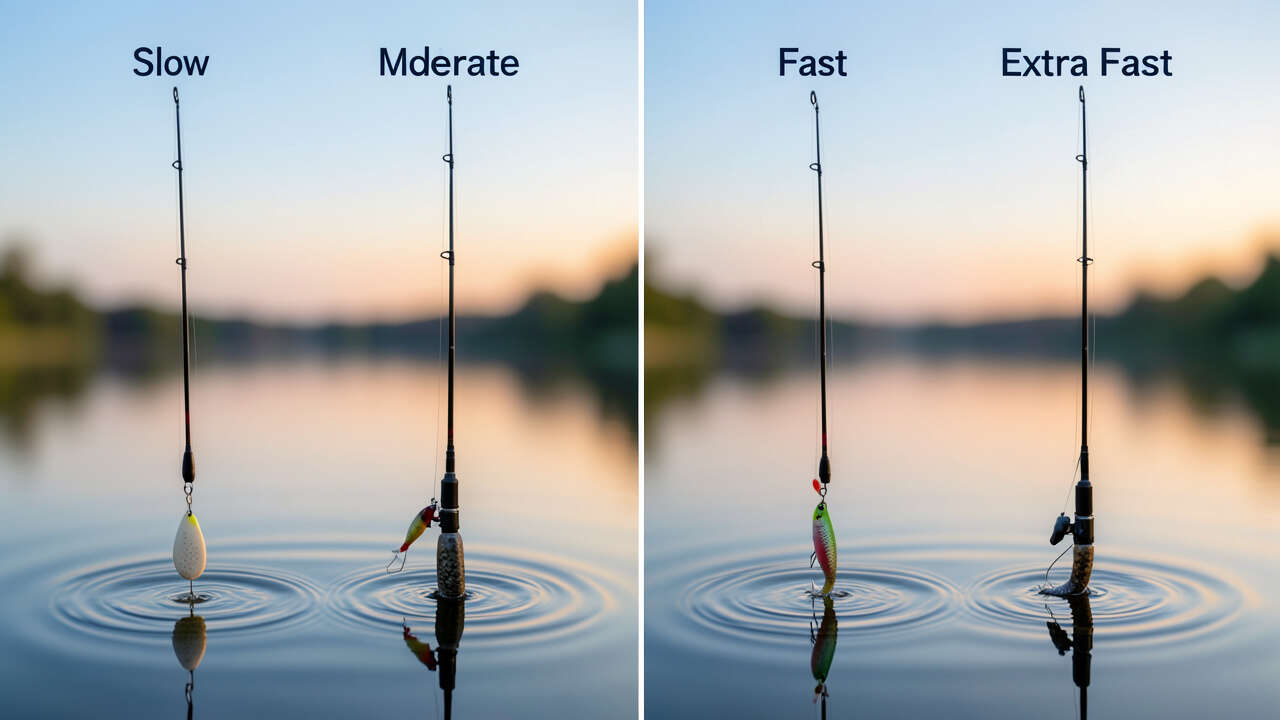
Rod action describes how much of the rod bends and how quickly it returns to its original shape after being flexed. This is determined by the material, taper, and design of the rod blank. It’s typically categorized into three main types: fast, medium, and slow.
Each type has specific advantages that make it better suited for certain fishing situations and lure types. Knowing these differences is the first step in making informed decisions about your gear.
Fast Action Rods
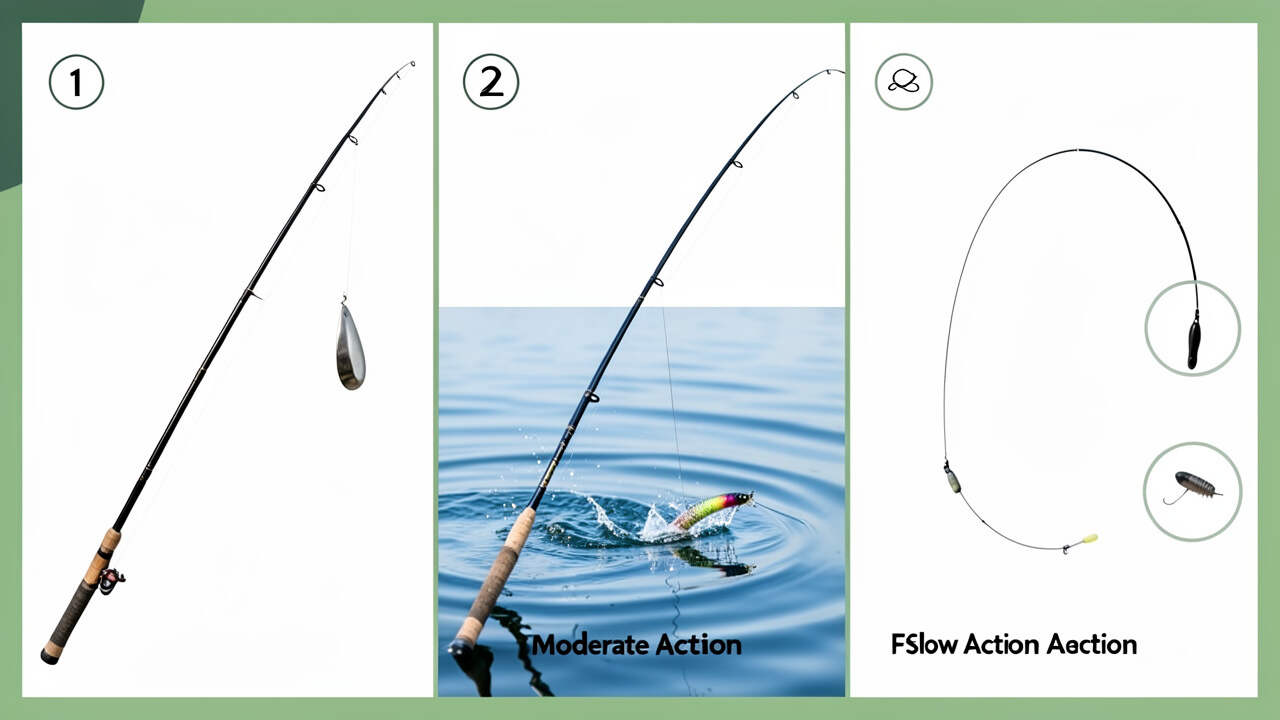
A fast action rod bends mostly in the top quarter of the rod blank. When you apply pressure, it quickly springs back to straight. This responsiveness is great for detecting subtle bites and setting the hook rapidly.
Because it’s so sensitive, you can feel even the slightest nibble. This type of rod is ideal for techniques where a quick reaction is needed.
The tip of a fast action rod is very sensitive. It allows anglers to feel the lure working underwater. This includes feeling the bottom structure or the subtle take of a fish.
The power of the rod is concentrated in the butt section, providing strong leverage for setting hooks. This combination makes it a favorite for many anglers targeting species that require precise lure control and quick hooksets.
Medium Action Rods
A medium action rod bends in the top half of the rod blank. It offers a good balance between sensitivity and casting distance. It’s more forgiving than a fast action rod, meaning it can handle a wider range of casting styles and lure weights without feeling overloaded or underpowered.
Fast action rods are ideal for jigs and weighted plastics because they transfer energy quickly for strong hooksets, while slow action rods are better for light lures and protecting light lines.
This versatility makes it a popular choice for many anglers.
The bend in a medium action rod is more gradual. This means it can cast a variety of lures effectively. It also provides a bit more cushion when fighting a fish.
This can be helpful in preventing lighter lines from breaking or smaller hooks from tearing out of a fish’s mouth. It’s a great all-around rod for anglers who don’t want to specialize too much.
Slow Action Rods
A slow action rod bends throughout its entire length, from tip to handle. When you put pressure on it, the entire rod flexes in a deep curve. This makes it very forgiving and excellent for casting very light lures a long distance.
It also provides a significant amount of shock absorption, which is perfect for keeping fish hooked once they are on.
The deep bend of a slow action rod means it loads up gradually during a cast. This allows for delicate presentations. It’s also very good at protecting light line.
When a fish pulls hard, the entire rod absorbs the shock, reducing the chances of line breakage or hook pull-outs. This type of action is often preferred for finesse fishing techniques.
Matching Rod Action to Lure Weight and Type
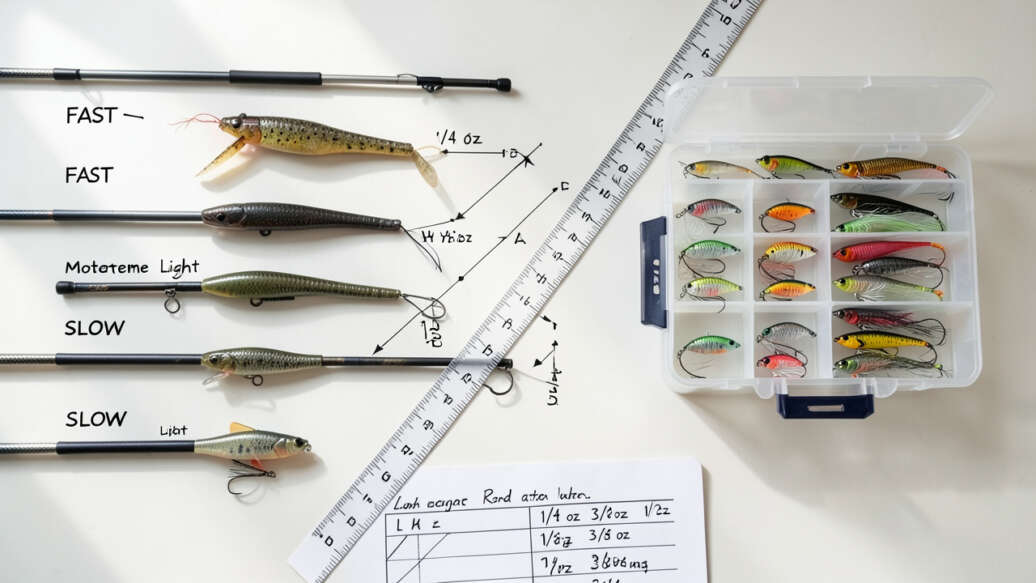
The weight and type of lure you use are critical factors in choosing the right rod action. Different lures behave differently in the water, and your rod needs to complement their action. Using a lure that is too heavy for your rod, or vice versa, can lead to poor casting, reduced lure effectiveness, and missed opportunities.
This is where understanding How to Match Rod Action to Lure Type Step-by-Step Tutorial truly pays off.
Lure weight directly affects how a rod loads during a cast. A rod needs to be flexed by the weight of the lure to store energy for the cast. If the lure is too light, the rod won’t bend enough, resulting in short, inaccurate casts.
If the lure is too heavy, you risk overloading the rod, which can damage it and also make casting difficult and jerky.
Best Rod Actions for Different Lure Categories
Different lures require different types of rod actions to perform at their best. For example, a crankbait needs a rod that can handle its wobble and provide a bit of give, while a jig needs a rod that allows for a quick, sharp hookset.
Topwater Lures
Topwater lures, like poppers and walk-the-dog baits, often benefit from a medium or medium-fast action rod. These rods provide enough backbone to cast the lures effectively while offering a bit of flex to prevent pulling the lure too erratically or too fast. The slight give helps keep the lure dancing on the surface without pulling it under prematurely.
For jigs and soft plastics, a fast action rod provides the instant bite detection and rapid hookset needed to turn a subtle inhale into a solid catch.
This balance is key for enticing surface strikes.
Jigs and Soft Plastics
Jigs and soft plastics, especially when used for techniques like Texas rigging or Carolina rigging, pair exceptionally well with fast action rods. These lures are often fished with a “hop” or “drag” technique, and a fast action rod allows for precise control and immediate hooksets. When a fish inhales a jig or plastic, you need to react instantly.
A fast action rod transmits vibrations clearly, so you feel the bite, and its tip allows for a rapid, powerful hookset that drives the hook home.
Crankbaits and Spinnerbaits
For crankbaits and spinnerbaits, which have a natural wobble or spin, a medium or moderate-fast action rod is generally preferred. These lures work by moving through the water, and a rod with more flex absorbs some of the vibration. This prevents the angler from “ripping” the lure too aggressively, which can spook fish.
The added bend also helps keep fish hooked when they are fighting and thrashing, as it cushions their pulls and reduces the chance of them throwing the hook.
Swimbaits and Glide Baits
Larger swimbaits and glide baits often require a heavier rod with a fast to moderate-fast action. The size and weight of these lures demand a rod with significant backbone to cast them accurately and with power. The action of the rod should be responsive enough to impart subtle twitches or pauses that trigger strikes, but also have enough power to control larger fish that might be attracted to these bigger profile baits.
Step-by-Step Guide: How to Match Rod Action to Lure Type
Now that you understand the basics of rod action and lure types, let’s walk through the process of making the perfect match. This step-by-step approach will help you assemble a setup that works for you. Following these steps is crucial for mastering How to Match Rod Action to Lure Type Step-by-Step Tutorial.
When targeting fish with soft mouths like trout, choose a moderate action rod to prevent tearing the hook; for hard-mouthed fish like bass, a fast action rod ensures solid hook penetration.
- Assess Your Primary Lure Type: What kind of lures do you plan to use most often? Are they light and finesse-style, or heavier and more aggressive? Knowing this is the starting point. For example, if you mostly fish with tiny finesse jigs, you’ll lean towards a different rod action than if you primarily cast large spinnerbaits.
- Consider Lure Weight Range: Check the recommended lure weight range for your chosen lures. This information is often printed on the lure packaging. You want a rod that can comfortably cast lures within this range. A rod’s specifications will list its recommended lure weight.
- Match Rod Action to Lure Technique: Think about how you’ll be working the lure. Do you need a quick, sharp hookset (fast action)? Or do you need a more forgiving rod that absorbs shock (medium or slow action)? For example, flipping jigs into cover often requires a fast action rod for an instant hookset.
- Factor in Line Strength: The type of fishing line you use also plays a role. Lighter lines often benefit from slower action rods, as they provide more cushion and reduce the risk of breaking the line. Heavier lines can handle the power of fast action rods for strong hooksets.
- Test the Combination (If Possible): The best way to know for sure is to feel the setup. If you can, visit a tackle shop and hold a rod with a reel and a lure you might use. Mimic a casting motion. See how the rod loads and feels.
- Refine Based on Target Species: Different fish species have different feeding habits and fighting styles. For example, a fish with a soft mouth might require a more moderate action rod to prevent tearing the hook free, while a fish with a hard mouth might need a fast action rod for penetration.
Comparing Rod Actions for Common Fishing Scenarios
To make things even clearer, let’s look at how different rod actions perform in common fishing situations. This comparison table should help you visualize the best choices.
Using a fast action rod for finesse baits like dropshot can cause poor casting and spook fish—stick to slow or medium-slow actions for light lures.
This table offers a quick reference for making your choices. Remember, these are general guidelines. Your personal preference and the specific conditions you fish in can also influence the best choice.
Mastering How to Match Rod Action to Lure Type Step-by-Step Tutorial involves understanding these core principles.
Choosing the Right Rod Power
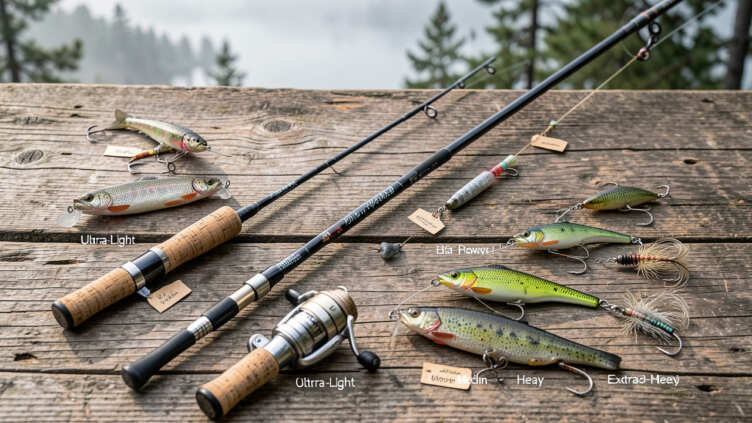
While action is about where the rod bends, power refers to how much force it takes to bend the rod. Power is usually described as ultralight, light, medium, heavy, and extra-heavy. Power and action work together.
A heavy power rod with a fast action will be stiff and strong, designed for heavy lures and big fish. A light power rod with a slow action will be very flexible, ideal for small lures and delicate presentations.
For example, if you’re fishing for large, powerful fish with heavy lures, you’ll likely want a heavy power rod. If you’re using light baits for smaller fish, a light or medium-light power rod is more appropriate. The combination of power and action creates the overall performance characteristics of the rod.
Pairing a light power rod with a slow action creates the ultimate finesse setup for small lures and light lines, maximizing both sensitivity and presentation.
How Power Complements Action
The power of a rod dictates its backbone and strength. A heavy power rod has a lot of lifting strength and is designed to handle heavy lines and large lures. A light power rod has less backbone and is better suited for lighter lines and smaller lures.
When paired with the correct action, this power ensures the rod performs optimally for its intended purpose.
For instance, a fast action rod with heavy power is excellent for flipping and pitching heavy jigs into thick cover, where you need immediate hook-setting power and the ability to pull fish out of weeds. Conversely, a slow action rod with ultralight power is perfect for casting tiny crappie jigs or small panfish lures, providing the sensitivity and flexibility needed for these finesse applications. Understanding this interplay is key to truly mastering How to Match Rod Action to Lure Type Step-by-Step Tutorial.
Common Mistakes to Avoid
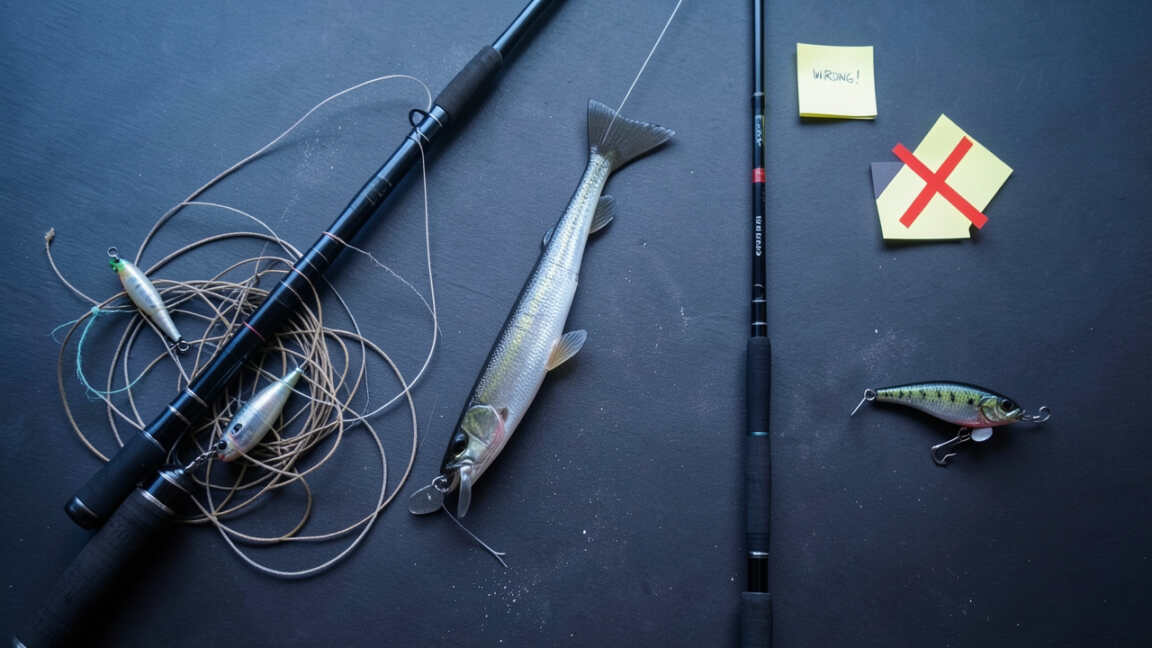
Even with a good guide, it’s easy to make mistakes when choosing rod and lure combinations. Being aware of these common pitfalls can save you frustration and help you learn faster. Avoiding these errors is part of successfully applying How to Match Rod Action to Lure Type Step-by-Step Tutorial.
The best rod action is not just about lure weight—it must also account for the target species and fishing environment to avoid missed opportunities and lost fish.
- Using a light action rod for heavy jigs: This will result in poor casting, weak hooksets, and potential rod damage. The rod simply won’t have the backbone to handle the weight and resistance.
- Using a heavy action rod for tiny lures: You won’t be able to cast these lures effectively. The rod needs the weight to load properly for a good cast.
- Ignoring lure weight ratings: Always check the recommended lure weight range on the rod. Exceeding it can break the rod, and staying too far below it will lead to poor casting performance.
- Confusing rod power with rod action: Remember, action is about where it bends, and power is about how much force it takes to bend it. Both are important but distinct.
- Overlooking the type of fishing: The species you’re targeting and the environment you’re fishing in should also influence your choice. A rod that works for bass fishing might not be ideal for trout fishing.
Making informed choices about your fishing gear directly translates to more enjoyable and successful outings. By paying attention to rod action and how it pairs with your lures, you’re setting yourself up for a better experience on the water. This knowledge is fundamental to improving your angling skills.
Frequently Asked Questions
What is the most versatile rod action for a beginner?
For beginners, a medium or moderate-fast action rod is often the most versatile. It can handle a wide range of lure weights and types, and it’s forgiving enough for different casting styles, making it a great starting point for learning How to Match Rod Action to Lure Type Step-by-Step Tutorial.
Can I use a fast action rod for crankbaits?
While possible, it’s generally not ideal. A fast action rod can make crankbaits perform too erratically and may lead to more lost fish because it doesn’t absorb the shock of their runs as well as a medium or moderate action rod would.
How does lure weight affect the choice of rod action?
Lure weight is critical. Heavier lures require a rod that can load properly to cast them effectively, often leading to faster action rods. Lighter lures need a rod that bends easily to cast them, typically favoring slower actions.
Do I need different rod actions for different types of fish?
Yes, often. For example, fish with soft mouths might require a more moderate action to prevent hook pull-outs, while predatory fish that strike hard might benefit from a fast action rod for better hook penetration.
What is the difference between rod action and rod power?
Rod action describes where the rod bends (tip, middle, or full length), affecting casting and hooksets. Rod power describes how much force is needed to bend the rod, indicating its strength and lifting capability. Both are vital for How to Match Rod Action to Lure Type Step-by-Step Tutorial.
Is it ever okay to use a lure outside the rod’s recommended weight range?
It’s best to stay within the recommended range to ensure optimal performance and prevent damage. Casting too light a lure will result in poor distance, and too heavy can break the rod or make casting difficult.
Final Thoughts
Choosing the right fishing rod action for your lures is a key skill that improves your casting and hooksets. By understanding fast, medium, and slow actions and how they interact with different lure weights and types, you can make better gear choices. This knowledge helps you enjoy fishing more and catch more fish.

2 Comments