
Bass Fishing For Total Beginners: A Step-By-Step Tutorial
Total beginners can begin bass fishing successfully with a medium-heavy spinning rod and reel, a few soft plastic lures and spinnerbaits, and a focus on fishing near shallow cover like docks or weed lines in lakes or slow-moving rivers. Understanding that bass are ambush predators that relate to structure and react to slow, steady retrieves is essential for triggering strikes. Mastering a simple overhead cast and learning to feel the lure on the bottom helps beginners avoid snags and present the bait naturally. The core actionable takeaway is that consistent catches come from fishing likely cover deliberately and setting the hook with a firm sweep of the rod.
Getting started with fishing can feel a bit overwhelming, especially when you’re aiming for a specific type of fish like bass. Many people want to learn how to catch these popular fish without feeling lost, but finding clear, easy-to-follow advice can be tough. This guide, Bass Fishing for Total Beginners: A Step-by-Step Tutorial, is designed to take all the guesswork out of your first bass fishing trips.
You’ll learn exactly what you need and how to use it, so you can spend less time worrying and more time enjoying the thrill of the catch. Get ready to reel in your first bass with confidence.
Key Takeaways
- Understand the basic gear you need to start bass fishing.
- Learn how to choose the right fishing spots for bass.
- Discover simple techniques for casting and retrieving lures.
- Know how to properly set the hook and reel in a bass.
- Get tips on fish care and responsible angling practices.
Getting Your Basic Bass Fishing Gear
Before you even think about casting a line, you need the right tools. Don’t worry, you don’t need to spend a fortune. For Bass Fishing for Total Beginners: A Step-by-Step Tutorial, starting with a few essential items will make a big difference.
Think of this as your starter pack for success on the water.
Choosing the Right Rod and Reel
For beginners, a medium-action spinning rod and reel combo is usually the best choice. These are versatile and forgiving, making them easier to learn with. A rod around 6 to 7 feet long works well for most situations.
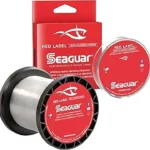
The reel should be spooled with monofilament fishing line, typically 8 to 12-pound test strength. This line is strong enough for bass and easy for beginners to handle.
Start with a medium-action spinning rod and reel combo; it is versatile and forgiving for learning.
Essential Lures and Baits
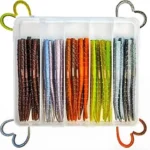
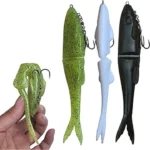
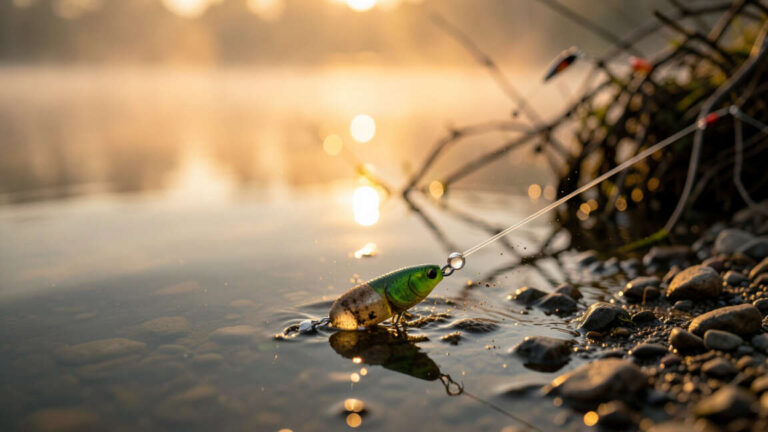
When you’re learning Bass Fishing for Total Beginners: A Step-by-Step Tutorial, it’s best to start with a few reliable lures. Soft plastic worms are a classic for a reason. They are easy to rig and bass love to bite them.
Colors like green pumpkin, black, or red are good starting points. Jigs are also effective, especially in murkier water. For simplicity, consider a few simple crankbaits or topwater lures too.
These can be fun to watch as they attract fish.
Other Must-Have Items
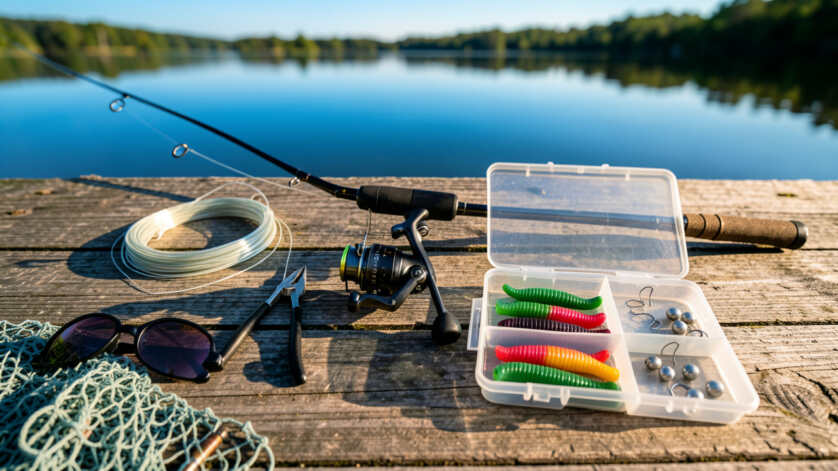
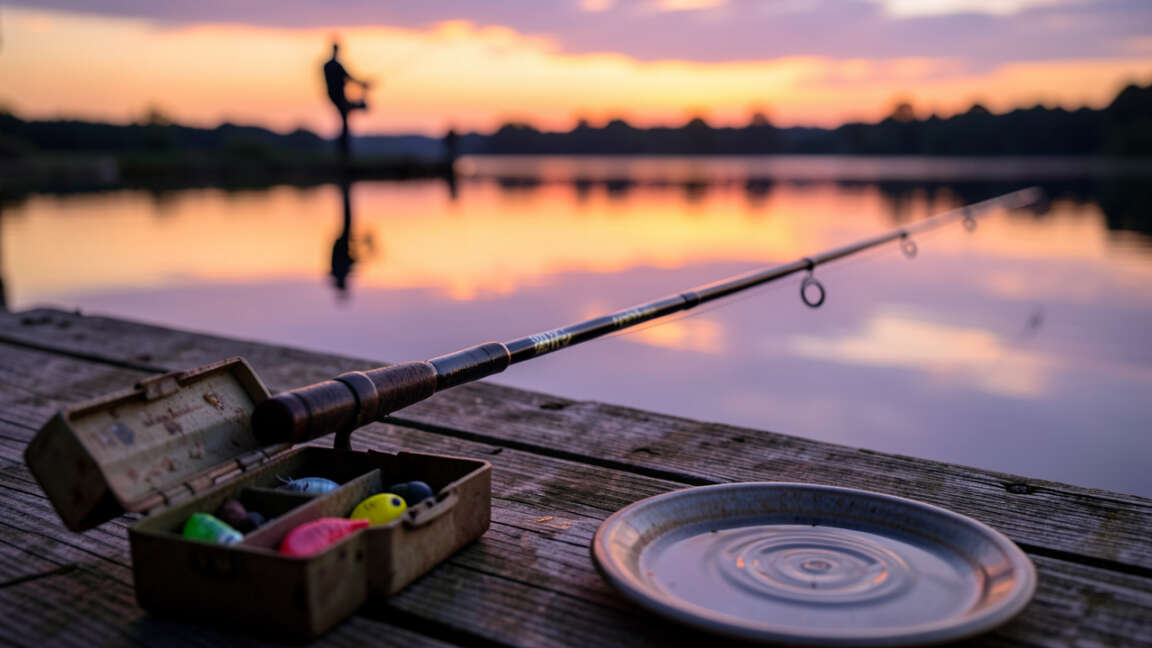
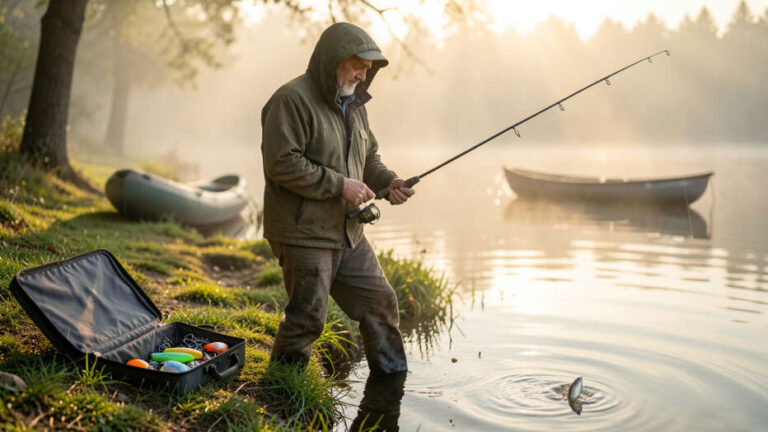
Beyond the rod and reel, a few other things are very helpful. You’ll need a small tackle box to keep your lures organized. Pliers are useful for removing hooks safely.
A fishing license is required in most places, so make sure you have that sorted out before you go. Sunscreen, a hat, and sunglasses will protect you from the sun. A net can be helpful for landing larger fish, but it’s not strictly necessary for your very first outings.

Finding the Best Bass Fishing Spots
Bass are found in many different types of water. Learning where they like to hang out is a big part of successful Bass Fishing for Total Beginners: A Step-by-Step Tutorial. Bass often look for places where they can hide and ambush their food.
Understanding these habits will help you find more fish.
Lakes and Ponds: Bass Havens
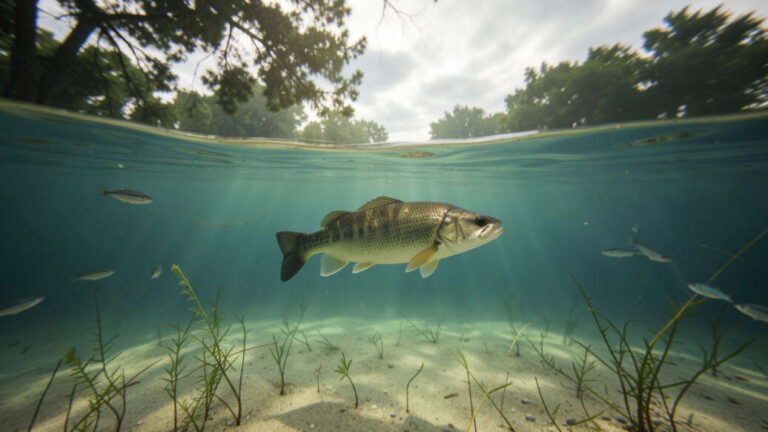
Smaller lakes and ponds are often excellent places for beginners. Look for areas with structure. This means things like fallen trees, lily pads, docks, or even just changes in the bottom contour.
Bass use these structures for cover and to ambush prey. Shallow areas near deeper water can also be productive. Early morning and late evening are often the best times to find active bass in these locations.
Bass often relate to structure like fallen trees and lily pads, and their location changes with weather patterns.
Rivers and Streams: Moving Water Tactics
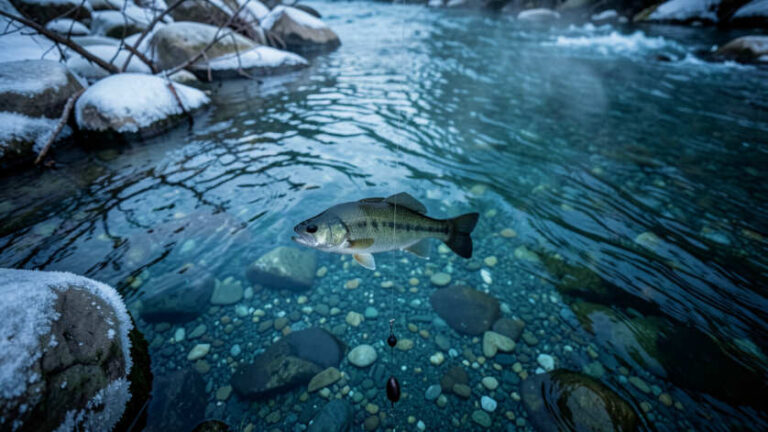
Rivers and streams can offer great bass fishing too, but they can be a bit trickier. Bass will often hold in calmer areas behind rocks or logs. They also like the edges of current seams, where fast and slow water meet.
Look for areas where tributaries enter the main river. You might also find bass in deeper pools or near overhanging bushes along the bank. Always be aware of the current and wear appropriate footwear if wading.
Understanding Bass Behavior
Bass are predators. They like to hide and wait for food. This means they are often found near cover.
They also move to find food and can be influenced by water temperature and time of day. In warmer weather, they might move to deeper, cooler water. In cooler weather, they might be found in shallower, sun-warmed areas.
Paying attention to these patterns is key to your Bass Fishing for Total Beginners: A Step-by-Step Tutorial.
Mastering the Art of Casting and Luring
Casting might seem tricky at first, but with a little practice, you’ll get the hang of it. The goal is to accurately place your lure where you think the bass are. This is a fundamental skill for Bass Fishing for Total Beginners: A Step-by-Step Tutorial.
The Basic Spinning Cast
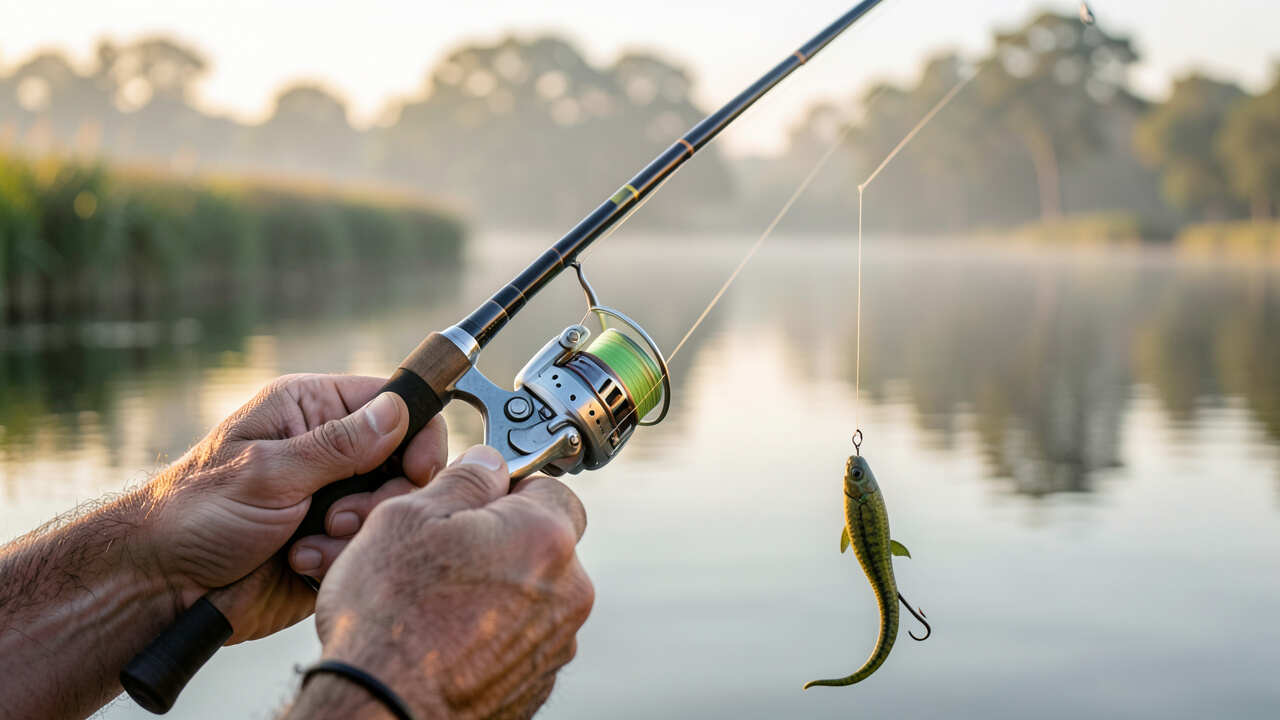
First, open the bail on your spinning reel. Hold the line against the rod with your index finger. Swing the rod back smoothly, then forward with a firm but controlled motion.
As the rod comes forward, release your finger from the line. The lure will fly out. Close the bail once the lure lands in the water.
Practice this in an open area away from trees or people until you feel comfortable.
The retrieve technique matters as much as the lure: let soft plastics sink and twitch, but keep crankbaits moving steadily.
Retrieving Your Lures
How you retrieve your lure is just as important as casting it. Different lures require different retrieves. For soft plastic worms, try a “plastic worm retrieve.” This involves letting the lure sink, then giving it a few short twitches of the rod tip, followed by a short pause.
For crankbaits, a steady, consistent retrieve is usually best. Experiment with different speeds to see what works best on any given day. The key is to make your lure look like a natural food source for the bass.
Making Your Lure Irresistible
Think about what would attract a fish. Bass are attracted to movement and vibration. Make your lure move in a way that mimics baitfish or other prey.
Don’t be afraid to vary your retrieve. Sometimes a slow, steady retrieve is best. Other times, a more erratic, jerky motion will trigger a strike.
This part of Bass Fishing for Total Beginners: A Step-by-Step Tutorial is all about experimentation.
Hooking and Landing Your Bass
You’ve cast your line, you’ve got a bite – now what? This is the exciting part! Learning to set the hook and bring the fish in smoothly is crucial for success in Bass Fishing for Total Beginners: A Step-by-Step Tutorial.
Recognizing a Bass Bite
A bass bite can feel like a tap, a thump, or a sudden, strong pull. Sometimes it’s just a slight tug on your line. Don’t yank the rod too hard immediately when you feel a slight nibble.
Wait for a more solid pull before you react. If you’re using a soft plastic lure, you might feel the bass take it and start swimming away. This is often a good time to set the hook.
Setting the Hook
When you feel a definite bite, it’s time to set the hook. This means giving the fish a quick, firm tug with your rod. For most spinning setups, a sharp upward or sideways snap of the rod will drive the hook into the bass’s mouth.
When you feel a solid pull, set the hook with a firm upward sweep and keep your rod tip up to maintain tension.
Don’t reel while setting the hook; just use a quick rod movement. This action ensures the hook is firmly embedded.
Fighting and Landing the Fish
Once the hook is set, the fight is on! Keep your rod tip up and maintain steady pressure on the line. If the bass runs, let it take a little line, but try to keep it from getting tangled in any underwater obstacles.
Reel in the slack whenever you can. When the fish is close to the boat or shore, use a net to scoop it up. This prevents the fish from throwing the hook or breaking your line at the last moment.
This is a satisfying step in Bass Fishing for Total Beginners: A Step-by-Step Tutorial.
Caring for Your Catch
Whether you plan to keep your bass or release it, proper handling is important. This ensures the health of the fish and the fishery for future anglers. Responsible fishing is a key part of Bass Fishing for Total Beginners: A Step-by-Step Tutorial.
Catch and Release Techniques
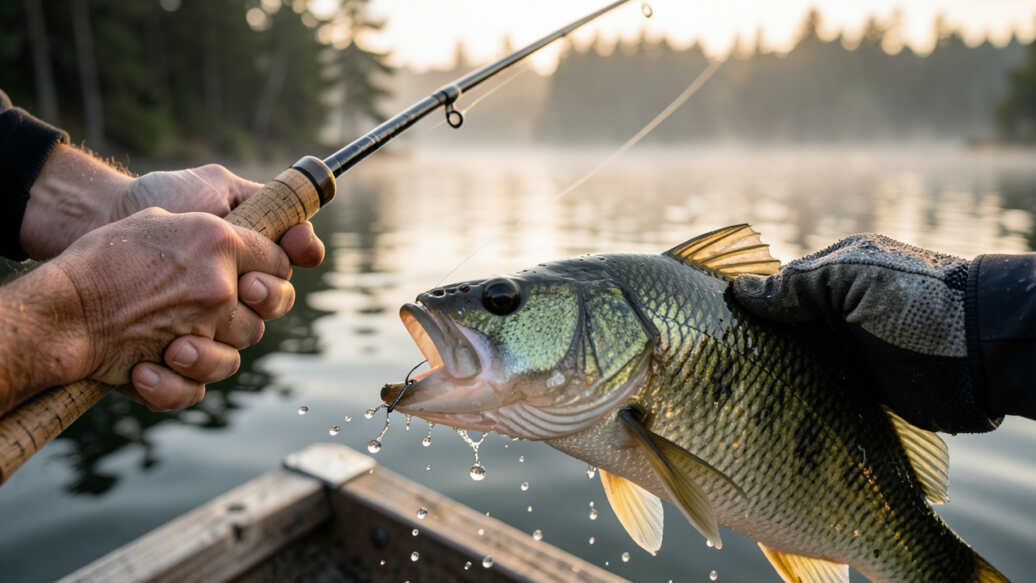
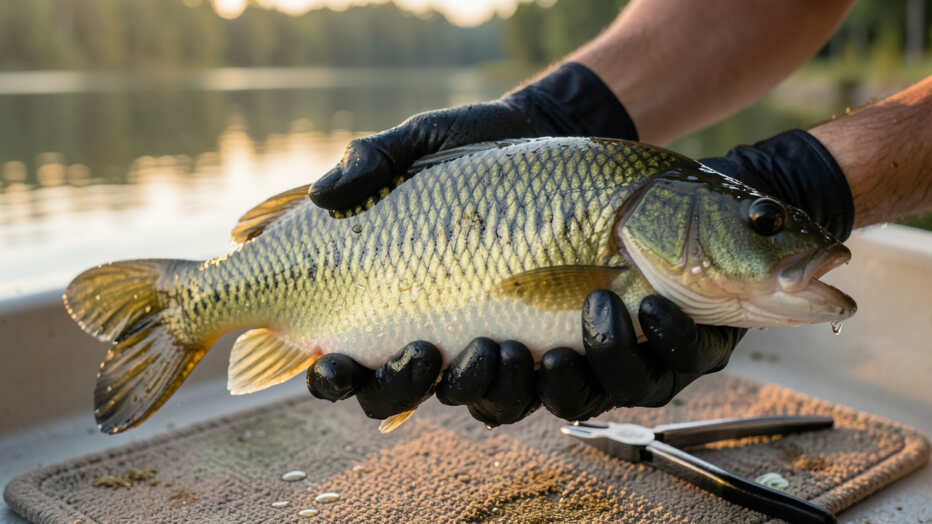
If you’re practicing catch and release, handle the fish as little as possible. Wet your hands before touching the bass to protect its slime coat. Avoid squeezing the fish.
If you need to remove the hook, use your pliers and do it quickly. Keep the fish in the water as much as you can. For a quick photo, hold the fish horizontally and support its body.
Always wet your hands before touching a bass to protect its slime coat, and avoid squeezing the fish.
Release it gently back into the water as soon as possible.
Keeping Your Bass
If you decide to keep your bass, know the local regulations regarding size and bag limits. It’s best to dispatch the fish quickly and humanely. Keep it on ice in a cooler immediately after catching it to maintain freshness.
This will ensure the best quality for your meal. Proper handling helps preserve the taste and texture of the fish.
Frequently Asked Questions
What is the best time of day for bass fishing?
The best time of day often depends on the season and location, but generally, early mornings and late evenings are most productive. Bass are often more active and feeding during these cooler parts of the day.
How do I choose the right fishing line for bass?
For Bass Fishing for Total Beginners: A Step-by-Step Tutorial, an 8- to 12-pound test monofilament line is a great starting point. It offers a good balance of strength and manageability for most bass fishing situations.
Are expensive fishing rods necessary for beginners?
No, expensive rods are not necessary. A good quality, affordable spinning rod and reel combo is perfectly adequate for learning and catching bass. Focus on learning the techniques first.
What should I do if I’m not getting any bites?
If you’re not getting bites, try changing your lure color, type, or retrieve speed. Also, try moving to a different spot. Bass behavior can change, so experimenting is key to successful Bass Fishing for Total Beginners: A Step-by-Step Tutorial.
How far should I cast my lure?
You don’t always need to cast as far as possible. Often, bass are found closer to shore or near structures. Focus on casting accurately to where you think the fish are, rather than just distance.
Do I need a boat to catch bass?
No, you absolutely do not need a boat. Many bass can be caught from the shore, docks, or by wading in rivers and streams. Shore fishing is a fantastic way to start Bass Fishing for Total Beginners: A Step-by-Step Tutorial.
Final Thoughts
You’re now ready to start your bass fishing adventure with confidence. This guide has shown you the basic gear, where to find bass, how to cast, and how to land your catch. Remember to practice, be patient, and enjoy the process of learning. Always check local fishing regulations before heading out to ensure compliance.
Happy fishing!


One Comment