Frog Fishing For Bass: Hollow Body Tactics In Heavy Cover
Hollow body frog fishing for bass in heavy cover requires using a weedless, floating lure that walks over thick vegetation and triggers explosive strikes from ambush predators. Selecting the correct frog size and color for water clarity and matching the action to bass activity levels directly improves hookup rates in matted grass and lily pads. Mastering accurate casting and a steady or twitch-pause retrieve with a heavy-action rod and braided line ensures the frog stays in the strike zone and the hook penetrates the bass's hard mouth.
When bass hide in thick weeds, lily pads, or fallen trees, getting them to bite can be tough. You want a lure that can get right into that messy stuff without getting hung up. That’s where using hollow body frogs comes in.
Mastering Frog Fishing for Bass: Hollow Body Tactics in Heavy Cover means you can put your lure right where the big fish are waiting. You’ll learn how to make them strike and bring more bass to your boat, even when the fishing seems impossible.
Key Takeaways
- Understand why hollow body frogs are ideal for fishing in dense cover.
- Learn how to choose the right hollow body frog for different fishing conditions.
- Discover effective casting and retrieval techniques for frog lures in heavy cover.
- Identify the best rod, reel, and line setups for successful frog fishing.
- Master the art of setting the hook and fighting bass hooked on frogs.
- Recognize when and where to deploy hollow body frogs for maximum bass attraction.
Why Hollow Body Frogs Rule in Heavy Cover
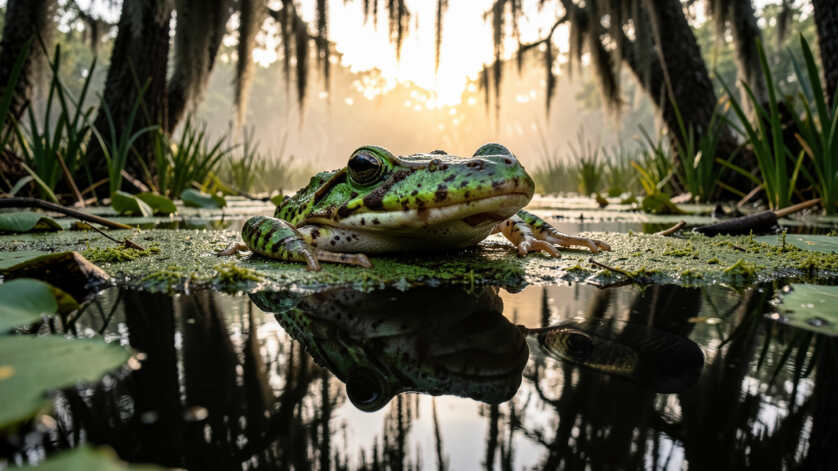
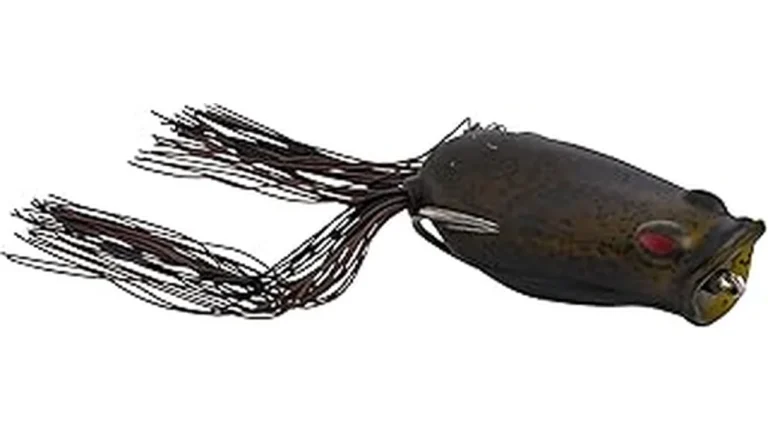
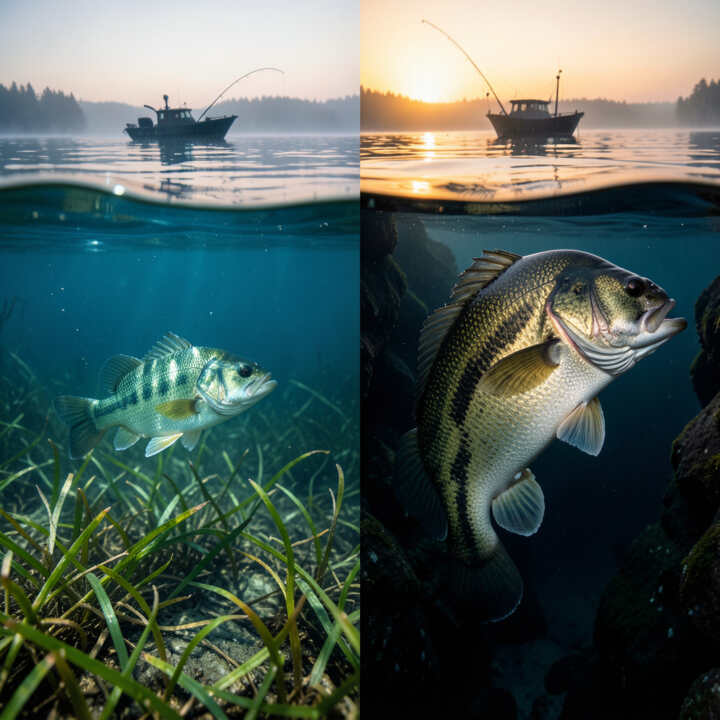
Bass love to ambush prey from the safety of thick cover. This is where a hollow body frog shines. Its design allows it to float on top of the water, even through dense vegetation like lily pads, matted grass, and laydown logs.
Unlike many other topwater lures, the hollow body construction means the hooks are tucked up inside the lure. This makes it much less likely to snag on weeds or sticks. When a bass strikes, the body compresses, exposing the hooks for a solid hookset.
Use the hollow body frog’s floating and snag-free design to fish directly into the thickest cover where bass hide.
This ability to fish right in the heart of cover is why Frog Fishing for Bass: Hollow Body Tactics in Heavy Cover is so effective.
The visual appeal of a hollow body frog is also a major factor. It mimics a natural food source that bass readily attack. Think about it: a frog or a mouse struggling on the surface of the water is an easy meal for a hungry bass.
The commotion a frog lure can create also draws attention from a distance. This is crucial when fish are holding tight in murky or shaded areas where they feel secure.
Choosing the Right Hollow Body Frog
Not all hollow body frogs are created equal. The best choice depends on the type of cover you’re fishing and the bass’s mood. Size, color, and action all play a role.
Size Matters
Larger frogs are great for attracting bigger bass and can be easier to see in choppy water or dense mats. Smaller frogs can be more subtle and work well when bass are a bit picky or when fishing in lighter cover. A good rule of thumb is to match the size of the frog to the natural prey in the area.
If you see small baitfish or small frogs, a smaller lure might be better. For big bass, don’t be afraid to throw a larger, more intimidating frog.
Color Selection for Bass
Color is a critical element in lure selection. For clear water or when bass are actively feeding, natural colors like green, brown, or black can be very effective. These mimic actual frogs or other surface critters.
In stained or murky water, or on overcast days, brighter colors like white, chartreuse, or even a bright orange belly can provide more contrast and attract attention. Some anglers also like to use frogs with red accents, which can trigger a reaction strike.
Select a frog profile based on cover: wider flatter frogs sit on matted grass, while rounded frogs walk better in open water.
Experimenting with different colors is key. If one color isn’t producing, don’t hesitate to switch. Sometimes, a subtle change in color can make all the difference in getting a bite.
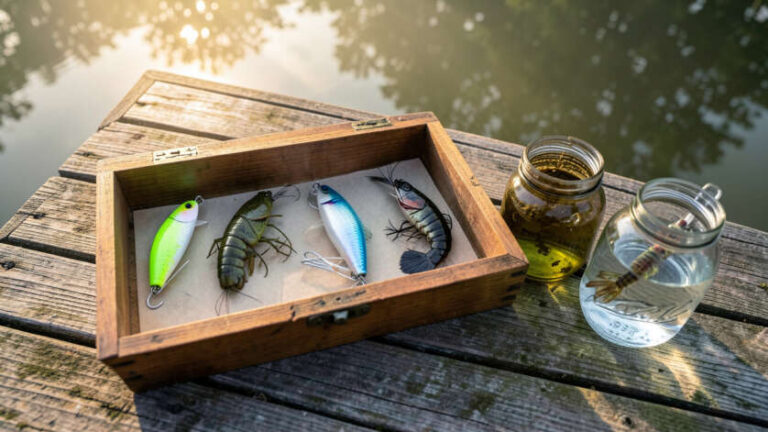
For Frog Fishing for Bass: Hollow Body Tactics in Heavy Cover, having a variety of colors in your tackle box is a smart move.
Action and Profile
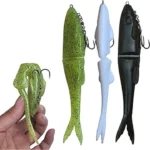
Some hollow body frogs have legs that kick and flutter, creating more commotion and attracting fish from further away. Others have a more subtle action, with simple kicking legs or no legs at all. A frog with a wider, flatter profile can sit on top of matted grass better.
A more rounded profile might walk-the-dog more easily. The action you want depends on how aggressively the bass are feeding and how much noise you want to make.
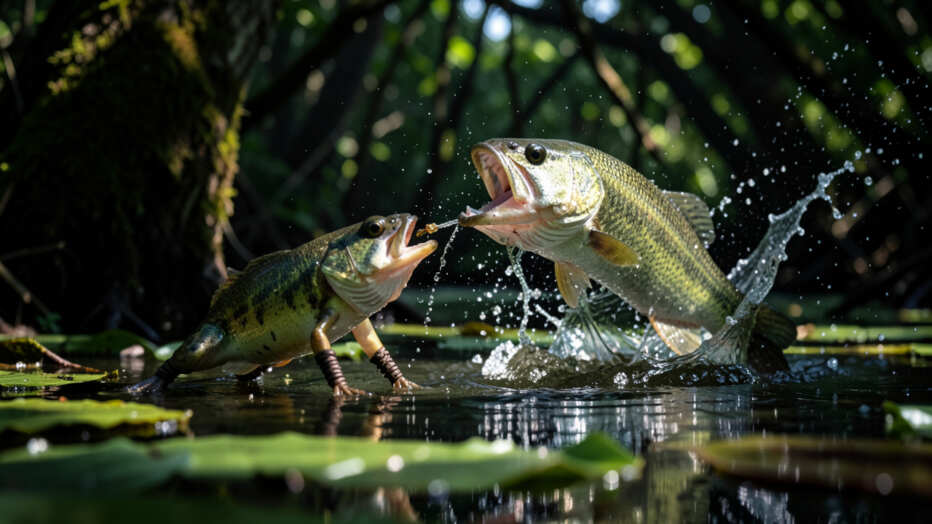
A popping frog, with a cupped face, can create a splash and gurgle that mimics a frog or baitfish feeding. A walking frog, with a more streamlined body, can be worked side-to-side with a twitch of the rod tip. Both have their place in Frog Fishing for Bass: Hollow Body Tactics in Heavy Cover.
Mastering the Cast and Retrieve
How you present your hollow body frog is just as important as the lure itself. Proper casting and retrieve techniques are essential for success.
Accurate Casting
When fishing heavy cover, accuracy is paramount. You need to be able to place your frog precisely where you want it, whether that’s on a small patch of open water in a weed mat or right next to a submerged log. This often requires a good degree of skill with your casting.
Practice your accuracy to ensure you can land your frog in those prime spots without spooking fish or getting snagged.
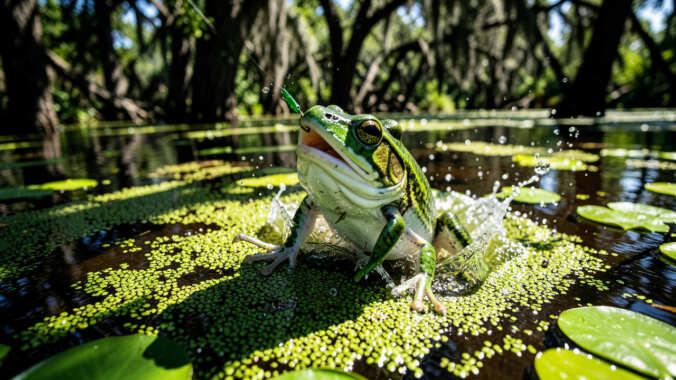
Short, sharp rod twitches make the frog dart and kick like a fleeing baitfish.
A sidearm cast or a roll cast can be very effective for getting under overhanging branches. For long casts into open water, a standard overhead cast works well. The goal is to make your lure land softly and naturally, like a real frog jumping into the water.
Retrieval Techniques
There are several ways to retrieve a hollow body frog, and the best method often depends on the bass’s mood.
- Steady Retrieve: A slow, steady retrieve can sometimes work, especially if the bass are following the lure.
- Twitching: A series of short, sharp twitches of the rod tip can make the frog dart and kick, mimicking a fleeing prey.
- Popping: If you have a popping frog, pause it for a few seconds, then give it a sharp twitch to create a loud pop and splash.
- Walking the Dog: With a walking frog, use gentle twitches and pauses to make the lure sashay back and forth across the surface.
Often, the most effective retrieve involves a combination of these. Start with a few pops or twitches, then let the frog sit motionless for a few seconds. This pause is often when the bass will strike.
Don’t be afraid to experiment with different cadences and pauses. Frog Fishing for Bass: Hollow Body Tactics in Heavy Cover often involves a bit of trial and error to find what the fish want.
The Right Gear for Frog Fishing
Using the correct equipment is crucial for managing heavy cover and landing strong-fighting bass. Your rod, reel, and line all need to be up to the task.
Rod Selection
You need a stout rod that can handle the stress of pulling bass out of thick cover. A medium-heavy to heavy power rod with a fast or extra-fast action is ideal. This provides the backbone needed to rip a fish free from weeds and the sensitivity to detect subtle bites.
The length of the rod can also be a factor, with longer rods (7 to 7.5 feet) offering better casting distance and leverage.
Use a medium-heavy to heavy rod with fast action, 7 to 7.5 feet long, for the backbone to rip fish from weeds and extra casting power.
Reel and Line Choices
A baitcasting reel is generally preferred for frog fishing. Look for a reel with a good gear ratio (6.4:1 or higher) to help you quickly retrieve slack line and work the lure effectively. You’ll also want a reel with a strong drag system.
The line is perhaps the most critical component. Braided line is the go-to for Frog Fishing for Bass: Hollow Body Tactics in Heavy Cover. It has no stretch, which gives you maximum power for hooksets and allows you to pull bass through dense cover without them breaking free.
Use a heavy test, typically 50-pound test or higher, depending on the thickness of the cover. Some anglers even go up to 80-pound test for the thickest situations.
Hookset and Fighting Bass
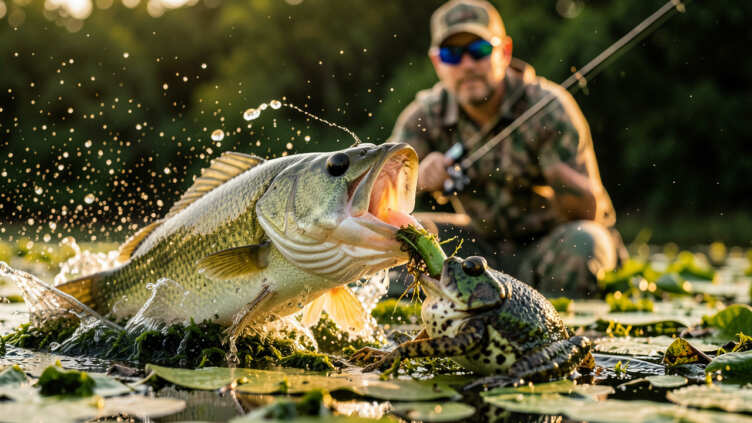
Hooking a bass on a hollow body frog can be a thrilling experience, but it requires a specific technique. Because the hooks are hidden, you need to give the fish time to get the lure in its mouth.
Timing the Hookset
When you see a strike, resist the urge to set the hook immediately. This is a common mistake that leads to missed fish. Instead, watch the fish.
If you see the frog disappear, give the bass a second or two to fully inhale the lure. Then, with a firm, sweeping motion, set the hook. This ensures the hooks have a good chance of penetrating the bass’s jaw.
After hookset, maintain constant pressure and steer the bass away from heavy cover; if it dives into weeds, reel down and use the rod to free it.
A common technique is to count to “one” or “two” after the strike before setting the hook.
Fighting in Heavy Cover
Once hooked, the bass will likely try to dive back into the cover. This is where your heavy gear and strong hookset pay off. Keep constant pressure on the fish and try to steer it away from the thickest parts of the cover.
If the fish goes deep into the weeds, you might need to reel down and use your rod to pull it free. Don’t let the fish gain slack, as this is often when they will throw the lure. Keep the line tight and maintain control.
Remember, the goal is to get the fish out of the cover and into open water as quickly as possible. This minimizes the chance of the fish getting tangled or finding a way to escape. Effective Frog Fishing for Bass: Hollow Body Tactics in Heavy Cover relies on this aggressive, controlled fight.
When and Where to Throw Frogs
Knowing the right conditions and locations to deploy your hollow body frog can drastically increase your success rate.
Prime Time for Frogging
Hollow body frogs are most effective during warmer months, from spring through fall, when bass are more active and often move into shallow cover. Early mornings and late evenings are prime times, as bass are often feeding heavily during these lower-light periods. Overcast days can also be excellent, as the reduced light can make bass more aggressive and less wary of surface lures.
Fish hollow body frogs from spring through fall when bass are in shallow cover, especially during low-light periods like early morning and evening.
Don’t discount a cloudy or rainy day, either. The increased moisture and reduced visibility can make bass feel more secure moving shallow and looking for easy meals on the surface. Many anglers find that Frog Fishing for Bass: Hollow Body Tactics in Heavy Cover can be exceptionally productive during these weather conditions.
Ideal Bass Hangouts
Look for areas with plenty of shallow, accessible cover. This includes:
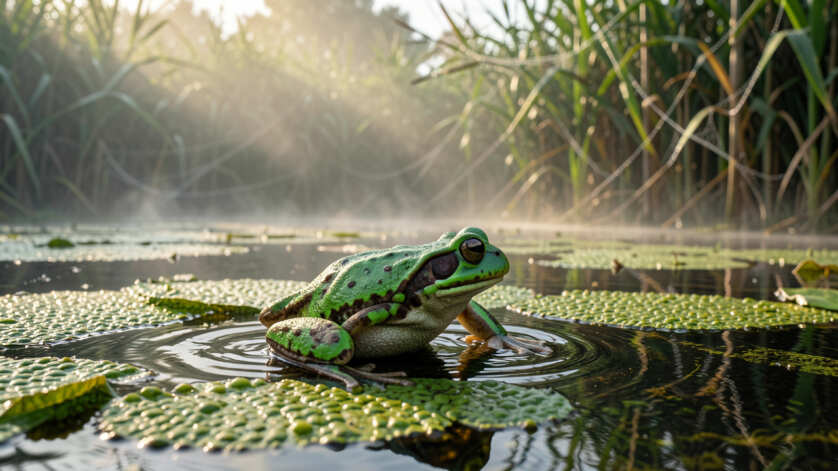
- Lily pad fields: These are classic frog fishing territory. Cast your frog onto the pads and twitch it off into the open water.
- Thick grass mats: These dense mats of vegetation provide excellent ambush points. You want to get your frog right on top of the mat.
- Laydown logs and stumps: Bass love to hide in the shade and structure provided by submerged wood. Target the edges and any openings within these structures.
- Cypress trees and reeds: Similar to laydowns, these offer shade and cover for bass.
- Bridges and docks: The shade and structure under these man-made objects can hold bass, and a frog can work well around the pilings and edges.
Always try to make your frog land near or on top of the cover. This is where the bass are expecting to find a meal. A well-placed frog is more likely to draw a strike than one that lands in open water, away from the fish’s comfort zone.
Troubleshooting Common Frog Fishing Issues
Even with the best techniques, you might encounter some challenges. Here are a few common issues and how to fix them.
Missed Strikes
This is often due to setting the hook too early. Remember to give the bass a moment to eat the frog. If you’re consistently missing strikes, try counting to “three” before setting the hook.
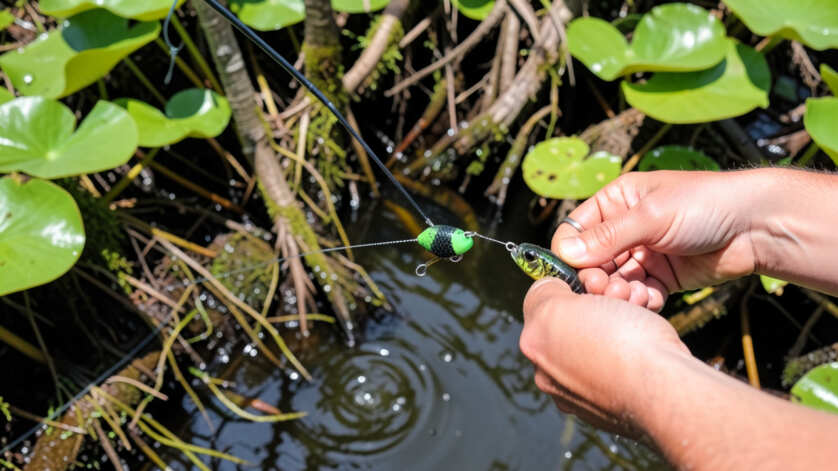
Also, ensure your hooks are sharp and properly positioned. Sometimes, bending the rear hook slightly upward can help increase your hookup ratio.
A stout rod and a streamlined frog profile are key to ripping your lure free from dense cover.
Snags and Hang-ups
While hollow body frogs are designed to resist snags, they aren’t entirely snag-proof. If you’re getting hung up frequently, try varying your retrieve speed and cadence. Make sure you’re using a rod with enough backbone to rip the lure free.
If you’re fishing extremely dense cover, consider a slightly shorter frog or one with a more streamlined profile.
Bass Not Following
If bass are following your frog but not biting, try slowing down your retrieve or pausing the frog for longer periods. Sometimes, a change in color can also help. If you’re using a loud, splashy frog, try a quieter, more subtle one.
Conversely, if you’re using a subtle frog and not getting bites, try a noisier one to generate more interest.
Frequently Asked Questions
Question: What is the best time of year for frog fishing for bass?
Answer: The best time for Frog Fishing for Bass: Hollow Body Tactics in Heavy Cover is generally during the warmer months, from late spring through fall, when bass are actively feeding in shallow water.
Question: Should I use braided line for hollow body frog fishing?
Answer: Yes, braided line is highly recommended. Its no-stretch properties provide the power needed to set the hook and pull bass out of heavy cover.
Question: How long should I wait before setting the hook on a frog bite?
Answer: Wait for the bass to fully inhale the frog. Watch the lure disappear and count to one or two before setting the hook with a firm, sweeping motion.
Question: What are the best colors for hollow body frogs?
Answer: Natural colors like green, brown, and black work well in clear water. In stained or murky water, brighter colors like white or chartreuse can be more effective.
Question: Can I use a spinning rod for frog fishing?
Answer: While a baitcasting setup is preferred for its power and control, a medium-heavy spinning rod with strong braided line can work in less dense cover.
Question: How do I keep my hollow body frog from sinking?
Answer: Ensure your frog is properly rigged and that the hooks are not preventing it from floating. Most quality hollow body frogs are designed to float naturally.
Final Thoughts
Mastering Frog Fishing for Bass: Hollow Body Tactics in Heavy Cover opens up a world of exciting angling opportunities. By understanding your lure, refining your casting and retrieve, and using the right gear, you can consistently catch bass from the most challenging fishing spots. Be patient, experiment with techniques, and enjoy the thrill of a topwater strike.

6 Comments