


Bass Hook Setting: Different Techniques By Lure Type Now
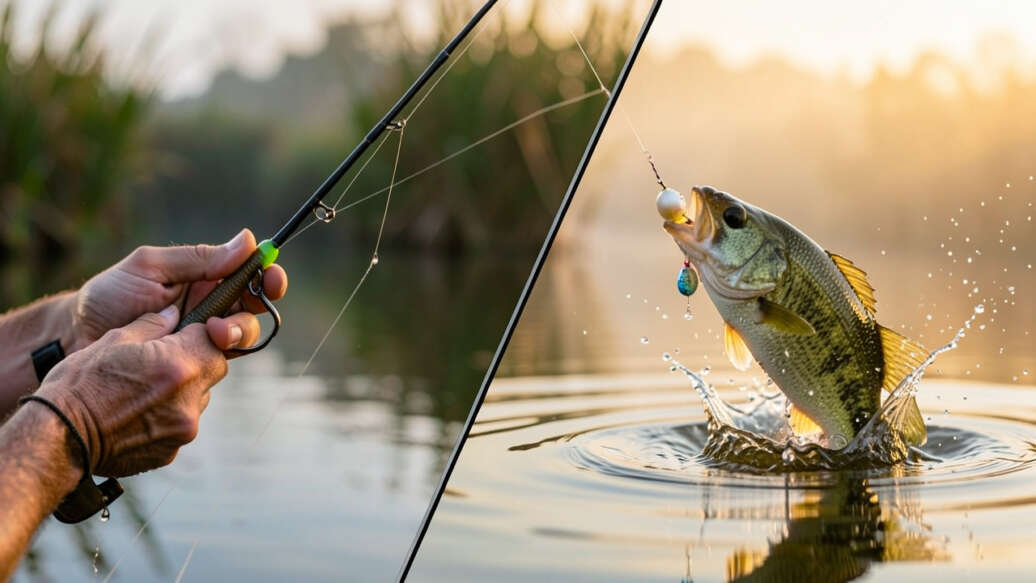
The ideal bass hook set varies by lure type because differences in weight, action, and material affect how hook penetration occurs. Soft plastics like Texas rigs and stick baits demand a slower, more deliberate sweep to drive the hook through bulky bodies, while hard baits such as crankbaits and jerkbaits require a faster, sharper snap to set the hook instantly. Mastering the specific hook set for each lure—such as pausing on topwater baits or using a firm, direct motion for jigs—directly increases landing percentages and reduces missed strikes.
Getting a solid hook set is key to landing more bass, and how you do it can change based on what lure you’re using. Different lures have different actions and weights, which means a one-size-fits-all approach won’t work. Mastering Bass Hook Setting: Different Techniques by Lure Type Now helps you turn more bites into landed fish.
This matters because a missed hook set means a lost opportunity and frustration. You’ll learn how to adjust your technique for various lures to increase your success on the water.
Key Takeaways
- Understanding how lure type affects hook set mechanics is crucial for catching more bass.
- Different lure weights and actions require varying hook set speeds and power.
- Soft plastic lures often need a slower, more deliberate hook set than hard baits.
- Topwater lures require a pause before setting the hook to allow the fish to fully commit.
- Jigs and Texas-rigged soft plastics benefit from a firm, direct hook set.
- Spinnerbaits and buzzbaits need a quick, sharp snap to drive the hook home.
Why Hook Set Technique Matters Based on Lure
Catching bass isn’t just about finding them; it’s about successfully getting them to the boat. A big part of that success comes down to how you react when a fish bites. When you feel that tug, your next move is critical.
This move is called the hook set. It’s the action you take to drive the hook into the bass’s mouth.
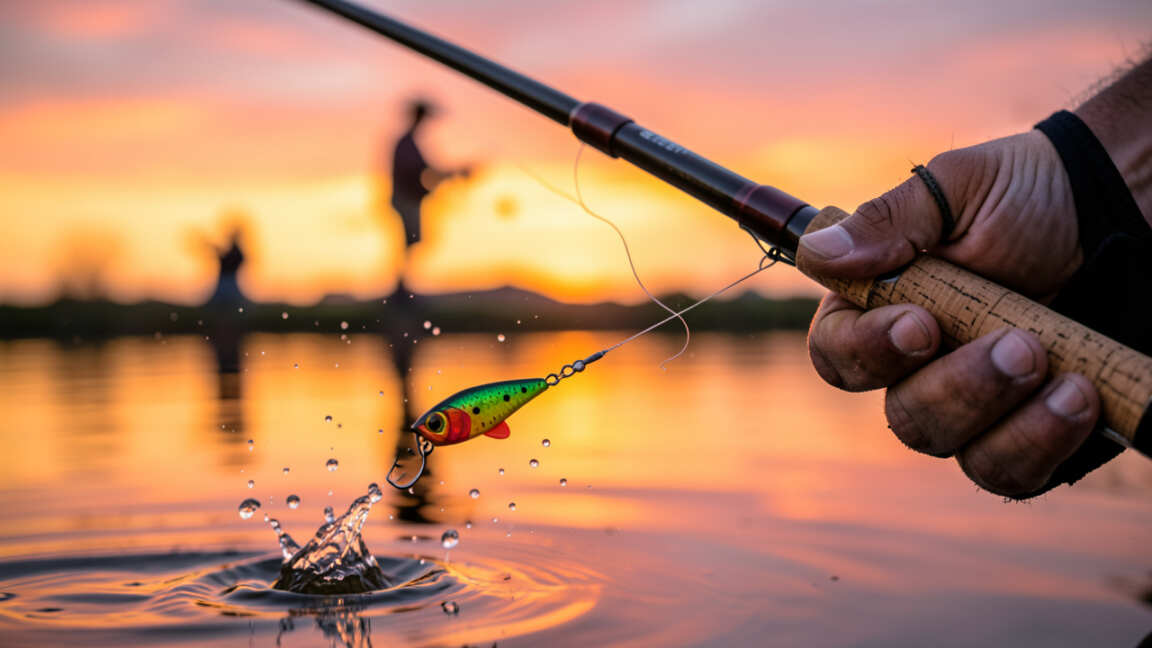
Focus on the specific weight and movement of the lure you're using to determine the correct hook set timing and force.
Why does it matter if you do it differently for different lures? Think about it: a tiny finesse worm acts very differently from a bulky flipping jig. The weight, the way it moves through the water, and the type of hook it uses all play a role.
Trying to set the hook the same way for every single bite will lead to missed fish. Some bites will be too gentle, and some will be too fast for a single technique. Learning Bass Hook Setting: Different Techniques by Lure Type Now helps you adapt and land more fish.
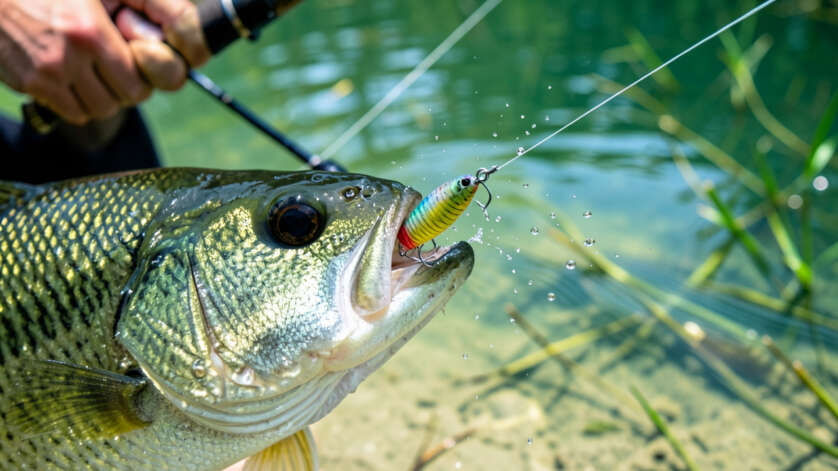
Setting the Hook with Soft Plastics
Soft plastics are incredibly versatile and catch bass in almost any situation. However, they can also be tricky when it comes to hook sets. The plastic itself can cushion the hook’s drive, and the weed guards often found on Texas-rigged soft plastics add another layer of resistance.
Texas Rig and Worms
When fishing a Texas-rigged worm, creature bait, or stick bait, you often feel a subtle “tick” or a distinct weight change. Because the hook is buried inside the plastic, you need to be sure the fish has the lure well before you set the hook. A common mistake is setting the hook too early.
This can result in the hook not penetrating the plastic or the fish’s mouth properly.
First, when you feel a bite on a Texas rig, resist the urge to yank immediately. Instead, let the fish take the bait for a second or two. You might even feel it start to swim away with the lure.
Then, give a firm, upward or sideways sweep with your rod. The power of this sweep comes from your arm and shoulder, not just a quick wrist snap. The goal is to pull the plastic away from the hook point and drive the sharp end into the bass’s jaw.
A slightly slower, more deliberate hook set is usually best here.
With soft plastics, waiting a split second after feeling the bite ensures the hook penetrates through the plastic and into the fish's mouth.
Senkos and Stick Baits
Senkos and similar stick baits are known for their subtle action and their effectiveness on finicky bass. When a bass picks up a Senko, the bite can be very soft. It might feel like just a slight pressure or a gentle pull.
With these, it’s important to wait just a moment longer than you might with a Texas rig. Let the fish feel comfortable with the bait in its mouth. After that brief pause, execute a strong, steady hook set.
The weight of the lure will help, but the sweep of your rod is what guarantees the hook penetrates. This is a prime example of where Bass Hook Setting: Different Techniques by Lure Type Now truly shines.
Shaky Heads
Shaky heads are another popular soft plastic setup. They feature a jig head with a screw lock to hold the plastic bait. The hook is usually exposed, which can lead to quicker hook sets.
When a bass bites a shaky head, the bite is often more pronounced than with a Texas rig. You’ll feel a definite pull. Next, you can often set the hook a bit more aggressively.
A quick, sharp upward snap of the rod tip is usually sufficient. Because the hook is more exposed, it doesn’t need as much effort to drive home.
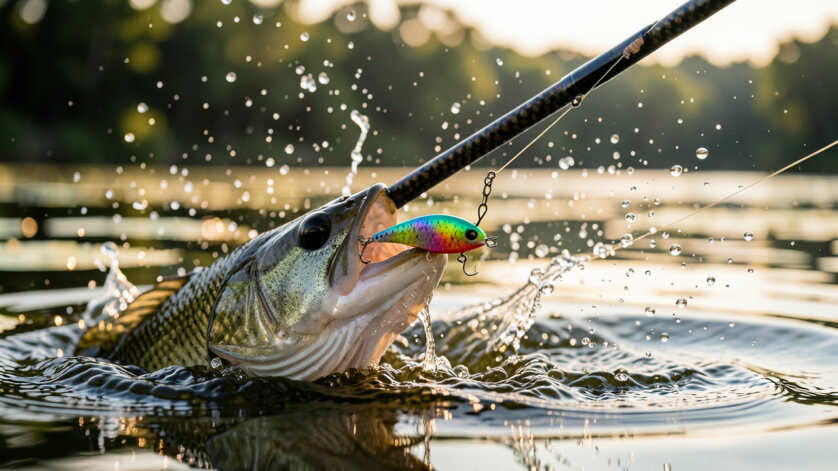
Hook Setting with Hard Baits
Hard baits, like crankbaits, jerkbaits, and topwater lures, offer a different set of challenges and opportunities when it comes to hook sets. These lures often have multiple treble hooks, which can increase your chances of hooking a fish, but also require different timing.
Crankbaits
Crankbaits are designed to dive and wobble, imitating baitfish. When a bass strikes a crankbait, it’s often a violent hit. You’ll feel a strong thump or a sudden weight change.
With crankbaits, the key is to react quickly but avoid ripping the lure away too soon. The bass is usually trying to inhale the bait. Then, give a firm, sweeping hook set.
Because there are often treble hooks, you don’t need to set the hook with the same force as you would a single hook in a Texas rig. A strong sweep is usually enough to get one of the treble hooks to catch. It’s important to keep constant pressure once the hook is set, as the treble hooks can pull out more easily than a single, well-placed hook.
Jerkbaits
Jerkbaits are worked with a series of twitches and pauses. The strikes often happen during the pause. When a bass hits a jerkbait, it can be a very subtle tap or a hard strike.
Constant pressure after the hook set is crucial with treble hooks, as they can pull out far more easily than a single hook.
The most important part of setting the hook on a jerkbait is waiting for the fish to commit. If you set the hook too early, you might only snag the fish in the nose or lip, leading to a lost fish. Finally, after you feel a bite, let the fish take the bait for a split second before you perform a sharp, downward or sideways sweep of the rod.
This ensures the hook penetrates securely. The slack line often created by the pausing action of the jerkbait means you need a decisive hook set.
Topwater Lures
Topwater lures are some of the most exciting because you see the strike. This visual aspect can also lead to premature hook sets. Whether you’re using a popper, a walking bait, or a prop bait, the technique is similar.
When a bass explodes on a topwater lure, your instinct is to pull. Resist that urge! You need to let the fish actually get the lure in its mouth.
This might take a second or two. Wait until you feel the weight of the fish or see the line go taut before you set the hook. The hook set itself should be a strong, upward sweep.
The slack line often present in topwater fishing means you need a good, solid pull to drive the hooks home. This is a critical aspect of Bass Hook Setting: Different Techniques by Lure Type Now.
Hook Setting with Jigs and Other Lures
Jigs and spinnerbaits are staples for many bass anglers. They have their own unique hook-setting requirements.
Flipping Jigs and Football Jigs
Jigs are often fished around cover, like weed lines, docks, or rocks. The bite can feel like a sudden stop or a heavy weight. Because jigs often have a stout, weedless hook and a bulky profile, you need a strong hook set.
When you feel a bite on a jig, it’s often a solid thump. You need to react quickly. First, pull the rod tip sharply upwards and slightly to the side.
The force of this pull is important because you need to drive the hook through the jig’s weed guard and into the bass’s mouth. A strong, consistent hook set is crucial for success with jigs. This is another area where understanding Bass Hook Setting: Different Techniques by Lure Type Now makes a difference.
For jigs, a sharp upward and sideways rod sweep generates the power needed to drive the hook through the weed guard and into the bass's mouth.
Spinnerbaits and Buzzbaits
These lures create a lot of vibration and flash, which attracts bass. The bites can be aggressive, but sometimes they are just a quick grab.
For spinnerbaits and buzzbaits, the key is a quick, sharp hook set. Often, the bass will just “bump” the lure. You need to feel that definite pull.
Then, give a very quick, sharp snap of the rod tip. Because these lures have multiple treble hooks, you don’t need a long, drawn-out sweep. A fast, aggressive action is usually enough to get a hook to stick.
The speed of the bait can also influence your set; faster retrieves often require a faster hook set.
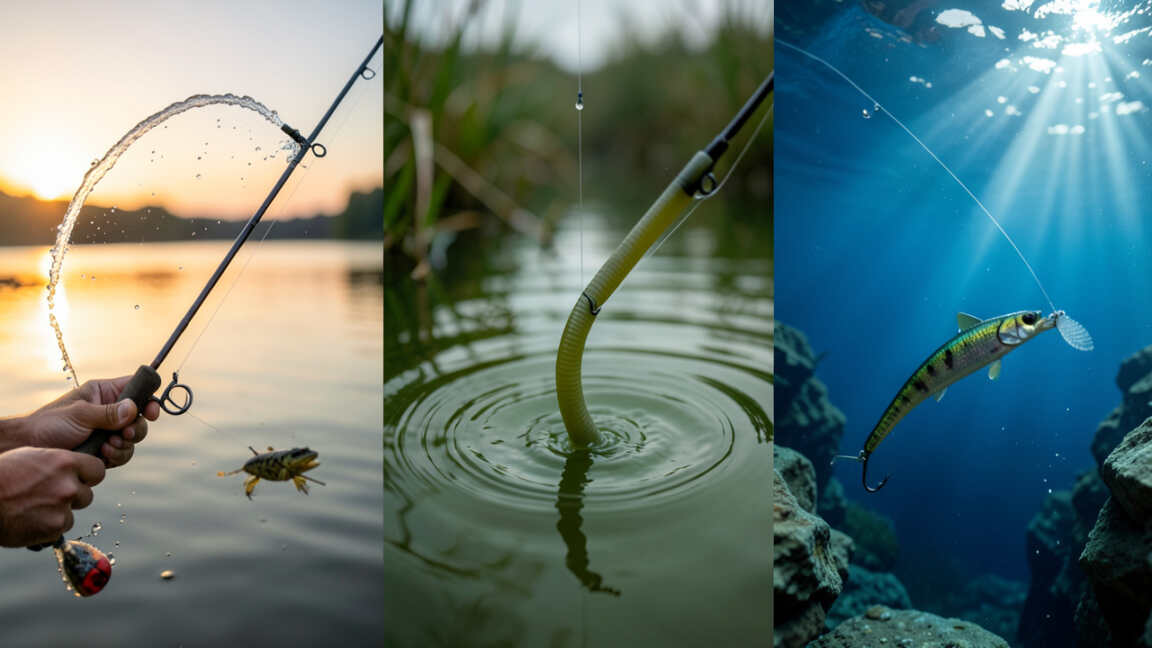
Comparison of Hook Set Techniques by Lure Type
To make it easier to remember, here’s a quick look at how hook set techniques differ across common lure types.
Adjust your hook set speed and power based on the lure type; a firm sweep works for Texas rigs while a sharp snap suits shaky heads.
Factors Influencing Your Hook Set
Beyond just the lure type, several other factors can influence how you should set the hook. Understanding these will make you a more adaptable angler.
Rod Power and Action
The type of fishing rod you use plays a significant role. A heavy power rod with a fast action is ideal for many situations where a strong hook set is needed, like with jigs or Texas rigs. The fast action means the tip bends quickly, transferring power directly to the hook.
A medium or moderate action rod might be better for crankbaits or jerkbaits, as it can absorb some of the shock and prevent the hooks from tearing out.
Line Strength and Type
The line you use also affects your hook set. Braided line offers no stretch, meaning every bit of power you put into your rod sweep goes directly to the hook. This requires a slightly more controlled hook set to avoid tearing the hook out.
Rod action determines hook set effectiveness; fast action rods transfer power directly for heavy lures, while moderate rods absorb shock to protect treble hooks.
Monofilament and fluorocarbon lines have some stretch, which can act as a natural cushion. This means you might need a bit more power or a slightly longer sweep to ensure the hook penetrates.
Water Depth and Temperature
The depth at which you’re fishing can impact your hook set. In deeper water, you have more line out, which increases the amount of slack. You’ll need to account for this slack with a longer, more powerful sweep.
Water temperature can also affect bass behavior. In colder water, bass might be less aggressive and their bites might be softer, requiring a more patient and precise hook set. In warmer water, they tend to strike harder and faster, allowing for quicker, more forceful hook sets.
Fish Aggression and Size
Not all bass are created equal, and their mood can change daily. A small, aggressive bass might inhale a lure instantly, while a large, wary bass might mouth it tentatively. Always try to gauge the bite.
If it feels like a solid, confident take, set the hook. If it feels tentative, you might need to wait a moment longer. The size of the fish also matters; a larger fish requires a stronger hook set to ensure the hook penetrates deeply enough to hold.
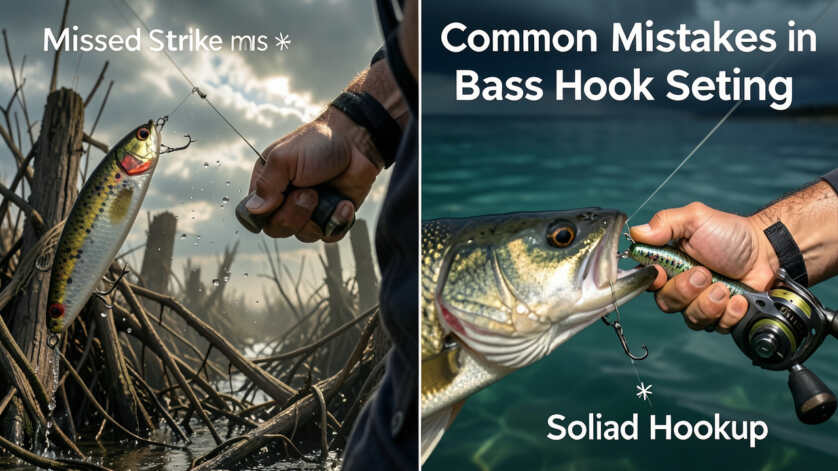
Common Mistakes in Bass Hook Setting
Even experienced anglers can make mistakes when setting the hook. Being aware of these can help you avoid them.
Setting the Hook Too Early
This is probably the most common mistake, especially with soft plastics or lures that have a delayed strike. When you set the hook too soon, the hook might not penetrate the fish’s mouth at all, or it might only catch the very edge, leading to a lost fish. Patience is key here.
Setting the hook too early often results in the hook barely catching the edge of the fish's mouth, causing lost fish.
Let the fish take the bait.
Setting the Hook Too Late
Conversely, waiting too long can also be a problem. If the fish swallows the bait whole, you might not be able to remove the hook easily, and the fish could be injured. It’s also possible for the fish to spit the bait out if you wait too long, especially with lures that have a fast action or are presented in open water.
Using the Wrong Amount of Force
Too little force, and the hook won’t penetrate. Too much force, and you risk tearing the hook out of the fish’s mouth, especially if it’s a small or soft bite. The goal is a firm, decisive motion that drives the hook in, but not so violent that it causes damage or pulls free.
Not Adjusting for Lure Type
As we’ve discussed extensively, failing to adjust your hook set based on the lure is a recipe for disaster. A quick snap that works for a buzzbait might pull a worm right out of a bass’s mouth. Understanding Bass Hook Setting: Different Techniques by Lure Type Now is vital for consistent success.
Frequently Asked Questions
Question: What is the most important factor when deciding how to set the hook for bass?
Answer: The most important factor is the type of lure you are using, as its weight, action, and hook configuration dictate the best hook set technique.
Question: Should I always use a strong hook set for soft plastics?
Answer: Not always. For Texas-rigged soft plastics, a firm, deliberate sweep is best, while for shaky heads with exposed hooks, a quicker, sharper snap can be effective.
Question: How do I avoid setting the hook too early on topwater lures?
Answer: Wait until you feel the weight of the fish or see the line go taut. Resist the immediate instinct to yank when you see the splash.
Question: Is it better to use a fast or slow hook set for crankbaits?
Answer: A quick, sweeping hook set is generally best for crankbaits. You want to react fast but also give the treble hooks a chance to catch.
Question: Does line type affect my hook set?
Answer: Yes, braided line has no stretch, requiring a more controlled hook set, while monofilament and fluorocarbon lines have stretch that can cushion the hook set.
Question: How do I ensure a good hook set when fishing jigs?
Answer: For jigs, use a strong, upward or sideways sweep to drive the hook through the weed guard and into the bass’s mouth.
Final Thoughts
Mastering Bass Hook Setting: Different Techniques by Lure Type Now directly leads to more bass in your boat. By understanding how lure types affect hook set mechanics, you can adjust your approach for better results. Always consider your lure, rod, and line to make the right move when a bass bites.

One Comment