




Twilight Bass: Reading The Last 30 Minutes Before Dark
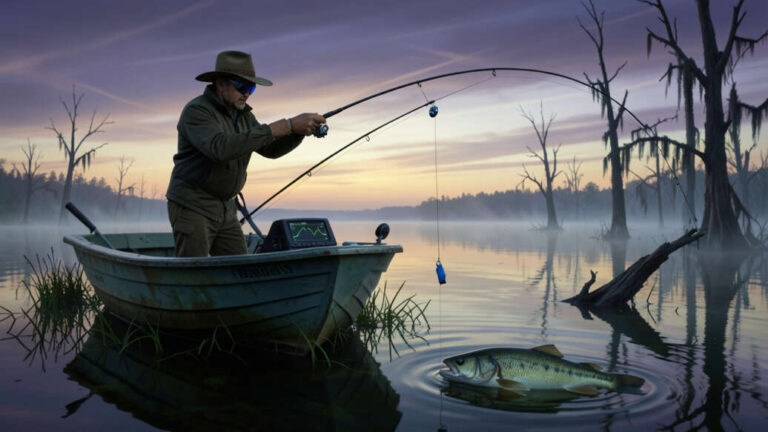
Twilight bass fishing in the last 30 minutes before dark is a highly productive window because dropping light levels trigger bass to feed aggressively near shallow structure and cover. During this low-light period, bass rely more on vibration and silhouette, making moving lures like spinnerbaits, chatterbaits, and topwater plugs effective for triggering strikes. Successful twilight fishing depends on reading water for ambush points such as weed edges, points, and docks while adjusting retrieve speed to match the bass’s increasing confidence. Weather conditions like cloud cover or a light chop can extend the bite, making this brief period the most reliable opportunity for quality bass.
Many anglers know that the last hour of daylight can be some of the best fishing. Understanding how to approach this specific time can make a big difference in your catch. Focusing on Twilight Bass: Reading the Last 30 Minutes Before Dark helps you pinpoint exactly when and where to find active fish.
This knowledge can turn a slow day into a successful one, giving you more bites and bigger fish right when the sun dips low. We’ll show you how to make the most of this prime fishing window.
Key Takeaways
- Learn why the last 30 minutes before dark are so productive for bass fishing.
- Discover the best lure types to use during the twilight bite.
- Understand how light levels affect bass behavior and feeding patterns.
- Get tips on choosing the right fishing spots for evening success.
- Find out how to adjust your retrieve speed for optimal results.
- Learn how weather conditions can enhance or diminish the twilight bass bite.

Why the Last 30 Minutes Before Dark is Prime Time
As the sun begins to set, the water temperature often starts to drop slightly. This can trigger a feeding frenzy for many bass species. The low light conditions make them feel safer to move from deeper water or cover to shallower areas.
They are less visible to predators and can ambush prey more easily. This transition period is when bass are most active and looking for a meal before settling down for the night.
Target shallow areas near deep water during twilight, as bass use low light to move up and ambush prey more effectively.
The changing light is a critical signal for bass. It tells them it’s time to feed. This is why focusing your efforts on Twilight Bass: Reading the Last 30 Minutes Before Dark can lead to more consistent action.
It’s a predictable pattern that savvy anglers exploit. You’re essentially fishing during a peak activity window, not just hoping for a bite.
Understanding Bass Behavior in Low Light
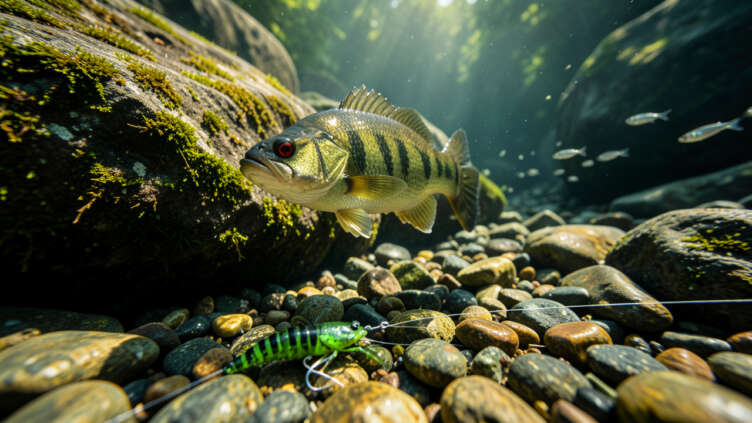
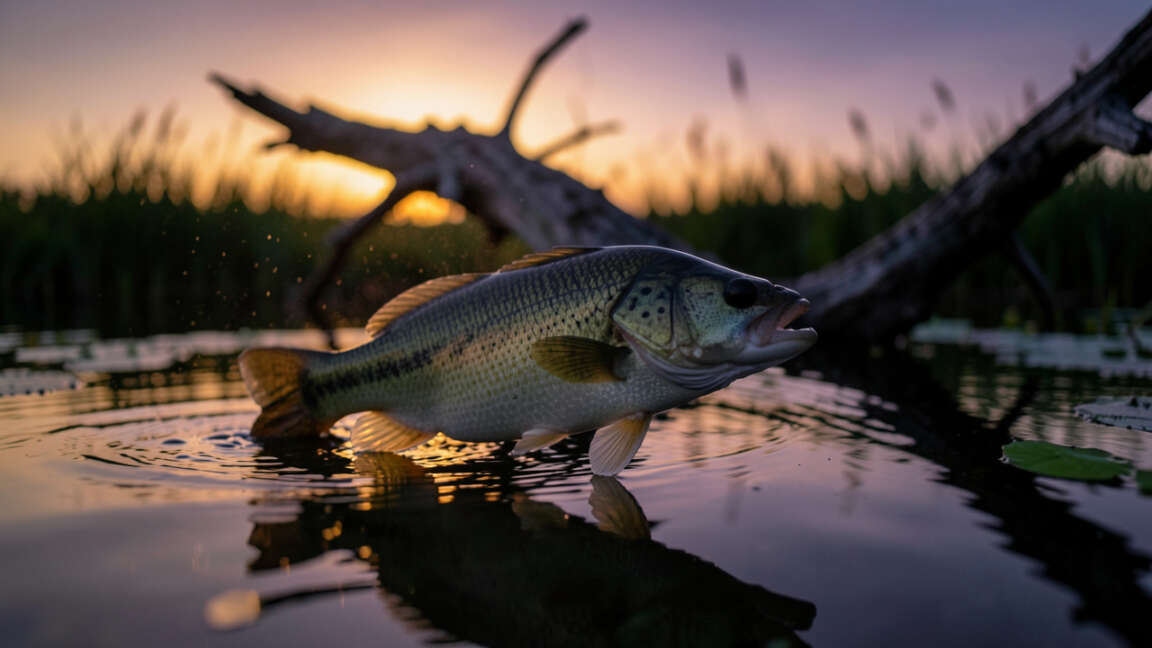
Bass have excellent vision, even in low light. Their eyes have a reflective layer called the tapetum lucidum, which helps them see in dim conditions. This is why they can hunt effectively during dawn and dusk.
As the sun dips below the horizon, this advantage comes into play. They use the shadows and reduced visibility to their benefit.
During the last 30 minutes before dark, bass often move shallower. They might leave their daytime haunts in deeper water or thick cover. They patrol shorelines, weed edges, and points.
Bass possess a tapetum lucidum that enhances night vision, making dawn and dusk prime feeding windows.
Their goal is to find baitfish and other food sources that are also becoming more active. This migration towards feeding grounds is a key aspect of Twilight Bass: Reading the Last 30 Minutes Before Dark.
Predatory instincts kick into high gear. Bass become more aggressive hunters. They are less wary of lures that might appear too flashy or noisy in brighter light.
The subtle transition in light levels creates an ideal hunting environment. It’s a time when they are actively searching for their next meal.
Best Lures for Twilight Bass
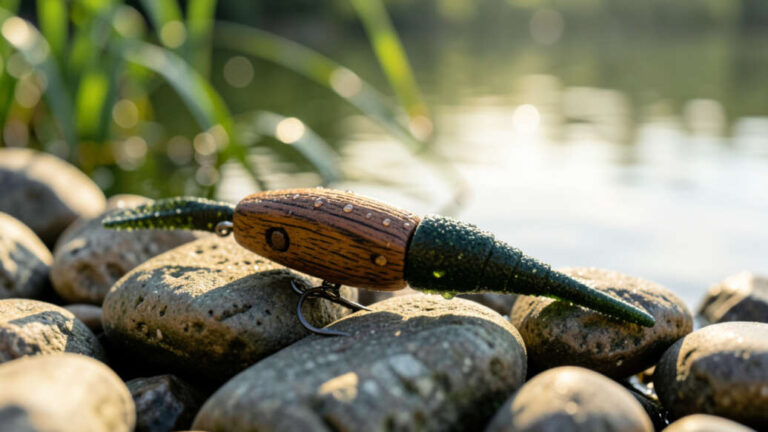
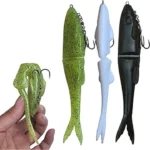
Choosing the right lure is crucial for success during the evening bite. The goal is to mimic the baitfish or other prey that bass are targeting. Lures that create a bit of vibration or a visual profile in low light are often most effective.
Think about what bass are seeing and hearing as they hunt.
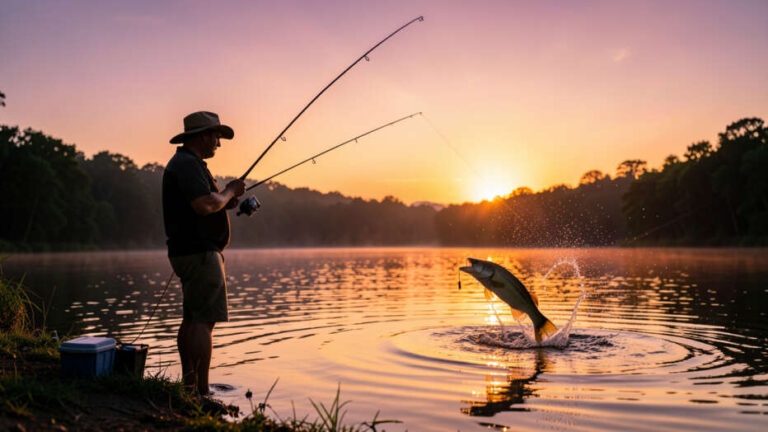
Topwater lures are incredibly effective during this time. A walking bait, a popper, or a prop bait can draw aggressive strikes. The commotion they create on the surface is highly visible and audible to bass in low light.
A sudden splash can trigger a reaction strike from a bass that might otherwise ignore a submerged lure. Experiment with different retrieve speeds to see what works best.
Spinnerbaits are another excellent choice. Their spinning blades create flash and vibration that bass can detect easily. They are also weedless, making them great for fishing around cover.
A sudden splash on the surface is often irresistible to twilight bass, triggering a reaction strike from fish that might otherwise ignore a submerged lure.
A white or chartreuse spinnerbait can be very visible in the dim light. The pulsating action is very enticing.
Crankbaits that dive to a specific depth can also be productive. Look for crankbaits with rattles or those that produce a good wobble. A medium-diving crankbait can effectively work the transition zones between shallow and deeper water.
Bass might be suspended, and a crankbait can get them to bite.
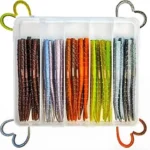
Soft plastic baits like Senkos or hollow-body frogs can also produce. A weedless-rigged soft plastic bait can be twitched or slowly retrieved near cover. The subtle action can entice finicky bass.
The emphasis for Twilight Bass: Reading the Last 30 Minutes Before Dark is often on lures that create movement and sound.
Choosing the Right Fishing Spots
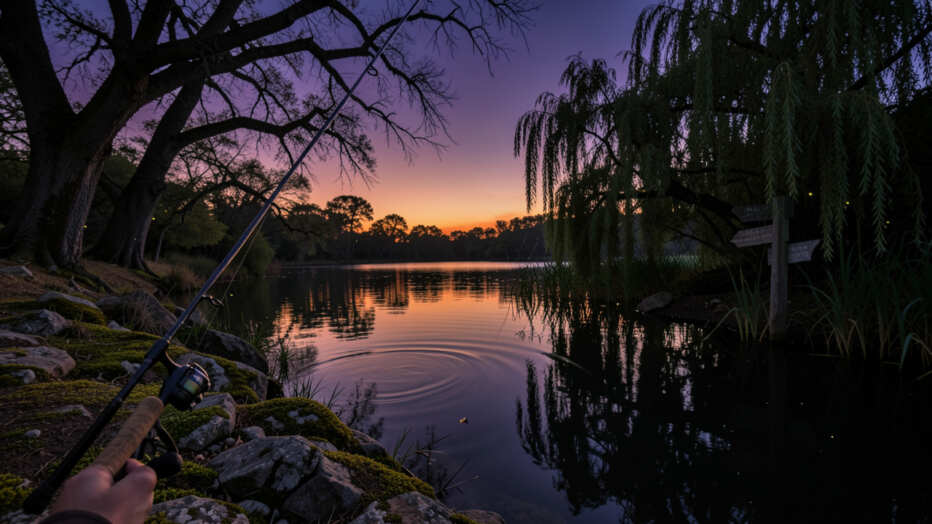
Location is everything when fishing for bass, especially during the twilight hours. You want to be where the bass will be actively feeding. This usually means targeting areas where baitfish are present or where bass can ambush their prey.
Think about how the changing light affects their movement.
Shallow flats adjacent to deeper water are often hotspots. Bass will move up onto these flats to feed as the light fades. Look for areas with structure, like submerged vegetation, docks, or laydowns.
These provide ambush points for bass.
Points extending into the main lake or a channel can also be productive. Bass often use points as highways to move between deeper water and shallower feeding areas. They can also hold baitfish.
Focus on transition zones like shallow flats next to deeper water, where bass move up to feed as light fades.
Fishing a point from the deeper side towards the shallower end can be very effective.
Weed lines and edges are classic bass territory. As light diminishes, bass will venture out from the thicker parts of the weeds to chase bait. A lure that can be worked along the edge of the weed line can draw strikes.
The contrast between the dark weeds and the fading light is appealing to bass.
Bridges and docks offer shade and structure. Bass will often hold under these structures during the day and move out to feed around them in the evening. A well-placed cast near these areas can yield great results.
Understanding these transition zones is key to success with Twilight Bass: Reading the Last 30 Minutes Before Dark.
Adjusting Your Retrieve and Presentation
How you work your lure can make all the difference. During the twilight bite, bass are often more aggressive, but they can also be opportunistic. Sometimes a slow, steady retrieve works best, while other times a more erratic presentation can trigger a strike.
Slow retrieves are often effective with topwater lures like walking baits or prop baits. Let the lure sashay or chug with pauses in between. Bass might follow a lure for a while before striking.
The pauses give them a chance to commit to the bite. This is especially true when fishing for larger, more cautious bass.
Avoid a one-speed retrieve; twilight bass may require a slow pause or an erratic twitch to commit to the bite.
Faster retrieves can sometimes work with spinnerbaits or crankbaits. This can mimic fleeing baitfish, which is a strong trigger for bass. If you’re covering a lot of water, a faster retrieve helps you find active fish.
Pay attention to how the bass are reacting. Are they chasing the lure? Are they just nipping at it?
Twitching and pausing soft plastics can be deadly. A slow twitch followed by a dead stick pause can entice a bass to bite. The subtle movement is often enough to get their attention.
This technique is particularly good when bass seem hesitant to chase a faster-moving lure. Mastering these nuances is part of effective Twilight Bass: Reading the Last 30 Minutes Before Dark angling.

The Impact of Weather Conditions
Weather plays a significant role in how active bass are, even during prime twilight hours. Some conditions enhance the bite, while others can shut it down. Being aware of these factors can help you adjust your expectations and tactics.
Overcast skies can extend the low-light period. This can mean that the twilight bite starts a bit earlier and lasts a bit longer. Bass may feel more comfortable feeding throughout the evening.
This is generally a positive condition for evening fishing.
Wind can be a double-edged sword. A gentle breeze can stir up baitfish and bring them closer to shore, making them easier for bass to find. It can also create a bit of chop on the water, which helps break up your silhouette and makes your lure less visible to wary bass.
A light chop on the water from wind can improve your twilight fishing by breaking up your silhouette and masking your lure.
However, strong winds can make casting difficult and push baitfish into deeper water.
Rain, especially a light to moderate rain, can often turn on the bass bite. The falling rain can stir up insects and other food sources, bringing baitfish closer to the surface. The increased water clarity from rain can also make bass more active.
A steady rain can be a great sign for Twilight Bass: Reading the Last 30 Minutes Before Dark.
Temperature drops after a hot spell can also trigger feeding activity. Bass are cold-blooded, and a slight temperature change can influence their metabolism and hunger levels. Conversely, extremely hot or cold weather can make them less active.
Understanding these environmental cues is vital for successful fishing.
Comparing Twilight Bass Techniques
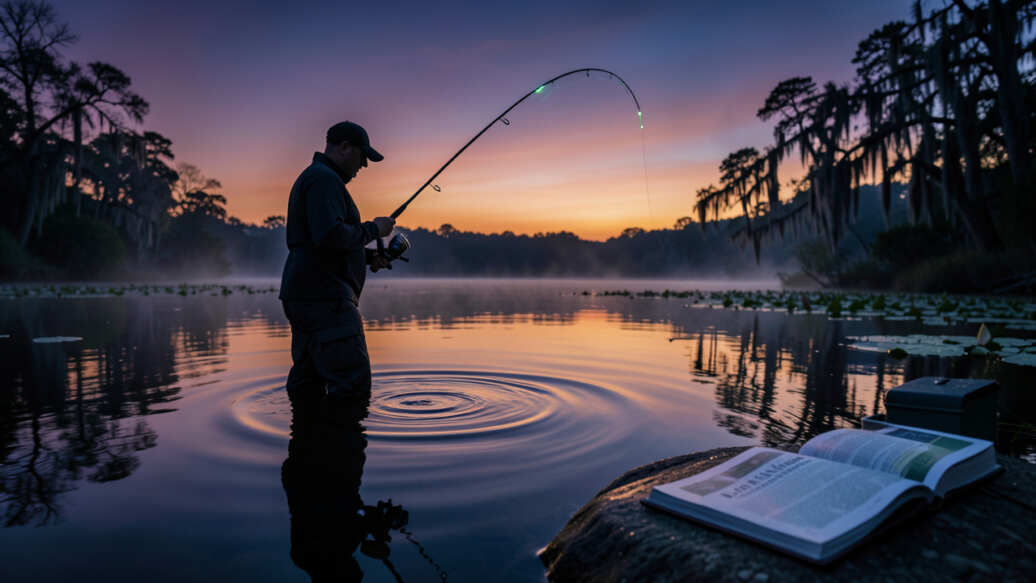
When fishing during the last 30 minutes before dark, different techniques can be more effective depending on the conditions. It’s helpful to compare how various lures and methods perform.
Adaptability is crucial for twilight bass success—switch from topwater to spinnerbait to match the fish's mood and cover water effectively.
Using a combination of these techniques increases your chances of success. You might start with a topwater lure to try and draw a reaction strike. If that doesn’t work, you can switch to a spinnerbait to cover more water or a soft plastic to present a more subtle offering.
This adaptability is key when pursuing Twilight Bass: Reading the Last 30 Minutes Before Dark.
Reading the Water for Evening Bites
Effectively reading the water during the twilight period involves paying attention to subtle cues. It’s about understanding where the bait is and where the bass are likely to be. The fading light changes how you interpret the environment.
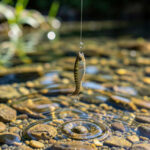
Look for signs of baitfish activity. This could be small baitfish jumping on the surface, or disturbances in the water that indicate a school is moving. Where the baitfish go, the bass will often follow.
This is a fundamental principle of Twilight Bass: Reading the Last 30 Minutes Before Dark.
Always scan for baitfish activity on the surface; where the baitfish go, the bass will often follow.
Pay attention to changes in water depth and structure. Bass will often move from deeper water to shallower feeding grounds as the light decreases. Identify transition areas, such as the edges of drop-offs or the transition from sand to rock.
These are natural pathways for bass.
Observe the bank. Are there overhanging trees, laydowns, or other forms of cover? Bass will use these as ambush points.
Cast your lures to the shady areas or right next to the cover. Even a slight ripple on the water can indicate a bass moving beneath the surface.
Consider the wind direction. Wind can push baitfish into certain areas, congregating them and making them easier for bass to find. Fishing into the wind or with the wind can sometimes be more productive depending on the lure and conditions.
When to Focus on Deeper Water
While the general trend is for bass to move shallower as dark approaches, there are times when deeper water still holds fish. This is particularly true if the water is very clear or if there has been significant fishing pressure in the shallows. Understanding these exceptions is part of mastering Twilight Bass: Reading the Last 30 Minutes Before Dark.
In extremely clear water, bass might remain in deeper, more comfortable zones for longer periods. They may still feed there, especially if baitfish are present. Look for structure like submerged humps, ledges, or creek channels in deeper water.
These areas can act as feeding stations.
If the water is unusually warm, bass might stay deeper to find cooler temperatures. This is more common in the heat of summer. They might move up to feed briefly but retreat to the cooler depths.
Using electronics to find baitfish schools in deeper water can be a good strategy.
Sometimes, bass will feed on baitfish that are schooling in deeper water. This can happen when the baitfish are pushed there by predators or by changing water conditions. If you see activity in the open water, it’s worth investigating with a deeper-diving crankbait or a vertical jigging spoon.
Even when bass are shallow, they will often have a route back to deeper water. Fishing near these transition points, where shallow areas meet deeper water, can be highly effective. This allows you to target bass that are moving between zones.
This often occurs during the last moments of daylight.
Frequently Asked Questions
What is the best time of year for twilight bass fishing?
The best time of year often depends on your location, but spring and fall generally offer excellent opportunities. During these seasons, water temperatures are ideal, and bass are actively feeding in preparation for spawning or winter.
Should I use a brighter or darker lure for twilight bass?
Often, darker or more natural colors work well, mimicking silhouettes against the fading light. However, a touch of chartreuse or white on a spinnerbait can provide needed visibility. Experimentation is key.
How does moon phase affect twilight bass fishing?
A full moon can sometimes extend the feeding window or even create a strong bite during the night. Bass are more active under brighter moonlight, which can influence their feeding patterns before and after sunset.
What is the most common baitfish bass target during twilight?
Bass typically target shad, minnows, and other small baitfish that are also active during low-light conditions. Your lure should try to imitate these common prey items.
Can I catch bass on a fly rod during twilight?
Absolutely! Topwater poppers, sliders, and baitfish imitations can be very effective on a fly rod during the last 30 minutes before dark. It’s a thrilling way to experience Twilight Bass: Reading the Last 30 Minutes Before Dark.
What if the bass aren’t biting on topwater?
If topwater lures aren’t producing, switch to subsurface lures like spinnerbaits, crankbaits, or soft plastics. Bass might be holding a bit deeper or might be less aggressive than you initially thought.
Final Thoughts
Making the most of the last 30 minutes before dark can significantly boost your bass fishing success. By understanding bass behavior, choosing the right lures and locations, and adjusting your presentation, you can tap into this prime feeding window. Enjoy the thrill of catching bass as the day ends.