Crankbait Bass Fishing: Square Bills, Lipless, And Deep Divers
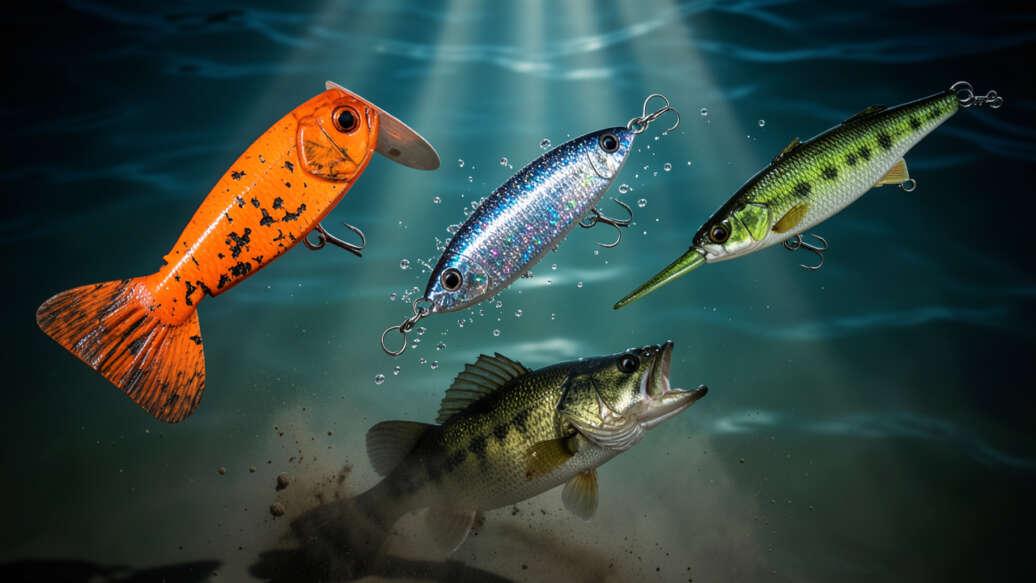
Square bills, lipless, and deep divers are three essential crankbait types for bass fishing, each designed for specific depth zones and cover scenarios. Square bills excel in shallow water around cover, lipless crankbaits cover water quickly and trigger reaction strikes, while deep divers target bass holding in deeper zones. Selecting the right crankbait based on water clarity, season, and forage helps anglers present their bait at the correct depth and increase catch rates.
Getting more bass to bite is what every angler wants. Sometimes, the fish are just not cooperating, and you need a lure that can reach them. Understanding how different crankbaits work can make a big difference in your success on the water.
We’ll go over the basics of Crankbait Bass Fishing: Square Bills, Lipless, and Deep Divers so you can choose the right one for the situation and bring home more fish. Knowing this helps you cover more water and present your bait at the depth the bass are holding, leading to more exciting days on the lake.
Key Takeaways
- Learn how square bill crankbaits excel in shallow water and around cover.
- Understand the versatility of lipless crankbaits for covering water and triggering strikes.
- Discover the effectiveness of deep diving crankbaits for reaching bass in deeper zones.
- Identify factors like water clarity and season that influence crankbait selection.
- Gain tips on retrieval techniques specific to each type of crankbait.
- Recognize how to match crankbait colors and sizes to bass forage.
Catching More Bass with Square Bill Crankbaits
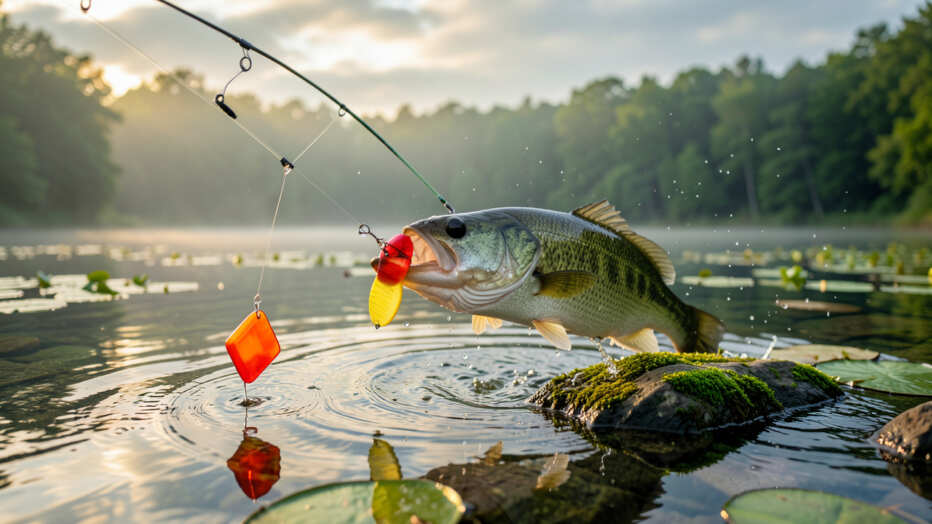
Square bill crankbaits are fantastic for fishing in shallow water. Their wide, square lip deflects off cover like logs, rocks, and stumps. This deflection often triggers a reaction strike from bass.
They are perfect for flipping into tight spots and burning across flats. When bass are holding tight to structure in water just a few feet deep, a square bill is your go-to lure.
The design of a square bill makes it less likely to get snagged. This means you can keep your bait in the strike zone longer. You can cast them to the bank and reel them back, or work them through laydowns and brush piles.
The action of a square bill is usually tight and erratic, mimicking baitfish trying to escape danger. This movement is very appealing to aggressive bass.
When to Throw a Square Bill
First, consider the depth of the water. If you are fishing in 1 to 5 feet of water, a square bill is ideal. Second, look for areas with plenty of cover.
Lipless crankbaits excel in grass and open water because their tight, rattling vibration mimics schools of baitfish, making them ideal for covering large areas quickly.
For maximum reaction strikes, cast square bills tight to cover and vary your retrieve speed—a sudden pause or deflection off a log often triggers an explosive bite.
Logs, rocks, docks, and vegetation are prime targets for square bill crankbaits. Next, think about the season. Spring and fall are excellent times for square bills as bass move shallow to feed.
Then, observe the forage. If baitfish are small and schooling, a smaller square bill can imitate them well. Finally, pay attention to water clarity.
In stained or muddy water, brighter colors and rattles can help bass find your lure.
Choosing the Right Square Bill
Square bills come in various sizes and colors. Smaller baits are good for smaller baitfish or when bass are finicky. Larger baits can attract bigger bass.
The lip size also affects the action and depth. A larger lip dives deeper and creates more wobble. Color is crucial.
Natural colors like brown, green pumpkin, and shad patterns work well in clear water. Brighter colors like chartreuse, orange, and firetiger are effective in murky conditions.
Lipless Crankbaits: Covering Water and Triggering Bites
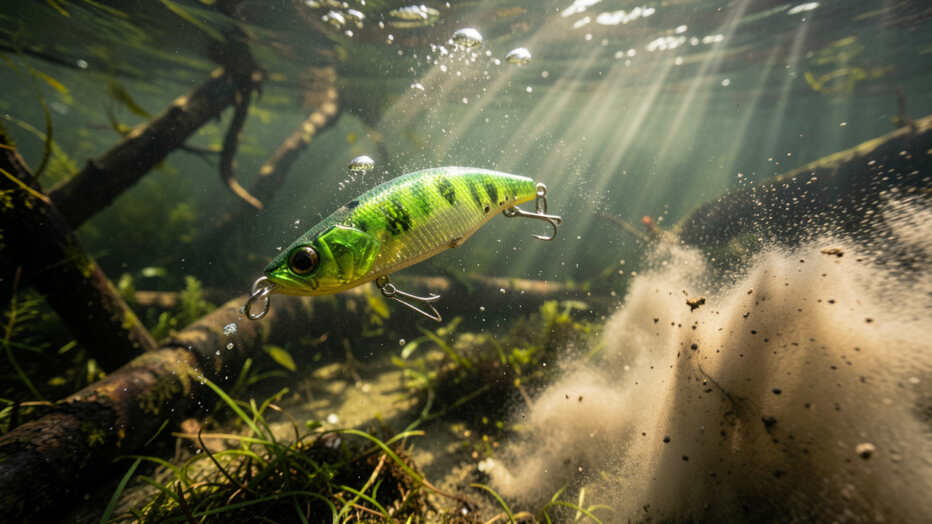
Lipless crankbaits are incredibly versatile. They have no lip, which allows them to sink. This makes them perfect for a variety of fishing depths and techniques.
You can cast them out and reel them in steadily, rip them through grass, or let them sink to the bottom and hop them. Their rattling sound often calls in bass from a distance.
The rattling action of a lipless crankbait is a major draw for bass. It mimics schools of baitfish or distressed prey. This sound can be especially effective in low-visibility water or when bass are looking for an easy meal.
The ability to fish them at different depths makes them a year-round bait. They are excellent for covering large areas of water quickly to find active fish.
When bass retreat to deep summer haunts, a long cast with a deep diving crankbait is often the only way to reach them—get the lure down to their depth to trigger strikes.
Lipless Crankbait Techniques
One popular method is the “rip and pause” technique. First, cast the lipless crankbait out. Second, reel it a few times, then give your rod a sharp jerk or “rip.” Next, let the bait fall on slack line for a few seconds, pausing.
Then, repeat the process. This erratic action can really trigger aggressive bites. You can also simply cast and retrieve steadily, especially over grass beds.
A steady retrieve with occasional pauses can also be very effective.
When Lipless Crankbaits Shine
Lipless crankbaits are great for fishing over submerged vegetation, like hydrilla or milfoil. They can be ripped through the grass to imitate fleeing baitfish. They are also effective over open water, especially when bass are schooling and chasing bait.
In the fall, as baitfish start to school up, lipless crankbaits can be deadly. They are also good for fishing around docks and other structures where bass might be hiding.
Deep Diving Crankbaits for Deeper Water Bass
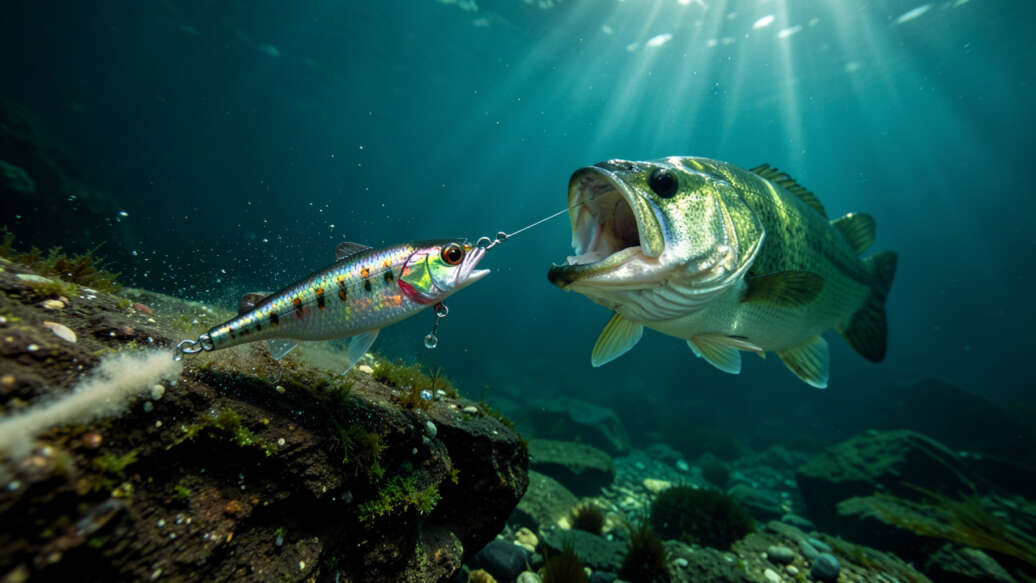
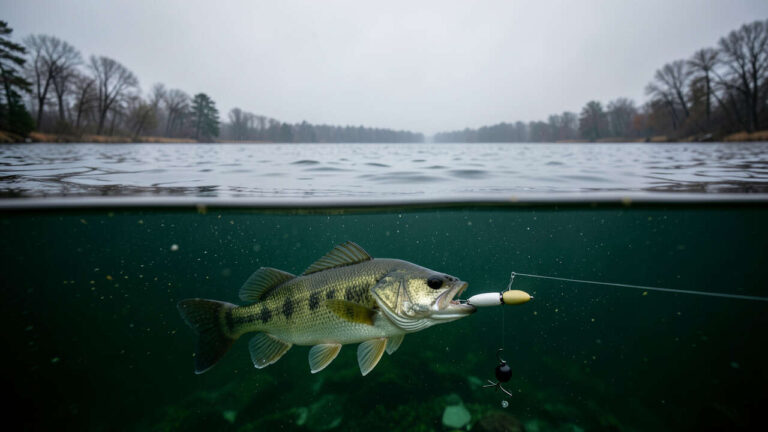
When bass move to deeper water, especially during summer or winter, deep diving crankbaits are essential. These lures are designed with long, thin lips that allow them to reach depths of 10, 15, or even 20 feet and beyond. They imitate larger baitfish that bass feed on in these deeper zones.
The key to successful deep diving crankbait fishing is getting the lure down to where the fish are. This often requires a long cast and a steady retrieve. The wobble and action of these baits can be very enticing to bass holding deep.
They are particularly effective when bass are suspended or relating to subtle changes in the bottom contour in deeper water.
Mastering Deep Diving Techniques
First, choose a crankbait with a lip size appropriate for the depth you want to fish. Longer lips dive deeper. Second, make long casts to maximize the amount of line you can retrieve while the lure is at its deepest.
Use square bills for shallow cover under 5 feet, lipless for mid-range grass and open water, and deep divers for depths beyond 10 feet—match the tool to the zone.
Next, use a steady, moderate retrieve. Avoid jerky movements unless you are trying to imitate a struggling baitfish. Then, pay attention to your line.
When your line goes slack or feels lighter, your crankbait is likely at its maximum depth. Finally, feel for the bottom. Bouncing your crankbait off the bottom can often trigger strikes from bass hiding there.
Factors for Deep Diving Crankbait Success
Depth is the primary factor. If bass are holding below 10 feet, you need a deep diver. Structure is also important.
Look for deeper creek channels, drop-offs, and submerged points. The type of baitfish bass are eating will also influence your choice. If they are chasing larger shad or perch, a larger deep diver might be best.
The season plays a role; summer and winter often see bass moving deeper.
Comparing Crankbait Types: A Quick Guide
Choosing the right crankbait for the conditions is key to successful Crankbait Bass Fishing: Square Bills, Lipless, and Deep Divers. Each type has its strengths and is best suited for different situations. Understanding these differences will help you make better lure choices on the water.
Never overlook water clarity; in stained water, use bright or rattling crankbaits, while in clear water, natural colors and subtle action often outperform.
Selecting the Right Crankbait Color and Size
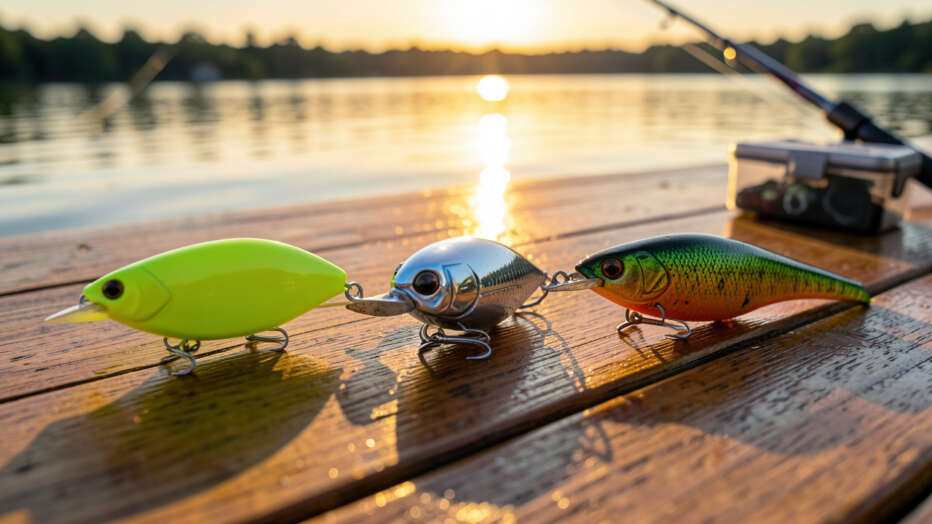
Color and size are critical components of effective Crankbait Bass Fishing: Square Bills, Lipless, and Deep Divers. Bass feed on a variety of forage, and matching what they are eating is a sure way to get bites. Understanding how water clarity and light penetration affect lure visibility is also important.
Matching the Hatch
The general rule is to match the prevalent forage in the body of water you are fishing. If you see bass chasing shad, use shad-colored crankbaits. If they are feeding on crawfish, opt for colors that imitate them, like oranges, browns, and reds.
Master the steady retrieve as a baseline, but experiment with pauses, rips, and speed changes to imitate injured baitfish—that is often when giants strike.
In clear water, natural colors like silver, white, and green are often best. In stained or muddy water, brighter, more attention-grabbing colors like chartreuse, orange, and firetiger are more effective. Rattles can also be a major advantage in low visibility conditions.
Size Matters
The size of your crankbait should also mimic the size of the baitfish. If you see small baitfish schooling, a smaller crankbait is usually more effective. If larger baitfish are present, or if you are targeting bigger bass, a larger crankbait can be a good choice.
Experimentation is key; sometimes bass will hit a bait that is larger or smaller than the natural forage.
Retrieval Techniques for Maximum Effectiveness
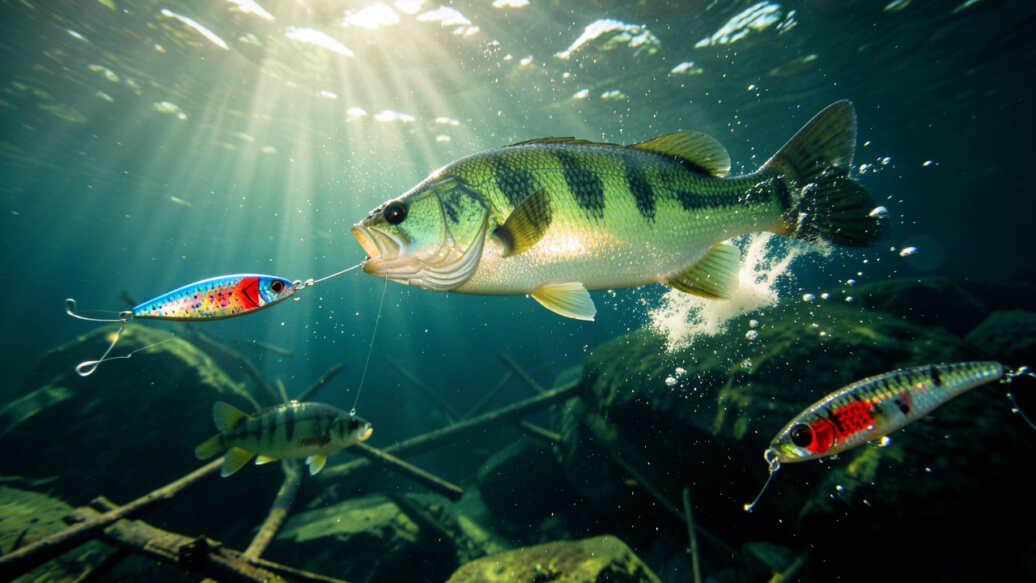
How you retrieve your crankbait is just as important as the lure itself. Different retrieves can imitate different types of baitfish behavior and trigger strikes from bass. Mastering these techniques will significantly improve your success in Crankbait Bass Fishing: Square Bills, Lipless, and Deep Divers.
Steady Retrieve
This is the most basic retrieve. Cast your crankbait out and reel it in at a consistent speed. This works well with many types of crankbaits, especially when bass are actively chasing baitfish.
Adjust the speed based on how the lure is performing and how the bass are reacting.
Seasonal timing is everything: spring’s shallow flats call for square bills, while summer’s deep ledges demand divers—crankbait success follows the bass’s annual migration.
Stop-and-Go Retrieve
This involves reeling the bait for a few seconds, then pausing. The pause allows the crankbait to flutter or suspend, which can imitate a wounded baitfish and trigger strikes from hesitant bass. This is particularly effective with square bills and deep divers.
Rip and Pause (Lipless)
As mentioned earlier, this technique is fantastic for lipless crankbaits. It involves a sharp jerk of the rod to make the lure dart erratically, followed by a pause. This sudden movement and subsequent fall can entice aggressive bites.
Burn and Kill
This technique is used to cover water quickly and then give bass a chance to react. You “burn” the reel, reeling very fast for a short burst, then “kill” the retrieve by stopping. This creates a sudden change in speed that can trigger strikes from following fish.
When to Use Crankbaits for Bass
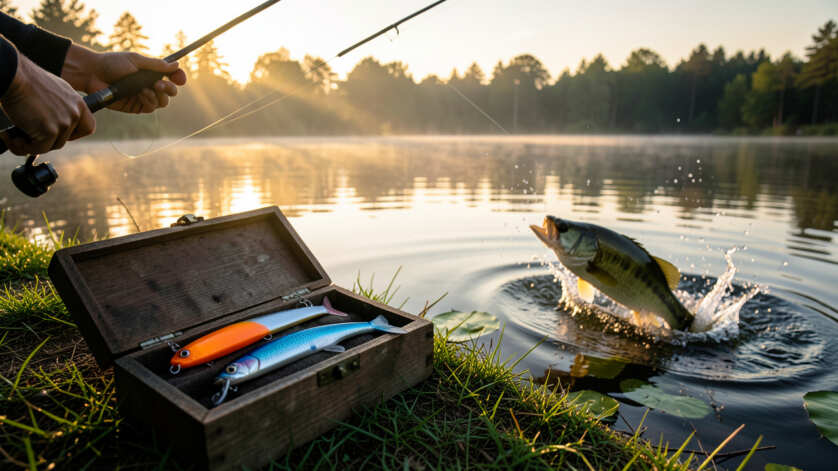
Crankbaits are effective throughout the year, but their effectiveness can vary with the seasons. Understanding these seasonal patterns can help you decide when to tie on a crankbait and which type to use for optimal Crankbait Bass Fishing: Square Bills, Lipless, and Deep Divers.
Spring
As water temperatures rise, bass move shallow to spawn and feed. Square bill crankbaits are excellent for working over shallow flats, around docks, and through submerged vegetation. Lipless crankbaits can also be effective for covering water and finding active fish.
Summer
Bass often move to deeper, cooler water during the heat of summer. Deep diving crankbaits are essential for reaching these fish on ledges, drop-offs, and main lake points. Lipless crankbaits can still be effective in the early morning and late evening when bass may move shallower to feed.
Some anglers also find success with lipless baits over weed lines.
Fall
Fall is a prime time for crankbait fishing as bass feed heavily to prepare for winter. Baitfish begin to school, and bass are aggressive. Lipless crankbaits excel at imitating these schooling baitfish and covering large areas.
Square bills can also be very effective around shallow cover as baitfish move in. Deep divers can still be used on deeper structures.
Winter
In colder water, bass become less active and often suspend or hold near the bottom. Deep diving crankbaits that can be worked slowly can be effective for reaching these inactive fish. Some anglers also find success with lipless crankbaits that are hopped along the bottom.
Frequently Asked Questions
What is the best crankbait for beginners?
For beginners, a medium-diving crankbait with a natural color and a consistent wobble is a great starting point. These are forgiving and can be fished effectively with a simple steady retrieve.
How do I keep my crankbait from snagging?
Using crankbaits with lip designs that deflect off cover, like square bills, helps. Also, making long casts and varying your retrieve speed can help you avoid snags. Sometimes, a slight change in angle as you retrieve can pull the lure free.
When should I use a crankbait with rattles?
Crankbaits with rattles are generally best in stained or muddy water, or during low-light conditions. The sound helps bass locate your lure when they can’t see it well.
Can I use Crankbait Bass Fishing: Square Bills, Lipless, and Deep Divers in clear water?
Yes, absolutely. In clear water, it’s important to use natural colors that imitate the local forage. A slower, more methodical retrieve might also be more effective than a fast burn.
How deep can a deep diving crankbait go?
Deep diving crankbaits vary greatly, but many can reach depths from 10 feet all the way down to 25 feet or more. The length and angle of the lip, the line diameter, and the length of your cast all affect how deep the lure will dive.
What is the difference between a shallow diver and a deep diver?
The main difference is the lip. Shallow diving crankbaits have shorter, wider lips that keep them higher in the water column. Deep diving crankbaits have long, slender lips that angle downwards, allowing them to dive much deeper.
Final Thoughts
Mastering Crankbait Bass Fishing: Square Bills, Lipless, and Deep Divers opens up new possibilities for catching bass. By understanding how each type of crankbait works and when to use it, you can significantly improve your success on the water. Experiment with different colors, sizes, and retrieves to find what works best for the bass in your local waters.

One Comment