
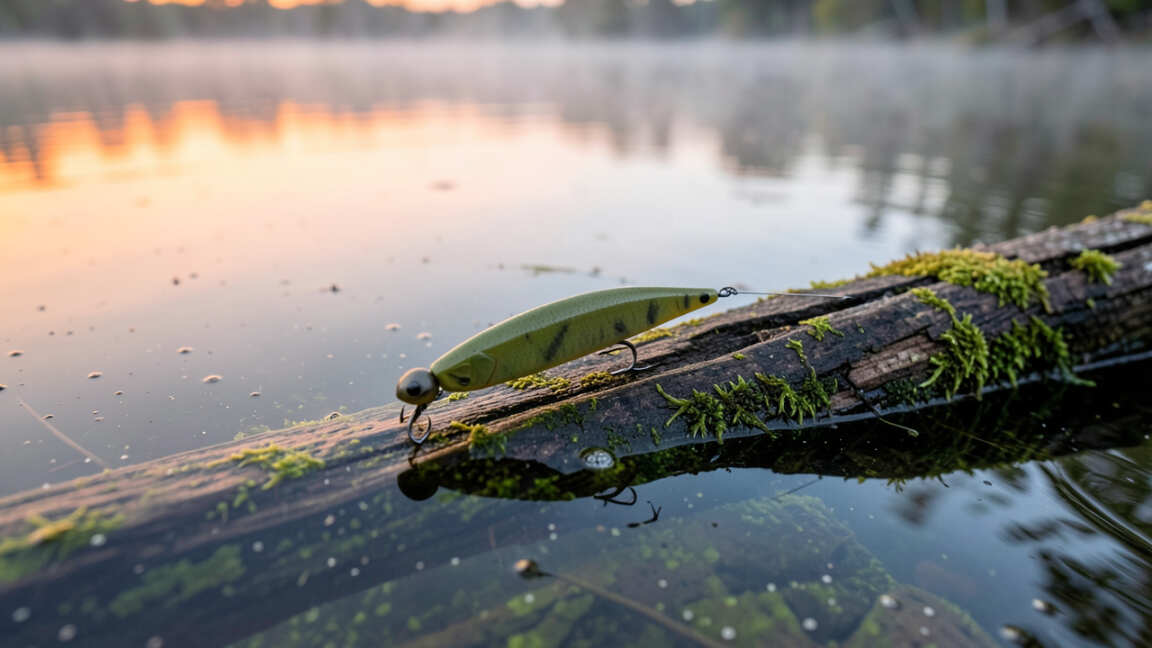
Ned Rig Bass Fishing: The Midwest Finesse Revolution Today
The Ned Rig is a finesse bass fishing technique that originated in the Midwest and has become a revolution for anglers facing clear water and inactive fish. By using a light jig head paired with a soft plastic bait rigged horizontally, it creates a subtle, slow-falling presentation that triggers bites when conventional methods fail. Mastering the proper rigging and a dead-stick or gentle drag retrieve is essential for consistently catching pressured or finicky bass across various species and water conditions.
Many anglers are looking for new ways to catch more bass, especially when the fish are a bit picky. If you’ve been struggling to get bites, especially in clear water or during tough conditions, understanding a specific technique can make a big difference. This is where Ned Rig Bass Fishing: The Midwest Finesse Revolution Today really shines.
It’s a simple yet incredibly effective method that has transformed how many anglers approach bass fishing. By mastering this approach, you’ll learn how to present your bait in a way that triggers bites when other methods fail, leading to more successful days on the water.
Key Takeaways
- The Ned rig is a simple, effective bass fishing technique.
- It excels in clear water and tough fishing conditions.
- Proper rigging and lure selection are crucial for success.
- Understanding bait movement and presentation is key to triggering bites.
- The Ned rig is a versatile tool for various bass species.
- It’s a great option for anglers of all skill levels.
Why the Ned Rig Changed Bass Fishing
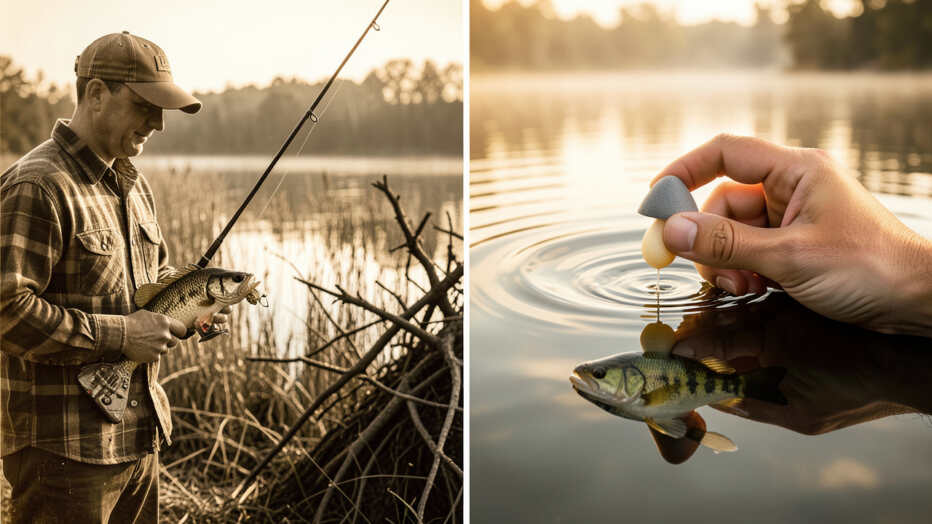
The world of bass fishing is always looking for an edge. Over the years, techniques evolve, and some stick around because they simply work. The Ned rig is one of those techniques.
It’s not a flashy, complex system. Instead, it relies on simplicity and effectiveness. This method has become incredibly popular because it catches fish when other lures don’t.
It’s particularly good for finicky bass that might be put off by larger, more aggressive presentations. For many anglers, especially those in the Midwest, it became the go-to for a reason.
When bass are finicky and ignore larger lures, switching to a Ned rig can turn a slow day into a productive one because its subtle presentation triggers bites that aggressive baits miss.
The core idea behind the Ned rig is finesse. This means using lighter tackle and presenting a smaller, subtle bait. The goal is to make the bait look natural and easy for a bass to eat.
This is why Ned Rig Bass Fishing: The Midwest Finesse Revolution Today is such a fitting description. It truly represents a shift in how many anglers think about catching bass. It’s about being smart and subtle, rather than overpowering.
This approach has led to countless anglers catching more fish and enjoying their time on the water more.
Understanding the Basics of the Ned Rig
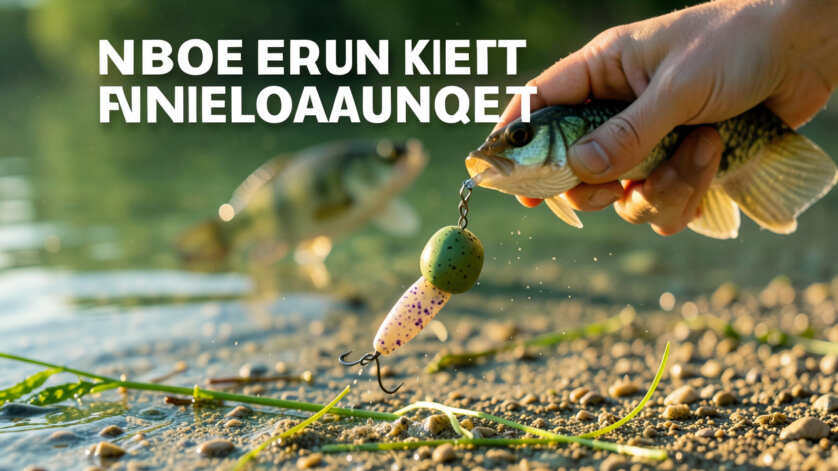
At its heart, a Ned rig is a simple setup. It uses a small, mushroom-shaped jig head. These jig heads are typically made of lead or tungsten.
They have a short shank and a collar or screw lock to hold the bait in place. The lure is usually a small, buoyant, soft plastic bait. These baits are often designed to stand up off the bottom, giving them a natural look.
They come in many shapes and sizes, but the common thread is their ability to float and offer a subtle action.
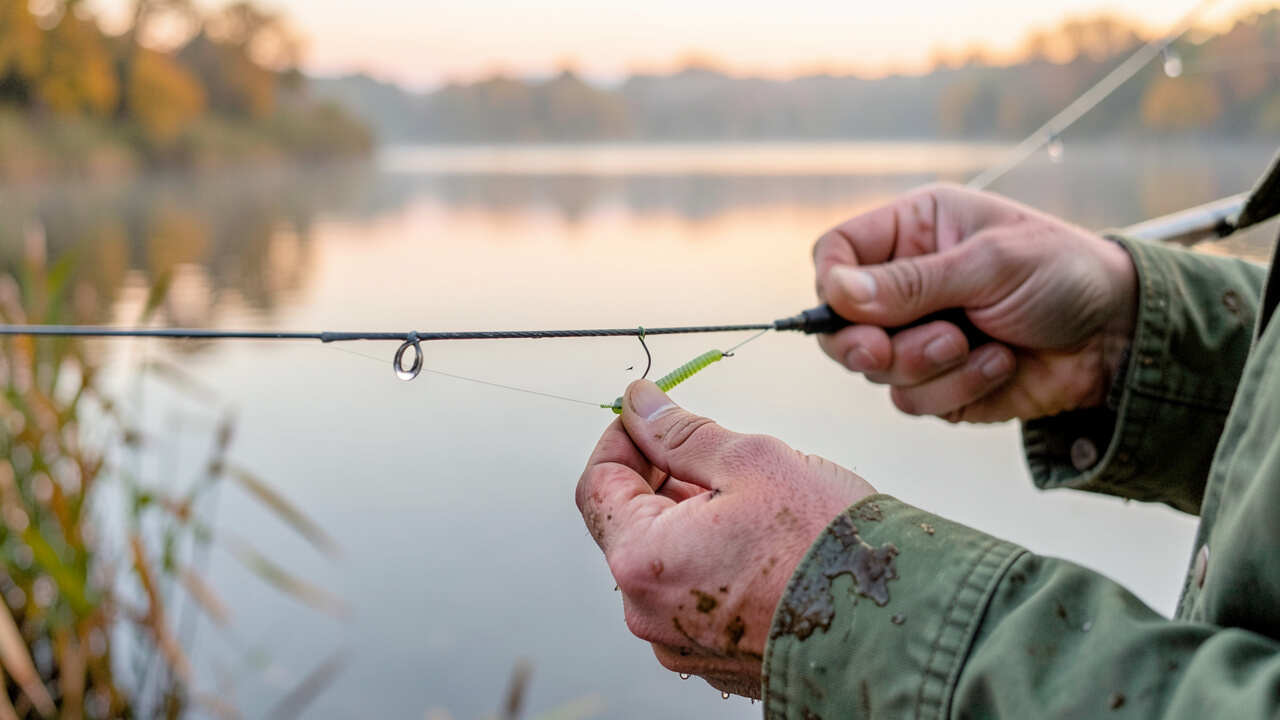
The rigging process is straightforward. You thread the soft plastic bait onto the jig head. The key is to rig it so the bait stands up or has a slight keel.
This creates a natural posture on the bottom. When you cast it out and let it sink, the bait sits up, looking like a small creature foraging. Even a slight twitch of the rod tip makes the bait wiggle.
This subtle movement is often enough to attract a bass’s attention and make it bite. It’s this simplicity that makes Ned Rig Bass Fishing: The Midwest Finesse Revolution Today so appealing to many.
Even a slight twitch of the rod tip makes the bait wiggle, and that subtle movement is often enough to attract a bass’s attention and make it bite.
Choosing the Right Jig Head
The jig head is a critical component of the Ned rig. The mushroom shape is popular because it helps the bait stand up. It also keeps the bait from rolling over.
Weight is important. For most freshwater applications, 1/8 ounce to 1/4 ounce is common. Lighter heads are good for very shallow water or when the fish are less aggressive.
Heavier heads can help you cast farther or get down deeper in current. The collar or screw lock is also vital. It keeps the soft plastic bait from sliding down the hook, which is a common problem with other finesse rigs.
Selecting the Best Soft Plastic Baits
The soft plastic bait is what the bass actually see and eat. For Ned rigs, buoyancy is key. This is what makes the bait stand up.
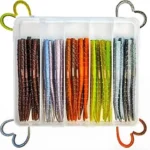
Many popular Ned rig baits are made from a special plastic that floats. Small creature baits, stick baits, and tubes are all effective. The size typically ranges from 2 to 4 inches.
Color is also important. Natural colors like green pumpkin, watermelon, and brown tend to work well in clear water. Brighter colors can be useful in stained water or low light conditions.
Experimenting with different shapes and colors will help you find what works best in your local waters.
Mastering the Presentation and Technique
How you fish a Ned rig is just as important as the gear you use. The beauty of this technique lies in its subtlety. It’s not about fast retrieves or aggressive action.
It’s about making the bait look natural and enticing. This is where the “finesse” in Ned Rig Bass Fishing: The Midwest Finesse Revolution Today really comes into play. The goal is to present the bait in a way that makes a bass think it’s an easy meal.
First, cast your Ned rig to your target area. Let it sink to the bottom. Don’t reel it in.
Just let gravity do the work. Once it hits the bottom, you want to impart a very subtle action. You can do this by gently lifting your rod tip just an inch or two, then letting it fall back down.
This makes the bait wiggle and then sit up again. You can also try a very slow drag or a series of small hops. The key is to keep the bait moving slowly and naturally.
The beauty of the Ned rig lies in subtlety: gently lifting the rod tip an inch or two, then letting the bait fall back down, creates an irresistible wiggle and upright posture.
Avoid jerky movements or fast retrieves.
Second, watch your line closely for any subtle taps or ticks. Bass often eat a Ned rig on a slack line or as it falls. You might not feel a hard strike.
Instead, you might see your line jump or stop moving. When you feel or see any indication of a bite, set the hook with a quick, firm sweep of your rod. Don’t set the hook too hard, as you’re using light line.
A short, sharp lift is usually enough to drive the hook home.
Next, consider the water conditions. In clear water, a slower, more methodical presentation is usually best. Bass have more time to inspect the bait.
In stained or dirty water, you might need to use slightly brighter colors or add a scent to help the fish find your bait. The Ned rig is versatile enough to handle these variations. It’s this adaptability that has made Ned Rig Bass Fishing: The Midwest Finesse Revolution Today a staple for many anglers.
Where and When to Throw a Ned Rig
The Ned rig is a fantastic all-around bait. It excels in many situations, but it truly shines in specific conditions. Understanding these conditions will help you maximize your success with this technique.
Ideal Water Conditions
One of the biggest advantages of the Ned rig is its effectiveness in clear water. When bass are wary and can see everything, a subtle bait is often the key. The small profile and natural presentation of the Ned rig are perfect for these situations.
It can also be very effective in shallow water where bass might be easily spooked by a larger lure.
In clear or shallow water where bass are easily spooked, the Ned rig’s small profile and natural presentation give you a distinct advantage over bulkier lures.
When Bass Are Inactive
The Ned rig is a go-to bait when bass are not actively feeding. This can happen during cold fronts, after heavy rains, or during midday when the sun is high. When bass are lethargic, a subtle, slow-moving bait is more likely to trigger a reaction bite.
The Ned rig’s ability to present a small, easy meal is perfect for these less-than-ideal fishing days.
Versatility Across Species
While often associated with largemouth and smallmouth bass, the Ned rig also catches other species. It’s a great bait for spotted bass, and many anglers find it effective for panfish like crappie and bluegill. This makes it a valuable tool for any angler looking to catch a variety of fish.
The effectiveness of Ned Rig Bass Fishing: The Midwest Finesse Revolution Today extends beyond just largemouth.
Ned Rig vs. Other Finesse Techniques
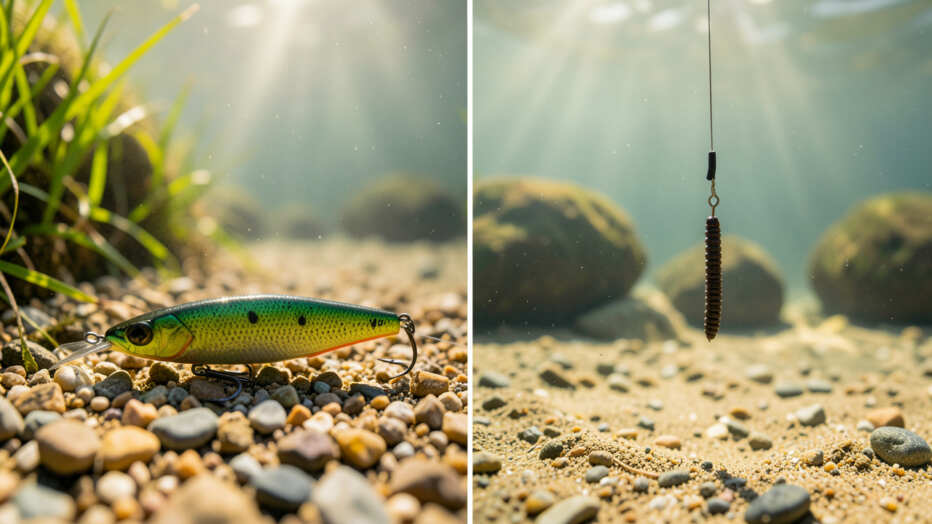
While the Ned rig is a standout, it’s helpful to see how it compares to other popular finesse methods. Each has its strengths and weaknesses, and knowing them can help you choose the right bait for the situation.
Avoid using a Ned rig in heavy vegetation where constant snagging occurs; a Texas rig’s weedless design is better suited for thick cover.
The Ned rig’s strength lies in its simplicity and its ability to present a bait that looks like it’s just sitting there, ready to be eaten. The drop shot offers more suspended action, which can be great when fish are holding off the bottom. A finesse Texas rig is excellent for working through cover where you might snag with other rigs.
Each technique has its place, but the Ned rig has carved out a significant niche due to its consistent effectiveness. This is a big part of why Ned Rig Bass Fishing: The Midwest Finesse Revolution Today has had such a lasting impact.
Essential Gear for Ned Rig Bass Fishing
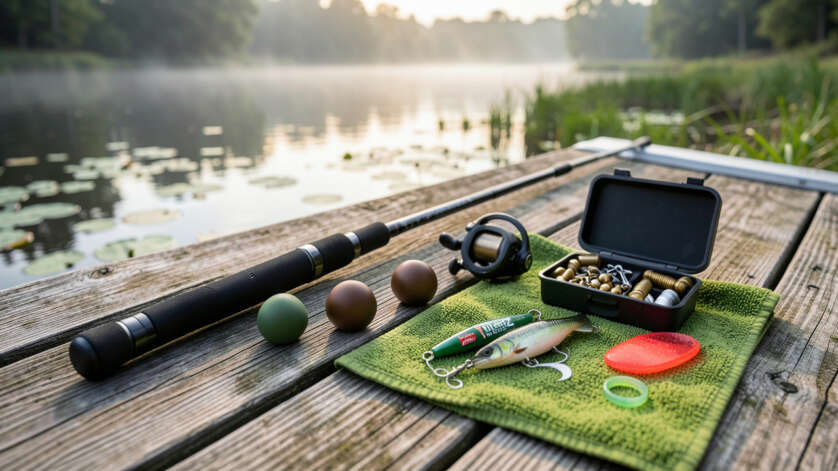
To get the most out of your Ned rig experience, having the right gear is important. You don’t need a lot of specialized equipment, but a few key items will make a difference.
Rods and Reels
A light spinning rod is the most common choice for Ned rigging. Look for a rod in the 6’6″ to 7′ length with a fast or extra-fast tip. This sensitivity helps you detect light bites.
A medium-light or light power rating is ideal. Paired with a 2000 or 2500 series spinning reel, this setup offers the balance needed for casting light lures and fighting fish on light line.
A light spinning rod with a fast tip and a 2000 or 2500 series reel provides the sensitivity and balance needed to detect subtle Ned rig bites.
Line and Leader
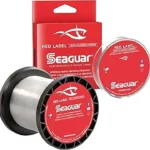
Monofilament or fluorocarbon line in the 6 to 10-pound test range is perfect for Ned rigging. Fluorocarbon is often preferred for its sensitivity and low visibility in clear water. Some anglers like to use a short leader of slightly heavier fluorocarbon tied to their main line, especially in very clear or pressured waters.
This can add a bit more strength and stealth.
Accessories
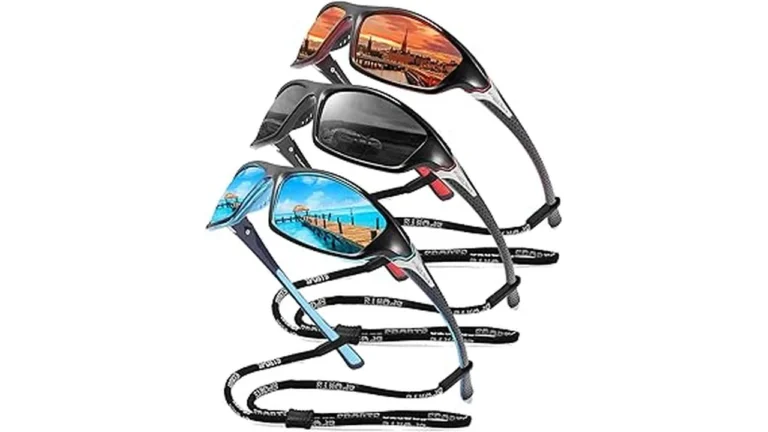
Besides your rod, reel, and line, a few other items are useful. A good pair of polarized sunglasses will help you see into the water and spot fish or structure. A bait storage system to keep your soft plastics organized is also a good idea.
And, of course, a good net to safely land your catch.
Tips for Maximizing Your Ned Rig Success
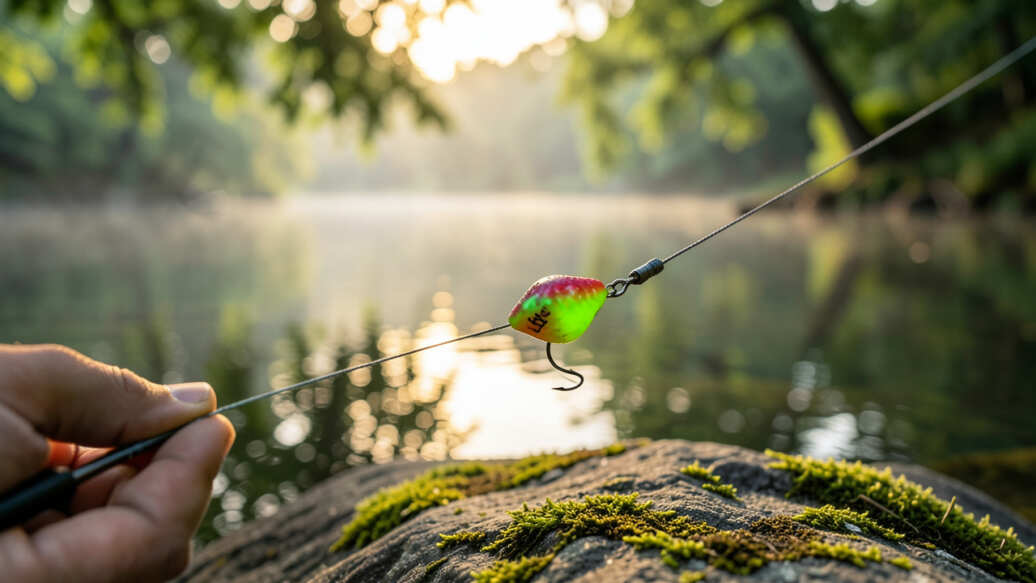
Even with the right gear, a few extra tips can help you catch more fish with the Ned rig. Applying these strategies will boost your results.
Applying a fish attractant scent to your soft plastic can make a significant difference, especially when bass are being finicky and need an extra trigger.
- Keep it subtle: Remember, the Ned rig is all about finesse. Slow, gentle movements are more effective than fast, jerky ones.
- Feel the bottom: Pay attention to what your bait is doing. You want it to feel like it’s just sitting on the bottom, not dragging or snagging.
- Vary your retrieve: While slow is key, experiment with slight variations. A tiny twitch, a slow drag, or a brief pause can make all the difference.
- Match the hatch: Observe what baitfish or crawfish are in the area. Try to match the size and color of your Ned rig bait to what the bass are eating.
- Don’t be afraid of light bites: Bass often eat a Ned rig gently. Be ready to set the hook on even the slightest indication of a bite.
- Experiment with scents: Adding a fish attractant scent to your soft plastic can make a big difference, especially when fish are finicky.
Frequently Asked Questions
Question: What is the main advantage of using a Ned rig?
Answer: The main advantage is its ability to catch finicky bass in tough conditions, such as clear water or when fish are not actively feeding, due to its subtle presentation.
Question: What type of rod and reel is best for Ned Rig Bass Fishing?
Answer: A light spinning rod with a fast tip and a 2000 or 2500 series spinning reel is ideal for sensitivity and handling light line.
Question: Can I use a Ned rig in heavy cover?
Answer: While not its primary strength, a weedless-rigged Ned rig can be effective in light to moderate cover. However, techniques like a Texas rig are generally better for thick vegetation.
Question: How important is the buoyancy of the soft plastic bait for a Ned rig?
Answer: Buoyancy is very important because it allows the bait to stand up off the bottom, creating a natural posture that attracts bass.
Question: What are the best colors for Ned Rig Bass Fishing: The Midwest Finesse Revolution Today?
Answer: Natural colors like green pumpkin, watermelon, and brown are excellent for clear water. Brighter colors can work in stained water or low light.
Question: How do I set the hook when fishing a Ned rig?
Answer: Set the hook with a quick, firm sweep of the rod. Avoid a hard, aggressive jerk, as you are typically using light line and a small hook.
Final Thoughts
Mastering the Ned rig is a straightforward way to boost your bass fishing success. Its simple design and subtle action make it incredibly effective, especially when other methods fail. By understanding the right gear and presentation, you can confidently use this technique to catch more fish on your next outing.


2 Comments