Bass Fishing In Wind: Using Chop To Your Advantage Daily
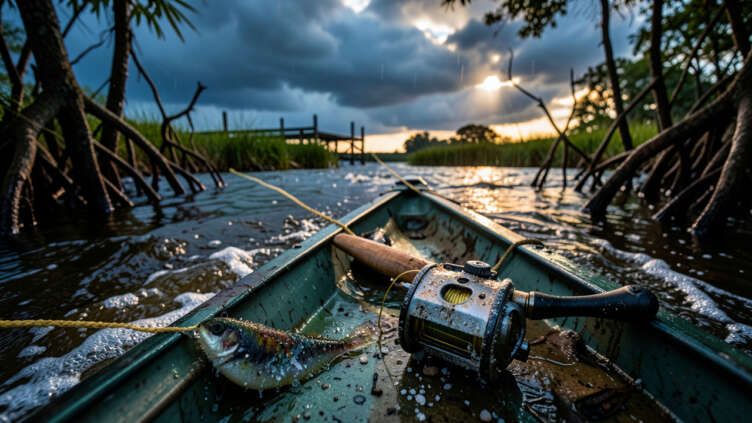
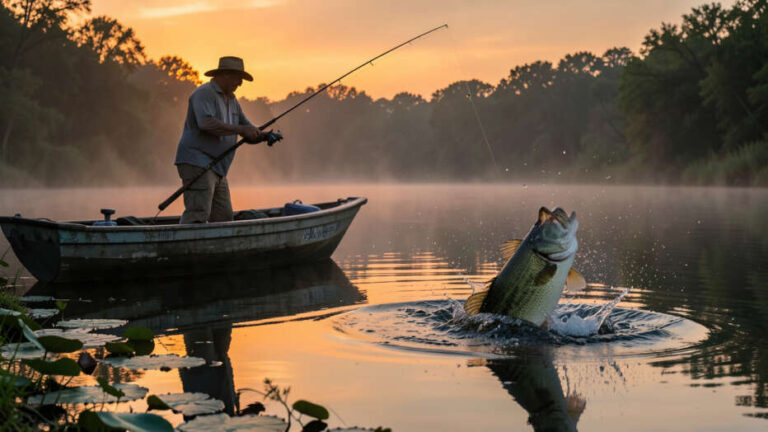
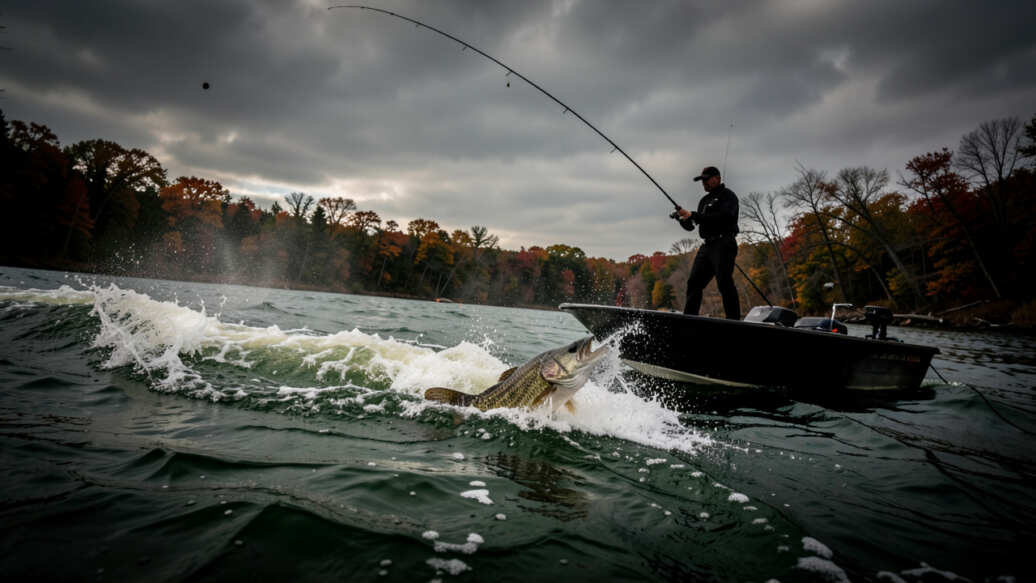
For bass fishing in wind, using chop daily means leveraging wind-driven conditions to locate feeding bass more effectively. Wind pushes baitfish into predictable zones and creates currents that concentrate bass along windblown banks and points. Choppy surface water reduces light penetration and masks angler presence, making bass less wary and more likely to strike. Practical mastery requires reading wind direction to identify productive fishing spots and selecting lures that cast well in wind for consistent results.
When the wind picks up, many anglers pack it in. But what if that choppy water was actually your best friend for catching bass? Learning to read the wind and use its energy can totally change your fishing game.
Instead of fighting it, you can let it work for you, putting more fish in your boat. This guide will show you how to embrace windy conditions for successful bass fishing. Get ready to discover how to make the chop your secret weapon for Bass Fishing in Wind: Using Chop to Your Advantage Daily.
Key Takeaways
- Wind creates areas where baitfish gather, attracting bass.
- Choppy water masks your presence, making bass less wary.
- Wind direction helps you predict bass feeding locations.
- Different lures work best in windy conditions for better casting and presentation.
- Adjusting your fishing location and technique is key to successful windy day fishing.
- Understanding how wind affects water clarity and temperature helps you find bass.
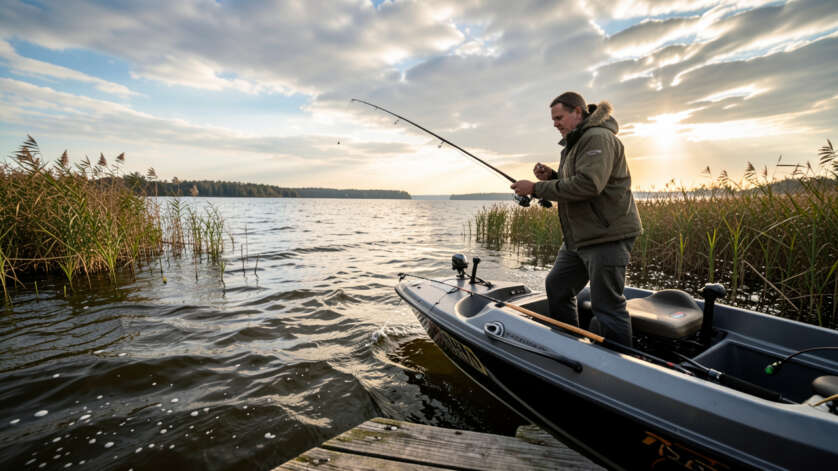
Why Wind is Your Bass Fishing Ally
Many anglers see wind as a nuisance. It makes casting harder and can mess up your lure presentation. However, experienced anglers know that wind is a powerful tool.
It stirs up the water, bringing food to the surface. This action naturally draws bass into areas where they can feed easily. So, instead of dreading a windy day, see it as an opportunity.
Instead of fighting the wind, use the choppy surface as cover—bass are less likely to see you, giving you a stealth advantage.
The movement of the water caused by wind is crucial. It breaks up the surface, making it harder for bass to see you. This means they are less likely to spook.
You can get closer to them. This is a major advantage for Bass Fishing in Wind: Using Chop to Your Advantage Daily. It allows for stealthier approaches and more aggressive presentations.
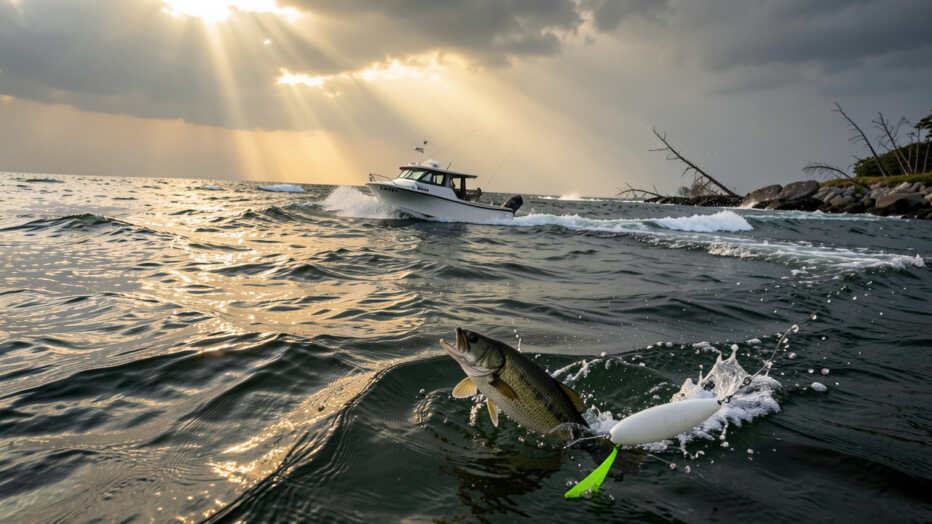
How Wind Affects Bass Behavior
Wind has a direct impact on how bass behave and where they position themselves. Understanding these effects is the first step to using them to your advantage.
Baitfish Movement and Bass Feeding Zones
Wind pushes baitfish around. Small baitfish like shad and minnows tend to congregate in areas where the wind blows them. This happens along shorelines, in coves, and near structure.
Bass know this. They follow the baitfish to these wind-blown areas to feed. You want to be where the baitfish are, and the wind will show you.
Think of it like this: the wind acts as a natural conveyor belt for food. Bass don’t have to chase their meals as much. They can position themselves in strategic spots to ambush.
This makes them more predictable. You can often find large schools of bass in these wind-affected zones. It’s a prime time for Bass Fishing in Wind: Using Chop to Your Advantage Daily.
Surface Disturbance and Stealth
The choppy surface created by wind is a bass angler’s best friend for stealth. Smooth, clear water allows bass to see every little thing. They can easily spot your lure, your boat, and even your shadow.
This makes them cautious. They might ignore your bait.
When the water is choppy, this all changes. The ripples and waves break up the surface. They create a natural camouflage.
Wind-chopped water provides natural camouflage, allowing you to get closer to bass without spooking them.
Your boat is harder to see. Your lure’s entry into the water is less obvious. Bass feel more secure.
They are more likely to investigate a lure. This is a key benefit of Bass Fishing in Wind: Using Chop to Your Advantage Daily.
Oxygen Levels and Water Temperature
Wind also plays a role in oxygen levels and water temperature. It helps to aerate the water. This means more oxygen is dissolved.
This is good for bass. It can make them more active. Wind also mixes the water.
This can prevent stratification. It can bring cooler water from deeper areas to the surface. Or it can warm up cooler surface water.
This temperature change can trigger feeding behavior.
Pay attention to how the wind affects the water temperature in different areas. A wind blowing across a shallow flat might warm it up. This can attract bass.
A wind blowing from a deep channel might push cooler water into a shallow area. This can also attract bass looking for a comfortable temperature. This nuanced understanding is vital for successful Bass Fishing in Wind: Using Chop to Your Advantage Daily.
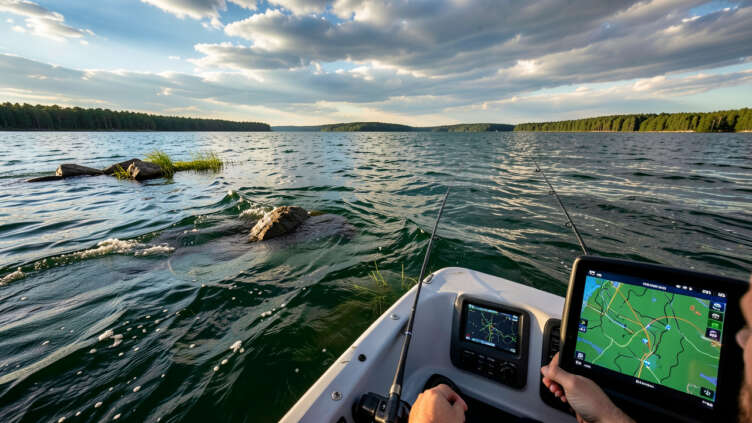
Reading the Wind: Your GPS for Bass
The direction and strength of the wind are your most important clues on a windy day. Learning to interpret them will guide you to the fish.
Wind Direction is Key
Always determine the prevailing wind direction. This tells you where the baitfish will be pushed. It also tells you where the bass will likely be holding.
Look for areas that are protected from the direct force of the wind. Bass will often position themselves in these calmer pockets. They can ambush baitfish being blown in.
For example, if the wind is blowing from the north, focus on south-facing shorelines. These areas will be sheltered. Baitfish will be pushed into these coves and along these banks.
This is where the bass will be waiting. This is fundamental to Bass Fishing in Wind: Using Chop to Your Advantage Daily.
The wind’s direction and strength are your most reliable GPS for locating bass on any given day.
Wind Strength and Its Impact
A light breeze is different from a strong gale. A light breeze might only create slight chop. It will move baitfish gently.
A strong wind will create significant chop. It can churn up the water. It can also make it harder to control your boat.
You need to adjust your fishing strategy based on the wind’s strength.
With lighter winds, you might still be able to fish open water. With stronger winds, it’s often better to seek out protected areas. These could be coves, behind islands, or along dense weed lines.
These areas offer shelter and still concentrate baitfish. This adaptability is crucial for Bass Fishing in Wind: Using Chop to Your Advantage Daily.
Lure Selection for Windy Conditions
The right lure can make all the difference when fishing in the wind. You need lures that cast well and present effectively despite the choppy water.
Casting and Presentation
When it’s windy, heavier lures or lures with better aerodynamics tend to cast farther and more accurately. This is important for reaching your target. It also helps you present the lure naturally.
Lighter lures can be blown off course. They might not sink properly.
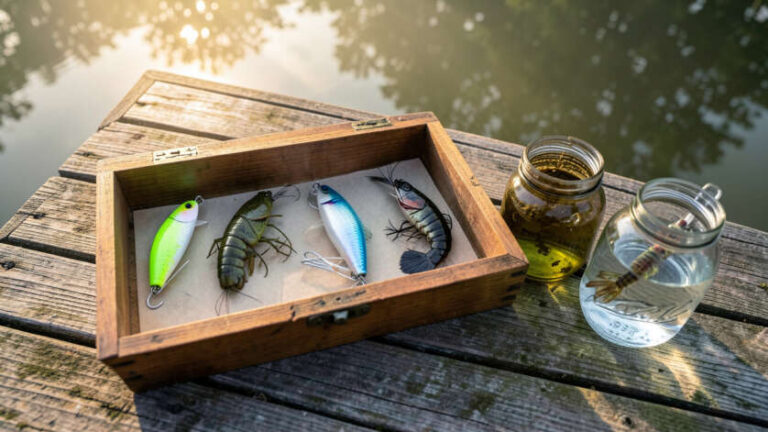
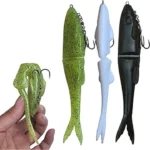
Consider using lures like spinnerbaits, chatterbaits, or heavier jigs. These have good weight. They cut through the wind well.
Crankbaits with good lip designs can also be effective. They maintain their depth. Surface lures can still work, but you might need to cast them slightly differently.
This lure choice is a big part of mastering Bass Fishing in Wind: Using Chop to Your Advantage Daily.
Topwater Lures in Chop
Don’t rule out topwater lures just because it’s windy. In fact, the chop can make topwater presentations even more exciting. The commotion on the surface can mask the sound of your lure.
Switch to heavier lures like spinnerbaits or chatterbaits—they cut through wind and reach feeding bass reliably.
It can also make the lure look more like fleeing bait. This can trigger aggressive strikes.
Poppers, walk-the-dog baits, and prop baits can be very effective. The choppy water can actually help them create more disturbance. This looks more natural to a bass.
Experiment with different retrieves. Sometimes a faster retrieve works best to match the chaotic water. Other times, a slower, more deliberate retrieve can draw out a curious bass.
Jigs and Soft Plastics
Jigs and soft plastics are versatile. They can be rigged in many ways. This makes them adaptable to windy conditions.
A football jig or a flipping jig can be cast effectively. They have good weight. They sink quickly.
They can be worked along the bottom. Soft plastics like creature baits or worms can also be effective.
Consider rigging them Texas-style or Carolina-style. These rigs add weight. They help with casting.
They also allow the lure to get down to where the bass are holding. The vibration of a jig trailer can also help attract fish in the chop. This versatility is why they are so popular for Bass Fishing in Wind: Using Chop to Your Advantage Daily.
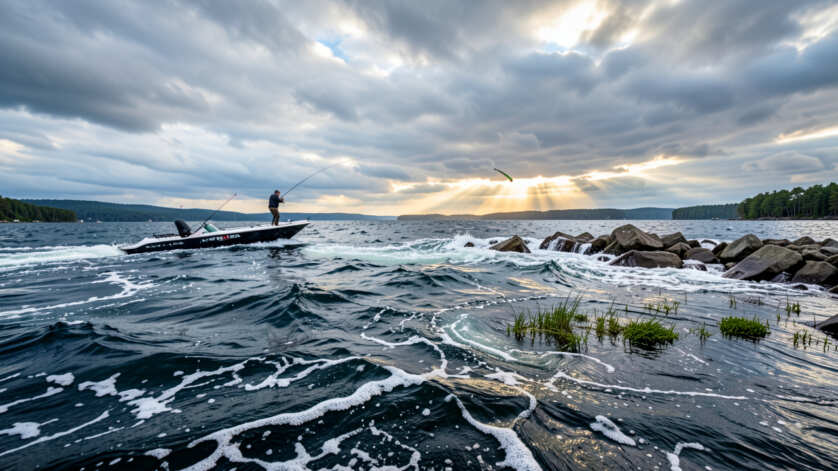
Strategic Fishing Locations in Wind
Knowing where to fish is half the battle. The wind will often dictate the best locations.
The Windward Side Advantage
The windward side of a lake, point, or structure is where the wind hits directly. This side often has the most active feeding. Baitfish are blown here.
They are often in shallow water. Bass follow them. You can find aggressive fish here.
They are looking for easy meals.
Look for points, humps, or shorelines that face the prevailing wind. The wave action can stir up the bottom. This can expose insects and small crustaceans.
This, in turn, attracts baitfish. It creates a feeding frenzy. This is a prime spot for Bass Fishing in Wind: Using Chop to Your Advantage Daily.
Leeward Sides and Protected Coves
While the windward side is active, the leeward side offers protection. These areas are calmer. They can be good for bass that prefer less intense conditions.
They can also be ambush points. Bass might hold here and wait for baitfish to drift in from the windward side.
Don’t overlook structure on the windward side; bass often ambush baitfish there, but be cautious of sudden waves.
Protected coves and bays are excellent. They offer calmer water. They also often concentrate baitfish.
Look for areas with structure like docks, laydowns, or vegetation. These provide cover for bass. The calmer water makes it easier to present your lure subtly.
This is a valuable tactic for Bass Fishing in Wind: Using Chop to Your Advantage Daily.
Fishing Around Structure
Structure is always important, but wind can make it even more so. Wind can push baitfish into and around submerged structure. This includes rock piles, ledges, and drop-offs.
Bass will use this structure as a shield. They can also use it to ambush baitfish being blown their way.
Cast your lures parallel to structure. Try to drift your bait over it. The wind can actually help you control your boat.
It can allow you to drift along these features. This gives you more time to present your bait effectively. This controlled drift is a key aspect of Bass Fishing in Wind: Using Chop to Your Advantage Daily.
Technique Adjustments for Windy Days
You might need to tweak your usual fishing techniques to succeed in windy conditions.
Casting Techniques
Casting into the wind can be challenging. Try a few things to make it easier. First, use a heavier lure.
Second, try a lower rod angle. This can help cut through the wind. Next, make shorter, more controlled casts.
Avoid a long, sweeping cast. Then, use your reel to control the line. Don’t let it backlash.
Casting with the wind is easier. You can often cast farther. Be careful not to overshoot your target.
Use the wind to your advantage. Let it help carry your lure. This allows for more natural presentations.
Mastering these casting adjustments is essential for Bass Fishing in Wind: Using Chop to Your Advantage Daily.
Boat Control in Wind
Controlling your boat in windy conditions is crucial for staying on target. Use your trolling motor effectively. It can help you hold your position.
It can also help you drift slowly along a bank or structure. This precise control allows you to make accurate casts.
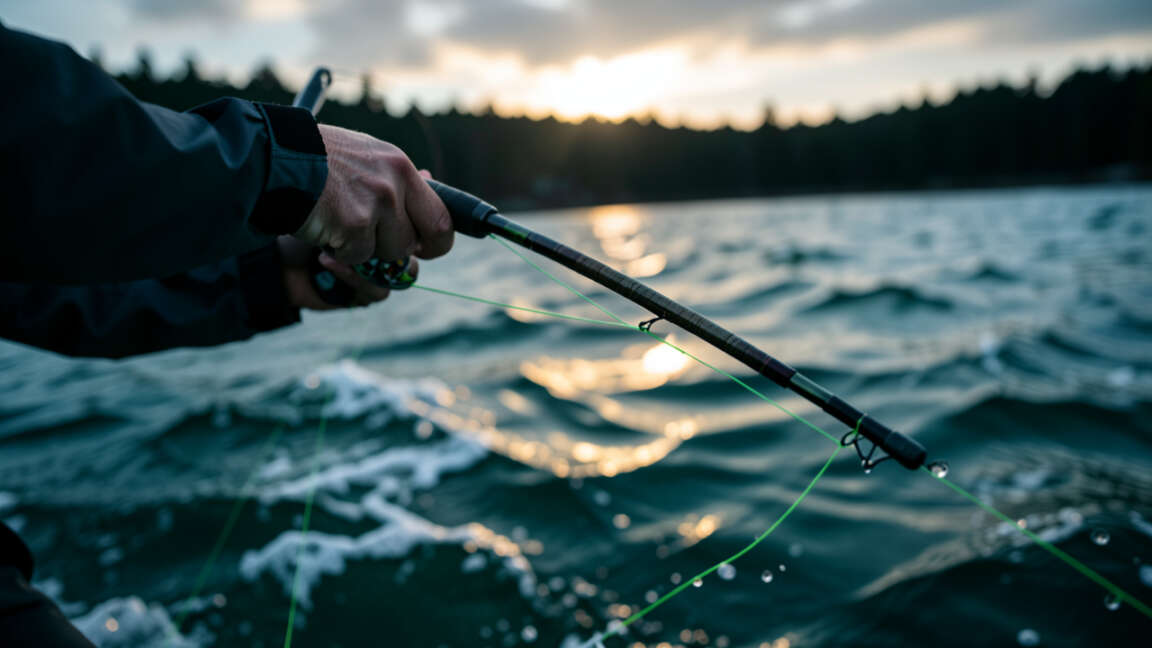
Keeping your rod tip low during a cast minimizes line exposure to wind, improving accuracy and distance.
Consider using drift socks. These are like underwater parachutes. They can slow your drift.
They give you more control. They are especially helpful when you are trying to fish a specific area. Proper boat control ensures you are fishing the right spots.
It’s a vital part of Bass Fishing in Wind: Using Chop to Your Advantage Daily.
Line Management
Wind can cause your line to bow. This makes it hard to detect bites. Keep your line tight.
Use a fast-action rod. This helps you feel subtle strikes. Try to keep your rod tip down when casting.
This reduces the amount of line exposed to the wind.
When you reel in, try to keep a steady retrieve. Avoid jerky motions. This can help maintain line tension.
You can also use braided line. It has less stretch. It floats higher.
This can help reduce the bow in your line. Good line management means more hooked fish. This is a core principle of Bass Fishing in Wind: Using Chop to Your Advantage Daily.
Safety First When Fishing in Wind
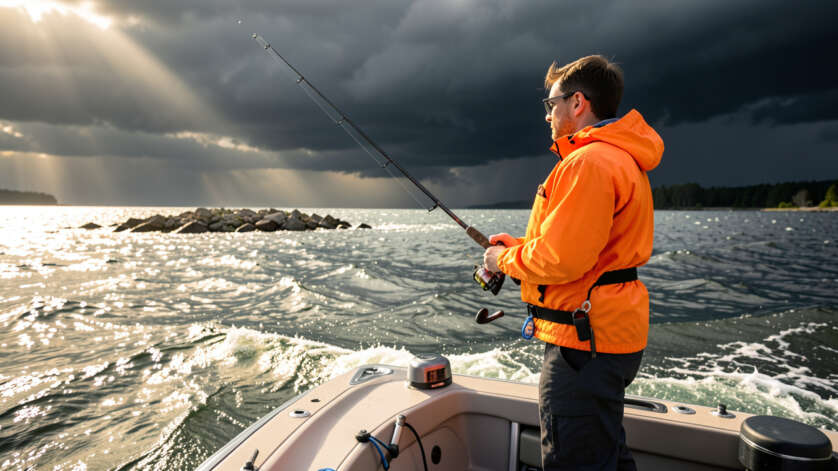
While wind offers advantages, safety should always be your top priority. Always be aware of the conditions.
Check the Weather Forecast
Before you head out, always check the weather forecast. Pay attention to wind speed and direction. Also, look for any potential storms.
Wind offers fishing advantages, but never compromise safety—check forecasts and respect severe conditions.
If conditions are too severe, it’s best to postpone your trip. Your safety is more important than any fish.
Be Aware of Your Surroundings
In windy conditions, be mindful of your surroundings. Watch out for overhanging branches. Be aware of other boats.
Maintain a safe distance. If you are fishing from a bank, be careful of slippery rocks or muddy ground. Stay aware of the changing conditions throughout your outing.
Frequently Asked Questions
How does wind help bass fishing?
Wind helps bass fishing by pushing baitfish into predictable areas, creating surface chop that masks your presence, and improving water oxygenation, all of which make bass more active and easier to find.
What is the best side of a lake to fish when it’s windy?
The windward side is often best because it concentrates baitfish. However, the leeward side offers calmer water for bass and can be a good ambush point. Protected coves are also excellent.
Should I use different lures when bass fishing in wind?
Yes, heavier lures or those with better aerodynamics cast better in wind. Spinnerbaits, chatterbaits, and jigs are good choices. The chop can also make topwater lures more effective.
How does wind affect water temperature for bass fishing?
Wind mixes the water. It can bring cooler water to the surface or warm up cooler surface water, creating temperature zones that attract bass looking for comfort.
Is it harder to catch bass when it’s windy?
It can be more challenging to cast and control your boat, but the wind also creates conditions that make bass more active and less wary, offering significant advantages for Bass Fishing in Wind: Using Chop to Your Advantage Daily.
What are the main benefits of Bass Fishing in Wind: Using Chop to Your Advantage Daily?
The main benefits include easier baitfish location, increased bass activity due to better oxygen, improved stealth from surface chop, and opportunities to use wind-driven lures effectively.
Final Thoughts
Embracing windy days transforms your fishing. By understanding how wind moves bait and affects bass behavior, you can locate and catch more fish. Use the chop to your advantage with the right lures and techniques.
This approach will make you a more consistent angler.