



Bass Lure Color Selection: Match Water Clarity Every Time
Bass lure color selection must match water clarity since bass are visual hunters that perceive colors differently in clear versus murky conditions. For clear water, choose natural translucent colors resembling local forage, while stained or murky water requires bright, high-contrast, or even dark lures that create a strong silhouette. Sunlight intensity further refines this choice, making lighter colors more effective in bright conditions and darker tones better under overcast skies, giving anglers a reliable system for consistent results.
Choosing the right lure color can make all the difference between a great fishing trip and a frustrating one. Bass are visual hunters, and how they see your lure depends a lot on the water. When the water is clear, they can see more, but in murky conditions, they rely on different cues.
Getting your Bass Lure Color Selection: Match Water Clarity Every Time right means more bites and more fish in the boat. This guide will help you understand how to pick the best colors so you can fish smarter.
Key Takeaways
- Clear water calls for natural, translucent lure colors that mimic baitfish.
- Murky or stained water benefits from bright, contrasting, or dark lures that stand out.
- Sunlight intensity plays a role; brighter colors work on sunny days, darker on cloudy days.
- Understanding bass vision helps in selecting effective lure colors.
- Experimentation is key, but knowing the basics of Bass Lure Color Selection: Match Water Clarity Every Time boosts success.
How Water Clarity Affects Bass Vision
Bass rely heavily on their eyesight to find food. The clearer the water, the further they can see. They can also detect subtle details like the shimmer of scales or the transparency of a baitfish.
In very clear conditions, bass might be more selective and spooked by unnatural colors or vibrations. They can easily identify what is real and what isn’t. This means your lure needs to look as natural as possible to convince them to strike.
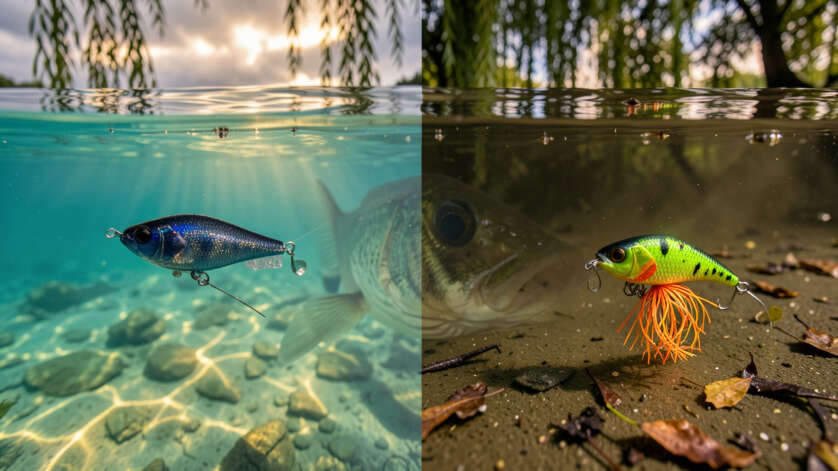
When bass can’t see far due to murky water, choose bright, bold colors to create a strong silhouette they can detect.
Conversely, murky or stained water significantly limits a bass’s vision. They can only see a short distance, sometimes just a few feet or even inches. In these situations, bright, bold, or contrasting colors become more important.
These colors create a silhouette or a flash that bass can detect in low visibility. They might not see the fine details of a natural baitfish, but they can see a lure that stands out from the background.
Matching Lures to Clear Water Conditions
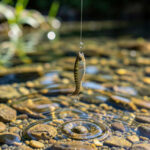
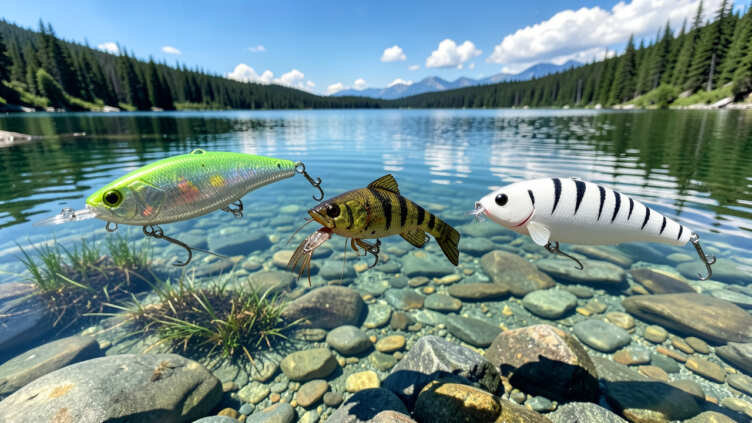
When fishing in crystal-clear water, think natural. Your goal is to make your lure blend in and look like prey. Translucent colors are excellent here.
Think about baitfish like shad or minnows. They often have a clear or slightly iridescent appearance.
Even in deeper clear water, natural colors like watermelon or shad patterns should be your first choice to avoid spooking wary bass.
Colors like water melon, ghost, clear, silver shiner, and shad patterns work very well. These colors mimic the natural look of baitfish and can fool even the most cautious bass. A subtle flash can also be effective, but avoid anything too gaudy or opaque that would look out of place.
The depth of the water also matters in clear conditions. In shallow, clear water, even more natural colors might be needed. In deeper, clear water, you might get away with slightly more vibrant colors, but always start with the most natural options.
Bass Lure Color Selection: Match Water Clarity Every Time in clear water is about subtlety.
Choosing Colors for Murky or Stained Water
Murky water presents a different challenge. Bass can’t see far, so your lure needs to be something they can easily detect. This is where contrast and visibility become your best friends.
Bright, unnatural colors often perform best.
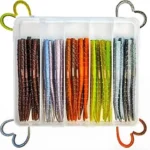
Think about colors that create a strong silhouette or a bright flash. Chartreuse is a classic choice for stained water. It’s highly visible and can be seen from a distance.
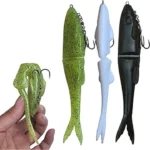
A chartreuse tail on a dark body creates a high-contrast lure that cuts through murky water and grabs bass attention.
Bright orange, hot pink, and lime green are also excellent options. These colors cut through the murkiness and grab a bass’s attention.
Darker, solid colors can also work in stained water, especially if they create a strong contrast against the bottom or the water column. Black, dark blue, and purple can create an effective silhouette. Sometimes, a combination of colors, like a chartreuse tail on a dark body, can be very effective.
This type of Bass Lure Color Selection: Match Water Clarity Every Time focuses on making your lure noticeable.
The Role of Sunlight and Cloud Cover
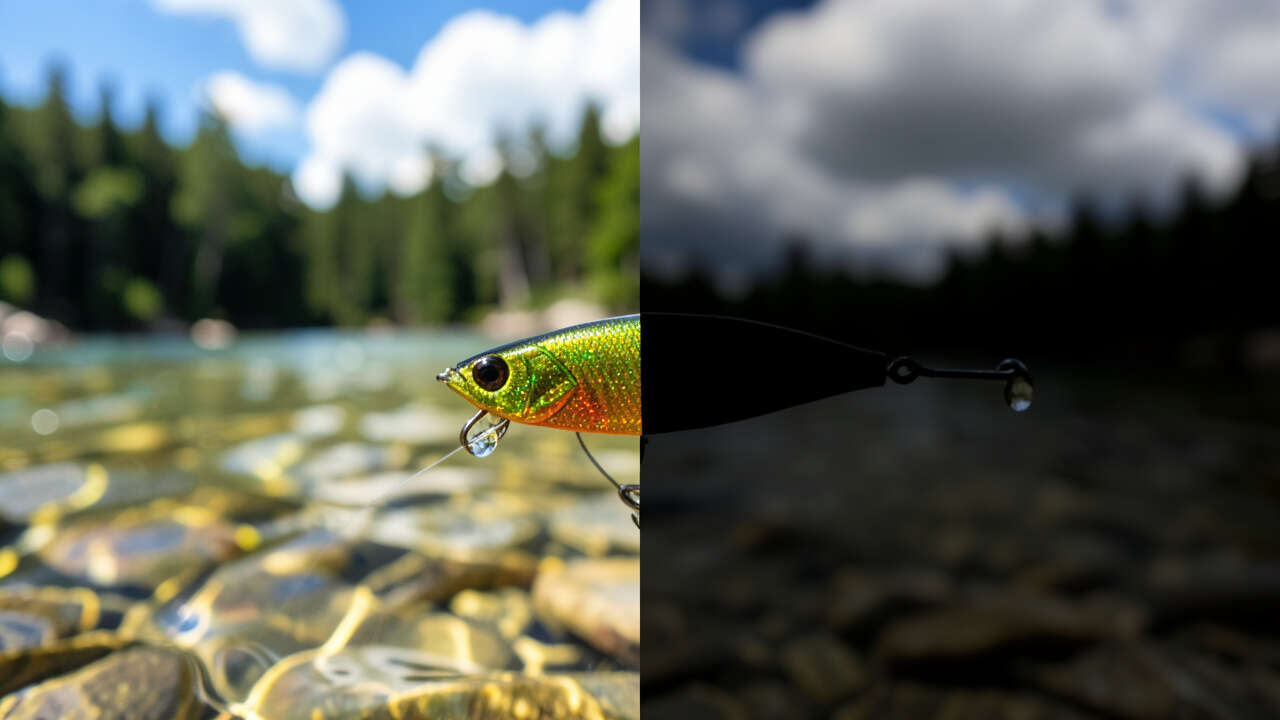
The amount of sunlight can significantly impact how bass perceive colors. On bright, sunny days, sunlight penetrates the water more, affecting color visibility. On cloudy days, or in deeper water, the light spectrum changes, and colors appear differently.
In bright sunlight, colors might appear more vibrant. Natural, slightly translucent colors can still work, but you might also see success with brighter, more reflective lures. The sunlight can make these colors flash, attracting bass from a distance.
On cloudy days or in deep water, switch to darker or brighter artificial colors as natural light changes how bass perceive lures.
Think about how sunlight glints off baitfish scales.
On overcast days, or in low-light conditions, colors can appear muted. This is when darker, more opaque, or brighter, artificial colors tend to perform better. The contrast they provide helps them stand out against the duller backdrop.
A black lure on a cloudy day can be very effective because it creates a stark silhouette. This aspect of Bass Lure Color Selection: Match Water Clarity Every Time is often overlooked.
Understanding Bass Vision and Color Perception
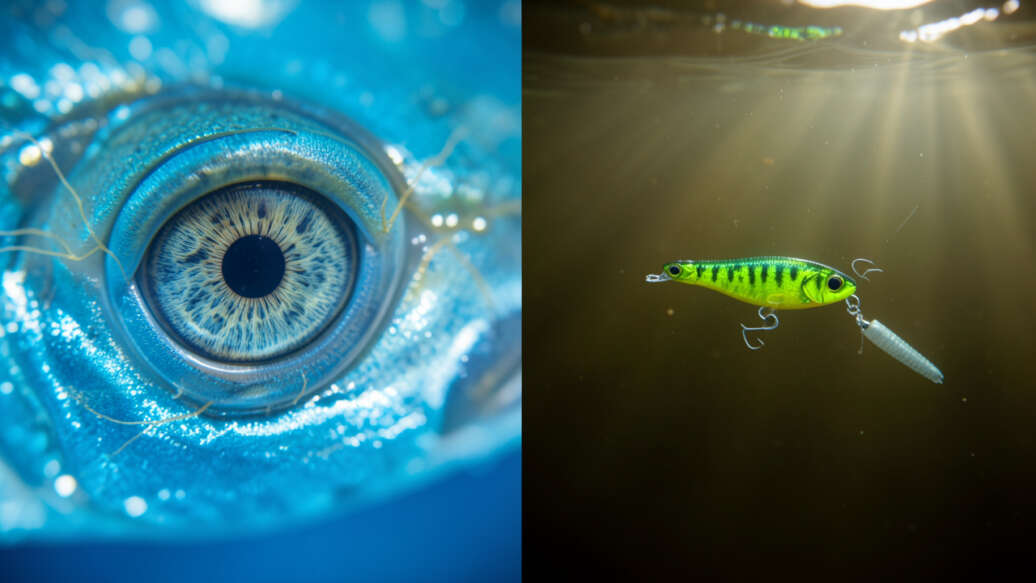
Bass have excellent color vision, but it’s not exactly like ours. They can see a range of colors, but their perception is influenced by the water’s light filtration. Different water depths and types filter light differently.
For example, red light is absorbed quickly, so red lures might not be effective in deeper water.
Remember that bass can see in low light due to their tapetum lucidum, so don’t assume dark conditions make bright colors unnecessary; contrast still matters.
They have a good ability to detect contrast and movement. This is why silhouette lures are so effective in low visibility. They also have a tapetum lucidum, a reflective layer behind their retina, which helps them see in low light.
This means they can still spot prey even when it’s not bright out.
Understanding this helps refine your Bass Lure Color Selection: Match Water Clarity Every Time. It’s not just about picking a color; it’s about understanding how that color will be perceived by the bass in its environment. Think about what looks natural or what provides the best contrast for the conditions.
Lure Type and Color Interaction
The type of lure you are using also plays a role in color selection. Different lure types have different actions and present themselves to bass in unique ways. This interaction affects how effective a certain color will be.
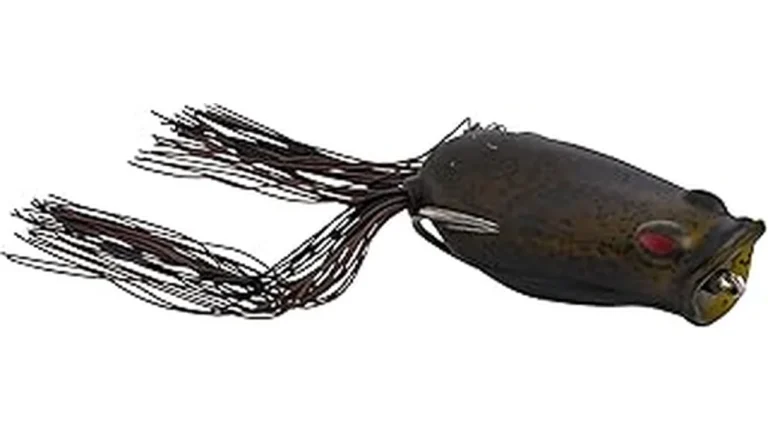
For example, topwater lures are used in shallow water where bass can see them clearly. In this scenario, natural colors that mimic baitfish being attacked on the surface are often best. Think white, silver, or black for poppers and walk-the-dog lures.
Soft plastics, like worms or creature baits, are versatile. Their color can be crucial, especially when fished slowly. A green pumpkin worm can be deadly in clear to slightly stained water.
Green pumpkin worms are a versatile choice for clear to slightly stained water, but add a chartreuse tail in dirty water for extra visibility.
In very dirty water, a chartreuse tail can add the necessary visibility. This is a key part of effective Bass Lure Color Selection: Match Water Clarity Every Time.
Jigs and spinnerbaits also benefit from strategic color choices. Jigs often mimic crawfish or baitfish. Colors like brown, black, or green pumpkin are common.
Spinnerbaits can have brightly colored blades and skirts. A white and chartreuse spinnerbait can be very effective in stained water due to the flash and contrast.
When to Experiment and Go Off-Script
While there are general rules for Bass Lure Color Selection: Match Water Clarity Every Time, fishing is also about adaptation. Sometimes, bass will surprise you. What works one day might not work the next.
This is when experimentation becomes vital.
If your go-to colors aren’t producing, don’t be afraid to try something different. You might have a perfectly clear day, but the bass are responding to a brighter lure. Or, you might be in slightly stained water, but they are hitting natural, subtle colors.
The most effective color today might fail tomorrow—experimentation is the key to consistent bass fishing success.
Pay attention to what other anglers are using, but also trust your instincts.
Consider adding a trailer to your jig or a scent to your soft plastic. These additions can sometimes make a less-than-ideal color more appealing. The ultimate goal is to figure out what the bass are looking for on that specific day, in that specific location.
This iterative process is a crucial part of becoming a better angler.
Bass Lure Color Selection: Match Water Clarity Every Time – A Quick Reference
Here’s a simplified guide to help you make quick decisions on the water.
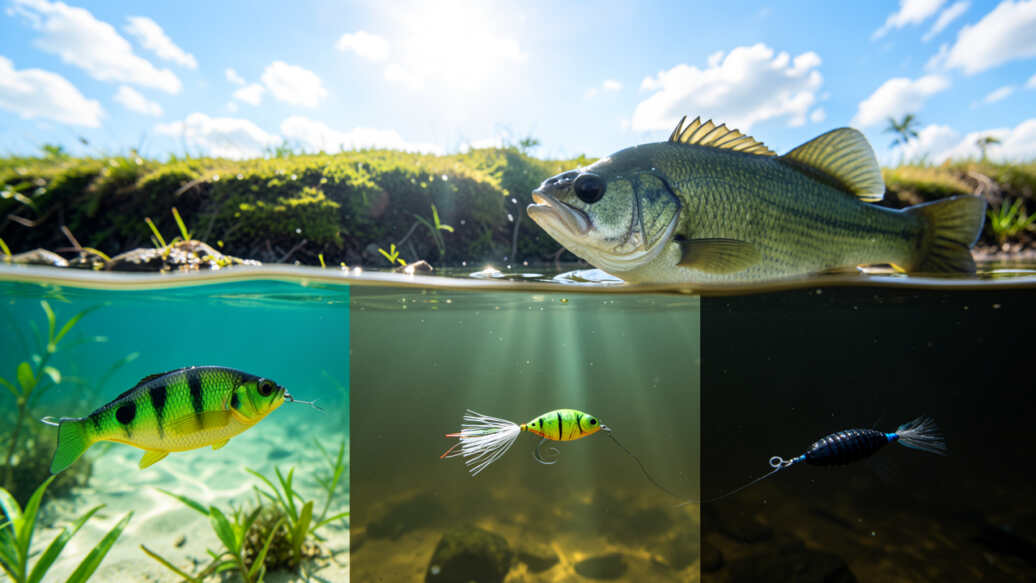
Use this quick reference: crystal clear water calls for natural translucent colors; murky water demands high-contrast brights like chartreuse or orange.
This table is a great starting point for your Bass Lure Color Selection: Match Water Clarity Every Time. Remember that water temperature and time of day can also influence color choice, but clarity is often the most significant factor.
Frequently Asked Questions
Question: What is the most important factor in Bass Lure Color Selection: Match Water Clarity Every Time?
Answer: Water clarity is the most important factor because it directly impacts how far bass can see and what colors they can perceive.
Question: Should I always use bright colors in murky water?
Answer: Bright, high-contrast colors like chartreuse are often best in murky water, but dark, solid colors that create a strong silhouette can also be very effective.
Question: What are good lure colors for very clear water?
Answer: In clear water, opt for natural, translucent colors like watermelon, ghost, silver, or shad patterns to mimic baitfish.
Question: Does sunlight affect Bass Lure Color Selection: Match Water Clarity Every Time?
Answer: Yes, bright sunlight can make colors appear more vibrant, while cloudy days call for colors that offer better contrast or visibility.
Question: Can I use the same lure color in shallow and deep clear water?
Answer: While natural colors work in both, deeper clear water might allow for slightly more vibrant colors as light penetration is reduced, but always start with the most natural options.
Question: What if my chosen color isn’t working?
Answer: If your lure color isn’t producing bites, don’t hesitate to experiment with different colors and patterns based on the current water conditions and time of day.
Final Thoughts
Mastering Bass Lure Color Selection: Match Water Clarity Every Time means more successful fishing trips. By understanding how water clarity affects bass vision, you can confidently choose lures that stand out or blend in just right. Always consider the water conditions and adjust your color choices accordingly for better results.


8 Comments