


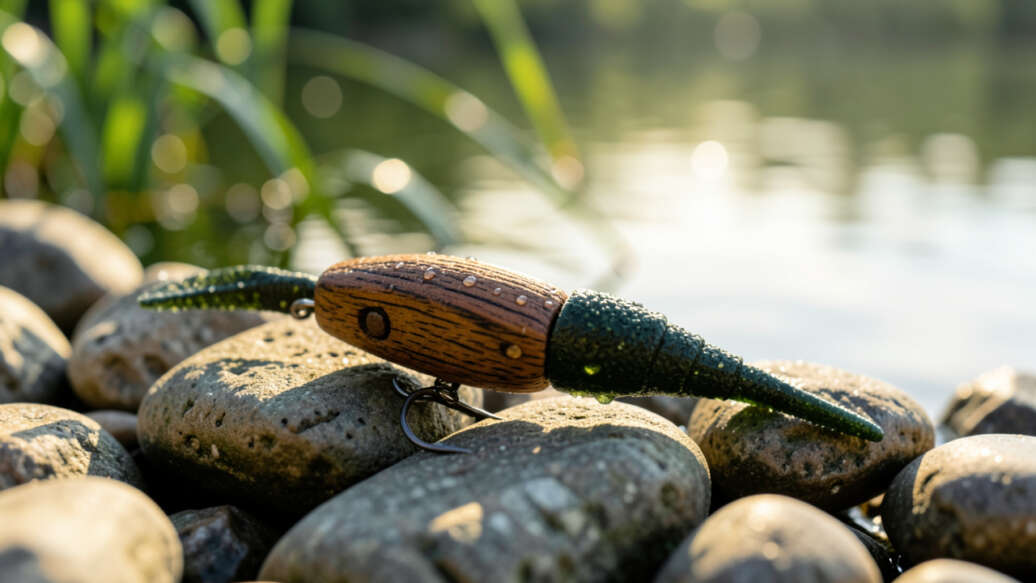
Shaky Head Bass: Subtle Bottom Action That Catches Year-Round
The shaky head rig presents a soft plastic bait with subtle, quivering action along the bottom, making it a year-round technique for catching bass in various water conditions. This presentation mimics a vulnerable prey item, triggering strikes from finicky or inactive bass that other lures fail to entice. Success depends on selecting the correct jig head weight, pairing it with a sensitive rod and reel, and mastering the slow, steady drag or hop retrieve to detect bites.
When you’re out on the water, you want to feel that tug on your line. Sometimes, bass can be tricky, especially when they’re hanging near the bottom. That’s where a simple yet effective technique comes into play.
Learning about Shaky Head Bass: Subtle Bottom Action That Catches Year-Round can really boost your success. It helps you present your bait in a way that bass can’t resist, no matter the season. You’ll learn how this method works and why it’s so good at fooling even the most cautious fish, leading to more bites and bigger catches.
Let’s get into what makes this setup a consistent winner.
Key Takeaways
- The shaky head rig is a versatile lure presentation for bass fishing.
- It excels at mimicking natural bait movements on the bottom.
- This technique works effectively in various water temperatures and seasons.
- Proper bait selection is crucial for maximizing the shaky head’s effectiveness.
- Understanding how to work the bait is key to triggering strikes.
- Shaky head fishing can be successful in different types of water bodies.
Why Shaky Head Bass Fishing Works Wonders
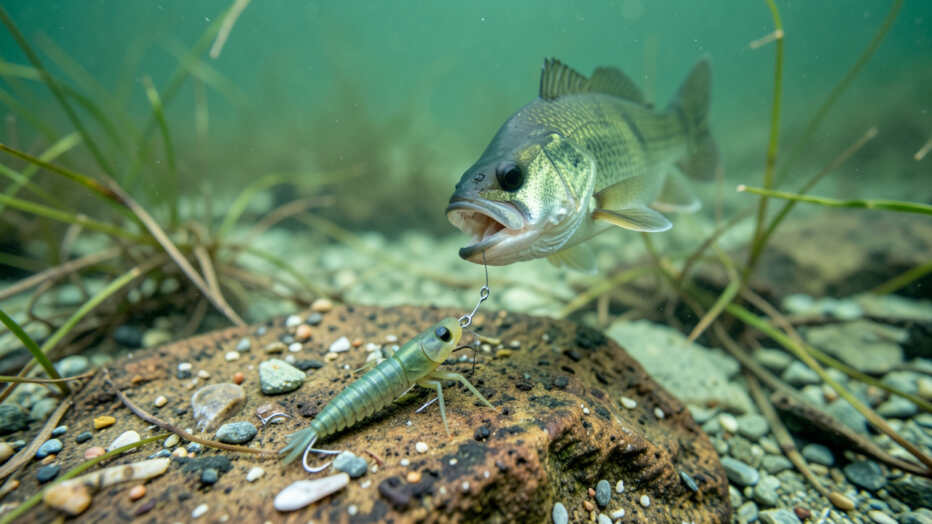
The magic of the shaky head lies in its simplicity and effectiveness. It’s designed to make your soft plastic bait wiggle and shimmy right on the bottom. This subtle movement is incredibly natural.
Bass often feed on baitfish, crawfish, and worms that are close to the lakebed. The shaky head rig perfectly imitates these food sources. It moves just enough to catch a bass’s eye without looking like a typical, fast-moving lure.
This makes it ideal for finicky fish or when bass are holding tight to structure.
A gentle shake of your rod tip is often all it takes to trigger a bite—let the lure’s natural action do the work.
This technique is a favorite for many anglers because it’s easy to learn. You don’t need complex casting or retrieving skills. The lure does most of the work for you.
When you’re fishing, you’ll be surprised how often a gentle shake of your rod tip brings a bite. This is the essence of Shaky Head Bass: Subtle Bottom Action That Catches Year-Round. It’s about creating a subtle, enticing action that appeals to a bass’s predatory instincts.
It’s a reliable tool in any angler’s arsenal for consistent results.
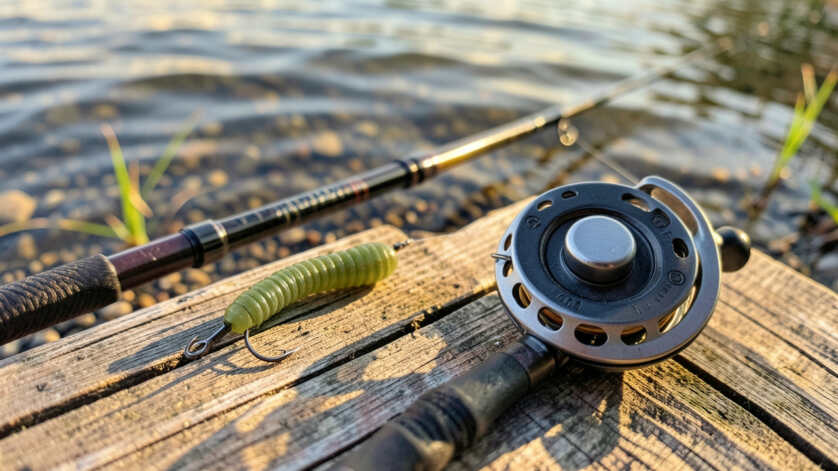
Choosing the Right Shaky Head Gear
Getting the right gear is important for making your shaky head setup perform its best. It’s not just about the bait; the jig head and the rod play a big role too. Let’s break down what you need to consider.
The Jig Head Matters
The jig head is the heart of the shaky head rig. It has a conical or football-shaped head with a sharp, strong hook. The shape of the head helps it stand up on the bottom.
This keeps your bait presented vertically, making it look more natural. You’ll find them in different weights. Lighter weights are good for clear, shallow water.
Match your jig head weight to water conditions: use lighter heads in clear, shallow water and heavier heads when fishing deeper or windy areas.
Heavier weights are better for deeper water or when there’s wind. A 1/8 ounce or 3/16 ounce jig head is a great starting point for most situations.
Rod and Reel Selection
For shaky head fishing, a medium-light to medium action spinning rod is usually best. You want a rod with enough sensitivity to feel the bottom and subtle bites. A length of 6’6″ to 7’3″ works well.
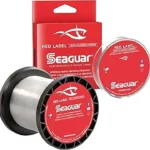
Pair this with a 2500 or 3000 size spinning reel. You’ll want to use monofilament or fluorocarbon line. Fluorocarbon is a popular choice because it sinks and has less stretch, giving you better feel and hooksets.
A 6-10 pound test line is common for this technique.
Baits That Work Best
The type of soft plastic bait you use with a shaky head can make a big difference. Many baits work well, but some are particularly effective. The key is to choose baits that have a natural look and movement.
Commonly Used Baits
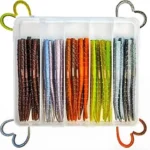
Many anglers favor small to medium-sized plastic worms. Stick baits, ribbon tail worms, and finesse worms are excellent choices. These baits have a natural profile that bass find appealing.
Some worms have a subtle curl or tail action that kicks in when you shake the rod. You can also use creature baits or small crawfish imitators. These can add a different kind of action and appeal to bass looking for a more substantial meal.
The most effective shaky head bait is the one that matches what bass are feeding on in your local waters.
The idea is to match the bait to what bass are eating in your local waters.
Experimenting with different colors is also important. Natural colors like green pumpkin, watermelon, and brown are often very effective. You can also try brighter colors like chartreuse or bubblegum in stained water.
Sometimes, a little bit of scent can help too. Many plastic baits come infused with scent, or you can add a scent attractant to your baits.
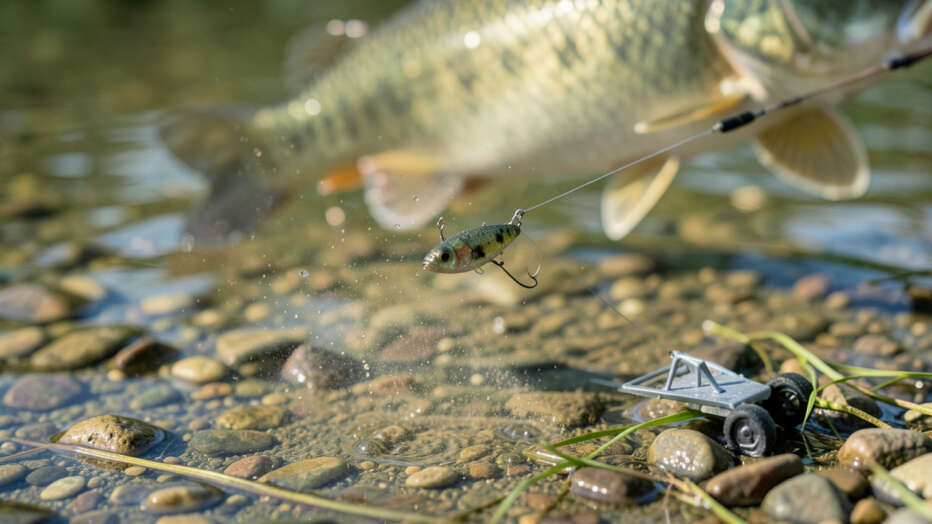
Mastering the Shaky Head Technique
Knowing how to work the shaky head rig is crucial for success. It’s a simple technique, but there are nuances that can greatly improve your results. The goal is to create a subtle, enticing action that mimics a wounded or escaping baitfish or crawfish.
The Basic Retrieve
First, cast your shaky head rig to your target area. Let it sink to the bottom. Once it’s on the bottom, you want to impart a subtle action.
You do this by gently shaking your rod tip. This makes the bait wiggle and shimmy in place. You don’t need to move the bait forward much, if at all.
The jig head should keep the bait standing up. After a few shakes, reel in a short distance, maybe a foot or two. Then, repeat the shaking process.
This creates a stop-and-go action that bass find irresistible.
Master the subtle shake of the rod tip—small nuances in your retrieve can dramatically improve your catch rate.
If you’re fishing in current, let the current help move the bait slightly. This can add even more natural movement. If you’re not getting bites, try varying the speed of your retrieve or the intensity of your shakes.
Sometimes a very subtle quiver is all it takes. Other times, a bit more aggressive shake might trigger a strike. This is where understanding Shaky Head Bass: Subtle Bottom Action That Catches Year-Round really pays off.
Detecting Bites
One of the biggest challenges with finesse fishing is feeling the bites. Bass often suck in a shaky head bait very gently. You might not feel a strong pull.
Instead, you might feel a slight “tick” or a sudden, unexplained slack in your line. Sometimes, the fish just stops moving your bait. You need to be attentive to any change in the feel of your line.
If you feel anything unusual, it’s best to set the hook. A quick, firm sweep of the rod is usually all that’s needed to secure the hook.

Where and When to Throw a Shaky Head
The beauty of the shaky head is its year-round effectiveness. Bass are often found near the bottom, and this rig targets them perfectly in almost any condition. Understanding where to find them will help you apply this technique.
Seasonal Effectiveness
In the spring, as bass move shallow to spawn, a shaky head can be deadly around docks, laydowns, and submerged vegetation. In the summer, when bass go deeper to escape the heat, you can target them with heavier shaky heads on offshore structure like humps, ledges, and points. Fall sees bass feeding aggressively, and the shaky head can be used to pick apart shallower areas as well as deeper holding spots.
Avoid fishing shaky heads in heavy weed mats or thick cover; rocky areas and grass lines are ideal for this technique.
Even in the winter, when bass are often sluggish and holding tight to cover, the subtle action of a shaky head can entice them to bite when other lures won’t.
Habitat Targeting
Shaky heads are fantastic for targeting bass in various habitats. They are excellent for fishing around wood cover like laydowns and stumps. They also work well in rocky areas, including riprap and rocky points.
Submerged vegetation, like grass lines and weed beds, can also hold bass that are susceptible to a shaky head presentation. Don’t forget about docks and other man-made structures, which often provide ambush points for bass.
Shaky Head vs. Other Finesse Techniques
While the shaky head is a standout, it’s good to know how it compares to other finesse fishing methods. Each has its strengths and weaknesses.
While the shaky head excels at subtle bottom action, use the Texas rig for heavy cover and the drop shot for suspended bass.
The shaky head rig is particularly good when bass are less active or holding very tight to cover. Its ability to stand up and quiver in place is its main advantage. The Texas rig is great for getting through heavy cover without snagging.
The drop shot is ideal for suspending bass or when you need a bait to hover just above the bottom. Understanding these differences helps you choose the right tool for the job. The core of Shaky Head Bass: Subtle Bottom Action That Catches Year-Round is its unique way of presenting bait.
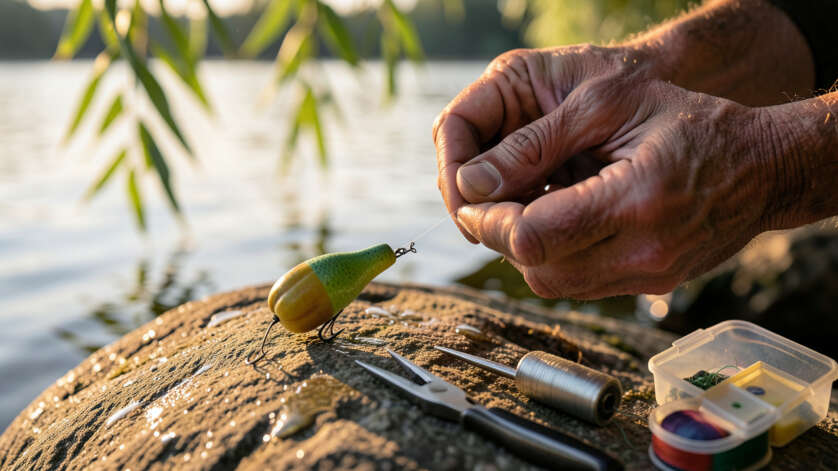
Troubleshooting Common Shaky Head Issues
Even with a simple rig like the shaky head, you can run into problems. Knowing how to fix them will save you frustration and help you catch more fish.
Problem: Constant Snags
Solution: Make sure your hook is sharp and properly set. If you’re using a bait with a very thin tail, it can sometimes get snagged. Try a bait with a slightly thicker profile or one that’s designed to be more weedless.
Also, pay attention to your rod tip action; too much aggressive movement can sometimes cause the hook to snag.
Constant snags often mean your rod tip movement is too aggressive—switch to a thicker bait profile and soften your shake.
Problem: Not Getting Bites
Solution: This is a common issue with any finesse technique. Try downsizing your bait or your jig head. Smaller baits are less intimidating to wary bass.
Experiment with different colors and scents. Sometimes, a change in retrieve speed or shake intensity can make a difference. If bass are truly finicky, consider adding a small trailer hook to increase your hook-up ratio.
Problem: Bait Sliding Down the Hook
Solution: Ensure you’re rigging your bait correctly. Thread the bait onto the hook so the hook point comes out of the center of the bait. You want the bait snug against the jig head.
Some anglers use a dab of super glue to keep their bait in place. Using a jig head with a bait keeper collar can also help prevent the bait from sliding.
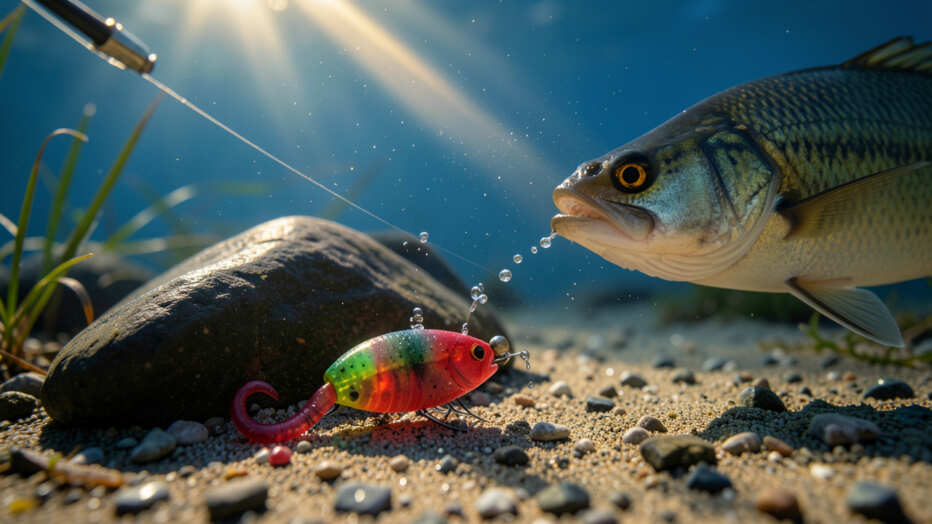
Tips for Maximizing Your Success
To truly excel with the shaky head, keep these extra tips in mind. They can help you make the most of this effective technique.
Add a quality scent attractant to your bait—it can turn hesitant strikes into committed bites, especially in pressured waters.
- Vary Your Retrieve: Don’t get stuck in one rhythm. Experiment with longer pauses, shorter shakes, and faster reeling.
- Fish Slowly: Bass often have to move very little to eat a shaky head bait. Give them time to find and commit to your lure.
- Use a Sharp Hook: A dull hook will lead to missed fish. Always check your hook point and sharpen or replace it as needed.
- Be Patient: Finesse fishing often requires more patience. Don’t get discouraged if you don’t get bites immediately.
- Match the Hatch: Observe what bass are eating in your area. Try to mimic the size, shape, and color of their natural forage.
- Consider Scent: Adding a quality scent attractant can make a big difference, especially in pressured waters or when bass are hesitant.
Frequently Asked Questions
Question: What is the best time of year for Shaky Head Bass: Subtle Bottom Action That Catches Year-Round?
Answer: The shaky head rig is effective year-round. It excels in spring and fall when bass are actively feeding, but it’s also a great technique for slower winter months and challenging summer conditions.
Question: What kind of rod and reel should I use for shaky head fishing?
Answer: A medium-light to medium action spinning rod (6’6″ to 7’3″) paired with a 2500 or 3000 size spinning reel is ideal for feeling bites and making accurate casts.
Question: How do I prevent my shaky head bait from sliding down the hook?
Answer: Ensure your bait is rigged snugly against the jig head. Using a dab of super glue or a jig head with a bait keeper can help keep it in place.
Question: Can I use a shaky head in heavy cover?
Answer: While it’s not as snag-proof as a Texas rig, you can use a shaky head in lighter cover. Using a weedless shaky head hook or a bait with a more compact profile can help.
Question: What is the main advantage of the shaky head rig over other finesse techniques?
Answer: The shaky head’s primary advantage is its ability to stand up and quiver subtly on the bottom, mimicking injured bait or crawfish, which is highly effective for enticing finicky or inactive bass.
Final Thoughts
Mastering the shaky head rig offers a consistent way to catch bass all year. Its subtle action on the bottom is perfect for fooling even the most cautious fish. By using the right gear, baits, and techniques, you can significantly improve your success on the water.




2 Comments