







Strip Pit And Quarry Bass: Deep, Clear Water Tactics That Work
Strip pit and quarry bass in deep, clear water require specialized tactics that focus on underwater structure and precise lure presentation. Identifying submerged ledges, rock piles, and steep drop-offs with electronics is critical for locating these wary fish. Selecting natural-colored soft plastics or deep-diving crankbaits and using slow, deliberate retrieves increases success in these demanding environments.
Fishing in clear, deep water can be tricky, especially when you’re targeting bass in places like strip pits and quarries. These spots often hold big fish, but they can be tough to find and catch if you don’t know the right tricks. This guide will help you understand how to find and catch those wary bass in these unique environments.
We’ll cover the best ways to approach these waters so you can have more success on your next trip. Get ready to learn about Strip Pit and Quarry Bass: Deep, Clear Water Tactics That Work.
Key Takeaways
- Understand why deep, clear water in pits and quarries holds bass differently than shallow lakes.
- Learn to identify key underwater structures where bass hide in these environments.
- Discover effective lure choices for attracting bass in clear, deep water.
- Master casting and retrieval techniques suited for deep water fishing.
- Know the best times of day and year to target these fish for maximum results.

Why Deep, Clear Water Matters for Pit and Quarry Bass
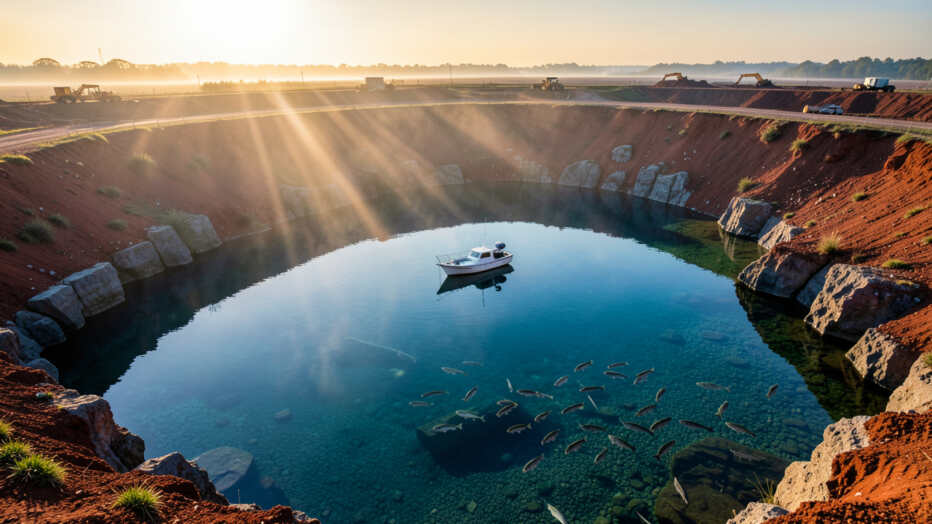
Strip pits and quarries are special places for bass fishing. They are often much deeper than natural lakes. This depth means the water temperature stays more stable, especially during hot summers and cold winters.
Bass like stable temperatures. In clear water, they can see farther. This makes them more cautious.
They often stay in deeper water to avoid predators and the sun. Understanding this is the first step to catching them. It tells you where to start looking and why they might be acting a certain way.
If a bass follows your lure without biting, pause your retrieve or change the action suddenly to trigger a reaction strike.
When you fish shallow lakes, you might see fish reacting to your lure. In deep, clear pits, they often watch from a distance. They might follow your lure without biting.
This is because they feel safe in the deep, clear water. They have a good view of their surroundings. It’s also easier for them to ambush prey from below.
So, your fishing strategy needs to account for this. You need to present your bait in a way that looks natural and appealing from a distance. This is crucial for successful Strip Pit and Quarry Bass: Deep, Clear Water Tactics That Work.
Finding Bass in the Depths: Structure is Key
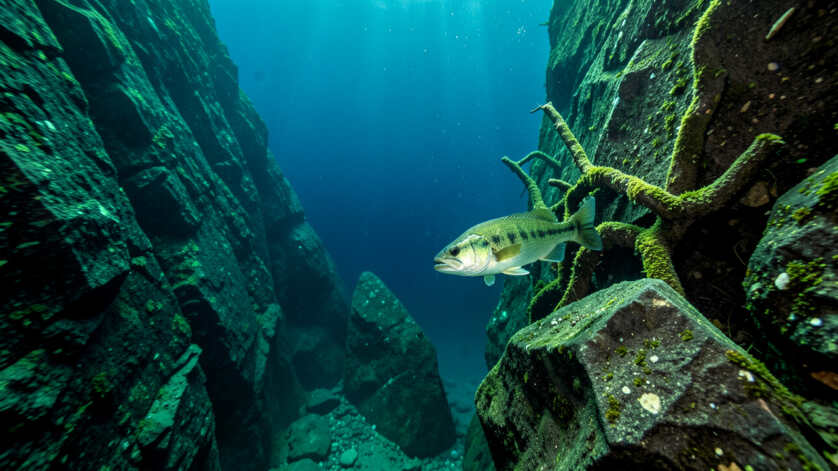
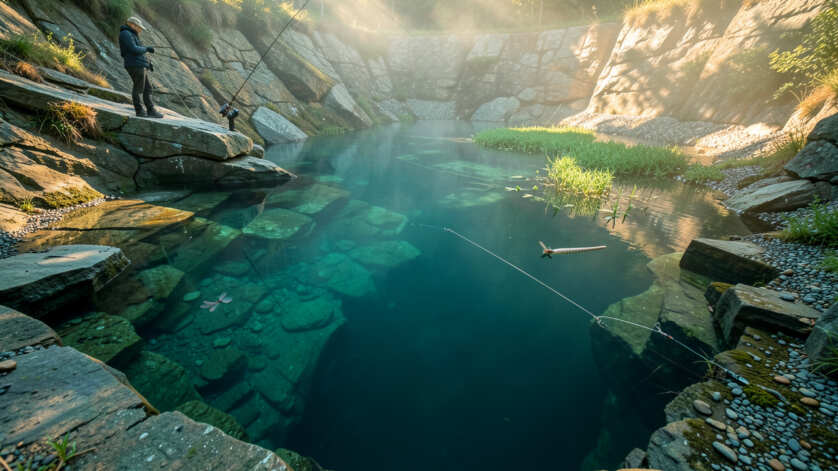
The most important thing in strip pits and quarries is finding the right structure. Bass don’t just hang out in open, deep water. They need places to hide and hunt.
These places are called structure. They are like underwater highways and hiding spots for fish. Knowing what to look for will greatly improve your chances.
You need to think like a fish. Where would you go if you wanted to hide or wait for food?
Common Underwater Structures to Target
In these types of lakes, you’ll find a few common types of structure. Look for submerged trees and brush piles. These are great places for bass to hide and ambush baitfish.
Old roads or building foundations that have sunk can also create unique habitats. Drop-offs are also very important. These are steep changes in depth.
Bass will often patrol the edges of these drop-offs. They wait for food to come by.
Rock piles and ledges are another excellent target. These provide cover and attract smaller fish that bass feed on. Even subtle changes in the bottom contour can be productive.
A slight hump or a small ditch can create a hotspot. Think about how the pit was made. Were there hills or valleys?
Focus on identifying underwater structure like ledges, humps, and rock piles, as these are the primary holding areas for bass in strip pits and quarries.
These often become underwater features. Using a good fish finder can help you spot these subtle changes. It’s like having eyes underwater.
Using Electronics to Locate Bass
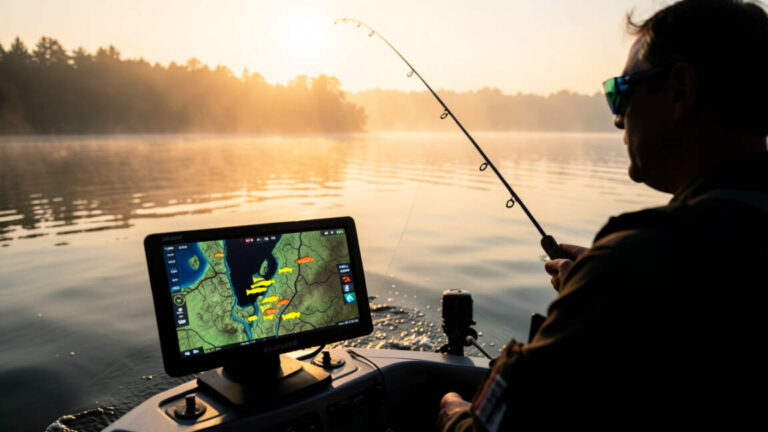
A fish finder is almost a must-have for these waters. It shows you the depth and the bottom contour. You can see submerged objects like rocks and trees.
It also shows you schools of baitfish. Where the baitfish are, the bass are usually not far behind. Learn to read your fish finder.
Understand what the different symbols mean. A good sonar unit will show you drop-offs, humps, and weed lines. This information is gold for finding bass.
It helps you narrow down your search area significantly.
Modern fish finders also have GPS. This lets you mark promising spots. You can go back to them later.
Or, you can share them with friends. Don’t just rely on the screen. Combine what you see on your fish finder with visual cues.
Look for changes in water color. Sometimes, a subtle change in the surface can indicate a drop-off or a submerged feature below. This combination of technology and observation is key to mastering Strip Pit and Quarry Bass: Deep, Clear Water Tactics That Work.
Lure Selection for Deep, Clear Water Bass
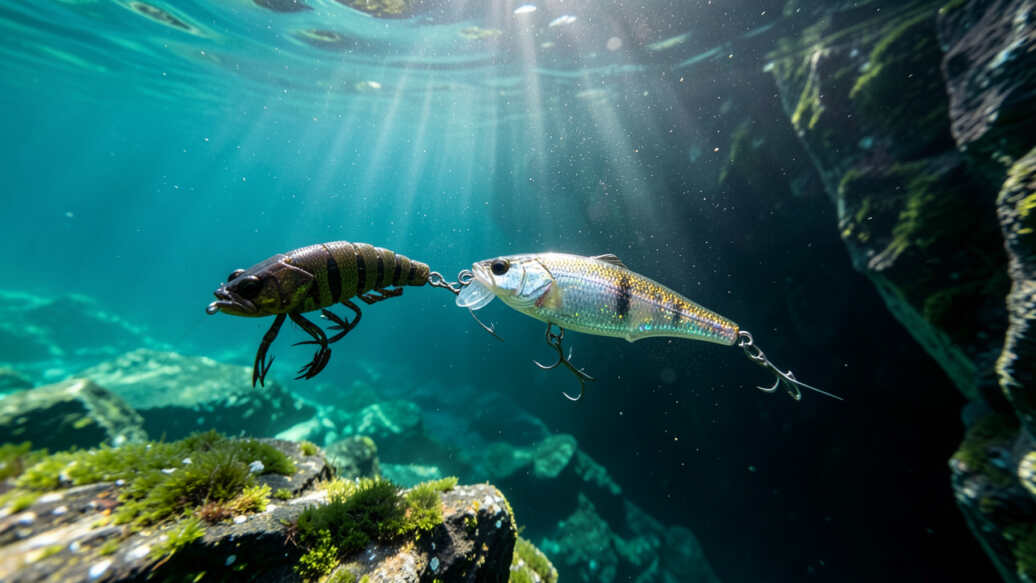
Choosing the right lure is critical when bass can see everything coming. In clear, deep water, you need lures that look natural. They should also be able to get down to where the bass are holding.
The sound and action of the lure matter too. Bass in these environments can be more easily spooked. So, a subtle presentation is often best.
You want a lure that mimics their natural food sources.
Top Lure Types That Produce
Jigs are excellent for deep water. A football jig, for example, is designed to be dragged along the bottom. It has a shape that helps it stay in contact with the bottom.
You can tip it with a trailer that adds scent and action. This makes it look like a crawfish or a small baitfish. Bass love crawfish.
They are a staple food source in many pits and quarries.
Soft plastics are also very versatile. Consider a drop-shot rig. This rig allows you to present a small plastic bait on a leader above a weight.
You can keep the bait suspended in the strike zone. This is great for finicky bass. Another option is a Texas-rigged worm or a creature bait.
A football jig with a scented trailer mimics a crawfish and maintains bottom contact, making it a natural choice for clear water.
These can be hopped or dragged along the bottom. They are effective at imitating swimming or crawling prey.
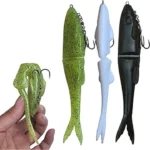
Swimbaits are another great choice. A soft plastic swimbait on a jig head can imitate a fleeing baitfish. Look for realistic colors and profiles.
A slow retrieve with a slight pause can trigger strikes. For bass that are suspended or actively feeding, a lipless crankbait can be very effective. These lures vibrate and can be burned through the water or yo-yoed to imitate baitfish.
The key is to match the size and color of the baitfish in the lake.
Color and Action Considerations
In clear water, natural colors are usually best. Think about what the bass are eating. If they eat crawfish, use brown, green, or black colors.
If they eat shad or minnows, use white, silver, or natural baitfish patterns. Sometimes, a bright color like chartreuse can work as an attractant. This is especially true if the water has a little bit of stain or if you want to get a reaction strike.
The action of the lure is just as important. A subtle wobble or a slow, natural movement is often more effective than erratic action. Bass in deep, clear water are often not in a high-speed chase.
They are waiting for an easy meal. So, make your lure look like one. A slow, steady retrieve can be very effective.
Don’t be afraid to experiment with different retrieve speeds and pauses. Observe how the bass react. This is how you refine your Strip Pit and Quarry Bass: Deep, Clear Water Tactics That Work.
Effective Techniques for Deep Water Bass Fishing
Getting your lure to the fish is only half the battle. You also need to present it in a way that makes them want to bite. This involves your casting, retrieval, and hook-setting techniques.
Deep water fishing requires patience. You won’t feel every bite as clearly as you do in shallow water.
Casting and Presentation Strategies
When casting, aim for the structure you’ve identified. Don’t just cast into open water. Try to get your lure as close to the cover as possible.
This is where the bass are likely to be. If you’re using a jig or a soft plastic, let it sink to the bottom. Once it hits the bottom, start your retrieve.
A common technique is the ‘drag and pause’. Drag the lure a short distance along the bottom, then pause. Let it sit for a few seconds.
Repeat this process.
For swimbaits, a slow, steady retrieve is often best. Keep the bait swimming just above the bottom or at the depth where you suspect the bass are holding. If you’re using a drop-shot, keep the bait suspended at the right depth.
When drop-shotting, gently twitch the rod tip to impart subtle action while keeping the bait suspended at the correct depth.
You can gently twitch the rod tip to give the bait some action. The weight stays on the bottom, while your bait moves enticingly.
Detecting Bites and Setting the Hook
Detecting bites in deep water can be challenging. You might feel a slight tap, a tick, or just a sudden weight on your line. Sometimes, the fish will just start swimming with the lure.
Pay close attention to your line. If it suddenly moves sideways or goes slack when it shouldn’t, set the hook. Don’t wait too long, or the fish might spit out the lure.
When you feel a bite, set the hook firmly. This usually means a sweeping motion with your rod. If you’re using braided line, you might not need as much force.
If you’re using monofilament or fluorocarbon, a good sweep is important. Once the hook is set, keep a steady pressure on the fish. Don’t reel too fast.
Let the rod do the work of tiring the fish out. Landing these fish is part of the reward for mastering Strip Pit and Quarry Bass: Deep, Clear Water Tactics That Work.
Timing Your Trips for Maximum Success
The time of day and year can significantly impact your success. Bass behavior changes with the seasons and the light conditions. Understanding these patterns will help you be on the water when the fish are most active.
Seasonal Bass Behavior in Pits and Quarries
Spring: As the water warms, bass move shallower. They feed aggressively. This is a great time to fish jigs and crankbaits.
You can often find them in transition zones between deep and shallow water.
Summer: This is when bass retreat to the deep, cool water. They suspend around structure. This is where deep-diving crankbaits, jigs, and drop-shot rigs shine.
Early mornings and late evenings are often best. The midday sun can push them deeper.
In summer, bass retreat to deep cool water; avoid fast moving lures and instead use slow presentations like jigs and finesse worms to get bites.
Fall: Bass feed heavily in preparation for winter. They become more active again. You can find them chasing baitfish.
Lipless crankbaits and swimbaits are very effective. They are often found in transition areas.
Winter: In colder climates, bass become less active. They move to the deepest parts of the lake. Slow-moving baits like jigs and finesse worms are key.
Patience is essential during this time.
Best Times of Day to Fish
Generally, early mornings and late evenings are prime fishing times. The low light conditions make bass more comfortable moving into shallower areas or feeding more actively. Overcast days can also be productive.
The diffused light makes them feel less exposed. Midday can be tough in clear water, but if you can find them on deep structure, they will still bite if presented correctly. This knowledge is vital for applying Strip Pit and Quarry Bass: Deep, Clear Water Tactics That Work.
Frequently Asked Questions
What is the best lure for strip pit and quarry bass in clear, deep water?
For clear, deep water, jigs, drop-shot rigs with soft plastics, and realistic swimbaits are highly effective. These mimic natural prey and can be presented subtly.
How do I find bass in a deep, clear quarry?
Focus on underwater structure like submerged trees, rock piles, ledges, and drop-offs. Using a fish finder to map these features is crucial for locating bass.
Is it harder to catch bass in clear water than in murky water?
Yes, it can be. Bass in clear water are more aware of their surroundings and can be warier of lures. You often need more finesse and natural presentations.
What are the best times of year for Strip Pit and Quarry Bass: Deep, Clear Water Tactics That Work?
Summer and fall are excellent times. In summer, bass move deep to escape heat. In fall, they feed aggressively.
Spring also offers good shallow opportunities before they move deep.
Should I use a braided line or fluorocarbon line for deep water quarry bass?
Fluorocarbon line is often preferred in clear, deep water because it is nearly invisible and sinks, helping get your lure down. Braided line can be used as a mainline with a fluorocarbon leader for strength and sensitivity.
How deep should I be fishing for bass in a quarry?
Bass can be found from 15 feet to well over 50 feet deep, depending on the season, water temperature, and available structure. You need to experiment to find where they are holding on any given day.
Final Thoughts
Fishing for bass in deep, clear strip pits and quarries requires patience and the right approach. By understanding structure, selecting appropriate lures, and refining your techniques, you can consistently catch these wary fish. Remember to pay attention to seasonal patterns and the time of day for the best results.


One Comment