
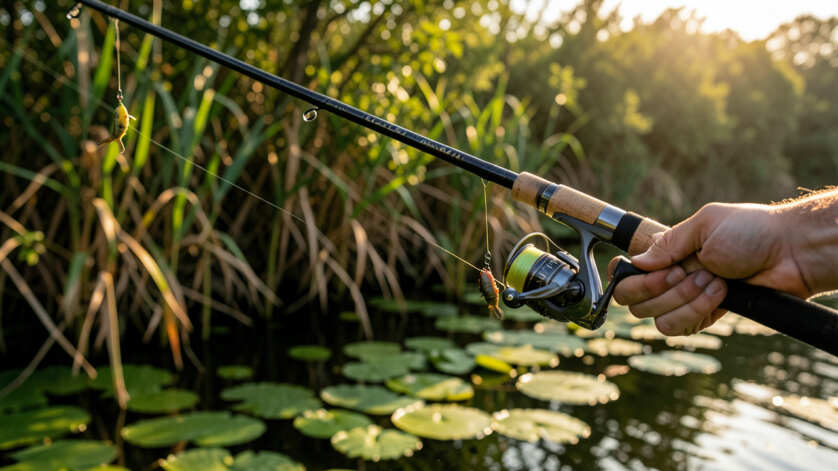
Flipping For Bass: Heavy Cover Precision Cast Tutorial
Flipping for bass in heavy cover is a precision casting technique that places a lure directly into tight spots like weed beds and docks without spooking fish or snagging. Mastering the pendulum swing and proper rod, reel, and line selection—such as a medium-heavy rod and braided line—enables anglers to control distance and accuracy for consistent results. The key takeaway is that this method turns difficult cover into productive fishing by avoiding common mistakes and boosting catch rates.
When bass hide in thick weeds or under docks, getting your lure to them without snagging can be tough. You want to put your bait right where the fish are, but a bad cast can spook them or leave you stuck. This guide will show you how to master the art of Flipping for Bass: Heavy Cover Precision Cast Tutorial.
Learning these techniques means more bites and bigger fish, turning frustrating situations into successful fishing trips.
Key Takeaways
- Learn the basic setup for effective flipping.
- Understand how to control your lure’s distance and accuracy.
- Discover techniques for casting into tight spaces.
- Know how to avoid common snags and mistakes.
- Improve your confidence when fishing heavy cover.
Why Flipping Works in Heavy Cover
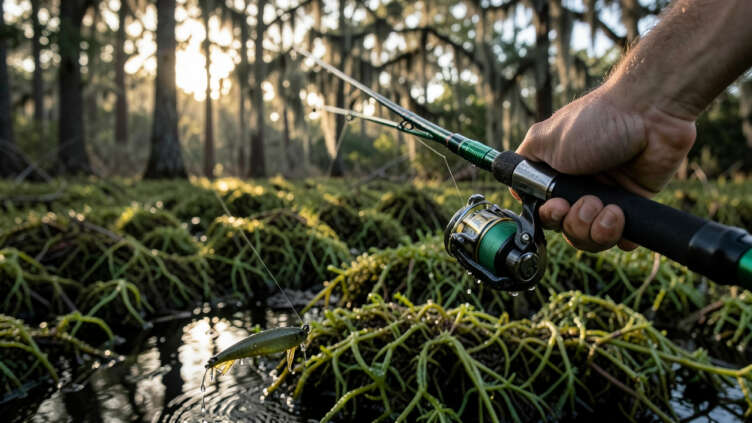
Bass love to hang out in heavy cover. It gives them protection from predators and a place to ambush prey. Think thick weed beds, fallen trees, and overhanging bushes.
These spots are goldmines for big bass, but only if you can get your bait to them. Traditional casting often fails here. It’s hard to be accurate and easy to get hung up.
A medium-heavy to heavy power rod provides the backbone needed to handle heavier lures and fight strong fish in cover.
Focus your flipping efforts on thick weed beds, fallen trees, and overhanging bushes—these are goldmines for big bass if you can get your bait to them.
Flipping is a specialized technique designed for these exact situations.
The core idea behind flipping is to control your bait with minimal casting motion. Instead of a full backswing and forward cast, you use a controlled pendulum action. This allows for incredible accuracy.
You can place your bait just inches from a target. This precision is what makes Flipping for Bass: Heavy Cover Precision Cast Tutorial so effective. It’s about getting your lure to the fish without alerting them or getting tangled.
Essential Gear for Flipping
Getting the right gear makes a big difference. You don’t need a whole new setup, but a few key items will help. The right rod, reel, and line are crucial for successful flipping.
They help you control the lure and manage the fish once it’s hooked.
Rod Selection
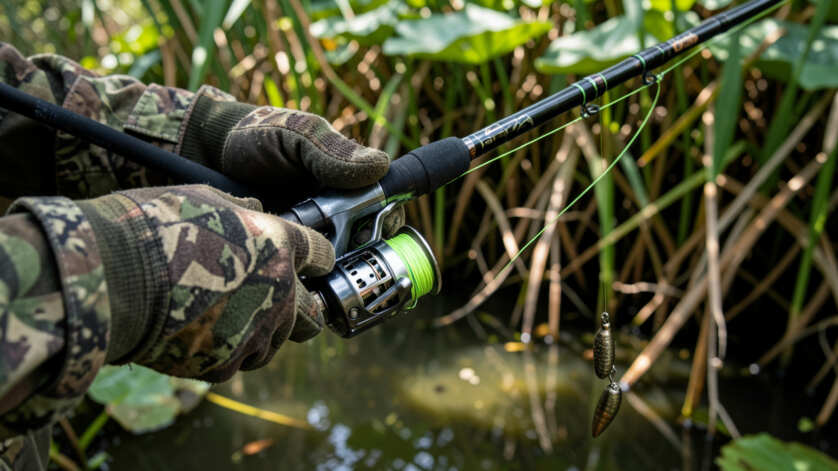
For flipping, you need a rod with some backbone. This means it should be stiff enough to handle heavier lures and fight strong fish. A medium-heavy to heavy power rod is usually best.
The length is also important. Most anglers prefer rods between 7 and 7.5 feet long. This length gives you good leverage.
It also helps keep the line off the water when you’re flipping. A shorter rod might seem easier, but it lacks the power and reach needed for effective flipping.
A gentle pendulum motion with your wrist is the secret to precise flipping.
Reel Choice
A baitcasting reel is generally preferred for flipping. They offer more control over line release. This is vital for precision.
Look for a reel with a good drag system. You’ll need to stop a powerful bass quickly. A reel with a lower gear ratio (like 5.x:1 or 6.x:1) can also be helpful.
This gives you more torque to pull fish out of cover.
Line Matters
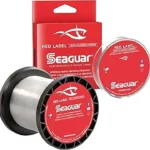
Braided line is the top choice for flipping in heavy cover. It has no stretch, which means you feel every bite and can set the hook instantly. Braided line also has incredible strength for its diameter.
This allows you to pull big fish out of thick weeds. A common line strength for flipping is 50-pound test or higher. Some anglers even go up to 80-pound test for the thickest cover.
Fluorocarbon line is another option, but braid is usually king for serious flipping.
Mastering the Flipping Technique
The actual technique for flipping is simpler than it looks. It takes practice, but once you get it, you’ll wonder why you didn’t learn it sooner. The goal is to control your lure’s movement with your wrist and arm.
The Setup
Start by holding your rod with your reel’s handle facing up. Grip the rod handle firmly. You’ll need to be able to move the reel up and down.
Reel in some line so that the lure is about 18-24 inches below the rod tip. This is your starting point. You don’t need a lot of line out.
The Pendulum Swing
First, pull the lure back towards the rod handle. Keep the lure close to the rod. Use your wrist to create a gentle pendulum motion.
The lure should swing away from you. Don’t let it swing too far. Just a few feet back is enough.
To succeed in different cover types, adapt your flipping approach by targeting edges and holes in weed beds.
Next, as the lure swings back, prepare to release it. You control the release with your thumb on the baitcasting reel. As the lure swings forward, ease pressure from your thumb.
This allows the lure to go where you want it. The key is a smooth, controlled release. You are not casting; you are guiding the lure.
Controlling Distance and Accuracy
Distance is controlled by how far you let the lure swing back. A bigger swing means a longer cast. A smaller swing means a shorter, more precise placement.
Accuracy comes from practice and a consistent motion. Aim at your target and guide the lure there. Many anglers find it helpful to keep their eyes locked on the target.
This helps with focus and precision.
The Flipping for Bass: Heavy Cover Precision Cast Tutorial is all about refinement. It’s about making small adjustments to hit those tiny pockets. You want to land your bait softly, right on the money.
This technique is a game-changer for fishing tight spots.

Targeting Specific Cover Types
Different types of cover require slight variations in your flipping approach. Understanding these nuances will help you succeed in various scenarios.
Weed Beds
When flipping weed beds, you want to target the edges and holes. Cast your bait so it lands on the edge of the weeds or drops into an open pocket. A soft landing is crucial.
This prevents the fish from being scared away. Use a weedless jig or a Texas-rigged worm. These setups are designed to slide through weeds without snagging.
Always ensure a soft, accurate landing to avoid spooking bass in heavy cover.
Fallen Trees and Brush Piles
These are classic bass hideouts. Flip your bait into the openings and around the branches. You need to be ready for an instant hookset.
Bass will often bite as soon as the bait hits the water. Keep your line tight and be prepared to fight the fish. You might need to pull them away from the structure quickly to avoid them breaking you off.
Docks and Overhangs
These spots offer shade and ambush points. Flip your bait directly under the dock or into the shadows of overhanging branches. The key here is stealth.
You don’t want to make a lot of noise or splash. A quiet entry is essential. This is where the precision of the Flipping for Bass: Heavy Cover Precision Cast Tutorial truly shines.
Common Mistakes and How to Avoid Them
Even with practice, you might run into some issues. Knowing these common mistakes can help you fix them quickly.
Snagging Your Lure
This is the most common problem. It happens when your bait catches on branches, weeds, or other structure. Using the right lures (weedless designs) and maintaining control of your line helps.
If you do snag, try to gently back your lure out. Sometimes wiggling the rod tip can free it. Avoid yanking hard, as this can make the snag worse.
Selecting the right lure, such as a flipping jig or Texas-rigged worm, is as important as mastering the technique.
Spooking the Fish
A loud splash or a poorly placed cast can scare bass away. This is why a soft, accurate landing is so important. Practice your pendulum swing to ensure a quiet entry.
Also, try to stay low and out of sight of the fish. This makes you less of a threat.
Line Management Issues
Bird’s nests (tangled line) on your baitcaster can ruin a fishing trip. Ensure your reel is properly set up for baitcasting. Practice thumb control to prevent overruns.
Keep your line organized on the reel. If you get a tangle, take a moment to fix it properly rather than just ripping through it.
Choosing the Right Lures for Flipping
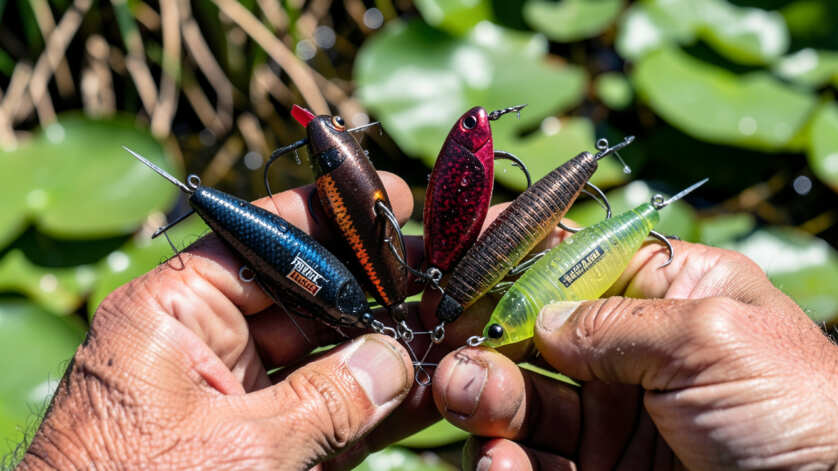
The lure you choose is just as important as your technique. Certain lures are designed for flipping and excel in heavy cover.
Jigs
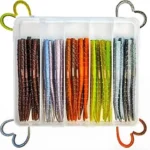
Flipping jigs are a staple for a reason. They are built to be weedless and have a compact profile. They come in many colors and weights.
You can add a trailer to give them more action. Bass love to eat jigs in cover.
Getting close to the cover without disturbing it is the first step to a successful flip.
Texas-Rigged Worms and Creature Baits
These are also very popular. A Texas rig uses a bullet weight and an offset hook. This makes the bait weedless.
You can rig them to be very sensitive or very bulky. Different shapes and sizes can imitate various prey.
Other Options
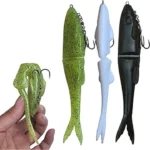
Some anglers also flip soft plastic craws or small creature baits. The key is that they are rigged weedless and have a good action. Experiment to see what works best in your local waters.
Putting It All Together: A Step-by-Step Approach
Let’s break down the process of a successful flip into simple steps. This will help you remember the key actions needed.
Know the key differences: flipping uses a pendulum swing for extreme precision, while pitching uses a short sidearm cast.
- Prepare your gear: Ensure your rod, reel, and line are ready. Check your bait for any snags or damage.
- Position yourself: Get close to the cover without disturbing it. Stay low and out of sight.
- Set your lure: Pull the lure back so it’s about 18-24 inches below the rod tip.
- Execute the swing: Use your wrist to swing the lure back gently.
- Control the release: As the lure swings forward, ease thumb pressure on the reel.
- Guide the lure: Aim and guide the lure to your target spot.
- Let it sink: Allow the lure to fall naturally into the cover.
- Feel for the bite: Keep your line tight and pay attention to any slack or pressure.
- Set the hook: If you feel a bite, set the hook with a sharp upward motion.
- Fight the fish: Keep your line tight and use your rod to control the fish. Pull it out of cover quickly.
Practicing these steps consistently will build your muscle memory. You’ll find that the Flipping for Bass: Heavy Cover Precision Cast Tutorial becomes second nature. Each successful cast builds confidence for the next one.
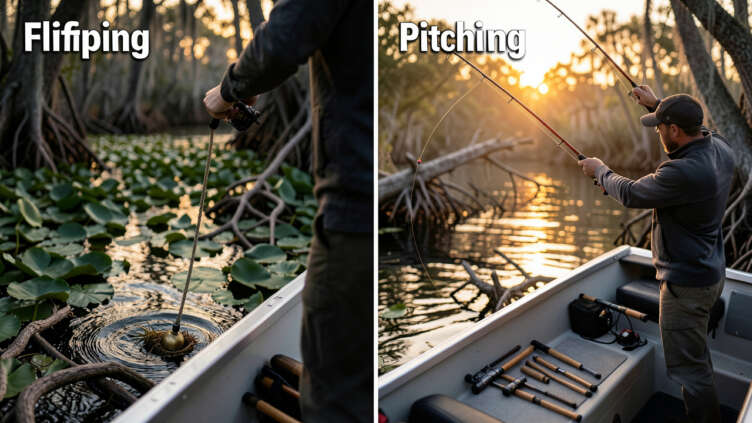
Comparison: Flipping vs. Pitching
Many anglers confuse flipping and pitching. While both are used for close-range casting into cover, they have key differences. Understanding these can help you choose the right technique.
Both techniques are valuable for fishing heavy cover. Mastering Flipping for Bass: Heavy Cover Precision Cast Tutorial gives you an edge in the tightest spots. Pitching is useful when you need a bit more distance and can handle slightly less confined areas.
Practice Tips for Improvement
The best way to get good at flipping is to practice. You don’t always need to be on the water.
Off-Water Practice
Find an open field or backyard. Use a practice plug or a weightless lure. Work on your pendulum swing and release.
Aim at targets like buckets or hula hoops. This helps build muscle memory without the pressure of fishing.
On-Water Drills
When you’re on the water, dedicate some time to practicing. Find a safe spot with minimal cover. Work on your accuracy and distance control.
Try to land your lure in small circles or specific points. Gradually move to more challenging cover.
Review Your Technique
If possible, have a friend film you. Watch yourself to see where you can improve. Are you using too much arm motion?
Is your thumb control consistent? Small adjustments can make a big difference.
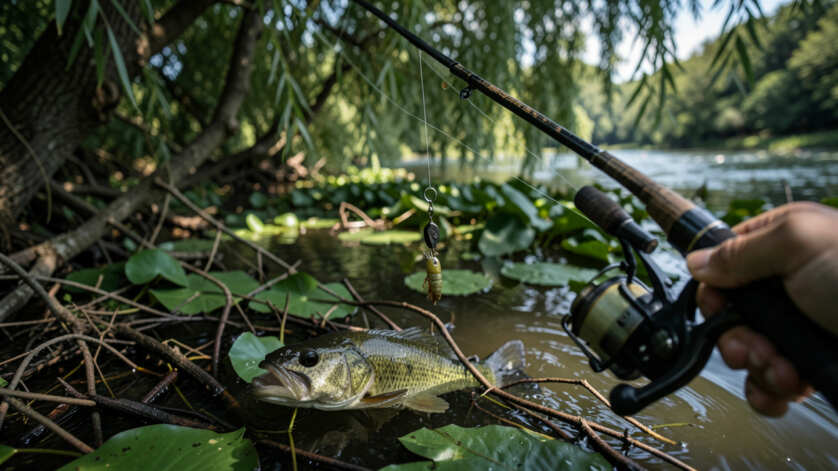
When to Use Flipping
Flipping is not just for any situation. It’s best used when:
- Bass are holding tight to heavy cover.
- You need to place your bait precisely in a small opening.
- You want to present your bait with a stealthy, natural entry.
- You are fishing in shallow water where a long cast is not needed.
Understanding when to deploy this technique is part of becoming a skilled angler. The Flipping for Bass: Heavy Cover Precision Cast Tutorial is about knowing the right tool for the right job.
Frequently Asked Questions
Question: What is the best rod length for flipping?
Answer: Most anglers prefer flipping rods between 7 and 7.5 feet long. This length provides good leverage and control for precise casts.
Question: Should I use braid or monofilament line for flipping?
Answer: Braided line is generally recommended for flipping due to its strength, lack of stretch, and abrasion resistance, which is crucial in heavy cover.
Question: How do I avoid getting snagged when flipping?
Answer: Use weedless lures, maintain line control, and practice a smooth casting motion. If you get snagged, try to gently work the lure free before yanking.
Question: Can I flip with a spinning rod and reel?
Answer: While a baitcasting reel is preferred for its control, you can adapt some flipping techniques with a spinning setup, though it’s less precise.
Question: What weight lure is best for flipping?
Answer: The best weight depends on the cover and conditions, but 1/4 ounce to 1 ounce jigs and Texas-rigged baits are common.
Question: How far can I effectively flip?
Answer: Flipping is primarily a short-range technique, typically effective from a few feet up to about 30 feet, focusing on precision over distance.
Final Thoughts
Mastering the Flipping for Bass: Heavy Cover Precision Cast Tutorial opens up new fishing opportunities. It allows you to reach bass that others miss. Practice these techniques to improve your accuracy and confidence.
You’ll soon be pulling more fish out of the toughest spots.



3 Comments