



Reading Surface Activity For Bass: Boils, Swirls, And Wakes
Reading surface activity for bass—boils, swirls, and wakes—enables anglers to identify where and how bass are feeding without relying on electronics. Boils and explosions indicate aggressive feeding on baitfish near the surface, often during frenzies. Swirls reveal subtle subsurface movements, often from larger bass turning to feed, while wakes signal a bass cruising just below the surface. Recognizing these signs and matching your lure to the specific behavior improves catch rates by targeting the exact feeding mode and depth.
When you’re out on the water hoping to catch some bass, seeing what’s happening on the surface can tell you a lot. It’s like getting a secret message from the fish. Learning about Reading Surface Activity for Bass: Boils, Swirls, and Wakes helps you understand where the fish are and what they’re doing.
This knowledge can lead to more bites and bigger catches. We’ll show you how to spot these signs and use them to your advantage, turning a good fishing trip into a great one.
Key Takeaways
- You’ll learn to recognize different types of surface activity bass create.
- Discover how to tell what the bass are feeding on by looking at surface signs.
- Understand how water conditions affect bass surface behavior.
- Learn which fishing lures work best when you see specific surface actions.
- Gain confidence in finding and catching bass by interpreting their surface cues.
- Improve your overall fishing success by mastering the art of reading the water.
Spotting Bass Feeding Frenzies: Boils and Explosions
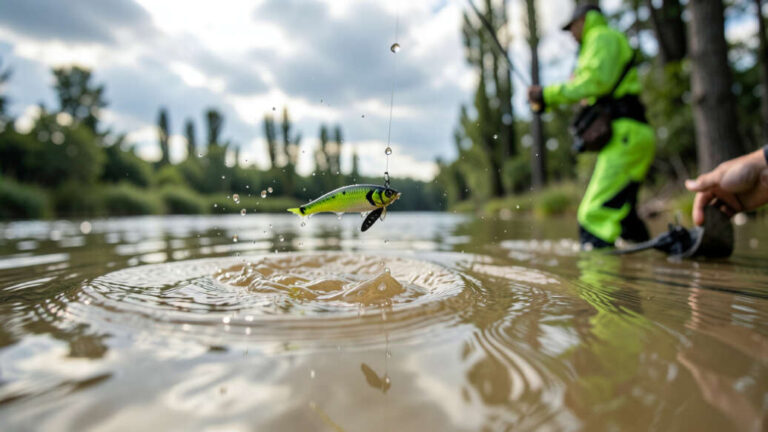
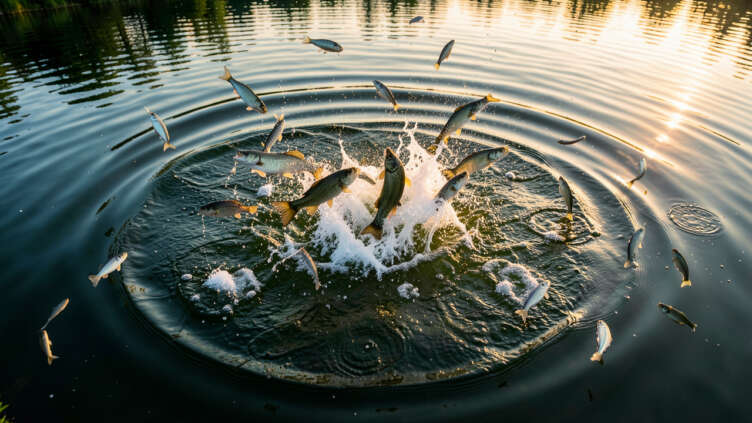
Bass are often very active feeders. When they chase baitfish, they can create dramatic events on the water’s surface. These are often called “boils.” A boil is a sudden, often violent, disturbance on the water.
It looks like a pocket of air or water erupting from below. This usually means a bass has just struck a baitfish or other prey near the top.
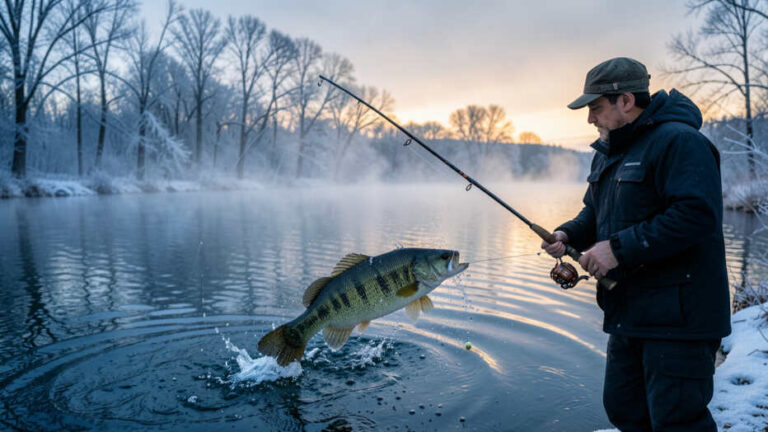
When you see a boil, it’s a strong indicator that bass are present and actively feeding. The size and intensity of the boil can sometimes give you clues about the size of the bass involved. A large, splashing boil might suggest a bigger fish.
Small, quick boils could mean smaller bass or a school of them feeding on tiny bait.
These boils are exciting to witness. They are your direct signal that fish are biting. It’s a prime opportunity to cast your lure towards the disturbance.
A large, splashing boil often signals a bigger bass, while smaller, quicker boils may indicate smaller fish or a school feeding on tiny bait.
Quick reactions are key here. The fish might move on quickly after a strike. Therefore, Reading Surface Activity for Bass: Boils, Swirls, and Wakes is critical for capitalizing on these moments.
The type of prey being chased can also influence the boil. If bass are chasing small minnows, the boils might be smaller and more numerous. If they’re after larger baitfish, the boils could be bigger and more spaced out.
Understanding this helps you choose the right lure. You want to match the size and type of bait the bass are targeting.
Sometimes, a boil isn’t just a single eruption. It can be a series of rapid strikes. This is often called “blitzing.” It means the bass are working together or are in a very aggressive feeding mood.
This is a fantastic time to fish. You can often catch multiple fish in a short period when this happens. Mastering Reading Surface Activity for Bass: Boils, Swirls, and Wakes means you won’t miss these chances.

Following the Trail: The Subtle Art of Swirls
Not all surface activity is as dramatic as a boil. Sometimes, bass create more subtle signs. Swirls on the water’s surface are one of these.
A swirl is a circular motion of water. It often happens when a bass is moving just below the surface. It can indicate a fish is cruising, investigating, or making a less aggressive strike.
Swirls can mean different things depending on the context. A single, gentle swirl might mean a bass is moving to investigate your lure. It could also mean a fish is pushing baitfish towards the surface without fully committing to a strike yet.
If you see a swirl, it’s a good idea to watch it closely. Sometimes, a boil or a missed strike follows.
Multiple small swirls can indicate a school of bass moving through an area. They might be herding baitfish. In this case, casting your lure into the general area of the swirls can be effective.
The speed and size of a swirl reveal the bass’s intention: fast swirls suggest aggressive strikes, while slow ones indicate investigation or less aggressive feeding.
It’s about putting your bait in the path of the moving fish. This is a key part of Reading Surface Activity for Bass: Boils, Swirls, and Wakes.
The speed and size of the swirl are important. A slow, wide swirl might suggest a larger, lazier fish. A series of quick, small swirls could point to smaller, more active bass.
This information helps you decide on your lure choice and retrieve speed. You want to match the mood and size of the fish you suspect are present.
Swirls are often seen when bass are targeting slower-moving prey. Think about things like crawfish or slower baitfish. They might also appear when bass are simply patrolling their territory.
Observing these subtle signs allows you to adjust your strategy. It helps you understand the fish’s behavior even when they aren’t making a big splash. Effective Reading Surface Activity for Bass: Boils, Swirls, and Wakes means paying attention to these finer details.

The Big Understanding Wakes
Wakes are another important sign of bass activity. A wake is the V-shaped trail of disturbed water left behind a moving object. For bass, a wake usually means a fish is swimming.
The size and shape of the wake tell you a lot about the fish.
A large, distinct wake often indicates a big bass moving. The bigger the fish, the more water it displaces. This creates a more noticeable wake.
If you see a big wake moving with purpose, it’s likely a good-sized bass. You might want to cast your lure in front of it or let it pass and then cast behind it.
A series of smaller wakes can mean a school of bass is moving together. They might be traveling to a new feeding spot or following bait. When you see these, it’s often best to cast to the edges of the group.
You want to intercept fish that might be trailing or separated slightly. This is where Reading Surface Activity for Bass: Boils, Swirls, and Wakes truly pays off.
A large, distinct wake often indicates a big bass moving with purpose, making it a prime target for a well-placed cast.
The speed of the wake is also telling. A fast wake suggests the fish is moving quickly, perhaps chasing prey or fleeing danger. A slow wake might mean the fish is cruising or not actively hunting.
This helps you decide how to present your lure. A fast retrieve might be best for a fast wake, while a slower, more methodical approach might work for a slow one.
Sometimes, you might see a wake that seems to stop or change direction suddenly. This can indicate the fish has spotted something. It might be your lure, or it might be prey.
It’s a sign that the fish is aware and potentially interested. This is a critical moment in Reading Surface Activity for Bass: Boils, Swirls, and Wakes. You need to react appropriately.
One key aspect of understanding wakes is differentiating them from other water disturbances. You need to be sure it’s a fish. Wind can create ripples that look like small wakes.
Waves from boats can also be confusing. Learning to identify true bass wakes takes practice and observation.

Context is King: What Else to Look For
Reading Surface Activity for Bass: Boils, Swirls, and Wakes is more effective when you consider the whole picture. The surface signs are clues, but they don’t tell the whole story alone. You need to combine what you see on the water with other environmental factors.
One of the most important factors is bait. Where is the baitfish? Bass are always looking for an easy meal.
If you see boils or wakes near a school of shad or minnows, you know the bass are likely there for a reason. Look for signs of bait activity, like nervous water or splashing.
Water temperature plays a big role. Bass are more active when the water is in their preferred temperature range. In warmer months, they might feed more aggressively near the surface.
In cooler months, surface activity might be less common, but still possible.
Time of day is also significant. Bass often feed most actively during low-light conditions. This includes early morning and late evening.
Combine surface signs with baitfish activity; boils or wakes near shad or minnows confirm bass are feeding, helping you predict movement and positioning.
You’re more likely to witness boils and wakes during these periods. However, aggressive feeding can happen at any time if the conditions are right.
The type of structure or cover you are fishing near matters. Bass often relate to points, drop-offs, weed lines, or submerged objects. If you see surface activity near these areas, it’s a strong signal that bass are using that structure for hunting or hiding.
You can use this to predict where fish might be.
Consider the weather. Overcast days can sometimes lead to more surface feeding. Changes in barometric pressure can also influence fish behavior.
A storm approaching can sometimes trigger a feeding frenzy. Always pay attention to the weather and how it might affect the bass’s mood and location.
By combining your observations of Reading Surface Activity for Bass: Boils, Swirls, and Wakes with these other factors, you create a much clearer picture. You can better predict where the fish are and what they are doing. This leads to more informed casting and a higher chance of success.
Matching Your Lure to the Surface Signs
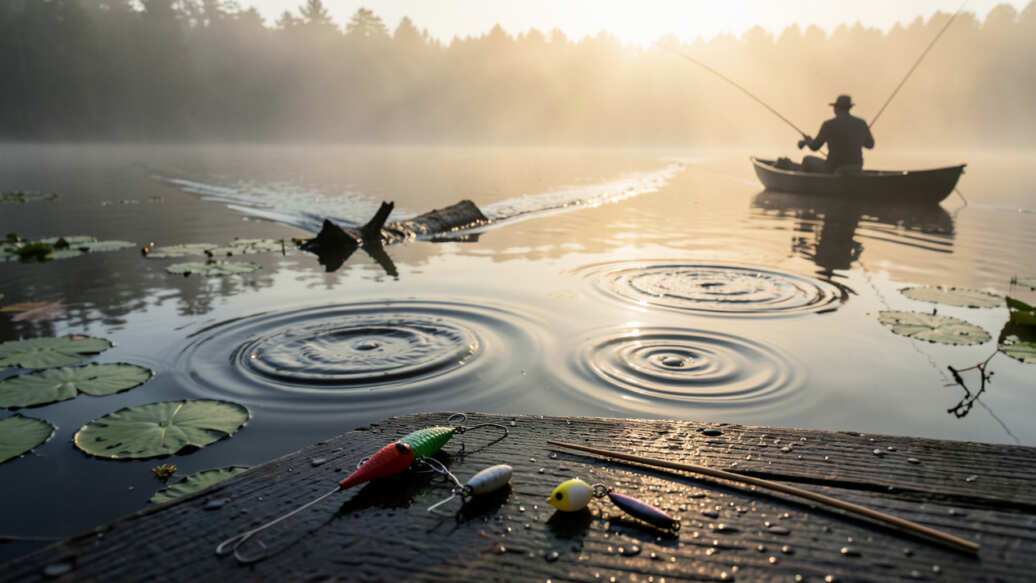
Once you’ve observed surface activity, the next step is choosing the right lure. Your lure choice should be influenced by what you’re seeing on the water. This is where Reading Surface Activity for Bass: Boils, Swirls, and Wakes directly impacts your fishing tactics.
For boils and aggressive feeding, topwater lures are often the best choice. These lures are designed to be fished on the surface. They mimic baitfish that are being attacked.
Examples include:
- Poppers: These create a popping or chugging sound and splash. This attracts bass from a distance, mimicking a wounded baitfish.
- Walk-the-dog lures: These lures sashay back and forth on the surface with a rhythmic cadence. They can imitate a fleeing baitfish.
- Prop baits: Lures with propellers on the front or back create commotion and disturbances. They are great for covering water and triggering strikes.
- Surface frogs/buzzbaits: These are ideal for fishing over vegetation. They create a lot of noise and disturbance, drawing aggressive strikes.
When you see swirls, it might mean the bass are a bit more hesitant or the bait is moving slower. In these cases, you might still use topwater, but with a different approach. A slow retrieve on a popper or a subtle walk-the-dog action can be very effective.
Sometimes, a lure that sits on the surface and just twitches can work wonders.
If you’re seeing wakes, especially larger ones, it suggests a bass is moving. You have a few options. You could try a topwater lure that matches the speed of the wake.
Avoid aggressive retrieves when you see subtle surface signs; a slow popper or gentle walk-the-dog action often triggers strikes from less active bass.
Or, you might choose a subsurface lure that mimics the prey they might be chasing. A jerkbait or a swimbait fished just below the surface can be deadly.
Consider the size of the bait being attacked. If the boils and swirls suggest small baitfish, then smaller lures are appropriate. If larger prey seems to be the target, you’ll want to use larger lures.
This is a fundamental principle of lure selection.
Sometimes, bass will hit the surface and miss. This is a crucial point in Reading Surface Activity for Bass: Boils, Swirls, and Wakes. If a bass misses your topwater lure, don’t give up.
Often, it will come back for another try. You can either cast again to the same spot or switch to a subsurface lure. A soft plastic worm or a fluke fished in the same area can pick up those hesitant biters.
Here’s a quick guide:
Being able to interpret what the bass are doing on the surface and then select the right lure is a powerful skill. It separates anglers who just cast and hope from those who actively fish with intention. This skill is built on solid Reading Surface Activity for Bass: Boils, Swirls, and Wakes.

When to Expect Surface Action
While bass can be active on the surface at any time, certain conditions make it more likely. Understanding these times can help you plan your fishing trips for maximum success.
First, the early morning and late evening are prime times. Bass often feed heavily during dawn and dusk. Light levels are lower, making them feel more secure chasing prey near the surface.
You’ll often see more boils and wakes during these periods.
Second, overcast or cloudy days can be excellent for surface activity. The diffused light makes bass less wary of being exposed on the surface. They may feed more confidently throughout the day.
Dawn, dusk, and overcast days are prime for surface activity, but remember these are general guidelines—bass can surprise you at any hour.
Next, periods of low barometric pressure, often preceding a storm, can trigger aggressive feeding. Bass seem to sense the change in weather and get fired up to eat before conditions become unfavorable.
Then, when baitfish are actively schooling near the surface, bass are sure to follow. Look for signs of bait activity. This could be splashing, nervous water, or birds diving.
Where the bait is, the bass will often be.
Finally, in the warmer months, especially during spring and summer, bass tend to move higher in the water column. This is when topwater fishing is at its peak. The water temperature is ideal for their metabolism and activity levels.
It’s important to remember that these are general guidelines. Bass are adaptable. You can still have great surface action on bright, sunny afternoons or during cold fronts.
The key is to always be observant and ready to react to any signs you see. Consistent Reading Surface Activity for Bass: Boils, Swirls, and Wakes will help you find those unexpected feeding windows.
Frequently Asked Questions
What is the most common type of surface activity for bass?
The most common types are boils, which are sudden eruptions from below, and swirls, which are circular disturbances indicating movement just under the surface.
How can I tell if a surface disturbance is a bass?
Look for consistent patterns, V-shaped wakes, or multiple disturbances in a likely bass feeding area. Context like bait presence and time of day also helps confirm it’s a bass.
Should I always cast to a boil?
Yes, casting towards a boil is usually the best immediate action. Bass are often striking prey, and your lure can either intercept the bait or entice a follow-up strike from the bass.
What should I do if a bass misses my topwater lure?
Try pausing your retrieve or twitching the lure slightly. If it misses again, consider switching to a subsurface lure like a soft plastic worm or a fluke fished in the same area.
How does wind affect Reading Surface Activity for Bass: Boils, Swirls, and Wakes?
Wind can make it harder to see subtle signs like swirls and wakes. It can also create ripples that mimic fish activity. Focus on calmer areas or periods if possible, and look for larger, more distinct disturbances.
Can I see surface activity in dirty water?
Surface activity can still occur in dirty water, but it may be less visible. Bass might still feed aggressively near the surface, creating boils or wakes that you can detect by sound or feel. You might rely more on other cues like bait location.
Final Thoughts
Learning to interpret what’s happening on the water’s surface is a game-changer for bass fishing. By understanding boils, swirls, and wakes, you gain valuable insights into bass behavior. This knowledge helps you choose the right lures and present them effectively, leading to more successful fishing trips.