
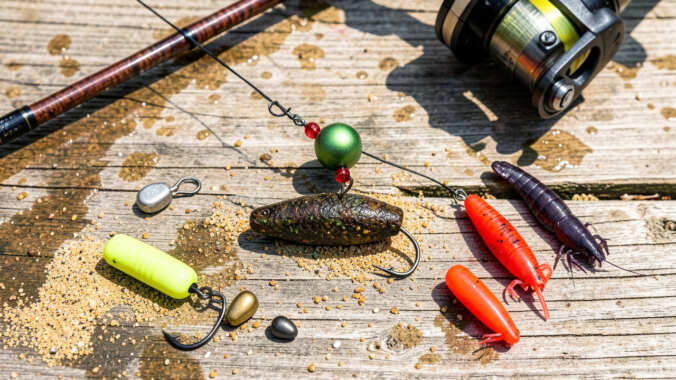
Texas Rig For Bass: Setup, Sinker Choice, And Best Plastics
The Texas rig is a weedless bass fishing setup that uses a sliding bullet sinker, an offset hook, and a soft plastic bait. Successful deployment depends on selecting the correct sinker weight for depth and cover, and matching the plastic profile to the bass's forage. The rig's versatility allows anglers to fish dense cover and various water depths effectively.
Catching more bass is a goal for many anglers, and knowing the right way to present your bait makes a huge difference. Getting your lure to look natural and move just right in the water can mean the difference between a slow day and a fish-filled one. This guide focuses on the Texas Rig for Bass: Setup, Sinker Choice, and Best Plastics.
We’ll show you how to put together this effective rig and pick the best gear to fool those wary bass. Mastering this technique will help you find more fish in various conditions.
Key Takeaways
- Learn the essential components for a perfect Texas Rig for Bass: Setup, Sinker Choice, and Best Plastics.
- Understand how different sinker weights affect your lure’s action and depth.
- Discover the most effective plastic lure shapes and colors for bass.
- Master the proper way to rig your plastics for weedless presentation.
- Know when and where to use a Texas Rig for Bass: Setup, Sinker Choice, and Best Plastics for maximum success.
- Improve your bass fishing results by fine-tuning your Texas Rig approach.
Why the Texas Rig is a Bass Fishing Staple
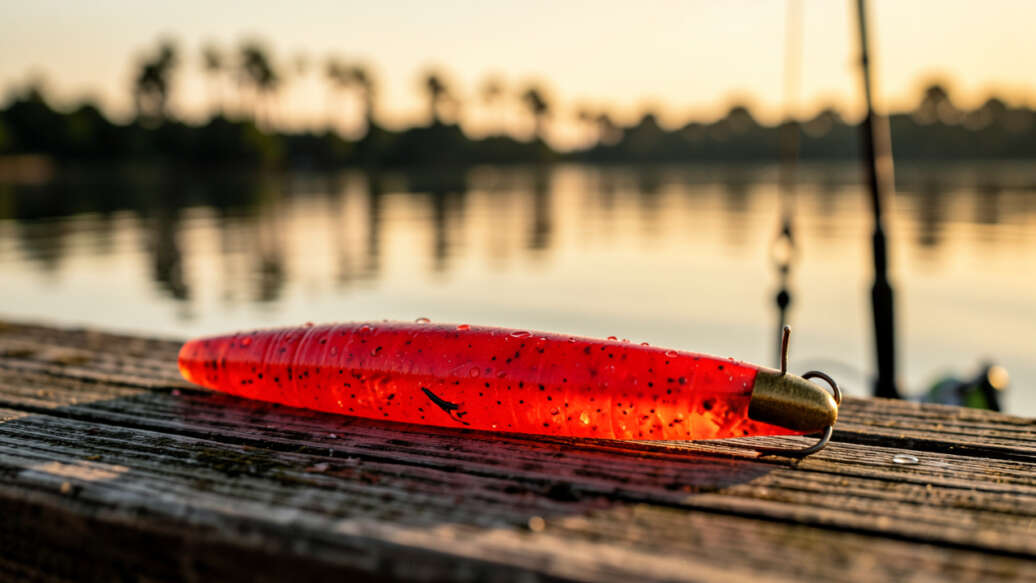
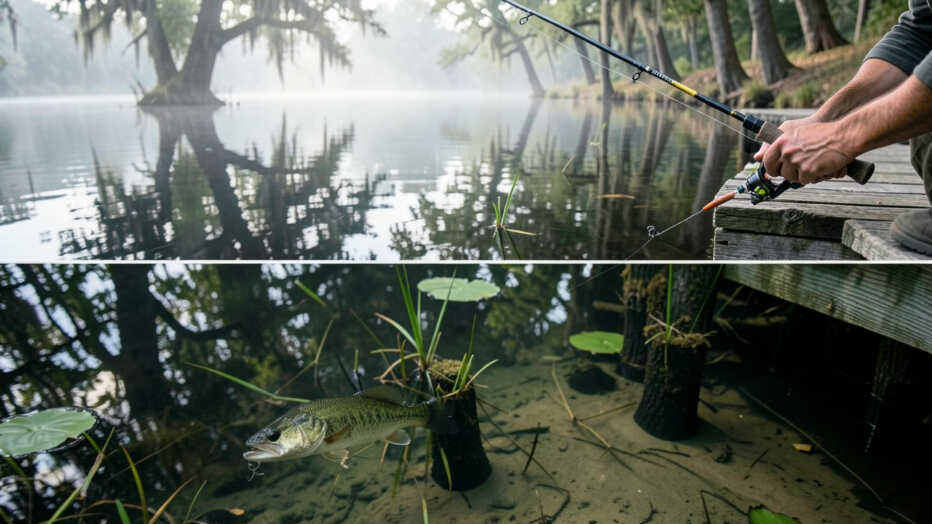
The Texas Rig for Bass: Setup, Sinker Choice, and Best Plastics is a go-to for a reason. It’s incredibly versatile. You can fish it through thick cover like weeds and lily pads without getting snagged.
The success of a Texas Rig hinges on balancing a quality hook, appropriate weight, and a soft plastic to achieve a natural lure appearance.
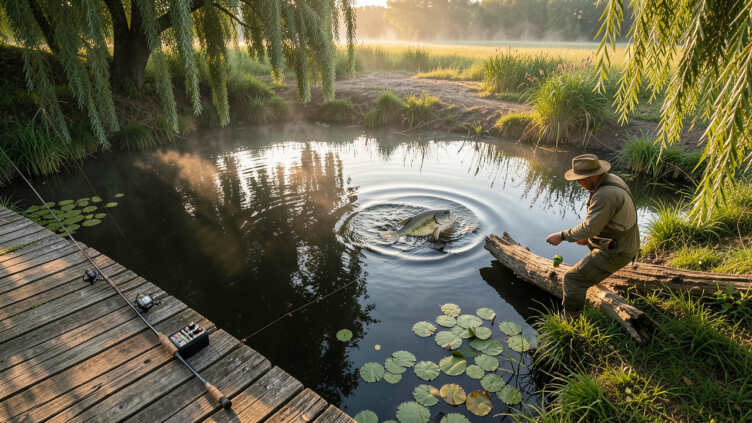
Fish the Texas Rig through dense weeds and lily pads without snagging, putting your bait exactly where bass hide.
This allows you to present your bait right where bass like to hide. It’s a simple setup that consistently catches fish. Understanding its nuances helps you adapt to different fishing situations.
This rig is a fundamental skill for any serious bass angler.
Building Your Perfect Texas Rig
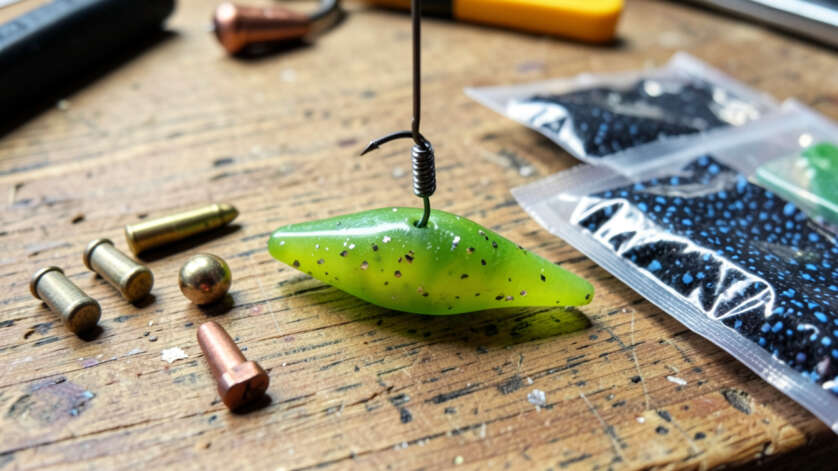
Putting together a successful Texas Rig is straightforward. You need a few key items to make it work. A good hook, the right weight, and a soft plastic lure are essential.
Getting the balance right means the lure looks natural. This is crucial for fooling pressured bass. Let’s break down each part of the Texas Rig for Bass: Setup, Sinker Choice, and Best Plastics.
Choosing the Right Hook
The hook is your direct connection to the bass. For a Texas Rig, you want a worm hook. These hooks have a wide gap.
This wide gap is important for ensuring solid hooksets, especially with thicker plastic baits. Look for hooks that are sharp and strong. They need to penetrate the bass’s tough mouth.
Hooks come in various sizes, usually from 1/0 to 5/0 or even larger. The hook size depends on the size of your plastic bait and the size of the bass you’re targeting.
First, consider the plastic bait you’re using. A larger bait needs a larger hook. A small bait might get lost on a big hook.
A good rule of thumb is to match the hook gap to the width of your bait. The hook point should be able to lie flush with the bait’s body. This is key for a weedless presentation.
Some worm hooks have a bait keeper on the shank. These keepers help keep your plastic bait from sliding down the hook. This is a small feature but can save you a lot of re-rigging.
The Importance of the Sinker
The sinker, often called a bullet weight, is what gets your bait down. It also helps the bait fall naturally. The weight you choose significantly impacts how your lure behaves.
It affects how fast it sinks and how it moves through the water. For the Texas Rig for Bass: Setup, Sinker Choice, and Best Plastics, sinker choice is critical.
Weights range from very light, like 1/16 ounce, to quite heavy, like 1 ounce or more. Lighter weights (1/16 to 1/4 ounce) are good for shallow water or when bass are finicky. They create a slower, more natural fall.
Proper skin hooking buries the point just below the plastic’s surface, keeping the rig weedless while ensuring solid hook penetration on the strike.
This can entice hesitant bites. Heavier weights (3/8 to 1 ounce) are better for deeper water or strong currents. They help you cast further and get your bait down quickly.
They also allow you to maintain contact with the bottom in windy conditions.
Consider the cover you are fishing. Thicker cover might require a heavier weight to punch through. This helps your bait reach the bass hiding below.
A weight that is too light might just float on top of weeds. A weight that is too heavy can make your bait fall unnaturally fast. This can scare fish away.
So, experiment with different sinker sizes to find what works best for your specific situation.
Selecting the Best Plastics
Soft plastic lures are the heart of the Texas Rig. There are countless shapes, sizes, and colors available. Each type of plastic has its own strengths.
Knowing which ones to use can boost your success. The Texas Rig for Bass: Setup, Sinker Choice, and Best Plastics discussion wouldn’t be complete without covering bait choices.
Common Plastic Shapes and Their Uses
Some of the most popular plastic shapes for bass fishing include:
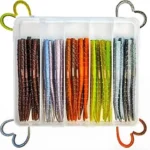
- Worms: These are classic. They come in many lengths and actions. Senko-style baits, ribbon-tail worms, and straight-tail worms are all effective. They work well when dragged slowly along the bottom.
- Crawfish/Creature Baits: These baits mimic natural prey like crawfish. They have appendages that create a lot of action. They are great for triggering reaction strikes.
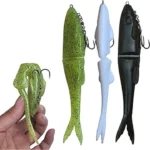
- Flukes/Swimbaits: These are baitfish imitations. They can be rigged to dart and flutter enticingly. They are good for covering water and finding active fish.
- Grubs: Small and versatile, grubs can be rigged alone or as trailers. They add a subtle action to your lure.
Color Choices Matter
The color of your plastic lure is very important. It often depends on the water clarity and the forage base. In clear water, natural colors like green pumpkin, watermelon, or brown often work best.
These mimic common prey like crawfish and smaller baitfish. In stained or muddy water, brighter colors like chartreuse, white, or black can be more visible. Sometimes, a contrasting color can help bass locate your lure.
Don’t be afraid to try different colors based on what you see in the water or what the bass are feeding on.
Rigging Your Texas Rig for Weedlessness
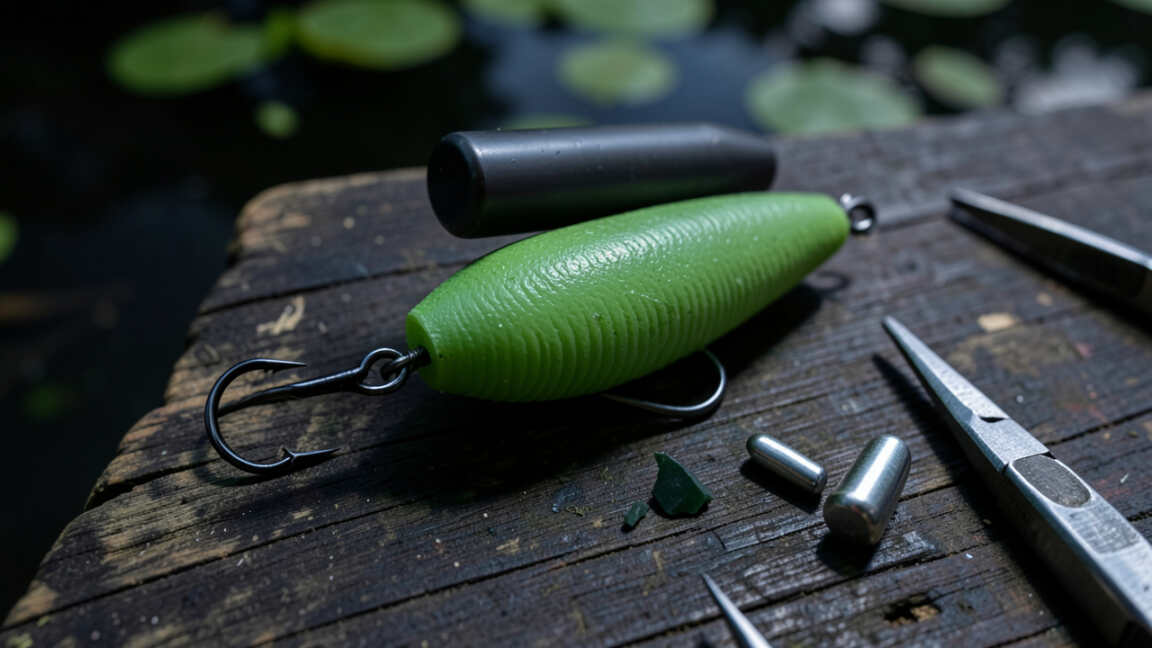
The key advantage of a Texas Rig is its weedless nature. This means you can cast your bait into dense cover without snagging. Proper rigging is essential for this.
It ensures the hook point is hidden within the plastic bait. This prevents it from catching on weeds, wood, or other underwater obstacles.
First, thread your sinker onto the fishing line. Slide it down until it rests against the hook eye. Next, take your hook and insert the point into the nose of your plastic bait.
Go about a quarter-inch into the bait. Then, push the hook point through the bait’s body. You want the hook to exit the bait on its underside.
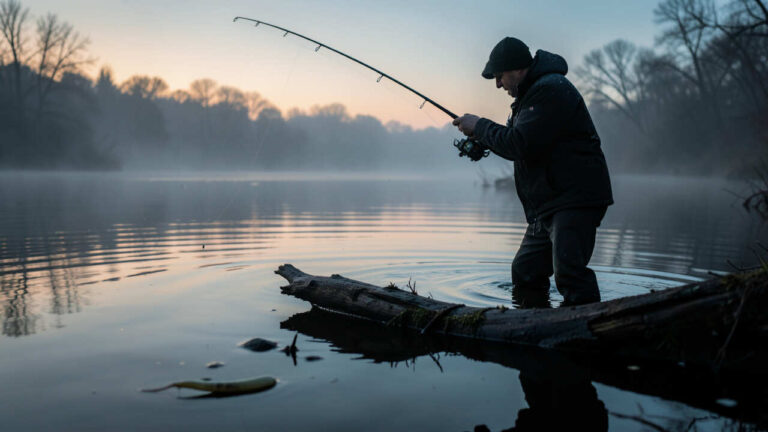
Use short, sharp rod twitches to make the Texas Rig dart erratically, triggering reaction strikes from bass in cover.
This is usually the side facing the bottom when you’re fishing.
Then, slide the bait down the hook shank until it is snug against the sinker. This is where the hook’s bend comes into play. You want to bury the hook point back into the plastic bait.
This is called “skin hooking” or “burying the hook.” The hook point should be just barely under the surface of the plastic. It should not stick out at all. This ensures it is completely weedless.
When a fish bites, the hook will easily pull free from the plastic and into the fish’s mouth. This rigging method is critical for success in heavy cover. A well-rigged Texas Rig allows you to fish areas others can’t.
This often means finding unpressured bass. The Texas Rig for Bass: Setup, Sinker Choice, and Best Plastics hinges on this weedless aspect.
When and Where to Throw a Texas Rig
The Texas Rig is incredibly versatile. It shines in many different fishing scenarios. You can use it year-round for bass.
Understanding the best times and places can significantly improve your catch rate.
Fishing in Cover
This is where the Texas Rig truly excels. Bass love to hide in and around cover. This includes:
- Weed beds: Dense mats of aquatic vegetation.
- Cypress trees and fallen timber: Submerged logs and branches.
- Docks and boat houses: Structures that offer shade and hiding places.
- Rock piles: Areas with plenty of crevices for fish to ambush prey.
You can work your bait through the cover without constant snags. This puts your bait right in front of the fish.
Depth and Water Conditions
The sinker weight you choose dictates the depth. Lighter weights are for shallow areas or when bass are suspended. Heavier weights are for deeper water or when bass are on the bottom.
In stained water, a slightly faster fall can help bass locate your lure. In clear water, a slower, more natural fall is often preferred. Pay attention to the conditions.
Selecting the wrong sinker weight can ruin the fall rate and cover penetration; match weight to depth and cover for a natural presentation.
Adjust your weight and lure accordingly. The Texas Rig for Bass: Setup, Sinker Choice, and Best Plastics needs adaptation.
Retrieving Your Texas Rig
There are several ways to retrieve a Texas Rig. The most common is a simple drag and pause. Cast your bait out, let it sink to the bottom.
Then, slowly drag it along the bottom with your rod tip. Pause often. Let the bait sit motionless for a few seconds.
Bass will often strike when the bait is not moving. You can also try a hopping retrieve. Lift your rod tip to move the bait, then let it fall back down.
For fluke-style baits, a twitching retrieve can be very effective. Give your rod tip short, sharp twitches to make the bait dart erratically. Experiment with different retrieve speeds and styles.
See what triggers bites on any given day. Bass behavior can change quickly.
Comparing Texas Rig Weights and Their Effects
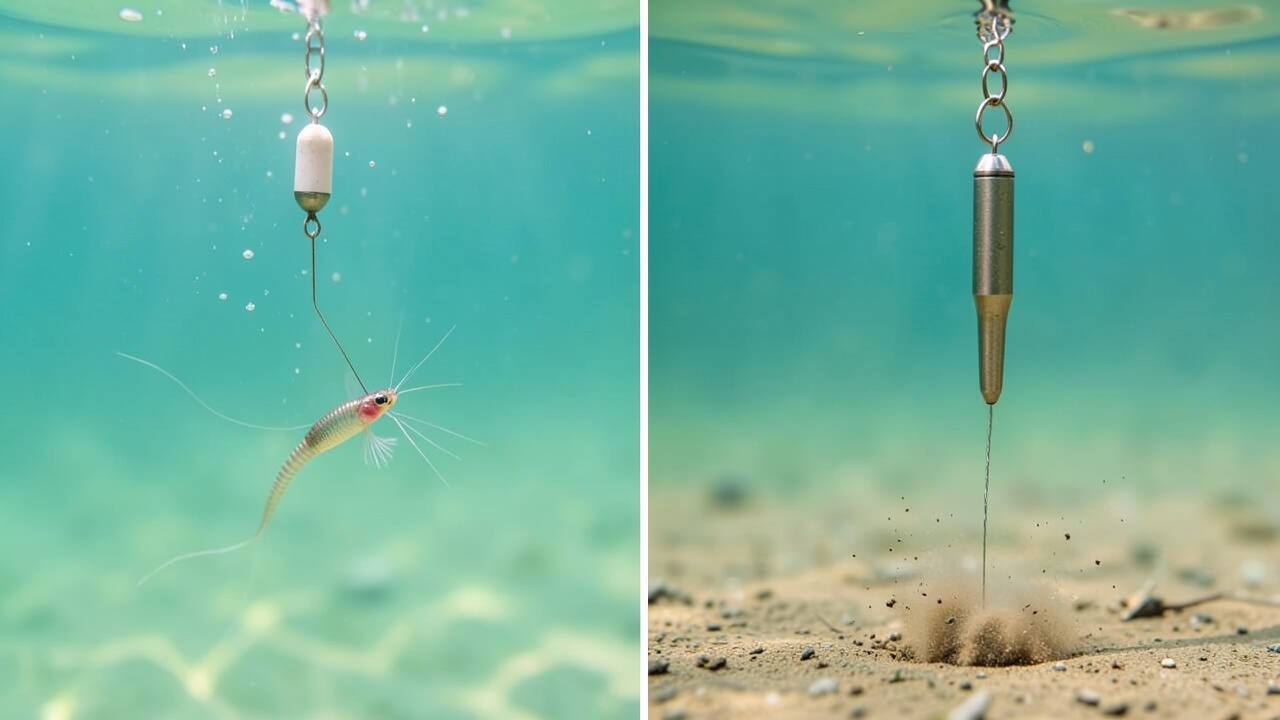
Choosing the right sinker weight is a critical part of the Texas Rig for Bass: Setup, Sinker Choice, and Best Plastics. It directly influences how your lure behaves in the water. Here’s a quick look at how different weights perform.
As you can see, the weight is not just about getting your bait down. It’s about controlling the lure’s action. A lighter weight might let your plastic bait hover or flutter more.
Many anglers fail to fully bury the hook point or use an incorrect sinker weight, leading to snags and missed fish.
This can be very appealing. A heavier weight will make it plunge straight down. This can be good for getting through thick vegetation quickly.
Mastering the Texas Rig for Bass: Setup, Sinker Choice, and Best Plastics involves understanding these weight dynamics.
Common Mistakes to Avoid with Texas Rigs
Even with a simple setup like the Texas Rig, anglers can make mistakes. Avoiding these common errors will help you catch more bass.
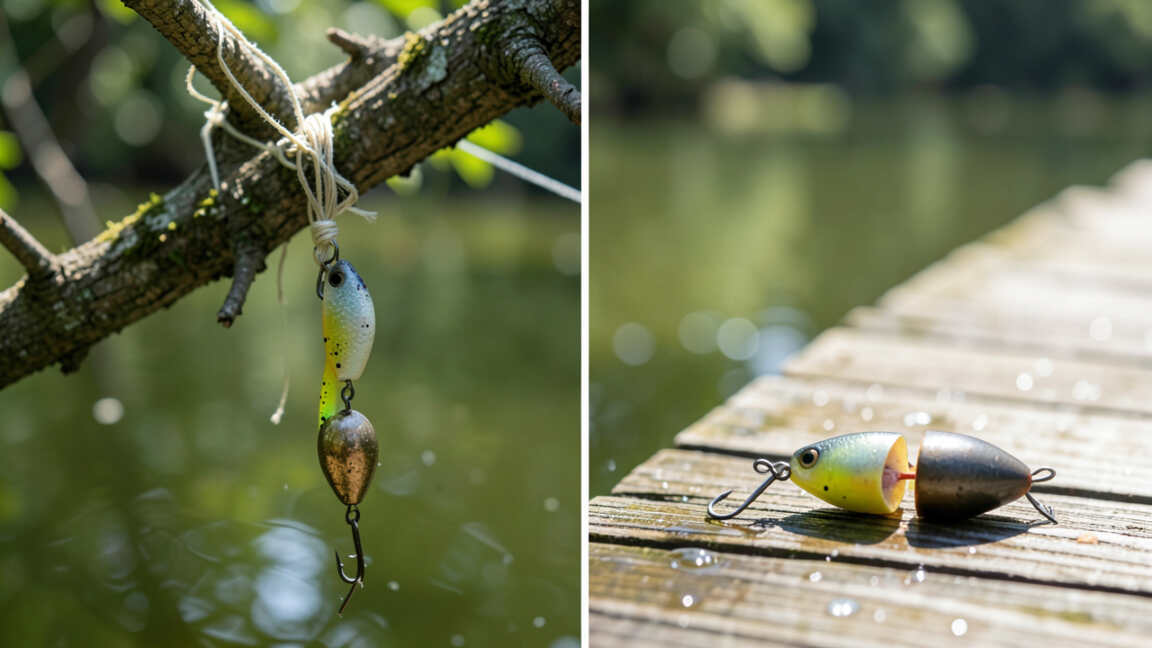
- Rigging Incorrectly: Not burying the hook point is the most common mistake. This leads to snags and missed fish. Ensure the hook point is flush with the plastic.
- Wrong Sinker Weight: Using a weight that is too light for the depth or cover. This can cause your bait to get hung up or not reach the fish. Conversely, too heavy a weight can make the fall unnatural.
- Ignoring Water Conditions: Not adapting your lure color or weight to the water clarity or depth. Bass are opportunistic, but they also need to see or feel your bait.
- Improper Hookset: When you feel a bite, don’t just yank. Pull back firmly and smoothly. Ensure the hook penetrates the bass’s jaw. Sometimes a slight pause before the hookset can be beneficial.
- Not Moving the Bait Enough (or Too Much): Bass are often caught on a dead-sticked bait. But sometimes they want more action. Learn to vary your retrieve.
Paying attention to these details can make a significant difference in your success with the Texas Rig for Bass: Setup, Sinker Choice, and Best Plastics.
Frequently Asked Questions
What is the best plastic lure for a Texas Rig?
The best plastic lure depends on the conditions. Worms, crawfish imitations, and flukes are all excellent choices. Experiment with different shapes and colors to see what the bass prefer on any given day.
How heavy should my sinker be for a Texas Rig?
For general use in shallow to moderate depths with light to moderate cover, a 1/4 to 3/8 ounce sinker is often ideal. In thicker cover or deeper water, you might need 1/2 ounce or heavier. Always adjust based on how your lure is falling and if you are getting snagged.
Is the Texas Rig good for beginners?
Yes, the Texas Rig for Bass: Setup, Sinker Choice, and Best Plastics is excellent for beginners. Its weedless nature makes it forgiving. It allows new anglers to fish in cover without constant frustration.
What kind of hook do I need for a Texas Rig?
You need a wide-gap worm hook. These hooks are designed to be fished with soft plastic baits and offer excellent weedlessness and hook-setting power.
Can I use a Texas Rig in the winter?
Absolutely. In colder water, bass may become less active. Using a lighter sinker and a slower retrieve with your Texas Rig for Bass: Setup, Sinker Choice, and Best Plastics can be very effective for triggering bites.
What is the difference between a Texas Rig and a Carolina Rig?
The main difference is the sinker setup. A Texas Rig has the sinker directly in front of the hook, making it weedless. A Carolina Rig has a sliding sinker setup with a bead and swivel, making it less weedless but allowing for a more natural bait presentation.
Final Thoughts
Mastering the Texas Rig for Bass: Setup, Sinker Choice, and Best Plastics provides a reliable way to catch bass in many situations. By carefully selecting your hook, weight, and plastic, and rigging it correctly, you can fish through heavy cover with confidence. This technique is a fundamental tool for any angler looking to improve their bass fishing success.


One Comment