


How To Catch A 10-Pound Largemouth Bass: Trophy Tactics
Catching a 10-pound largemouth bass demands precise knowledge of deep-water structure, seasonal movement, and water temperature where trophy fish hold. Successful anglers target pre-spawn flats and fall feeding zones with oversized soft plastics or deep-diving crankbaits to trigger strikes from dominant bass. Mastering these habitat and timing factors directly translates into higher odds of landing a lunker rather than leaving results to chance.
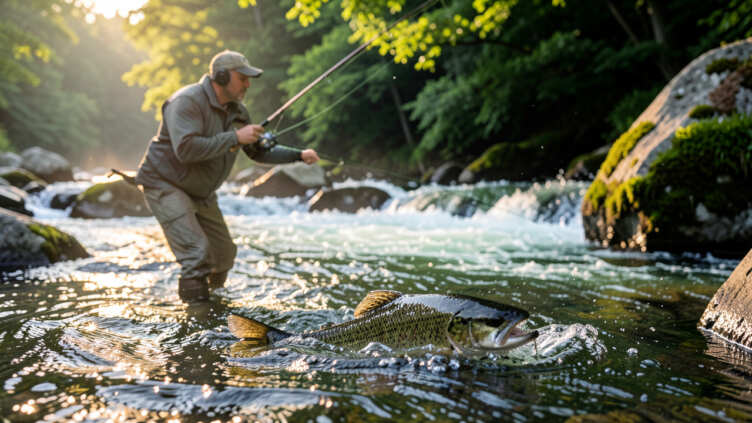
Landing a giant largemouth bass is a dream for many anglers, and knowing the right moves can make that dream a reality. It’s not just about luck; it’s about understanding where these trophy fish hide and what they like to eat. Mastering How to Catch a 10-Pound Largemouth Bass: Trophy Tactics means you’ll spend less time searching and more time reeling in that personal best.
You’ll learn how to identify the best spots, choose the right lures, and time your trips for maximum success, giving you the edge you need for an unforgettable catch.
Key Takeaways
- Identify prime locations where large largemouth bass tend to feed and rest.
- Understand the seasonal patterns that influence the behavior of trophy bass.
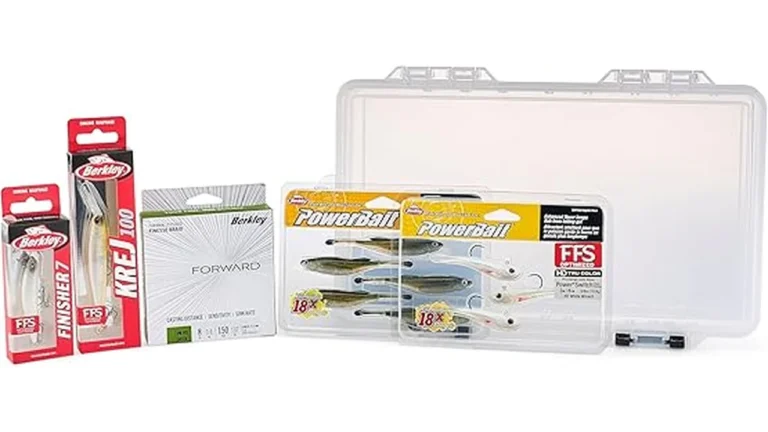
- Select the most effective lures and baits for attracting big bass.
- Master essential fishing techniques tailored for targeting larger fish.
- Learn how to read the water and weather to your advantage for bigger catches.
- Develop strategies for setting the hook and landing a lunker safely.
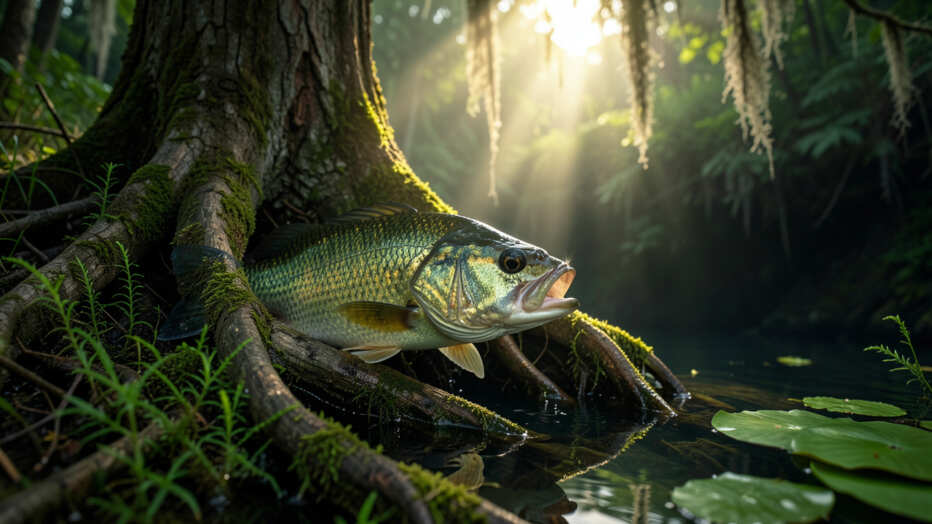
Finding the Giants: Where 10-Pound Bass Live
Catching a truly massive largemouth bass, often called a “lunker” or “trophy,” takes more than just casting a line. These giants have specific needs and preferences. You need to think like a big fish to find them.
They aren’t usually in shallow, open water where smaller fish hang out. Instead, they seek out areas that offer safety, ambush points, and plenty of food. Understanding these habits is the first step in How to Catch a 10-Pound Largemouth Bass: Trophy Tactics.
Structure is Your Friend
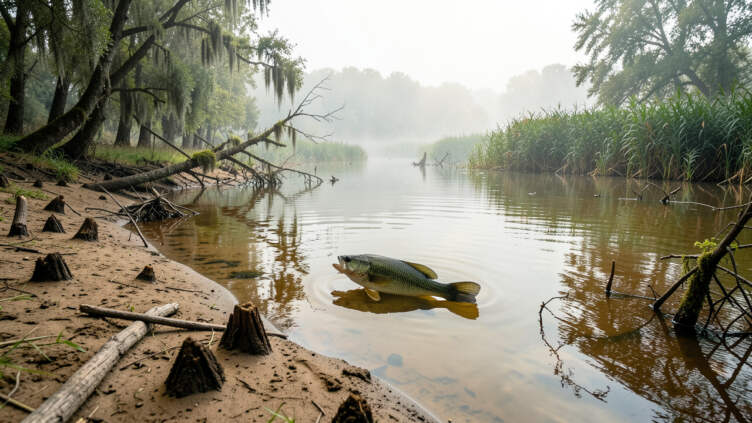
Big bass love structure. This means anything that breaks up the bottom or provides cover. Think about submerged logs, fallen trees, rock piles, weed beds, and even man-made structures like bridge pilings or docks.
These spots give bass a place to hide from predators and a vantage point to ambush unsuspecting prey. A 10-pounder will often hold tight to the thickest cover it can find.
Submerged Timber and Brush Piles
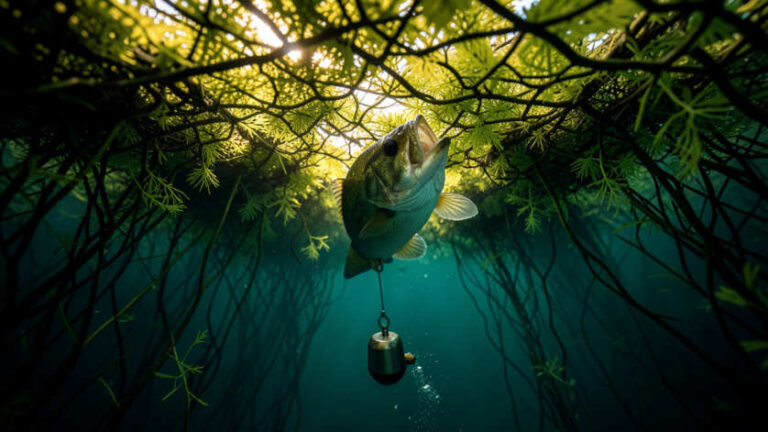
These are classic bass magnets. The more complex the tangle of branches or logs, the better. Bass can sit in the shadows and wait for food to swim by.
When fishing these areas, you need lures that can get down into the cover without getting snagged too easily.
Experienced anglers know that trophy bass behavior changes dramatically with the seasons, so adapting your tactics to spring, summer, fall, and winter conditions is essential for consistent success.
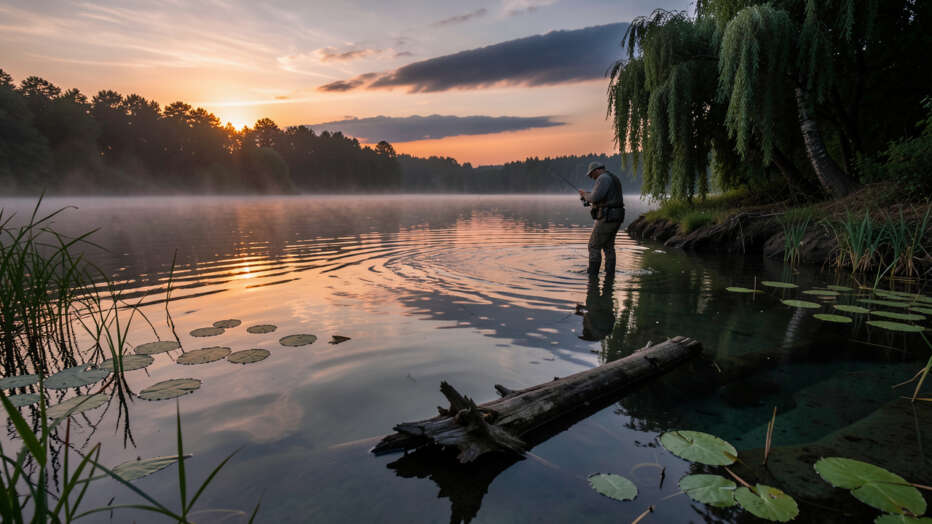
Focus on the pockets and openings within dense weed beds, as these are prime ambush points where trophy bass hide.
Weed Beds and Lily Pads
Thick vegetation provides excellent cover and attracts baitfish. Bass will patrol the edges of weed lines or sit right under large lily pads. Targeting the pockets or openings within these weed beds can be extremely productive.
It’s important to have gear that can handle pulling a big fish out of heavy weeds.
Rock Piles and Riprap
These areas offer both cover and baitfish attraction. Small baitfish often hide among the rocks, and larger bass patrol these zones. The irregular surfaces create hiding spots and ambush points.
Fishing around rock piles requires a bit of finesse to avoid snagging, but the payoff can be huge.
Depth and Water Temperature
While bass can be found at various depths, trophy-sized fish often prefer deeper, cooler water, especially during warmer months. They move to cooler water to avoid the heat and find more consistent food sources. Understanding how temperature affects bass location is crucial for How to Catch a 10-Pound Largemouth Bass: Trophy Tactics.
Summer Heat
In summer, bass often retreat to deeper water. Look for drop-offs, humps, or submerged points where the water is cooler. They might also be found on the shady side of structures during the hottest parts of the day.
Spring and Fall Transitions
During spring and fall, bass move shallower to feed as water temperatures become more comfortable. They’ll transition from deeper water to shallower bays and shorelines as they prepare to spawn or feed on migrating baitfish. Pay close attention to these seasonal shifts.
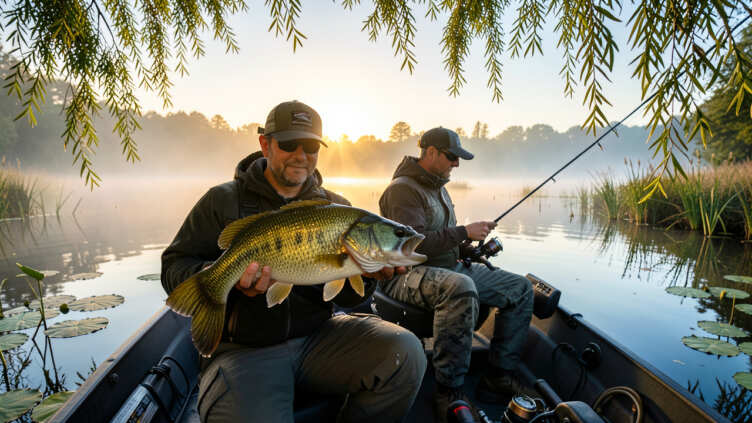
Seasonal Strategies for Trophy Bass
The time of year significantly impacts how and where you’ll find big largemouth bass. Each season presents unique opportunities and challenges when you’re aiming for a 10-pounder. Adjusting your approach based on the season is a key component of How to Catch a 10-Pound Largemouth Bass: Trophy Tactics.
Spring: The Pre-Spawn and Spawn Frenzy
As winter fades and water temperatures rise into the 50s and 60s Fahrenheit, bass become more active. They move from their wintering holes into shallower areas to feed and prepare for spawning. This is a prime time to target big females who are feeding heavily before they lay their eggs.
Pre-Spawn Feeding
Before the actual spawning, bass are hungry. They are looking to pack on calories. Focus on areas near spawning flats, such as points, creek channels, and the edges of deeper water.
Lures that mimic baitfish or crawfish work well here.
During the Spawn
When bass are actively spawning, they become very territorial. They will guard their nests fiercely. You can target them with soft plastics, jigs, or even topwater lures fished near visible beds.
Be mindful of spawning etiquette and avoid disturbing too many beds.
Summer: Battling the Heat
Summertime can be tough as the water warms up. Big bass tend to become more lethargic during the heat of the day and seek out cooler, oxygen-rich water. Early mornings and late evenings are often the best times to fish.
Early Morning and Late Evening Bites
These are prime feeding windows. Bass will move into shallower areas to chase baitfish. Topwater lures can be incredibly effective during these low-light periods.
The sound and disturbance on the surface can trigger aggressive strikes from big bass.
The right bait is not just about presentation; it's about matching the scale of prey that a 10-pound bass instinctively hunts.
Deep Water Havens
When the sun is high and the water is hot, focus on deeper structures. Look for humps, submerged points, and ledges where bass can find cooler water. Carolina rigs, drop shots, and deep-diving crankbaits are excellent choices for reaching these depths.
Fall: The Autumn Feast
Fall is arguably one of the best times to catch a trophy bass. As the water cools, bass become very aggressive, feeding heavily to build up reserves for winter. Baitfish become more concentrated, and bass follow them.
Following Baitfish
Look for areas where baitfish are schooling. This could be open water, creek mouths, or along weed lines. Lures that imitate these baitfish, like lipless crankbaits or swimbaits, can be devastating.
The sheer volume of food available makes bass willing to chase.
Cooling Water Strategies
As the water temperature continues to drop, bass will move to slightly deeper water but remain active feeders. They are still looking for opportunities to gorge themselves. Jigs and Texas-rigged plastics fished along the bottom can be very effective in the fall.
Winter: The Cold Water Challenge
Fishing for big bass in winter requires patience and a different approach. Bass metabolism slows down, and they become less active. They will often school up in deeper, more stable water.
Deep Water Dwellers
Focus on the deepest parts of the lake or reservoir. Bass will be found near any available structure in these deep zones. Slow-moving baits are key.
Think large jigs, spoons, or slow-rolled spinnerbaits.
Patience is Key
Winter bites are often subtle. You need to present your bait slowly and let the fish have time to commit. Don’t expect aggressive strikes; a gentle tap or a feeling of weight is often how a winter bite feels.
This part of How to Catch a 10-Pound Largemouth Bass: Trophy Tactics is about persistence.
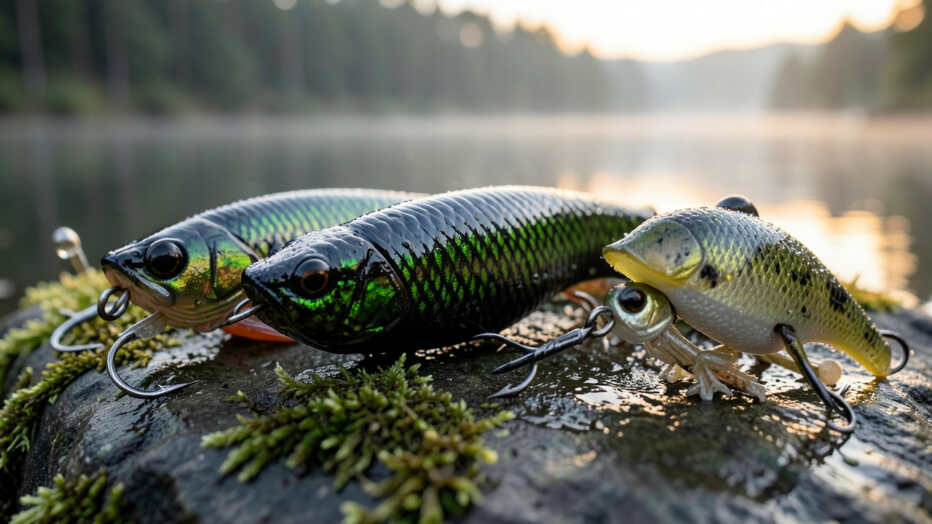
Lures and Baits That Lure the Giants
Choosing the right bait is critical when you’re targeting a 10-pound largemouth bass. Big bass are often more cautious and prefer larger meals. Your lure selection needs to match the size of the prey these giants are accustomed to eating.
Big Baits for Big Bass
When you’re after a trophy, don’t be afraid to go big. Larger lures mimic larger prey, which is more appealing to a large bass looking for a substantial meal. This is a fundamental aspect of How to Catch a 10-Pound Largemouth Bass: Trophy Tactics.
Jigs
Jigs are incredibly versatile and effective. A heavy football jig or a casting jig with a bulky trailer can imitate a crawfish or a ball of baitfish. They are excellent for fishing around rocks, wood, and other types of structure.
The key is to present them slowly and deliberately.
Swimbaits
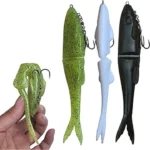
Large swimbaits, whether hard-body or soft-plastic, can be irresistible to big bass. They create a realistic swimming action that mimics baitfish. You can fish them on various rigs, including umbrella rigs or weighted hooks, to target different depths.
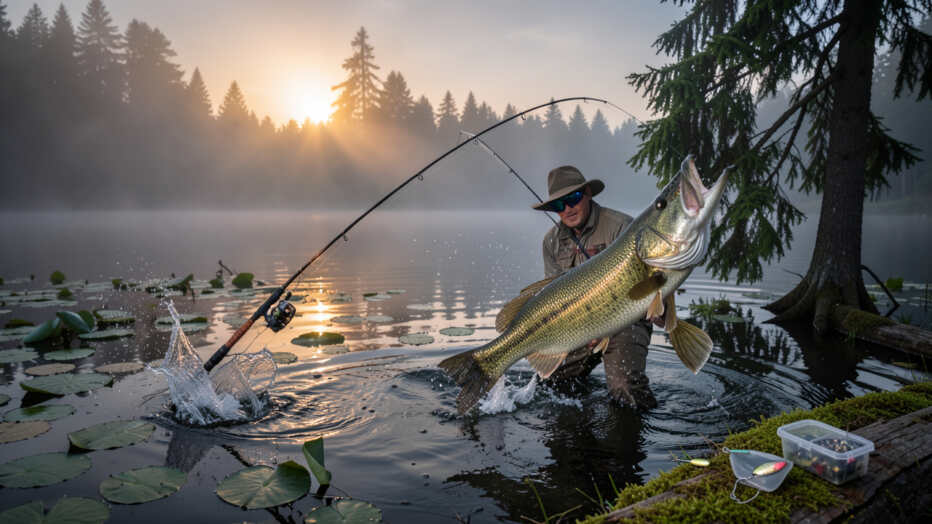
When fighting a big bass, always keep your rod tip up to maintain constant pressure and cushion its powerful head shakes, preventing the hook from pulling.
Topwater Lures
For explosive surface strikes, nothing beats a topwater lure. Big bass will often strike poppers, prop baits, or walking baits, especially in low light conditions or over shallow cover. The visual aspect of a topwater strike is incredibly exciting.
Crankbaits
Deep-diving crankbaits can be effective for reaching bass in deeper water. Choose models that mimic large baitfish. Lipless crankbaits are also great for covering water quickly, especially in the fall, and can trigger reaction strikes.
Live Bait Options
While artificial lures are popular, live bait can be a game-changer, especially for finicky or large bass. The natural scent and movement are often too tempting to resist.
Live Bluegill or Sunfish
These are natural prey for large largemouth bass. Using a live bluegill on a stout hook can attract the attention of the biggest fish in the water. It’s important to use a strong enough setup to handle a big bass that might inhale the bait.
Large Shiners
Big shiner minnows are another excellent live bait choice. They have a natural flutter and flash that attracts predatory fish. Rig them on a circle hook to ensure a good hookset and minimize harm to the bait.
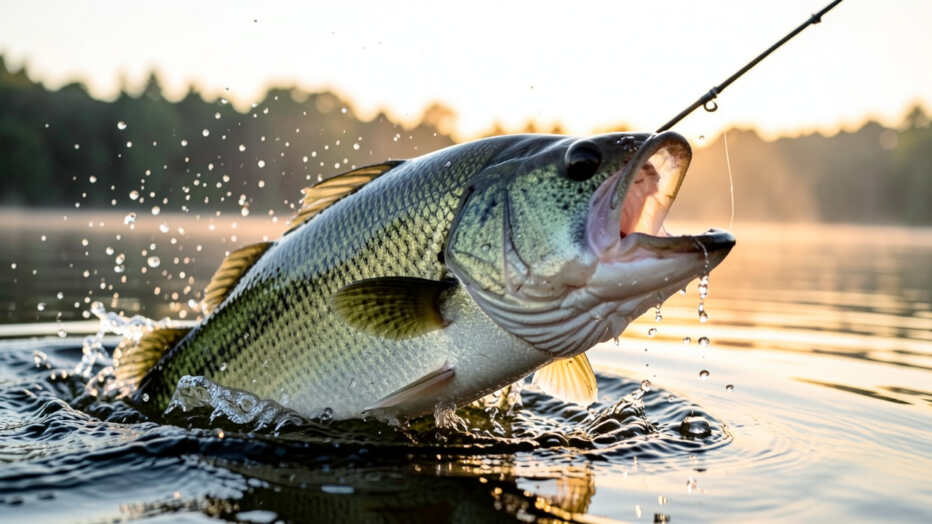
Techniques for Landing a Lunker
Hooking a big bass is only half the battle. Landing it safely and effectively requires specific techniques and the right equipment. This is where your knowledge of How to Catch a 10-Pound Largemouth Bass: Trophy Tactics truly pays off.
Rod, Reel, and Line Selection
You need heavy-duty gear to handle a big bass. A light setup will likely break under the strain. Invest in equipment that can withstand the fight.
Heavy Power Rods
A medium-heavy to heavy power rod, typically 7 to 7.5 feet long, is essential. This provides the backbone needed to set the hook firmly and control a large, powerful fish. Longer rods also help with casting distance and leverage.
Sturdy Reels
A baitcasting reel is generally preferred for its power and control, especially with heavier lines. Look for a reel with a strong drag system. Spinning reels can also work if they are robust and have a smooth, powerful drag.
Strong Fishing Line
Monofilament or fluorocarbon line in the 15-25 pound test range is recommended. For fishing in heavy cover, braided line in the 50-65 pound test range is often the best choice due to its strength and lack of stretch. Braided line allows you to pull big fish out of thick weeds or wood.
The Hookset and Fight
A solid hookset is crucial for large bass. They have tough mouths, and you need to ensure the hook penetrates. Once hooked, the fight can be intense.
Falling barometric pressure often triggers aggressive feeding, but be cautious: the bass may stop biting once the pressure stabilizes, so time your trips accordingly.
Setting the Hook
When you feel a bite, especially on a jig or Texas rig, give the fish a moment to take the bait. Then, perform a strong, sweeping hookset. If using a baitcasting reel, disengage the thumb bar as you set the hook.
If using a spinning reel, reel down and then sweep the rod.
Fighting the Fish
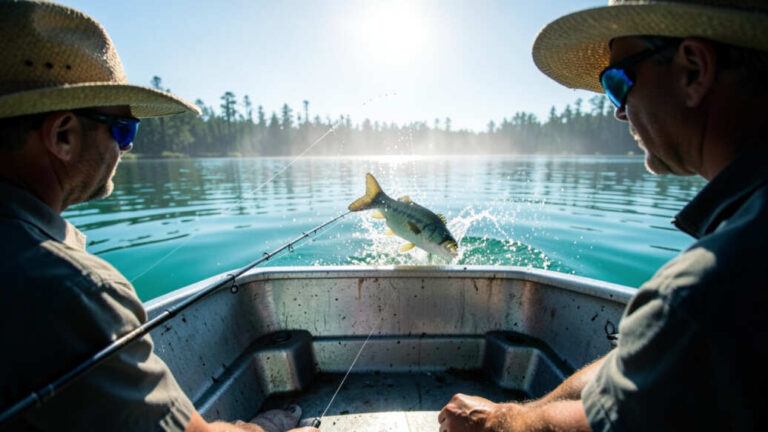
Keep your rod tip up to maintain pressure and absorb the bass’s head shakes. Let the drag do its work; don’t try to horse the fish in. If the bass makes a run, let it go and try to regain control.
Guide the fish towards your landing spot.
Landing the Bass
Bringing the fish into the boat or onto the bank needs to be done carefully. A big bass can thrash and make a last-minute escape.
Using a Net
A large, sturdy landing net is a must. Have someone ready to net the fish when it’s close. Scoop the fish up from underneath.
The “Boating” Technique
If you don’t have a net, you can carefully lift the fish by gripping its lower jaw (the “lip grip”). However, this should only be done if you are experienced and confident, as it can injure the fish if not done correctly. Be ready to support the fish’s weight.
Reading the Water and Weather for Success
Understanding how environmental conditions affect bass behavior is a critical skill for any angler aiming for a trophy. Paying attention to these factors can dramatically improve your success rate when applying How to Catch a 10-Pound Largemouth Bass: Trophy Tactics.
Barometric Pressure
Barometric pressure can significantly influence bass activity. Falling pressure, often associated with approaching storms, can make bass more aggressive and willing to feed. Conversely, stable or rising pressure might lead to slower fishing.
Falling Pressure
Before a storm hits, bass often feed aggressively. This is a great time to be on the water, especially with topwater lures or reaction baits.
Rising Pressure
After a storm passes and pressure starts to rise, fishing can sometimes be excellent as bass become more active. However, very high, stable pressure can lead to tougher fishing conditions.
Wind and Water Clarity
Wind can be your friend or foe. It can position baitfish and bass, and stir up food sources, but too much wind can make fishing difficult.
Wind-Blown Banks
When wind blows into a bank, it tends to push baitfish and food towards that area. Bass will often congregate on the downwind side of points or coves to ambush prey. This is a prime feeding location.
Water Clarity
In clear water, bass are more easily spooked and tend to use visible cover more effectively. In stained or muddy water, they rely more on sound and vibration, and you can often fish closer to them without them seeing you. This is an important consideration for How to Catch a 10-Pound Largemouth Bass: Trophy Tactics.
Sunlight and Cloud Cover
The intensity of sunlight affects bass behavior. Bright, sunny days can push bass into deeper water or under heavy cover, while cloudy days can keep them more active in shallower areas.
Sunny Days
On bright days, fish the shade lines, deep structure, or areas with thick overhead cover. Bass will actively seek out the coolest, darkest spots.
Cloudy Days
Cloudy or overcast conditions often lead to more aggressive feeding behavior. Bass may move shallower and be more willing to chase baits throughout the day. Topwater lures can be particularly effective on these days.
Frequently Asked Questions
How do I know if a largemouth bass is big enough to be considered a trophy?
A “trophy” largemouth bass is generally considered to be 8 pounds or more, with 10-pounders being exceptionally rare and highly sought after. Length is also a factor, with fish over 20 inches often considered large.
What is the best time of day to catch a 10-pound largemouth bass?
Early mornings and late evenings, especially during warmer months, are typically the best times. However, during the pre-spawn and fall feeding frenzies, midday can also be very productive. Understanding seasonal patterns is key to How to Catch a 10-Pound Largemouth Bass: Trophy Tactics.
Should I use braided line or fluorocarbon for trophy bass?
Both have their advantages. Fluorocarbon offers better stealth in clear water and sensitivity. Braided line provides superior strength and abrasion resistance, making it ideal for pulling big fish out of heavy cover.
Many anglers use a fluorocarbon leader with braid.
What is the most important factor in catching a 10-pound largemouth bass?
While many factors contribute, understanding where large bass live (structure, depth) and presenting them with a large, appealing meal are arguably the most critical elements of How to Catch a 10-Pound Largemouth Bass: Trophy Tactics.
Are there specific weather conditions that are better for catching trophy bass?
Falling barometric pressure, often associated with approaching thunderstorms, can trigger aggressive feeding. Cloudy days also tend to be good as they keep bass more active in shallower water.
What is the best lure for a 10-pound largemouth bass?
There’s no single “best” lure, as it depends on conditions. However, large swimbaits, heavy jigs with bulky trailers, and big topwater lures are consistently effective for targeting trophy-sized bass.
Final Thoughts
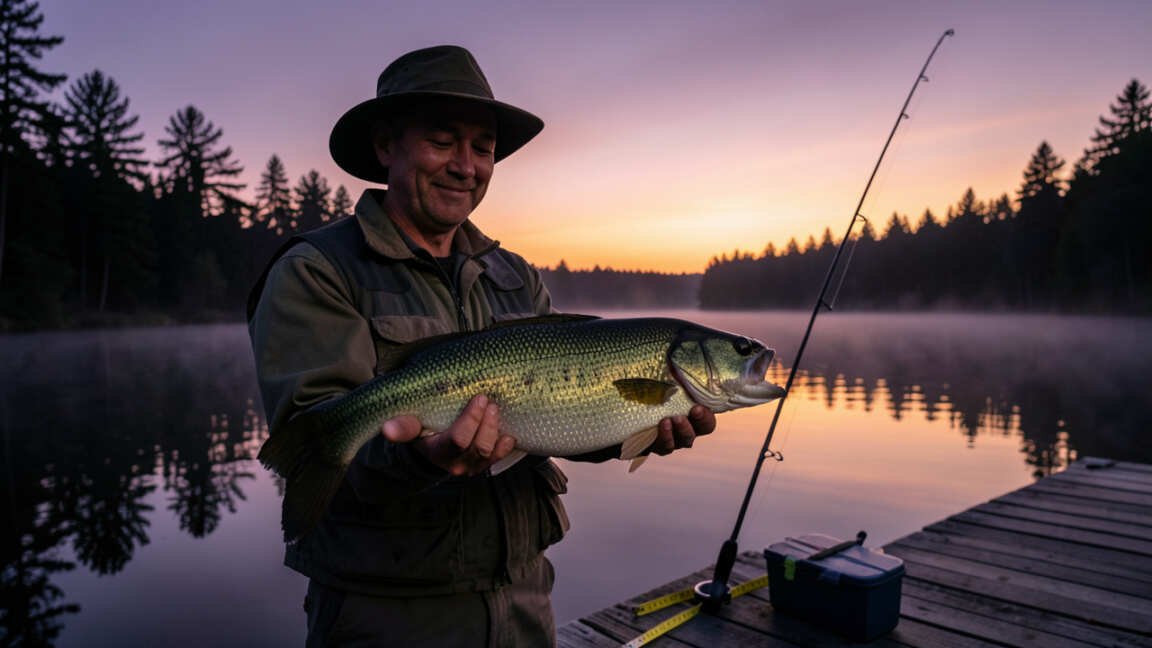
Catching a 10-pound largemouth bass is a challenging but achievable goal. By focusing on structure, understanding seasonal patterns, using large baits, and employing the right techniques, you significantly increase your chances. Patience and persistence are your greatest allies in the pursuit of these magnificent fish.