





Bass Fishing Stained Water: The Sweet Spot Between Clarity
Bass fishing in stained water often yields the most productive results when water clarity falls between clear and muddy, offering bass a hunting advantage with reduced visibility. Light penetration in stained water limits bass vision to about one to two feet, making lure vibration and silhouette more critical than natural color matching. Effective choices include vibrating lures like spinnerbaits and chatterbaits in high-contrast colors such as chartreuse or white, plus scented baits to appeal to a bass's sense of smell. Adjusting retrieve speed to a slower, steady pace helps bass locate and strike the lure in the reduced visibility conditions.
When the water isn’t crystal clear but not muddy brown either, that’s often where the best bass fishing happens. Understanding how bass behave in these conditions helps you catch more fish. It’s all about knowing what works when the water is just right, not too clear and not too dirty.
We’ll show you how to find that perfect zone and what lures and techniques make the most difference. Get ready to improve your success in those tricky, stained water lakes and rivers.
Key Takeaways
- Bass often feed actively in stained water because it offers them a hunting advantage.
- Understanding how light penetration affects bass behavior in stained water is crucial.
- Specific lure colors and types perform better when bass fishing stained water.
- Adjusting your retrieve speed can significantly increase your catch rate in stained conditions.
- Electronics like fish finders become even more valuable for locating bass in stained water.
- Seasonal changes can influence how bass react to stained water conditions.
Why Bass Love Stained Water
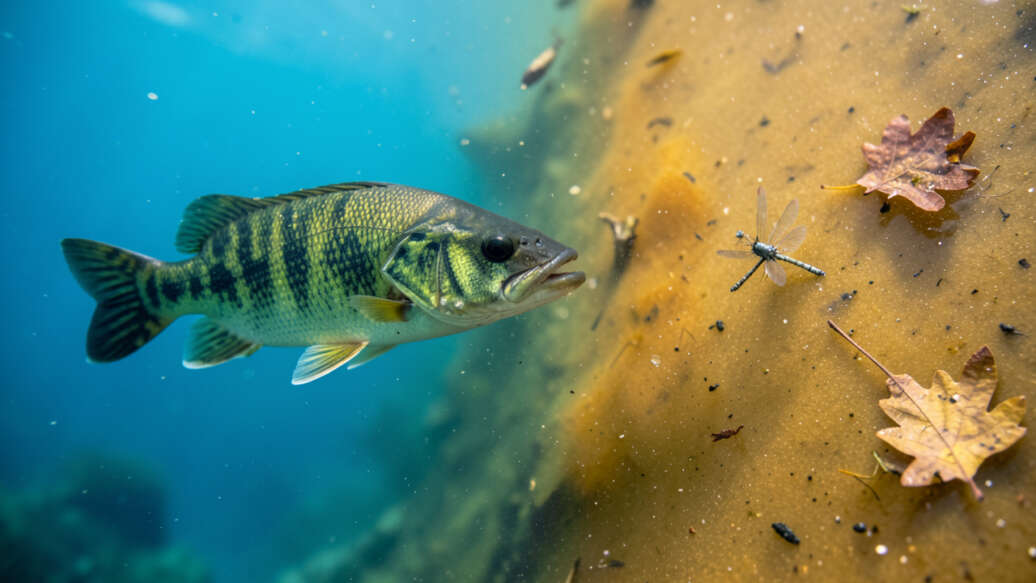
Many anglers shy away from fishing when the water looks murky. They think bass will be harder to find and catch. But for bass, stained water can actually be a prime feeding environment.
It gives them cover from predators and allows them to ambush prey more easily. This means more opportunities for you to hook into a big one. Learning to fish these conditions is a skill that pays off.
Monitor recent weather patterns; a stretch of dry, calm days often clears water, while heavy rain can quickly create ideal stained conditions for bass.
When water is stained, focus on ambush points like cover edges—bass are more active and feel secure in that low visibility.
The key to success in Bass Fishing Stained Water: The Sweet Spot Between Clarity lies in understanding the bass’s perspective. When the water is slightly stained, it offers a balance. It’s clear enough for the bass to see their prey but also provides enough concealment for them to hunt effectively.
This sweet spot is where many bass feel most comfortable and aggressive.

Reading The Water Clarity
Being able to judge water clarity is the first step. You can do this by simply looking over the side of your boat. A good rule of thumb is to think about how far you can see your lure or line.
If you can see about 1 to 3 feet down, you’re likely in stained water. This is the ideal range for many anglers targeting bass.
Water clarity can change quickly. Heavy rains can stir up mud and debris, making water very dirty. Conversely, periods of dry weather and calm winds can lead to clearer conditions.
Understanding these natural changes helps you predict when you might encounter that perfect stained water scenario. It’s about adapting to what nature gives you.
In stained water, scent becomes a primary trigger—treating soft plastics with attractant sprays can turn hesitation into strikes.
How Light Penetrates Stained Water
Light is a critical factor for bass. In clear water, sunlight penetrates deeply. This can make bass wary and push them into deeper, shaded areas.
In very muddy water, light penetration is minimal, making it hard for bass to see. Stained water is the happy medium. It allows enough light for bass to spot their meals but also offers them camouflage.
When light can only penetrate a few feet, bass can use the bottom contours and cover to their advantage. They can lie in wait, unseen, until a baitfish or insect swims by. This ambush strategy is common in stained water.
Knowing this helps you position your boat and cast your lure effectively.
Lure Choices For Stained Water Success
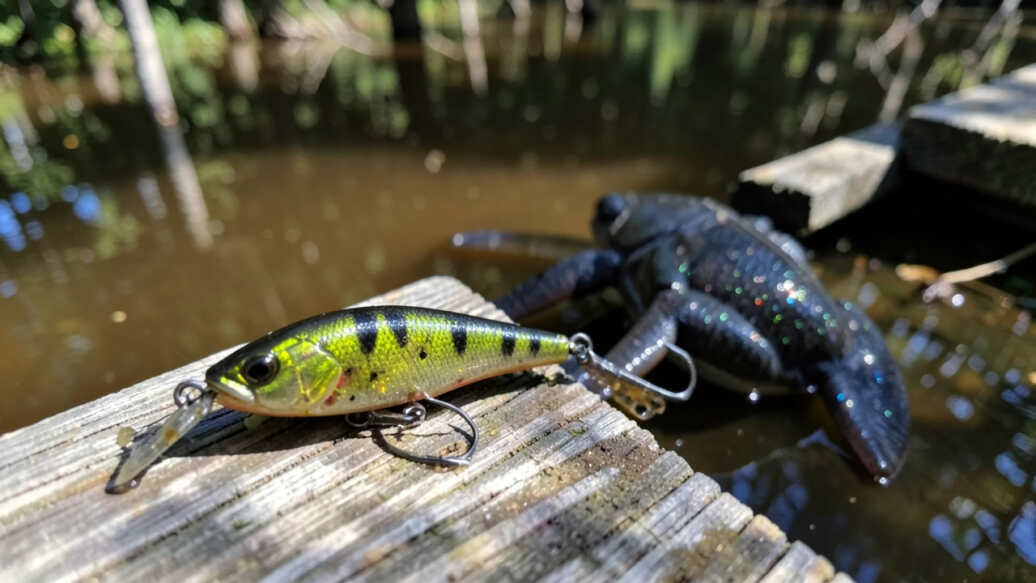
The right lure can make all the difference when fishing stained water. Because visibility is reduced, you need lures that bass can detect easily. This often means focusing on vibration, sound, and scent.
Vibrating Lures That Call Bass
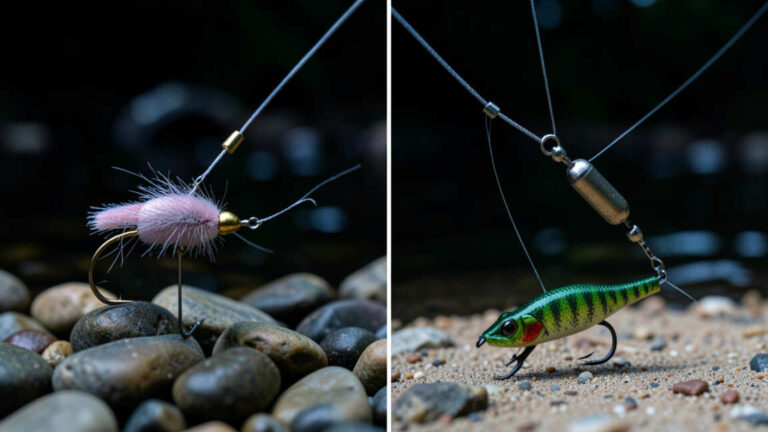
Lures that create a strong vibration are excellent for stained water. Bass can feel these vibrations with their lateral lines, even when they can’t see the lure clearly. Examples include lipless crankbaits, vibrating jigs (chatterbaits), and spinnerbaits.
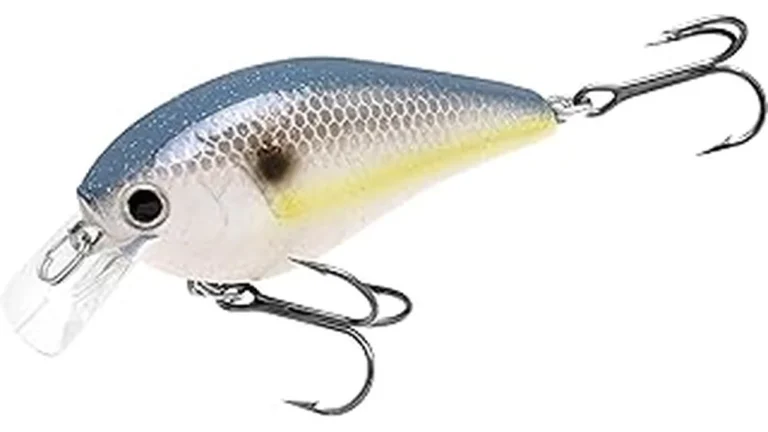
- Lipless Crankbaits: These lures excel in stained water because they emit a strong wobble and flash. They can be burned through the water or ripped through grass.
- Vibrating Jigs: Often called chatterbaits, these lures have a metal blade that vibrates intensely. They are also great for covering water and attracting attention.
- Spinnerbaits: The spinning blades on a spinnerbait create flash and vibration. Different blade shapes and sizes produce varying levels of disturbance.
Color Palettes That Stand Out
Color is also a key consideration. In stained water, bright, contrasting colors often work best. Bass need something to lock onto visually.
Chartreuse, bright orange, firetiger, and pearl white are popular choices. These colors create a strong silhouette against the murky background.
Vary your retrieve speed; a fast retrieve covers water and triggers reaction strikes, but adding occasional pauses can entice hesitant bass in stained conditions.
Sometimes, darker colors can also be effective. Black, blue, or dark green can create a strong outline when the water is very stained. It depends on the specific conditions and the bass’s mood.
Experimenting with different hues is part of mastering Bass Fishing Stained Water: The Sweet Spot Between Clarity.
Scented Baits For Added Appeal
For very stained conditions, adding scent to your lures can be a game-changer. Bass have a powerful sense of smell. Scented attractants can help them find your bait when they can’t see it well.
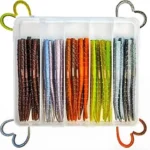
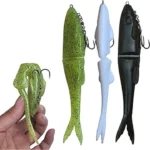
Soft plastics like worms, craws, and swimbaits often come pre-scented or can be easily treated with attractant sprays.
Retrieving Lures In Stained Water
How you work your lure is just as important as the lure itself. In stained water, bass might be holding closer to cover or structure. They might also be more willing to chase a moving bait.
Speed Matters
Generally, a moderate to fast retrieve can be effective in stained water. This helps your lure cover more ground and create more attraction. Bass might strike a fast-moving bait out of instinct or curiosity.
However, don’t be afraid to slow down if the bass seem sluggish.
Sometimes, a pause in the retrieve can trigger a strike. Bass might follow a bait and then strike when it stops moving. This is especially true with lures like jigs or Texas-rigged soft plastics.
Don't rely solely on visual clarity; even in stained water, your electronics reveal structure and baitfish schools that bass will be relating to.
The key is to vary your retrieve and pay attention to how the fish are reacting.
Working Cover and Structure
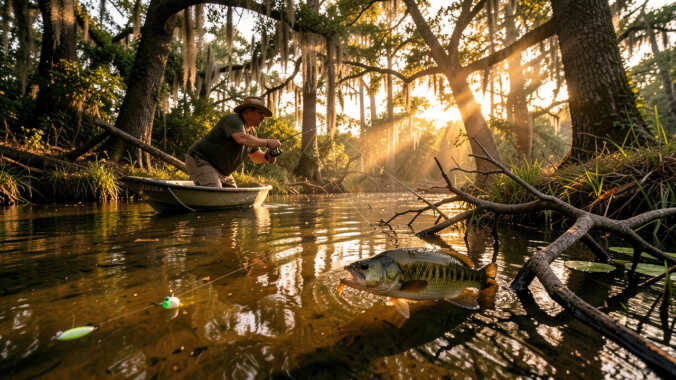
Bass often position themselves near cover or structure in stained water. This includes things like fallen trees, docks, weed lines, or drop-offs. Cast your lures to these areas and work them thoroughly.
Don’t be afraid to get your lure right up against the cover.
A common strategy is to cast past your target and retrieve through it. This allows the bass to see the lure coming. If you’re using a jig or Texas rig, try letting it fall and then hopping it along the bottom.
This mimics a crawfish or other bottom-dwelling prey.
Using Electronics To Your Advantage
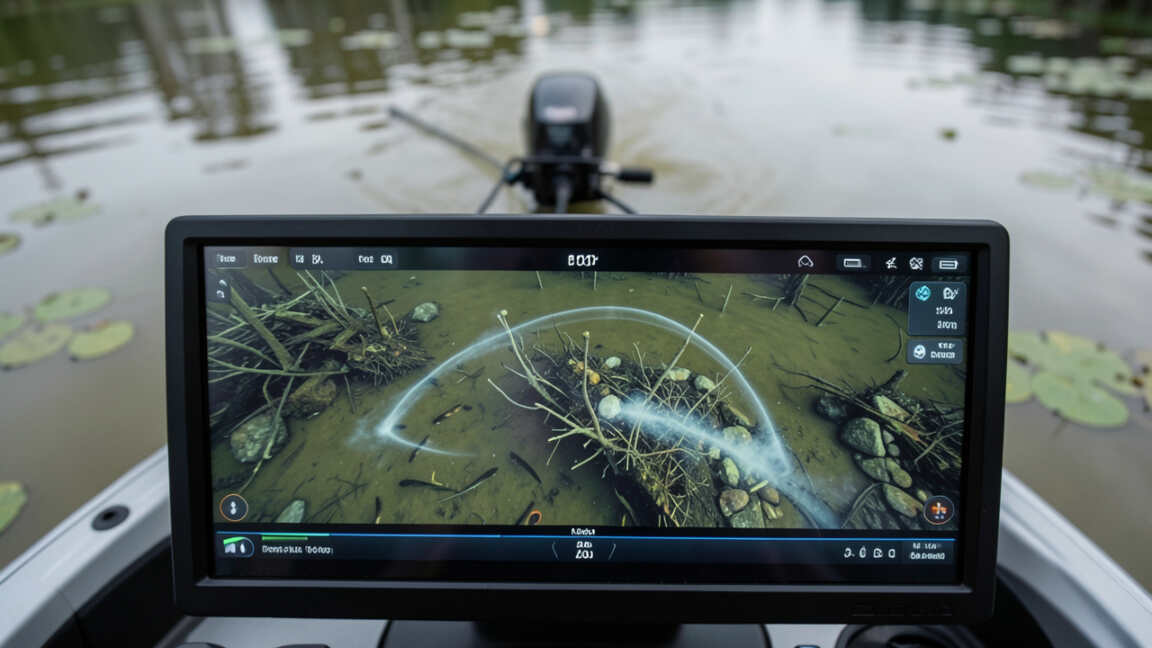
Fish finders and GPS units are incredibly useful when fishing stained water. They help you locate key underwater features that bass will use for cover and ambush points. Even when you can’t see them, these features are still there.
Locating Structure
Your fish finder can show you drop-offs, submerged humps, points, and creek channels. These are all prime spots for bass to congregate. Look for changes in the bottom contour.
These transitions often attract baitfish, which in turn attract bass.
During post-spawn, stained water allows bass to ambush prey from deeper structure; slow-moving Texas-rigged plastics excel in these conditions.
GPS can help you mark these productive areas so you can return to them later. It also helps you navigate safely, especially when visibility is low. Precision is key when you can’t rely on sight alone.
Identifying Bass and Baitfish
Modern fish finders can often distinguish between baitfish and larger game fish like bass. You might see arches on your screen that indicate fish. Learning to interpret these readings takes practice.
But even a basic understanding can help you focus your efforts on areas where fish are present.
When you see baitfish on your screen, it’s a good sign that bass might be nearby. Bass will often position themselves below or around schools of baitfish. Target these areas with your lures.
Seasonal Influences On Stained Water Bass
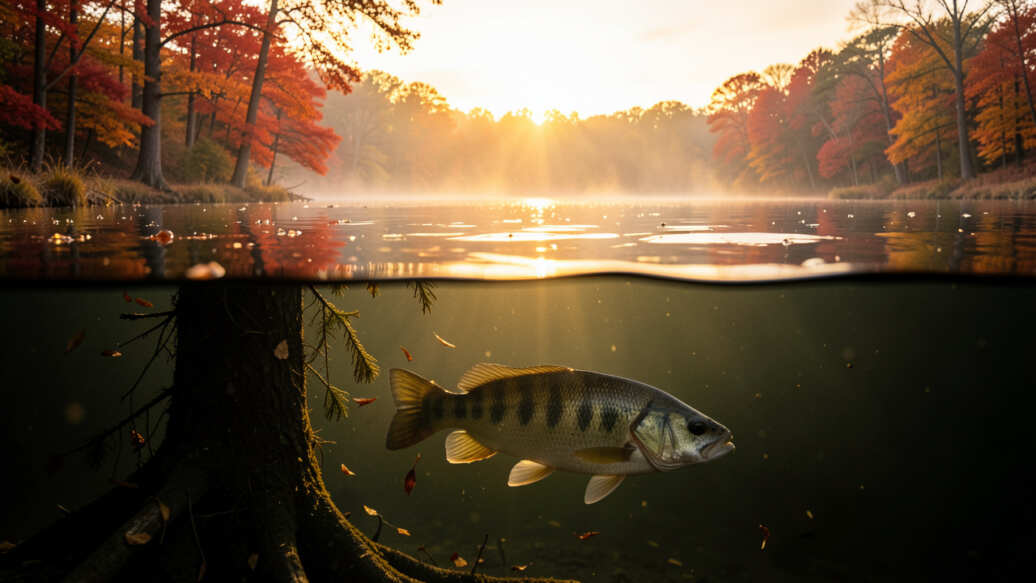
The behavior of bass in stained water can change throughout the year. Understanding these seasonal shifts helps you adapt your strategy.
Springtime Stained Water
In spring, as water temperatures rise, bass move shallow to spawn. Stained water can be advantageous for them during this time. It provides camouflage for guarding their nests.
Lures that mimic crawfish or baitfish are effective. Spinnerbaits and jigs are popular choices.
As bass finish spawning, they often move to slightly deeper water. They still appreciate the cover that stained water provides. This is a great time to target them with reaction baits like crankbaits and vibrating jigs.
Summer Stained Water Strategies
During the heat of summer, bass can be found in a variety of depths. In stained water, they might stay closer to the surface during low-light periods. Topwater lures can be very effective early in the morning and late in the evening.
Consistency in stained water comes from adapting to seasonal shifts—flexibility in lure choice and retrieve is the hallmark of a skilled angler.
As the sun gets higher, bass will move to more shaded areas. This could be under docks, in thick vegetation, or near deep structure. Texas-rigged worms, creature baits, and football jigs are good choices for these situations.
The stained water helps them ambush prey in these locations.
Fall and Winter Stained Water
In the fall, bass begin to feed aggressively to prepare for winter. Stained water can make it easier for them to hunt. They will often follow schools of baitfish.
Lipless crankbaits and large swimbaits can be excellent for targeting these feeding frenzies.
Winter fishing can be challenging, but bass still feed. In stained water, they might be less active but still respond to slower presentations. Jigs, drop-shot rigs, and small finesse plastics can work well.
The stained water provides them with some comfort and cover.
Mastering The Sweet Spot For More Bass
Fishing in stained water isn’t a disadvantage; it’s an opportunity. By understanding how bass use stained water to their benefit, you can gain an edge. Focus on lures that create vibration and flash.
Choose colors that stand out against the murk. Adjust your retrieve speed and target key cover and structure.
Using your electronics will help you pinpoint these productive spots. Remember that seasonal changes will influence bass behavior. So, be prepared to adapt your tactics throughout the year.
Mastering Bass Fishing Stained Water: The Sweet Spot Between Clarity means more consistent success on the water.
Frequently Asked Questions
Why is stained water often considered good for bass fishing?
Stained water provides bass with cover from predators and allows them to ambush prey more effectively, making them more active feeders.
What kind of lures work best for Bass Fishing Stained Water: The Sweet Spot Between Clarity?
Lures that create significant vibration, flash, or scent, such as lipless crankbaits, chatterbaits, spinnerbaits, and scented soft plastics, are highly effective.
Should I use bright or dark colors in stained water?
Both can work. Bright, contrasting colors like chartreuse and firetiger stand out, while dark colors like black can create a strong silhouette.
How does light penetration affect bass in stained water?
Stained water allows enough light for bass to see prey but also provides camouflage, creating an ideal hunting environment for them.
Is it better to retrieve lures fast or slow in stained water?
A moderate to fast retrieve often works to cover water and trigger strikes, but don’t hesitate to slow down or add pauses if the bass seem inactive.
Can electronics help me find bass in stained water?
Yes, fish finders help locate underwater structure and schools of baitfish, which are key indicators of where bass might be holding.
Final Thoughts
Fishing stained water is a skill that can greatly improve your bass catches. By focusing on lures that attract attention through vibration and color, and by adapting your retrieve to the conditions, you can unlock the potential of these fertile fishing grounds. Embrace the stained water, and you’ll find that sweet spot where bass are actively feeding.



5 Comments