



Fall Bass Transition: Tracking Schools From Shallow To Deep
The fall bass transition from shallow to deep water is triggered by falling water temperatures as summer ends. During this migration, bass follow baitfish movements which become the most reliable indicator for locating active schools. Shallow water tactics work best early in the transition using reaction baits near weed lines and points, while deep water strategies become effective later as fish move to drop-offs and submerged structure. Successful tracking requires adjusting lure selection and presentation based on depth and cover, with primary focus on weed lines, ledges, and points.
As the leaves start to change, bass fishing gets really exciting. Many anglers wonder where the fish go when the water cools. Understanding the Fall Bass Transition: Tracking Schools From Shallow to Deep is key to catching more fish this season.
This knowledge helps you find active bass, whether they’re still near the shore or have moved to deeper water. You’ll learn how to predict their movements and pick the right lures to match their new hangouts.
Key Takeaways
- Bass move from shallow to deep water as temperatures drop in the fall.
- Water temperature is the main trigger for this bass migration.
- Understanding baitfish location is crucial for finding bass during their fall transition.
- Different lures work best for shallow and deep bass during the fall transition.
- Key areas to check include weed lines, drop-offs, and submerged structure.
- Adjusting your fishing approach based on the bass’s depth is vital for success.
Why Bass Move in the Fall
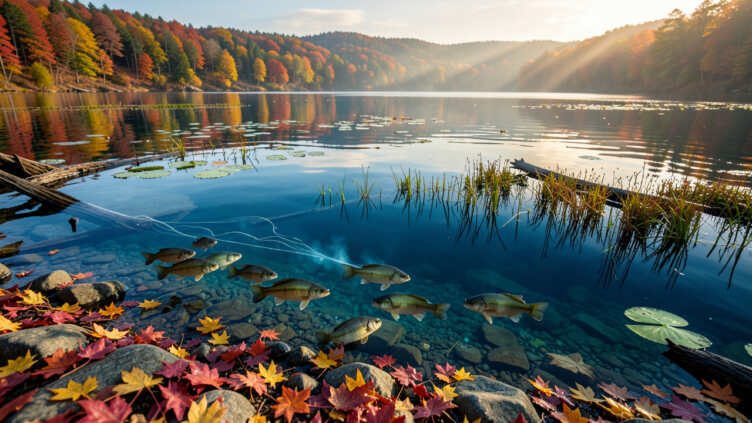
The biggest reason bass change their location in the fall is water temperature. As summer heat fades, the water begins to cool. This cooling trend signals to bass that winter is coming.
They start to look for more comfortable water temperatures and reliable food sources. This shift is a natural part of their annual cycle.
Look for bass to shift locations as water temperatures approach 60-75°F, as this range triggers their seasonal movement.
Bass prefer water temperatures between 60 and 75 degrees Fahrenheit. When the water gets too warm or too cold for their liking, they move. In early fall, they might still be in the shallows where the sun warms the water.
As it gets colder, they head to deeper, more stable water. This movement is often called the Fall Bass Transition: Tracking Schools From Shallow to Deep.
Tracking Baitfish During the Fall Transition
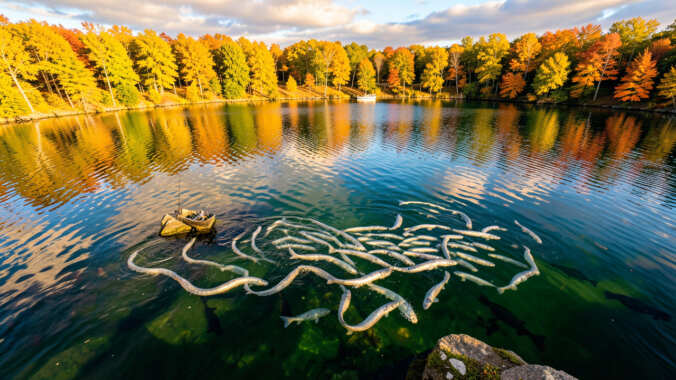
Bass follow their food, and in the fall, their food often moves. Small baitfish, like shad and minnows, are also looking for comfortable water and food. They tend to school up in larger numbers as the weather cools.
This mass gathering of baitfish is a huge draw for hungry bass.
When tracking bass in the fall, scanning for baitfish activity on your electronics and watching for diving birds can pinpoint prime feeding zones.
As baitfish move from shallow bays and creek arms to deeper main lake areas, the bass follow. Your job as an angler is to figure out where the baitfish are. Look for signs of baitfish activity.
This can include shimmering bait balls on your fish finder or birds diving for food. Finding the bait is often the first step in finding the bass during their Fall Bass Transition: Tracking Schools From Shallow to Deep.
Shallow Water Bass Tactics
In early fall, when water temperatures are still mild, bass can be found in shallower areas. These spots might include weed edges, fallen trees, and coves that have been holding baitfish. The sun can warm these areas, making them attractive for both bass and their prey.
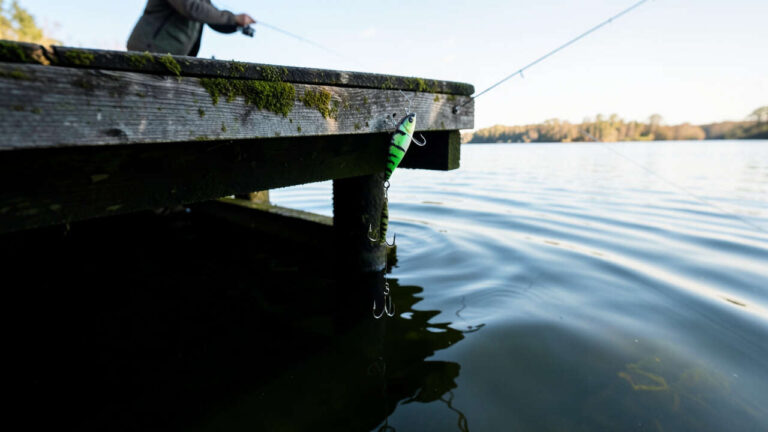
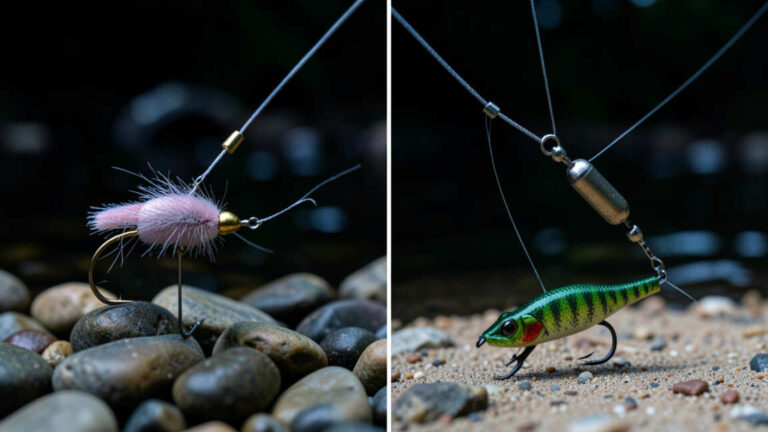
A fast-moving lipless crankbait triggers reaction strikes, while a weedless jig or soft plastic worm digs out bass holding tight to cover.
When targeting shallow bass, think about lures that mimic fleeing baitfish or crawfish. Spinnerbaits and chatterbaits are great for covering water quickly. A fast-moving lipless crankbait can also trigger strikes.
For bass holding tight to cover, try a weedless jig or a soft plastic swimming worm. The key is to present a lure that is easy for them to chase and catch before they decide to move deeper.
Deep Water Bass Strategies
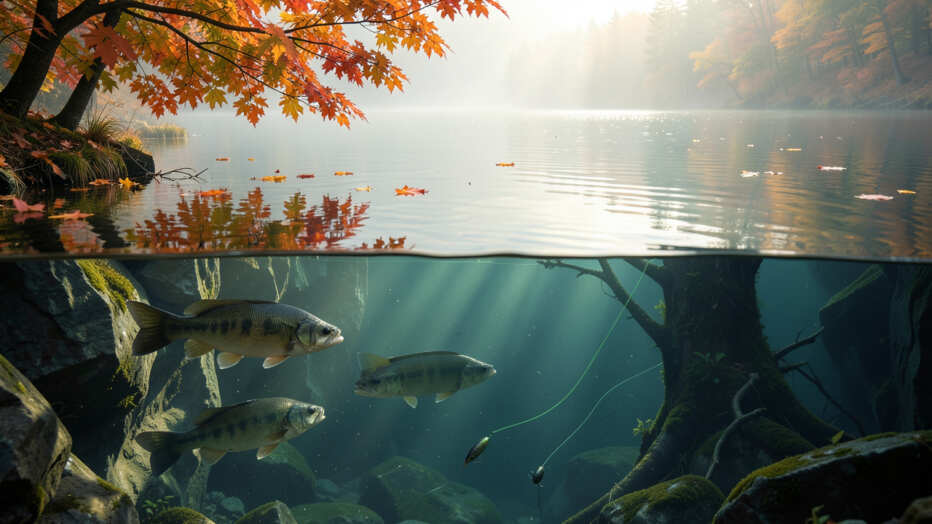
As the fall progresses and water temperatures continue to drop, bass will move to deeper water. They seek out areas with more consistent temperatures and protection from harsh weather. These deeper zones often include main lake points, humps, ledges, and the edges of creek channels.
The Fall Bass Transition: Tracking Schools From Shallow to Deep means you’ll need to adjust your depth.
As fall progresses, focus on deep structure like main lake points, humps, and creek channel edges where bass seek stable temperatures.
In deeper water, slower presentations often work best. Jigs are a classic choice for probing the bottom and structure. A football jig is excellent for dragging along ledges.
Drop-shot rigs are fantastic for suspending bass that are not actively chasing. Deep-diving crankbaits can also be effective for covering large areas of deeper water. Don’t be afraid to go deeper than you normally would.
The bass are there!
Key Locations for Fall Bass
Certain areas become magnets for bass during the fall transition. Understanding these spots can save you a lot of time on the water. It’s all about finding where the bass are concentrating as they move.
Weed Lines
As long as weeds remain green and healthy, they offer cover and attract baitfish. The outer edges of weed beds are prime spots. Bass will often patrol these edges, ambushing baitfish that stray too close.
This is especially true in early to mid-fall.
Failing to identify key fall locations such as weed lines and drop-offs can waste valuable fishing time, so study maps to concentrate on these high-percentage areas.
Drop-Offs and Ledges
These underwater highways are critical during the Fall Bass Transition: Tracking Schools From Shallow to Deep. Bass use them to travel between shallow feeding grounds and deeper holding areas. Look for sudden changes in depth.
These are natural ambush points.
Submerged Structure
Creek channels, submerged timber, rock piles, and old roadbeds provide structure and attract bait. Bass will use these features for cover and as staging areas. Your fish finder is your best friend here.
It helps you locate these hidden underwater features.
Points
Main lake points and secondary points that drop into deeper water are excellent fall locations. They often have current flow and are highways for baitfish. Bass will position themselves on these points, waiting for a meal to swim by.
Using Electronics to Track Bass
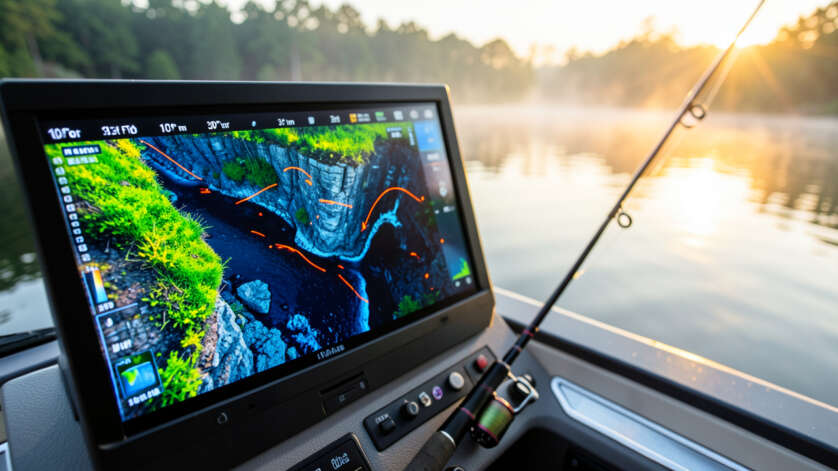
Modern fish finders are invaluable tools for understanding the Fall Bass Transition: Tracking Schools From Shallow to Deep. They can show you not only depth but also bottom composition and, most importantly, baitfish schools and bass.
Side-imaging and down-imaging sonar can reveal submerged structure like brush piles or old roadbeds. 2D sonar is great for marking baitfish schools and individual fish. Look for large schools of baitfish.
Modern fish finders display depth, bottom type, and baitfish schools, making them essential for locating bass during the fall transition.
Then, look for larger, solitary marks nearby – these are often the bass.
Pay attention to the water temperature readings on your fish finder. This will help you correlate depth with temperature. You can then target areas where the water temperature is ideal for bass.
This makes your search much more efficient.
Lure Selection for the Fall Transition
Choosing the right lure is crucial for success during the fall transition. Your lure choice should match the bass’s mood and location. What works in shallow water might not work in deep water, and vice versa.
Matching your lure choice to the bass's mood and location is the single most important factor in fall transition success.
Remember that bass behavior can change daily. Be prepared to experiment with different lures and retrieves. The Fall Bass Transition: Tracking Schools From Shallow to Deep requires flexibility.
Adjusting Your Retrieve Speed
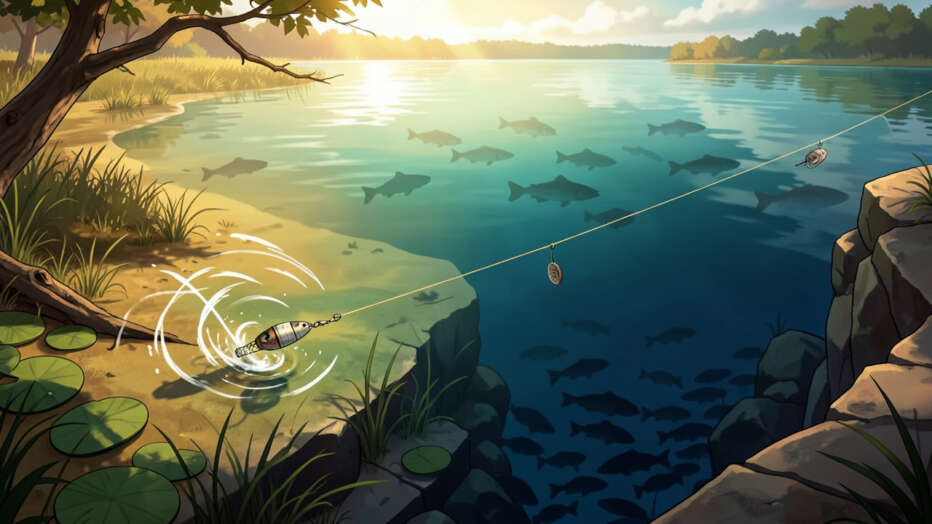
As the water cools, a bass’s metabolism slows down. This means they are less likely to chase down a fast-moving bait. While faster lures can work in shallow, warmer water early in the fall, you often need to slow down as they move deeper.
First, when fishing shallow cover, a faster retrieve with a spinnerbait or lipless crankbait can be very effective. This mimics a panicked baitfish and can trigger aggressive strikes. Second, as you move to deeper water or the water temperature drops significantly, you will want to slow your retrieve.
In early fall, fast retrieves work in warm shallows, but as bass move deeper, slow down your presentation to match their slowing metabolism.
Dragging a jig along the bottom or slowly working a drop-shot rig allows bass more time to find and eat the bait.
Next, don’t be afraid to add pauses to your retrieve. A sudden stop can often entice a hesitant bass to strike. Then, experiment with different speeds.
Sometimes a slow, steady retrieve is best, while other times a slight erratic movement can trigger a bite. Finally, always watch your line for subtle movements that indicate a bite, especially when using slower presentations.
Understanding Bass Moods
Bass aren’t always aggressive, especially as they conserve energy for winter. You might encounter bass that are actively feeding or bass that are more lethargic. Your lure choice and retrieve should match their mood.
Active bass will chase down baits that move quickly. They are looking for an easy meal. This is when reaction baits like crankbaits and spinnerbaits shine.
Lethargic bass, however, might only be willing to eat something that is presented right in front of them. This is where jigs and drop-shot rigs excel. They require less energy for the bass to strike.
The Fall Bass Transition: Tracking Schools From Shallow to Deep is also a time when bass might be staging before a deeper move. They might be found in transition zones, not fully committed to the deep or shallow water. Being able to read the water and the potential mood of the bass is a skill that develops with experience.
When to Fish for Fall Bass
The best time to fish for fall bass often depends on the weather and water temperature. Early fall, when the water is still relatively warm, can offer great shallow-water fishing.
As the water cools, the bite often improves. Many anglers find the best fishing occurs when there’s a significant temperature drop, especially after a cold front. This can trigger a mass movement of bass and baitfish.
Look for days with stable weather after a front has passed, or during periods of warming trends after a cold spell.
Mornings and late afternoons can still be productive, especially in shallower areas. However, during the peak of the Fall Bass Transition: Tracking Schools From Shallow to Deep, bass might feed throughout the day, especially in deeper water where temperatures are more stable.
Frequently Asked Questions
When does the Fall Bass Transition: Tracking Schools From Shallow to Deep typically start?
The transition usually begins when water temperatures start to drop consistently, typically in early to mid-fall. This can vary based on your geographic location and the specific weather patterns of the year.
What is the most important factor for bass during the fall transition?
Water temperature is the primary driver. Bass will move to find optimal temperatures, which usually means moving from warmer shallow areas to cooler, more stable deep water as the season progresses.
How can I find baitfish during the fall?
Use your fish finder to locate schools of bait. Also, look for surface activity like birds diving or baitfish jumping. Bass will be close to their food source.
Should I use the same lures for shallow and deep fall bass?
No, it’s best to adjust your lure selection. Faster, more aggressive lures often work for shallow bass, while slower, bottom-contact baits are better for deeper fish.
How does the Fall Bass Transition: Tracking Schools From Shallow to Deep affect bass feeding patterns?
As water cools, bass metabolism slows, meaning they may feed less aggressively. You might need to use slower retrieves and target their staging areas more precisely.
Final Thoughts
Successfully navigating the Fall Bass Transition: Tracking Schools From Shallow to Deep means understanding temperature and baitfish. By adjusting your lure choices and fishing depths, you can consistently find active bass. This fall, use this knowledge to your advantage and enjoy great fishing. Understanding the bass fishing transition helps anglers adapt their techniques throughout the season.