




Big Bass Behavior: Why Trophy Fish Act Different From Small
Trophy bass exhibit distinct behaviors compared to smaller bass due to their accumulated experience and instinct for survival. These larger fish prioritize energy conservation, favor high-value prey over opportunistic feeding, and seek more secluded habitats, making them less susceptible to common angling tactics. Understanding these behavioral differences allows anglers to adapt lure selection and presentation for more effective big bass targeting.
Catching a big bass is thrilling, but have you ever wondered why those giants seem to play by different rules than their smaller cousins? It’s not just about size; it’s about experience, instinct, and how they survive and thrive. Understanding Big Bass Behavior: Why Trophy Fish Act Different From Small can seriously boost your success on the water.
Knowing what makes these mature fish tick helps you find them, fool them, and ultimately, catch them. This guide will help you see the water like a trophy bass does.
Key Takeaways
- Trophy bass have learned to avoid common fishing pressure and lures.
- Older, larger bass prioritize conserving energy and seeking out high-value meals.
- Their feeding patterns are more strategic and less opportunistic than smaller bass.
- Habitat preferences shift as bass grow, with larger fish often seeking more complex or secluded areas.
- Understanding these differences allows anglers to adapt their strategies for bigger catches.
Why Size Matters in Bass Behavior
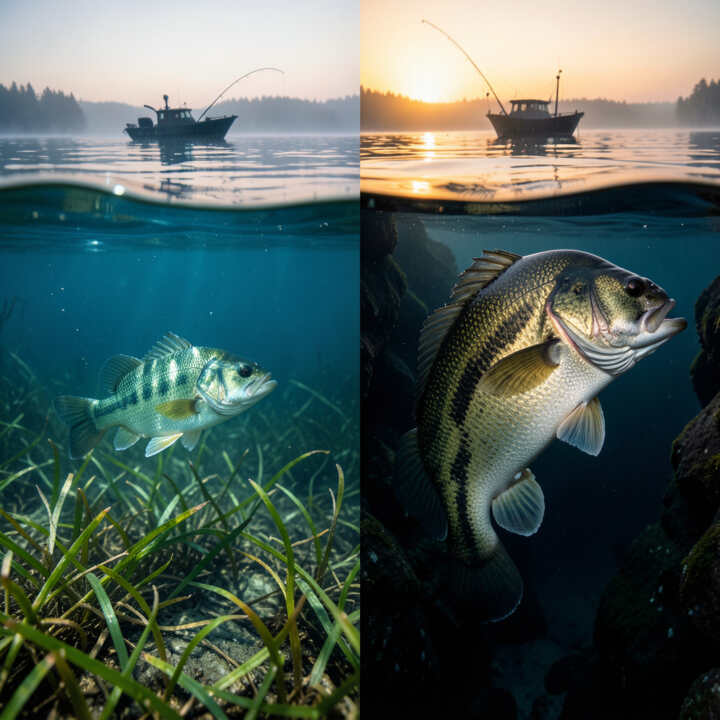
When you’re out on the water, it’s easy to think that all bass are the same. You might catch a bunch of small ones on a particular bait, and then wonder why the big ones just aren’t biting. The truth is, as a bass grows, its world changes.
It gains experience and develops different needs. This is where understanding Big Bass Behavior: Why Trophy Fish Act Different From Small becomes really important for any angler looking to land a true giant.
Think of it like this: a young, small bass is still learning. It’s often hungry and will chase almost anything that moves. It doesn’t have many predators to worry about yet.
When targeting trophy bass, adjust your presentation to match their learned caution by using natural, slower retrieves instead of flashy, aggressive ones.
A trophy bass, on the other hand, has survived years of fishing pressure and natural threats. It knows what’s dangerous and what’s worth the effort to eat. This experience shapes its actions dramatically.
This difference isn’t just a little thing. It affects where they go, what they eat, and how they react to your lure. For anglers, this means that the same tactics that work for catching a bunch of smaller fish might not work at all for the really big ones.
Learning these distinctions is key to improving your catch rate for those impressive, mature bass.
The Impact of Experience on Big Bass
One of the biggest factors separating trophy bass from smaller ones is their life experience. A small bass might be fooled by a bright, flashy lure because it hasn’t seen many like it. It’s also less wary of boats or angler presence.
It’s still exploring its territory and doesn’t yet understand the full spectrum of dangers.
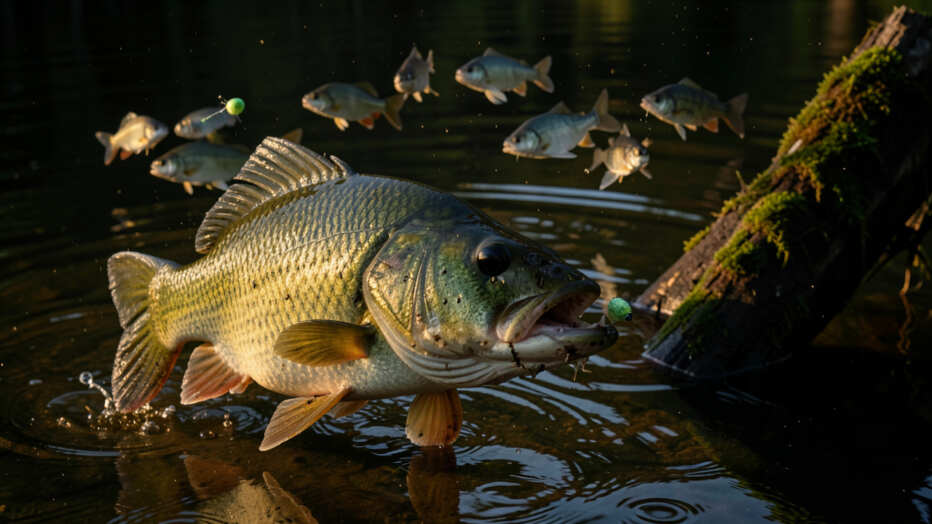
Trophy bass have seen it all. They’ve likely been hooked and escaped multiple times. They’ve learned to associate certain lures or fishing techniques with danger.
Experienced trophy bass associate boat noise and shadows with danger; minimize boat traffic and use stealthy approaches to avoid spooking them.
This means they become much more cautious. They might ignore lures that look too artificial or are presented in a way that seems unnatural. They develop a sophisticated understanding of their environment and the threats within it.
This learned caution means that Big Bass Behavior: Why Trophy Fish Act Different From Small is heavily influenced by their past encounters. They become experts at identifying threats and avoiding them. They might spook more easily from a boat or a casting shadow.
They are also more discerning about what they choose to chase, preferring meals that offer the most calories for the least energy expenditure.
Energy Conservation: A Trophy Bass Priority
For a big bass, energy is a precious resource. They are at the top of the food chain and don’t need to constantly chase small, low-calorie meals to survive. Instead, they focus on opportunities that provide a significant energy return for the effort.
This is a core part of Big Bass Behavior: Why Trophy Fish Act Different From Small.
This means trophy bass are less likely to chase a baitfish that is darting erratically and far away. They prefer to ambush prey that is close by or that they can easily corner. They will often position themselves in areas where food is likely to pass by, like near drop-offs or underwater structures.
A trophy bass prioritizes energy efficiency over impulse; your lure must come to it, not make it chase.
When a trophy bass does decide to strike, it’s usually a calculated decision. They aren’t just randomly feeding; they are targeting specific prey that offers a high reward. This might include larger baitfish, crayfish, or even smaller game fish.
The energy they expend chasing and consuming these meals is worth it because it sustains them for longer periods.
Anglers can use this understanding to their advantage. Instead of using fast-moving lures that cover a lot of water, consider slower presentations that mimic an easy meal. Think about lures that can be worked right in front of a big bass’s face, giving it little reason to expend energy chasing something far away.
This is a fundamental aspect of understanding Big Bass Behavior: Why Trophy Fish Act Different From Small.
Feeding Strategies: Precision Over Volume
Smaller bass are often opportunistic feeders. They’ll eat whatever they can catch, whenever they can catch it. They might chase small minnows, insects, or even smaller bass.
Their feeding is often driven by hunger and availability. This is a stark contrast to the feeding habits of larger fish.
Trophy bass, however, have developed more precise feeding strategies. They are not just looking for a meal; they are looking for the right meal. This means they are more selective about their prey.
To trigger a trophy bass's feeding response, use larger lures that imitate high-calorie prey like big shad or crayfish rather than small minnows.
They will often target fish that are injured, slow-moving, or otherwise vulnerable. This allows them to maximize their caloric intake while minimizing the risk of injury or wasted energy.
This selectivity is a key component of Big Bass Behavior: Why Trophy Fish Act Different From Small. A big bass might ignore a school of small baitfish if there’s a larger, easier target nearby. They understand that a single, substantial meal can sustain them for days, whereas a constant pursuit of small prey is less efficient.
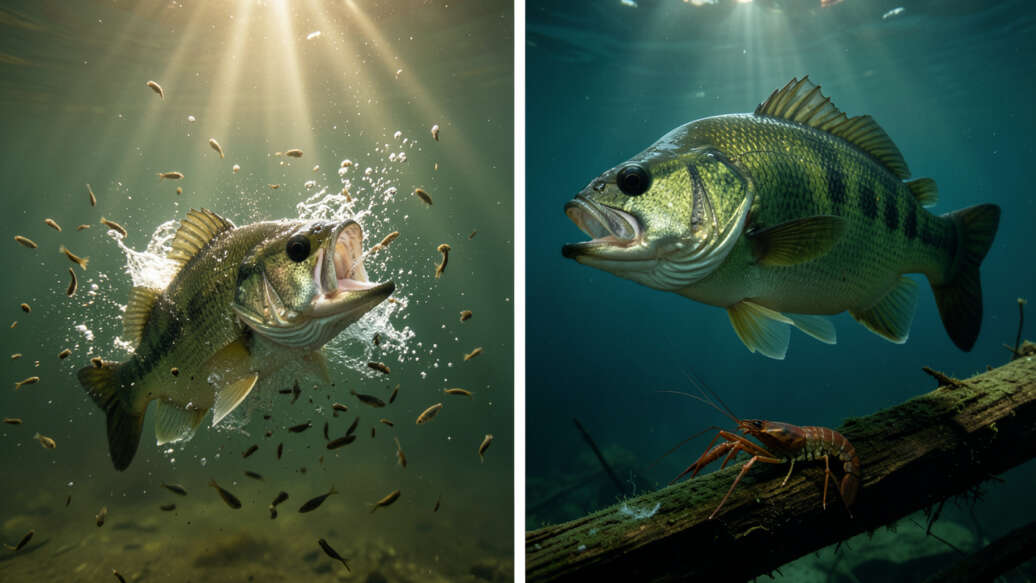
Consider the types of prey that trophy bass often consume. They frequently target larger baitfish, sunfish, shad, and even other bass. These prey items are higher in calories and provide more sustained energy.
This is why understanding their preferred diet is crucial for anglers. If you can present a lure that mimics these larger, more energy-rich food sources, you’ll have a much better chance of attracting a trophy.
Habitat Preferences: Where the Giants Roam
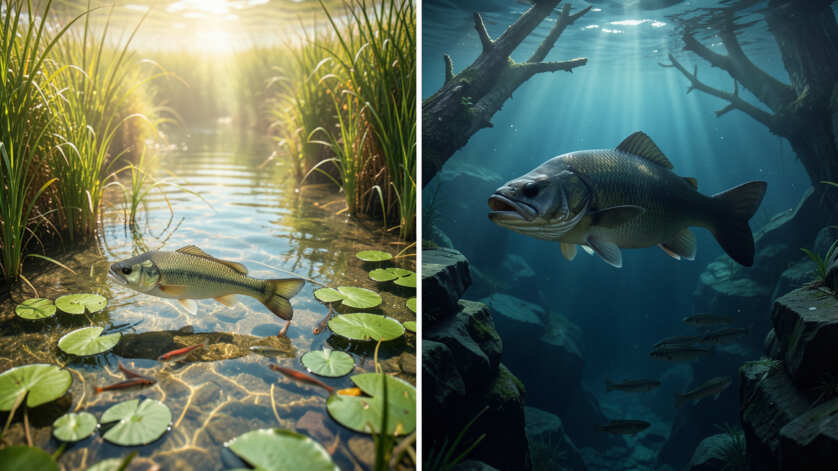
Where you find small bass and where you find trophy bass can be quite different. As bass grow, their habitat needs change. Smaller bass might be found in shallower areas or more open water.
They are more mobile and can adapt to a wider range of environments.
Trophy bass, however, often seek out more specific and complex habitats. They prefer areas that offer both ample food sources and good cover. This cover provides them with security from predators and a strategic advantage for ambushing prey.
Understanding this aspect of Big Bass Behavior: Why Trophy Fish Act Different From Small is vital for successful fishing.
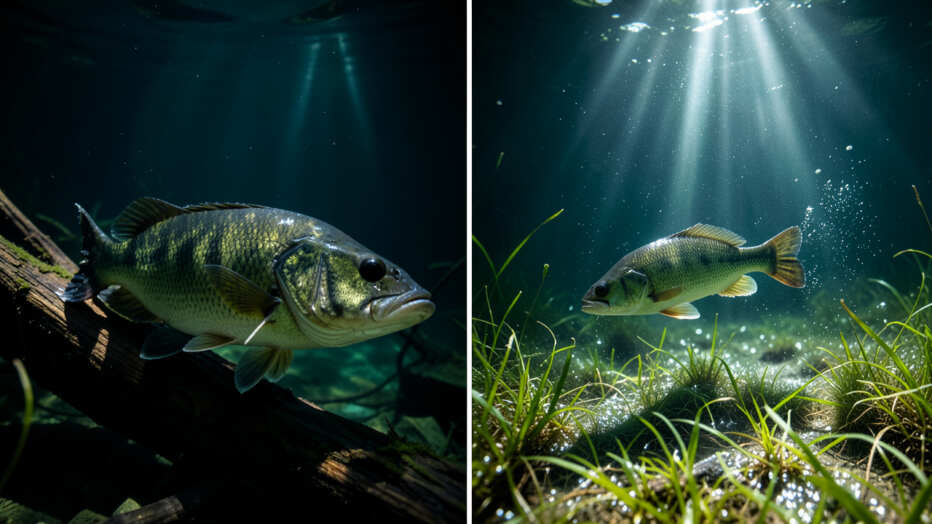
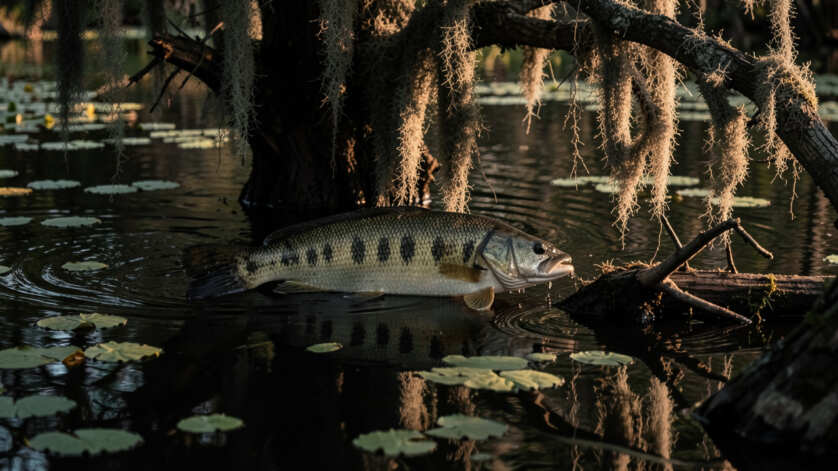
These mature fish are often found in areas with heavy structure. This could include thick weed beds, submerged logs, rock piles, or deep drop-offs. These locations provide them with a place to rest, ambush prey, and avoid fishing pressure.
Don't waste time fishing open shallow flats for trophy bass; focus instead on areas with dense cover like submerged timber or deep weed edges.
They are less likely to be in open, easily visible areas.
Think about the types of structure that hold big bass. They might be near creek channels, bridge pilings, or the edges of deep weed lines. These areas often concentrate baitfish, making them prime feeding grounds for large predators.
By focusing your efforts on these types of locations, you increase your chances of encountering a truly large bass.
The key is to look for areas that offer both concealment and access to food. A big bass doesn’t want to expend a lot of energy just to get to its meal. It wants its meal to come to it, or at least be within easy striking distance.
This is why structure fishing is so effective for targeting trophy-sized bass.
The Role of Water Temperature and Season
While all bass are affected by water temperature, trophy bass might show even more pronounced reactions. In colder water, they tend to become more lethargic and conserve energy. They will move to deeper, more stable water where they can find prey without expending too much effort.
In warmer months, they might move into shallower, cooler water during the heat of the day, or stay in deeper, cooler areas. Their feeding windows can become more defined, often occurring during dawn and dusk when temperatures are more moderate. This seasonal shift is a critical part of Big Bass Behavior: Why Trophy Fish Act Different From Small.
During hot summer months, trophy bass often feed in short windows at dawn and dusk; time your outings accordingly to maximize bites.
During the spawn, trophy bass will become very territorial and aggressive. This is a time when they are more vulnerable to anglers, as they are focused on protecting their nests. However, even during this period, their behavior is driven by a strong instinct to defend their territory, rather than just random feeding.
Understanding these seasonal patterns helps anglers time their fishing trips effectively. For example, targeting deep structure in winter or early spring, or focusing on spawning flats during the spring, can significantly improve your odds. The larger, older fish often have more predictable patterns based on these environmental cues.
Adapting Your Lure Choices and Presentation
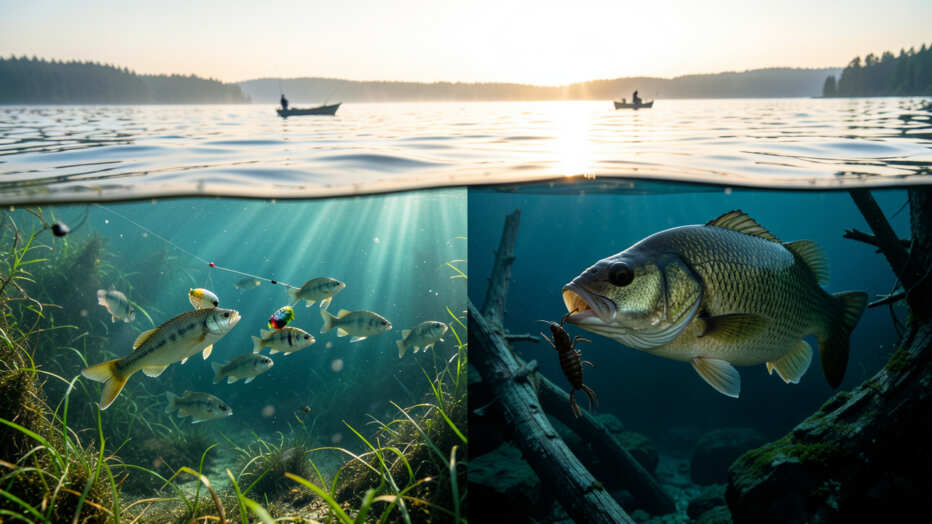
Given the differences in their behavior, it’s clear that lure choice and presentation are crucial for catching trophy bass. What works for smaller fish often won’t cut it for the giants. This is where the understanding of Big Bass Behavior: Why Trophy Fish Act Different From Small really pays off.
First, consider the size of your lure. Trophy bass are looking for a substantial meal. Small, finesse lures that attract smaller bass might be ignored by a larger fish.
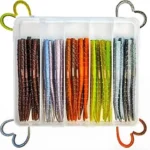
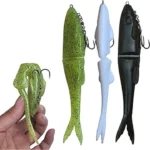
Opt for larger baits that mimic the size of their preferred prey. Think swimbaits, larger crankbaits, or big plastic worms.
Second, think about the presentation. Trophy bass are wary. They will often ignore lures that are presented too quickly or unnaturally.
Slower presentations are often more effective. This could mean using a Texas-rigged worm, a jig, or a slow-rolling spinnerbait. The goal is to make the lure look like an easy meal.
Matching the hatch with natural lure colors is a critical factor; trophy bass have learned to ignore unnatural-looking baits.
Next, consider the action of the lure. While smaller bass might be attracted to erratic, darting actions, trophy bass often prefer a more natural, subtle movement. A lure that swims smoothly or falls slowly in the water column can be much more enticing to a cautious, mature bass.
Avoid lures that create too much splash or disturbance unless you’re targeting a specific reaction strike.
Then, pay attention to color. While not as critical as presentation, certain colors can be more effective in different water conditions. Natural colors like green pumpkin, black, or brown often work well in clear water.
Brighter colors or those with more flash might be better in stained or murky water, but always try to match the hatch – what are the baitfish looking like in that body of water?
Finally, be patient. Trophy bass are not always actively feeding. They might be holding tight to cover, waiting for the perfect opportunity.
You might need to work a specific spot thoroughly and present your lure in multiple ways before you get a bite. Persistence is key when targeting these elusive giants.
Reading the Water for Big Bass
Successfully targeting trophy bass requires more than just casting and reeling. It involves “reading the water” – understanding where these large fish are likely to be and why. This is a fundamental part of understanding Big Bass Behavior: Why Trophy Fish Act Different From Small.
Look for areas that offer a combination of depth, structure, and potential food sources. A sudden drop-off near a weed line, for example, can be a prime location. The drop-off provides depth and cooler water, while the weed line offers cover and a place for baitfish to congregate.
Consider the wind and current. Wind can push baitfish into certain areas, which in turn attracts larger predators. Current can also concentrate food sources.
When reading water for trophy bass, look for current breaks and eddies where food and oxygen accumulate, as giants often hold there.
Trophy bass will often position themselves in areas where they can take advantage of these natural movements without expending much energy.
Also, pay attention to signs of baitfish activity. If you see baitfish schooling near the surface or being pushed by predators, it’s a good indication that larger bass might be nearby. Following the bait is often a good strategy for finding big bass.
Don’t overlook the importance of the time of day and season. As discussed earlier, these factors heavily influence bass behavior. Early mornings and late evenings are often prime feeding times, especially during warmer months.
Understanding these patterns will help you be in the right place at the right time.
Frequently Asked Questions
Question: What is the main reason trophy bass act differently than smaller bass?
Answer: Trophy bass act differently primarily due to their accumulated life experience, which makes them more cautious, and their need to conserve energy by targeting high-value meals.
Question: How does fishing pressure influence Big Bass Behavior: Why Trophy Fish Act Different From Small?
Answer: Years of fishing pressure teach trophy bass to be wary of common lures and fishing methods, making them harder to catch than less-pressured smaller bass.
Question: Should I use smaller lures for big bass if they are smaller than the bass?
Answer: No, trophy bass generally prefer larger lures that mimic the size of their preferred, high-calorie prey, rather than smaller baitfish.
Question: Where do big bass typically like to hang out?
Answer: Big bass often prefer areas with complex structure like thick weed beds, submerged logs, rock piles, or deep drop-offs that offer both cover and access to food.
Question: Does water temperature affect Big Bass Behavior: Why Trophy Fish Act Different From Small?
Answer: Yes, water temperature significantly impacts trophy bass behavior, influencing their activity levels and preferred depths, with them often seeking stable water to conserve energy.
Question: How can I make my lure presentation more appealing to a trophy bass?
Answer: Present lures slowly and naturally, mimicking an easy meal. Avoid erratic actions that might spook a wary, experienced fish.
Final Thoughts
Understanding Big Bass Behavior: Why Trophy Fish Act Different From Small helps you fish smarter. Trophy bass are wary, energy-conscious predators that prefer selective feeding and structured habitats. By adapting your lures, presentation, and location choices to their mature needs, you significantly increase your chances of landing those coveted giants.

One Comment