



How Pros Pattern Bass In 3 Days Before A Tournament Win
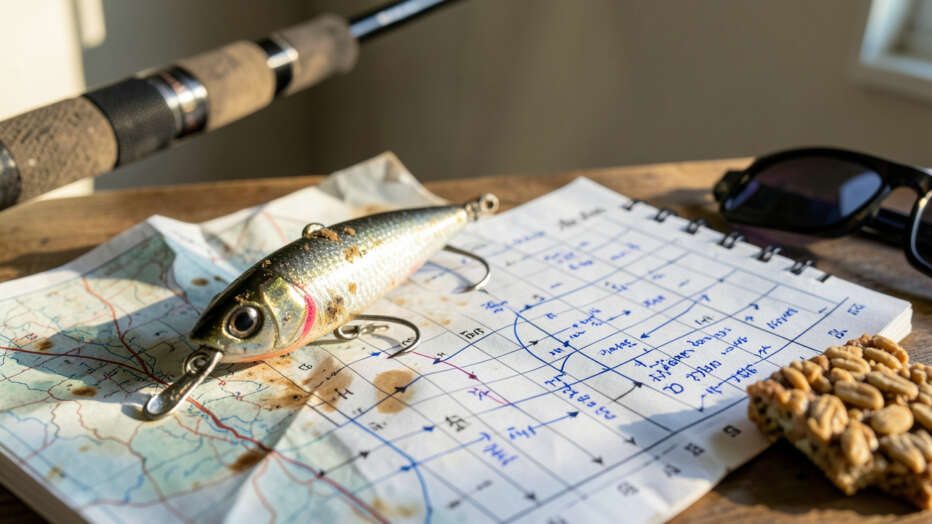
Pros pattern bass in three days before a tournament win by systematically mapping hot zones with sonar and GPS, analyzing water temperature and clarity, and linking baitfish movements to bass feeding behavior. This three-day strategy focuses on efficient water coverage and real-time observation to pinpoint active fish locations rather than relying on guesswork. Anglers who apply this structured approach can predict where bass will feed and adjust their tactics accordingly, giving them a decisive competitive edge on tournament day.
Getting ready for a fishing tournament means you need to be sharp. Especially when it comes to finding the fish quickly. Many anglers wonder about How Pros Pattern Bass in 3 Days Before a Tournament Win.
This skill is vital because it helps you pinpoint active fish, saving precious time on tournament day. Learning these strategies means you can fish smarter, not just harder, and put more bass in your livewell when it counts.
Key Takeaways
- Pros focus on understanding bass behavior and environmental triggers in the days leading up to a tournament.
- They use a systematic approach to cover water and test different fishing techniques.
- Water temperature, clarity, and structure are key factors pros analyze to predict bass location.
- Understanding baitfish movements helps pros locate where bass are likely to feed.
- Experienced anglers adjust their strategies based on real-time observations and conditions.
- Effective pre-tournament patterning is about efficiency and maximizing information gathering.
Finding the Hot Zones: Mapping Bass Activity
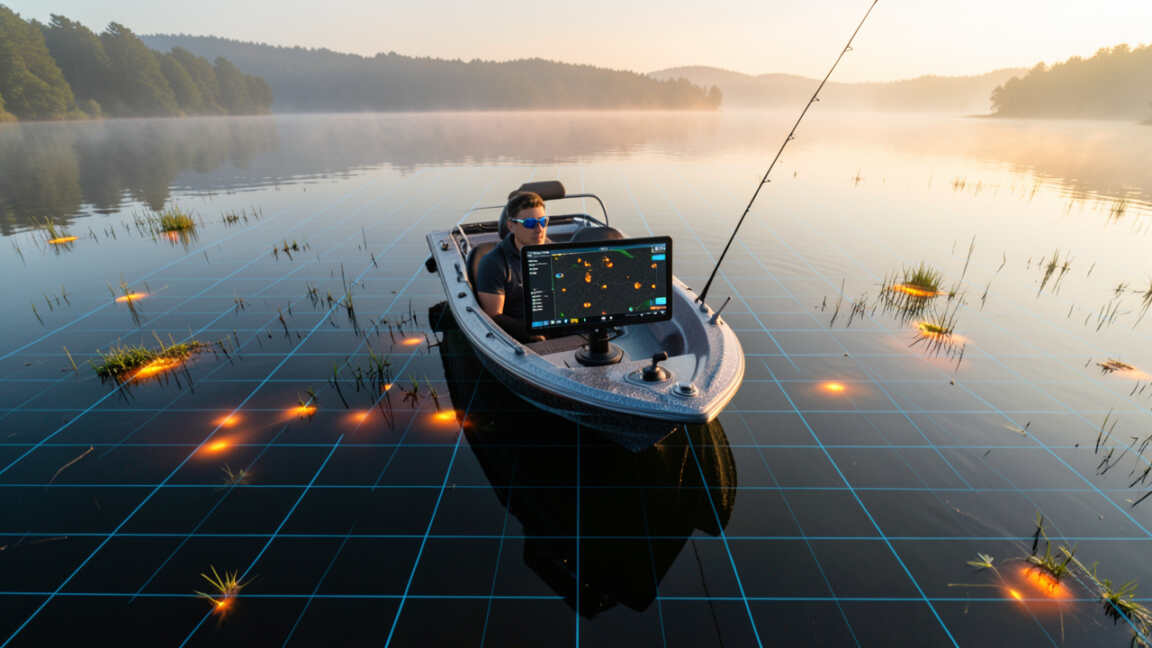
Tournament anglers know that time is money on the water. That’s why they spend days before a competition figuring out where the bass are likely to be. This isn’t just random fishing; it’s a calculated effort.
They look for areas where bass feel safe and where food is plentiful. This might mean shallow coves, deep drop-offs, or areas with plenty of cover like laydowns or rock piles.
Understanding How Pros Pattern Bass in 3 Days Before a Tournament Win involves looking at the bigger picture. They consider how the weather has been and how it might change. Sunny days might push fish deeper, while cloudy days could bring them up shallow.
They also think about the season. Spring might mean fish are moving towards spawning flats, while fall could find them schooling up and chasing bait.
Analyzing Environmental Clues
Water temperature is a huge factor for bass. Pros use temperature gauges to find the ideal ranges. Bass are cold-blooded, so they move to water that suits their metabolism.
Adjust your search for bass according to the season; in spring focus on spawning flats, in fall target schooling fish chasing bait.
Generally, they prefer water between 60 and 75 degrees Fahrenheit for active feeding. Finding a pocket of water within this range can be a goldmine.
Water clarity also plays a big role. In clear water, bass might be more wary and hold tighter to cover. This often means using more natural, subtle presentations.
In stained or muddy water, bass rely more on sound and feel. This can allow for more aggressive lures and faster fishing.
Structure is the backbone of bass fishing. Pros identify main lake points, creek channels, humps, and ledges. These are natural highways and feeding grounds for bass.
They map out these areas using their electronics and then systematically fish them. Finding a school of bass on a particular piece of structure can be a tournament saver.
The Three-Day Strategy: A Systematic Approach
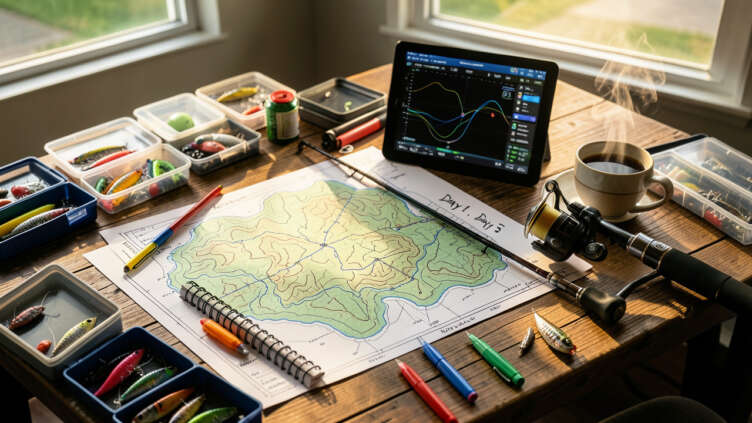
Pros don’t just go out and fish aimlessly for three days. They have a plan. How Pros Pattern Bass in 3 Days Before a Tournament Win is built on a systematic approach to cover water and gather information efficiently.
Day 1: Broad Exploration and Identifying Potential Areas
On the first day, the goal is to cover a lot of water. Pros will often start in areas they’ve had success in the past or areas that look promising on their maps. They’ll use a variety of baits to cover different depths and types of cover.
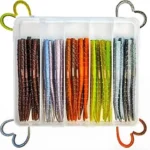
This might include crankbaits for covering flats, jigs for probing cover, and soft plastics for more finesse presentations. The aim is to get a general feel for where the fish are biting and what they’re biting on.
They are looking for “schools” or concentrations of fish. Seeing fish on their sonar is a good sign, but catching them is better. They pay attention to any bites they get, even if they don’t land the fish.
This tells them that bass are present and active in that zone.
Day 2: Refining the Search and Testing Techniques
With information from Day 1, pros narrow their focus. They revisit the most promising areas and start testing specific techniques. If they found bass relating to a certain depth or type of cover, they’ll try different lures that excel in those conditions.
Pros systematically use a variety of baits on day one to cover water efficiently: crankbaits for flats, jigs for cover, and soft plastics for finesse.
For example, if they found bass on a rocky ledge, they might try a football jig, a Texas-rigged worm, or a lipless crankbait.
This is where understanding How Pros Pattern Bass in 3 Days Before a Tournament Win really comes into play. They aren’t just fishing; they’re experimenting. They’ll try different lure colors, sizes, and retrieve speeds.
They also pay close attention to the baitfish. If they see baitfish schools, they know bass are likely nearby, and they’ll try to match the hatch.
Day 3: Confirming and Fine-Tuning for Tournament Day
The final day is about confirmation and fine-tuning. Pros will go back to the areas where they had the most success and try to catch more fish. They’ll solidify their bait choices and fishing strategies.
This might involve making small adjustments to their lure presentations or fishing slightly different parts of the same structure.
They also practice their tournament day strategy. This includes planning their route, estimating travel times, and deciding which baits they’ll start with. The goal is to have a solid plan that minimizes decision-making on tournament morning.
Knowing exactly How Pros Pattern Bass in 3 Days Before a Tournament Win means they arrive on tournament day with confidence.
Reading the Water: Baitfish and Bass Behavior
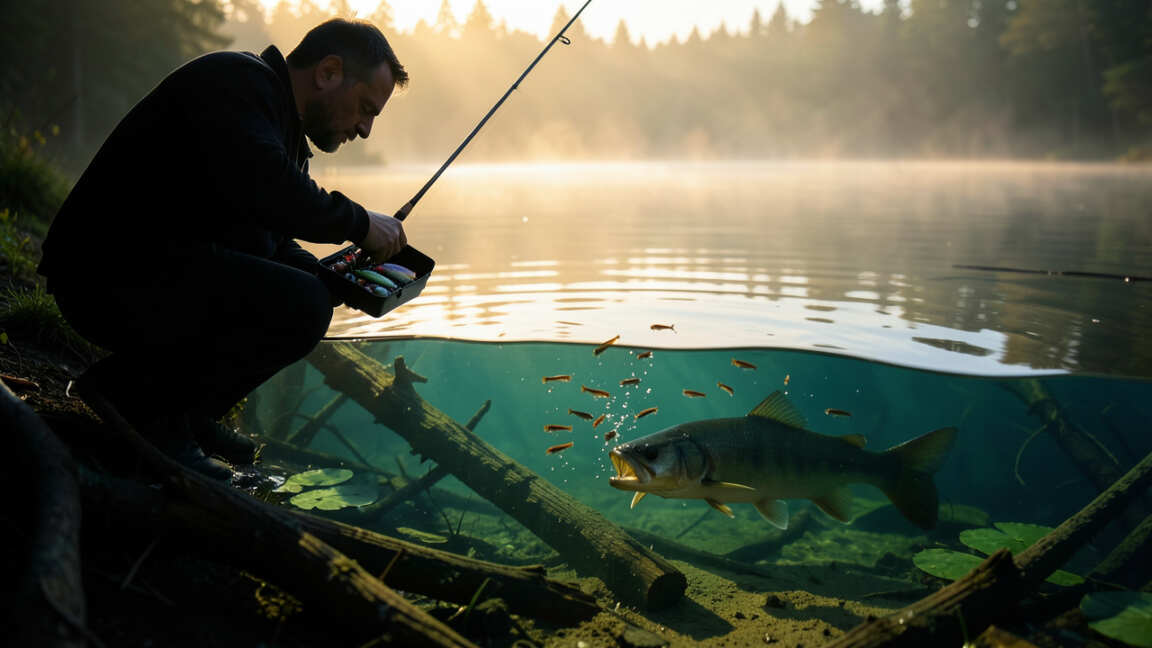
Bass are predators, and they follow their food. Understanding baitfish patterns is crucial to understanding bass patterns. Pros spend a lot of time looking for schools of shad, herring, or other forage fish.
The Role of Baitfish
When baitfish are schooled up, bass will often be nearby, waiting for an opportunity to feed. Pros use their electronics to locate baitfish. If they find baitfish holding in a specific area, they know it’s a prime spot to cast their lures.
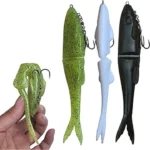
They might try to mimic the baitfish with their lures, using silver or white crankbaits, jerkbaits, or swimbaits.
When baitfish school up, bass are never far behind, waiting for the perfect moment to feed.
Sometimes, baitfish will be pushed shallow by larger bass. This can create exciting surface feeding activity, known as “schooling.” Pros are always on the lookout for this. It’s a clear sign that bass are feeding aggressively and can lead to quick limits.
Observing Bass Feeding Behavior
Beyond just finding fish, pros observe how the bass are feeding. Are they hitting lures on the fall? Do they prefer a slow, steady retrieve?
Are they aggressive and chasing fast-moving baits? The answers to these questions dictate lure choice and retrieve cadence.
For instance, if bass are crushing crankbaits, it suggests they are actively chasing prey. If they are only picking at a bait or short-striking, it might mean they are more finicky and require a more subtle approach, like a shaky head worm or a drop shot.
Leveraging Electronics and Mapping
Modern fishing technology is a game-changer for tournament anglers. Sophisticated sonar and GPS units are essential tools for understanding How Pros Pattern Bass in 3 Days Before a Tournament Win.
Sonar for Structure and Schools
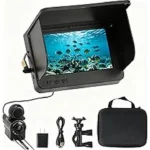
Side-imaging and down-imaging sonar allow anglers to see the bottom structure in incredible detail. They can identify submerged trees, rock piles, ledges, and drop-offs. They can also see schools of baitfish and individual bass.
This visual information helps pros make informed decisions about where to fish and what lures to use.
Use side-imaging and down-imaging sonar to identify submerged structures and baitfish schools, allowing you to make informed decisions.
Pros spend hours studying their electronics. They look for subtle changes in the bottom contour, which can indicate transition areas where bass like to hang out. They also look for “arches” or “blips” that represent fish, and try to determine if they are bass or other species.
Learning to interpret sonar is a key skill.
GPS for Precision and Recall
GPS technology allows anglers to mark promising spots with precision. They can then return to these spots repeatedly during the tournament. This is invaluable for covering water efficiently and not wasting time searching for known fish locations.
They create digital maps of their findings, noting depths, structure, and even the type of cover.
This ability to mark and revisit spots is a core part of How Pros Pattern Bass in 3 Days Before a Tournament Win. It allows them to build a detailed map of the tournament area and the fish within it. They can then create a “game plan” for tournament day, knowing exactly where to go and what to do.
Bait Selection and Presentation Adjustments
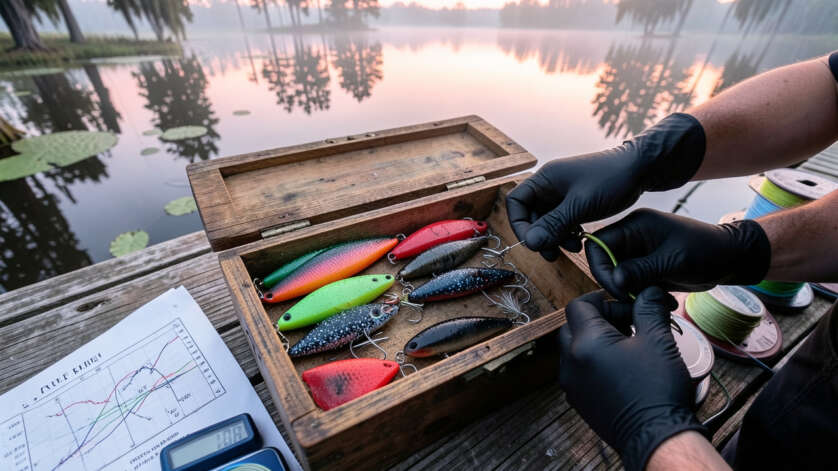
Once a pro has an idea of where the bass are and what they are doing, they need to select the right lures and present them effectively. This is where fine-tuning happens.
Matching the Hatch
The principle of “matching the hatch” is fundamental. If the bass are feeding on small shad, pros will try to use lures that mimic those shad in size, color, and action. This could be a small crankbait, a swimbait, or a jerkbait.
If they are eating crawfish, they might opt for a jig or a creature bait.
Color is also important. In clear water, natural, translucent colors often work best. In stained or muddy water, brighter, more contrasting colors like chartreuse or firetiger can be more effective.
Avoid neglecting retrieve speed and cadence; the way you work a lure often matters more than the lure itself.
Pros carry a wide variety of colors and sizes to adapt to changing conditions.
Retrieve Speed and Cadence
How you work a lure can be as important as the lure itself. Pros experiment with different retrieve speeds and cadences. A fast retrieve might trigger reaction strikes from aggressive bass.
A slow, methodical retrieve might be necessary for finicky fish or when targeting specific types of cover.
They also learn to use pauses and twitches to make their lures appear more lifelike. For example, a jig might be hopped along the bottom, while a jerkbait might be twitched and paused to imitate a wounded baitfish.
The Psychology of Pre-Tournament Patterning
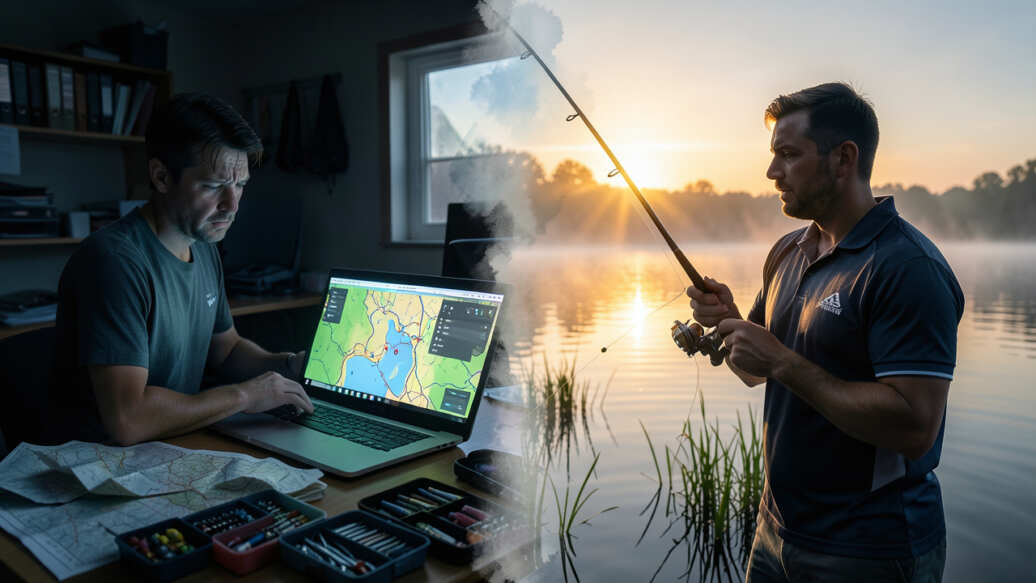
Beyond the technical skills, there’s a mental game involved in How Pros Pattern Bass in 3 Days Before a Tournament Win. It’s about staying focused, patient, and adaptable.
Patience and Persistence
Not every cast will result in a bite. Pros understand this and maintain their focus. They know that a lot of information gathering is needed.
They persist with their techniques, even when things aren’t immediately productive. They trust their plan and their ability to make adjustments.
Maintain patience and persistence even when bites are scarce; pros trust their plan and continuously adapt to changing conditions.
Adaptability and Learning
Conditions can change rapidly in fishing. A sudden shift in weather or water levels can alter bass behavior. Pros are skilled at reading these changes and adapting their strategies accordingly.
They are constantly learning and refining their understanding of How Pros Pattern Bass in 3 Days Before a Tournament Win.
If a technique isn’t working, they don’t dwell on it. They quickly switch to something else. This agility is what separates the best anglers.
They can switch gears and find fish even when the bite is tough.
Common Pre-Tournament Mistakes to Avoid
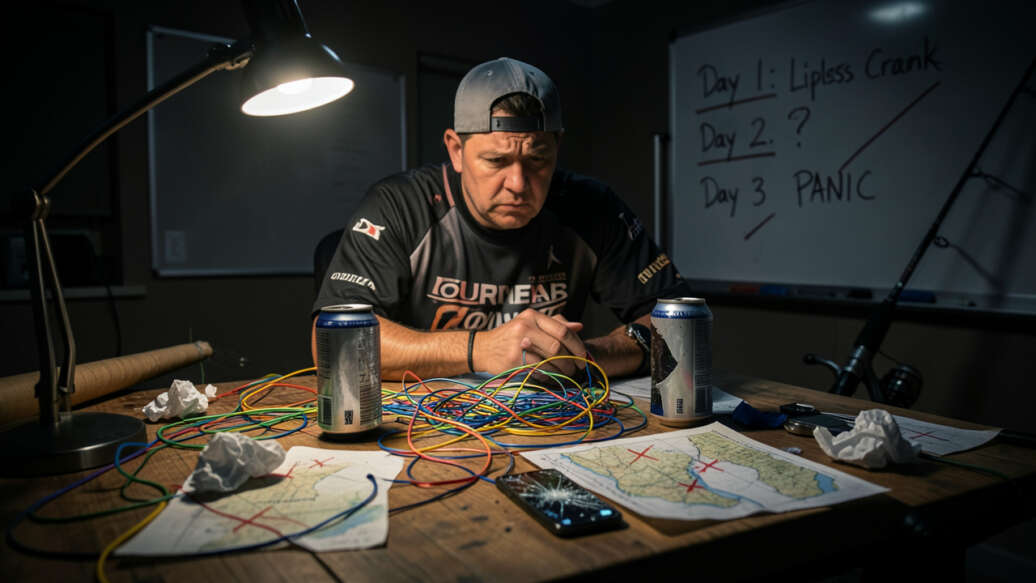
Even experienced anglers can fall into traps when trying to pattern bass before a tournament. Knowing these pitfalls can help you avoid them.
Covering water to locate active fish is more productive than meticulously fishing one spot before a tournament.
- Over-fishing an area: Sometimes, pros can get too focused on one spot. If it’s not producing, it’s important to move on and explore other possibilities.
- Ignoring changing conditions: Not paying attention to weather shifts, wind, or water clarity can lead to missed opportunities.
- Sticking to one bait: Bass behavior changes. Relying on only one lure or technique limits your chances of finding active fish.
- Not using electronics effectively: Modern sonar is invaluable. Not utilizing it to its full potential means missing out on key information.
- Fishing too slowly: Before a tournament, covering water to find active fish is often more important than meticulously dissecting one spot.
Frequently Asked Questions
How do pros know where to start looking for bass before a tournament?
Pros often start by researching the tournament location, considering the season, recent weather patterns, and known productive areas. They use maps and past experience to identify initial target zones.
Is it important to catch a lot of fish during the pre-tournament days?
It’s more important to gather information than to catch a lot of fish. Pros focus on understanding what the bass are doing, where they are located, and what baits they are responding to, rather than filling their livewell.
How do pros decide which baits to use for patterning bass?
They choose baits based on the water conditions, depth, cover, and the type of forage present. They experiment with different lures to see what triggers bites and then refine their selection.
What role does water temperature play in how pros pattern bass?
Water temperature is a primary factor. Pros target specific temperature ranges that bass prefer for feeding and activity, using temperature readings to narrow down their search areas.
How critical is it to practice How Pros Pattern Bass in 3 Days Before a Tournament Win?
It’s extremely critical. This pre-tournament patterning helps anglers locate active fish, refine their lure choices, and develop a solid game plan, significantly increasing their chances of success on tournament day.
Can I use the same methods as pros to learn How Pros Pattern Bass in 3 Days Before a Tournament Win?
Yes, by focusing on understanding bass behavior, environmental factors, using electronics, and practicing systematically, you can adopt many of the same effective strategies.
Final Thoughts
Learning How Pros Pattern Bass in 3 Days Before a Tournament Win is about smart fishing. It involves using your time wisely to find active fish by understanding their habits and environment. By focusing on key clues and adapting your approach, you can greatly improve your tournament performance.