




Lowland Reservoir Bass: Flats, Creeks, And Stained Water
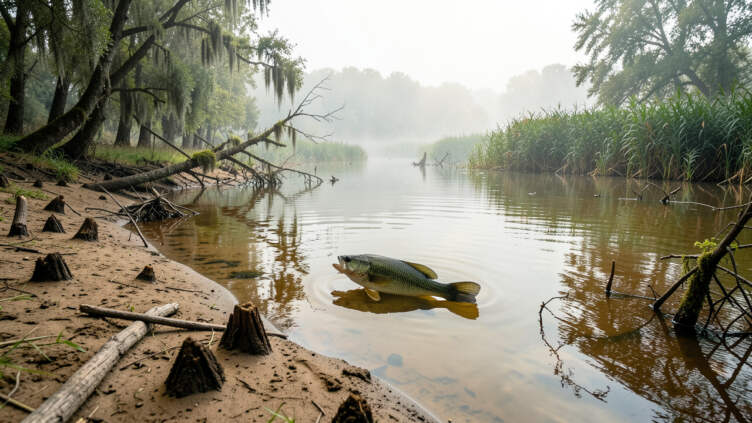
Lowland reservoir bass in stained water relate to shallow flats and creek channels because reduced visibility alters their feeding behavior and location. Bass move closer to cover in flats and use creeks as travel corridors, making presentations with high-contrast lures more effective. Anglers who focus on these specific structures and adjust lure color for stained conditions consistently improve their catch rates.
Finding bass in lowland reservoirs can sometimes feel like a puzzle. These waters often have murky or stained conditions, and understanding where the fish hide in the flats and creeks is key to a successful day. Knowing how these factors influence bass behavior will help you catch more fish, especially when you’re targeting Lowland Reservoir Bass: Flats, Creeks, and Stained Water.
We’ll cover simple tips to help you make the most of your time on the water.
Key Takeaways
- Learn how stained water affects bass feeding habits and location.
- Discover the best tactics for fishing shallow flats to find bass.
- Understand how creeks act as highways for bass in lowland reservoirs.
- Identify the best lure colors and types for stained water conditions.
- Find out how to read the subtle signs that give away bass locations.
Why Stained Water Changes Bass Fishing
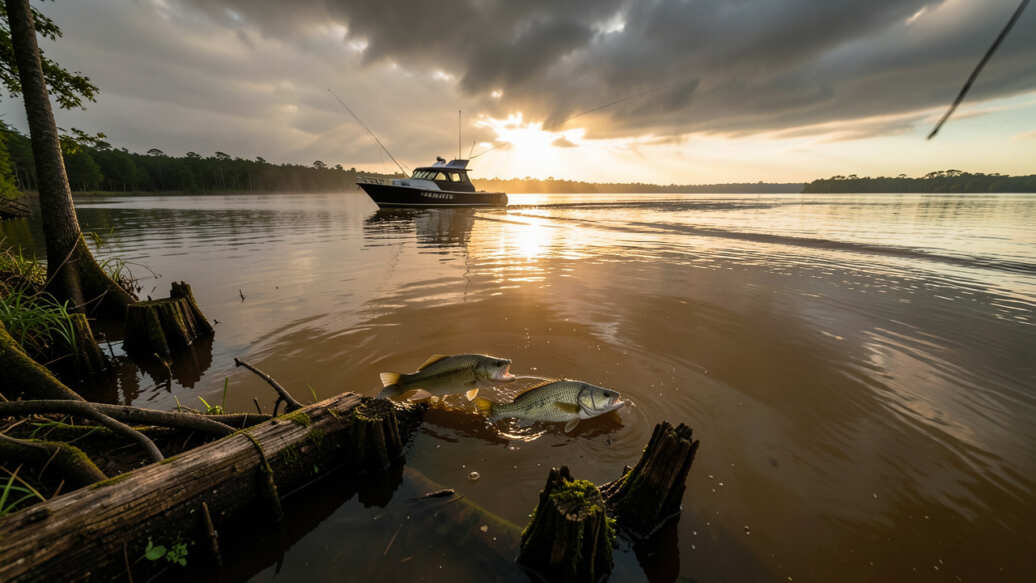
When reservoir water turns cloudy or stained, bass fishing changes. Visibility drops for both the fish and the angler. This means bass often move closer to cover and structure.
They can also feed more aggressively because they feel less exposed. For anglers, this means rethinking your approach to find those elusive Lowland Reservoir Bass: Flats, Creeks, and Stained Water.
In clear water, bass might roam more. They can see for longer distances. But in stained water, they rely more on their other senses.
When fishing shallow flats, prioritize areas with vegetation or submerged wood over sand or gravel, as these provide better ambush points for bass.
In stained water, bass move closer to cover like weed lines and submerged trees, so focus your casts on these structures.
This includes vibration and scent. They also use the limited visibility to their advantage. They can ambush prey more easily.
Understanding this shift is your first step.
The color of the water plays a big role. Light penetration is reduced. This pushes fish into shallower areas or closer to weed lines and submerged trees.
It also means certain lure colors work better than others. Brighter, more vibrant colors can be seen better in these conditions. We’ll explore these color choices later.
Targeting Bass in Shallow Flats
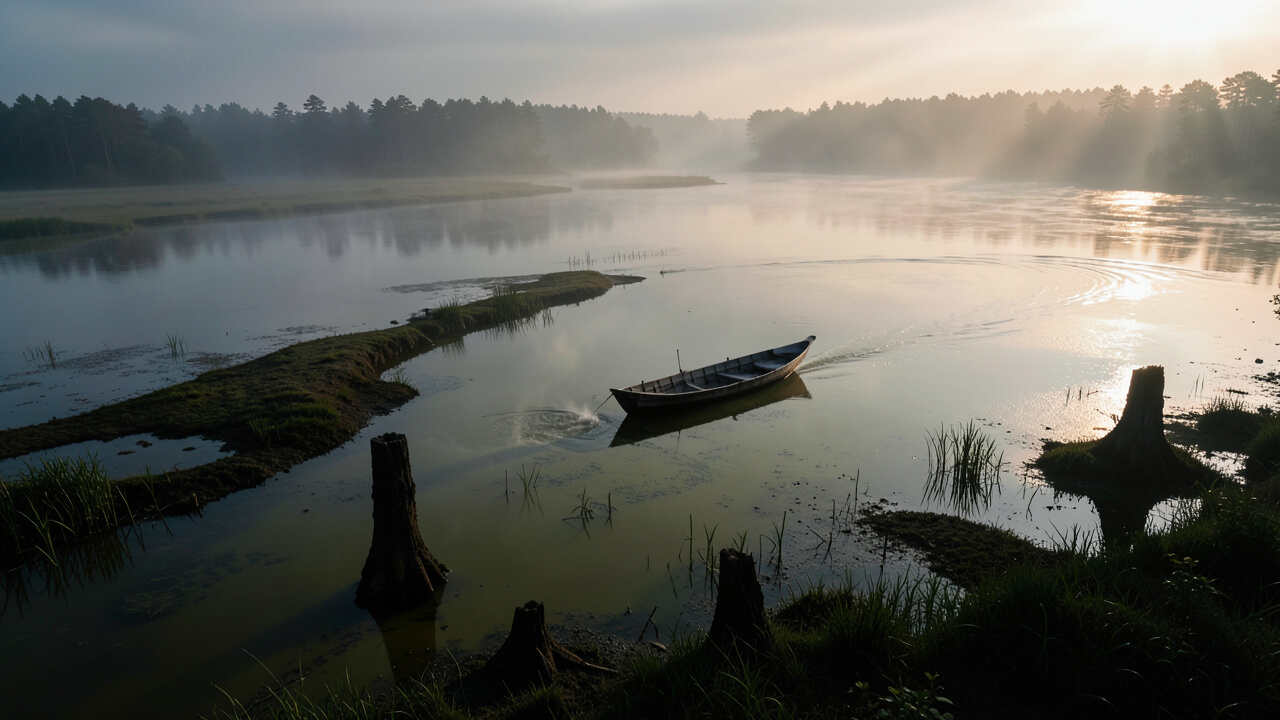
Shallow flats are prime real estate for bass, especially in lowland reservoirs. These areas often warm up quickly. They also attract baitfish.
Bass love to patrol these spots looking for an easy meal. Fishing flats requires a different strategy than deep water. You need to cover a lot of ground.
When fishing flats, think about the time of year. In spring, bass move shallow to spawn. In summer and fall, they might follow baitfish into these areas.
Look for any kind of structure. This could be submerged grass, fallen trees, or even just a subtle change in bottom contour. These are places where Lowland Reservoir Bass: Flats, Creeks, and Stained Water will hold.
Best Lures for Shallow Flats
For covering flats, lures that can skim the surface or swim just below are effective. Topwater lures are fantastic. Think walking baits or poppers.
They create commotion that attracts bass from a distance. This is especially true in stained water where sound and vibration are key.
Creeks function as natural highways for bass, connecting deeper water to shallow feeding and spawning areas.
If the bass are a little deeper or more hesitant, swimbaits are a great choice. A paddle-tail swimbait can mimic fleeing baitfish. Another excellent option is a Texas-rigged worm or a jig.
These can be worked slowly over any potential bass holding structure. They also allow you to feel the bottom and detect subtle changes.
Reading the Flats
Don’t just cast blindly. Look for signs of baitfish activity. Ripples on the surface or a sudden scattering of smaller fish can indicate bass are nearby.
Also, pay attention to the bottom. Sand or gravel can be good, but areas with some vegetation or submerged wood are usually better.
Consider the sun. Bass will often position themselves in the shade of any available cover. If the sun is high, they might be tucked under a log or in thicker weed patches.
This is where patience and precise casting come into play.
Creeks: Bass Highways in Reservoirs
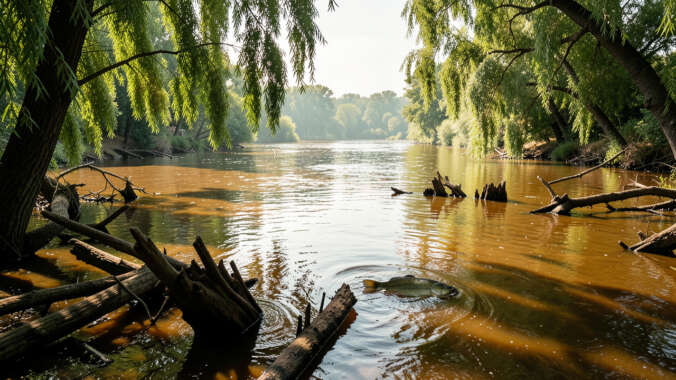
Creeks are incredibly important in lowland reservoirs. They act like natural highways. Bass use them to move from deeper water to shallower areas.
They also use them for feeding and refuge. Understanding creek channels is vital for locating Lowland Reservoir Bass: Flats, Creeks, and Stained Water.
Think of the creek channel as the main road. The smaller tributaries and feeder creeks are the side streets. Bass will often position themselves at the mouths of these creeks.
They wait for baitfish to move in and out. They also use the bends in the creek for ambush points.
Key Creek Features to Target
Focus on areas where the creek channel makes a sharp turn. These bends create current breaks. Bass often hang out on the “sweet spot” of these bends.
Look for changes in depth. A sudden drop-off or a shallowing section can attract bass.
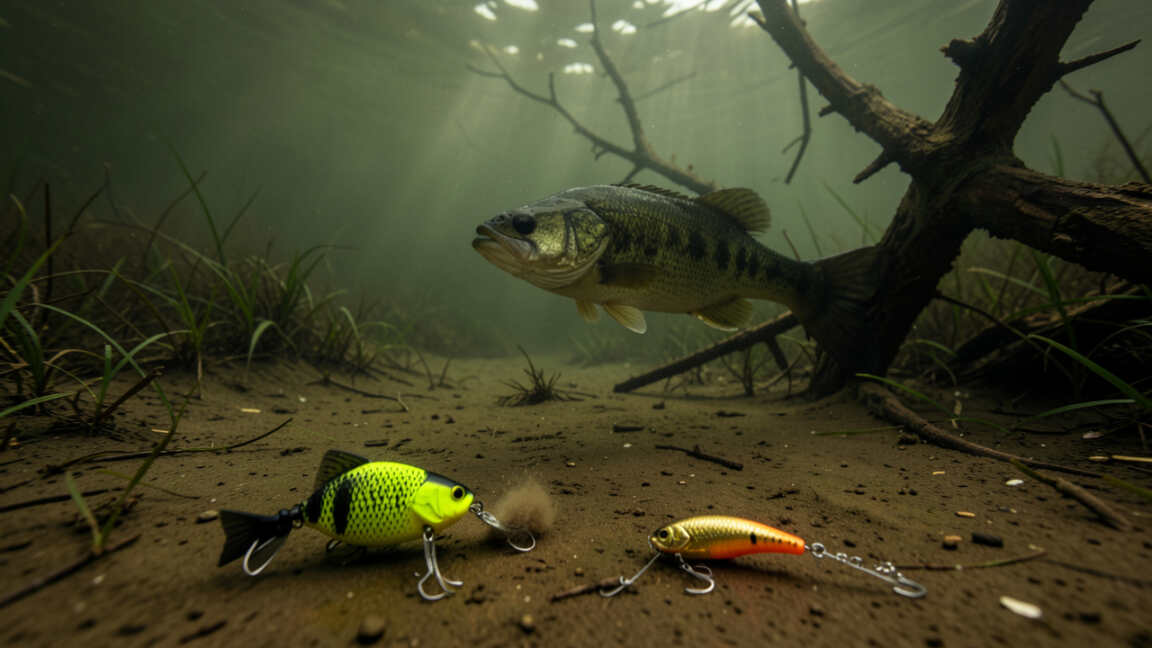
In stained water, use lures with high contrast colors like chartreuse or firetiger to improve visibility and trigger more strikes.
Submerged wood is another critical element in creek beds. Fallen trees, stumps, and even old pilings from bridges provide cover and attract bait. Bass will hold tight to this structure, waiting for an opportunity to strike.
Your lure needs to be able to get close to this cover.
Fishing Creek Mouths
The mouths of creeks are often hotspots. This is where the creek channel meets the main body of the reservoir. Baitfish often congregate here.
Bass will patrol these areas, especially during changing light conditions like dawn and dusk.
When fishing creek mouths, try casting parallel to the bank. Work your lure from the deeper channel edge towards the shallower mouth. This covers a range of depths where bass might be positioned.
A crankbait that dives to the appropriate depth can be very effective here.
Choosing the Right Lures for Stained Water
Stained water calls for specific lure choices. Visibility is limited, so you need lures that can be detected by bass through vibration, sound, and scent. Color is also a major factor.
You want something that stands out against the murky background.
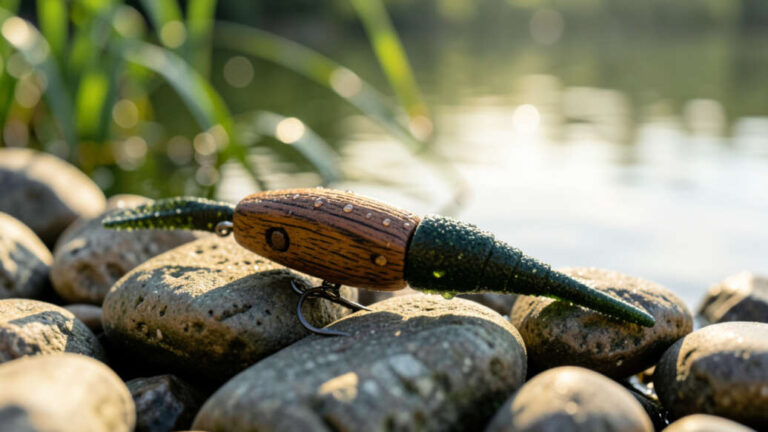
First, consider loud and vibrant colors. Chartreuse, bright orange, and firetiger patterns can be very effective. These colors have high contrast and can be seen better in low light.
They help bass locate your lure more easily.
Second, lures that create a lot of vibration are excellent. Spinnerbaits with large blades are a classic choice. The spinning blades send out strong vibrations that bass can feel.
Soft plastic baits with paddle tails also create a lot of water disturbance.
Be aware that heavily stained or muddy water forces bass tight to cover; failing to adjust your presentation to a slower, more precise approach will limit your success.
Next, scent can make a big difference. Many soft plastic baits are now infused with scent. This can entice a bass to bite and hold on longer.
This is especially helpful when bass are a bit finicky in stained water.
Then, think about profile. Sometimes a larger profile lure can be seen better in stained water. A bigger swimbait or a bulky jig can stand out more than a slender bait.
Color Comparisons for Stained Water
Here’s a quick look at how lure colors perform in stained water:
As you can see, brighter and more contrasting colors tend to perform better. This is a crucial aspect of catching Lowland Reservoir Bass: Flats, Creeks, and Stained Water.
Reading Water Conditions and Bass Behavior
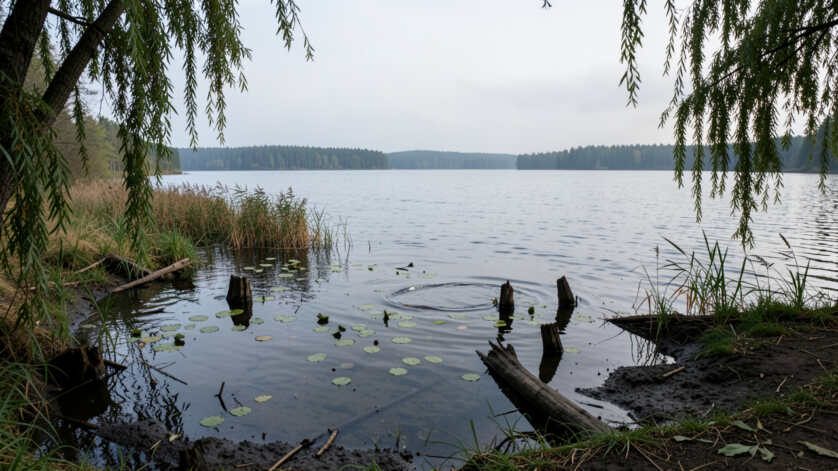
The “stained water” condition itself provides clues. If the water is slightly stained, bass might be a bit more active and aggressive. If it’s very muddy, they will likely be closer to cover and less spread out.
This influences how you should fish.
Pay attention to the weather. Cloudy days can push bass shallower. Windy conditions can concentrate baitfish and bass along wind-blown banks.
These are all factors that can help you predict bass location.
Adjusting to Light Penetration
Light penetration is directly related to water clarity. In clear water, bass can see deeper. In stained water, the “light line” where bass might be found is much shallower.
They will be in the upper layers of the water column or near structure that blocks light.
Bass rely heavily on their lateral line in stained water, so lures that create strong vibrations or noise are often more effective than subtle presentations.
This means you should focus your efforts on shallower areas and cover. If you are fishing a creek, the bass might be in the upper third of the water column. If you are on a flat, they will be near the bottom or any visible structure.
Seasonal Patterns in Lowland Reservoirs
Understanding seasonal patterns is crucial for success. In spring, bass move shallow to spawn. They prefer warmer water.
This often happens in the protected coves and flats of lowland reservoirs.
Summer means bass might move to slightly deeper, cooler water. However, they will still use flats and creek channels. They often relate to shade lines.
Fall brings them back shallow as water cools and baitfish move. Winter sees them moving to deeper, more stable water, but some may still be found on deeper creek channel ledges.
The interplay of these factors is what makes fishing for Lowland Reservoir Bass: Flats, Creeks, and Stained Water so rewarding. Each element provides a piece of the puzzle.
Effective Techniques for Stained Water Bass
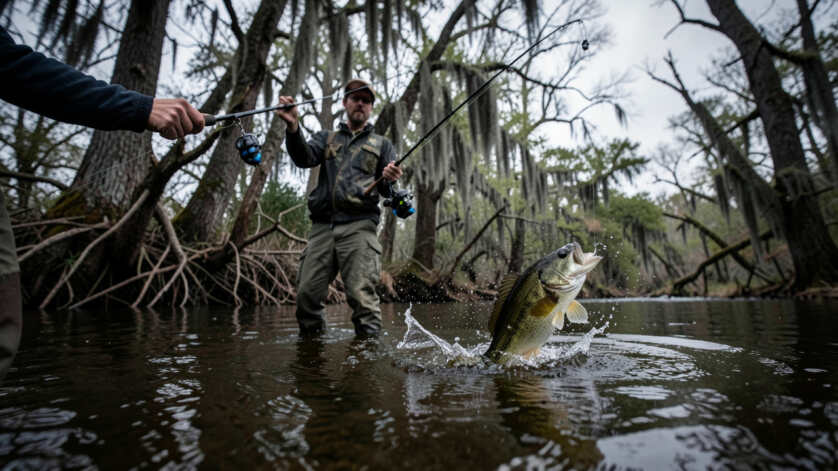
When fishing stained water, you need techniques that can get your lure to the fish and get them to bite. This often means being a bit more aggressive with your lure presentation or using scents.
First, consider your retrieve speed. In stained water, a slightly faster retrieve can sometimes trigger strikes. Bass may react to a fleeing baitfish more readily.
However, if the water is very muddy, a slower, more methodical approach might be needed to allow them to find your lure.
Second, don’t be afraid to fish close to cover. Bass are using the cover for protection and as an ambush point. Your lure needs to get right into that cover to draw a strike.
Flipping and pitching jigs or Texas-rigged plastics are excellent for this.
Then, use rattling lures. The added sound can help bass locate your bait in low visibility. Crankbaits with internal rattles are a good choice.
Even a soft plastic bait with a rattle added can make a difference.
The Importance of Vibration and Sound
Bass have a lateral line that detects vibrations in the water. In stained water, this sense becomes even more important. Lures that create a strong thumping or rattling action are more likely to get noticed.
Think about a spinnerbait. The spinning blade creates a lot of vibration. A crankbait with a good rattle can also be heard from a distance.
Even the subtle thump of a paddle-tail swimbait can be enough to attract a curious bass.
When to Go Shallow vs. Deep
Generally, in stained water, bass will be shallower than in clear water. They move up to take advantage of warmer temperatures and reduced visibility. However, if the sun is very bright, they might retreat to deeper water or heavy shade.
In the early morning and late evening, bass are often more active in shallower areas. As the sun gets higher, they may move to slightly deeper water or find shade. Creek channels can offer a consistent depth, so bass might be found along the ledges or drop-offs within the channel.
Frequently Asked Questions
What is the best time of year for Lowland Reservoir Bass: Flats, Creeks, and Stained Water?
Spring and fall are often the most productive times. Spring sees bass moving shallow to spawn, and fall brings them back up as the water cools and baitfish become active. Summer can also be good, especially during low light periods or if you find cooler water pockets.
What are the best lure colors for stained water?
Bright, contrasting colors like chartreuse, firetiger, and bright oranges work well. Black and blue can also be effective as a silhouette. The key is to use colors that stand out against the murky background.
How do creek channels help locate bass in lowland reservoirs?
Creek channels act as highways for bass. They use them to move between deeper and shallower water, and to follow baitfish. Bass often position themselves at creek mouths, bends, or along the channel ledges.
Are bass more aggressive in stained water?
Often, yes. The reduced visibility can make bass feel more secure, allowing them to ambush prey more effectively. They may also be more drawn to lures that create vibration or sound to locate their food.
Should I use topwater lures in stained water?
Yes, topwater lures can be very effective in stained water, especially during low light conditions. The commotion they create on the surface can attract bass from a distance. Walking baits and poppers are good choices.
How does water temperature affect Lowland Reservoir Bass: Flats, Creeks, and Stained Water?
Bass are cold-blooded, so temperature dictates their activity. They become more active as water temperatures rise in spring and fall, moving into shallower areas like flats and creeks. In summer, they may seek slightly cooler, deeper water, but still relate to these features.
Final Thoughts
Mastering Lowland Reservoir Bass: Flats, Creeks, and Stained Water fishing involves understanding how stained conditions affect bass behavior. Focus on shallow flats and creek features, and use lures that offer vibration and visibility. By adjusting your approach to the water clarity and structure, you can significantly improve your catch rates.