





Why Bass Suspend In Water Column: Biology And Tactics
Bass suspend in the water column to access optimal temperature, oxygen levels, and proximity to baitfish schools, driven by their biology and environmental cues. Seasonal changes—spring transitions, summer cool-water seeking, fall forage chases, and winter stability—dictate when and where they suspend. Water clarity and light penetration further influence their suspended depth, making fish finders essential for locating them. Effective tactics require precise lure placement at the correct depth to match the bass’s suspended zone.
Catching bass can sometimes feel like a puzzle, especially when they aren’t biting near the bottom or the surface. Understanding Why Bass Suspend in Water Column: Biology and Tactics is key to solving that puzzle. When bass hold in the middle of the water, they’re often in a specific zone for a reason.
Knowing their biology and how they use their environment helps you find them faster and catch more fish. This knowledge can turn a slow day into a successful one by teaching you where to look and what lures to use.
Key Takeaways
- Bass suspend in the water column to find optimal temperature and oxygen levels.
- They suspend to stay near food sources, like baitfish schools, suspended at certain depths.
- Understanding seasonal changes helps predict where bass will suspend.
- Water clarity and light penetration influence the depths where bass will suspend.
- Effective tactics for catching suspended bass involve precise lure placement and presentation.
- Electronics like fish finders are crucial tools for locating suspended bass.
Understanding Why Bass Suspend
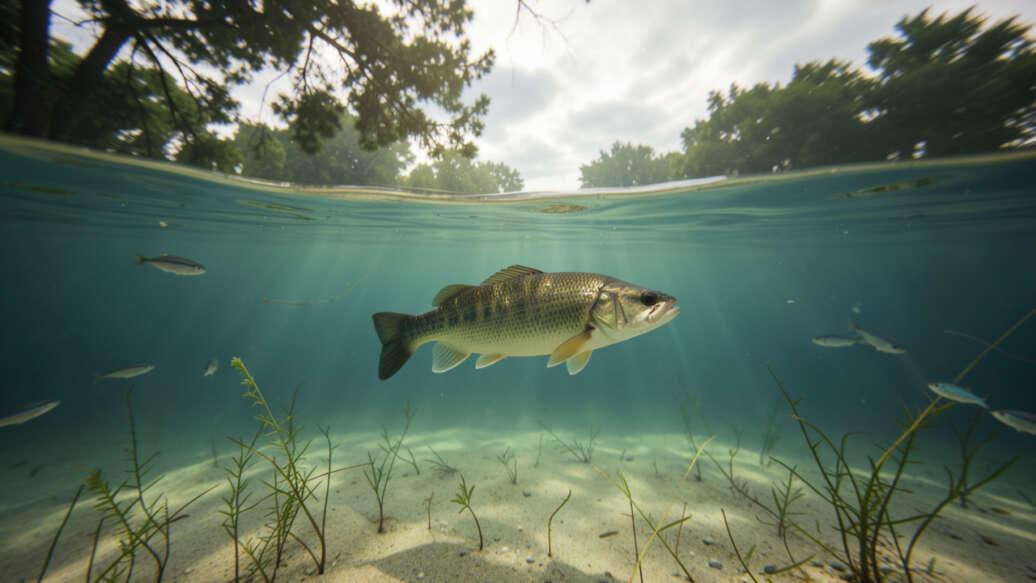
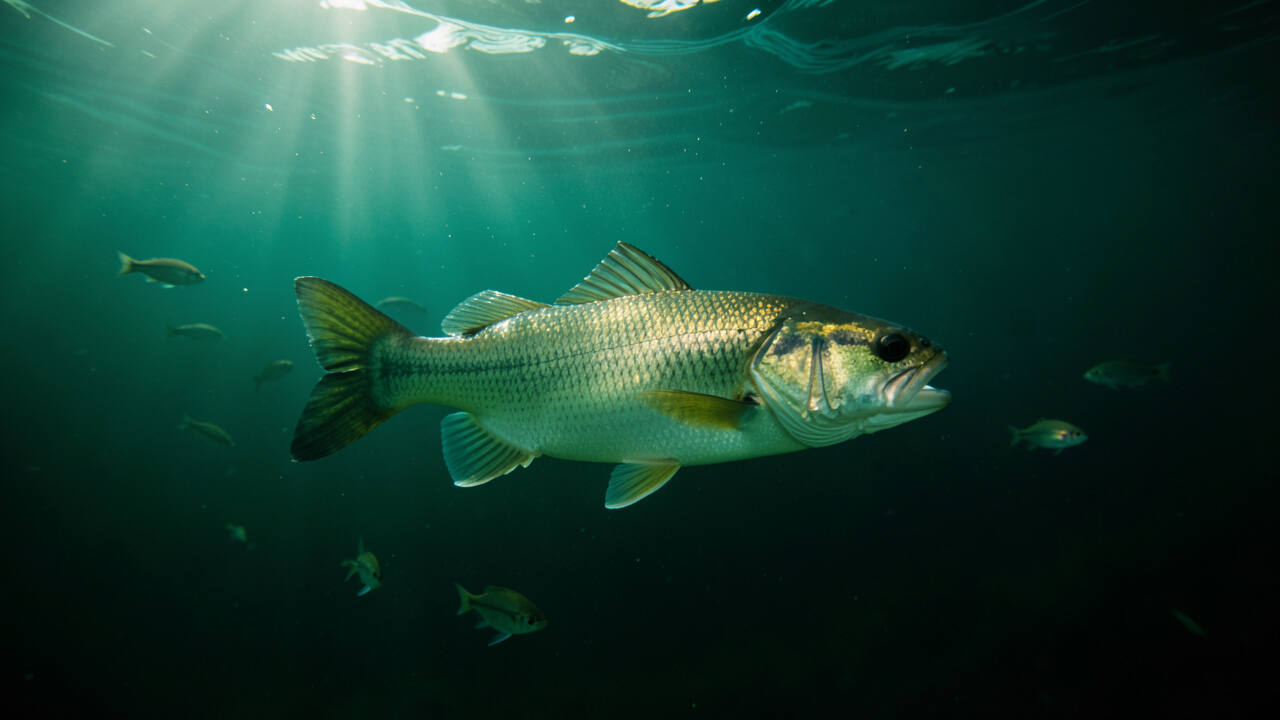
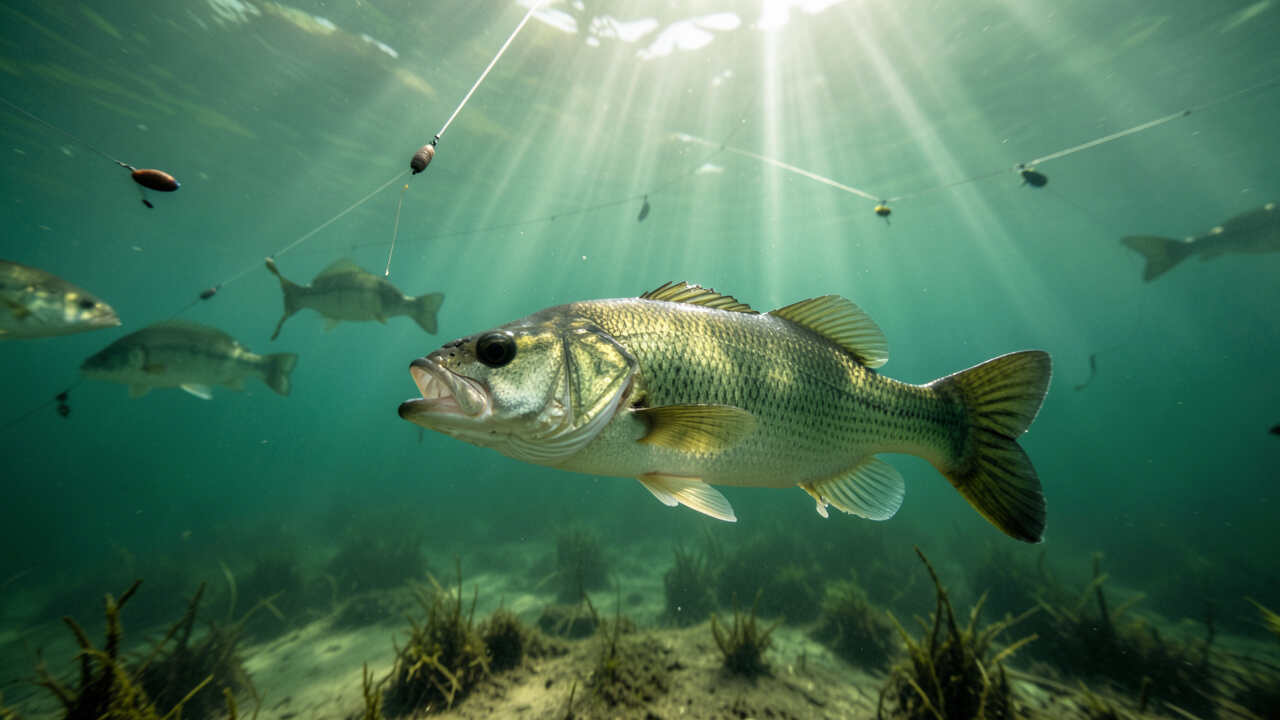
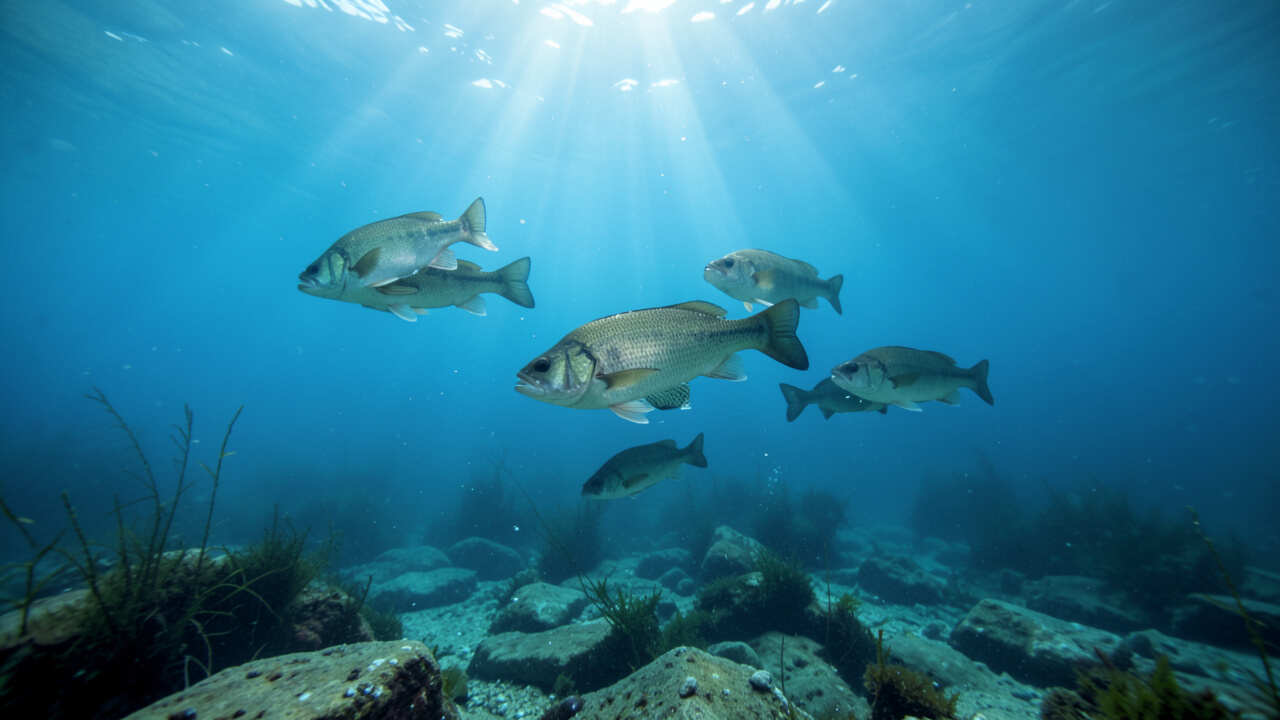
Bass don’t always stay on the bottom or at the surface. They often hang out in the middle of the water, a behavior called suspending. This happens for several important reasons tied to their survival and hunting habits.
Figuring out Why Bass Suspend in Water Column: Biology and Tactics helps anglers target them more effectively.
One of the main drivers for bass suspending is finding comfortable conditions. Fish are cold-blooded, meaning their body temperature matches the water. Different water temperatures affect their metabolism and energy levels.
Bass prefer a certain range, often between 60 and 75 degrees Fahrenheit, depending on the species. When the water at the surface or bottom is too hot or too cold, they will seek out a more ideal temperature layer in the water column.
Check water temperature at various depths to find the most comfortable zone for suspended bass, as they seek optimal thermal conditions.
Oxygen levels also play a big role. Deeper water can sometimes have less oxygen, especially if it’s stagnant or has a lot of decaying matter. Conversely, very shallow, warm water might also struggle to hold enough dissolved oxygen.
Bass will suspend at depths where oxygen is plentiful and comfortable for them. This creates a critical zone they will inhabit.
Another major reason for suspending is the presence of food. Baitfish, like shad, minnows, and other small fish, also move and school at various depths throughout the water column. Bass are opportunistic predators.
They will suspend at depths where their prey is actively feeding or schooling. This makes it easier for them to ambush their next meal with less energy expenditure.
Seasonal Influences on Bass Suspension
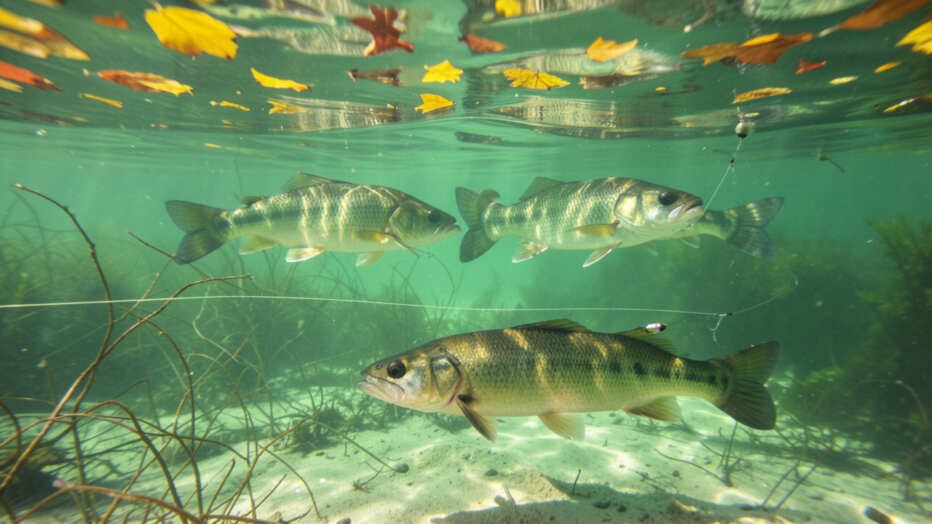
The time of year significantly impacts Why Bass Suspend in Water Column: Biology and Tactics. As seasons change, so do water temperatures, baitfish movements, and bass behavior.
Spring: The Transition Period
In spring, as water temperatures begin to rise, bass move from deeper wintering grounds towards shallower areas to spawn. Initially, they might suspend in the upper parts of deeper water, waiting for the shallows to warm up enough for spawning. They’ll follow the baitfish that are also moving into transitional zones.
You might find them suspended over submerged humps or drop-offs leading to spawning flats.
Summer: Finding Cooler Water and Bait
Summer often presents the biggest challenge for anglers dealing with suspended bass. Surface temperatures can become too warm, forcing bass to seek cooler, more oxygenated water. They will typically suspend over main lake points, submerged humps, and along the edges of weed lines.
In spring, bass often suspend in the upper parts of deeper water while waiting for shallows to warm, so follow the baitfish movements for positioning.
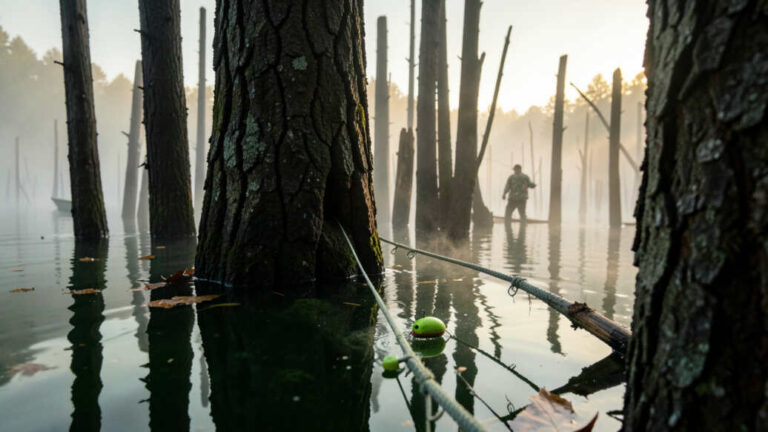
Baitfish are often found schooling in these same areas, suspended at specific depths. For example, largemouth bass might suspend over deep brush piles or submerged timber, while smallmouth bass might hold over rocky structure in the middle of the water column.
Fall: Chasing Forage
As fall arrives and water temperatures begin to drop, bass become more active and feed aggressively to prepare for winter. They will follow migrating baitfish schools. These baitfish often move to deeper, warmer water or school over structure.
This means bass will suspend at various depths, chasing these schools of forage. This is a prime time to find them suspended over large flats or along creek channels.
Winter: Seeking Stability
During winter, bass typically move to deeper, more stable water where they can conserve energy. However, they don’t always stay on the bottom. They might suspend in the water column over deep humps, ledges, or the deepest parts of the lake.
They suspend to stay near schools of baitfish that also move to these deeper zones for warmth and protection. Understanding Why Bass Suspend in Water Column: Biology and Tactics is crucial for winter success.
Environmental Factors Affecting Suspension
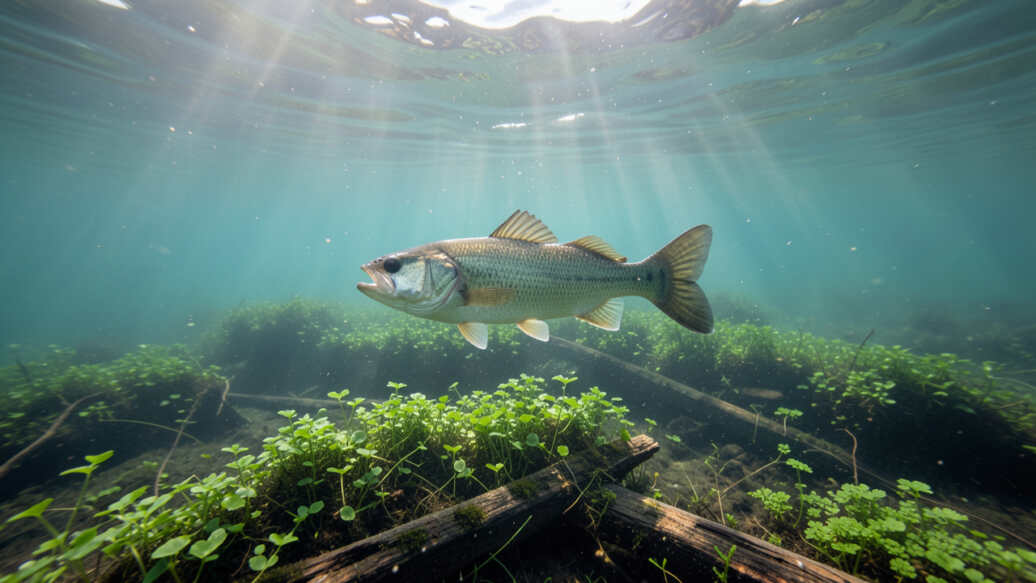
Beyond temperature and food, other environmental elements influence where bass choose to suspend. These factors create specific zones where bass feel safe and can hunt effectively.
Water Clarity and Light Penetration
The clarity of the water plays a significant role. In clear water, sunlight penetrates deeper, and bass might suspend higher to stay near baitfish. However, they also need to avoid being too exposed to predators or direct sunlight if it makes them uncomfortable.
In stained or muddy water, light penetration is limited. Bass might suspend lower in the water column, closer to the bottom, or in areas where there’s less light, like under docks or thick cover.
The presence of thermoclines is another important consideration. A thermocline is a layer in the water where the temperature changes rapidly. Bass often position themselves just above, below, or within this thermocline layer.
In clear water, bass may suspend higher near baitfish but will avoid direct sunlight to stay concealed from predators.
They seek the most comfortable temperature and oxygen levels. Knowing the depth of the thermocline can be a huge clue to where bass are suspending.
Structure and Cover
Even when suspended, bass often relate to underwater structure and cover. They might suspend over submerged humps, points, channel swings, or drop-offs. They also use vertical cover like submerged trees, brush piles, or even the edges of weed beds.
These features provide ambush points and attract baitfish, making them ideal locations for suspended bass to hold.
Understanding Why Bass Suspend in Water Column: Biology and Tactics means recognizing that they are not just aimlessly floating. They are actively seeking optimal conditions for feeding, temperature, and safety. These elements combine to create specific “sweet spots” in the water column.
Effective Tactics for Catching Suspended Bass
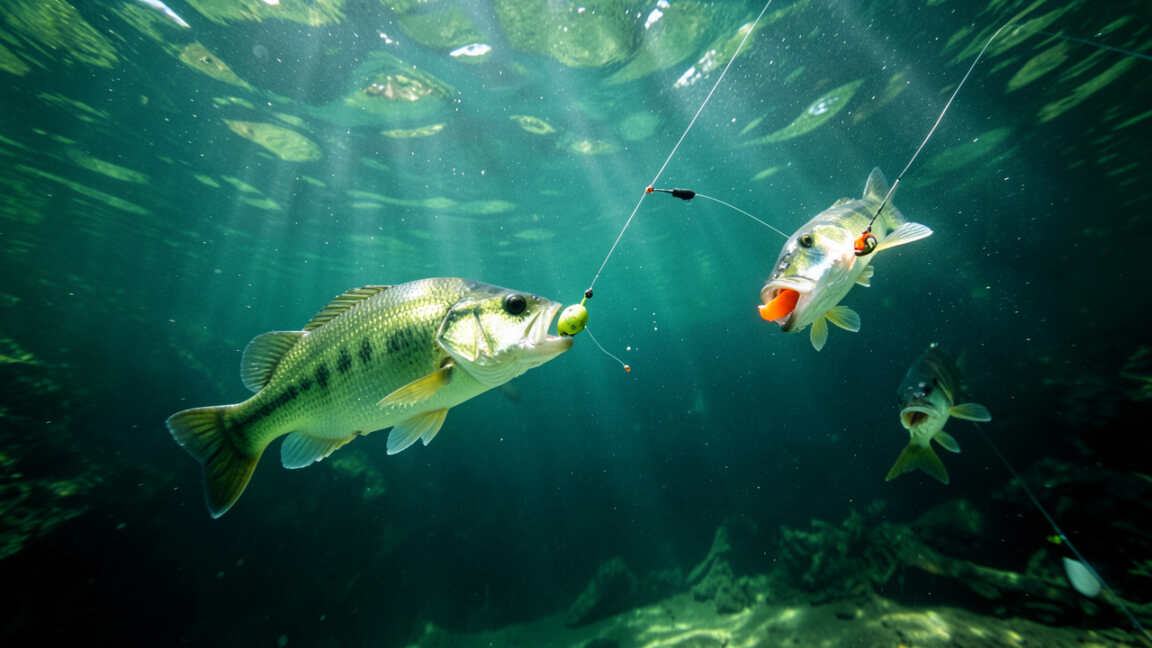
Once you understand why bass suspend, you need the right tactics to catch them. This often involves precise lure placement and presentation. The key is to get your lure to the depth where the bass are holding and make it look appealing.
Locating Suspended Bass
The first step is finding them. Modern electronics are invaluable here.
- Fish finders with GPS and down-imaging capabilities can pinpoint schools of baitfish and individual bass suspended in the water column.
- Look for baitfish marks on your sonar.
Bass are usually nearby.
- Pay attention to depth finders that show temperature layers and structure.
Beyond electronics, observant angling is important. Watch for signs like baitfish activity on the surface or birds diving for bait. These indicate where the food chain is active, and where bass might be suspending.
Presentation is Key
Once you’ve located suspended bass, presenting your lure correctly is critical. They are often in a neutral or actively feeding mood.
- Accurate casting is vital.
You need to get your lure right into the strike zone.
- Vary your retrieve. Sometimes a slow, steady retrieve works. Other times, a more erratic or pausing retrieve can trigger a bite.
- Downsizing lures can be effective when bass are finicky.
Smaller profile baits often mimic smaller baitfish.
Quick TipUse your fish finder's down-imaging to pinpoint the exact depth of suspended bass before selecting your lure and presentation.
The goal is to make your lure look like an easy meal. If the bass are suspending over a deep point, you need to get your bait down to that depth.
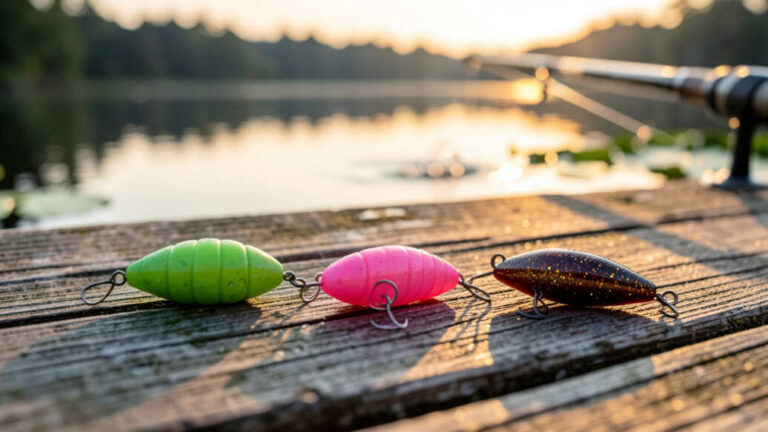
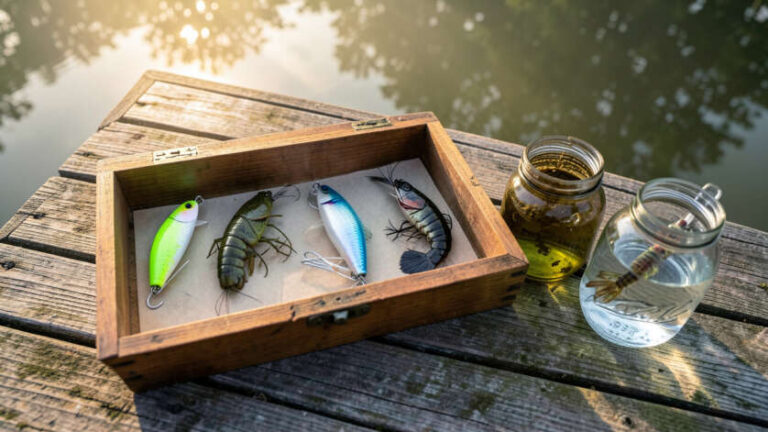
Lure Selection for Suspended Bass
Certain lures excel at targeting suspended bass. Their effectiveness often comes down to how well they can be presented at a specific depth.
When selecting lures, think about the depth you need to fish and the type of baitfish present. Understanding Why Bass Suspend in Water Column: Biology and Tactics helps you choose the right tool for the job.
Using Electronics to Your Advantage
Fish finders are not just for finding fish; they are essential for understanding the water column. They show you temperature layers, the presence of baitfish, and the depth of structure. This information is invaluable for determining where bass might be suspending. Refer to NOAA fish behavior resources for scientific data on bass suspending habits.
First, scan the area to identify baitfish schools. Second, look for depth changes and structure that might hold bait. Next, note the water temperature layers.
Then, position your boat accordingly. Finally, cast your lure to the depth indicated by your electronics. This precise approach greatly increases your chances of success.
Common Mistakes When Targeting Suspended Bass
Many anglers struggle with suspended bass because they make common errors. Avoiding these pitfalls can make a big difference in your catch rates. Understanding largemouth bass behavior is key to targeting suspended fish.
Avoid fishing too fast or too slow; match your retrieve speed to the natural movement of local baitfish to trigger strikes. Official government search results for Why Bass Suspend In can help readers check public guidance before acting.
- Not getting deep enough: If bass are suspended 20 feet down, a shallow crankbait won’t reach them.
- Poor lure presentation: A lure that doesn’t look natural or move correctly won’t get a bite.
- Not using electronics: Relying on guesswork for depth is inefficient.
- Fishing too fast or too slow: The right retrieve speed is crucial.
- Ignoring baitfish: Bass are often where the food is.
Mastering Why Bass Suspend in Water Column: Biology and Tactics requires paying attention to these details. Fish finders help identify water column layers where bass suspend.
Frequently Asked Questions
Why do bass suspend in the middle of the water instead of staying on the bottom?
Bass suspend to find ideal water temperatures, sufficient oxygen levels, and to stay close to schools of baitfish that are also holding at those depths.
Can bass suspend year-round, or only during certain seasons?
Bass can suspend year-round, but the specific depths and reasons for suspending change with the seasons due to water temperature and baitfish migration.
How does water clarity affect where bass suspend?
In clear water, bass might suspend higher to stay near baitfish while avoiding direct sunlight. In stained or muddy water, they tend to suspend lower or in areas with less light penetration.
What is the most important tactic for catching suspended bass?
The most important tactic is accurately locating the suspended bass using electronics and then presenting a lure at the correct depth with an enticing action.
Are there specific types of structure that attract suspended bass?
Yes, suspended bass often relate to underwater structure like points, humps, drop-offs, and submerged timber, as these features attract baitfish and provide ambush points.
How can I tell if bass are suspended or just cruising near the bottom?
Your fish finder will show distinct marks of baitfish and bass suspended well above the lakebed, rather than directly on or near the bottom features.
Final Thoughts
Understanding Why Bass Suspend in Water Column: Biology and Tactics is your roadmap to finding more fish. Bass suspend for comfort, safety, and to hunt prey at specific depths. By using your electronics to locate them and employing the right lures and retrieves, you can significantly improve your success rate, turning those challenging days into rewarding catches. Understanding bass suspend behavior can help anglers locate fish more efficiently during certain seasons.

One Comment