





Bass Fishing Muddy Water: Color, Vibration, And Noise Tips
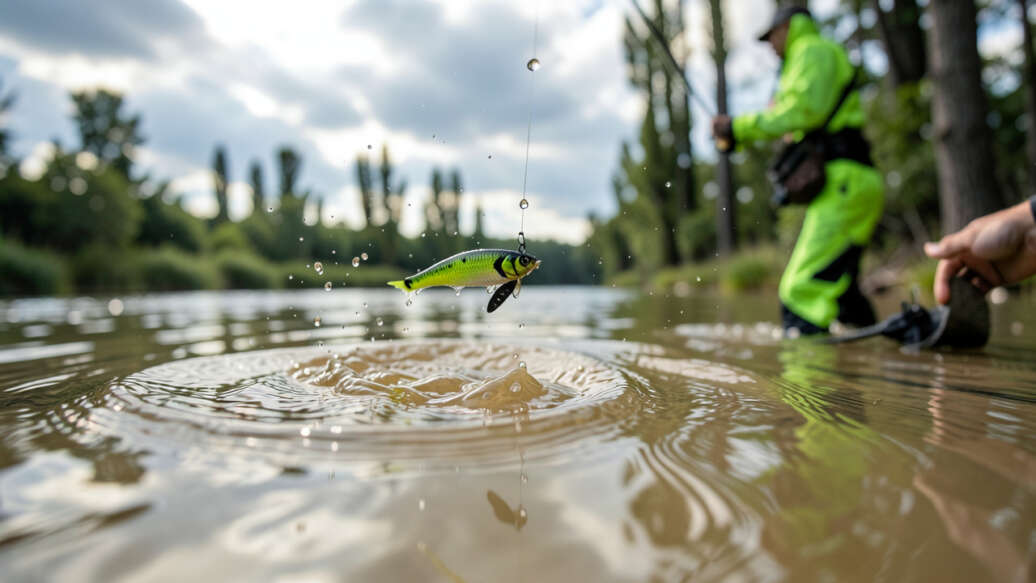
For bass fishing in muddy water, the most effective approach combines high-contrast lure colors, strong vibration, and added noise to overcome reduced visibility. Bright colors like chartreuse or dark silhouettes such as black provide the visibility bass need in stained water, while high-vibration lures like spinnerbaits and chatterbaits create pressure waves that bass detect with their lateral lines. Noise-producing rattles or bladed baits further attract bass by mimicking distressed prey in low-visibility conditions. Anglers should prioritize lure designs that maximize these sensory triggers rather than relying on subtle presentations.
In muddy water, a bass's lateral line becomes its primary hunting tool, making vibration and noise far more critical than visual cues.
When the water gets cloudy, bass can be tough to find. Understanding how to adjust your lure choices makes a big difference. You’ll catch more fish when you know which colors, vibrations, and sounds work best in murky conditions.
This guide will help you master Bass Fishing Muddy Water: Color, Vibration, and Noise Tips so you can keep reeling them in, no matter the water clarity.
When the water is stained dark, switch to black or dark blue lures to create a strong silhouette that bass can easily detect.
Key Takeaways
- Learn how to choose the right lure colors for bass fishing in muddy water.
- Understand the importance of vibration and how to create it with your lures.
- Discover how noise can attract bass in low-visibility situations.
- Get practical tips for selecting and using lures effectively in stained or dirty water.
- Improve your success rate when bass fishing in challenging water conditions.
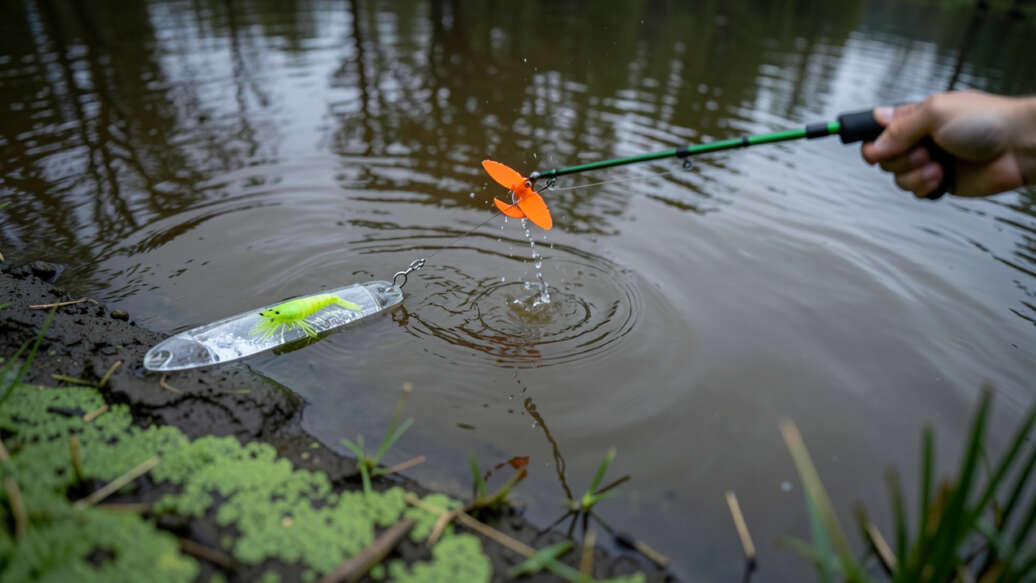
Why Water Clarity Matters for Bass
Bass rely heavily on their senses to find food. Water clarity plays a huge role in how they hunt. In clear water, they can see well and might be more cautious.
But when the water gets murky or muddy, their vision is limited.
Adding a rattle to your soft plastic or using a lipless crankbait with internal rattles can trigger reaction strikes from bass that are relying on sound to locate prey.
This is where your lure’s color, vibration, and noise become super important. Bass have to rely more on feeling and hearing to locate prey. Knowing how to give them those sensory cues is key to success.
Mastering Bass Fishing Muddy Water: Color, Vibration, and Noise Tips means you can keep fishing effectively even when others struggle.
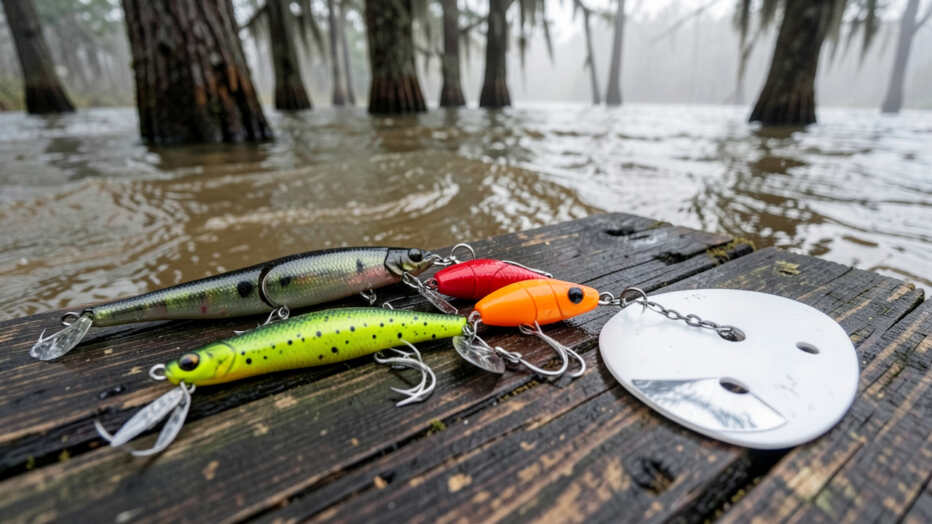
Choosing the Right Lure Colors for Muddy Water
Color is one of the first things anglers think about when fishing in murky water. The idea is to use colors that stand out and create a silhouette. Bass can see these better against the dirty background.
Bright and Contrasting Colors
Think about what a bass sees. In muddy water, they are looking for something that pops. Bright, fluorescent colors often work well.
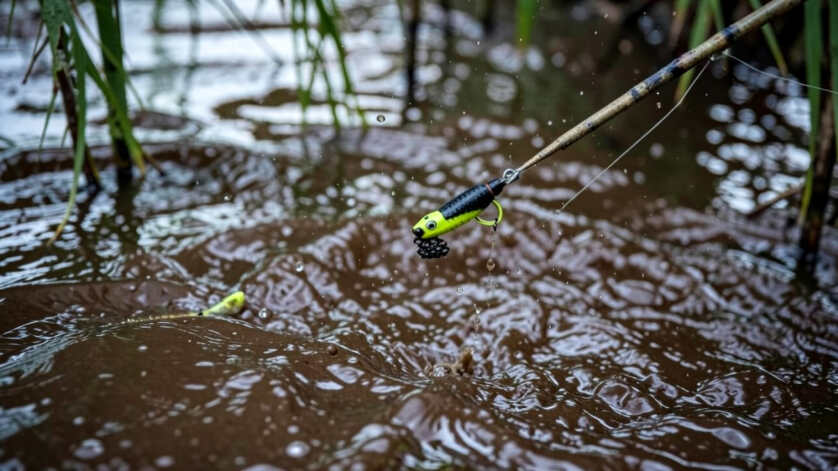
Think chartreuse, bright orange, and hot pink. These colors create a strong visual contrast.
Another good option is white or a pearl finish. These colors reflect light well. They can create a bright silhouette that bass can track.
Imagine a baitfish or a crawfish; these colors can mimic them effectively.
Dark and Silhouette Colors
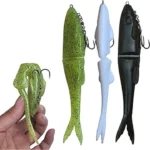
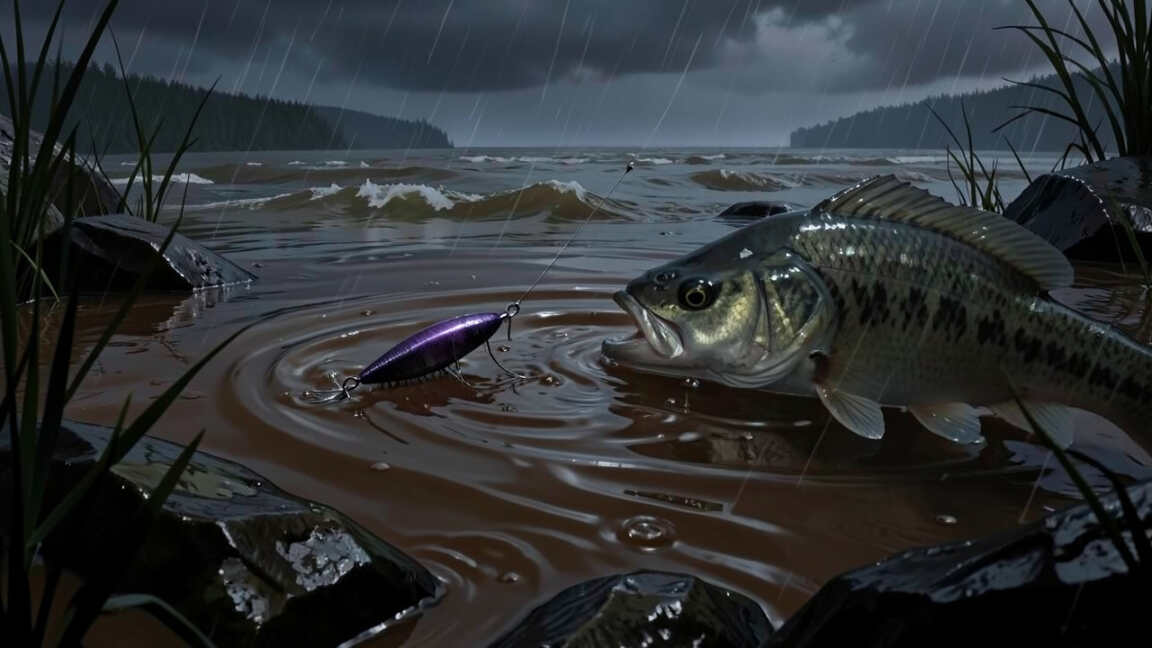
Sometimes, darker colors work best. Black, dark blue, or even a dark purple can create a strong silhouette. This is especially true when the water is very dark.
The lure looks like a shadow moving through the water.
A black lure against a lighter muddy bottom can be a great contrast. It helps bass identify it as a potential meal. Combinations of dark and bright colors can also be effective.
For example, a black lure with a chartreuse tail.
Natural vs. High-Visibility
It’s not always about bright colors. Sometimes, a more natural color can work if it has high contrast. For example, a dark green pumpkin or a smoke color can create a good silhouette in certain types of mud.
The key is to test and see what the bass are responding to on that particular day.
Consider the bottom composition. If the bottom is light mud, a darker lure will show up better. If the bottom is dark, a brighter lure might be needed.
These are important considerations for Bass Fishing Muddy Water: Color, Vibration, and Noise Tips.
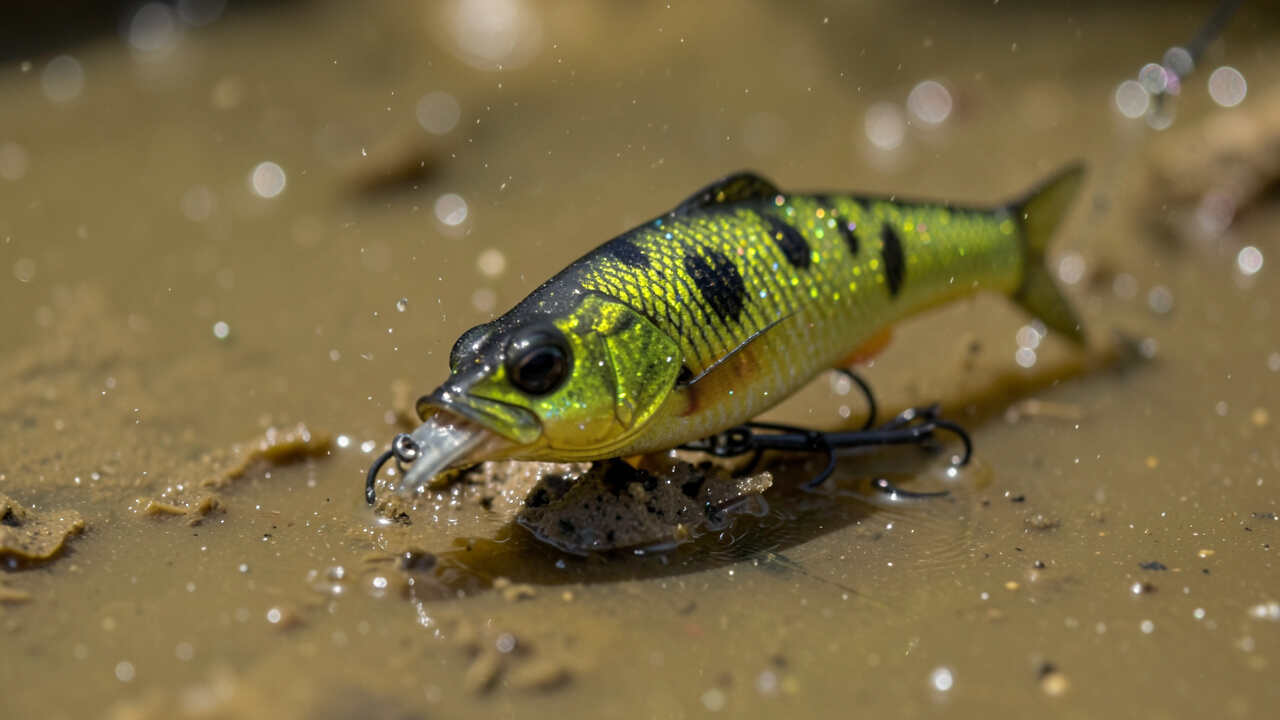
Harnessing Lure Vibration
When bass can’t see far, they use their lateral line to detect movement and vibration. This is why lures that create a strong vibration are so effective in muddy water. They send out signals that bass can feel from a distance.
Vibrating Baits
Many lures are designed to vibrate. Lipless crankbaits are a prime example. When you reel them in, their bodies wobble and create a lot of water disturbance.
This vibration is like a dinner bell for bass in low visibility.
Spinnerbaits are another excellent choice. The spinning blade displaces water and creates a thumping vibration. You can vary your retrieve speed to change the intensity of the vibration.
A faster retrieve often means more vibration.
Creating Vibration with Other Lures
Even lures not explicitly designed for vibration can be made to create more. For soft plastics, consider paddle-tail swimbaits. The tail kicks and creates a pulsing action that bass can feel.
Jerkbaits can also be worked to create more wobble and vibration. Experiment with different retrieve styles.
The type of material your lure is made of also affects vibration. Softer, more pliable plastics can often create a more subtle, natural vibration. Harder plastics or metal components tend to create stronger, more aggressive vibrations.
When to Use High-Vibration Lures
These lures are best when the water is really stained or muddy. They are also effective in low-light conditions like dawn and dusk. If you are fishing in areas with a lot of cover, like weeds or submerged trees, vibration can help bass find your lure.
Think about the speed of your retrieve. A steady retrieve often works best for many vibrating lures. However, sometimes a stop-and-go retrieve can trigger a strike.
This mimics a struggling baitfish. This is a crucial aspect of Bass Fishing Muddy Water: Color, Vibration, and Noise Tips.
The Power of Noise in Murky Water
In addition to sight and vibration, sound can also attract bass. Lures that make noise can be very effective when visibility is poor. This is especially true for aggressive bass that are actively hunting.
Rattles and Noise Makers
Many crankbaits and jigs come with rattles built inside. These rattles create a clicking or rattling sound as the lure moves through the water. This sound can travel farther than visual cues in murky conditions.
It helps bass pinpoint the lure’s location.
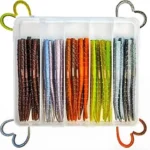
Soft plastics can also have rattles added. Many anglers will insert a small rattle into the body of a worm or creature bait. This is a simple way to add an extra sensory element.
Some lures even have metal components that clack against each other.
Surface Noise and Poppers
Topwater lures can create a lot of noise and commotion. Poppers and walk-the-dog lures create surface disturbance. This sound and splash can attract bass from deeper water.
They might not be able to see the lure well, but they can hear the activity.
Even a simple buzzbait creates a lot of noise. The blade cutting through the water makes a buzzing sound. This is a great lure for covering water and attracting attention.
The combination of noise and surface disturbance is potent.
Matching Noise to Conditions
Consider the type of noise. Some bass prefer a subtle rattle, while others respond to a loud clacking sound. If the water is slightly stained, a quieter rattle might be better.
If it’s very muddy, a louder noise might be needed to get their attention.
Experiment with different lures that have different sound profiles. Some lures have glass rattles, which are often softer. Others have metal rattles, which are louder.
This part of Bass Fishing Muddy Water: Color, Vibration, and Noise Tips is about finding the right sound for the situation.
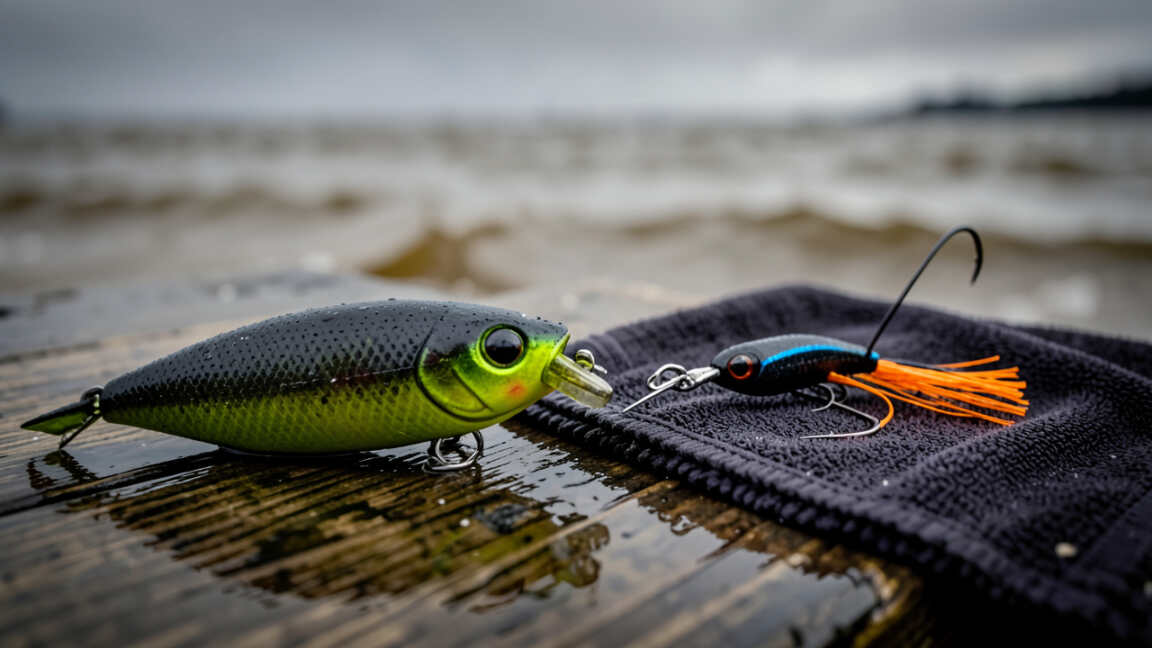
Lure Types That Excel in Muddy Water
Certain lure types are naturally better suited for fishing in muddy water. They combine color, vibration, and noise effectively. Knowing when to deploy these can significantly boost your catch rate.
Spinnerbaits and Chatterbaits
Spinnerbaits are fantastic for muddy water. They offer a combination of vibration from the blade and visual attraction from the skirt. You can fish them at various depths by changing your retrieve speed and weight.
The flash of the blade can also help bass see them.
Chatterbaits, also known as bladed swim jigs, create a very aggressive vibration and a unique sound. The blade vibrates rapidly, and the jig head clacks against the blade. This combination is highly effective in attracting bass when they are holding tight to cover or suspended.
Crankbaits with Loud Rattles
Lipless crankbaits and some billed crankbaits are excellent. Look for ones with loud internal rattles. Their erratic action creates vibration, and the rattles provide the sound.
Bright or dark colors can work depending on the water’s specific tint. Experiment with different dive depths to cover various parts of the water column.
Jigs with Trailers
Jigs are versatile and can be modified for muddy water. A football jig or a swim jig paired with a vibrating trailer is a great choice. The jig itself can have a subtle vibration, and the trailer adds more.
A crawfish-style trailer with large claws can create a lot of thump and displacement.
Consider adding a rattle to your jig. Many jigs have a small wire keeper where you can insert a rattle. This simple addition can make a big difference.
The skirt of the jig can also add visual appeal and subtle movement.
Soft Plastics with Paddle Tails
Soft plastic swimbaits with a pronounced paddle tail are very effective. The tail kicks and creates a strong pulsing action. You can rig these on a jig head, a weedless swimbait hook, or a Carolina rig.
Colors like white, chartreuse, or dark colors with glitter can work well.
Creature baits and crawfish imitations with bulky appendages also generate good water movement. These simulate small prey items that bass can easily detect by feel and vibration. Mastering these options is part of successful Bass Fishing Muddy Water: Color, Vibration, and Noise Tips.
Adjusting Your Retrieve Strategy
How you work your lure is just as important as the lure itself. In muddy water, bass might be holding tight or moving slower. Your retrieve needs to cater to that.
Slower is Often Better
Bass in murky water might not chase a fast-moving bait. They need time to detect it. Try a slower, more steady retrieve.
This allows the lure’s vibration and noise to do their job. It gives the bass a better chance to find it.
A slow roll on a spinnerbait or a steady retrieve on a chatterbait can be very effective. For soft plastics, a slow drag or a subtle twitch can entice strikes. Think about what a natural prey item would do in this situation.
Adding Stops and Bursts
While slow is often good, don’t be afraid to vary your retrieve. A stop-and-go technique can be deadly. Let your lure fall, pause, then give it a twitch or a slow reel.
This can trigger a reaction strike from a bass that was following but not committing.
A sudden burst of speed can also work. If you are reeling steadily and then give a quick jerk or reel faster for a second, it can mimic a fleeing baitfish. This can sometimes draw an aggressive strike from a bass that was hesitant.
Fishing Vertical
In very muddy water, bass might be holding close to the bottom or suspended in a tight school. Fishing vertically can be very effective. This means dropping your lure straight down to where you suspect the fish are.
Drop shot rigs, shaky heads, and jigs are good for this.
This technique allows you to present your lure directly in front of a bass’s face. You can work it up and down gently to get their attention. This is a subtle but powerful way to fish in challenging conditions and a key part of Bass Fishing Muddy Water: Color, Vibration, and Noise Tips.
When Bass Fishing Muddy Water: Color, Vibration, and Noise Tips Fail
Sometimes, even with the best techniques, you might struggle. It’s important to know when to adjust or even change your approach.
Consider Water Temperature
Water temperature affects bass behavior. In very cold muddy water, bass will be lethargic. They won’t chase lures aggressively.
You might need to use even slower retrieves and more subtle presentations. Small, compact lures with minimal vibration might be better.
In warmer muddy water, bass can be more active. They might chase baits more readily. You can often get away with faster retrieves and more aggressive lures.
The key is to match your lure and retrieve to the water temperature.
Look for Cleaner Pockets
Even in generally muddy conditions, there can be cleaner pockets of water. These might be near deeper areas, away from recent runoff, or in areas with less current. Bass may school up in these clearer spots.
Use your electronics to find these areas. If you can find a spot with slightly better visibility, you might find more active fish. Try different lure colors and retrieves in these cleaner pockets.
When to Switch to Different Senses
If color, vibration, and noise aren’t producing, think about scent. Some anglers use scent attractants on their lures. These can help bass find your bait by smell, especially in very low visibility.
A scent that mimics crawfish or baitfish can be very effective.
Sometimes, the bass are just not biting. You might have to accept that it’s a tough day. Don’t get discouraged.
Keep trying different things, and you will learn what works best for you. These Bass Fishing Muddy Water: Color, Vibration, and Noise Tips are a starting point.
Frequently Asked Questions
What is the best color lure for muddy bass fishing?
For muddy bass fishing, bright, high-visibility colors like chartreuse, orange, and pink often work best. Dark colors like black or dark blue can also create a good silhouette. Experiment to see what the bass are responding to.
How important is vibration when bass fishing in muddy water?
Vibration is extremely important. When bass can’t see well, they rely on their lateral line to detect movement. Lures that create strong vibrations, like spinnerbaits and lipless crankbaits, are very effective.
Should I use noisy lures in muddy water?
Yes, noise can attract bass in muddy conditions. Rattles in crankbaits and jigs, or the buzzing sound of a buzzbait, can help bass locate your lure when visibility is poor.
Are spinnerbaits good for muddy water bass fishing?
Absolutely. Spinnerbaits offer a great combination of vibration from the blade and visual attraction from the skirt, making them a top choice for muddy water conditions.
How does water temperature affect lure choice in muddy water?
In cold, muddy water, bass are less active, so slower retrieves and more subtle lures are best. In warmer muddy water, bass are more active and may respond to faster retrieves and more aggressive lures.
When should I consider adding scent to my lures for muddy water bass fishing?
If color, vibration, and noise aren’t producing bites, adding a scent attractant can help bass find your lure by smell, especially in very low-visibility situations.
Final Thoughts
Catching bass in muddy water is all about adjusting your approach. Focus on lures that offer bright colors, strong vibrations, and appealing noise. Experiment with slower retrieves and different lure types.
With practice, you can turn tough, murky conditions into successful fishing trips.




One Comment