



How Bass React To Barometric Pressure Changes: A Field Guide
Bass react to barometric pressure changes by adjusting their activity levels and location, with rising pressure typically increasing feeding intensity and falling pressure causing them to become less active and move deeper. Anglers targeting rising pressure should use fast-moving lures in shallow areas, while falling pressure calls for slow, deep presentations near structure. During stable pressure, bass maintain predictable patterns, making it an ideal time to fish their usual haunts with consistent techniques. Understanding these pressure-driven behaviors allows fishermen to choose optimal times and tactics, leading to more successful trips.
Fishing can be a lot more fun when you know where the fish are and why. Many anglers wonder about the weather’s impact, especially the air pressure. Understanding How Bass React to Barometric Pressure Changes: A Field Guide can really help you catch more fish.
This knowledge helps you predict bass behavior, leading to more successful fishing trips and a better understanding of their underwater world.
Key Takeaways
- Bass activity often changes with shifts in barometric pressure.
- Rising pressure can make bass more active and easier to catch.
- Falling pressure can push bass deeper or make them less willing to bite.
- Stable pressure periods can offer consistent fishing opportunities.
- Knowing these patterns helps anglers pick the best times and tactics.
- Adapting your lure choice and presentation is key to success in different pressure conditions.
Why Barometric Pressure Matters for Bass Fishing
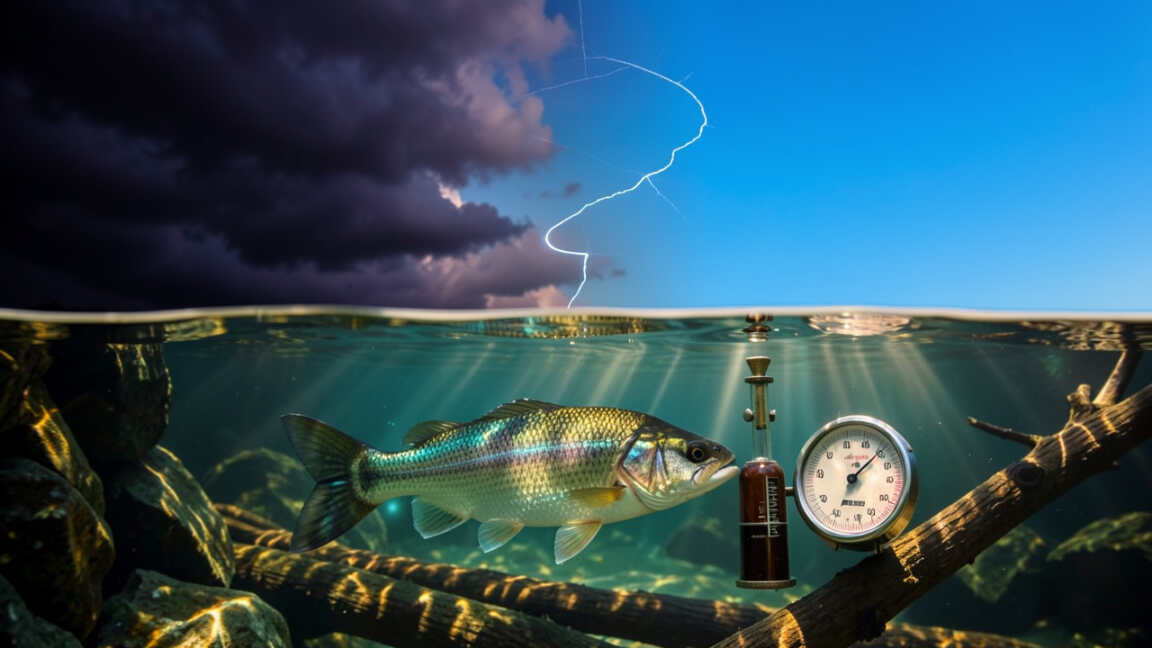
As pressure rises, water compresses slightly, which may improve bass respiration and encourage them to feed more aggressively in shallower areas.
A quick tip: pay attention to stable or slowly rising pressure as these often signal active and feeding bass, giving you a clear advantage on the water.

Understanding Rising Barometric Pressure
When the barometric pressure starts to rise, it often signals improving weather. Clear skies and calmer conditions usually follow. For bass, this change can be a positive trigger. As pressure increases, the water can become more compressed, potentially making it easier for bass to breathe and move. This often leads to increased feeding activity. Bass may become more aggressive and willing to travel further to find food. You might find them higher in the water column or more active in shallower areas. This is a prime time for active fishing.Falling pressure often triggers a pre-storm feeding frenzy; bass may become lethargic afterward, so timing your outing just before the front arrives can be highly effective.
Best Tactics for Rising Pressure
During a rising pressure period, bass are often on the move and looking for a meal. This is when you can try faster-moving baits. Think about crankbaits that dive deep or swim with a good action. Spinnerbaits can also be very effective, covering a lot of water and attracting attention. Topwater lures might even work well early or late in the day as bass become more aggressive. Don’t be afraid to experiment with different retrieve speeds. The key is to present a lure that mimics an injured baitfish or an easy meal.Where to Find Bass in Rising Pressure
With rising pressure, bass might move out of their deep-water haunts. Look for them in transition areas. This could be the edges of drop-offs, points, or structures like submerged trees or rock piles. They might also be found in weed beds or along the edges of current. If you’re fishing a lake, consider areas where baitfish are likely to congregate. In rivers, look for bass positioned near current breaks, ready to ambush prey. Active bass are often found where they have a good vantage point and a quick escape route.During stable pressure, bass settle into predictable patterns; focus on dawn and dusk feeding windows for consistent action.
Strategies for Falling Pressure
When pressure is falling, bass might be less willing to chase fast lures. This is when slower presentations can pay off. Try soft plastics like worms, grubs, or creature baits. A Texas rig or a drop shot rig can be very effective. Focus on getting your bait right in front of the bass and letting them come to it. You might need to work cover more thoroughly. Patience is key here; let your lure sit in the strike zone for a bit longer.Locating Bass in Falling Pressure
As pressure drops, bass often move to deeper water. They might seek out the comfort and stability of deeper holes or ledges. Look for them around submerged structures that offer protection and a place to hold. Creek channels and the main river channel edges are also good places to check. If you’re fishing a lake, focus on the deeper parts of the lake, especially around any structure. Sometimes, just before a storm, they might feed shallow, so keep an eye on that possibility too.
Stable Barometric Pressure and Bass Fishing
Rapid pressure shifts can stress bass, causing erratic feeding; be prepared for a sudden bite window followed by a shutdown as the front passes.
Tactics for Stable Pressure
During stable pressure, many different techniques can work. You can often catch bass on a variety of lures. If the bass are active, fast-moving baits can still be effective. If they are more settled, slower presentations will work just as well. This is a good time to experiment with different lure colors and sizes. Pay attention to what the baitfish are doing. If you see baitfish schooling, try to match their size and depth with your lure.Finding Bass in Stable Pressure
In stable conditions, bass tend to hold in predictable locations. They might be found around structure, in weed beds, or along drop-offs. Observe the water for signs of baitfish activity, such as busting or jumping. Bass will often be nearby, feeding on these baitfish. If you know a particular spot has been productive in the past, it’s a good bet to check it again during stable pressure. This is when scouting and understanding your fishing area really pays off.
The Impact of Rapid Pressure Changes
Use pressure trends as a starting point: rising pressure calls for faster-moving lures like crankbaits, while falling pressure suggests slowing down with jigs.
Fishing Through Rapid Shifts
During rapid pressure changes, you might need to adjust your approach frequently. If the pressure is dropping fast, try to fish the period just before the storm. This is when bass might feed heavily. If the pressure is rising quickly after a storm, fishing can be excellent as they resume normal activity. If you’re caught in the middle of a rapid change, try to find areas where the bass might be less affected, such as deep, sheltered coves or very deep water.Comparing Pressure Conditions: A Quick Guide
Here’s a simple way to think about how bass might behave based on pressure changes. This isn’t an exact science, but it’s a good starting point for anglers.Barometric pressure is only one variable; water temperature, time of day, and wind often exert stronger influences on bass behavior.
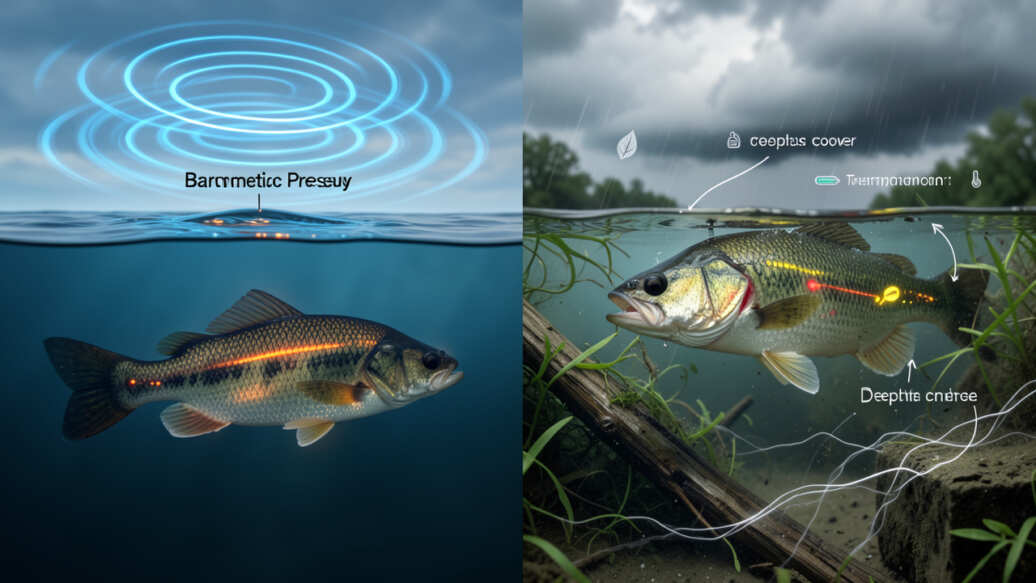
When Barometric Pressure Isn’t the Whole Story
Check your weather app for pressure trends—rising, falling, or stable—and note the rate of change to anticipate bass activity.
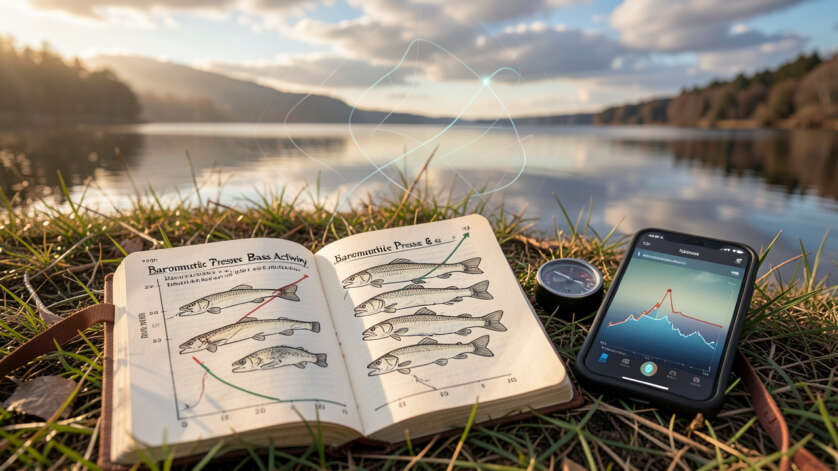
How to Monitor Barometric Pressure
Keeping an eye on barometric pressure is easier than you might think. Many weather apps on your smartphone will show the current pressure and trends. You can often see if it’s rising, falling, or stable. Some dedicated fishing apps also include this information. If you prefer a more old-school approach, a simple barometric pressure gauge can be kept at home or in your tackle box. Learning to read these trends will help you make better fishing decisions.Frequently Asked Questions
What is the best barometric pressure for bass fishing?
There isn’t one single “best” pressure, but many anglers find that a steady or slowly rising pressure often leads to good fishing. Rapidly falling pressure can be tough, but often offers a feeding window just before the weather turns.
Does barometric pressure affect all bass species the same way?
While there are general trends, different bass species might have slightly different preferences or tolerances to pressure changes. However, the core principles of feeding activity linked to pressure shifts generally apply across species like largemouth, smallmouth, and spotted bass.
How can I tell if the barometric pressure is falling?
Most weather apps will show you the current millibars (mb) or inches of mercury (inHg) for barometric pressure. You can also look for weather forecasts predicting storms or unsettled conditions, as these are usually associated with falling pressure.
Should I still fish if the barometric pressure is dropping rapidly?
Yes, it can be a great time to fish, especially in the hours leading up to a storm. Bass may feed aggressively before the pressure drops significantly. After the storm, fishing can also improve as they resume normal activity.
How does How Bass React to Barometric Pressure Changes: A Field Guide help me catch more fish?
Understanding How Bass React to Barometric Pressure Changes: A Field Guide helps you predict bass behavior. This allows you to choose the right lures, tactics, and fishing spots for the current conditions, increasing your chances of success.
Is barometric pressure more important than water temperature for bass?
Both are very important, but water temperature often has a more direct and consistent impact on bass metabolism and activity. Barometric pressure is a significant secondary factor that can influence their feeding patterns within a given temperature range.
Final Thoughts
Knowing how bass react to changing air pressure can truly improve your fishing success. By paying attention to rising, falling, or stable pressure, you can better predict where bass will be and what lures they might strike. Adapt your strategies based on these conditions, and you’ll find yourself with more bites and more fish in the boat.


One Comment