


Largemouth Bass Biology: Diet, Lifespan, Growth Rates Guide
Largemouth bass are opportunistic predators whose diet shifts from zooplankton as fry to small fish and crayfish as adults, making them highly adaptable in various freshwater habitats. Their average lifespan ranges from 10 to 16 years in the wild, though factors like water temperature, prey availability, and fishing pressure can significantly shorten or extend longevity. Growth rates vary widely, with young bass reaching 10 to 15 inches within their first two years under ideal conditions, while trophy-sized fish often require a decade or more of optimal feeding and habitat. Understanding these biological patterns helps anglers predict bass behavior, select effective lures, and identify productive fishing locations throughout the seasons.
Knowing what largemouth bass eat, how long they live, and how fast they grow helps you understand these popular fish better. This knowledge is super helpful if you love fishing or just enjoy learning about nature. When you understand the Largemouth Bass Biology: Diet, Lifespan, Growth Rates Guide, you can predict where they might be and why they behave the way they do.
This means more successful fishing trips and a deeper appreciation for these amazing predators in our lakes and rivers. Let’s look at what makes them tick.
How Bass Grow and What They Eat
Largemouth bass are opportunistic feeders. This means they eat whatever is easiest to catch and provides them with good energy. Their diet changes a lot as they get bigger.
Young bass, called fry, start by eating tiny zooplankton. As they grow into fingerlings, they move on to small insects and tiny fish. Once they are larger, their diet expands significantly.
They’ll eat almost anything that fits in their mouth.
The Diet of Young Bass
Newly hatched largemouth bass fry are very small. They need small food items to survive. Initially, their food source is microscopic organisms like copepods and daphnia, which are types of zooplankton.
These tiny creatures are abundant in the shallows where bass eggs hatch. This early diet is crucial for their initial growth and survival.
Match your lure size to the bass's current diet stage. For small bass, use tiny lures that imitate insects or small fish.
As they grow a bit, becoming fingerlings, their diet shifts. They start to hunt small invertebrates like dragonfly larvae and other aquatic insects. They also begin to eat very small fish, often minnows or the fry of other fish species.
This transition to a more active hunting style is a key developmental stage.
Adult Bass: Masters of Their Domain
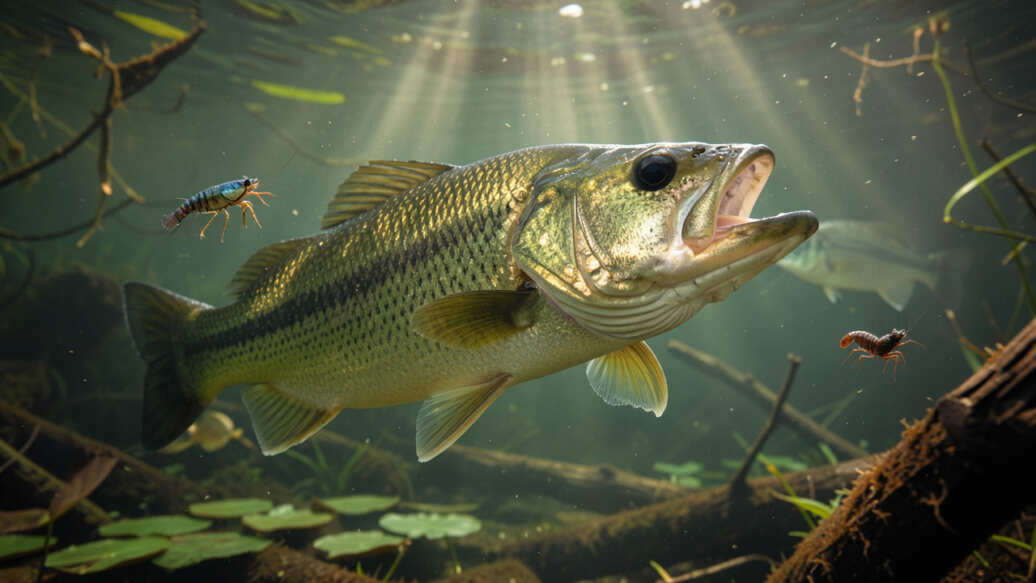
Adult largemouth bass are apex predators in many freshwater environments. Their diet is diverse and depends heavily on what is available in their habitat. They are well-known for their aggressive hunting tactics.
This includes ambushing prey from cover.
Common prey items for adult largemouth bass include:
- Fish: This is a primary food source. They eat a wide variety of fish, including sunfish, perch, crappie, shad, and even smaller bass.
- Insects: Larger aquatic insects and terrestrial insects that fall into the water are also eaten.
- Crustaceans: Crayfish are a favorite food. They are packed with nutrients and are often found in the same areas as bass.
- Amphibians: Frogs, toads, and salamanders are readily consumed.
- Reptiles: Small snakes and turtle hatchlings can also become meals.
- Birds and Mammals: In rare cases, especially for very large bass, they might even eat small birds or rodents that venture too close to the water’s edge.
The size of the prey is important. Bass tend to eat prey that is about one-third to one-half of their own body length. This ensures they can successfully capture and swallow their meal.
Understanding this diet is a key part of the Largemouth Bass Biology: Diet, Lifespan, Growth Rates Guide.
Lifespan and Factors Affecting It
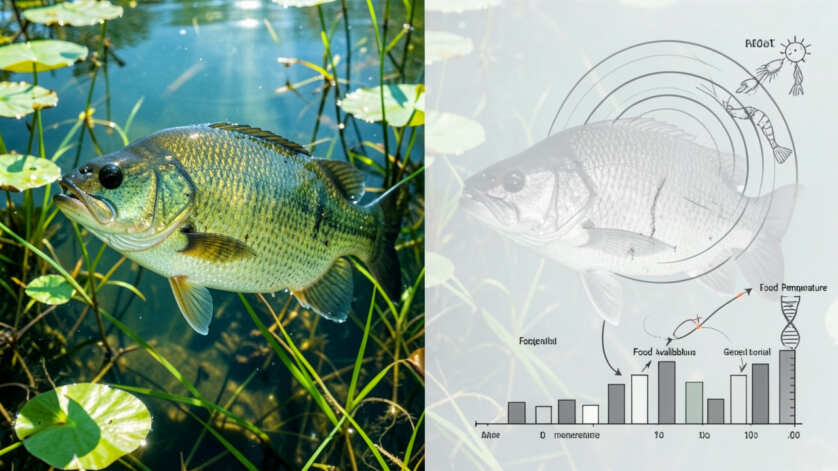
The lifespan of largemouth bass can vary quite a bit. In ideal conditions, they can live for a long time. However, many factors influence how long an individual bass survives.
These factors include food availability, water quality, predation, and fishing pressure.
Average Lifespan
In the wild, largemouth bass typically live between 6 to 8 years. However, some can live much longer. With good environmental conditions and protection from extreme threats, they can reach 10 to 15 years of age.
Protecting large bass from overharvest and ensuring good water quality can extend their lifespan to over a decade, supporting a healthy fishery.
The oldest recorded largemouth bass lived to be 23 years old. This shows the potential for a long life.
Factors Influencing Longevity
Several things affect how long a largemouth bass lives:
- Food Availability: Consistent access to sufficient prey is vital. Bass that struggle to find enough food will not grow well and are more susceptible to disease and predation.
- Water Quality: Clean, well-oxygenated water is essential. Pollution, low oxygen levels, and extreme temperatures can stress bass and shorten their lives.
- Habitat Structure: Bass need places to hide and ambush prey. Areas with submerged vegetation, logs, and rocks provide this protection and hunting ground. Lack of good habitat makes them more vulnerable.
- Predation: Young bass are prey for many other fish, birds, and even larger bass. As they grow, their predators become fewer, but disease or injury can still make them vulnerable.
- Fishing Pressure: Catch-and-release practices can help bass live longer. However, high levels of fishing, especially where fish are kept, can significantly reduce the average lifespan in a population.
Understanding these factors helps explain why some bass populations are healthier and longer-lived than others. This is a critical piece of the Largemouth Bass Biology: Diet, Lifespan, Growth Rates Guide.
Growth Rates: From Fry to Trophy
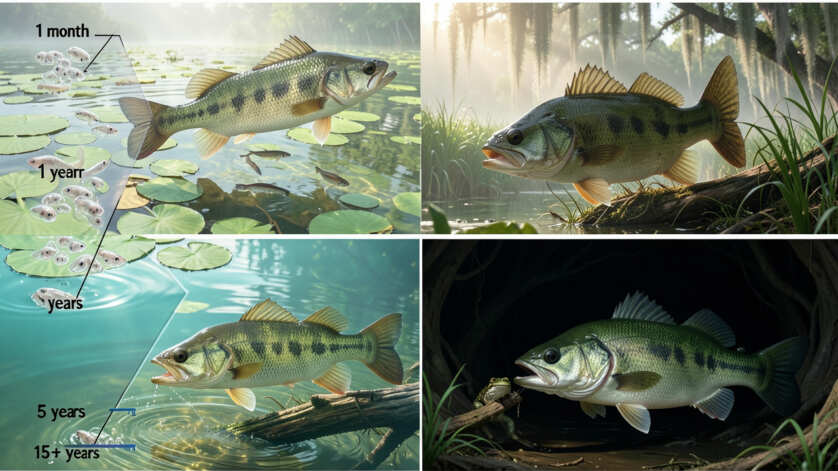
The growth rate of largemouth bass is a fascinating topic. It’s influenced by many of the same factors that affect their lifespan and diet. Bass grow fastest when they have plenty of food and good environmental conditions.
Growth can be very rapid in their first few years.
Early Growth Stages
In their first year, largemouth bass can grow significantly. Under optimal conditions, a young bass might reach 6 to 10 inches in length by the end of its first year. This rapid growth helps them avoid smaller predators and begin hunting larger prey.
Growth rates for largemouth bass vary dramatically by water body, so local conditions dictate trophy potential more than genetics alone.
Factors Affecting Growth
Several key elements dictate how fast a bass grows:
- Temperature: Bass are cold-blooded. Their metabolism, and thus their growth, is directly affected by water temperature. Growth is fastest in warmer waters (around 70-80°F or 21-27°C) but not so hot that oxygen becomes scarce.
- Food Abundance: This is perhaps the most significant factor. A bass with a constant supply of nutritious food will grow much faster than one that is often hungry.
- Genetics: Just like people, some bass are genetically predisposed to grow larger and faster than others.
- Water Quality: Poor water quality stresses fish, diverting energy away from growth and towards survival.
- Competition: If there are too many bass or other fish competing for the same food resources, individual growth rates will be slower.
A largemouth bass might reach 12-18 inches within its second or third year. By their fourth or fifth year, they can easily exceed 20 inches, especially in fertile waters with abundant food.
Growth Rate Variations
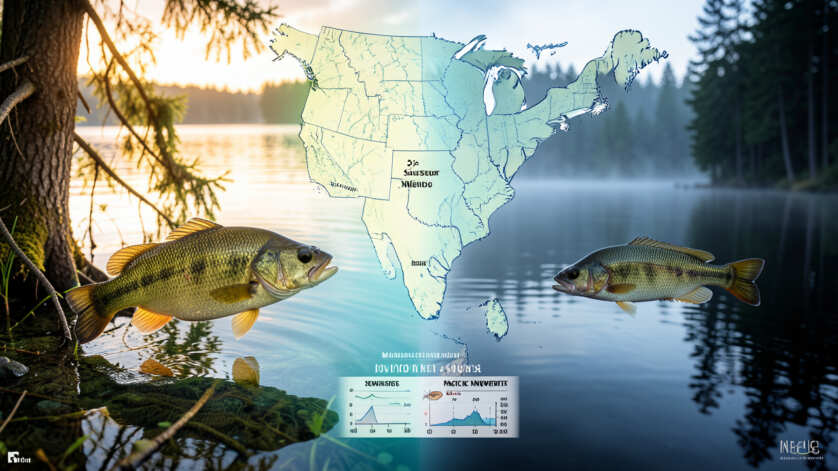
It’s important to note that growth rates aren’t uniform across all bodies of water. A bass in a highly productive, southern lake with a long growing season will likely grow much faster than a bass in a colder, northern lake with a shorter season and less food.
For example, a largemouth bass in Florida might reach 10 pounds in just 4-5 years. In contrast, a bass in Canada might take 7-10 years to reach the same weight. This variation is a key aspect of understanding the Largemouth Bass Biology: Diet, Lifespan, Growth Rates Guide.
Comparing Growth and Lifespan Across Regions
The differences in growth rates and lifespan for largemouth bass are often tied to geography. Southern regions generally offer longer growing seasons and more abundant food sources, leading to faster growth and potentially larger fish. Northern regions have shorter growing seasons and sometimes fewer prey options, which can result in slower growth and a longer time to reach maturity.
In northern waters, expect bass to grow more slowly, so target older fish for trophies and practice catch and release to preserve these slow-growing populations.
Here’s a general comparison:
This table highlights how environmental conditions significantly shape the life of a largemouth bass. The southern bass has more opportunities to feed and grow throughout the year. The northern bass must grow efficiently during a shorter warm period.
This comparison is a crucial part of the Largemouth Bass Biology: Diet, Lifespan, Growth Rates Guide.
Understanding Bass Behavior Based on Biology
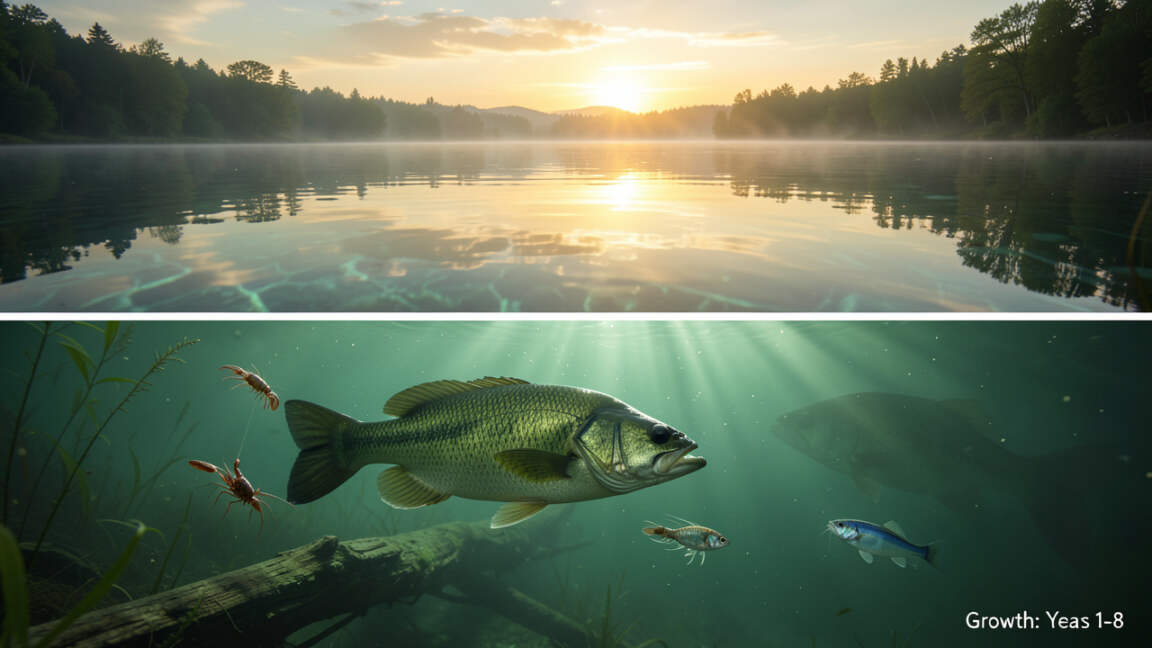
Knowing the biology of largemouth bass-their diet, how long they live, and how fast they grow-directly impacts how they behave. This understanding is invaluable for anglers looking to find and catch them.
Feeding Behavior
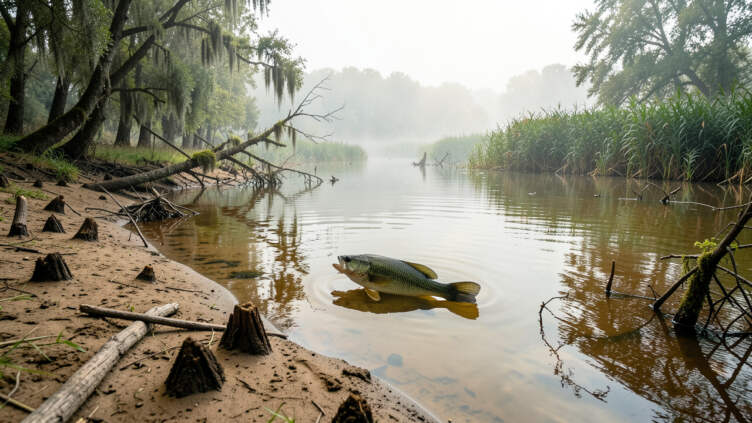
Since bass are opportunistic predators, their feeding behavior is closely linked to food availability. They will position themselves in areas where they can ambush prey efficiently. This often means lurking near structure like weed beds, fallen trees, or rocky points.
During warmer months when their metabolism is high and food is plentiful, they may feed more actively throughout the day. In cooler water, or when food is scarce, they might feed more during dawn and dusk, or when prey is most vulnerable. Their diet also dictates where they hunt; if crayfish are abundant, they’ll often be found near the bottom where crayfish live.
Habitat Preferences
Bass prefer habitats that offer a combination of cover, food, and suitable water conditions. Young bass need shallow, protected areas to grow. Adult bass seek out structure that provides ambush points and access to food.
Avoid disturbing bass near known structure during spawning season, as this can stress fish and reduce reproduction success.
They will move between deeper, cooler water in hot weather and shallower areas when it’s more comfortable or when prey is present.
Understanding their growth rates also helps predict where larger bass might be. They need larger bodies of water or areas with abundant food to sustain their size. This biological information helps explain their movements and preferred locations.
Seasonal Activity
Bass activity levels change with the seasons, driven by water temperature and reproductive cycles.
- Spring: As water warms, bass become more active. They move into shallower areas to spawn. This is a prime feeding time as they prepare for and recover from spawning.
- Summer: In hot weather, bass may become less active during the midday heat. They often move to deeper, cooler water or seek shade under cover. Early morning and late evening are peak feeding times.
- Fall: With cooling water temperatures, bass become very active feeders again. They are trying to build up fat reserves for the winter. This is another excellent time for fishing.
- Winter: In colder climates, bass become much less active. Their metabolism slows down dramatically, and they feed infrequently. They often move to deeper, more stable parts of the lake.
This insight into their behavior, informed by their biology, is a key benefit of grasping the Largemouth Bass Biology: Diet, Lifespan, Growth Rates Guide.
Maximizing Your Fishing Success with Biological Knowledge
Applying what you’ve learned about largemouth bass biology can significantly improve your fishing success. It’s not just about casting a line; it’s about understanding the fish you’re trying to catch.
Choosing the Right Lures and Baits
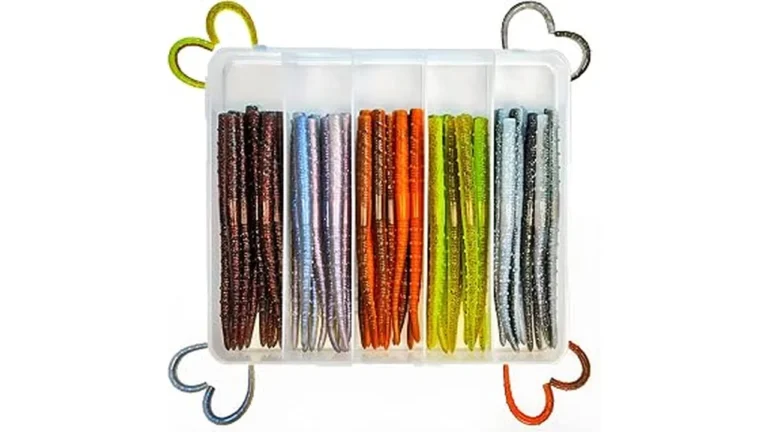
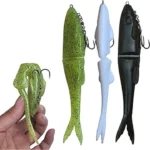
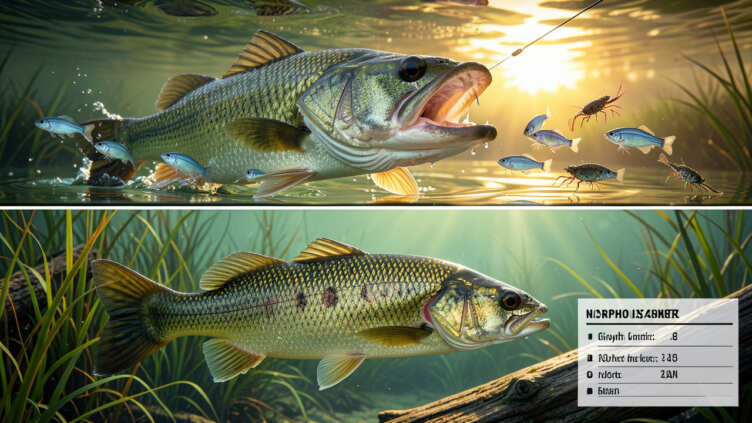
Knowing what bass eat helps you select the most effective lures. If you know they’re eating crayfish, a crawfish-imitating lure or jig might be perfect. If they’re targeting small fish, a swimbait or crankbait that mimics baitfish will work well.
Matching the hatch-using lures that imitate the primary food source in a specific lake at a specific time-is a time-honored fishing strategy. Understanding the bass’s diet is the first step in effective lure selection.
Finding Bass in Different Conditions
Use your knowledge of their habitat preferences and seasonal movements to your advantage. In spring, look for them in shallow, protected areas. In summer, consider deeper water or shady spots.
Releasing large bass ensures their genes and reproductive potential remain in the population, supporting a healthy fishery for years to come.
In fall, search transition zones where baitfish gather. Understanding their growth rates can also give you clues; larger fish often need larger bodies of water or areas with concentrated food sources.
Practicing Responsible Angling
The Largemouth Bass Biology: Diet, Lifespan, Growth Rates Guide also informs responsible fishing practices. Understanding their lifespan and growth rates highlights the importance of conservation. Releasing fish, especially larger ones that are often key to reproduction, helps maintain healthy populations for future generations.
Practicing catch and release, and handling fish gently, ensures they can survive and continue to grow.
By respecting their biological needs and life cycles, you contribute to the health of these amazing fish and ensure great fishing opportunities for years to come. This holistic approach to fishing, informed by biology, is the most rewarding.
Frequently Asked Questions
What is the primary diet of a young largemouth bass?
Young largemouth bass, or fry, start by eating tiny zooplankton. As they grow into fingerlings, their diet shifts to small insects and tiny fish.
How long do largemouth bass typically live in the wild?
In the wild, largemouth bass usually live for 6 to 8 years, though some can live much longer, up to 15 years or more under ideal conditions.
What is the biggest factor influencing largemouth bass growth rates?
The most significant factor affecting largemouth bass growth rates is the abundance of food. Consistent access to nutritious prey allows them to grow much faster.
Does water temperature affect largemouth bass lifespan?
While temperature directly impacts growth and activity, it indirectly affects lifespan by influencing their metabolism, ability to find food, and susceptibility to stress or disease.
How does the diet of an adult largemouth bass differ from a young bass?
Adult largemouth bass have a much broader diet, including fish, amphibians, crustaceans, and even small mammals. Young bass focus on smaller prey like zooplankton and insects.
Why is understanding Largemouth Bass Biology: Diet, Lifespan, Growth Rates Guide important for anglers?
This guide helps anglers predict where bass will be, what lures to use, and how to practice conservation, leading to more successful and responsible fishing.
Final Thoughts
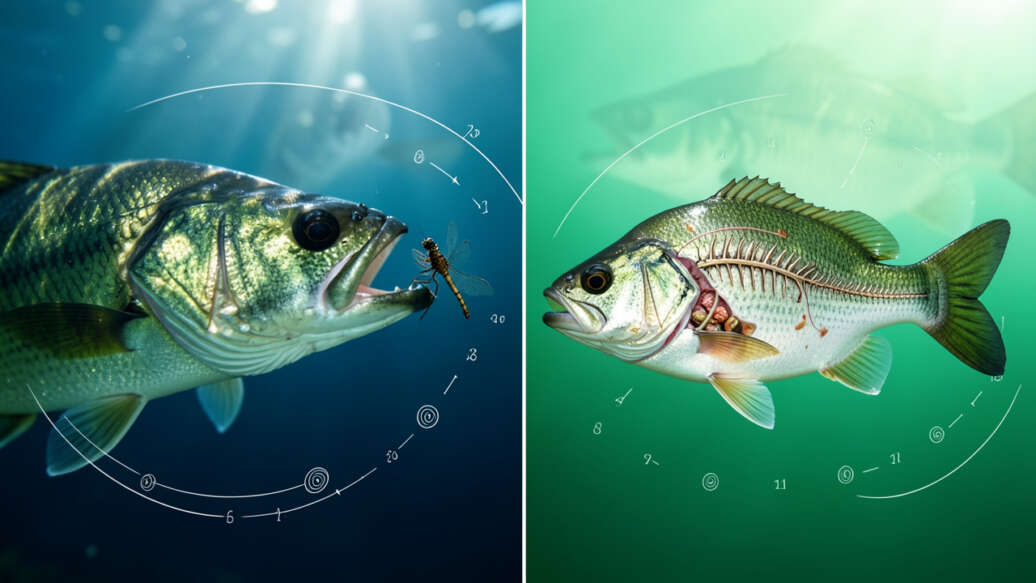
Understanding largemouth bass biology means knowing their food, how long they live, and how they grow. This knowledge helps you fish smarter and appreciate these predators more. Use this information to find more fish and practice good conservation.