Bass Fishing On A $100 Budget: Starter Gear & Tactics Guide
A complete bass fishing starter setup can be assembled for under $100 by choosing a reliable rod and reel combo, a handful of versatile lures, and basic terminal tackle like hooks and weights. The critical first decision is an all-purpose medium-heavy or medium spinning rod, typically six to seven feet long, paired with a size 2500 to 3000 reel and monofilament test line. Essential lures include a spinnerbait, Texas-rigged soft plastic worm, and a shallow-diving crankbait, which cover most bass fishing situations. Practical tactics such as slow-rolling spinnerbaits near cover, reading water color, and targeting shallow structure near banks give beginners immediate results without expensive boats or electronics.
Getting started with bass fishing doesn’t have to cost a fortune. Many people think you need fancy, expensive gear to catch bass, but that’s just not true. With the right approach, you can enjoy this exciting sport without breaking the bank.
This guide, Bass Fishing on a $100 Budget: Starter Gear & Tactics Guide, will show you exactly how to do it. You’ll learn what essential items to buy and simple strategies that work, helping you spend more time on the water and less time worrying about your wallet.
Key Takeaways
- You can assemble a functional bass fishing setup for under $100.
- Choosing the right rod and reel combination is key for beginners.
- Essential lures and terminal tackle can be bought affordably.
- Simple, effective bass fishing tactics can be learned quickly.
- Understanding bass behavior helps improve your success rate.
- Local fishing regulations are important to know before you go.
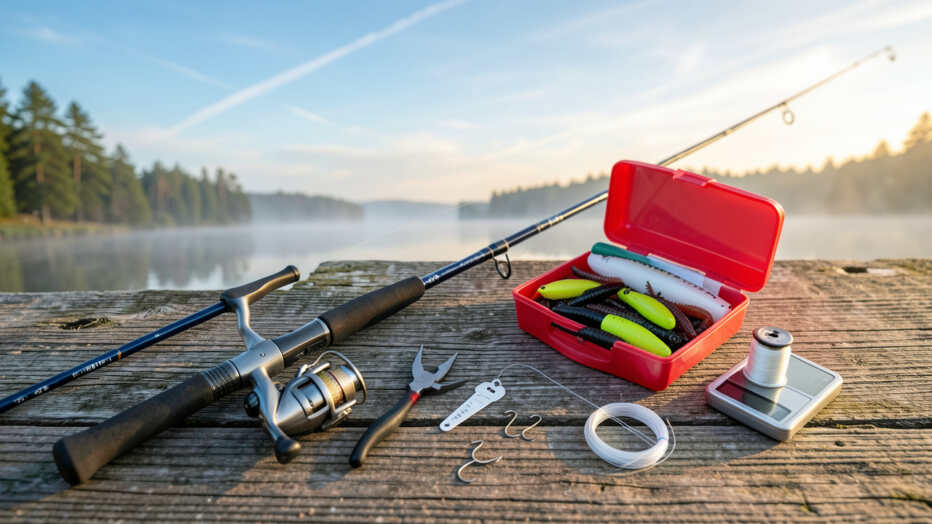
Getting Your Bass Fishing Gear for Under $100
It’s totally possible to get all the gear you need for bass fishing without spending a lot of money. The trick is to focus on what’s truly important. You don’t need the latest, most expensive brands to catch fish.
We’ll look at the basic items that will get you out on the water and having fun.
The Rod and Reel Combo: Your First Big Decision
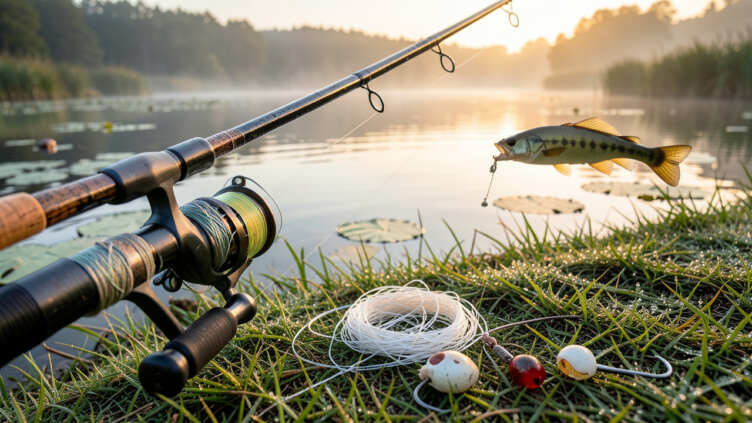
Your rod and reel are the most important tools you’ll use. For bass fishing, a medium-action spinning rod is a great choice for beginners. It’s versatile and easy to use.
You can usually find good combos for around $30-$50. Look for a rod that’s about 6 to 7 feet long. This length offers a good balance of casting distance and control.
A smooth-working reel is also important. It should hold enough line and have a drag system that works well.
When you’re on a tight budget, buying a rod and reel as a combo is often the most cost-effective option. These are designed to work together. You’ll get a decent quality rod and reel matched for each other.
This saves you the trouble of trying to pick out compatible pieces separately.
Choosing Your First Lures
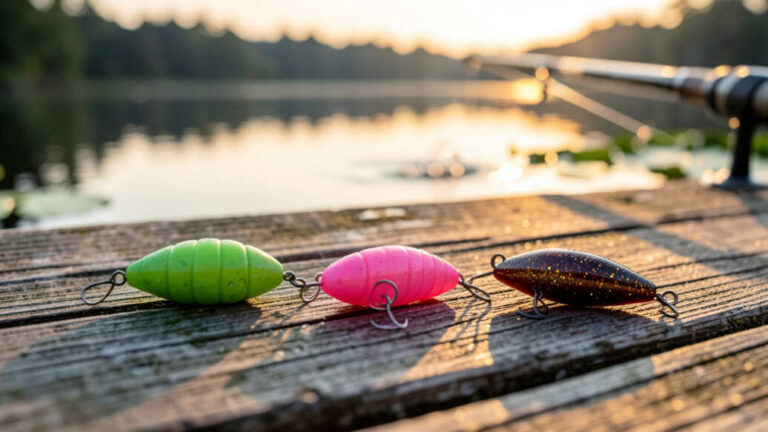
Lures are what attract the bass to your line. You don’t need a huge tackle box filled with expensive lures. A few well-chosen, versatile lures will serve you well.
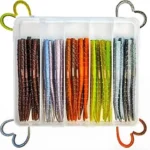
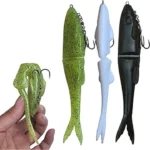
Soft plastic baits are excellent for beginners and are very affordable. Worms, crawfish, and creature baits are good choices. They imitate common bass food.
Jigs are another fantastic option. They can be fished in many different ways and are very effective. You can find good jigs for a few dollars each.
Skip the fluorocarbon leader when starting out to save money; it’s not essential for bass fishing on a budget.
Spinnerbaits and crankbaits are also popular. You can often buy packs of soft plastics for around $5-$10. A few jigs might cost another $5-$10.
This gets you started with a solid lure selection without spending too much.
Essential Terminal Tackle
Terminal tackle refers to the small items that connect your lure to your fishing line. This includes hooks, sinkers, and swivels. You’ll need a variety of hooks.
For soft plastics, worm hooks are essential. You’ll also want some bullet-shaped sinkers for Texas-rigging your soft plastics. Swivels can help prevent line twists, especially when using lures that spin.
A good assortment of hooks and sinkers can be bought for under $10. Look for packs that offer several sizes. This allows you to adjust your rig based on the conditions.
A small pack of swivels is also a good idea. These small items are crucial for a successful fishing trip.
Fishing Line and Other Necessities
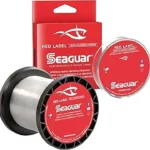
You’ll need fishing line to fill your reel. Monofilament line is usually the most affordable and works well for beginners. A spool of 6-8 pound test monofilament line can be purchased for around $5-$10.
This line is strong enough for most bass fishing situations and is forgiving for new anglers. You might also want a small spool of fluorocarbon leader line for certain techniques, but it’s not essential when starting out.
Don’t forget a pair of fishing pliers. These are very useful for removing hooks from fish and cutting line. A decent pair can be found for about $10-$15.
A small tackle box or bag to keep your gear organized is also a good idea. You can find simple ones for $5-$10. This helps keep everything together and easy to find.
The total for this basic setup should keep you well within your $100 budget. This is the foundation for your Bass Fishing on a $100 Budget: Starter Gear & Tactics Guide.
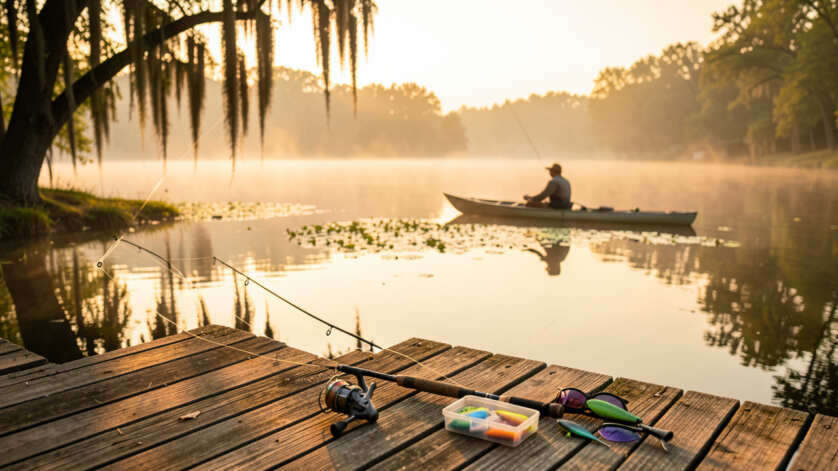
Simple Tactics for Bass Fishing Success
Now that you have your gear, let’s talk about how to use it. Effective tactics don’t require complex strategies. Simple, proven methods will help you catch bass.
The key is to understand where bass like to hide and what they like to eat. This guide is designed to give you the basics for Bass Fishing on a $100 Budget: Starter Gear & Tactics Guide.
Where to Find Bass
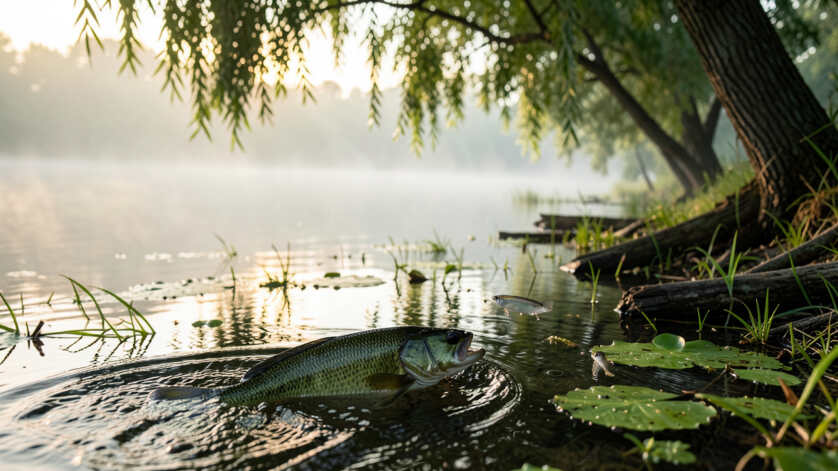
Bass love structure and cover. This means they hang out near things like fallen trees, docks, lily pads, and weed beds. These places offer them protection from predators and a good spot to ambush prey.
Look for areas where the water is slightly deeper near these structures. Bass will also patrol the edges of drop-offs.
When you’re fishing, try to cast your lure near these types of spots. The edges of weed lines or the shadows under a dock are prime locations. Don’t be afraid to cast into tight spaces.
That’s often where the biggest bass are hiding. Understanding these hiding spots is a big part of successful Bass Fishing on a $100 Budget: Starter Gear & Tactics Guide.
Basic Lure Presentations
For soft plastic worms, the Texas rig is a great starting point. You thread the hook through the worm, burying the point. This makes it weedless, so it won’t snag easily.
Cast it out and let it sink to the bottom. Then, reel it in slowly with occasional pauses. You can also hop it along the bottom.
Jigs can be fished in a similar way. Cast them out, let them sink, and then retrieve them with a slow, steady motion or a hopping action. Spinnerbaits are best retrieved at a steady pace.
Learning bass hiding spots and feeding preferences is the foundation of effective fishing, regardless of gear cost.
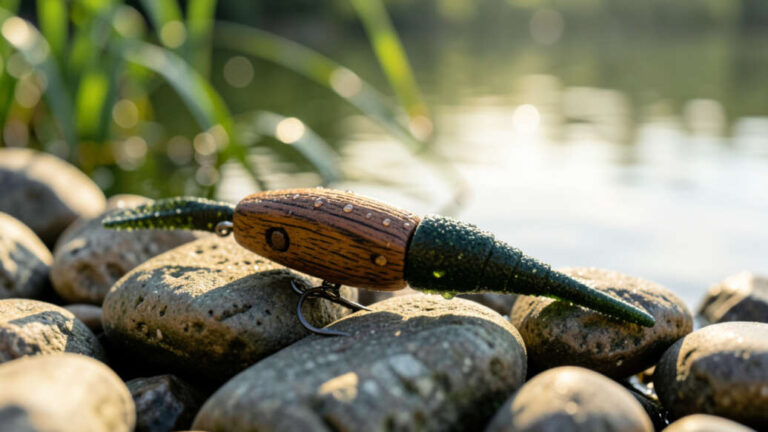
Crankbaits are designed to be reeled in, and their wobbling action attracts fish. Experiment with different retrieve speeds to see what works best on a given day.
Reading the Water
Pay attention to the water conditions. Is it clear or murky? Is there a lot of wind?
In clear water, bass might be more cautious, so a slower retrieve might be better. In murky water, brighter or noisier lures can be more effective. Wind can push baitfish into certain areas, concentrating the bass.
Look for signs of baitfish activity. If you see fish jumping or birds diving, there’s likely food in the area, and bass won’t be far behind. Even on a tight budget, observant anglers have a significant advantage.
This is a key tactic for Bass Fishing on a $100 Budget: Starter Gear & Tactics Guide.
When to Fish
The best times to fish for bass are often early in the morning and late in the evening. During these times, the sun is lower, and the water is cooler. This makes bass more active.
Overcast days can also be very good for bass fishing, as the reduced sunlight can make them feel more comfortable moving around.
In the summer, bass might move to deeper, cooler water during the heat of the day. They might also become more active at night. In the spring and fall, they tend to be more active throughout the day.
Adjusting your fishing times based on the weather and season can make a big difference.
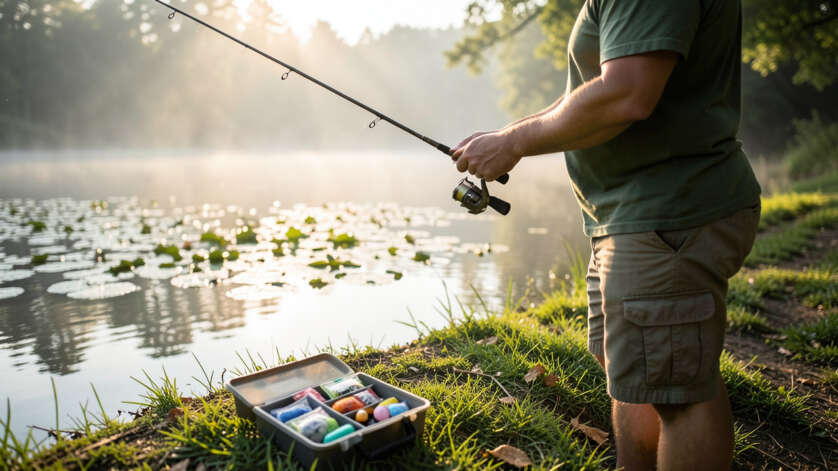
Making the Most of Your Budget Gear
Having a budget doesn’t mean you can’t be successful. It just means you need to be smart about your choices. Your starter gear is a great way to learn the basics of bass fishing.
The skills you develop now will serve you well no matter what gear you use later.
Mastering casting and lure retrieval on budget gear builds skills that outperform expensive equipment every time.
Focus on learning how to cast accurately and retrieve your lures effectively. Practice makes perfect. The more time you spend on the water, the better you’ll get at reading the conditions and understanding bass behavior.
This practical approach is central to Bass Fishing on a $100 Budget: Starter Gear & Tactics Guide.
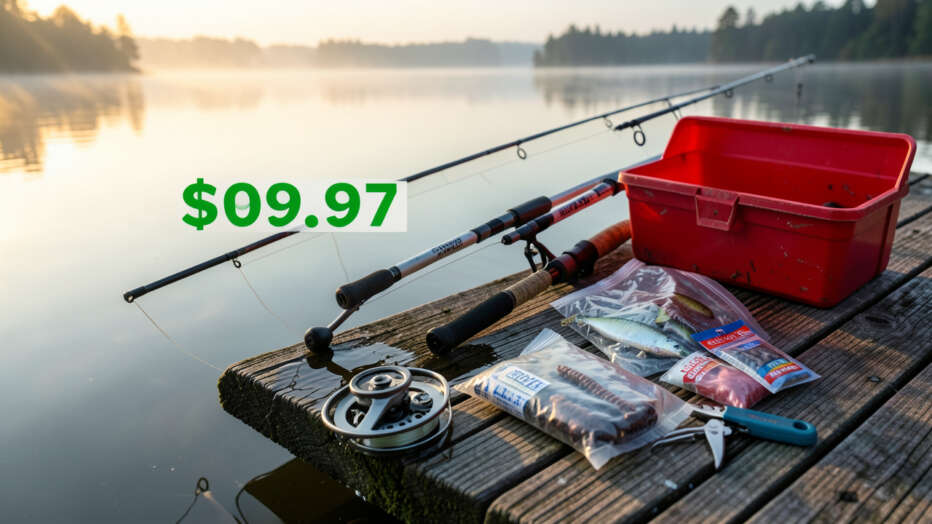
Comparing Budget-Friendly Options
When choosing your starter gear, there are a few ways to save money. Buying used gear can be a great option, but you need to be careful. Check for any damage to the rod or reel.
Sometimes, you can find great deals on used equipment that’s still in good condition.
Prioritize a quality reel within your budget; smoother operation makes a bigger difference than an expensive rod.
Another way to save is to buy store brands or less well-known brands. Many of these offer good quality at a lower price. You can also prioritize which items to spend a little more on.
For instance, a slightly better reel might be worth a few extra dollars if it means smoother operation.
As you can see from the table, it’s very achievable to get a solid setup for under $100. This guide, Bass Fishing on a $100 Budget: Starter Gear & Tactics Guide, proves that cost is not a barrier.
Understanding Bass Behavior
Bass are ambush predators. They wait for their food to come to them. This is why they position themselves near cover.
They use this cover to hide and then strike quickly. Knowing this helps you present your lure in a way that triggers a reaction.
A common mistake is casting into open water; always target structure like fallen trees and docks where bass ambush prey.
Bass also have senses like sight, hearing, and feeling vibrations. Lures that create vibrations or visual appeal can be very effective. Different types of bass might behave slightly differently.
Largemouth bass are often found in shallower, weedier areas. Smallmouth bass prefer rocky, clearer water. Spotted bass can be found in a mix of both.
The more you observe the water and how fish react, the better you’ll become. This knowledge is just as important as your gear. It’s a fundamental part of Bass Fishing on a $100 Budget: Starter Gear & Tactics Guide.
Local Regulations and Ethics
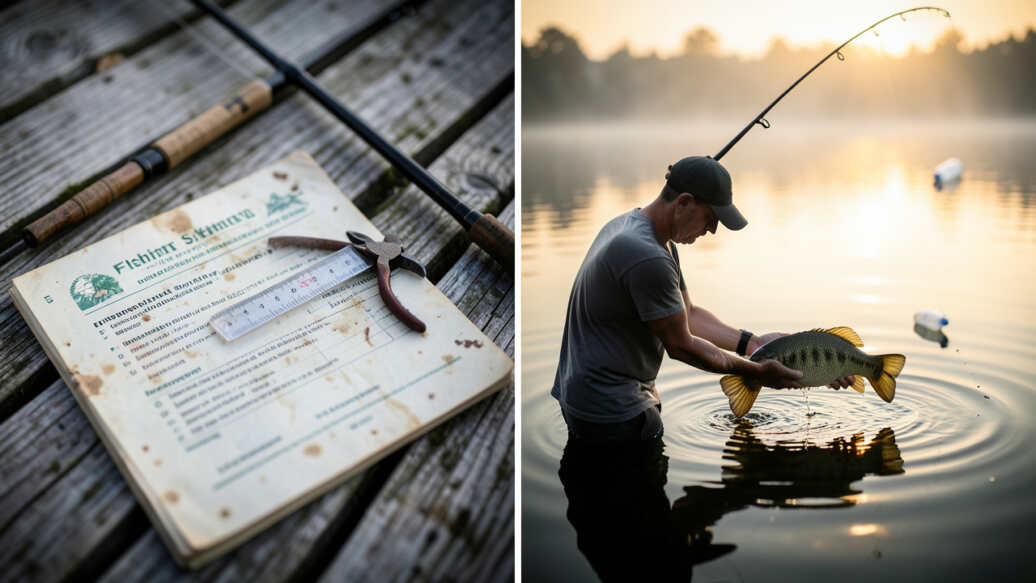
Before you go fishing, it’s important to know the local fishing rules. You’ll likely need a fishing license. These are usually very affordable and help fund conservation efforts.
Check the regulations for size limits and creel limits for bass in your area.
Check local fishing regulations and obtain a license before heading out; it protects fish populations and your fishing future.
Practice responsible fishing ethics. Handle fish gently if you plan to release them. Wet your hands before touching a fish to protect its slime coat.
Avoid leaving trash behind at your fishing spot. Being a good steward of the environment ensures that fishing remains enjoyable for everyone, now and in the future.
Frequently Asked Questions
What is the most essential piece of gear for bass fishing on a budget?
The most essential piece of gear is a versatile rod and reel combo. A 6-7 foot medium-action spinning combo is ideal for beginners and can be found affordably.
Can I really catch bass with just a few lures?
Yes, absolutely. A few soft plastic baits like worms and creature baits, along with a couple of jigs, are enough to start catching bass. Focus on learning how to use them effectively.
Is it worth buying a used fishing rod and reel?
Buying used gear can be a great way to save money if you inspect it carefully for any damage. Look for rods without cracks and reels that operate smoothly.
What type of fishing line is best for a $100 budget setup?
Monofilament line is a cost-effective choice for beginners. A 6-8 pound test monofilament spool is durable and easy to manage, fitting well into the Bass Fishing on a $100 Budget: Starter Gear & Tactics Guide.
How important is understanding bass behavior for budget fishing?
Understanding where bass hide and how they feed is crucial for success, regardless of your budget. It helps you choose the right spots and present your lures effectively.
Do I need a special license for bass fishing?
Yes, most places require a fishing license to catch bass. Check with your local wildlife or fish and game agency for licensing requirements and fees, which are typically very reasonable.
Final Thoughts
Bass fishing is an accessible and rewarding sport. You can absolutely get started with quality gear and effective tactics for under $100. Focus on a good rod and reel, a few versatile lures, and learning basic techniques.
This guide shows you how to enjoy the thrill of catching bass without a big investment. Smallmouth bass prefer rocky, clearer water.