

Tournament Bass Fishing: Pre-Fishing Strategy That Wins
Tournament bass fishing pre-fishing strategy that wins involves systematically scouting water, analyzing lake structure and conditions, and using electronics to locate fish before competition day. This approach builds a flexible game plan based on actual fish behavior and environmental factors like water temperature and sunlight. Effective pre-fishing transforms practice into a data-driven advantage that increases confidence and catch rates on tournament day.
Getting ready for a bass fishing tournament is more than just picking up your rods. It’s about putting in the work before the big day. Knowing the water, understanding the fish, and having a solid plan can make all the difference between a good day and a winning day.
This is where smart Tournament Bass Fishing: Pre-Fishing Strategy That Wins truly shines. You’ll learn how to use your time wisely on the water before the competition. This knowledge helps you find the best spots and understand what the bass are doing.
You’ll leave feeling more confident and prepared to catch those winning fish.
Key Takeaways
- Understanding the importance of scouting and practice fishing for tournament success.
- Learning how to analyze water conditions and weather patterns before a tournament.
- Developing effective strategies for locating fish during pre-fishing.
- Mastering bait selection and presentation based on pre-fishing observations.
- Creating a flexible game plan that can adapt to changing tournament conditions.
- Using pre-fishing data to build confidence and reduce pressure on tournament day.
Why Pre-Fishing is Your Secret Weapon
In the competitive world of bass fishing, every edge counts. Pre-fishing is not just an option; it’s a fundamental part of a winning approach. It’s the time you get to know the water before the pressure of the tournament is on.
This early work helps you figure out where the fish are likely to be. It also gives you a feel for what they are biting on. Without good pre-fishing, you’re essentially fishing blind on tournament day.
Use pre-fishing to understand the water's layout and bass behavior before tournament pressure sets in. This early reconnaissance allows you to locate likely fish-holding areas and preferred baits.
This can lead to wasted time and missed opportunities.
The goal of pre-fishing is to gather as much information as possible. This includes understanding the lake’s layout, identifying prime fishing spots, and observing fish behavior. A well-executed pre-fishing plan is the foundation of Tournament Bass Fishing: Pre-Fishing Strategy That Wins.
It allows you to build a strategy based on facts, not guesses. This preparation significantly boosts your chances of success and can help you avoid common pitfalls that cost anglers valuable time and fish.
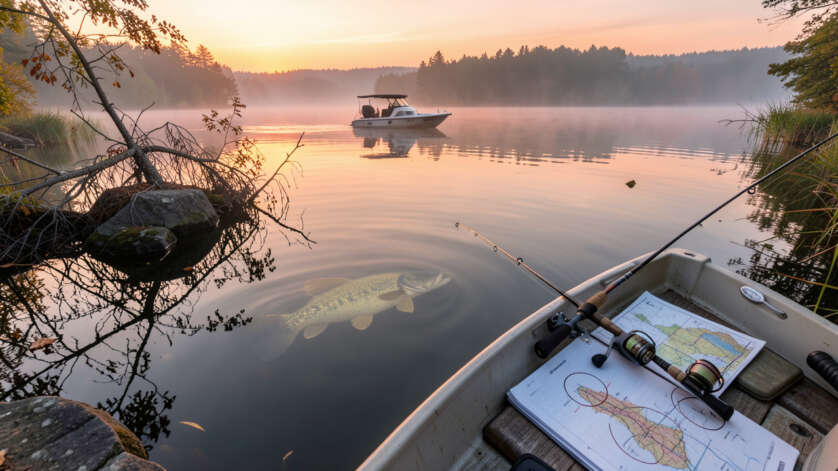
Scouting the Water: Finding the Fish’s Home
Before you even cast a line, scouting the water is crucial. This means using maps and technology to identify key features. Look for drop-offs, creek channels, points, and weed beds.
These are often highways and hiding spots for bass. Understanding the lake’s structure gives you a starting point for where to focus your efforts. This is a core part of any successful Tournament Bass Fishing: Pre-Fishing Strategy That Wins.
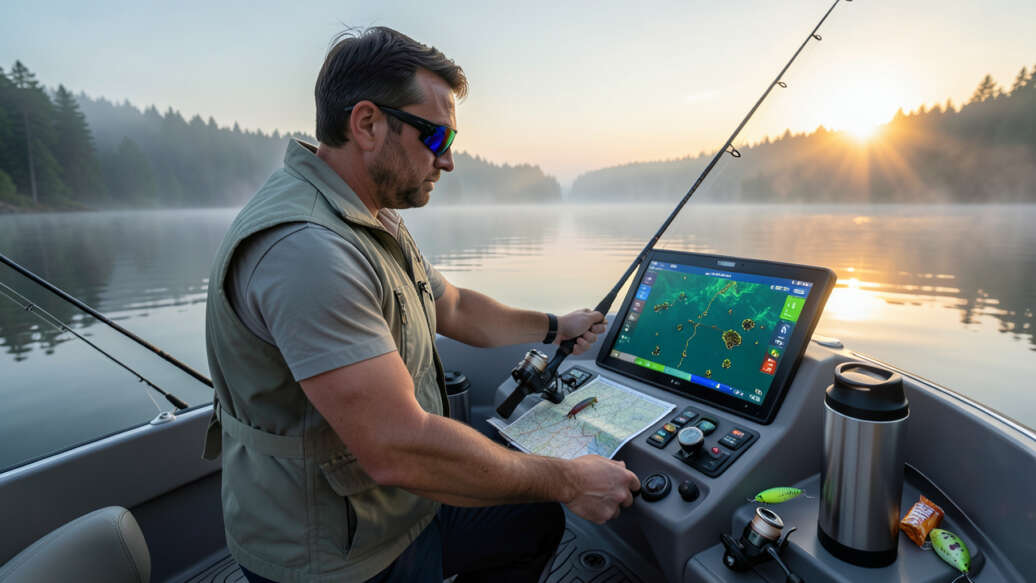
Modern tools make scouting easier than ever. GPS units with detailed lake maps are invaluable. Sonar or fish finders help you see what’s underwater.
They reveal subtle changes in depth and bottom composition. Even satellite imagery can show you areas with potential cover like fallen trees or submerged vegetation. Learning to interpret this data before you go is a huge advantage.
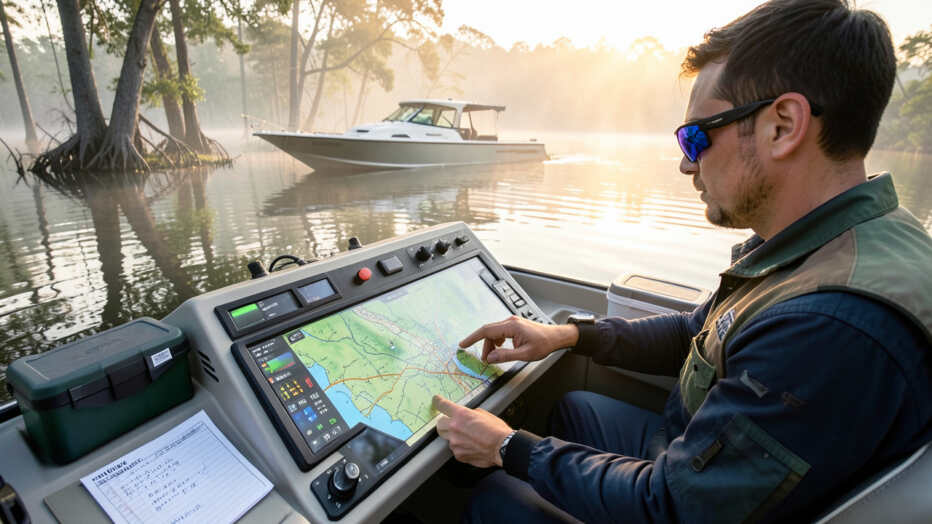
Modern GPS and lake map technologies are essential for identifying key structural features like drop-offs and creek channels. This strategic scouting forms the foundation of an effective pre-fishing plan.
Understanding Lake Structure
Bass love structure. It provides them with food and protection. During pre-fishing, spend time mapping out these areas.
Focus on transitions – where shallow water meets deep water, or where a sandbar meets mud. These edges are where bass often patrol. Pay attention to how the bottom changes.
Hard bottoms, like rock or gravel, often attract baitfish, which in turn attract bass.
Identify areas that have good current flow, especially in rivers or tidal waters. Bass often position themselves where they can ambush prey carried by the current. Understanding these natural patterns is a key element of effective Tournament Bass Fishing: Pre-Fishing Strategy That Wins.
It helps you predict where fish will be at different times of the day or under various conditions.
Analyzing Conditions: Weather and Water Secrets
The weather and water conditions on tournament day can drastically affect fish behavior. Pre-fishing allows you to observe how these factors influence the bass. You can see how they react to changes in sunlight, wind, and water temperature.
This information is gold for refining your strategy.
Pay close attention to the wind. Wind can push baitfish into certain areas, concentrating bass. It can also make fishing difficult in exposed areas.
Observe how the bass are positioned relative to the wind. Is it blowing them into shallow coves, or are they holding tighter to cover in rougher water? This understanding is vital for your Tournament Bass Fishing: Pre-Fishing Strategy That Wins.
Water Temperature Matters
Water temperature is one of the most important factors for bass. As temperatures change, bass move. They seek out comfortable zones.
Generally, bass are most active in water between 60 and 75 degrees Fahrenheit. If the water is cold, they might be deeper and slower. If it’s warm, they might be shallower and more aggressive.
Water temperature is the single most influential factor on bass behavior, dictating their location and feeding patterns.
During pre-fishing, take temperature readings in different parts of the lake. Note the temperature in shallow coves, out on the main lake, and in deeper water. This data helps you predict where the bass will be on tournament day.
If you notice a sudden temperature drop, expect bass to move deeper. A warming trend might push them shallower. This insight is a cornerstone of successful Tournament Bass Fishing: Pre-Fishing Strategy That Wins.
The Impact of Sunlight and Clarity
The amount of sunlight and the water clarity also play a big role. On bright, sunny days, bass might move deeper or seek shade under docks and overhanging trees. They want to avoid the direct glare.
In stained or muddy water, bass often move shallower. They use the reduced visibility to their advantage for ambushing prey.
Observe how the bass react to different light conditions during your pre-fishing trips. If you’re fishing in clear water on a sunny day, try fishing around heavy cover. If the water is dirty, focus on shallow areas where they can still find prey.
This adaptability is key to implementing a winning Tournament Bass Fishing: Pre-Fishing Strategy That Wins.
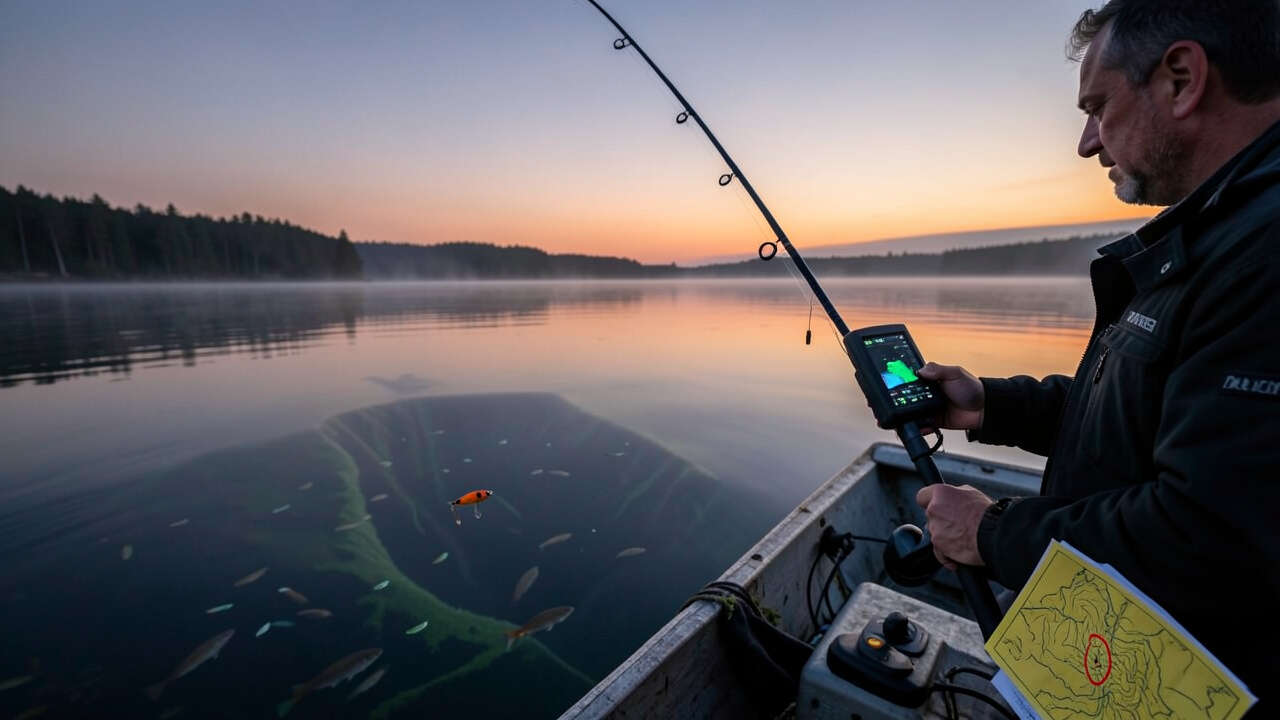
Locating Fish: The Art of the Find
Finding active bass during pre-fishing is the ultimate goal. It’s about systematically searching areas and identifying where the fish are holding. This requires patience and a methodical approach.
You’re not just fishing; you’re gathering intelligence.
Start by targeting the areas you identified during your scouting phase. Fish them thoroughly, but don’t stay too long if you’re not getting bites. Move on and try another promising spot.
Keep track of where you catch fish, even small ones. These locations are often where the larger fish are feeding.
Systematic Search Patterns
Use a search pattern to cover water efficiently. For example, you might run a crankbait or spinnerbait along a bank or drop-off. This covers a lot of water quickly.
Once you get a bite or find a concentration of fish, switch to a more finesse approach. This could involve Texas-rigged worms, drop shots, or jigs.
When a spot isn't producing after a reasonable time, move on. Systematic searching is vital for gathering intelligence on where the fish are holding.
The key is to be efficient. Don’t waste time in unproductive areas. If a spot isn’t producing after a reasonable amount of time, move on.
This systematic approach is a vital part of Tournament Bass Fishing: Pre-Fishing Strategy That Wins. It ensures you’re maximizing your time on the water.
Reading Your Electronics
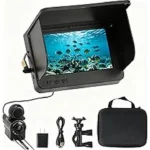
Your fish finder is your best friend during pre-fishing. It helps you see fish, baitfish, and structure. Learn to interpret the different signals.
A dense ball of baitfish often means bass are nearby. Individual marks on the bottom could be bass holding tight to cover.
Don’t just look for bass. Look for what attracts them. If your sonar shows schools of shad or other baitfish, that’s a prime area to focus on.
Understanding what your electronics are telling you can save hours of unproductive casting. This skill is fundamental to Tournament Bass Fishing: Pre-Fishing Strategy That Wins.
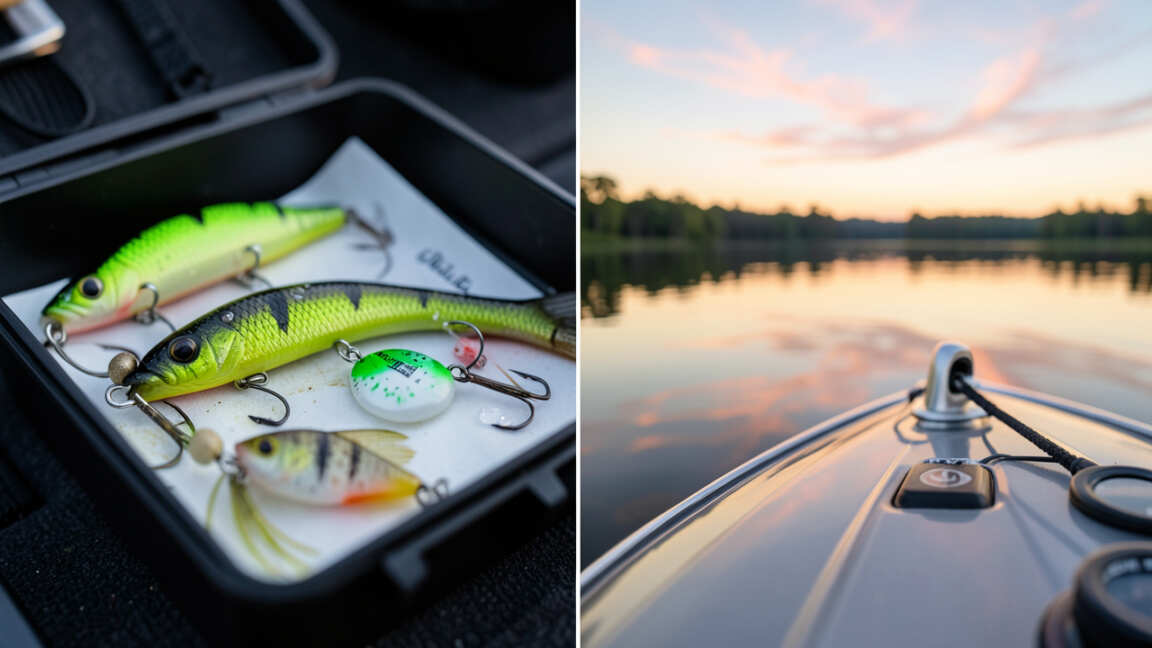
Bait Selection and Presentation
Once you’ve located fish, the next step is figuring out what they want to eat. Pre-fishing is your chance to experiment with different lures and techniques. Observe what the fish are reacting to.
Are they chasing fast-moving baits, or are they more interested in slow, subtle presentations?
It’s not just about the bait itself, but how you present it. The speed, depth, and action of your lure can make a huge difference. What works one day might not work the next.
Pre-fishing helps you dial in the right presentation for the conditions you’re facing.
Matching the Hatch
One of the most effective pre-fishing strategies is to identify the primary forage in the lake. What do the bass in this particular body of water eat most often? Are they feeding on shad, bluegill, crawfish, or something else?
Avoid assuming the same bait will work every day. Pre-fishing lets you experiment with speed, depth, and action to match the current conditions.
Try to match the color, size, and shape of the natural forage with your lures.
For example, if you see a lot of small baitfish, a smaller swimbait or a finesse jig might be effective. If crawfish are abundant, a jig or a crawfish-imitating bait could be the ticket. This mimicry is a powerful tool in Tournament Bass Fishing: Pre-Fishing Strategy That Wins.
Experimenting with Techniques
Don’t be afraid to try different techniques. If a fast-moving bait isn’t getting bites, slow down. Try a Texas-rigged worm, a shaky head, or a drop shot.
Sometimes, bass are simply looking for an easy meal. A slow, natural presentation can be irresistible.
Also, consider the depth. If you’re catching fish on a topwater bait, but then they stop biting, they might have moved deeper. Try a crankbait or a jig to reach them.
The ability to adapt your presentation based on pre-fishing observations is crucial for success.
Building Your Tournament Game Plan
The information gathered during pre-fishing should translate into a solid game plan for the tournament. This plan doesn’t have to be rigid, but it gives you direction. It outlines your primary target areas and the techniques you’ll use.
Having a plan reduces decision fatigue on tournament day. You won’t waste time wondering what to do. You’ll have a starting point based on your pre-fishing efforts.
This confidence is a significant advantage.
Primary and Secondary Spots
Identify your best “primary” spots – those areas where you had the most success during pre-fishing. These are the places you’ll start on tournament morning. Also, have a few “secondary” spots ready.
These are areas that showed promise but didn’t produce as well, or places you didn’t get to fish as thoroughly.
Identify your primary spots from pre-fishing success and use them as the core of your tournament game plan. This reduces decision-making stress on competition day.
This layered approach ensures you have options. If your primary spots are crowded or not producing, you can move to your secondary locations. This structured thinking is a key component of Tournament Bass Fishing: Pre-Fishing Strategy That Wins.
Contingency Planning
What happens if the conditions change drastically on tournament day? A sudden shift in weather, increased boat traffic, or a change in water clarity can all impact fishing. Your game plan should include contingencies for these scenarios.
For instance, if a strong wind picks up, you might need to switch from fishing open water to protected coves. If the water turns muddy, you might need to use brighter, louder lures. Being prepared to adapt is what separates good anglers from great ones.
This flexibility is a hallmark of effective Tournament Bass Fishing: Pre-Fishing Strategy That Wins.
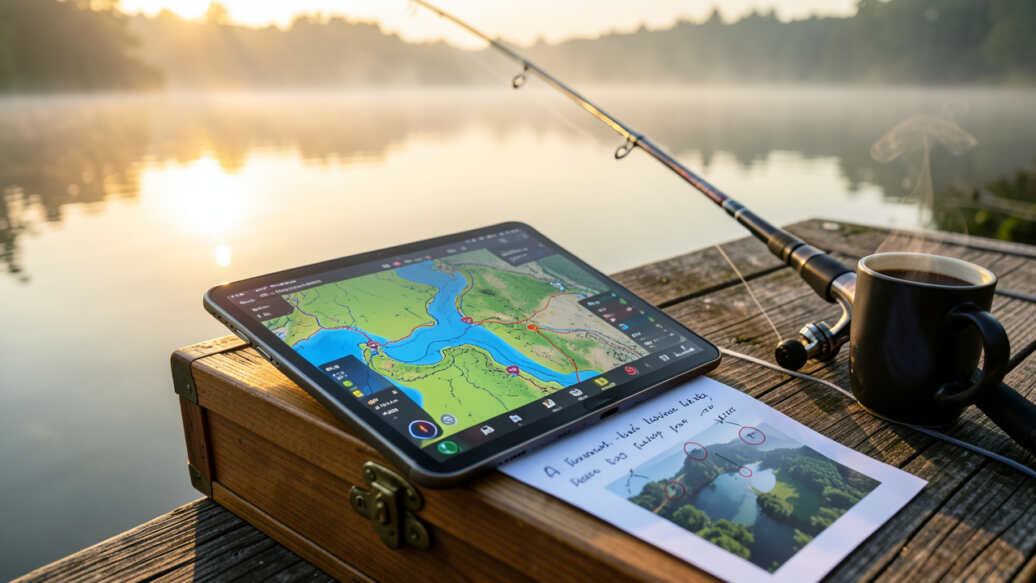
Pre-Fishing Data Management
To truly leverage your pre-fishing efforts, you need to manage the data you collect. This means keeping good notes and records. A simple notebook or a digital app can be incredibly useful.
Record the date, time, weather conditions, water temperature, and locations you fished. Note what lures you used, what worked, and what didn’t. Also, record any observations about baitfish activity or fish behavior.
This organized information is invaluable.
Using a Fishing Log
A fishing log is more than just a record; it’s a strategic tool. You can review your notes from previous pre-fishing trips. You might notice patterns that you didn’t see at the time.
For example, you might realize that on sunny days, bass always bite a certain bait in a specific type of structure.
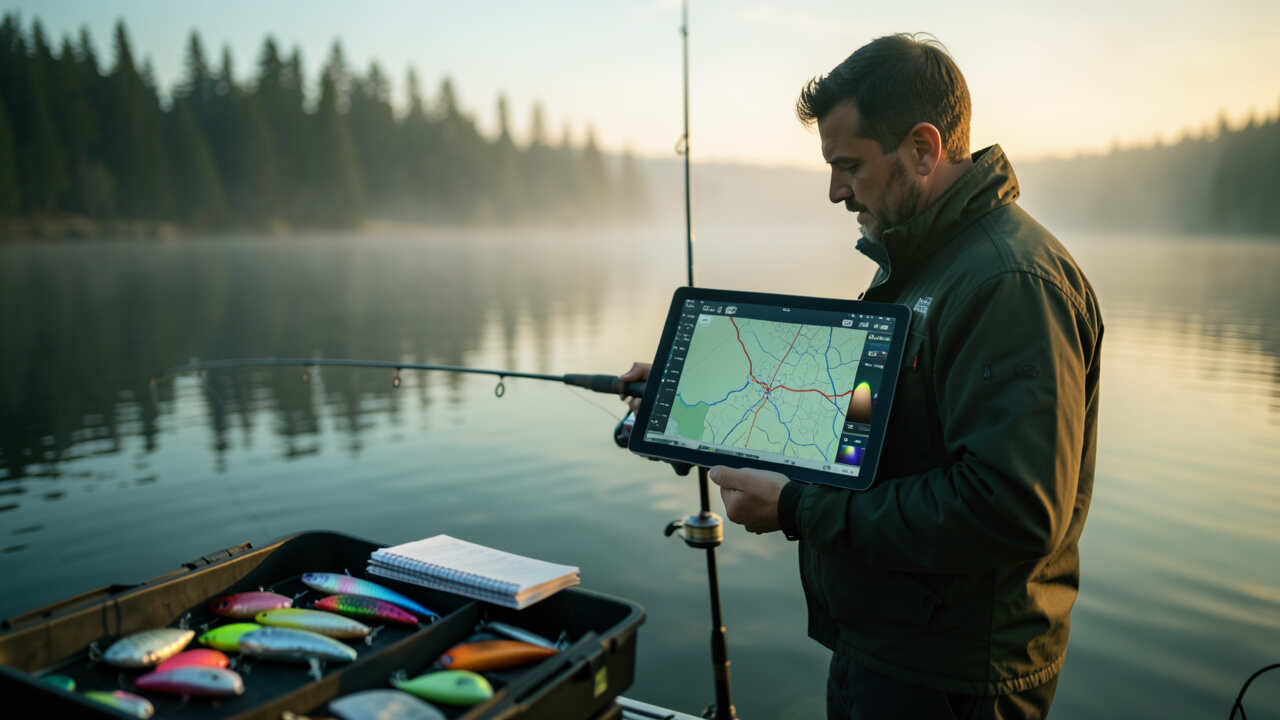
A digital fishing log with precise waypoints for cover and drop-offs creates a reusable record of your pre-fishing intelligence.
When you revisit a lake, your log can quickly remind you of productive areas and techniques. This saves you from reinventing the wheel. A well-maintained log is a critical asset for any serious tournament angler.
It directly supports your Tournament Bass Fishing: Pre-Fishing Strategy That Wins.
Mapping and GPS Notes
If you use a GPS unit, make sure to mark productive spots. Label them clearly so you can easily find them again. You can mark waypoints for specific cover, drop-offs, or areas where you caught fish.
This digital record is just as important as your written log.
Combine your GPS data with your written notes for a comprehensive overview. This dual approach ensures you have all the information at your fingertips. It allows you to make informed decisions quickly on tournament day.
Building Confidence Through Preparation
One of the biggest benefits of thorough pre-fishing is the confidence it builds. When you’ve spent time on the water, you know what to expect. You have a plan, and you’ve seen success.
This confidence can help you stay calm and focused during the pressure of a tournament.
Knowing you’ve done the work reduces the anxiety of the unknown. You’ve put in the effort, and now it’s time to execute. This mental edge is often as important as any physical skill.
The mental edge gained from thorough pre-fishing often outweighs physical skill. Trust your preparation to stay calm and focused during the tournament.
Trusting Your Pre-Fishing Insights
On tournament day, you might face tough bites or challenging conditions. This is when you need to trust the information you gathered during pre-fishing. If your notes say that a certain bait works best in stained water, stick with it, even if you’re not getting bites immediately.
Bass fishing often requires patience and persistence.
Trusting your pre-fishing insights helps you avoid making impulsive changes that could hurt your chances. It’s about sticking to a strategy that you know has a proven track record. This belief in your preparation is a vital part of Tournament Bass Fishing: Pre-Fishing Strategy That Wins.
Frequently Asked Questions
Question: How much time should I spend pre-fishing for a tournament?
Answer: The amount of time varies, but aim for at least two to three full days on the water before the tournament. More time is usually better, especially on unfamiliar lakes.
Question: What is the most important factor to consider during pre-fishing?
Answer: Understanding how current weather and water conditions are affecting fish behavior is paramount. This insight directly informs your bait and location choices.
Question: Should I use the same lures in pre-fishing as I plan to use on tournament day?
Answer: Yes, it’s best to experiment with your tournament lures during pre-fishing. This helps you find what’s working and refine your presentation.
Question: How do I deal with other anglers during pre-fishing?
Answer: Be respectful. Try to fish areas that are less pressured or at different times of the day than you think competitors will. Avoid revealing your best spots.
Question: Is it worth pre-fishing a lake I know well?
Answer: Absolutely. Even familiar lakes can change. Pre-fishing allows you to see how current conditions affect fish location and behavior, which is crucial for Tournament Bass Fishing: Pre-Fishing Strategy That Wins.
Question: What if I can’t find any fish during pre-fishing?
Answer: Don’t panic. Re-evaluate your approach. Check your electronics, try different depths, and consider areas you might have overlooked.
Sometimes, fish are just in a tough bite.
Final Thoughts
Mastering Tournament Bass Fishing: Pre-Fishing Strategy That Wins is about preparation. It’s the time you invest before the competition to understand the water and the fish. By scouting effectively, analyzing conditions, and having a solid game plan, you significantly increase your chances of success.
Trust your insights and enjoy the process of getting ready to win.