


Summer Bass Fishing: Deep Water Patterns That Actually Work
Summer bass fishing deep water patterns that actually work require targeting submerged structure such as ledges, humps, and creek channels where bass retreat to cooler, oxygen-rich water. Underwater electronics are essential for identifying these deep-water homes and for precisely marking fish holding near thermoclines or cover. Effective lures include deep-diving crankbaits, Carolina rigs, and drop-shot worms, with slow, deliberate presentations that imitate injured prey. Water clarity and light penetration determine lure color and depth adjustments, making it critical to read weather and water conditions for consistent success.
When the summer sun beats down, bass often move to deeper, cooler water to escape the heat. Figuring out where they go and how to catch them there can be tricky. This guide will show you how to find those hidden spots and what lures and techniques make a real difference.
You’ll learn the secrets to successful Summer Bass Fishing: Deep Water Patterns That Actually Work, helping you land more fish when others are struggling.
Key Takeaways
- Understand why bass move deep in summer and how water temperature affects their behavior.
- Learn to identify key deep-water structure types that attract bass.
- Discover the best lures and bait presentations for targeting deep summer bass.
- Master techniques for reading electronics and finding fish in deep water.
- Gain tips on casting, retrieving, and setting the hook effectively in deep water.
- Know how weather conditions can influence deep water bass patterns.
Why Bass Head Deep in Summer
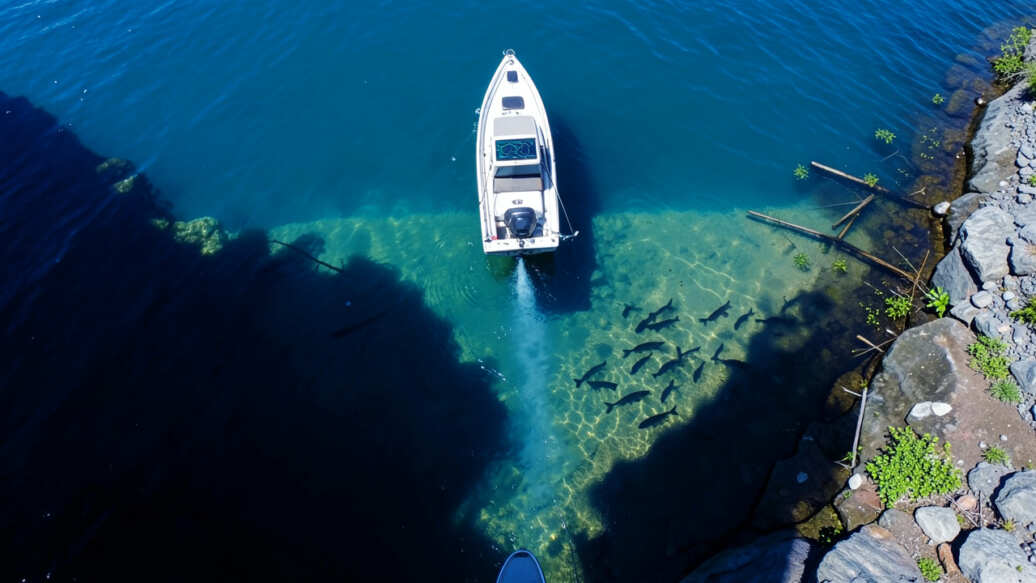
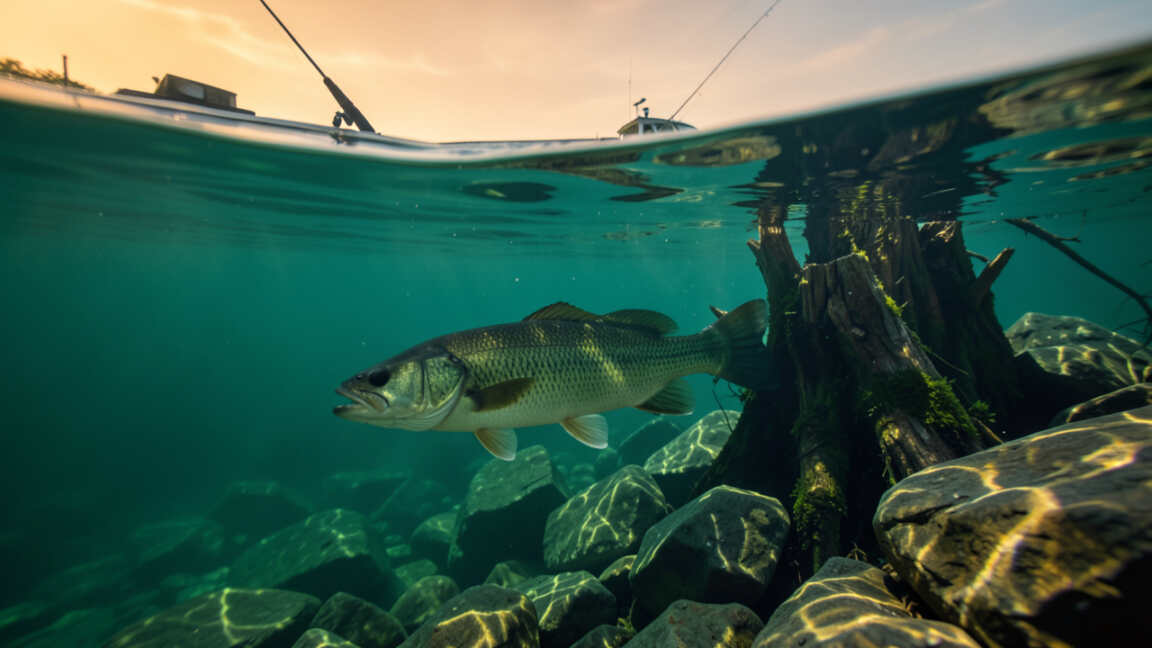
Summer heat is the main driver pushing bass into deeper, cooler water. The surface water can get too warm, making it uncomfortable and even stressful for them. They seek out areas with more stable temperatures.
This is where you can find them holding tight to structure or cruising in the open water. Understanding this basic behavior is the first step to successful Summer Bass Fishing: Deep Water Patterns That Actually Work.
Check your water temperature frequently; bass become uncomfortable and seek cooler depths once surface temps rise above their preferred range.
Water temperature plays a huge role. Bass are cold-blooded, meaning their body temperature matches their environment. When the surface gets too hot, their metabolism slows down, and they become lethargic.
They need water that is between 68 and 75 degrees Fahrenheit for optimal comfort and activity. Anything much warmer than that, and they will seek refuge in cooler depths. This is why checking your water temperature is so important.
Finding the Right Deep-Water Homes
Bass don’t just randomly sit in deep water. They look for places that offer comfort, food, and protection. These spots are often referred to as “structure.” Identifying and targeting these areas is crucial for Summer Bass Fishing: Deep Water Patterns That Actually Work.
Submerged Structure Types
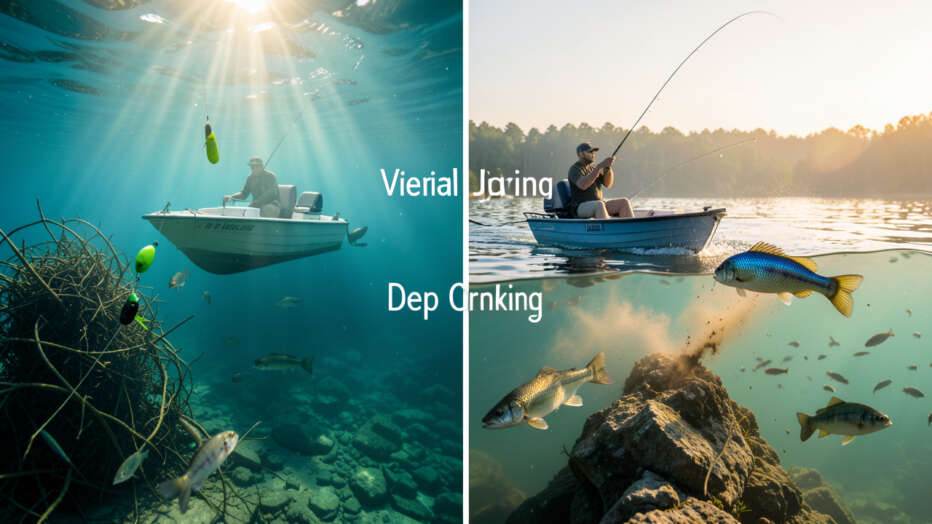
Several types of underwater features attract bass in the summer. These include drop-offs, ledges, humps, submerged points, and even brush piles or timber. Each offers a different kind of advantage for the fish.
- Drop-offs: These are steep changes in depth. Bass use them as highways to move between shallow and deep water. They also ambush prey that moves along the ledge.
- Ledges: Similar to drop-offs, ledges are flat shelves in the lakebed. They often have baitfish and offer a place for bass to rest and hunt.
- Humps: These are underwater hills or mounds. They can be shallow or deep and often attract baitfish, making them a prime target for bass.
- Submerged Points: These are underwater extensions of land that jut out into the lake. They can be great for funneling baitfish and bass.
- Submerged Timber and Brush Piles: Fallen trees and man-made brush attract baitfish and provide excellent cover for bass.
The key is to find where these features transition from shallow to deep. This is often where the most active bass will be found. Using a good fish finder is essential for locating these underwater homes.
Bass use submerged structure like drop-offs and ledges as travel corridors between shallow and deep water, making them prime ambush points.
The Role of Underwater Electronics
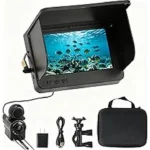
Modern fish finders are indispensable tools for deep water fishing. They show you the contours of the lakebed, the depth, and often, the presence of fish and baitfish. Learning to read your sonar is a vital skill for Summer Bass Fishing: Deep Water Patterns That Actually Work.
Look for changes in bottom composition. Hard bottoms like rock or gravel often hold more fish than soft mud. You’ll also want to spot schools of baitfish, which indicate a food source.
Bass will be nearby, looking for an easy meal. Pay attention to the depth readings. Bass will often be found at specific depth ranges depending on the lake and time of day.
Lures and Baits for Deep Summer Bass
Once you’ve found the structure, you need the right bait to entice those deep-dwelling bass. The goal is to present your lure in a way that looks natural and appealing to a bass holding in deeper water. This is where understanding Summer Bass Fishing: Deep Water Patterns That Actually Work really pays off.
Go-To Lures for Deep Water
Several types of lures excel at reaching deep water and attracting bass. They mimic the natural forage or trigger a reaction bite.
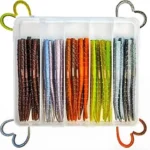
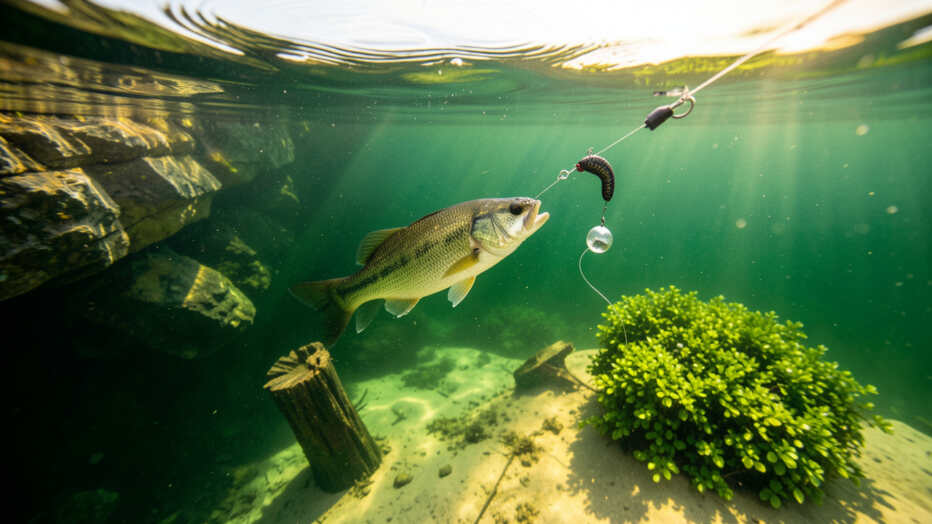
- Jigs: A football jig or a finesse jig is a classic choice. They are designed to sink quickly and get down to the bottom. Tip them with a craw trailer for added attraction.
- Drop-Shot Rigs: This rig is perfect for finesse fishing. It allows your bait to hang above the bottom, where bass might be suspended. Use small worms, minnow imitations, or craws.
- Deep-Diving Crankbaits: These lures can reach depths of 15-25 feet or more. They are great for covering water and triggering reaction strikes. Look for natural baitfish colors.
- Carolina Rigs: A heavier weight allows this rig to be dragged along the bottom. It’s effective for searching large areas of deep structure. Use a soft plastic worm or lizard.
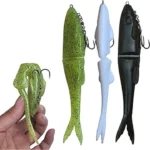
- Swimbaits: Paddle-tail swimbaits rigged on a heavy jig head can be deadly. They mimic fleeing baitfish and can be fished at various depths.
The key is to get your lure down to the depth where the bass are holding. Experiment with different weights and sink rates. Sometimes, a slow, methodical retrieve is best.
How you present your bait matters as much as the lure itself—a natural, controlled fall often triggers strikes from pressured deep-water bass.
Other times, a faster presentation can trigger a bite from a more aggressive fish.
Presentation Matters
How you present your bait is as important as the bait itself. In deep water, bass can be more hesitant to chase a lure. You need to make it easy for them to bite.
- Slow and Steady: Often, a slow, deliberate retrieve is best. This allows the bass to get a good look at your lure and commit to the bite.
- Dragging and Hopping: For jigs and Carolina rigs, drag them slowly along the bottom. Occasionally hop them to create a disturbance that attracts attention.
- Vertical Jigging: For drop-shot or jigging spoons, a vertical presentation is key. Lower your bait directly to the fish and work it with subtle rod twitches.
- Bait Color: Natural colors like greens, browns, and blues often work best in deeper, darker water. Chartreuse can be effective for adding visibility.
Don’t be afraid to experiment. What works one day might not work the next. Pay attention to how the bass are reacting to your retrieve and adjust accordingly.
This adaptability is a hallmark of successful Summer Bass Fishing: Deep Water Patterns That Actually Work.
Reading the Water and Weather
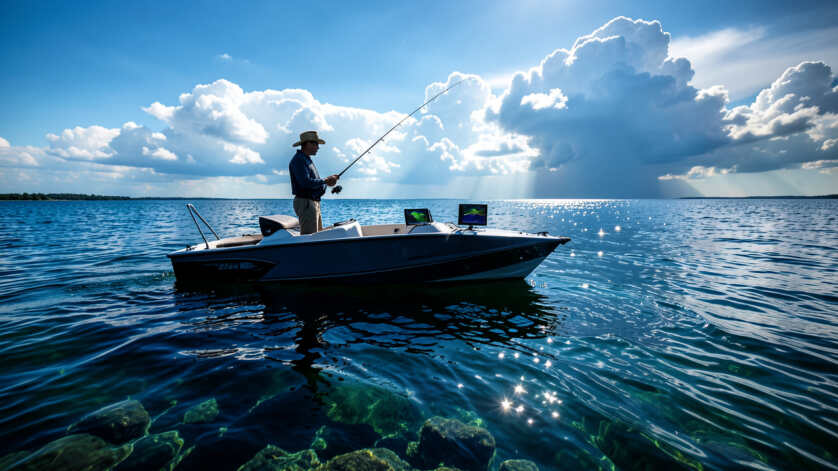
Beyond structure and lures, understanding the environment is key. The water clarity, time of day, and weather all influence bass behavior, even in deep water.
Water Clarity and Light Penetration
Water clarity affects how deep sunlight penetrates and how visible your lure is. In clear water, bass might be more spread out, and they can see your bait from further away. In stained or muddy water, they will likely be closer to structure and rely more on sound and vibration.
In clear, deep water, try using more natural, subtle presentations. Finesse baits and lighter lines can be beneficial. In stained water, brighter colors and lures with more action can help bass locate your bait.
This is a subtle but important aspect of Summer Bass Fishing: Deep Water Patterns That Actually Work.
Time of Day and Solar Position
Bass activity levels can change throughout the day. Early morning and late evening are often prime times, even in deep water, as the light is less intense. During the midday sun, they might move deeper or hold tighter to shade.
In stained water, choose brighter colors and lures with extra vibration or sound to help bass locate your bait in reduced visibility.
However, deep-water structure can provide shade and cooler temperatures even during the brightest part of the day. Don’t discount midday fishing if you’ve found a good deep-water spot. Bass might still be active there.
Weather’s Influence on Deep Water Bass
Weather plays a significant role. Overcast days can make bass more active throughout the water column, as the reduced light makes them feel more secure.
A front moving in can trigger feeding frenzies. Bass might become more aggressive and willing to chase baits. Conversely, after a front passes, they might become more neutral or even negative.
Understanding these shifts helps you adjust your strategy for Summer Bass Fishing: Deep Water Patterns That Actually Work.
Wind can also be a factor. It can push baitfish and bass towards points or shorelines, creating feeding opportunities. Use the wind to your advantage by fishing the windward side of structures.
Techniques for Hooking and Landing Deep Bass
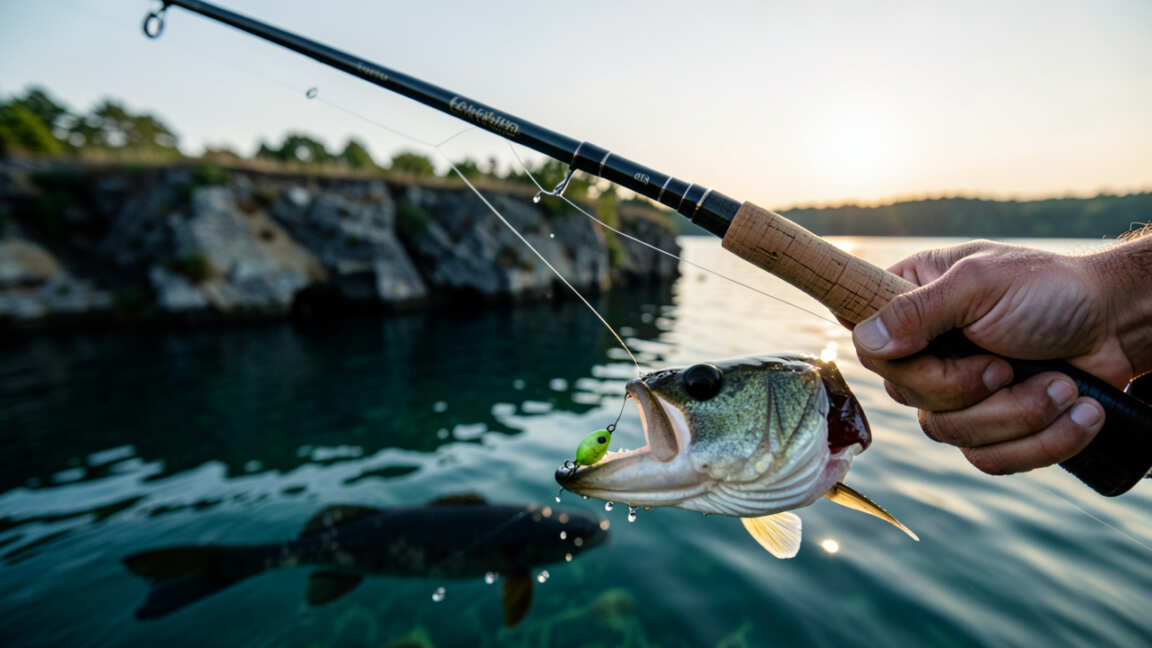
Hooking a fish in deep water presents unique challenges. You have more line out, which can create slack and make hooksets more difficult. Landing a heavy fish from deep water also requires good technique.
Setting the Hook in Deep Water
When you feel a bite in deep water, resist the urge to yank the rod too hard immediately. You need to take up slack first.
- Feel the Bite: Recognize the subtle tap or weight of a bass taking your bait.
- Take Up Slack: Reel down quickly to remove any slack in your line.
- Set the Hook: Once the line is tight, give a firm, upward sweep of your rod to drive the hook home.
This two-step process ensures a solid hookset, even with a lot of line out. A sharp hook is essential. Keep your hooks sharp and check them regularly.
When you feel a bite in deep water, resist yanking the rod immediately; instead, reel down to remove slack before setting the hook firmly.
Fighting and Landing Deep Bass
Once hooked, a bass in deep water will often fight hard, using the depth to its advantage. Keep your drag set correctly.
- Maintain Pressure: Keep steady pressure on the fish. Don’t let the line go slack, as this can allow the hook to fall out.
- Use Your Rod: Use your rod to steer the fish and keep it away from any underwater snags.
- Let the Reel Do Work: Let your drag system absorb the fish’s runs. This prevents you from breaking the line.
- Bring Them Up Slowly: Once the fish tires, reel it in steadily. Avoid yanking or jerking.
When bringing a deep-water bass to the boat, be patient. They can be surprisingly strong. Having a landing net ready is crucial for safely bringing your catch aboard.
Mastering these techniques is a critical part of executing Summer Bass Fishing: Deep Water Patterns That Actually Work.
Comparison: Deep Water Techniques
Different situations call for different approaches when targeting deep summer bass. Here’s a quick comparison of some popular methods.
Different situations call for different approaches—match your technique to the depth, structure type, and bass activity level for best results.
Frequently Asked Questions
What is the ideal water temperature for summer bass fishing in deep water?
Bass generally prefer deep water temperatures between 68 and 75 degrees Fahrenheit during the summer months to stay comfortable and active.
How do I find deep-water structure if I don’t have a fish finder?
You can use lake maps to identify potential deep-water structure like points, humps, and drop-offs. Observing changes in shoreline contour and fishing near underwater obstructions can also help.
When should I use a football jig for Summer Bass Fishing: Deep Water Patterns That Actually Work?
A football jig is best used when you are targeting specific bottom structure like ledges, humps, or rocky points in deeper water, allowing you to drag it along the bottom.
Are topwater lures ever effective for deep water bass in summer?
While less common, topwater lures can sometimes work in the early morning or late evening if bass are actively feeding on baitfish near the surface, even if they are generally holding deeper.
What line strength is recommended for deep water bass fishing?
For most deep water bass fishing, 10-20 pound test line is common. Fluorocarbon line is often preferred for its low visibility and sensitivity in deep water applications.
How can I tell if a bass is suspended or on the bottom in deep water?
Your fish finder will show you this. Suspended bass will appear as individual marks or small bait balls off the bottom. Bass on the bottom will be right on the lakebed contour.
Final Thoughts
Mastering Summer Bass Fishing: Deep Water Patterns That Actually Work means understanding where bass go when it’s hot and why. By focusing on structure, using the right lures, and adjusting to conditions, you can consistently catch bass even on the warmest days. Keep practicing these techniques, and you’ll find success.



5 Comments