Night Bass Fishing: Equipment, Tactics, And Safety Basics
Night bass fishing demands specialized equipment, adjusted tactics, and strict safety protocols to catch fish after dark. Essential gear includes a high-lumen headlamp, a medium-heavy rod with a sensitive tip, and braided line for detecting subtle strikes. Effective tactics involve targeting shallow cover like docks and weed edges with black or rattling lures that bass locate by vibration and sound. Safety basics require a fully charged headlamp, a personal flotation device, and a pre-trip float plan to prevent accidents and ensure navigation.
Fishing after dark can be a thrilling experience, often leading to bigger catches and fewer crowds. Many anglers wonder about the best ways to approach fishing when the sun goes down. You might be curious about what gear works best, what techniques to use, and most importantly, how to stay safe.
Getting this right means more successful trips and enjoyable evenings on the water. This guide covers the essentials of Night Bass Fishing: Equipment, Tactics, and Safety Basics, so you can feel confident and prepared for your next nocturnal angling adventure.
Key Takeaways
- Choosing the right gear for night bass fishing is crucial for success and safety.
- Specific tactics for night bass fishing can help you locate and attract fish in low light.
- Understanding and practicing safety basics for night bass fishing is paramount for a good trip.
- Different lure types and colors perform better during night bass fishing.
- Listening to your surroundings and using your senses are key to effective night bass fishing.
- Proper lighting and navigation are essential components of night bass fishing safety.
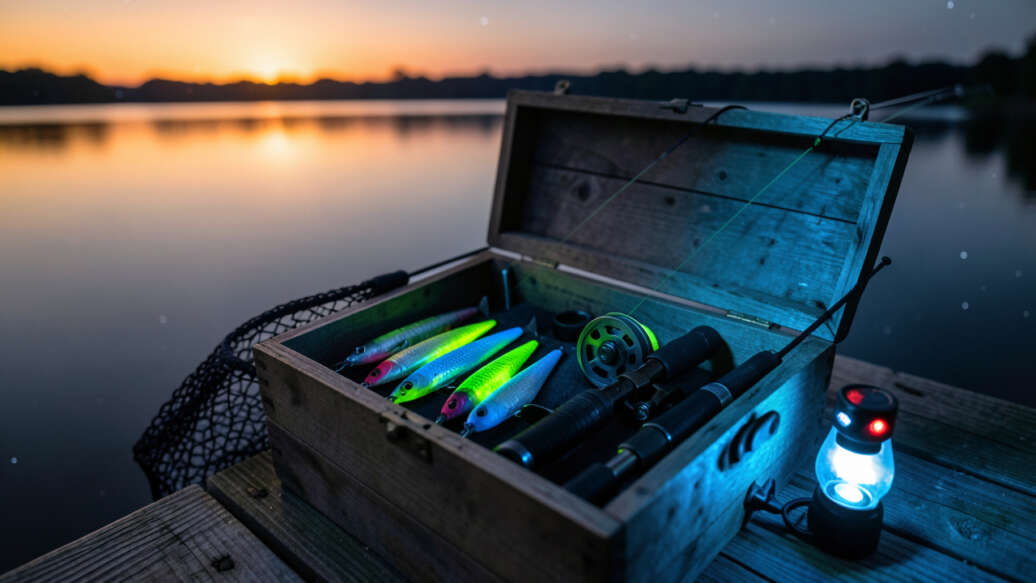
Essential Gear for Night Bass Fishing
When you head out for night bass fishing, your equipment needs a little adjustment from daytime trips. The darkness changes how fish behave and how you interact with your surroundings. Having the right tools makes a big difference in finding those fish and staying safe.
Lighting Solutions
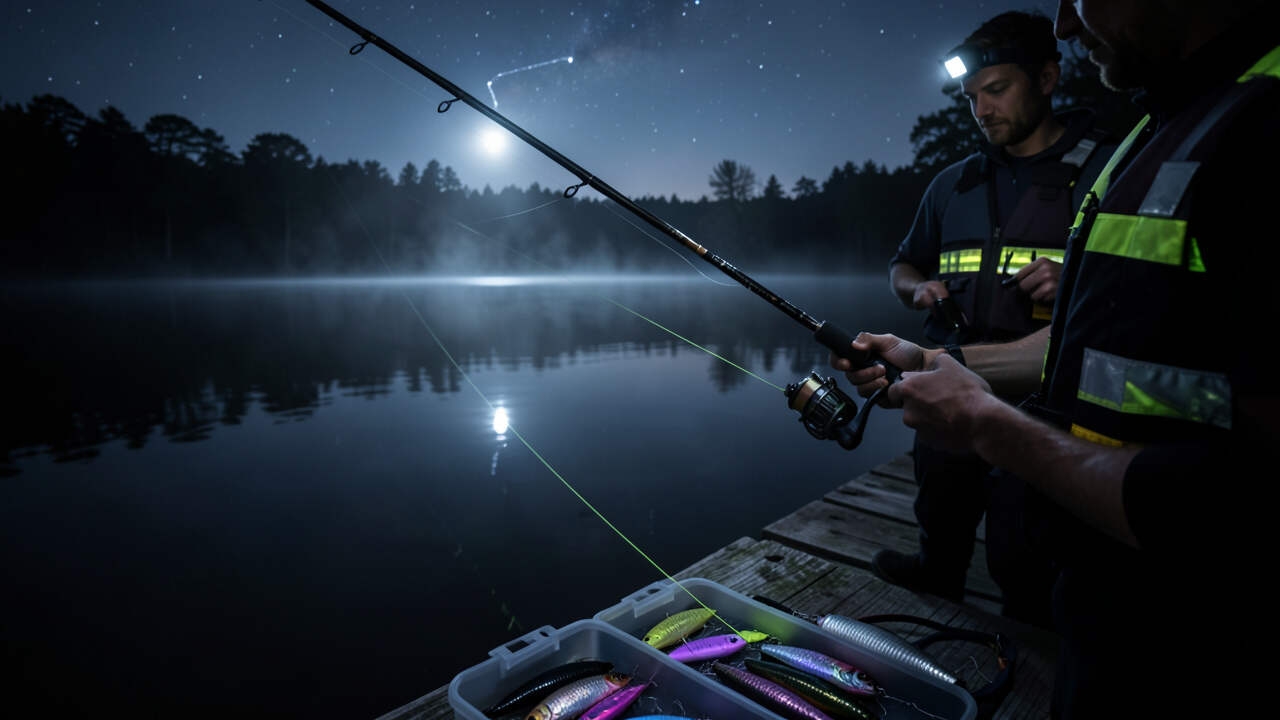
Good lighting is non-negotiable for any night bass fishing trip. You’ll need lights for seeing around your boat and for handling your fishing gear. A headlamp is incredibly useful because it keeps your hands free.
Look for one with a red light option, which is less disruptive to your night vision and can sometimes spook fish less.
- Headlamp: Essential for hands-free work.
- Boat lights: Ensure your navigation lights are working. A small portable floodlight can also help illuminate your casting area.
- Backup lights: Always carry extra batteries or a backup light source.
Rod and Reel Choices
For night bass fishing, you don’t necessarily need brand new gear. Your favorite medium-heavy baitcasting or spinning setup will likely work well. However, consider using line that is easier to see in the dark, like fluorescent yellow or green monofilament.
This can help you detect subtle bites when you can’t see your line clearly.
In clearer water, subtler presentations work, but in murkier conditions, louder baits with more vibration are often more effective.
If you use braid, tie on a monofilament or fluorocarbon leader so you can see it better in low light conditions.
Some anglers prefer braided line for its sensitivity, which can be helpful for feeling bites in the dark. If you use braid, you might want to tie on a monofilament or fluorocarbon leader so you can see it better. The key is to have a setup that allows you to feel what’s happening underwater.
Line and Leader Material
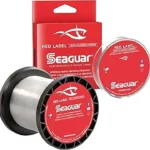
The type of fishing line you use for night bass fishing can impact your success. As mentioned, brightly colored monofilament can be a great choice. It’s easy to see, floats well, and has some stretch, which helps absorb the shock of a fish strike.
Fluorescent colors are particularly helpful.
Braided line offers excellent sensitivity and strength. However, it can be harder to see. If you opt for braid, consider adding a clear fluorocarbon leader.
This leader helps with stealth and provides a visible connection point if you need to see your line. For night bass fishing, visibility of your line is often more important than absolute stealth.
Tackle Box Essentials
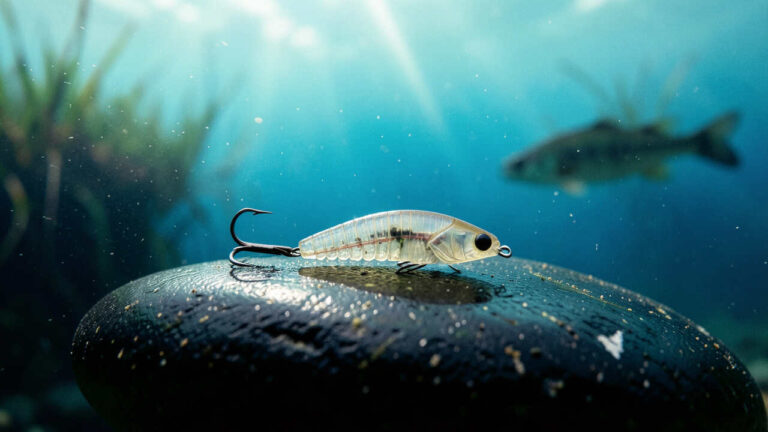
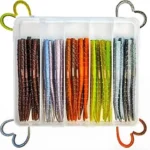
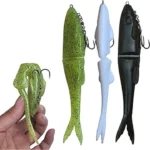
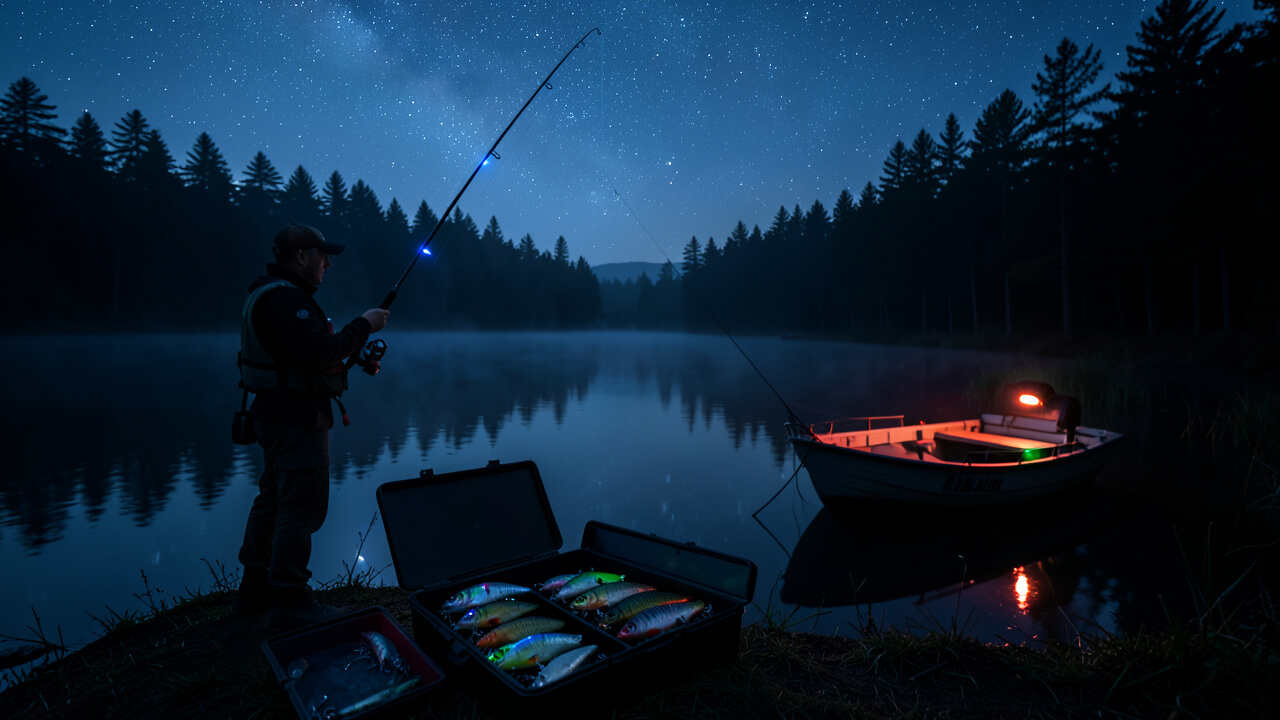
Your tackle box for night bass fishing should include lures that are effective in low light conditions. Darker colors, especially black, blue, and purple, often work well. Lures that make noise or create vibration can also attract fish when they can’t rely as much on sight.
- Jigs: Black, blue, or dark green jigs with rattles are excellent.
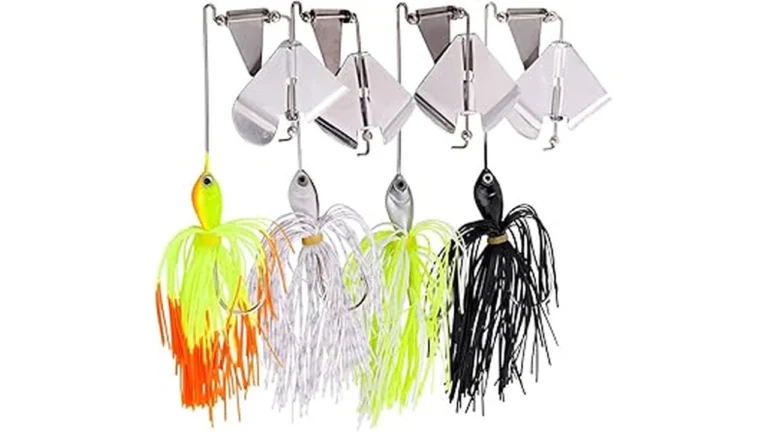
- Spinnerbaits: Dark skirts with silver or black blades can create flash and vibration.
- Crankbaits: Dark or natural colors that produce a good wobble.
- Soft plastics: Black, blue, or natural crawfish colors for Texas rigs or shaky heads.
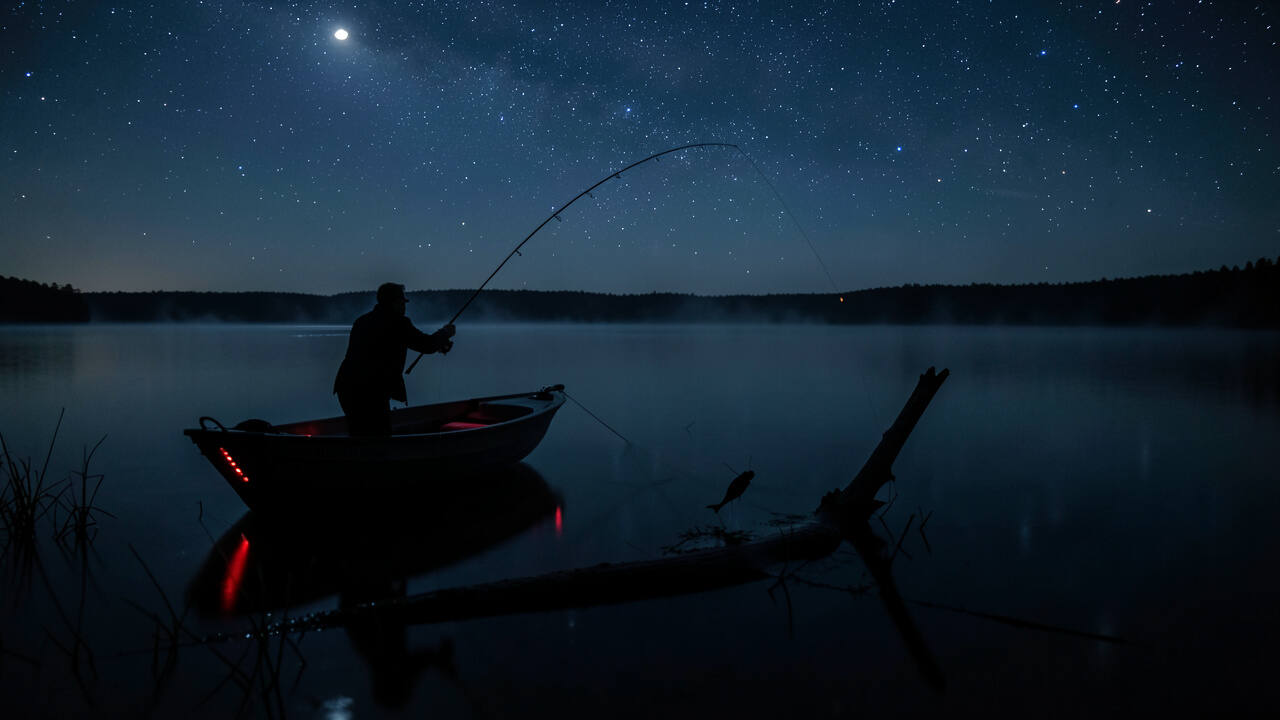
Effective Tactics for Night Bass Fishing
Fishing at night requires a different approach than daytime angling. Bass are often more active and closer to shorelines when the sun goes down. Understanding their nocturnal habits can lead to some of your most rewarding trips.
Mastering these tactics for night bass fishing will put more fish in your boat.
Targeting Prime Locations
During the day, bass often hold in cover to hide from the sun and predators. At night, they become the hunters. They will move into shallower areas to feed.
Focus your efforts around structure that offers ambush points and attracts baitfish.
- Shorelines: Bass will patrol shallow shorelines, especially those with docks, fallen trees, or vegetation.
- Docks: The shadows cast by docks are prime hiding spots for baitfish and therefore bass.
- Bridges: Similar to docks, bridge pilings create structure and shade.
- Points: Underwater points that extend into deeper water can attract baitfish and bass.
Lure Selection and Presentation
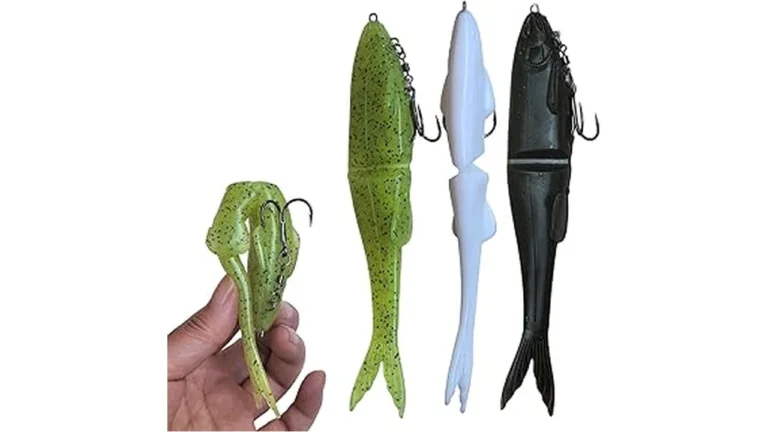
Lure choice is critical for night bass fishing. Since visibility is limited, lures that create sound or vibration are very effective. These help the fish locate your bait.
Consider the water clarity; in clearer water, you might get away with subtler presentations, but in murkier conditions, louder is often better.
First, try noisy topwater lures like prop baits or poppers early in the evening. The disturbance they create can draw aggressive strikes. Next, switch to slower-moving lures as the night progresses.
Knowing how to handle common boating emergencies like a dead battery or engine trouble can ensure your safe return after a night on the water.
Dark-colored jigs and Texas-rigged soft plastics are excellent choices. Cast them to cover and retrieve them slowly, allowing the bass to find them.
Then, spinnerbaits with single, large blades can produce a strong vibration that bass can detect from a distance. Black or dark-colored skirts are usually best. For crankbaits, opt for those with a good rolling action and internal rattles.
Darker colors or those that mimic natural forage are good bets.
Reading the Water and Conditions
Even in the dark, you can learn a lot by paying attention. Listen for the sounds of baitfish breaking the surface or splashing near structure. Use your boat’s sonar to identify schools of baitfish, as bass will often be nearby.
The moon phase can also play a role; bass are often more active on brighter, moonlit nights.
Water temperature is another factor. Cooler water temperatures can sometimes slow down bass activity, while warmer nights might mean more aggressive feeding. Wind can also be your friend at night.
It can push baitfish into certain areas, creating feeding opportunities. Focus your night bass fishing efforts where the wind is blowing bait towards the shore.
The Power of Sound and Vibration
Bass have a lateral line system that detects vibrations in the water. At night, this sense becomes even more important for them. Lures that exploit this are highly effective for night bass fishing.
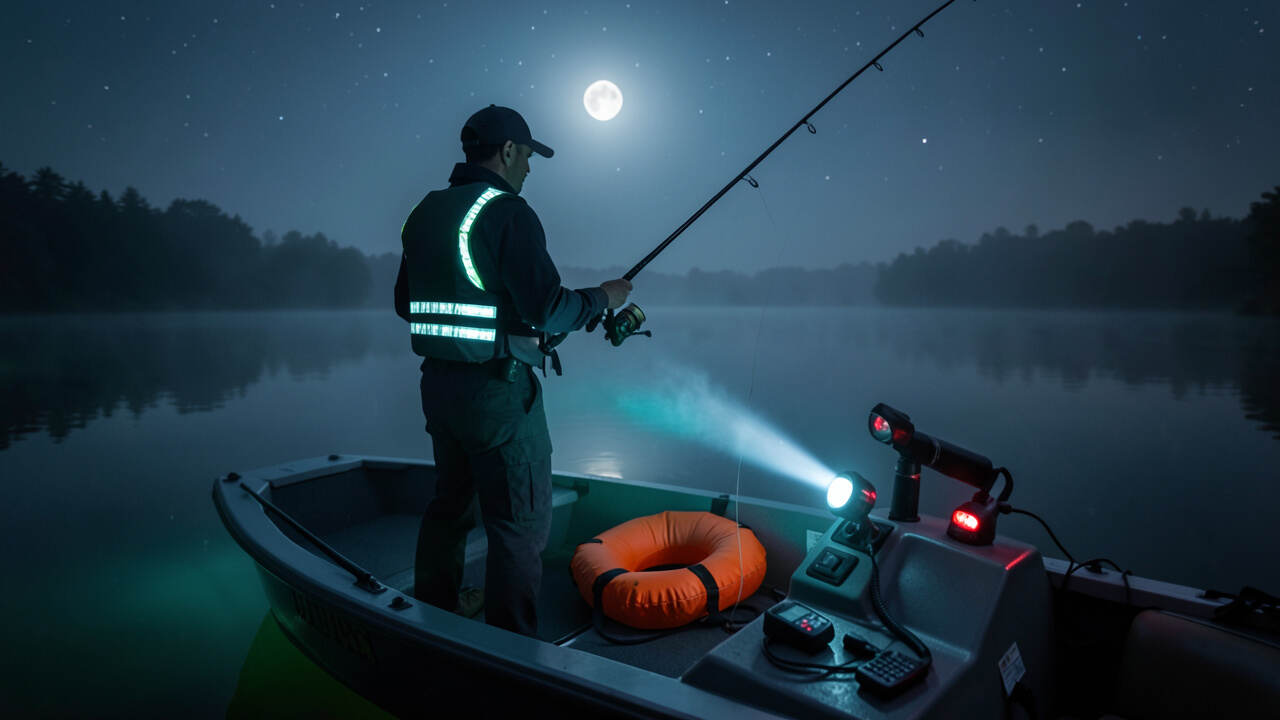
Mastering Safety Basics for Night Bass Fishing
Safety is paramount when fishing after dark. The reduced visibility presents unique challenges. Prioritizing safety ensures your night bass fishing trip is enjoyable and ends without incident.
These safety basics for night bass fishing are non-negotiable.
Operating a boat at night requires extra caution. Ensure your boat’s navigation lights are functioning correctly and are visible. These lights are legally required and vital for preventing collisions with other boats.
Always have a good chart plotter or GPS device if you are in unfamiliar waters, or rely on a reliable map app on your phone with a waterproof case.
- Navigation Lights: Green on the starboard (right) side, red on the port (left) side, and a white light visible from all directions at the stern.
- Slow Down: Reduce your speed, especially in areas with hidden obstacles like stumps or shallow flats.
- Be Aware of Surroundings: Constantly scan the water for other boats, debris, or shallow areas.
- Stay Sober: Never operate a boat under the influence of alcohol or drugs.
Personal Safety Measures
When you’re on the water at night, personal safety is just as important as boat safety. Always wear a properly fitting life jacket. Even if you are a strong swimmer, the shock of cold water or an unexpected fall can be dangerous.
Ensure your life jacket is accessible and comfortable for extended wear.
Understanding the strengths of different lures—such as vibration, visibility, and retrieval speed—can help you catch more fish at night.
First, make sure someone knows where you are going and when you expect to be back. Leave a detailed fishing plan with a friend or family member, including your intended fishing location and your estimated return time. Next, carry a fully charged cell phone in a waterproof case.
This is your lifeline in case of an emergency.
Then, be mindful of your footing on the boat. Keep the deck as clear as possible to avoid tripping hazards. Secure any loose gear that could fall or cause someone to stumble.
Staying aware of your balance is key, especially when casting or reeling in a fish.
Emergency Preparedness
Being prepared for the unexpected is a cornerstone of safe night bass fishing. Have a well-stocked first-aid kit on board. Know how to use its contents for common fishing-related injuries, such as cuts or scrapes.
A basic kit should include bandages, antiseptic wipes, pain relievers, and any personal medications you might need.
Finally, consider carrying a whistle or signaling device. In a true emergency, these can help you attract attention from a distance. Having a basic understanding of how to handle common boating emergencies, like a dead battery or engine trouble, can also save you a lot of stress and ensure your safe return.
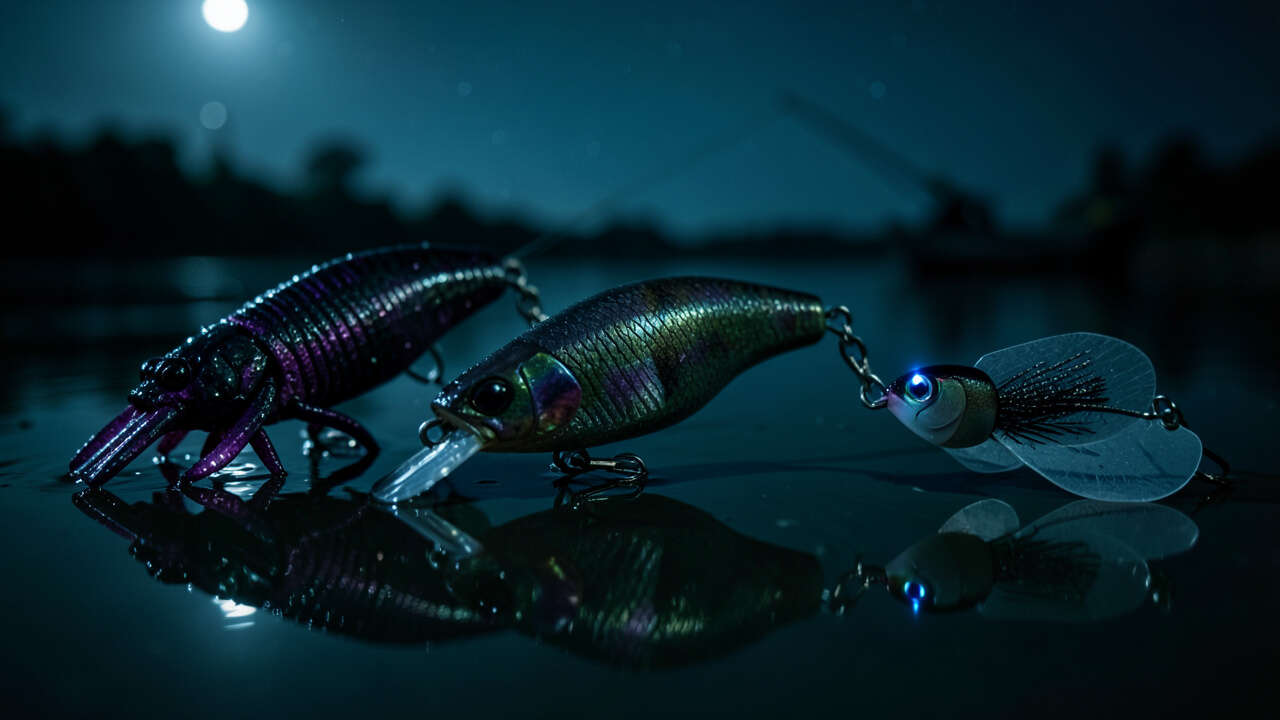
Comparing Lures for Night Bass Fishing
Choosing the right lure is key to success in night bass fishing. Different lures work better in different situations, and understanding their strengths can help you catch more fish. Here’s a comparison of some popular lure types.
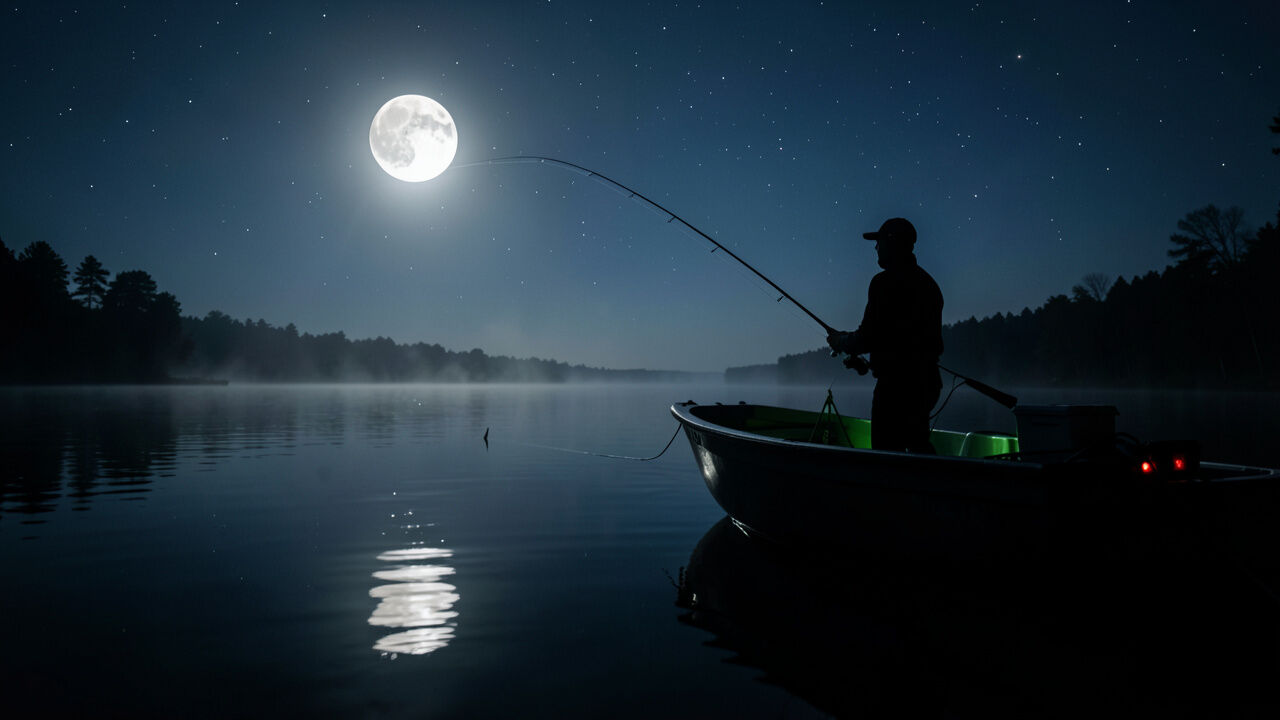
While you can catch bass year-round at night, focusing on optimal seasonal and lunar conditions significantly improves your success rate.
When to Go: Best Times for Night Bass Fishing
While you can catch bass at night year-round, certain times offer better opportunities. Understanding these optimal conditions can significantly improve your success rate. The best times for night bass fishing often align with comfort and fish activity.
Seasonal Considerations
Spring: As water temperatures rise, bass move into shallower areas to spawn. Night fishing can be excellent during this period, especially around the full moon. They are often less wary at night.
Summer: This is prime time for night bass fishing. The cooler temperatures at night offer a welcome relief for both anglers and fish, making bass more active. Many anglers find the summer months to be the most productive. Many anglers find the summer months to be prime time for night bass fishing due to cooler temperatures.
Fall: Bass feed aggressively in the fall to prepare for winter. They are often found in transition areas, moving from shallower to deeper water. Night fishing can still be very effective, especially on warmer evenings.
Winter: While less common, night fishing can still yield results in warmer climates or on unusually warm winter nights. Bass will be in deeper, more stable water. You’ll need to adjust your tactics to slower presentations.
Moon Phases and Weather
The moon phase can influence bass behavior. Many anglers believe that fishing during the full moon is particularly effective. The increased light allows bass to hunt more easily and often leads to more aggressive feeding.
However, fishing on dark, moonless nights can also be productive, as bass may feel more secure moving into shallower areas.
Weather plays a role too. Overcast skies during the day can sometimes extend the feeding window into the night. Light rain can also trigger feeding activity.
Avoid fishing during severe thunderstorms or high winds, as these conditions pose safety risks.
Frequently Asked Questions
What is the best time of year for night bass fishing?
The best time for night bass fishing is generally in the warmer months, from late spring through early fall, when bass are more active and comfortable in shallower waters at night.
What type of lures should I use for night bass fishing?
For night bass fishing, lures that create sound and vibration are best. Think dark-colored jigs with rattles, spinnerbaits, and rattling crankbaits. Topwater lures that make noise can also be very effective.
Is it safe to go night bass fishing alone?
While many people do it, it’s generally safer to fish at night with a partner. If you go alone, always inform someone of your plans, wear a life jacket, and ensure you have reliable navigation and communication tools.
Do bass bite better on a full moon?
Many anglers believe bass bite better on a full moon during night bass fishing because the extra light helps them hunt more effectively. However, good fishing can happen on any moon phase.
What kind of lights do I need for night bass fishing?
You’ll need a reliable headlamp with a red light option for hands-free use, and ensure your boat’s navigation lights are functioning. A portable spotlight can also be helpful for illuminating your immediate fishing area.
Final Thoughts
Successfully enjoying night bass fishing: equipment, tactics, and safety basics means being prepared. With the right gear, smart tactics targeting active fish, and a strong focus on safety, you can have incredibly rewarding angling experiences after dark. Get out there and try it!