




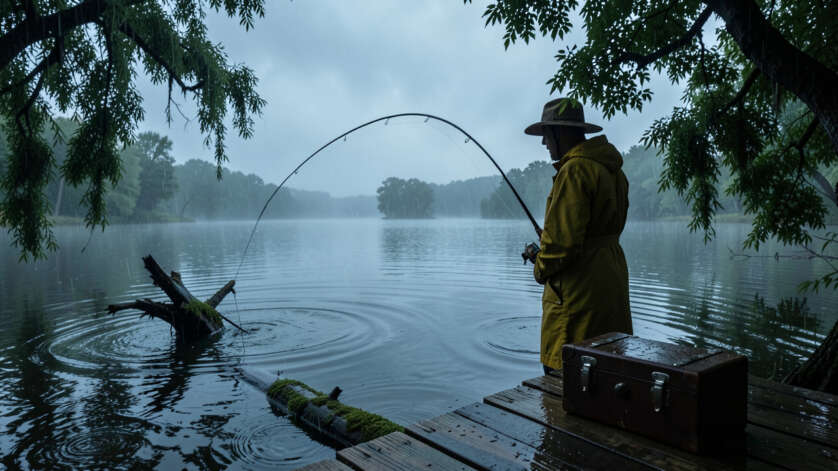
Bass Fishing In The Rain: Why It’S Often The Best Time
Bass fishing in the rain is often the best time because wet weather triggers aggressive feeding behavior in bass, driven by reduced light penetration and increased food availability. Shifts in water temperature, oxygen levels, and clarity during a downpour create ideal conditions for bass to hunt more actively near the surface and in shallows. Successful rainy day anglers adjust by using darker, noisier lures and slower retrieval speeds to match the lowered visibility and heightened predation. The practical value is clear: understanding these changes turns a common weather excuse into a prime opportunity for consistent action with fewer competing anglers on the water.
Don’t let a little rain keep you off the water. Many anglers shy away when the clouds open up, but this is exactly when you can find some of the best action. Understanding the subtle shifts in bass behavior during wet weather can lead to more successful trips.
We’ll show you why the conditions change and how you can use them to your advantage for a more rewarding day of fishing. Get ready to rethink your rainy day plans and discover the secrets behind Bass Fishing in the Rain: Why It’s Often the Best Time.
Key Takeaways
- Rainy weather can stir up bass activity, making them more aggressive feeders.
- Lowered light levels and reduced water clarity create unique feeding opportunities for bass.
- Changes in water temperature and oxygen levels during rain benefit bass.
- Specific lure choices and fishing techniques can significantly improve success during a downpour.
- Fishing in the rain often means fewer crowds on the water, leading to a more peaceful experience.
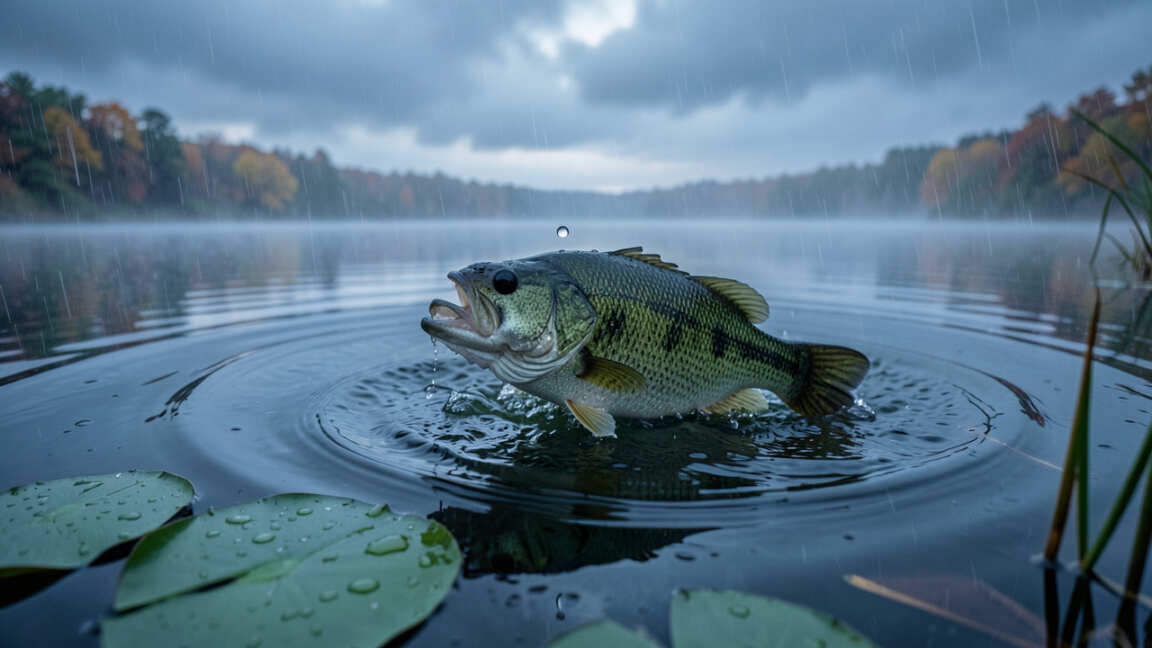
Why Bass Love Rainy Days
When the first drops of rain start to fall, many anglers pack up their gear. But for those who stay, a rewarding experience often awaits. It’s not just a coincidence; there are solid reasons why Bass Fishing in the Rain: Why It’s Often the Best Time is a common saying among seasoned fishermen.
The changes brought by rain create an ideal environment for bass to feed and become more active.
Focus on shorelines after rain starts, as runoff washes insects and worms into the water, drawing bass close to the bank.
Rainwater washes insects, worms, and other food sources into the water. This natural buffet draws bass closer to the shore and shallower areas. They are opportunistic feeders, and this influx of food makes them less wary and more likely to strike at your lure.
The falling rain also breaks up the surface of the water, making it harder for baitfish to see predators from above. This gives bass a tactical advantage when hunting.
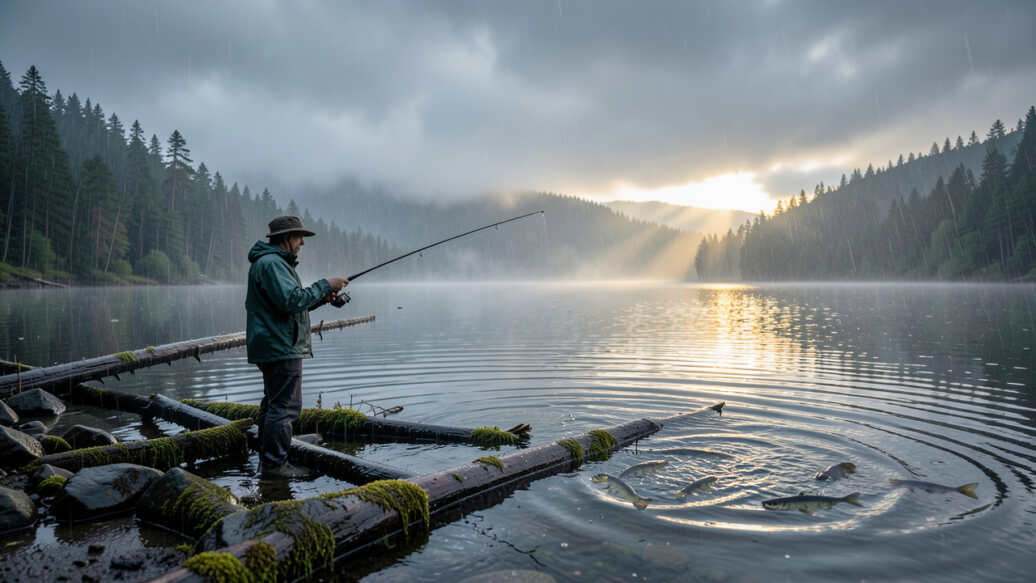
The Science Behind Rainy Day Bass Behavior
Several environmental factors change when it rains, and these directly influence bass. Understanding these shifts helps you predict where and how to fish effectively. The combination of these elements makes Bass Fishing in the Rain: Why It’s Often the Best Time a reality for many.
Reduced Light Penetration
Cloud cover and the rain itself significantly dim the sunlight reaching the water’s surface. This lower light condition is a major advantage for bass. They can move into shallower waters or more open areas without being as easily spotted by their prey.
This increased comfort zone allows them to hunt more aggressively. For anglers, this means bass might be found in places they typically avoid on bright, sunny days.
Increased Food Availability
Rain washes terrestrial insects, earthworms, and other small creatures from the banks and surrounding vegetation into the water. This creates a natural, concentrated food source for bass. Think of it as a free meal delivered right to their doorstep.
Reduced light from rain gives bass a predatory advantage, allowing them to move into shallower areas and hunt more aggressively than on bright days.
This increased food presence makes bass more active and willing to chase down lures that mimic these easy snacks. This is a primary reason why Bass Fishing in the Rain: Why It’s Often the Best Time.
Water Temperature and Oxygen Levels
Rain can cool down the surface water, especially in warmer months. This temperature drop can invigorate bass, making them more active. Cooler water also holds more dissolved oxygen.
Additionally, the agitation of the water’s surface from rain and wind can increase oxygen levels throughout the water column. Bass thrive in well-oxygenated water, and these conditions encourage them to feed more actively.
Water Clarity Changes
While heavy rain can make water very muddy, light to moderate rain often creates a slightly stained or murky water condition. This isn’t always a bad thing. For bass, slightly stained water can make it harder for them to be seen by their prey, giving them an edge.
It also makes them feel more secure, encouraging them to move and feed more freely. This is a key factor in understanding Bass Fishing in the Rain: Why It’s Often the Best Time.
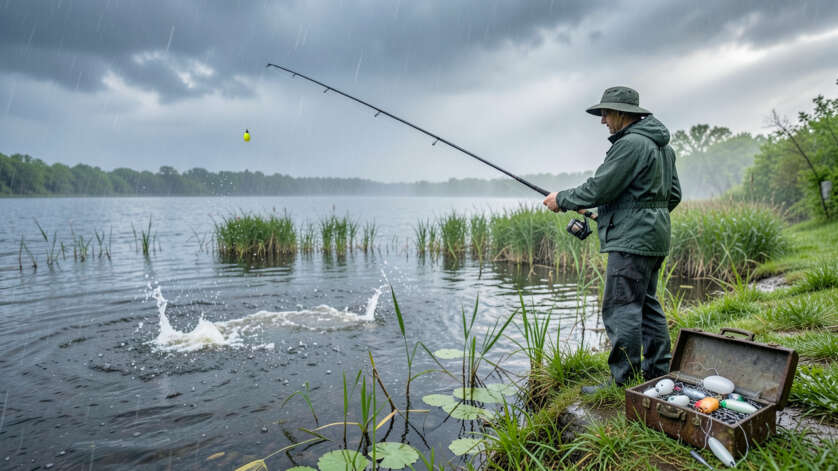
Effective Techniques for Rainy Day Bass Fishing
Knowing why bass are active in the rain is one thing, but knowing how to catch them is another. Adapting your fishing techniques can make all the difference when the skies are gray.
Lure Selection
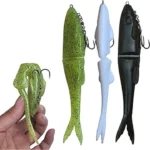
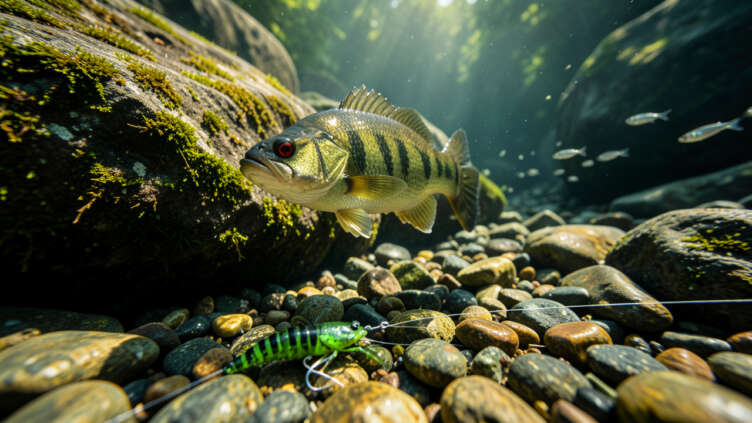
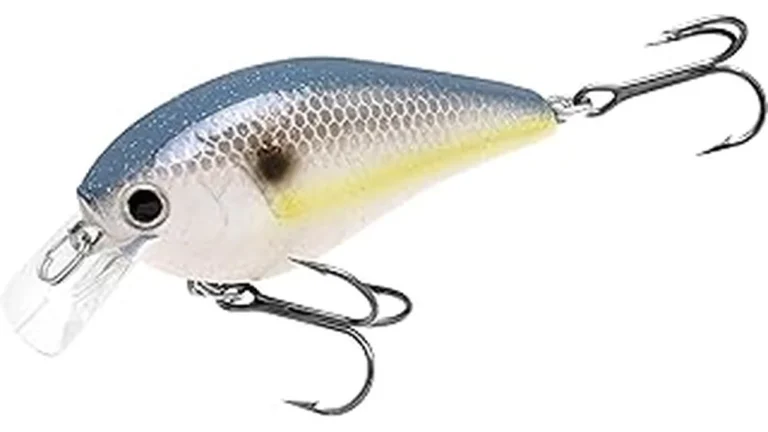
When fishing in the rain, consider lures that create more vibration and noise. Bass often rely on their lateral line to detect prey in low-visibility conditions. Lures that are noisy or produce significant water disturbance can attract their attention.
- Vibrating Baits: lipless crankbaits and spinnerbaits are excellent choices. Their erratic action and flashing blades create a commotion that bass can easily detect.
- Soft Plastics with Action: Worms with a paddle tail or craws that wiggle can mimic injured prey.
- Jigs: A jig, especially one with a noisy trailer like a rattle, can be very effective.
- Topwater Lures: Surprisingly, some topwater lures can still work. Poppers and walkers that create a lot of splash and noise can trigger strikes even in light rain.
Retrieval Speed
Often, a slower retrieve works best in the rain. Bass might not be moving as fast or as far to chase bait when the water is cooler or visibility is low. A steady, moderate-to-slow retrieve allows the lure to stay in the strike zone longer and gives bass a better chance to find it.
When rain turns water muddy, bass rely on vibration and sound, making noisy lures your best bet for triggering strikes.
Targeting Specific Areas
Think about where the rain is concentrating food and where bass will feel most comfortable.
- Inlets and Runoff Areas: Look for areas where rainwater is flowing into the lake or river. These spots concentrate food and attract bass.
- Shaded Areas: Even in the rain, bass may still seek out cover.
Overhanging trees, docks, and submerged structures can hold fish.
- Shorelines: With increased food washing in, bass will often patrol the shorelines more actively.
Fishing During Different Types of Rain
Not all rain is created equal when it comes to fishing. The intensity and duration of the rain can affect bass behavior.
This table highlights how varying rain conditions impact Bass Fishing in the Rain: Why It’s Often the Best Time, showing that adaptation is key.
Gear Considerations for Rainy Day Fishing
Fishing in the rain requires some adjustments to your gear to ensure comfort and effectiveness. Staying dry and comfortable allows you to focus on catching fish.
Waterproof Apparel
This is non-negotiable. A good quality waterproof and breathable rain jacket and pants will keep you dry. Waterproof boots or waders are also essential.
Being comfortable means you can stay out longer and fish more effectively.
Invest in waterproof boots or waders to stay dry and comfortable, allowing you to fish longer in the rain.
Rod and Reel Protection
Keep your gear protected from the elements. While most modern reels are fairly water-resistant, it’s a good idea to cover them when not in use. Rods can be wiped down after your trip.
Consider using a rod cover to protect your guides from rain and debris.
Line Choice
Braided line can be a good option in rainy conditions. It doesn’t absorb water like monofilament, which can prevent it from freezing onto your guides in colder, wet weather. It also offers excellent sensitivity, allowing you to feel subtle bites even in choppy water.
Lure Storage
Use waterproof tackle boxes or bags to keep your lures dry and organized. You don’t want your favorite jigs or spinnerbaits to rust or your soft plastics to get waterlogged.
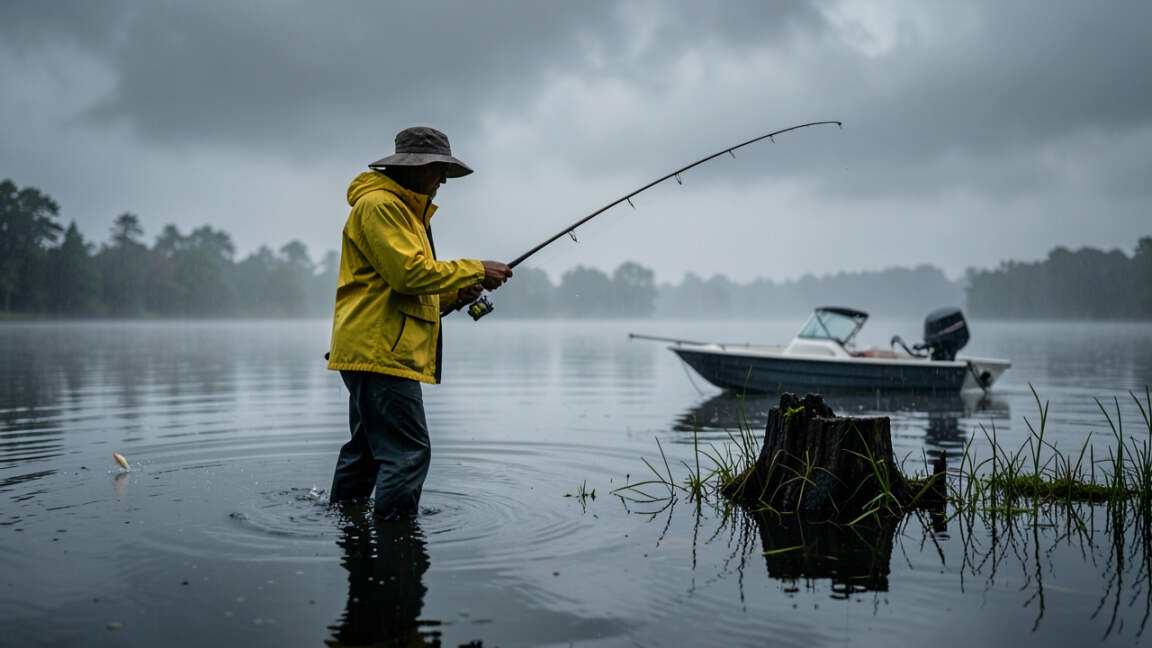
The Mental Advantage: Fewer Anglers, More Fish
One of the often-overlooked benefits of fishing in the rain is the lack of competition. Most anglers prefer sunny, calm days. This means when you’re out there in the rain, you’re likely to have your favorite fishing spots all to yourself.
While solitude is appealing, always let someone know your location and carry a waterproof phone case when fishing alone in the rain.
Fewer boats and anglers on the water mean less disturbance. Bass may be less pressured and more willing to bite. This solitude can also make for a more relaxing and enjoyable fishing experience.
Combining fewer crowds with increased bass activity truly makes Bass Fishing in the Rain: Why It’s Often the Best Time.
Beyond the Rain: When to Fish After a Storm
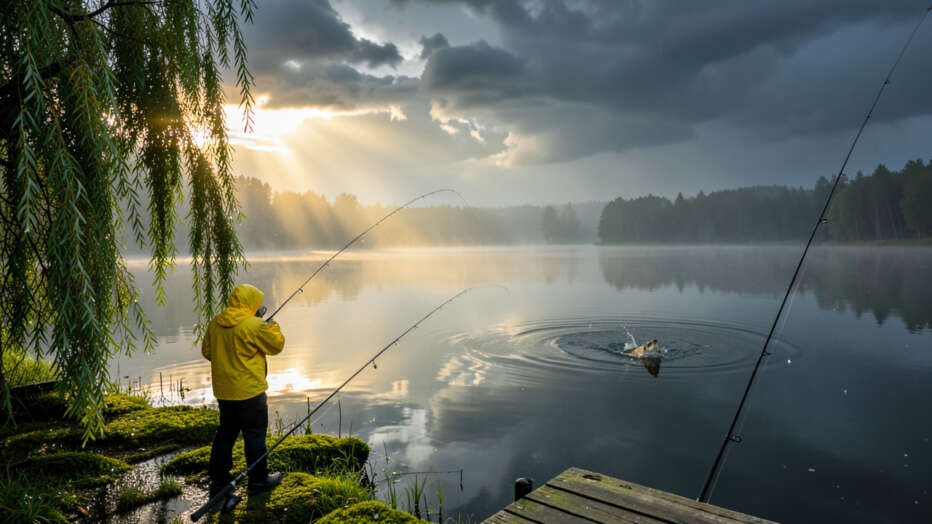
The fishing doesn’t stop when the rain does. In fact, the period immediately following a rain event can be equally productive, if not more so. As the water begins to clear, the food sources that were washed in remain concentrated, and bass are still actively feeding on them.
The immediate post-rain period can be even more productive as runoff concentrates food and bass continue feeding actively.
The water temperature might have dropped, and oxygen levels might still be elevated. Look for areas where the water is starting to clear but still has some stain. These are prime feeding zones.
The post-rain period is a crucial time to capitalize on the conditions created by the storm. Understanding post-rain fishing conditions can significantly improve catch rates according to wildlife experts.
Common Misconceptions About Rainy Day Fishing
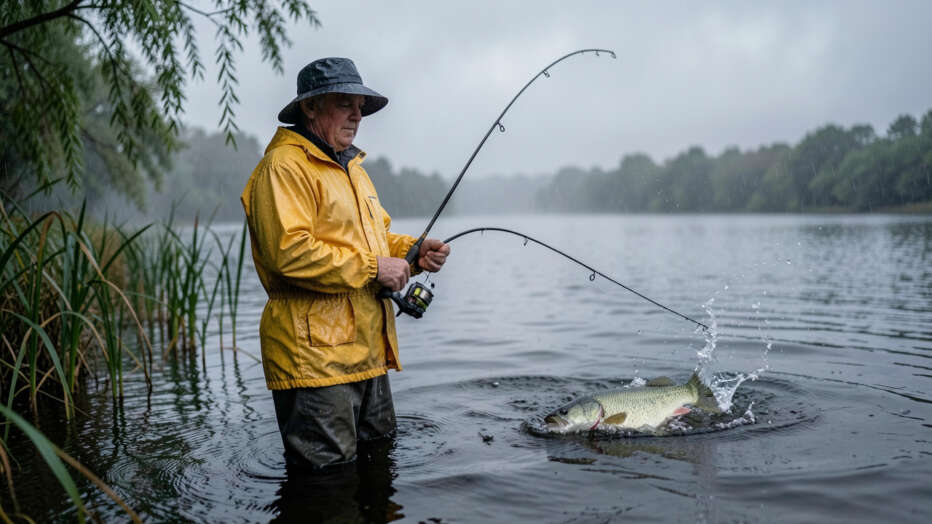
There are a few myths that keep anglers from trying their luck in the rain. Debunking these can open up new fishing opportunities.
- Myth: Bass won’t bite when it rains.
Fact: Bass often become more active and aggressive feeders during rain due to increased food and reduced light.
Bass rely on their lateral line in low visibility, so noisy lures can effectively compensate for the lack of sight.
- Myth: It’s too dangerous to fish in the rain.
Fact: While caution is needed, especially with lightning, fishing in light to moderate rain is generally safe with proper waterproof gear and awareness of your surroundings.
- Myth: You can’t see anything in the rain.
Fact: While visibility is reduced, bass use other senses like their lateral line to detect prey, and noisy lures can compensate for visual limitations.
These facts support why Bass Fishing in the Rain: Why It’s Often the Best Time is a widely held belief among experienced anglers.
Frequently Asked Questions
What is the best time of day to go Bass Fishing in the Rain: Why It’s Often the Best Time?
While bass can be active throughout the day during rain, dawn and dusk often remain prime times, especially if the rain is consistent. The low light conditions are amplified, and the food influx can be highest during these periods.
Are there specific bass species that bite better in the rain?
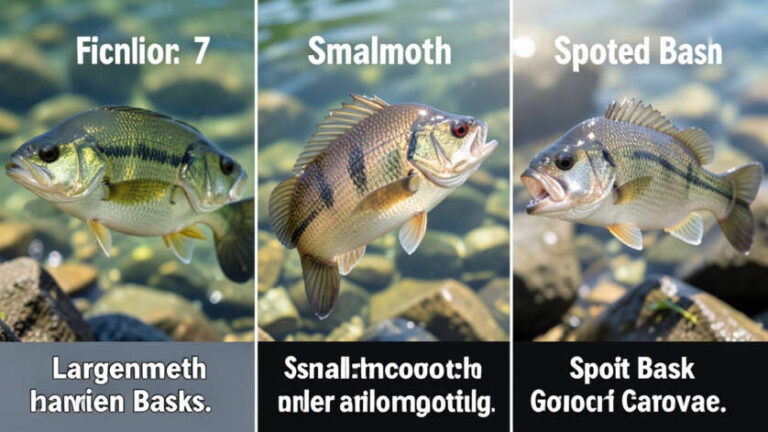
Generally, all bass species (largemouth, smallmouth, spotted bass) tend to react positively to the conditions created by rain. The increased food and lower light benefit their feeding habits.
Should I use brighter or darker lures when Bass Fishing in the Rain: Why It’s Often the Best Time?
It depends on water clarity. In stained or muddy water, brighter, more contrasting colors like chartreuse or firetiger can help bass detect your lure. In clearer, rainy conditions, natural dark colors can mimic washed-in prey.
How does lightning affect Bass Fishing in the Rain: Why It’s Often the Best Time?
Lightning is a serious hazard. If you hear thunder or see lightning, you must get off the water immediately. Safety always comes first.
What is the biggest mistake anglers make when Bass Fishing in the Rain: Why It’s Often the Best Time?
The biggest mistake is not going out at all. Many anglers assume bass won’t bite, missing out on some of the most aggressive feeding periods of the year.
Can fishing in the rain improve my chances of catching bigger bass?
Yes, often. Bigger bass are more secure in their territory and may be more willing to move into shallower, food-rich areas during rainy conditions when they feel less exposed.
What kind of weather is ideal for Bass Fishing in the Rain: Why It’s Often the Best Time?
Light to moderate rain with overcast skies is often ideal. Heavy downpours can sometimes make fishing difficult, but the conditions leading up to and following rain are excellent.
Final Thoughts
Embrace the rain as your next fishing opportunity. The reduced light, increased food, and fewer crowds create a perfect storm for catching bass. With the right approach and gear, a rainy day on the water can lead to your most memorable fishing trips. Expert tips on rainy day fishing can help anglers overcome common myths and improve success.

One Comment