Punching Rig For Bass: Heavy Weights Through Thick Mats
When bass hide deep in thick vegetation, you need a special way to get your bait to them. That’s where the Punching Rig for Bass: Heavy Weights Through Thick Mats comes in. This method helps you drop your lure right into the fish’s hiding spot, even when the cover is really dense.
Learning this technique can help you catch more bass when they are holding tight to cover, giving you access to fish others might miss. We’ll cover how to set it up and when to use it.
Key Takeaways
- Understand why using heavy weights is crucial for punching through thick mats.
- Learn the best bait choices for a successful punching rig.
- Discover the essential gear needed for this effective bass fishing technique.
- Master the casting and presentation methods for punching rigs.
- Know the ideal conditions and locations for using this rig.
- Troubleshoot common issues when fishing thick cover.
Why Punching Rigs Work in Thick Cover
Bass love to hide in thick weeds and lily pads. They feel safe there and can ambush prey. Standard lures often get snagged or float over the top, missing these fish.
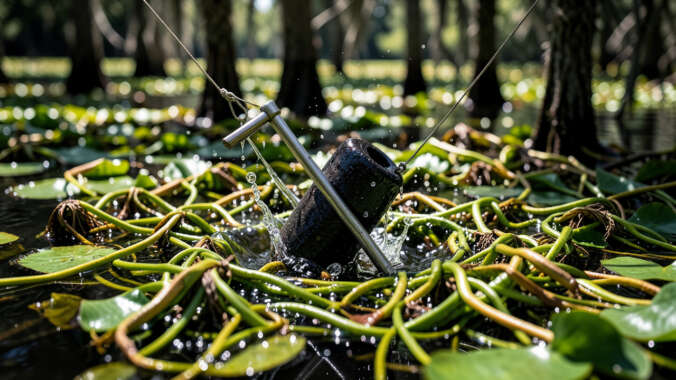
A punching rig uses a heavy weight to push through this cover. This allows your bait to sink straight down to where the bass are waiting. It’s like a stealth bomber for your bait, going right where the fish are.
Use a weight heavy enough to cut through the vegetation so your bait sinks directly to where bass are hiding.
The key is the weight. It needs to be heavy enough to cut through the vegetation. This is why a Punching Rig for Bass: Heavy Weights Through Thick Mats is so effective.
The weight punches a clean hole for the bait to fall through. The bait then dangles below, often on a weedless hook. This combination gets your bait in front of fish that are actively avoiding other anglers.
Essential Gear for Punching Rigs
To fish this way, you need the right equipment. It’s not just about the rig itself. Your rod, reel, and line play a big part.
You need gear that can handle the stress of pulling fish out of heavy cover. A strong setup prevents lost fish and broken lines.
Rod Selection
For punching, a stout fishing rod is a must. You need power to drive the hook home and to pull a big bass from thick weeds. Look for a rod that is medium-heavy to heavy power.
A length of 7 feet, 6 inches to 8 feet is ideal. This length gives you leverage and casting distance. The fast action tip helps with casting accuracy and sensitivity.
Select a medium-heavy to heavy rod with a fast action tip for precise casts and better feel through thick cover.
Reel Choice
A baitcasting reel is generally preferred for this technique. They offer more torque and better line control. Look for a reel with a good gear ratio, like 7.1:1 or higher.
This helps you pick up slack line quickly. You can also use a spinning reel if you prefer, but make sure it has a strong drag system.
Line Strength
Braided line is the go-to for punching. It has incredible strength and no stretch. This means you can feel subtle bites and have the power to pull fish out.
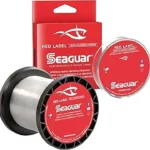
Use a heavy braid, typically 50-pound test or even 65-pound test. This is essential for handling the abrasion from weeds and the power of the fish. Fluorocarbon leaders can be added for stealth, but many anglers fish straight braid.
Building Your Punching Rig
Setting up your Punching Rig for Bass: Heavy Weights Through Thick Mats is straightforward. It involves a few key components. Getting these right ensures your bait gets to the fish effectively.
The Weight
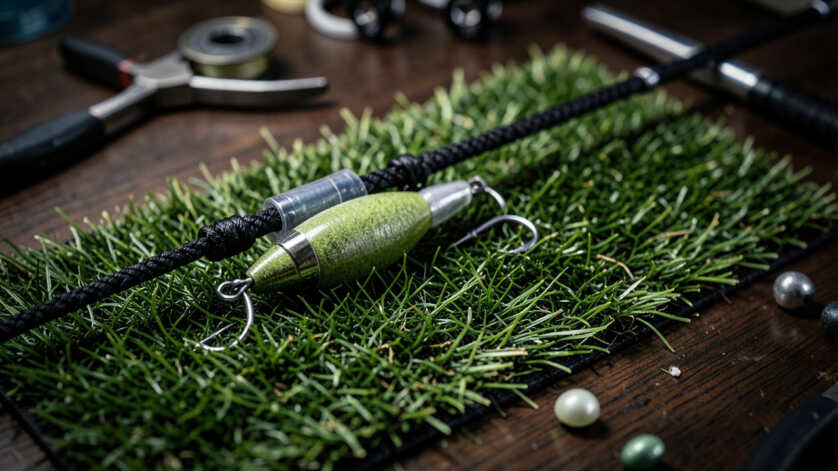
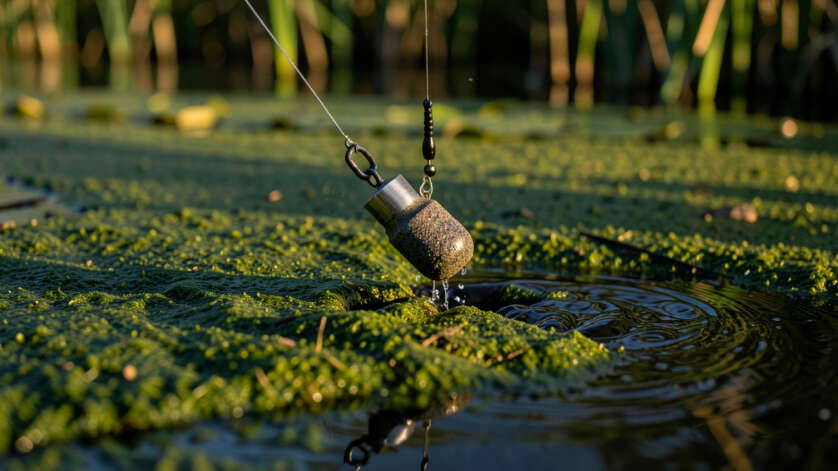
The weight is the most critical part. You’ll typically use tungsten or lead weights. Tungsten weights are smaller and denser, allowing them to punch through cover better.
Weights can range from 1 ounce up to 2 ounces or even more. The exact weight depends on the thickness of the cover and the depth of the water. Heavier weights sink faster and cut through mats more easily.
The Hook
A stout, extra-wide gap hook is necessary. This hook needs to be strong enough to handle big bass. It also needs to be weedless.
Many anglers use a screw-lock or spring-loaded keeper on the hook. This holds the bait securely in place, preventing it from sliding down the hook shank. The hook size usually ranges from 3/0 to 5/0, depending on the bait.
Because tungsten is denser, a smaller weight achieves the same punching power as a larger lead weight, improving bait presentation and penetration.
The Bait
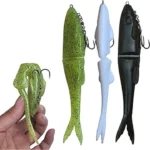
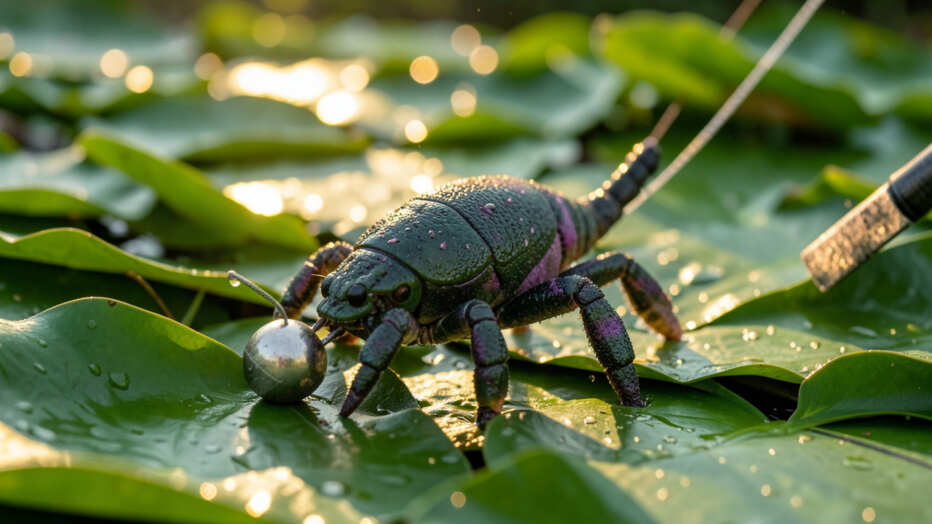
Soft plastic baits are the most common choice. Crawfish imitations and creature baits work very well. They have a natural action and can be rigged to be very weedless.
Look for baits with a compact profile and some subtle action. Darker colors like black, blue, and green pumpkin are often effective in thick cover.
Assembly Steps
First, thread your weight onto the braided line. You can use a bullet-shaped weight for this. Second, tie your hook to the line using a strong knot like a Palomar knot or a San Diego jam knot.
Next, rig your soft plastic bait onto the hook. Ensure it’s weedless by burying the hook point into the bait. If using a bait keeper, attach it to the hook shank and then screw the bait onto it.
This keeps the bait running straight and secure.
Mastering the Punching Technique
Knowing how to use the rig is just as important as building it. It’s a finesse technique that requires precision. The goal is to get your bait into the strike zone without spooking the fish.
Casting
Accuracy is key. You want to cast directly to the spot you want your bait to land. Aim for holes in the mat, edges of the cover, or areas where the vegetation is less dense.
A sidearm cast or a high, arcing cast can help you get the bait where you want it. Avoid loud splashes that can scare bass away. The weight should do the work of punching through.
Cast directly to holes in the mat or edges of cover, and avoid loud splashes that can spook bass.
Presentation
Once your bait hits the water, let the weight pull it down. Don’t reel too fast. You want the bait to fall vertically through the mat.
You can give it a slight shake or twitch as it falls. When the weight hits the bottom or stops falling, you’ve reached the strike zone. You can then hop the bait a few times or drag it slightly along the bottom.
Be ready for a sudden, violent strike.
Setting the Hook
When you feel a bite, it’s often a solid thump or the line just goes slack. Because you’re using heavy braid and a stout rod, set the hook with a strong, sweeping motion. You need to drive the hook through the bait and into the fish’s mouth.
Once hooked, reel steadily and keep the line tight. You want to pull the fish out of the cover as quickly as possible.
Where and When to Punch
This technique is best in specific situations. Understanding these conditions will help you maximize your success.
Ideal Cover Types
Thick mats of hydrilla, milfoil, lily pads, and other matted vegetation are prime targets. Areas with dense, matted weeds that float on the surface create a perfect canopy for bass. Look for areas where the vegetation is thickest.
Also, consider the edges of these mats where bass might patrol.
Avoid punching in very clear water; the technique works best in stained to dirty conditions where bass feel secure.
Water Conditions
The best water clarity for punching is usually stained to dirty. In clear water, bass might be more wary. In dirty water, they rely more on sound and feel, making the punching rig effective.
The water temperature can also play a role. Warmer water usually means more active fish looking for bait in these protected areas.
Seasonal Opportunities
Punching is effective throughout much of the year. It’s particularly good in the spring when bass move shallow to spawn and relate to cover. It’s also excellent in the summer when bass retreat to shade and protection in thick vegetation.
Fall can also be a great time as bass feed aggressively before winter.
Choosing the Right Bait for Punching
The bait you choose is critical for a successful Punching Rig for Bass: Heavy Weights Through Thick Mats. It needs to be weedless and have an enticing action. The right bait will get bit when others won’t.
Bait Profiles
Compact, dense baits work best. They sink quickly and don’t have too many appendages that can snag. Crawfish imitations are classic choices.
Creature baits with a slightly more action can also be effective. The key is to have a bait that can be rigged weedless.
Select compact, dense baits like crawfish imitations that sink quickly and can be rigged weedless to prevent snags.
Colors
Dark colors are generally preferred. Black, blue, green pumpkin, and brown are excellent choices. These colors mimic natural forage and provide good contrast in stained water.
You can also experiment with brighter colors like chartreuse or white on trailer hooks or if you’re getting short strikes.
Rigging Methods
The most common way to rig is Texas-style. You run the hook point through the nose of the bait and then bury the hook point back into the plastic. This makes it weedless.
Using a bait keeper on the hook helps keep the bait in place, especially when punching through heavy cover. Some anglers also add a rattle to their bait for extra attraction.
Comparing Punching Weights
The weight is the heart of the punching rig. Different materials and shapes offer distinct advantages when targeting bass in thick cover.
Lead weights are more affordable and can still be effective in less dense cover, offering a larger profile that bass may prefer.
For punching, tungsten is often preferred due to its density. This allows for smaller profiles that punch through vegetation more effectively. However, lead weights are more affordable and can still be effective, especially in less dense cover or when you need a slightly larger profile.
Troubleshooting Common Punching Rig Issues
Even with the right gear and technique, you might run into problems. Here are some common issues and how to fix them.
Getting Hung Up
If you are constantly getting snagged, check your hook and bait rigging. Ensure the hook point is fully buried. You might also need to adjust your weight size; a heavier weight might punch through better.
Sometimes, changing the angle of your cast helps.
If you’re getting snagged, try a heavier weight or change your cast angle to punch through the mat more effectively.
Missed Bites
If you’re getting bites but not hooking the fish, try a different hook or bait. A hook with a longer shank or a keeper can help. You might also need to adjust your hook set.
A quicker, more aggressive hook set can be necessary. Sometimes, adding a trailer hook can help catch short-striking fish.
Bait Sliding Down
A sliding bait means the fish aren’t getting hooked properly. Using a bait keeper, like a screw lock or spring lock, is the best solution. These hold the bait firmly on the hook.
Ensure the bait is rigged straight so it falls correctly.
Advanced Punching Rig Strategies
Once you’ve mastered the basics of the Punching Rig for Bass: Heavy Weights Through Thick Mats, you can try some advanced tactics. These can help you catch even more fish.
Adding Rattles
A small rattle can be added to your bait. This extra sound can attract bass from a distance, especially in murky water. Many soft plastic baits have a place to insert a rattle.
Trailer Hooks
For finicky biters or when you’re getting short strikes, a trailer hook can be a lifesaver. Tie a small, sharp treble hook or a single weedless hook to the bend of your main hook with a short piece of braided line or fluorocarbon. This increases your hook-up ratio.
Varying Bait Action
Experiment with different soft plastic baits. Some baits have a more subtle action, while others have more movement. A bait with a compact body and flapping tails can be very effective.
The key is to match the bait to the conditions and the bass’s mood.
When Not to Punch
While powerful, the Punching Rig for Bass: Heavy Weights Through Thick Mats isn’t always the best choice. If the cover is too sparse, you might be better off with a different technique. If the water is crystal clear and the bass are skittish, a more subtle approach might be needed.
Also, if the fish are suspended off the bottom and not relating to cover, punching might not be effective.
Frequently Asked Questions
What is the best weight for punching mats?
For punching mats, weights typically range from 1 ounce to 2 ounces, with tungsten being preferred for its density. The exact weight depends on the thickness of the cover and water depth.
What kind of hook should I use for a punching rig?
You need a stout, extra-wide gap, weedless hook, usually in sizes 3/0 to 5/0. A hook with a bait keeper is highly recommended to keep your soft plastic bait secure.
Can I use a spinning rod for punching?
While baitcasting reels are preferred for their torque, a strong spinning reel with a good drag system can work. You’ll need a stout rod to handle the power required for punching.
What are the best colors for punching baits?
Dark colors like black, blue, and green pumpkin are generally most effective. These colors mimic natural forage and provide good visibility in stained or dirty water common in thick cover.
How heavy should my braided line be for punching?
For punching, you should use heavy braided line, typically 50-pound test or even 65-pound test. This provides the strength needed to pull large bass out of dense vegetation and resist abrasion.
When is the best time of year for Punching Rig for Bass: Heavy Weights Through Thick Mats?
This technique is effective year-round but shines in spring and summer when bass relate heavily to shallow, thick cover like mats and weeds for protection and ambush opportunities.
Final Thoughts
Mastering the Punching Rig for Bass: Heavy Weights Through Thick Mats opens up a world of fishing opportunities. You can now confidently target bass hidden deep within the thickest cover. With the right gear and a little practice, you’ll be dropping baits precisely where they want them and landing more fish.