



Bass In Hot Water: Surviving 85+ Degree Conditions Right
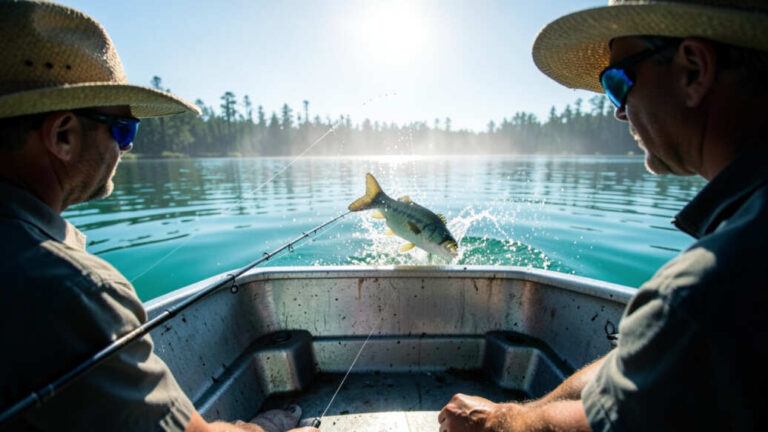
Bass can survive in water temperatures above 85°F, but they become stressed and seek cooler, oxygen-rich refuges such as deep channels, spring-fed areas, or shaded structure. In these conditions, their metabolism slows and feeding windows shorten, making low-light periods like dawn and dusk the most productive times to fish. Effective techniques involve slow, deep presentations using jigs, Carolina rigs, or deep-diving crankbaits that stay in the strike zone without requiring fast movement. To consistently catch bass in extreme heat, anglers must prioritize locating thermal refuges and adapting lure speed and depth to match the fish’s reduced activity level.
When the weather heats up, so does the water, and that can make fishing for bass tricky. Many anglers wonder if bass can handle warmer temperatures and how to find them when the mercury climbs. Understanding how bass react to heat is key to a successful fishing trip.
This guide will show you how to adapt your strategy for Bass in Hot Water: Surviving 85+ Degree Conditions Right, helping you catch more fish even on the hottest days and enjoy your time on the water more.
Key Takeaways
- Learn how high water temperatures affect bass behavior and location.
- Discover the best times of day and year to fish for bass in warm conditions.
- Identify the most effective lures and techniques for catching bass in 85+ degree water.
- Understand how to find bass when they seek cooler, deeper water.
- Gain tips on how to adjust your approach for successful bass fishing in summer heat.
Why Bass Seek Cooler Waters in Summer
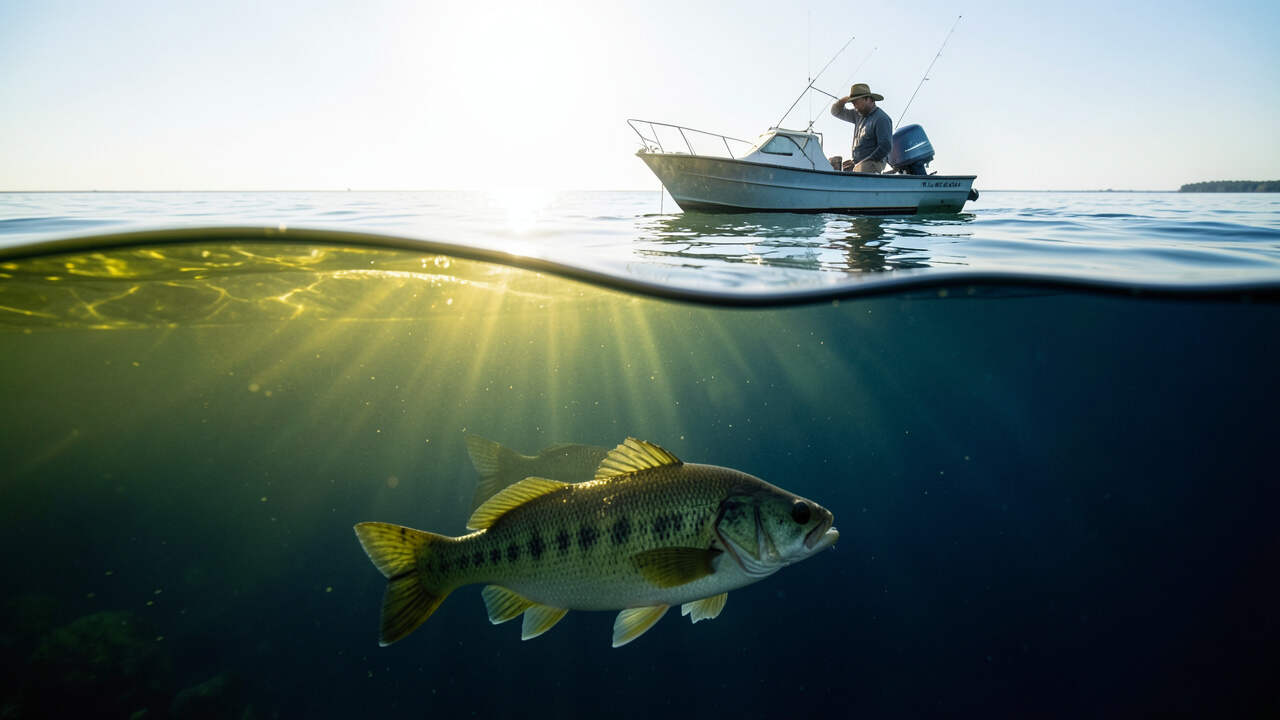
Bass, like most fish, are cold-blooded. This means their body temperature matches their surroundings. When water temperatures rise above their preferred range, their metabolism speeds up.
This requires them to consume more oxygen and energy. If the water doesn’t have enough dissolved oxygen, or if it gets too hot, it becomes stressful for them. This is why you often see them seeking out cooler, more oxygen-rich areas when dealing with Bass in Hot Water: Surviving 85+ Degree Conditions Right.
As water warms, bass metabolism spikes, increasing their need for oxygen—making cooler, oxygen-rich zones critical for survival.
The ideal temperature range for most bass species, like largemouth and smallmouth, is typically between 70°F and 80°F. When water temperatures push past 85°F, it can become uncomfortable and even dangerous for them. They will actively try to escape these conditions.
This leads to a significant shift in their daily patterns and where they can be found.
Finding Bass When the Water Gets Hot
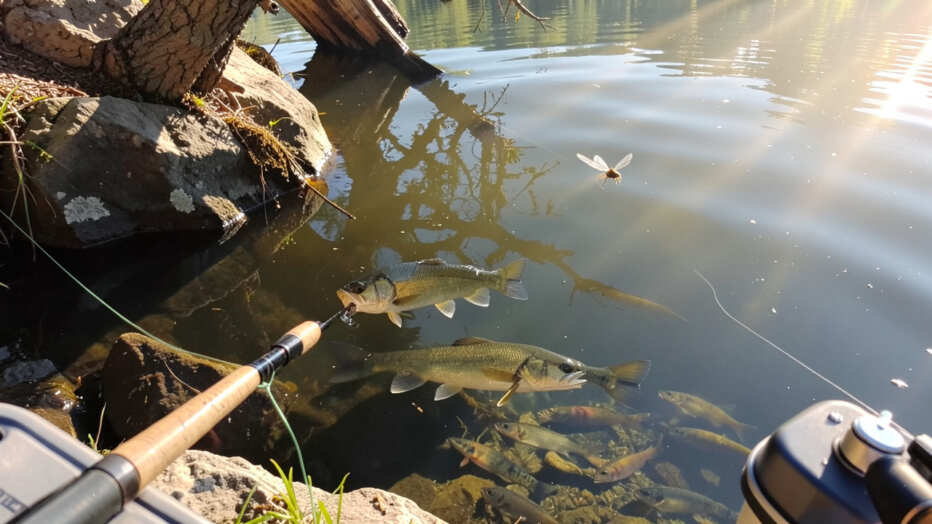
When summer heat makes the surface water reach 85°F or higher, bass start to change their habits. They become less active during the hottest parts of the day. Instead, they move to find relief.
This means you need to adjust your search for them.
First, think about depth. Deeper water is almost always cooler than shallow water. Bass will move down to find these cooler zones.
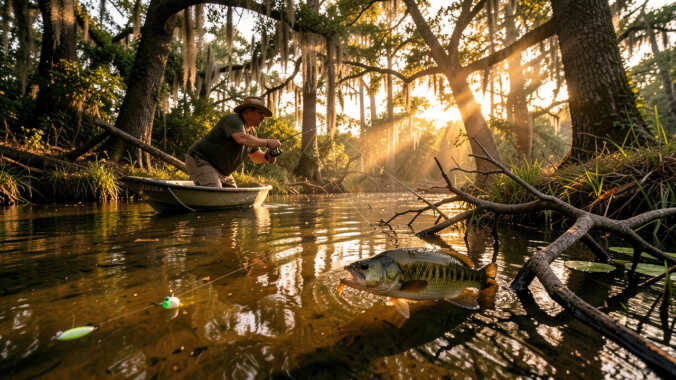
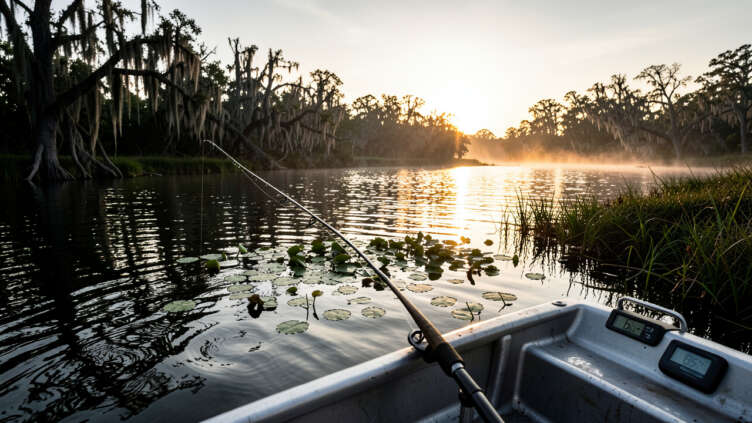
Target shaded structures like docks and overhangs; bass use them as thermal refuges from the hottest surface water.
Look for drop-offs, ledges, or the edges of submerged structures. These areas offer both cooler temperatures and shade.
Second, consider shade. Any kind of shade can make a difference. This includes overhanging trees, docks, lily pads, or even thick vegetation.
Bass will position themselves in these shaded spots to avoid the direct sun and the warmest surface water. This is a critical part of Bass in Hot Water: Surviving 85+ Degree Conditions Right.
Key Areas to Target
When looking for bass in warm water, focus on these types of locations:
- Deep drop-offs: Areas where the lakebed suddenly falls away.
- Submerged structures: Like old roadbeds, submerged trees, or rock piles.
- Shaded coves: Especially those with cooler inflow from springs or creeks.
- Areas with dense cover: Such as thick weed beds or under docks.
- Points: Especially those that extend into deeper water and offer a cooler current.
Best Times to Fish for Bass in Warm Weather
The time of day you fish is crucial when the water is warm. The intense heat of midday can make bass very lethargic and difficult to catch. Your best chances often come during cooler periods.
Early Morning and Late Evening are prime times. As the sun begins to rise, surface temperatures are at their lowest. Bass may move into shallower areas to feed.
Early mornings and late evenings offer the coolest water temperatures, turning lethargic bass into active feeders.
Similarly, as the sun sets and the water begins to cool slightly, they become more active again. These periods are excellent for finding active fish and are vital for Bass in Hot Water: Surviving 85+ Degree Conditions Right.
Night Fishing can also be incredibly effective during hot spells. Many bass species are more active at night when water temperatures are lower and they can avoid predators. They often move into shallower feeding grounds under the cover of darkness.
Timing Your Casts
- Dawn: Before the sun gets high and heats the water significantly.
- Dusk: As the sun goes down and the water begins to cool.
- Overcast days: These can extend feeding periods as the water warms slower.
- Night: When temperatures are at their lowest and bass are active hunters.
Effective Lures and Techniques for Hot Water Bass
When bass are stressed by heat, their feeding habits can change. They might be less willing to chase fast-moving baits. Instead, they often prefer slower presentations that require less energy to strike.
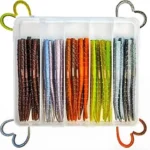
Slow-rolling spinnerbaits or jigs can be very effective. These baits can be worked slowly along the bottom or through cover. This allows the bass to ambush them with minimal effort.
In hot water, switch to slow-moving baits like jigs or Texas-rigged worms; a slow crawl along the bottom conserves bass energy and triggers strikes.
Texas-rigged worms or creature baits also work well for this approach.
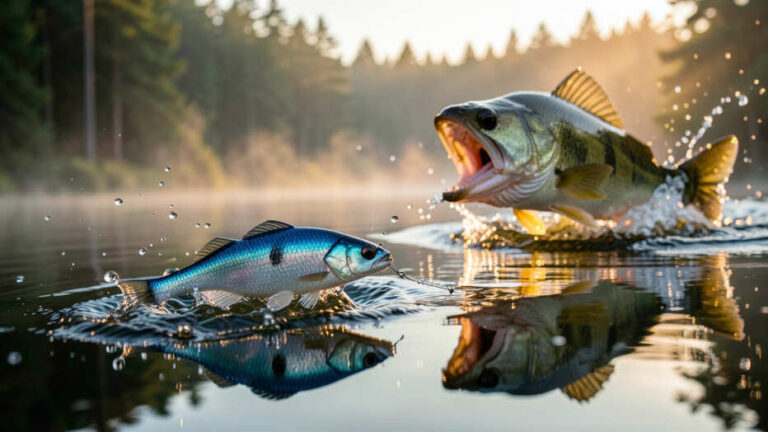
Topwater lures can still produce, especially during the cooler morning and evening hours. However, instead of aggressive retrieves, try a more subtle approach. A twitch, pause, and wait strategy can entice a strike from a bass that is otherwise holding tight to cover.
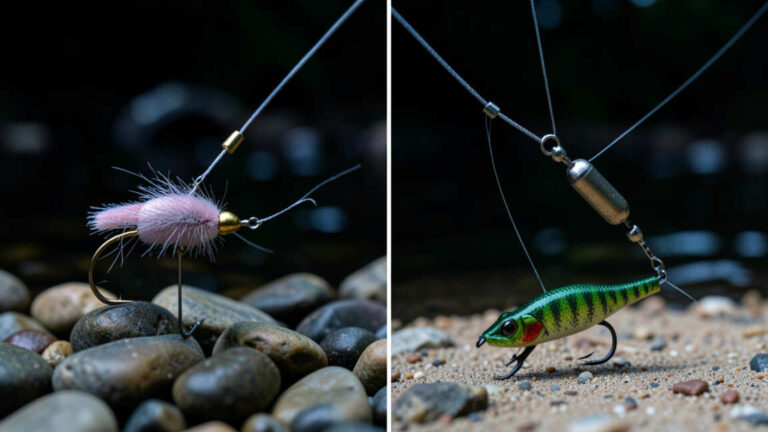
Drop-shot rigs are excellent for targeting bass holding in deeper, cooler water. This technique allows you to present your bait precisely at their depth with a natural, subtle action. It’s a great way to target bass that are conserving energy in Bass in Hot Water: Surviving 85+ Degree Conditions Right.
Lure Selection Guide
Understanding Oxygen Levels and Heat
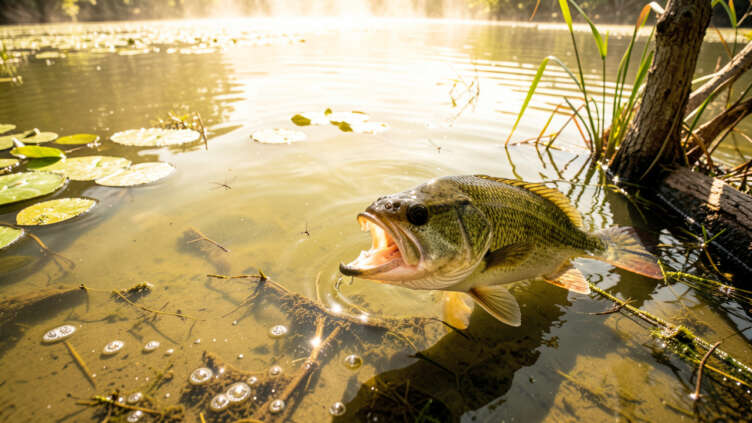
Dissolved oxygen is a critical factor for bass, especially when water temperatures are high. Warmer water holds less dissolved oxygen than cooler water. This is a major reason why bass seek out cooler areas; they are also seeking higher oxygen levels.
When water temperatures exceed 85°F, the oxygen levels can drop significantly. This can stress the fish, making them less aggressive and more susceptible to disease. Areas with good water flow, such as river currents or the mouths of creeks, often have higher oxygen levels.
When water surpasses 85°F, oxygen levels drop dangerously low, stressing bass and reducing their feeding response.
These spots can be excellent places to find bass even in hot weather.
Avoid fishing in stagnant, shallow areas during the hottest part of the day. These locations will have the lowest oxygen levels and the highest temperatures, making them uninhabitable for bass. Focusing on areas with better circulation is a smart strategy for Bass in Hot Water: Surviving 85+ Degree Conditions Right.
Factors Affecting Dissolved Oxygen
- Water Temperature: Higher temps mean less oxygen.
- Water Flow: Moving water mixes oxygen better.
- Aquatic Vegetation: Plants produce oxygen during the day but consume it at night.
- Decomposition: Decaying organic matter uses up oxygen.
Adjusting Your Gear for Summer Conditions
While lure selection is important, your gear can also play a role in your success. Using the right equipment can make presenting your bait more effectively in tough conditions.
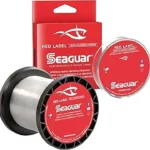
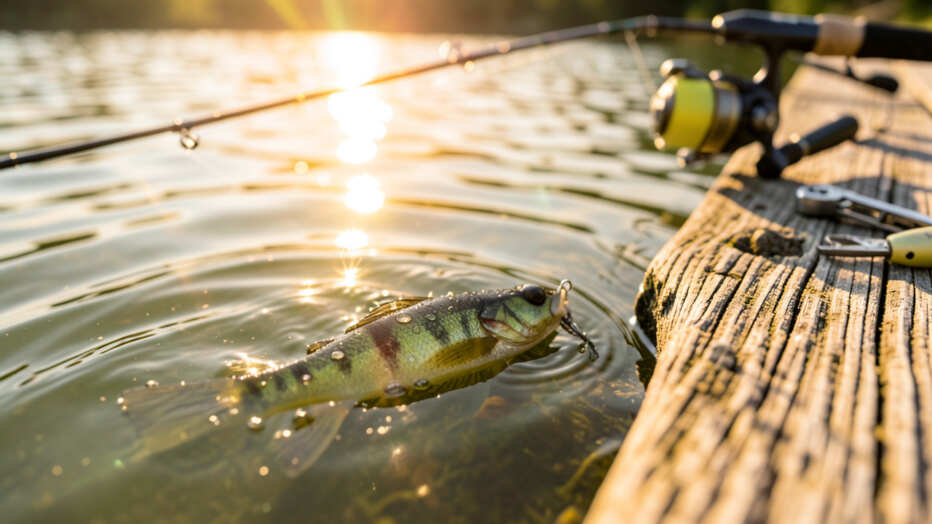
Line Choice: Consider using fluorocarbon line when fishing in clear, warm water. Fluorocarbon sinks and is nearly invisible underwater, which can be beneficial when bass are wary. It also offers good sensitivity, allowing you to feel subtle bites in deeper water.
Using fluorocarbon line in clear, warm water adds stealth and sensitivity, helping you detect subtle bites from heat-stressed bass.
Rod and Reel Sensitivity: A sensitive rod and reel setup will help you detect those light bites. When bass are stressed, their strikes can be very soft. You need to be able to feel even the slightest tap or drag.
Electronics: Using a fish finder or GPS can be invaluable. It helps you identify depth changes, submerged structure, and even schools of baitfish that bass might be following. This is especially helpful when searching for cooler, deeper water.
Gear Recommendations
- Line: Fluorocarbon for stealth and sinking properties.
- Rod: A sensitive, medium-action rod for detecting bites.
- Reel: A smooth-casting reel that offers good line control.
- Electronics: Fish finder to locate structure and depth changes.
Recognizing Bass Stress and Handling Them Properly
It’s important to recognize when bass are stressed by the heat. Signs of stress include rapid gill movement, lethargy, and a loss of color. If you catch a fish that shows these signs, handle it with extreme care. Following responsible catch-and-release guidelines helps maintain healthy bass populations.
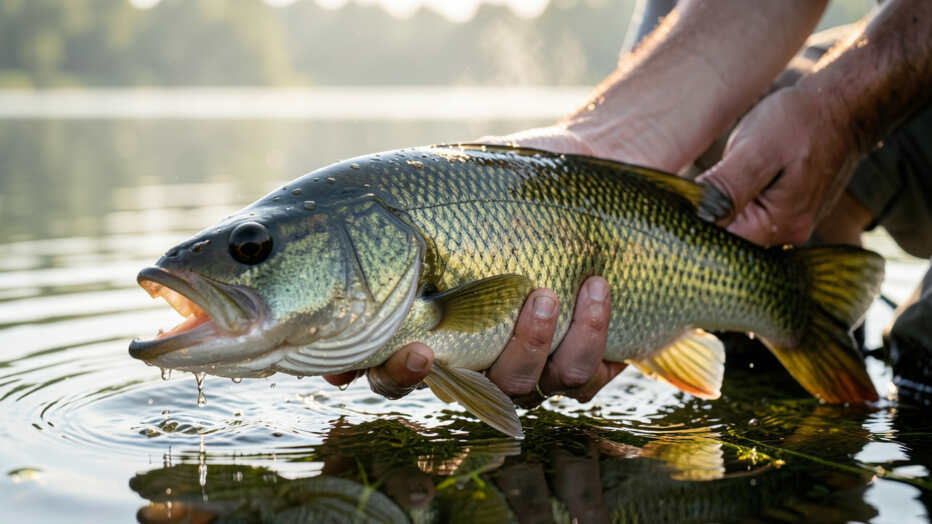
Minimize Handling Time: The less time a fish is out of the water, the better. If possible, unhook the fish while it’s still in the water. Use pliers or a dehooker to quickly remove the hook.
Minimize handling time and support the fish's body—every second out of water adds to heat stress and reduces survival chances.
Support the Fish: If you must hold the fish for a photo, support its body. Never hold a fish vertically by its jaw, as this can damage its internal organs. Keep its body horizontal.
Revive Carefully: When releasing a fish, hold it gently in the water and move it back and forth to help water flow through its gills. Release it when it shows signs of recovery, such as a strong kick. Recognizing the signs of stress in bass helps anglers handle them more carefully.
Practicing responsible catch-and-release is crucial for the health of the fish population, especially during periods of Bass in Hot Water: Surviving 85+ Degree Conditions Right. This helps ensure they can survive and reproduce for future fishing opportunities. Anglers should always follow proper catch-and-release practices to ensure fish survival.
Frequently Asked Questions
What is the ideal water temperature for bass fishing?
The ideal water temperature for most bass species, like largemouth and smallmouth, is generally between 70°F and 80°F. Temperatures above 85°F can cause them significant stress.
Can bass survive in water over 85 degrees Fahrenheit?
Yes, bass can survive in water over 85°F, but they will actively seek out cooler areas to reduce stress. Their feeding and behavior patterns change dramatically in these conditions.
Where do bass go when the water is too hot?
When the water gets too hot, bass move to deeper sections of the water body, seek out shaded areas like under docks or overhanging trees, or find cooler spots with better water flow.
Are bass less active in hot water?
Yes, bass are generally less active during the hottest parts of the day when the water temperature is high. They tend to feed more during cooler periods like early morning, late evening, or at night.
What lures work best for Bass in Hot Water: Surviving 85+ Degree Conditions Right?
Slower-moving lures like jigs, Texas-rigged worms, and creature baits are often best. Drop-shot rigs are also effective for targeting bass in deeper, cooler water.
Should I fish at night when it’s very hot?
Night fishing can be an excellent strategy during hot spells because water temperatures are lower and bass are often more active and aggressive hunters in the dark.
Final Thoughts
When faced with Bass in Hot Water: Surviving 85+ Degree Conditions Right, remember that bass are resilient but will seek comfort. Adjust your fishing times, look for cooler and shaded areas, and use slower presentations. By understanding their needs, you can still have a successful and enjoyable fishing experience even on the hottest days.