




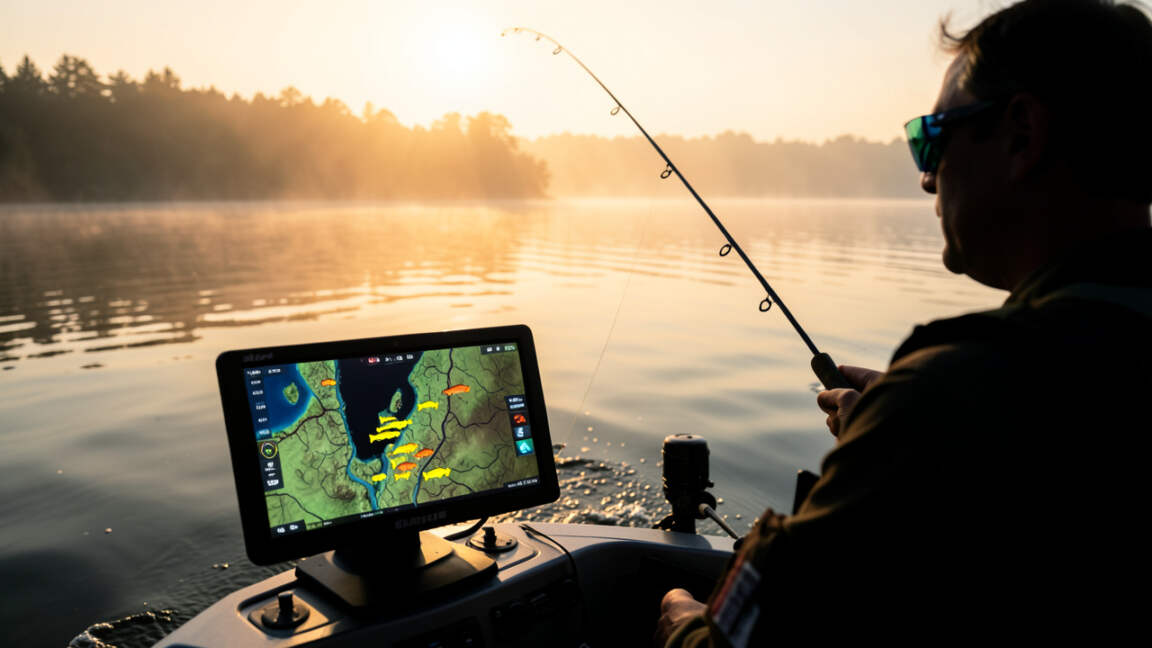
How To Use Forward-Facing Sonar To Locate And Catch Bass
Forward-facing sonar allows bass anglers to see fish and underwater structure in real-time, enabling precise lure placement before casting. Interpreting sonar images distinguishes bass signals from cover and reveals suspended fish behavior, which directly informs retrieval tactics and bait selection. Mastery of this technology eliminates guesswork and leads to more consistent catches across varying conditions.
Fishing can be a lot more rewarding when you know where the fish are. If you’ve been struggling to find bass, or want to improve your success rate, learning about advanced tools can make a big difference. Understanding How to Use Forward-Facing Sonar to Locate and Catch Bass means you can stop guessing and start catching.
This technology shows you fish in real-time, helping you understand their behavior and how to approach them. You’ll gain confidence and spend less time searching and more time fighting fish.
Key Takeaways
- Forward-facing sonar helps you see fish and structure before you cast.
- Learning to interpret sonar images is key to finding bass.
- You can adjust your bait and presentation based on what the sonar shows.
- Using this technology helps you understand fish behavior in different conditions.
- Mastering forward-facing sonar leads to more consistent bass catches.
Seeing the Unseen: What Forward-Facing Sonar Shows You
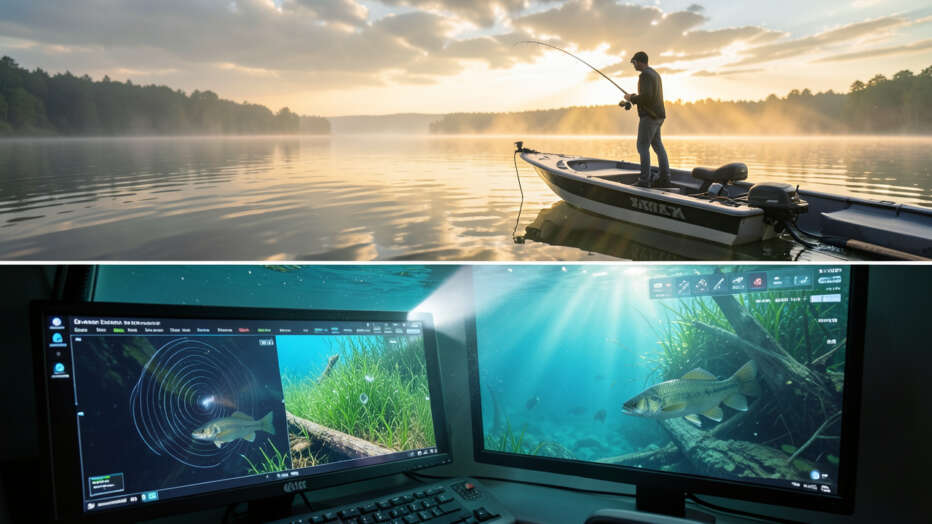
Forward-facing sonar is a game-changer for bass anglers. It’s like having a window into the underwater world. Unlike traditional sonar that looks down, this system shoots a beam forward.
This lets you scan the water ahead of your boat. You can see fish swimming, baitfish schools, and structure like logs or rocks. This immediate visual feedback is what makes learning How to Use Forward-Facing Sonar to Locate and Catch Bass so powerful.
Use forward-facing sonar to see bass and structure in real time, turning passive fishing into active targeting.
You’re not just fishing blind anymore; you’re actively targeting.
The main benefit is seeing what’s happening in real-time. You can spot a bass hovering near a submerged tree or following your bait. This allows for instant adjustments.
If a fish isn’t biting, you can try a different lure or retrieve speed. This proactive approach significantly increases your chances of hooking up. It transforms a slow day into a successful one by showing you exactly where to focus your efforts.
Decoding the Display: Understanding Sonar Images
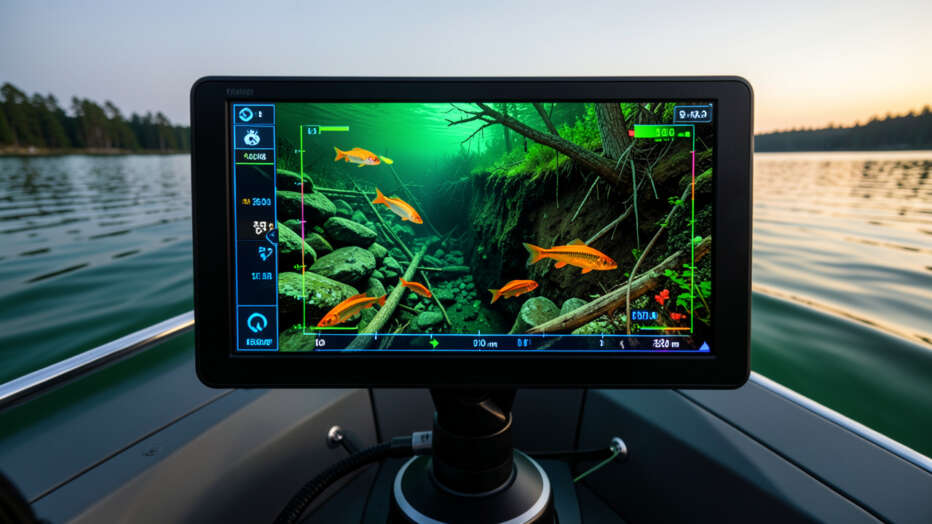
Getting good at reading your sonar screen is crucial. The images can look complex at first. You’ll see arches, blobs, and lines.
These represent different things underwater. Fish often show up as small, distinct arches. Larger fish can create thicker arches.
The color of the arch can sometimes indicate the size or density of the fish. Structure like rocks or logs might appear as solid, irregular shapes. Baitfish often appear as smaller, shimmering clouds.
Learning to differentiate between these signals is part of mastering How to Use Forward-Facing Sonar to Locate and Catch Bass. Most modern sonar units have settings to help with this. You can adjust sensitivity, color palettes, and display modes.
Practice is key. Spend time on the water observing what the screen shows and then confirming with your eyes or a catch. You’ll soon develop an intuition for what you’re seeing.
Identifying Bass Signals
Bass are typically solitary hunters, but they can school up at times. On your sonar, a single bass might look like a small, distinct arch. If you see multiple arches close together, it could be a small school or just a few fish spread out.
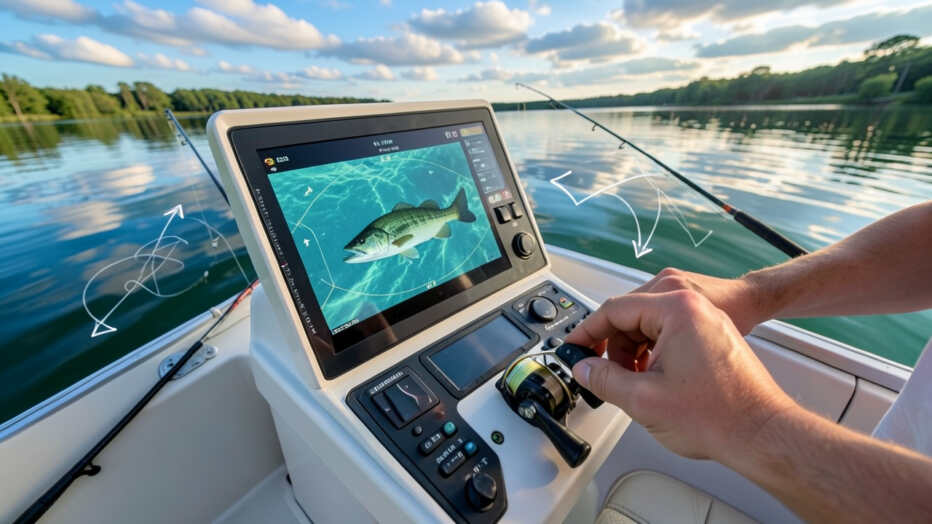
On your sonar screen, larger bass typically appear as thicker arches, and the color intensity can indicate fish size or density.
Pay attention to the depth shown on the screen. This helps you understand if the fish are suspended, near the bottom, or in the water column.
When you see a potential bass signal, try to cast your lure towards it. Watch how the fish reacts. Does it move towards your lure?
Does it show interest? This direct interaction is what makes learning How to Use Forward-Facing Sonar to Locate and Catch Bass so exciting. You’re not just casting into a likely spot; you’re casting to a specific target you’ve identified.
Recognizing Structure and Cover
Fish, especially bass, love to hang out around structure and cover. This provides them with ambush points and protection. Your forward-facing sonar will help you see these features clearly.
Look for submerged trees, brush piles, rock piles, weed beds, and drop-offs. These are prime bass habitats.
When you spot a good piece of cover, use your sonar to check if any fish are nearby. Sometimes, fish will be right on or in the structure. Other times, they might be suspended just off it, waiting for an opportunity.
Being able to see both the fish and the cover allows you to strategize your approach. This is a fundamental part of learning How to Use Forward-Facing Sonar to Locate and Catch Bass effectively.
Casting and Presentation: Working Your Lure with Sonar
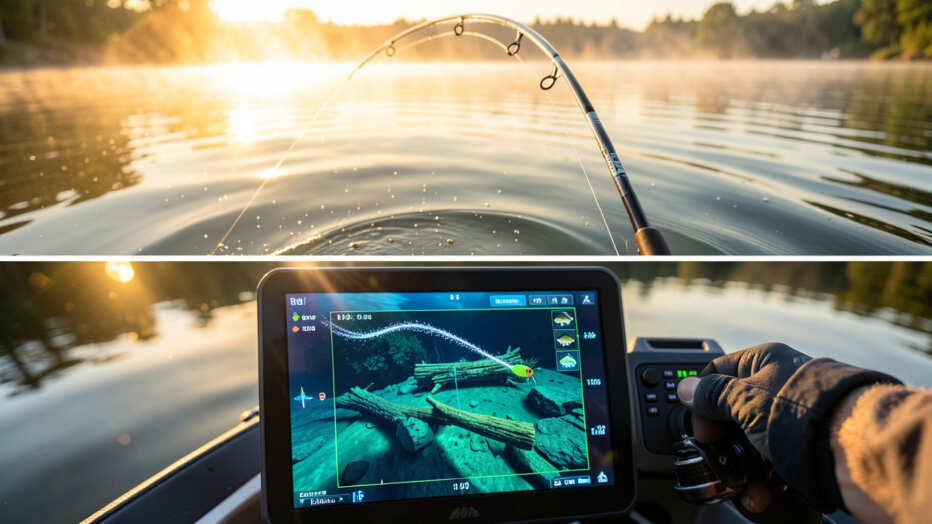
Once you’ve located bass or promising structure, it’s time to present your lure. This is where forward-facing sonar truly shines. You can literally watch your lure on the screen.
You can see if it’s getting close to the fish or structure. This allows for real-time adjustments to your retrieve.
If you see a fish watching your lure but not biting, try changing your retrieve speed. Slow it down. Speed it up.
Give it a pause. Make a subtle twitch. Your sonar lets you see if these changes are making the fish react.
This direct feedback loop is invaluable for figuring out what the bass want on any given day. This hands-on approach is central to mastering How to Use Forward-Facing Sonar to Locate and Catch Bass.
Retrieving Your Lure Effectively
When you see a bass on your screen, try casting your lure to get it in the strike zone. Watch the lure’s movement. If the bass is following your lure but not striking, try a different action.
Sonar allows you to watch your lure and a fish's reaction in real time, turning every cast into a dynamic visual conversation.
A slight pause can often trigger a strike. Sometimes, a sudden darting motion can also entice a bite. You can see on the screen if the fish is following or if it has lost interest.
If a fish seems hesitant, try changing your lure. Sometimes a different color or size can make all the difference. Your sonar helps you see if the fish is reacting to your lure’s presentation.
This dynamic interaction is what makes learning How to Use Forward-Facing Sonar to Locate and Catch Bass so engaging and successful. You are actively engaging with the fish before you even feel a bite.
Targeting Suspended Bass
Bass don’t always hug the bottom. They often suspend in the water column, especially when chasing baitfish. Forward-facing sonar is excellent for finding these suspended fish.
You’ll see them as arches off the bottom or away from structure. This is a situation where traditional sonar would likely miss them.
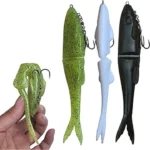
Once you spot suspended bass, you can target them with lures that can be worked at that specific depth. Jerkbaits, crankbaits, and certain soft plastics are great for this. Watch your lure on the sonar to ensure it stays in the strike zone.
This precision targeting is a hallmark of effective How to Use Forward-Facing Sonar to Locate and Catch Bass.
Choosing the Right Gear and Settings
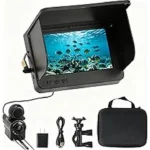
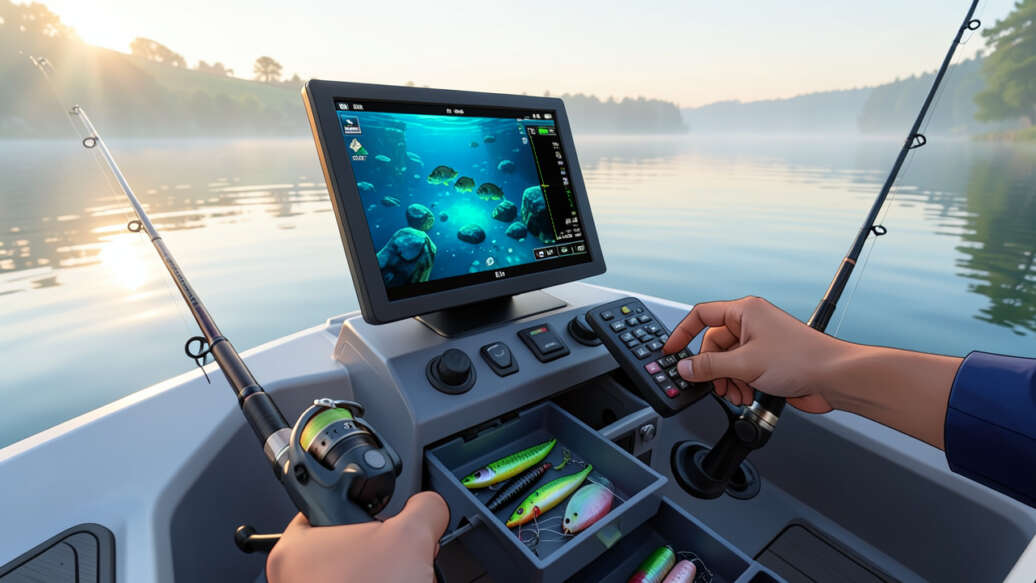
To get the most out of forward-facing sonar, you need the right equipment and know how to set it up. The quality of your sonar unit matters. Higher-end units offer clearer images and more advanced features.
Brands like Garmin, Lowrance, and Humminbird are popular choices for bass anglers.
Beyond the unit itself, the transducer is key. This is the part that sends and receives the sonar signals. Ensure it’s mounted correctly and facing forward.
Transducer placement can affect image quality. Experimenting with different settings on your sonar unit will also improve your experience. This includes adjusting gain, sensitivity, and color palettes.
Transducer Placement Matters
The forward-facing transducer needs to be mounted where it has a clear view ahead. Many anglers mount it on the trolling motor. This allows you to aim the sonar beam as you move.
Ensure it’s not obstructed by the trolling motor itself or any other boat components. Proper placement ensures you get the clearest possible picture of what’s ahead.
Ensure your transducer is mounted correctly and oriented forward; proper placement dramatically improves image clarity.
The angle of the transducer can also be adjusted. Some units allow for tilt adjustments. This can help you fine-tune the beam to see what you want.
Correct installation is a foundational step in learning How to Use Forward-Facing Sonar to Locate and Catch Bass.
Optimizing Sonar Settings
Your sonar unit will have a variety of settings. The most important are gain and sensitivity. Gain controls the strength of the sonar signal.
Too much gain can clutter the screen with noise. Too little gain might cause you to miss subtle signals. Sensitivity is similar, affecting how the unit interprets returns.
Color palettes can also be adjusted. Some anglers prefer brighter colors for fish, while others like more muted tones. Experiment with different settings in various water conditions.
Clear water might require different settings than murky water. Finding the optimal settings is part of the learning curve for How to Use Forward-Facing Sonar to Locate and Catch Bass.
Adapting to Different Conditions and Locations
Bass behavior changes based on the environment and time of year. Forward-facing sonar helps you adapt. In clear, shallow water, bass might be more visible and active.
In stained or deep water, they might be more oriented to structure or suspended.
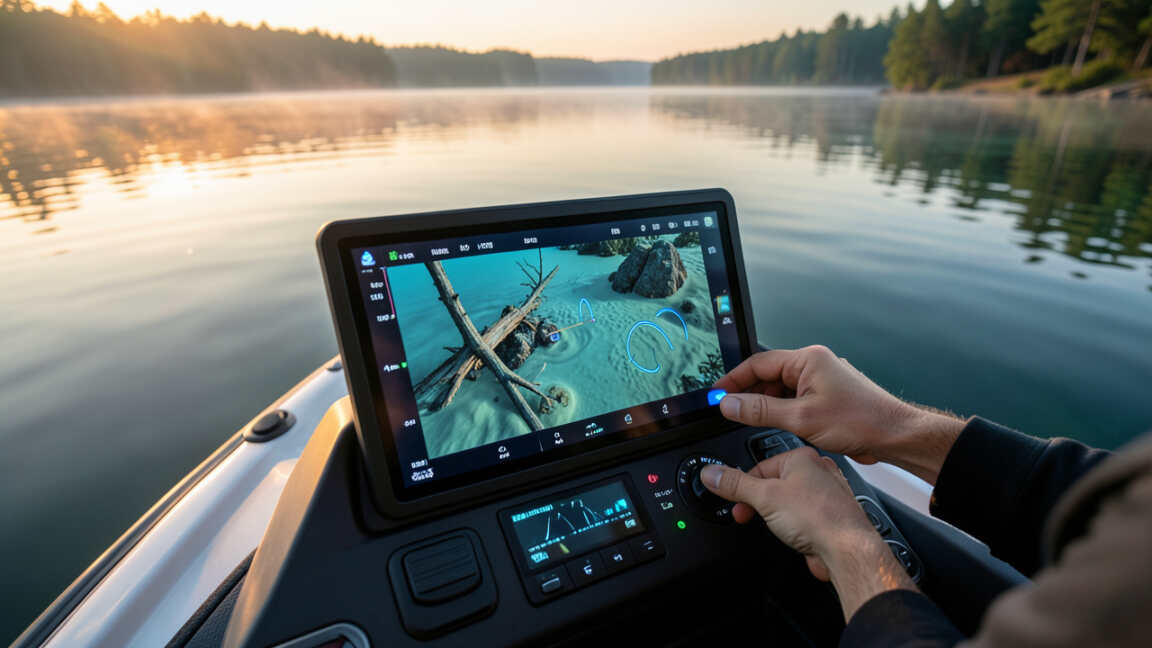
You can use your sonar to identify subtle changes in the bottom contour. Small humps, points, or channels can attract bass. Even a slight change in bottom composition, like sand to gravel, can be a key feeding area.
Recognizing these subtle features is part of advanced How to Use Forward-Facing Sonar to Locate and Catch Bass.
Fishing in Stained or Murky Water
When the water is stained or murky, visibility is low. This is where forward-facing sonar becomes even more critical. You can’t rely on sight-fishing.
You need to use your sonar to find the fish. Bass in these conditions often relate closely to cover. They might be holding tight to logs, rocks, or vegetation.
Avoid ignoring subtle bottom changes; a shift from sand to gravel can be a bass ambush point that your sonar can reveal.
Use your sonar to scan these areas thoroughly. Look for arches near the cover. You may need to increase your gain slightly to pick up fish in the murk.
Present your lure close to the cover. The sonar helps you ensure your lure is in the right spot. This is a key strategy in learning How to Use Forward-Facing Sonar to Locate and Catch Bass in challenging conditions.
Locating Bass in Open Water
Bass aren’t always stuck to the bottom or near cover. They often chase schools of baitfish in open water. Your forward-facing sonar is perfect for spotting these baitfish schools.
Bass will often be lurking nearby or mixed in with the baitfish.
When you find a baitfish ball, watch for larger arches or shapes moving within or around it. These could be bass. You can then cast to these areas.
A fast-moving lure like a swimbait or topwater plug can be very effective in open water. Understanding how to interpret these open-water signals is vital for mastering How to Use Forward-Facing Sonar to Locate and Catch Bass in all scenarios.
Common Mistakes to Avoid
Even with advanced technology, anglers can make mistakes. One common error is not spending enough time learning the sonar. The display can be overwhelming initially.
Another mistake is relying too much on the sonar and not using other fishing senses, like feeling the bite.
Don’t get discouraged if you don’t see fish instantly. Sometimes they are there but not actively feeding. Keep scanning and trying different lures.
Patience and consistent practice are essential for success. These are important tips for anyone learning How to Use Forward-Facing Sonar to Locate and Catch Bass.
Over-Reliance on the Screen
While the screen shows you a lot, it’s not the whole story. You still need to feel the rod and reel. A fish might grab your bait without showing up clearly on the sonar, especially a subtle strike or if it’s behind your lure.
Always stay attuned to what’s happening at the end of your line.
New users often focus only on the screen and neglect tactile feedback; balance sonar data with your rod tip to detect subtle bites.
Trust your instincts too. If you feel a subtle tap or a change in line tension, set the hook. The sonar is a tool to enhance your fishing, not replace your experience and feel.
This balance is key to truly mastering How to Use Forward-Facing Sonar to Locate and Catch Bass.
Ignoring Subtle Cues
Don’t just look for big, obvious fish arches. Sometimes, a small flicker on the screen or a subtle change in the bottom can indicate fish presence. Bass can be masters of camouflage, hugging structure or blending in with vegetation.
Pay attention to the small details your sonar provides.
Also, consider the behavior of baitfish. If you see baitfish scattering or moving erratically, it often means a predator is nearby. These subtle cues, when combined with your sonar’s visual information, can lead you to a great bass bite.
This nuanced approach is what separates good anglers from great ones when learning How to Use Forward-Facing Sonar to Locate and Catch Bass.
Frequently Asked Questions
What is forward-facing sonar and how does it differ from traditional sonar?
Forward-facing sonar projects a beam of sound forward from your boat, showing you what’s in front of you in real-time. Traditional sonar looks down, showing you what’s directly beneath your boat.
How can I tell if an object on my forward-facing sonar is a bass?
Bass often appear as small, distinct arches. You can also look for them near structure or baitfish, and observe their reaction to your lure on screen.
Do I need to be moving for forward-facing sonar to work best for finding bass?
While you can see fish when stationary, forward-facing sonar is most effective when you are moving slowly, allowing you to scan a wider area and see how fish react to your lure as you approach.
What is the best way to present a lure when using forward-facing sonar to catch bass?
Watch your lure on the screen and adjust your retrieve speed, action, or pauses based on the fish’s reaction. If a bass follows but doesn’t bite, try changing your lure’s presentation.
Is forward-facing sonar difficult to learn for someone new to fishing technology?
It takes practice, but the basics are quite intuitive. Start by learning to identify fish and structure, then experiment with lure presentations and settings. Many anglers find that learning How to Use Forward-Facing Sonar to Locate and Catch Bass is a rewarding process.
Can forward-facing sonar help me find bass in muddy water?
Yes, forward-facing sonar is especially useful in stained or muddy water where visibility is poor. It allows you to see fish and structure that you would otherwise miss.
Final Thoughts
Mastering How to Use Forward-Facing Sonar to Locate and Catch Bass transforms your fishing. You gain the ability to see fish and structure before casting. This leads to more precise lure presentations and a better understanding of bass behavior.
Spend time on the water practicing, and you’ll soon be catching more fish with confidence.





6 Comments