
Bass Fishing Before A Storm: Reading Pressure Drops Right
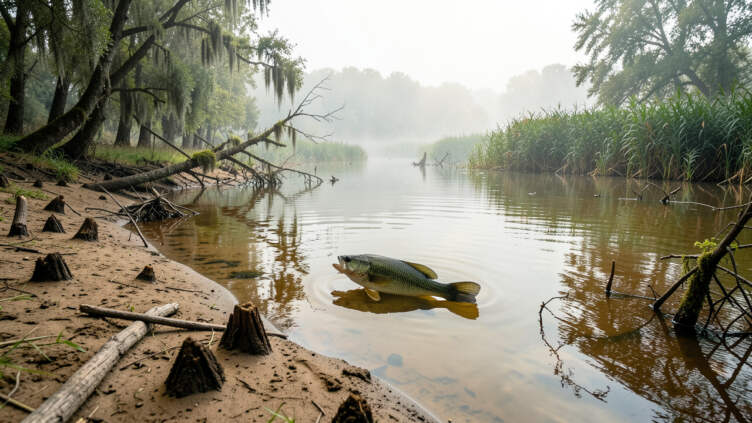
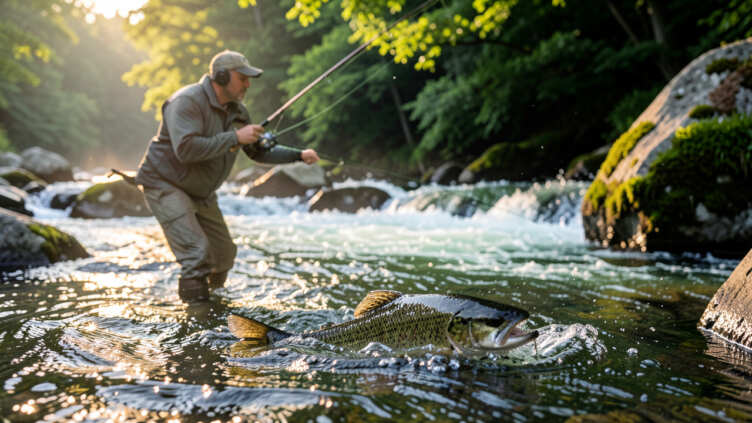
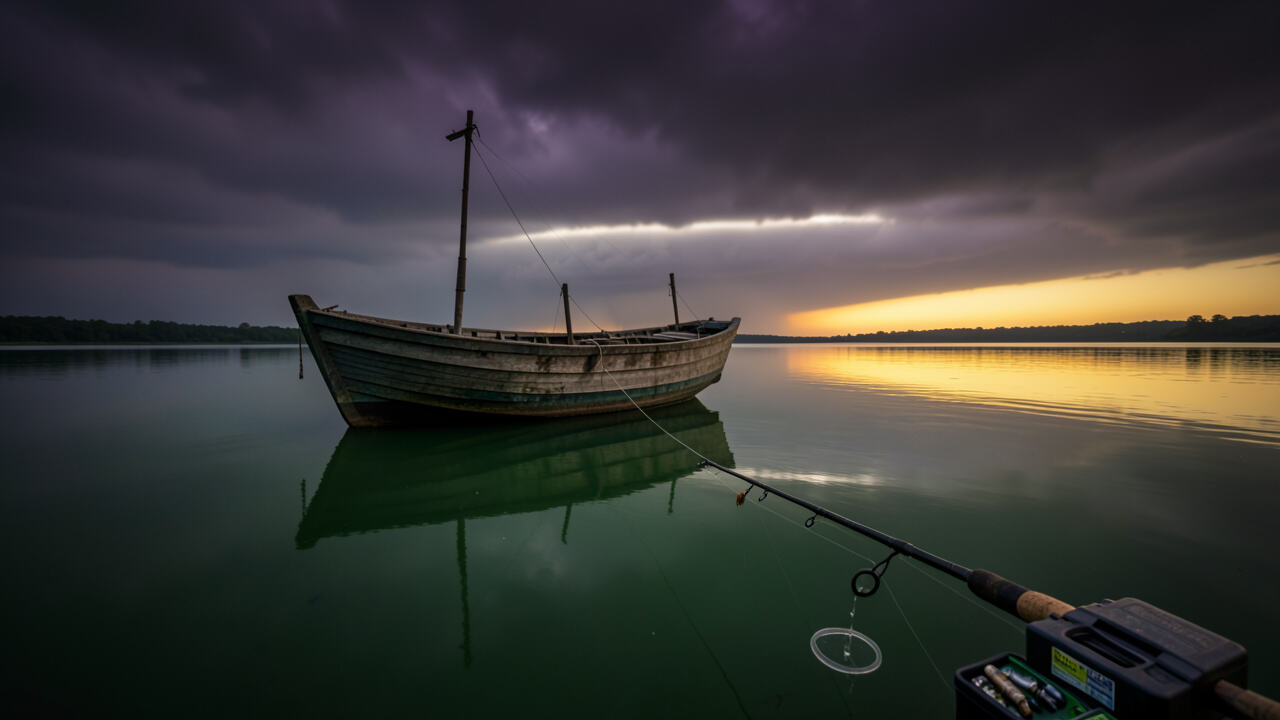
Reading barometric pressure drops correctly is the key to predicting when bass will feed aggressively before a storm. A falling barometer triggers a feeding frenzy as bass sense the approaching low-pressure system and increase their activity to capitalize on the changing conditions. Anglers should monitor rapid pressure declines and accompanying environmental cues such as shifting winds, darkening skies, and wildlife behavior to identify the optimal window. During this pre-storm period, fast-moving reaction baits like spinnerbaits and crankbaits are most effective for triggering strikes from actively feeding bass.
Getting ready for a fishing trip, especially when the weather looks a little uncertain, can be tricky. You want to know the best times to cast your line for a great catch. Understanding how barometric pressure changes can make a big difference in your success on the water.
Learning about Bass Fishing Before a Storm: Reading Pressure Drops Right helps you predict when bass will be more active and ready to bite. This knowledge means fewer wasted trips and more fish in your boat, giving you a real edge. We’ll explore what these pressure changes mean and how you can use them to your advantage.
Key Takeaways
- Understanding how falling barometric pressure affects bass behavior is crucial for successful fishing.
- Falling pressure often signals an approaching storm, which can trigger aggressive feeding in bass.
- Key indicators to watch for include rapid pressure drops and shifts in wind and cloud cover.
- Specific fishing techniques, like using reaction baits, are highly effective during pre-storm conditions.
- Location plays a role; bass may move to shallower or more sheltered areas as pressure drops.
- Always prioritize safety when fishing in stormy weather, even if the fishing is good.
Why Falling Pressure Means More Bites
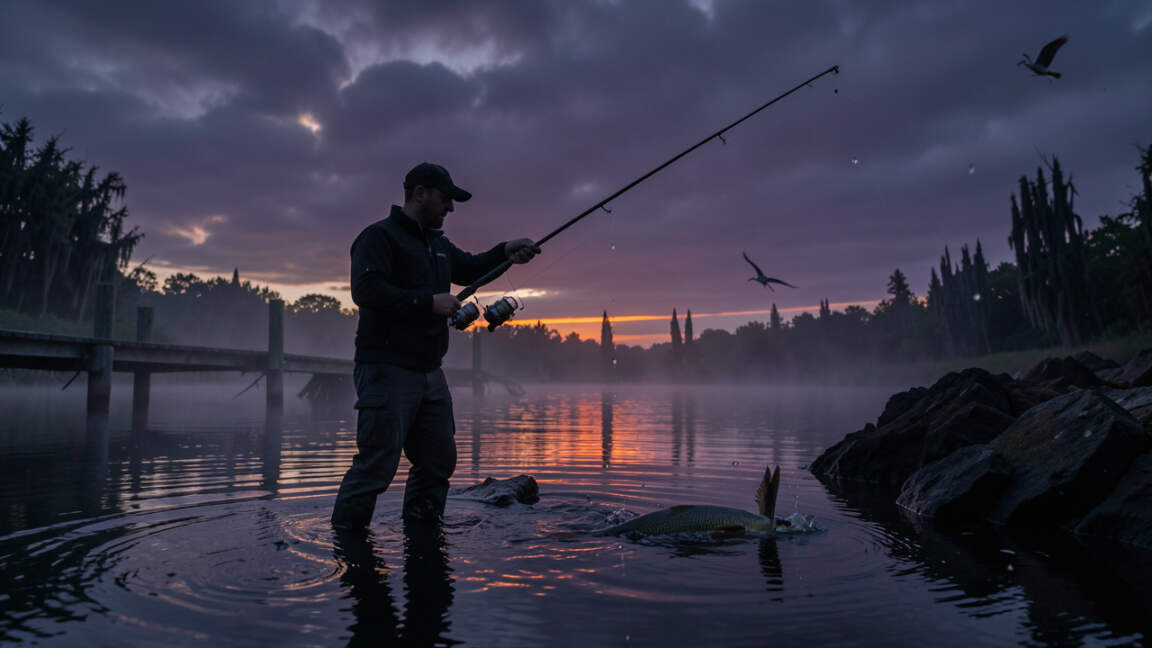
When the atmosphere starts to feel heavy, and the sky turns a bit darker, it often means a storm is on its way. This change in weather is usually linked to a drop in barometric pressure. For bass anglers, this is exciting news.
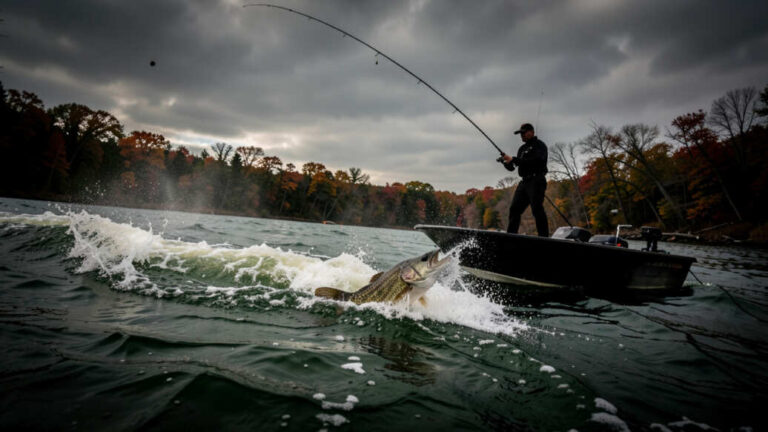
A falling barometer can actually make bass more active and eager to feed. They seem to sense the coming change and get into a feeding frenzy. This is why Bass Fishing Before a Storm: Reading Pressure Drops Right is a topic many anglers pay close attention to.
Focus on covering water faster when pressure starts falling, as bass enter a feeding frenzy and are more likely to chase moving baits.
It’s a natural trigger that can turn a slow day into a fantastic one.
Think of it like this: a stable weather system means bass are often content and might feed sporadically. But when the pressure drops, it’s like a dinner bell rings. They become more aggressive, looking to eat as much as they can before the storm hits.
This makes them much easier to find and catch. Understanding this connection is a key part of successful bass fishing, especially when you are trying to predict the best fishing windows.
Understanding Barometric Pressure for Bass Fishing
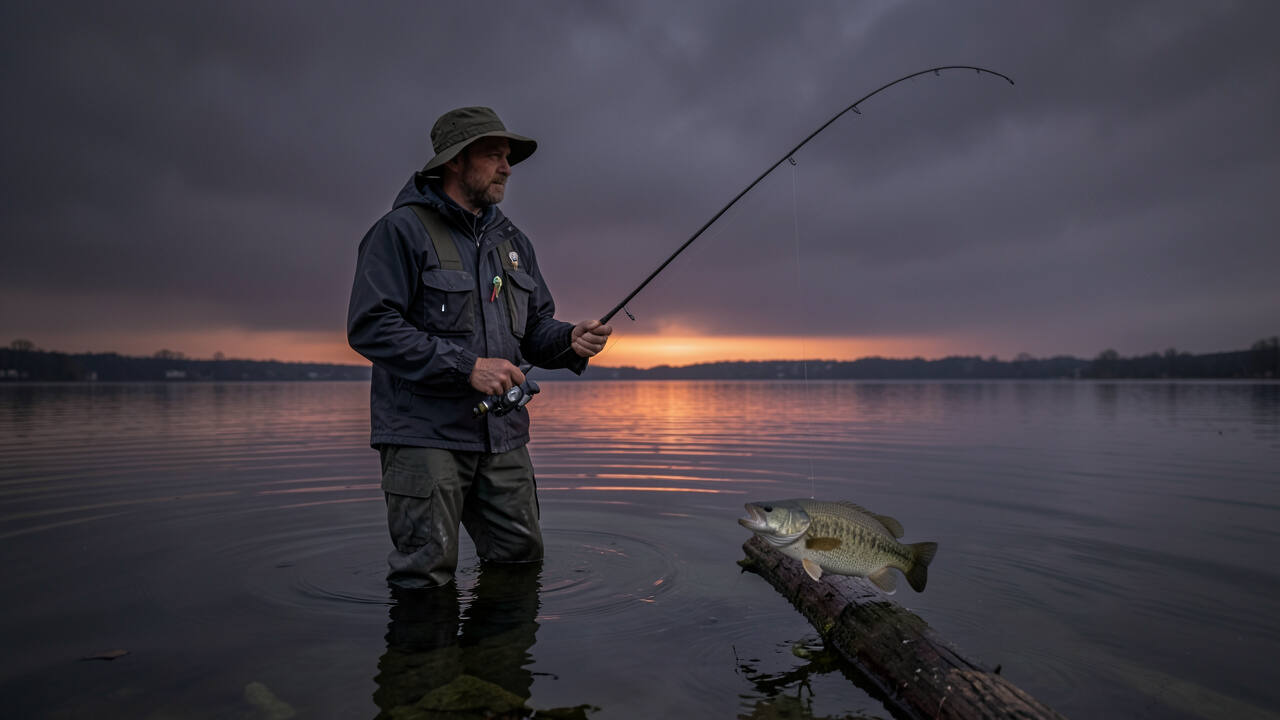
Barometric pressure is simply the weight of the air pressing down on the Earth. When this pressure is high, the air feels stable and calm. When it drops, the air is lighter, and this often happens before bad weather like thunderstorms moves in.
For fish, especially those in shallower water like bass, these changes are noticeable. A significant and rapid drop in pressure is a strong signal for them to get active.
The ideal scenario for anglers is a falling pressure, usually measured in inches of mercury (inHg) or millibars (mb). A drop of 0.10 inHg or more within a few hours is significant. When you see this trend, it’s time to consider heading to your favorite fishing spots.
This is the core of Bass Fishing Before a Storm: Reading Pressure Drops Right; it’s about recognizing the signs and acting on them.
A drop of 0.10 inHg or more within a few hours is a strong signal that pre-storm feeding activity is about to begin.
How Pressure Changes Affect Bass Behavior
Bass are sensitive to changes in their environment. A falling barometer can affect their swim bladders, which help them control buoyancy. As the pressure drops, their swim bladders expand slightly.
This can make them feel a bit uncomfortable, prompting them to move and feed more actively to compensate. It’s a biological response that works to your advantage.
Furthermore, the weather systems that bring falling pressure often come with increased wind and cloud cover. These conditions can stir up baitfish, making them easier for bass to find. The stirred-up water can also provide a bit of cover for bass, making them feel more secure as they hunt.
This combination of factors makes the pre-storm period a prime time for catching bass.
Recognizing the Signs of Approaching Storms
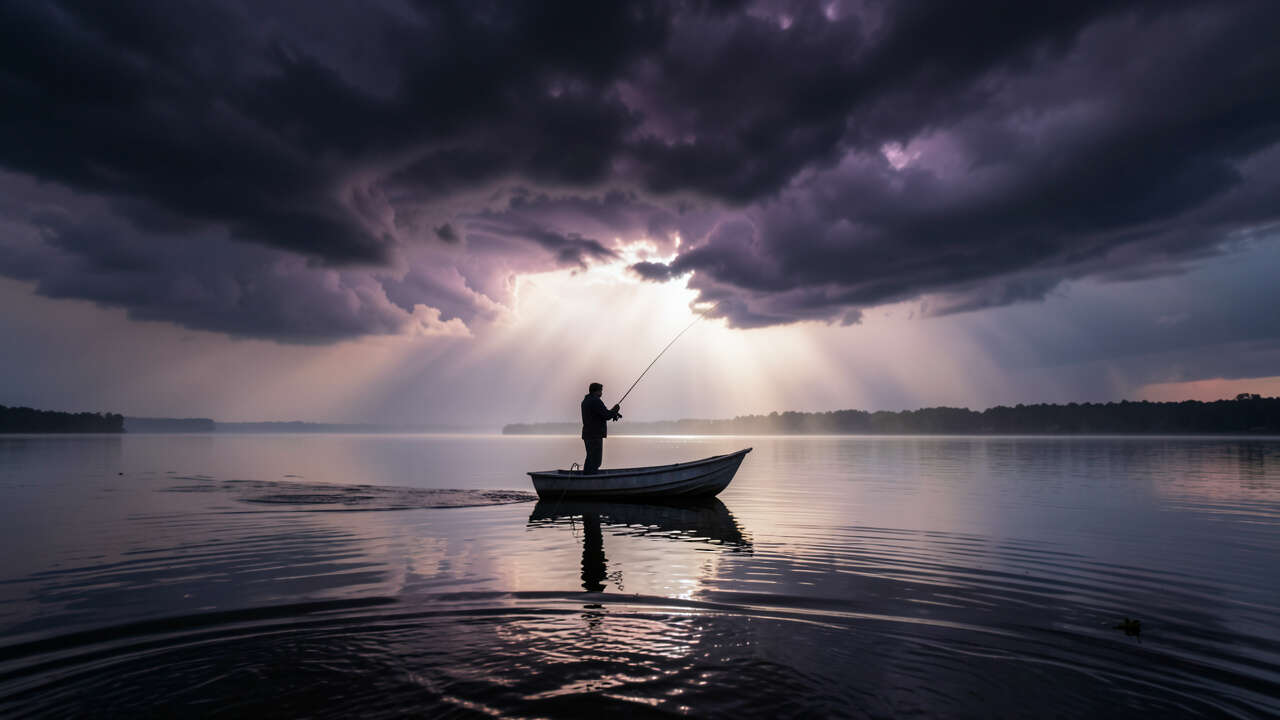
You don’t always need a fancy barometer to tell when pressure is dropping. Nature gives us plenty of clues. Observing the sky, the wind, and even how animals behave can help you predict an approaching storm and falling pressure.
Being aware of these natural indicators is a valuable skill for any angler.
Watching the Sky
Look for darkening skies, especially in the afternoon. Tall, puffy clouds that grow rapidly into thunderheads are a classic sign of unstable weather and falling pressure. You might also see a greenish tint to the clouds, which can indicate hail.
The best barometer is often your own eyes—watch for darkening skies and rapid cloud growth to anticipate falling pressure.
Cirrus clouds, thin and wispy, can also appear before a larger storm system moves in.
Feeling the Wind
A sudden shift in wind direction or an increase in wind speed is another strong indicator. Often, the wind will start blowing from a southerly direction and then shift abruptly as the storm front approaches. The air might also feel heavy and humid, a tell-tale sign of moisture building up before rain.
Observing Wildlife
Animals often sense weather changes before humans do. Birds might become quiet or fly lower. Squirrels might become more active, gathering food.
Even insects can behave differently. While not a precise science, these observations can add to your awareness of impending weather shifts.
Effective Lures and Techniques for Pre-Storm Bass
When you know that Bass Fishing Before a Storm: Reading Pressure Drops Right is happening, you need to adjust your tactics. Bass become more aggressive, meaning they are more likely to chase down a lure. This is the time to use baits that trigger a reaction strike.
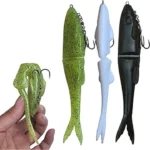
Think about lures that move fast, make noise, or imitate fleeing prey.
Reaction Baits are Key
Topwater lures are fantastic when bass are on the feed. Poppers, walking baits, and prop baits can create a lot of commotion on the surface, drawing bass out of hiding. The visual aspect of a bass exploding on a topwater lure is thrilling.
Use them early in the morning or late in the evening when bass are often more active near the surface.
Spinnerbaits are another excellent choice. Their flashing blades and vibrating skirts mimic baitfish and create a lot of disturbance in the water. They are very versatile and can be fished at various depths.
A fast retrieve can often trigger aggressive strikes from active bass.
When you notice the pressure dropping, switch to reaction baits like topwater poppers and walking baits to trigger aggressive strikes.
Crankbaits, especially those with a tight or wide wobble, can also be very effective. They imitate fleeing baitfish and cover a lot of water quickly. Vary your retrieve speed and depth to see what the bass are responding to best.
A sharp, erratic retrieve can sometimes trigger a reaction bite.
Fishing Deeper or Shallower?
While many anglers associate falling pressure with bass moving shallower, it’s not always that simple. Sometimes, the stirred-up water and increased baitfish activity will pull bass into slightly deeper, more protected areas. Other times, they will indeed move up shallow to take advantage of the feeding opportunity.
It’s important to cover different depths and areas.
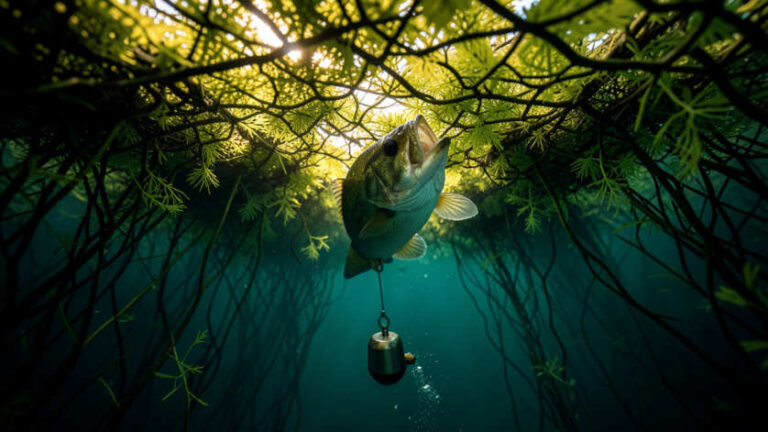
Focus on structure like points, drop-offs, weed edges, and submerged cover. These are natural ambush points for bass. When the pressure is dropping, they are more likely to hold in these areas, waiting for an easy meal.
Don’t be afraid to experiment with different lure types and retrieve speeds until you find what’s working.
Location, Location, Location: Where to Find Pre-Storm Bass
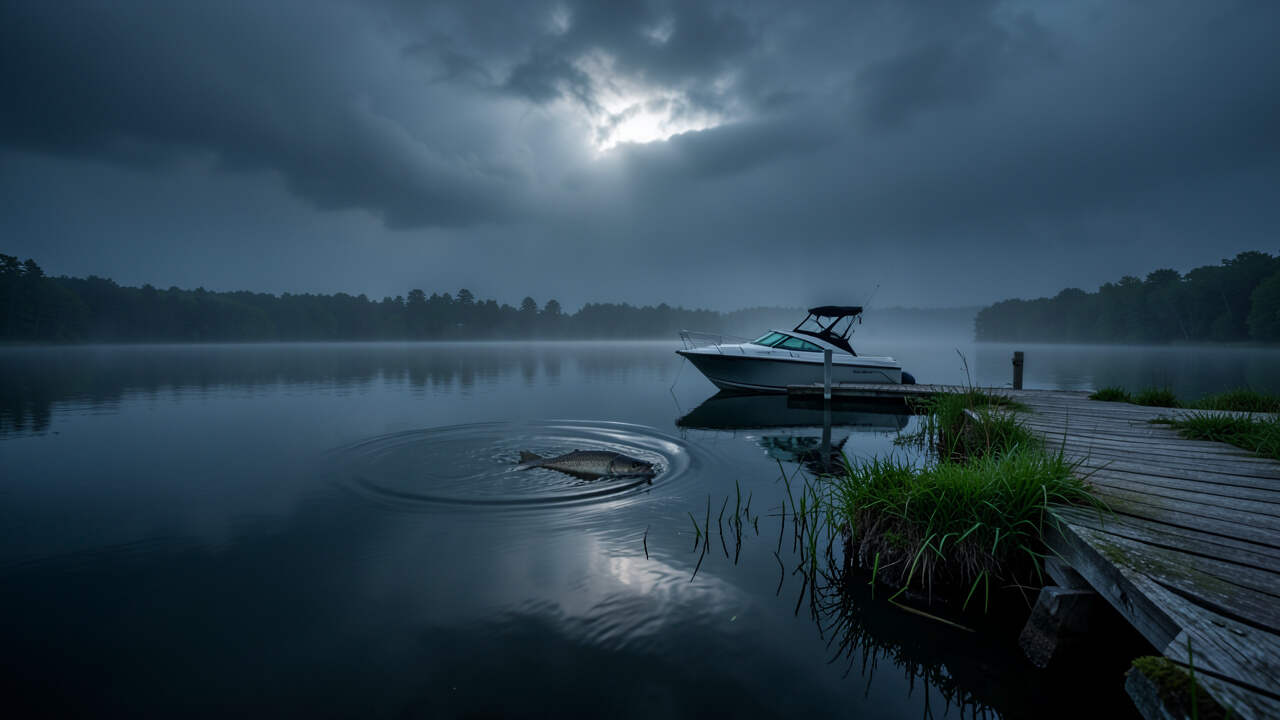
Knowing where to look is just as important as knowing when to fish. When pressure drops and a storm is coming, bass tend to congregate in areas that offer them the best chance to feed and feel secure. Understanding their movement patterns during these times will significantly improve your success rate.
Transition Zones are Prime Spots
Bass often use transition zones as staging areas before and during a storm. These are areas where different types of habitat meet. Think about the edges of weed beds, the transition from shallow flats to deeper water, or the area where a creek channel meets the main lake.
Don't assume pre-storm bass are always deep—check transition zones where deeper water meets shallow cover, as they stage there to feed.
These spots concentrate baitfish, and where baitfish go, bass will follow.
Structure and Cover
Submerged structure like humps, points, and ledges become magnets for bass when the weather is changing. They offer places to ambush prey and can also provide some protection from the wind and waves. Similarly, any form of cover – fallen trees, laydowns, docks, or rock piles – will hold bass looking for an advantage.
Sheltered Coves and Backwaters
As winds pick up with an approaching storm, bass will often seek out calmer waters. Look for protected coves, bays, or shallow backwaters that are shielded from the main force of the wind. These areas can become hotspots for feeding activity as baitfish are pushed into them and bass follow suit.
Reading Your Barometer: Tools and Tips
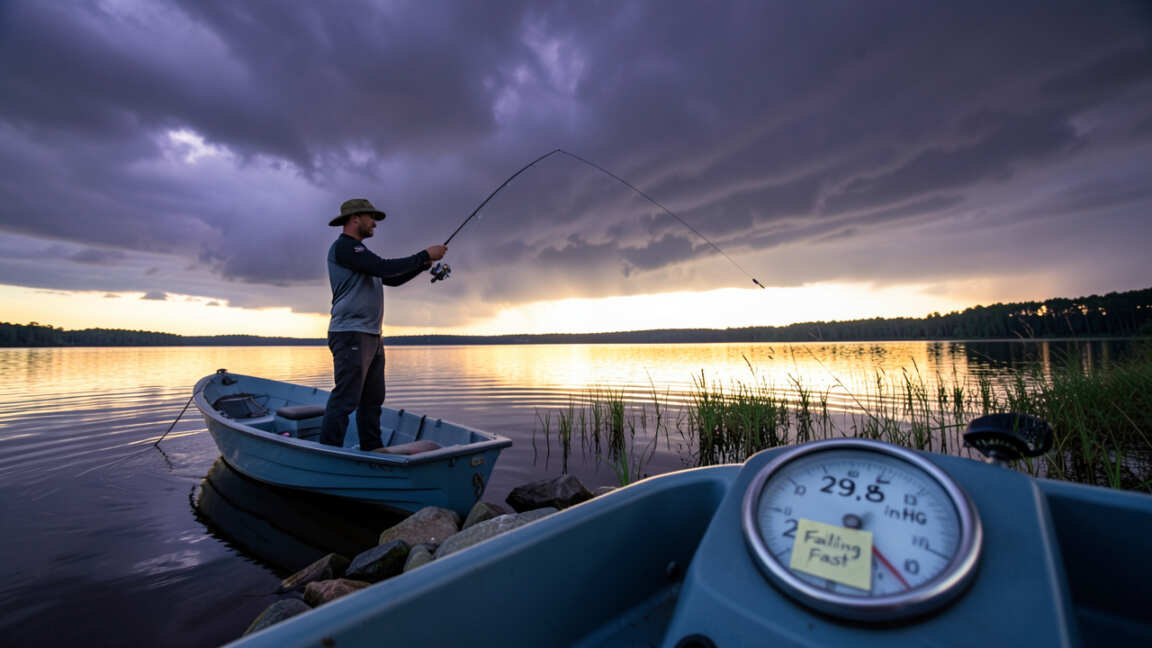
While nature’s signs are helpful, having a tool to accurately measure barometric pressure can give you a definitive edge. Modern fishing technology and simple weather apps make it easier than ever to track pressure changes. Knowing how to interpret this data is key to mastering Bass Fishing Before a Storm: Reading Pressure Drops Right.
Digital Fishing and Weather Apps
Many fishing apps and smartwatches now include built-in barometers. These devices can track pressure trends over time, showing you if it’s rising, falling, or stable. Look for apps that provide historical data and forecasts.
This information can help you plan your fishing trips days in advance.
Use a fishing app that tracks barometric trends over hours, not just current reading, to spot the crucial falling trend that triggers feeding.
Understanding Pressure Readings
A normal barometric pressure reading is around 30 inches of mercury (inHg) or 1013 millibars (mb). Pressure below 29.50 inHg is generally considered low and indicative of an approaching storm. A rapid drop, say from 30.00 to 29.70 inHg in just a few hours, is a strong signal for active bass.
Conversely, a steady rise in pressure usually means clearing weather and can lead to slower fishing.
This table gives a quick overview of how pressure trends can influence bass behavior and your fishing approach. Mastering Bass Fishing Before a Storm: Reading Pressure Drops Right means learning to use this data effectively.
The Importance of Rate of Change
It’s not just the absolute pressure number that matters; the speed at which it changes is also crucial. A quick, steep drop in pressure is a much stronger trigger for feeding than a slow, gradual decline. Pay attention to how quickly the pressure is falling to gauge the intensity of the pre-storm bite.
Safety First: Fishing Responsibly Before a Storm
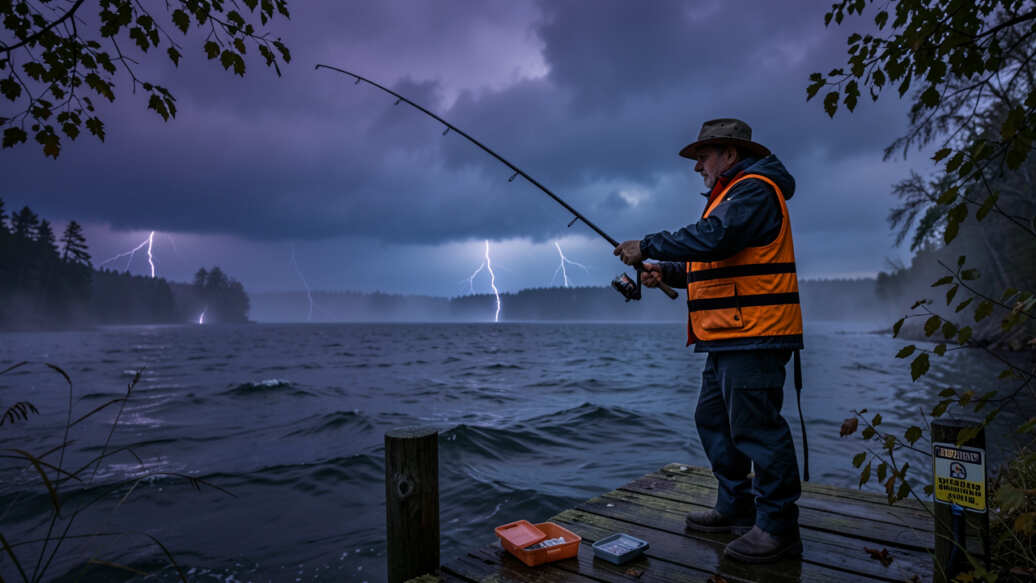
While the prospect of catching more fish before a storm is exciting, safety must always come first. Falling pressure often means severe weather is imminent. It’s vital to be prepared and know when to call it a day.
Monitor Weather Forecasts
Always check the weather forecast before heading out. Pay attention to storm warnings and expected wind speeds. If severe weather is predicted, it’s best to postpone your trip or stay close to shore.
No catch is worth risking your safety—if you see lightning or hear thunder, leave the water immediately.
Be Aware of Your Surroundings
If you are on the water and the weather starts to turn bad, be aware of lightning. Small boats are particularly vulnerable. If you see lightning or hear thunder, head back to shore immediately.
Don’t try to push your luck.
Know Your Escape Routes
Familiarize yourself with the quickest and safest routes back to the boat ramp or shore. If the weather deteriorates rapidly, you’ll need to act fast. Having a plan can make a significant difference in your safety. Check boating safety resources from the U.S. Coast Guard for emergency procedures.
Frequently Asked Questions
What is the ideal barometric pressure for bass fishing?
While there isn’t one single ideal number, bass tend to be most active when barometric pressure is falling rapidly, often below 30.00 inHg, indicating an approaching storm. Stable, high pressure can also be good at times, but falling pressure usually triggers more aggressive feeding.
How quickly does pressure need to drop for it to affect bass?
A noticeable change usually occurs when pressure drops by 0.10 inches of mercury (inHg) or more within a few hours. The faster the drop, the more aggressive the bass are likely to become. This is a key aspect of Bass Fishing Before a Storm: Reading Pressure Drops Right.
Should I use different lures when fishing before a storm?
Yes, when bass are feeding aggressively due to falling pressure, reaction baits like topwater lures, spinnerbaits, and crankbaits are highly effective. They mimic fleeing prey and trigger a strike.
Can I rely solely on weather apps for fishing decisions?
Weather apps are very helpful for tracking pressure trends and forecasts, but combining this data with your own observations of the sky and wind will give you a more complete picture for effective Bass Fishing Before a Storm: Reading Pressure Drops Right.
When is the best time of day to fish before a storm?
Falling pressure can trigger feeding activity at any time of day. However, early mornings and late afternoons are often prime times, as bass naturally tend to be more active then, and the pre-storm conditions amplify this.
Final Thoughts
Fishing before a storm can be incredibly rewarding if you know what to look for. Understanding how falling barometric pressure signals an approaching storm and triggers bass activity is your advantage. By recognizing nature’s signs and using the right techniques, you can significantly improve your chances of a successful catch. Understanding barometric pressure and bass activity can improve your fishing success.
Always remember to prioritize safety when heading out before bad weather. Always follow lightning safety tips from the National Weather Service when storms approach.