


How To Fish Submerged Grass Beds For Bass Year-Round Now
Fishing submerged grass beds for bass year-round requires adapting techniques to seasonal changes in water temperature and grass growth. In spring, focus on spawning areas with weedless lures; in summer, target deeper cooler edges; fall triggers aggressive feeding on moving baits; and winter demands slow, steady presentations. The key takeaway is that matching lure selection and retrieval speed to the specific season and grass density maximizes catch rates in these productive underwater habitats.
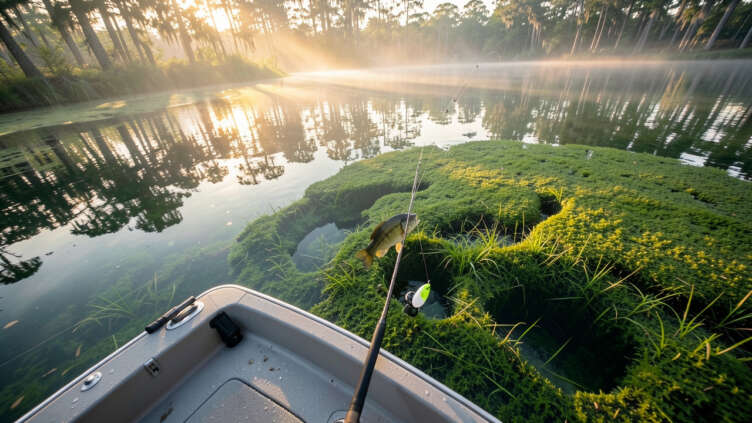
Finding bass in submerged grass can feel like a treasure hunt, and knowing the best ways to do it makes all the difference. When you learn how to target these underwater havens, you can catch more bass, no matter the season. This guide will show you exactly How to Fish Submerged Grass Beds for Bass Year-Round Now, giving you the skills to find more fish and enjoy your time on the water more.
It’s about understanding where bass hide and how to tempt them out.
Key Takeaways
- Understand how bass behavior changes around grass throughout the year.
- Learn the best lure types and techniques for each season.
- Discover how to identify productive grass bed locations.
- Master the art of reading grass and water conditions for success.
- Find out how to adjust your approach for different grass types.
- Gain confidence in catching bass from grass year-round.
Why Grass Beds Are Bass Hotspots
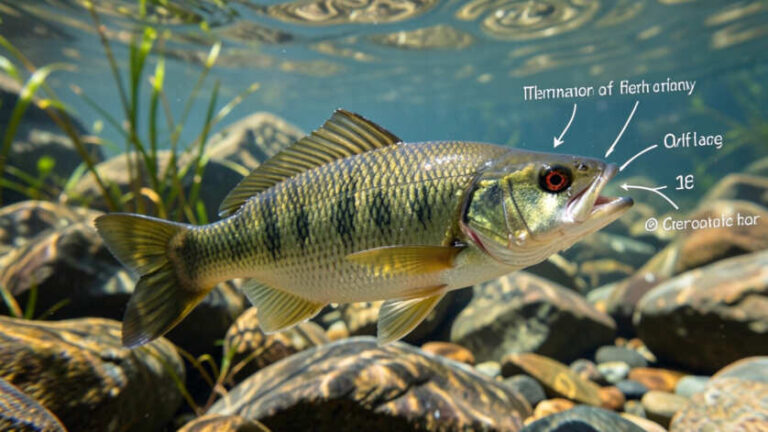
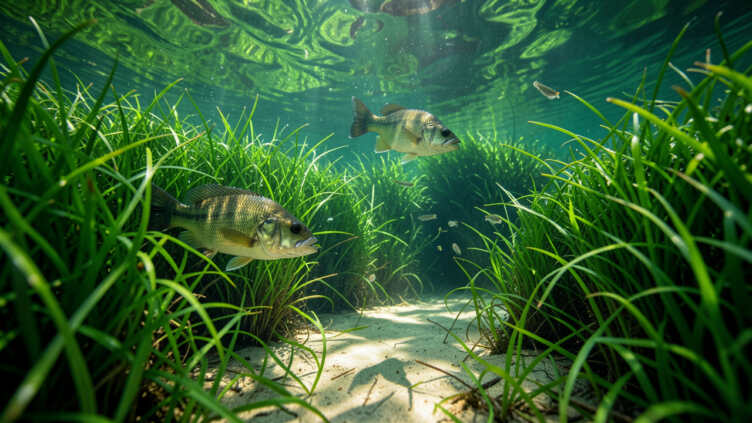
Submerged grass beds are like underwater apartment complexes for bass. They offer plenty of cover, ambush points, and a steady food supply. Bass love grass because it shields them from predators and provides a strategic advantage when hunting prey.
Whether it’s a thick mat or scattered strands, these areas are consistently productive for anglers seeking bass. Understanding this fundamental attraction is the first step in learning How to Fish Submerged Grass Beds for Bass Year-Round Now.
When fishing submerged grass beds, target the transition zones between thick mats and open water for the most strikes.
These aquatic plants provide oxygen and a healthy environment for baitfish. This, in turn, attracts bass looking for an easy meal. The type of grass, its density, and depth all play a role in how bass use these areas.
Learning to read these subtle cues will significantly improve your success rate.
Seasonal Strategies for Grass Bed Bass
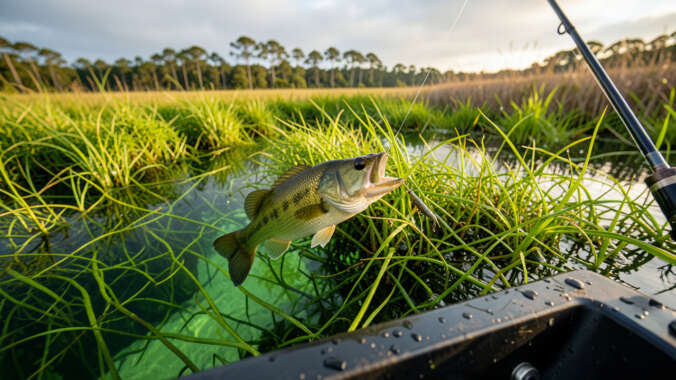
Bass behavior around grass changes with the seasons. Adapting your approach is crucial for consistent catches. Knowing these shifts helps you figure out How to Fish Submerged Grass Beds for Bass Year-Round Now effectively.
Spring: The Spawn and Beyond
As water temperatures rise in spring, bass move shallow to spawn. They often choose areas adjacent to grass beds for protection and easy access to food. Look for grass lines near spawning flats.
Spinnerbaits and vibrating jigs are excellent for covering water and triggering strikes from aggressive bass.
After the spawn, bass remain in or near grass. They are recovering and feeding heavily. Soft plastic jerkbaits and weedless-rigged worms can be very effective.
Target the edges of thicker grass where baitfish congregate.
Summer: Deeper and Cooler
During hot summer months, bass often retreat to deeper, cooler water. Submerged grass beds, especially those with some depth, become prime real estate. Look for grass that is just submerged or has a few feet of water above it.
Texas-rigged worms, creature baits, and football jigs excel here.
During spring, position your boat parallel to grass lines adjacent to spawning flats and use spinnerbaits to cover water efficiently.
The key is to find grass that still has some life and oxygen. Areas with current moving through the grass are also excellent. Don’t be afraid to fish deeper sections of grass if the surface water gets too warm.
Fall: The Feeding Frenzy
Autumn brings a significant feeding push as bass prepare for winter. They will actively patrol grass edges, chasing baitfish. This is a fantastic time for reaction baits.
Large spinnerbaits, lipless crankbaits, and topwater lures can produce explosive strikes.
Focus on grass beds that are close to deeper water channels. Baitfish will be schooling, and bass will be right behind them. Vary your retrieve speed to match the baitfish activity you observe.
Winter: Slow and Steady Wins
In colder winter months, bass become lethargic. They seek out the most comfortable and accessible feeding areas. Submerged grass beds, especially those with softer bottoms and some depth, can still hold fish.
The key is to slow down your presentation significantly.
Jigs, drop-shot rigs, and finesse worms are ideal. Target the deepest parts of the grass beds or the edges leading to deeper water. Patience is paramount during winter fishing.
Choosing the Right Lures for Grass
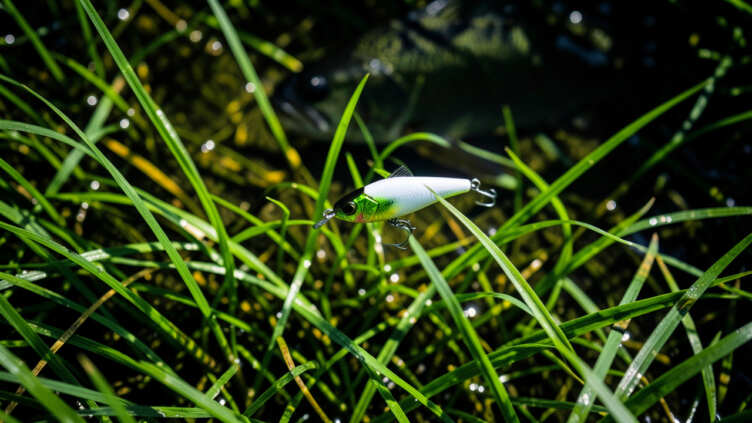
The right lure can make all the difference when fishing grass. Different lures are designed to navigate through or over grass effectively. Selecting the correct lure is a vital part of How to Fish Submerged Grass Beds for Bass Year-Round Now.
Weedless Wonders
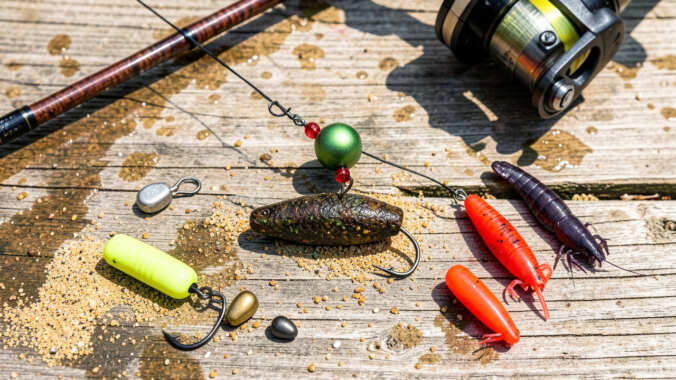
When fishing thick grass, weedless lures are essential. These lures have hooks that are protected, preventing them from snagging in the vegetation. Examples include:
The most effective lure in thick grass is one that runs weedless—allowing you to fish right through the cover without constant snags.
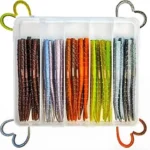
- Texas-rigged soft plastics: Worms, creature baits, and craws are classic choices.
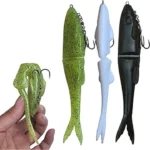
- Weedless swimbaits: These can imitate baitfish moving through the grass.
- Punch rigs: Designed to punch through thick mats of grass and fall directly to the bottom.
Moving Baits
For covering water and triggering reaction strikes, moving baits are excellent.
- Spinnerbaits: Their rotating blades create flash and vibration, and their weedless design allows them to be fished through grass.
- Lipless crankbaits: These can be burned over the top of grass or ripped through it to create a reaction bite.
- Chatterbaits/Vibrating Jigs: These offer a unique vibration and can be fished through various types of grass.
Jigs and Bottom Contact
Jigs are versatile and can imitate crawfish or other bottom-dwelling prey.
- Flipping/Pitching Jigs: Heavy jigs designed to be pitched into tight spots within grass beds.
- Football Jigs: Ideal for dragging along the bottom in slightly more open areas of grass.
- Drop-shot Rigs: Great for finicky bass, allowing a bait to be presented just above the grass line.
Reading the Grass and Water
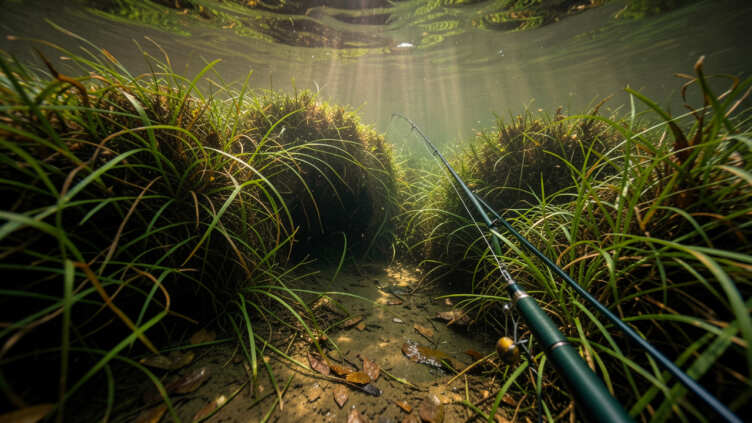
Not all grass beds are created equal. Learning to read the environment will significantly improve your results. This understanding is key to mastering How to Fish Submerged Grass Beds for Bass Year-Round Now.
Types of Submerged Grass
Different types of grass attract bass in different ways.
- Coontail/Hydrilla: Often forms dense mats. Bass will hide within or under these mats.
- Milfoil: Can grow in thick beds or as scattered strands.
It provides excellent cover and ambush points.
- Pondweed/Grass Carp Food: Typically grows in shallower areas and can be less dense.
The density of the grass is important. Thick, matted grass often holds fish on the bottom or just underneath. Scattered grass provides more individual hiding spots and ambush points for bass.
When reading grass beds, note that coontail and hydrilla often form dense mats where bass hide; target pockets and edges for best results.
Look for the “cleanest” pockets within a grass bed, as these are often the most productive.
Water Clarity and Depth
Water clarity influences how bass feed and where they position themselves. In clear water, bass may hold on the edges or in slightly deeper grass. In stained or dirty water, they will often be tighter to the grass and may feed more aggressively on vibrations and sound.
Depth is also a major factor. In summer, deeper grass is preferred. In spring and fall, shallower grass areas can be very productive.
Always consider the depth of the water and how it relates to the grass.
Techniques for Maximizing Grass Bed Success
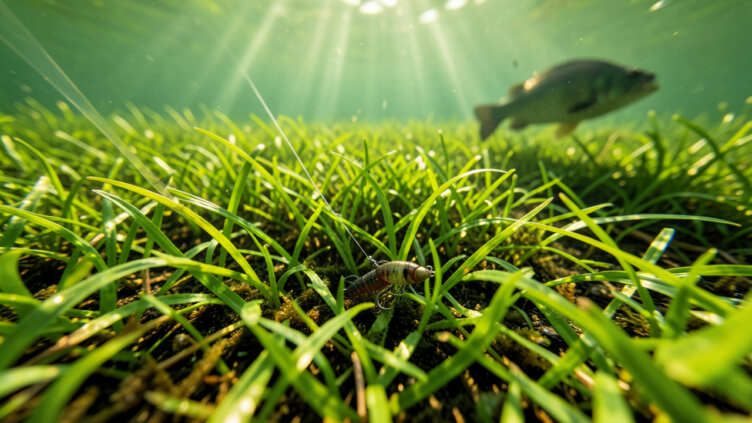
Mastering specific techniques will unlock the full potential of grass beds. This is where the practical application of How to Fish Submerged Grass Beds for Bass Year-Round Now comes into play.
Flipping and Pitching
This technique is perfect for targeting thick grass mats and pockets.
Avoid buzzing and burning lures in extremely thick matted grass; this technique works best over scattered strands or along edges where the lure can stay above the vegetation.
- First, select a heavy jig or Texas-rigged soft plastic.
- Next, cast your lure to the target area, such as a hole in the grass or the edge of a mat.
- Then, let the lure fall to the bottom.
- Finally, work the lure with subtle twitches or short hops, mimicking a crawfish or baitfish trying to escape.
Buzzing and Burning
This is an aggressive, high-speed technique best suited for spinnerbaits and lipless crankbaits.
- First, cast your bait over the grass.
- Next, reel in as fast as possible, keeping the bait just above the grass tops.
- Then, vary your speed if you encounter thicker grass or notice baitfish activity.
- Finally, be ready for explosive strikes as bass chase down the speeding lure.
Drag and Drop
This method involves dragging a jig or Texas-rigged bait along the bottom and then letting it fall into the grass.
- First, cast your bait to the edge of the grass.
- Next, slowly drag it along the bottom.
- Then, when you feel it hit the edge of the grass, give it slack to let it fall into the cover.
- Finally, be patient and wait for a subtle bite or a sudden tug.
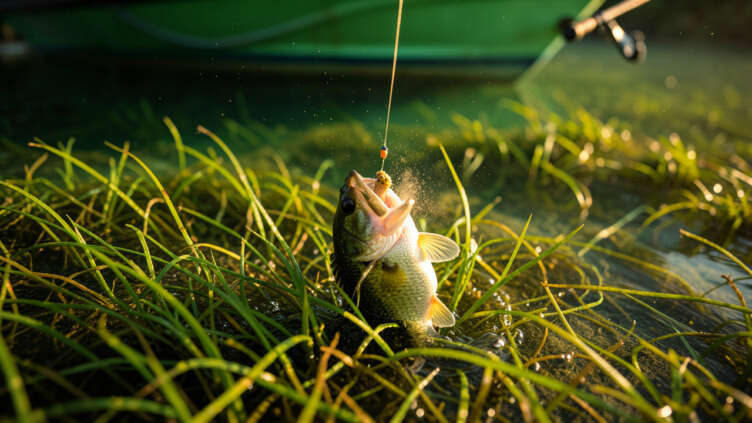
Reading Bites in Grass
Detecting bites in grass can be tricky. Bass often get the lure in their mouth before you feel a solid pull. Here’s how to improve your bite detection.
Feel the Difference
Pay close attention to your line. A bite might feel like a slight tick, a heavy thump, or even just a sudden slackening of the line. If your lure suddenly stops moving or feels “heavy” when it shouldn’t, set the hook.
Maintain constant line tension and watch for any sudden slack or hesitation—these subtle signs often indicate a bass has taken your lure and requires an immediate hookset.
Watch Your Line
Sometimes, the only indication of a bite is a subtle twitch or movement in your fishing line where it enters the water. If you see any unusual line movement, set the hook immediately.
Line Tension is Key
Maintaining the right amount of line tension is important. Too much slack and you’ll miss bites. Too much tension and you might pull the lure away from a curious bass.
Find that happy medium where you can feel your lure and detect subtle bites.
Frequently Asked Questions
What is the best time of day to fish submerged grass beds for bass?
Early morning and late evening are often the most productive times, especially in warmer months. However, bass can be caught from grass beds throughout the day, particularly in cooler weather or when using techniques that appeal to their sense of vibration and sound.
How do I avoid getting my lure snagged in grass?
Using weedless lures is essential. This includes Texas-rigged baits, jigs with weed guards, and spinnerbaits. Ensure your hook is properly set and consider using braided line, which can help cut through grass when setting the hook.
When should I use a topwater lure for grass beds?
Topwater lures are most effective in low-light conditions, such as dawn and dusk, or on overcast days, especially during spring and fall. They work well when bass are actively feeding near the surface or when you can see baitfish activity around the grass.
How does the depth of submerged grass affect bass location?
In warmer months, bass tend to move to deeper grass beds for cooler water. In cooler months, they may move to shallower grass beds that receive more sunlight, or stay in deeper grass that offers stable temperatures. Always consider the water temperature and season.
What is the best way to approach submerged grass beds for bass?
Approach grass beds quietly and methodically. Start by fishing the edges, then work your way into the grass with techniques like flipping, pitching, or buzzing baits. Experiment with different lure types and retrieve speeds to find what the bass are responding to.
Can you fish submerged grass beds for bass year-round now?
Yes, with the right techniques and lure choices, you can successfully fish submerged grass beds for bass year-round. Understanding seasonal changes in bass behavior and adapting your strategy is the key to consistent success in How to Fish Submerged Grass Beds for Bass Year-Round Now.
Final Thoughts
Mastering How to Fish Submerged Grass Beds for Bass Year-Round Now means understanding bass habits in relation to grass throughout the year. By adapting your lure choices and techniques to the season and grass type, you can consistently find and catch more bass. Keep practicing, observe the water, and you’ll become a grass-fishing expert.