Coves And Pockets: Where Bass Hold During Each Season Cycle
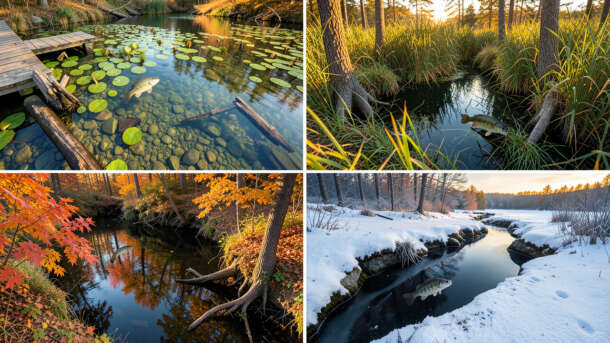
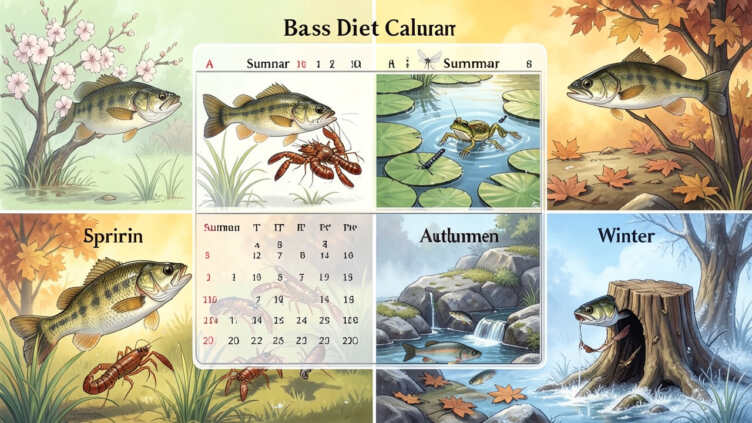
Bass hold in coves and pockets during each season because these features provide temperature regulation, ambush points, and access to baitfish that shift with the annual cycle. In spring, warming shallows draw bass for spawning; summer forces them into shaded deeper pockets; autumn triggers a feeding frenzy as baitfish gather; and winter requires stable deeper protected zones for energy conservation. Understanding these seasonal movements allows anglers to predict exactly where bass will be, turning coves and pockets into reliable year-round fishing targets.
Fishing for bass can feel like a puzzle sometimes, especially when you’re not sure where they like to hang out. Understanding Coves and Pockets: Where Bass Hold During Each Season Cycle can make a huge difference in your success on the water. It’s not just about knowing the fish are there; it’s about knowing why they are there and how that helps you catch more.
This knowledge helps you predict their movements, leading to more consistent catches and more enjoyable fishing trips. We’ll break down how the seasons affect these key spots and what you can do to find them.
Key Takeaways
- Bass behavior changes with the seasons, influencing where they seek shelter and food.
- Coves and pockets offer protection and ambush points crucial for bass year-round.
- Spring fishing in coves and pockets focuses on warming shallows and spawning areas.
- Summer bass retreat to cooler, deeper pockets and shaded coves during heat.
- Autumn sees bass actively feeding in coves and pockets as baitfish gather.
- Winter fishing in coves and pockets requires finding stable, deeper, and protected zones.
Spring: Warming Waters and New Opportunities
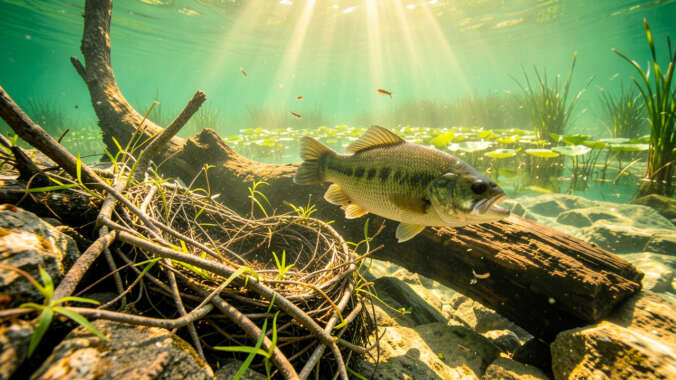
As winter’s chill fades, the water temperature starts its slow climb, signaling a major shift for bass. This is when the fish begin to move from their deep wintering grounds into shallower areas. They are looking for a few key things: warmth and food.
This makes the smaller, more protected bodies of water within larger lakes and rivers, known as coves and pockets, incredibly important.
The sun’s rays heat up these smaller, often shallower areas much faster than the main body of water. Bass, being cold-blooded, feel this warmth and are drawn to it. They also know that baitfish, like shad and minnows, start to become more active in these same spots.
This creates a perfect feeding opportunity. You’ll often find bass lurking near submerged structure like fallen trees, rock piles, or weed beds within these coves and pockets. These features provide both cover and a place for baitfish to congregate.
During the early spring, focus on the back and sides of these coves and pockets. As the water warms further, bass will move even shallower, often right up to the banks. This is also the prime time for spawning.
In summer, deep pockets with flowing water or shade from overhanging trees provide the coolest, most oxygen-rich environment; bass will hold there and use them as ambush points.
Focus on the smallest, most protected coves that receive direct sunlight; these warm fastest and attract baitfish, making them prime locations for early spring bass.
Female bass will look for protected, soft-bottomed areas within these coves and pockets to lay their eggs. Males will guard these nests fiercely. This makes them predictable targets for anglers.
Understanding the nuances of spring warming trends is key to locating active bass in these fish-holding zones.
Spring Bass Strategies
When targeting bass in spring coves and pockets, think about the baitfish. Where the baitfish go, the bass will follow. Look for areas where water flows into the cove, bringing warmer water and food.
Spinnerbaits and lipless crankbaits can be very effective for covering water and finding active fish. As the water warms and bass move shallower, consider using soft plastics like worms or creature baits, or even topwater lures when the conditions are just right.
Pay close attention to water clarity. In clearer water, bass might hold a bit deeper or tighter to cover. In stained or muddy water, they will often be much shallower and more willing to hit a lure presented close to them.
The goal is to find the warmest, most food-rich part of the cove or pocket. This often means looking for areas with dark bottoms that absorb heat faster. Remember, even small changes in temperature can make a big difference in bass location and activity.
Summer: Seeking Coolness and Shade
Summer brings longer days and higher temperatures, which significantly impacts bass behavior. While bass are active feeders, the intense heat can drive them to seek refuge from the sun. This is where the strategic advantage of understanding Coves and Pockets: Where Bass Hold During Each Season Cycle truly shines.
During the summer months, these areas transform from warming zones to cool sanctuaries.
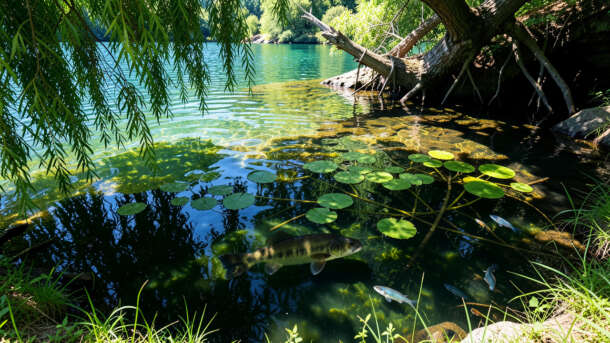
When the sun beats down, the main lake or river can become too warm for bass. They will move to find cooler water, and this often means heading into the shade and cooler depths of coves and pockets. Look for coves that have steep drop-offs or are heavily shaded by overhanging trees and vegetation.
These areas provide both a cooler environment and a protective canopy from the direct sun. The deeper sections of these pockets become prime real estate for bass.
Baitfish also seek cooler, more oxygenated water during summer. They will often school up in these same sheltered coves and pockets, congregating near structure or weed lines. Bass use these areas as ambush points, waiting for an easy meal to swim by.
During the autumn feeding frenzy, a fast, erratic lure presentation can trigger a reaction bite even from a bass that isn't actively chasing prey.
The key is to find the coolest, most oxygen-rich water available within these sheltered zones. This often means looking for areas with current flow that brings in fresh, cooler water, or areas with significant weed cover that provides shade and holds bait.
Summer Bass Strategies
In summer, the fishing often becomes a game of finding the right depth and cover. Deep diving crankbaits and Texas-rigged soft plastics are excellent choices for probing the deeper parts of coves and pockets. Look for submerged logs, rock piles, or ledges where bass can rest and wait for prey.
As the day progresses and the sun gets higher, bass may move deeper. Conversely, during low-light periods like dawn and dusk, they might move shallower to feed.
Another effective strategy is to target the shade lines. If there are overhanging trees or docks casting shadows, bass will often position themselves right on the edge of that shade. A topwater bait thrown into the shade can be devastating.
Also, consider areas with aquatic vegetation. The dense weeds create shade and cooler water, making them ideal summer hangouts. Bass will often patrol the edges of these weed beds within coves and pockets, waiting for an opportunity to strike.
Autumn: The Pre-Winter Feeding Frenzy
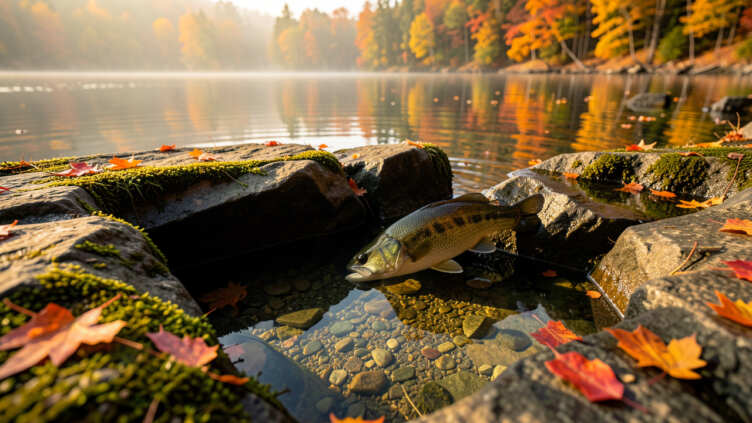
As the air turns crisp and the leaves begin to change, bass enter a period of intense feeding. This is often referred to as the pre-winter feeding frenzy, and it’s a fantastic time to be on the water. Autumn brings significant changes to the environment, and understanding how these changes affect Coves and Pockets: Where Bass Hold During Each Season Cycle is crucial for anglers.
The cooling water temperatures in the fall signal to bass that winter is approaching. They need to build up their energy reserves. This means they become more aggressive and willing to chase down prey.
Baitfish, which may have dispersed during the summer, start to school up again in larger numbers. These baitfish schools often concentrate in areas that offer both food and some protection as the weather becomes more unpredictable. You guessed it – coves and pockets are prime locations for this activity.
Bass will actively patrol these areas, looking for opportunities to gorge on the abundant bait. Look for coves and pockets that have a good supply of baitfish. This might be indicated by surface activity from the baitfish themselves, or by bird activity feeding on the baitfish.
In winter, target the deepest sections of coves that have stable temperatures and slow-moving bait; use a slow, deliberate retrieve to match the bass's energy-conserving pace.
Structure within these pockets, such as points, humps, or submerged timber, becomes even more important as they provide ambush points for bass to ambush these schooling baitfish. The transition zones where warmer, shallower water meets cooler, deeper water are also hot spots.
Autumn Bass Strategies
Autumn fishing in coves and pockets often calls for more aggressive tactics. Moving baits like spinnerbaits, chatterbaits, and crankbaits are excellent for covering water and triggering strikes from actively feeding bass. Think about imitating the baitfish.
If you see shad schooling, a bait that mimics their size and action will be effective. Jerkbaits can also be deadly, as their erratic action can mimic a wounded baitfish, which is an easy target for a hungry bass.
Don’t overlook the power of reaction strikes. Bass are often in a chase mode during the fall. Presenting a lure that moves quickly and erratically can provoke a bite even from a bass that isn’t actively hunting.
As the water continues to cool, bass may start to move slightly deeper, so be prepared to adjust your retrieve speed and depth. Finding the bait is key, and the coves and pockets are where the baitfish are often found congregating before winter sets in. This makes them prime targets for finding active bass.
Winter: Finding Stability and Energy Conservation
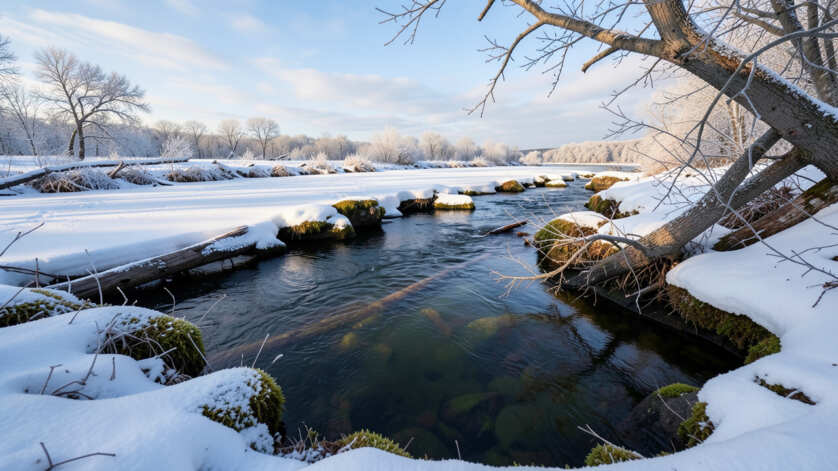
Winter presents the biggest challenge for anglers looking to catch bass. The cold weather and shorter days mean bass metabolism slows down significantly. They become much less active and focus on conserving energy.
Understanding where bass retreat during the colder months is essential, and Coves and Pockets: Where Bass Hold During Each Season Cycle plays a vital role even in winter.
During winter, bass typically move to deeper, more stable water. They avoid the extreme fluctuations in temperature that can occur in shallow areas. However, not all deep water is created equal.
Bass will seek out deeper coves and pockets that offer protection from harsh winds and strong currents. These areas often have slightly warmer water temperatures than the main lake or river, or at least more consistent temperatures. Think about areas that are out of the main current, perhaps with a gradual slope into deeper water.
Structure is paramount in winter. Bass will relate to deeper structure like submerged humps, drop-offs, and channel edges within these protected coves and pockets. They are not actively chasing prey as they do in warmer months.
A common mistake is fishing the same coves year-round; bass shift their holding areas drastically with each season, so always adjust your target locations based on the seasonal patterns.
Instead, they tend to position themselves near potential food sources and wait for an easy meal to swim by. The goal is to find areas where baitfish are also congregating, as bass will often be nearby, conserving energy and waiting for an opportunity. Look for deeper pockets that have access to the main channel or deeper water.
Winter Bass Strategies
Winter fishing for bass in coves and pockets requires patience and a finesse approach. Slow, subtle presentations are the name of the game. Jigs, drop-shot rigs, and small, slow-moving soft plastics are often the most effective.
The key is to get your lure in front of the bass and keep it there, giving them ample time to investigate and bite. Think about vertical presentations, dropping your bait straight down to where the bass are holding.
Consider areas that have a slightly darker bottom composition, as these can absorb a bit more heat from the weak winter sun, potentially warming the water fractionally. Also, look for any incoming warmer water sources, like minor springs or discharge pipes, which can create small pockets of slightly warmer water that bass may congregate near. Finding these stable, deeper coves and pockets that offer protection and a slight temperature advantage is the key to successful winter bass fishing.
Remember, the bass are conserving energy, so your lure should mimic that same slow, deliberate movement.
Comparing Seasonal Bass Holding Zones
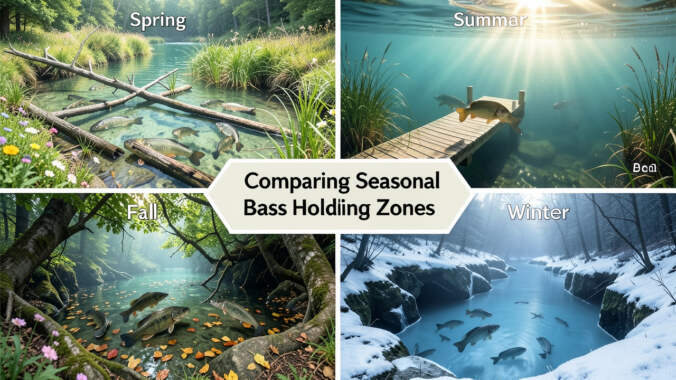
Bass locations shift dramatically throughout the year. Understanding these shifts in Coves and Pockets: Where Bass Hold During Each Season Cycle helps anglers predict where to find fish. Each season presents unique opportunities and challenges.
This table highlights the general patterns, but always remember that local conditions and specific bodies of water can influence these patterns. Always be observant and adapt your approach based on what you see and feel on the water. The core principle remains: coves and pockets are critical throughout the year for bass.
Frequently Asked Questions
Question: How do I find the best coves and pockets for bass fishing?
Answer: Use fishing maps to identify areas with sharp turns, indentations, or smaller offshoots from the main body of water. Look for structure within these areas like submerged trees, rocks, or weed beds. Your electronics can also help pinpoint deeper holes or drop-offs within these zones.
Question: Does water clarity affect where bass hold in coves and pockets during spring?
Answer: Yes, in clearer water, bass might stay a bit deeper or tighter to cover in spring coves and pockets. In stained or muddy water, they’ll often be much shallower and more accessible near the banks.
Question: Are coves and pockets important for bass in all types of freshwater bodies?
Answer: Absolutely. While the size and shape of coves and pockets will vary between lakes, rivers, and reservoirs, the fundamental reasons bass seek them out – shelter, warmth, food, and ambush points – remain consistent across most freshwater environments.
Question: What is the best lure for catching bass in winter coves and pockets?
Answer: Slow-moving lures are best. Think jigs, drop-shot rigs, or small, soft plastic baits that can be presented very slowly. The goal is to mimic an injured baitfish or a struggling invertebrate, giving the bass time to strike with minimal energy expenditure.
Question: How does the presence of baitfish influence bass location in coves and pockets throughout the year?
Answer: Baitfish are the primary food source for bass. Bass will consistently be found in coves and pockets where baitfish are present, regardless of the season. Your success often depends on finding the bait first.
Question: Can coves and pockets hold bass even when they are not actively feeding?
Answer: Yes, even when bass are not actively feeding, they will use coves and pockets for shelter, to conserve energy in extreme temperatures, or to rest. These areas provide the necessary cover and stability they seek.
Final Thoughts
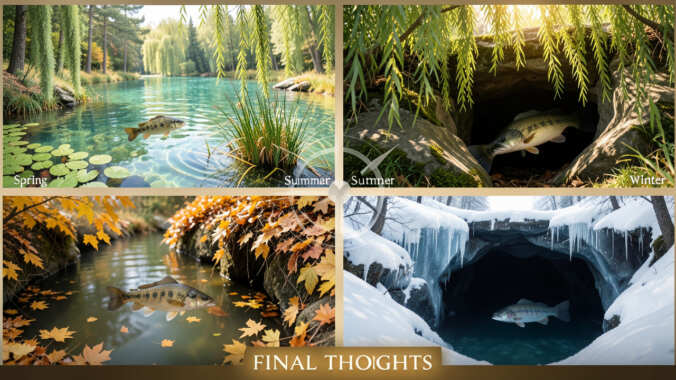
Mastering the art of finding bass in Coves and Pockets: Where Bass Hold During Each Season Cycle means understanding how temperature, cover, and food sources change throughout the year. By adapting your strategy to each season’s unique conditions, you can consistently locate these key bass habitats. This knowledge will help you catch more fish and enjoy every outing on the water.


One Comment