






How To Identify Largemouth Vs Smallmouth Vs Spotted Bass
Largemouth, smallmouth, and spotted bass can be identified by distinct physical traits: the jaw extends beyond the eye in largemouth, aligns with the eye in smallmouth, and stops short of the eye in spotted bass, with scale rows on the lower jaw being a key identifier for spotted bass. Largemouth prefer vegetated, slow-moving water, smallmouth thrive in rocky, current-rich areas, and spotted bass inhabit deeper, clearer reservoirs and rivers. Recognizing these differences allows anglers to select appropriate lures and techniques tailored to each species’ habitat and behavior. Mastery of these identification cues directly increases catch rates and fishing efficiency.
Knowing the difference between largemouth, smallmouth, and spotted bass makes your fishing trips more rewarding. It helps you choose the right bait and understand where these fish like to hang out. When you can accurately identify these popular game fish, you’ll fish smarter and likely catch more.
This guide will show you the key features to look for, helping you become a better angler and appreciate these fish even more.
Key Takeaways
- Learn the distinct physical differences between Largemouth, Smallmouth, and Spotted Bass.
- Understand how habitat and location can help you identify which bass species you’ve caught.
- Discover the best fishing techniques tailored to each of the three bass types.
- Appreciate the unique characteristics that make each bass species a prized catch.
- Gain confidence in your angling skills by mastering bass identification.
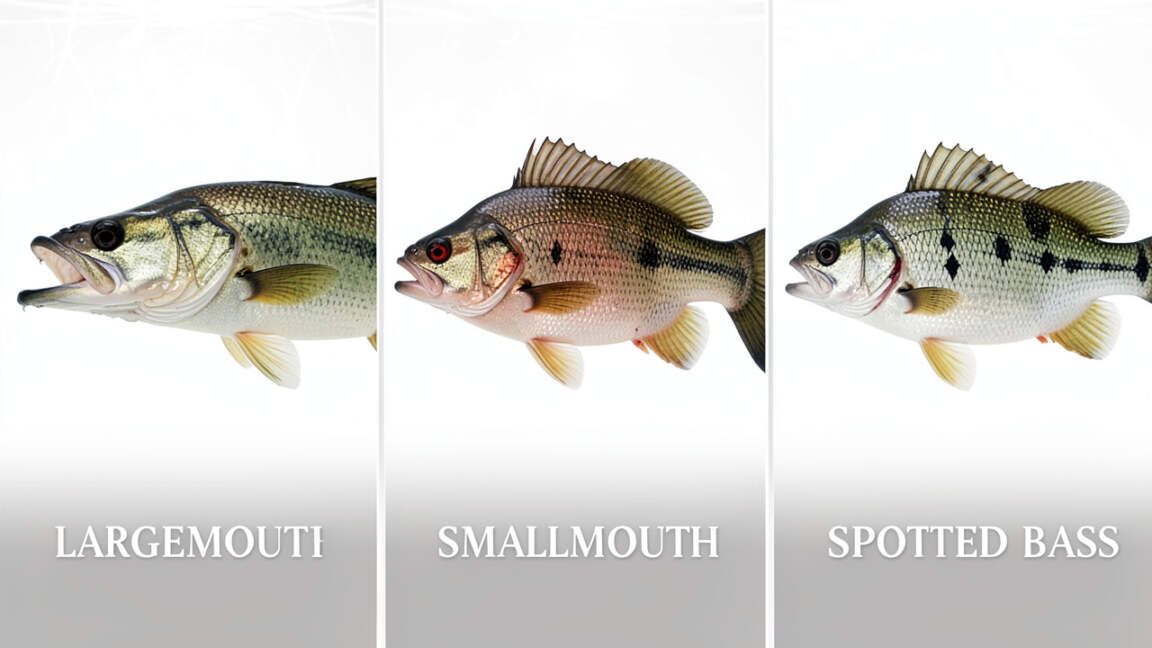
Spotting the Differences: A Quick Guide to Bass Identification
Fishing for bass is a favorite pastime for many anglers. But not all bass are created equal. The three most common species you’ll encounter in North America are the largemouth bass, smallmouth bass, and spotted bass.
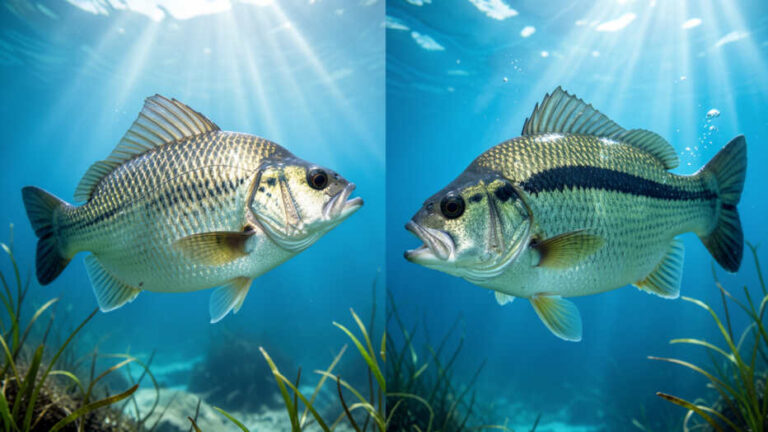
Largemouth bass coloration varies significantly with environment, but a dark lateral line from gill to tail is a consistent marker.
Learning to distinguish these bass species directly improves your ability to predict their behavior and choose the right lure.
Each has unique traits that set them apart. Being able to tell them apart is more than just a trivia point; it helps you understand their behavior and how to catch them effectively. This guide will break down How to Identify Largemouth vs Smallmouth vs Spotted Bass by focusing on their physical features, habitat preferences, and common locations.
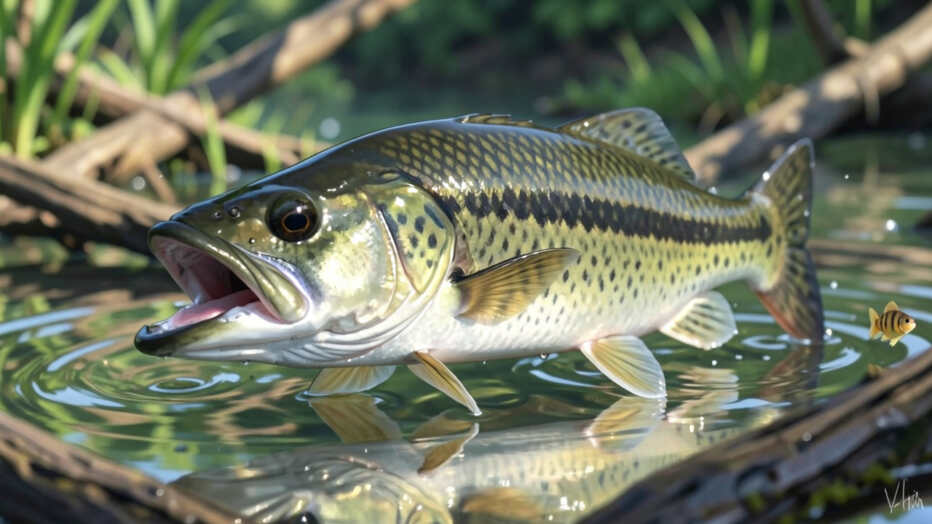
Understanding the Largemouth Bass
The largemouth bass is perhaps the most famous of the three. It’s known for its aggressive nature and its love for warmer, slower-moving waters. Anglers often target largemouth in lakes, ponds, and slow rivers.
Key Physical Features of Largemouth Bass
One of the most obvious features is its size. Largemouth bass are the largest of the three species. They have a large mouth that extends past their eye.
This is where they get their name. Their body is typically deep and stout. The coloration can vary depending on their environment.
They often have a dark lateral line that runs from their gill cover to their tail. This line can be broken or solid.
The upper jaw of a largemouth bass extends well past the rear of the eye. This is a defining characteristic. Their dorsal fin is also deeply notched, almost appearing as two separate fins.
Reddish eyes are a reliable clue for identifying smallmouth bass.
The coloration is usually dark green to olive green on the back, fading to a lighter belly. This camouflage helps them blend into their surroundings.
Habitat and Behavior of Largemouth Bass
Largemouth bass prefer habitats with plenty of cover. Think submerged vegetation, fallen trees, docks, and rocky bottoms. They like warmer water temperatures, generally between 70 and 80 degrees Fahrenheit.
These fish are ambush predators. They will lie in wait for prey to swim by. They feed on a variety of things including smaller fish, frogs, insects, and even small mammals.
During different seasons, their location can change. In the summer, they might be found in deeper, cooler water during the heat of the day. In spring and fall, they are often in shallower areas actively feeding.
Understanding these patterns is key to successful largemouth bass fishing.
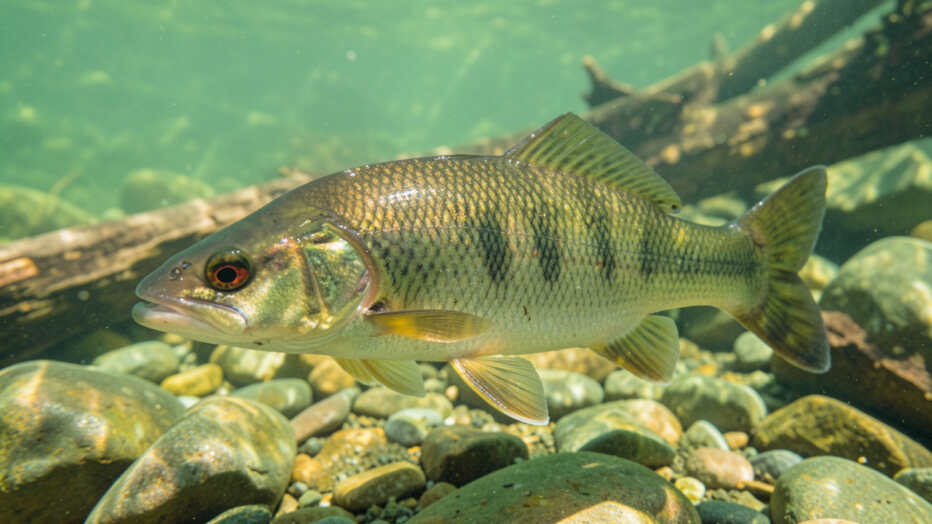
Identifying the Smallmouth Bass
The smallmouth bass, often called “smallie” or “bronzeback,” offers a different kind of fight. They prefer cooler, clearer water than largemouth bass. You’ll often find them in rivers, streams, and the cooler, rocky parts of lakes.
Their preference for faster water makes them a challenge to catch.
Distinct Traits of Smallmouth Bass
As the name suggests, smallmouth bass have a smaller mouth compared to largemouth. The upper jaw typically only reaches to the middle of the eye. Their body is more streamlined and torpedo-shaped than a largemouth.
This helps them navigate faster currents. Their coloration is usually a bronze or brown, with vertical dark bars on their sides instead of a distinct lateral line. The fins are often a reddish or orange hue.
The dorsal fin of a smallmouth is not deeply notched like a largemouth. It’s usually continuous or only slightly indented. The eyes are often reddish.
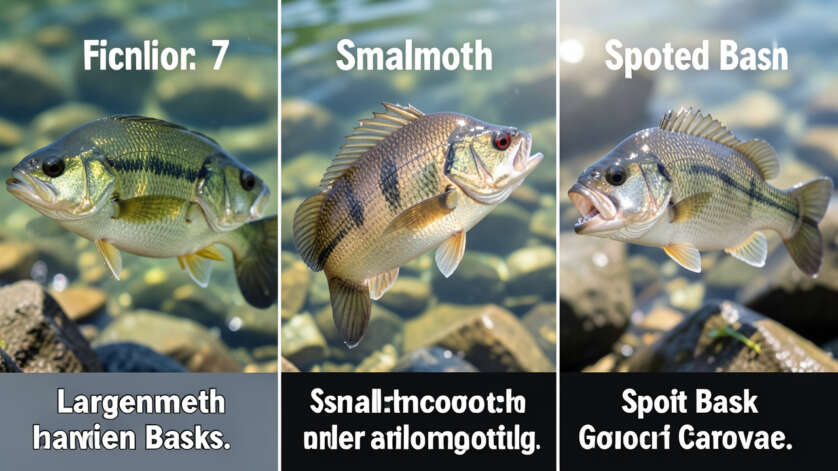
Check the mouth: a spotted bass's upper jaw reaches just behind the eye, a key middle-ground between largemouth and smallmouth.
These subtle differences are important for accurate identification. Knowing these details is crucial for How to Identify Largemouth vs Smallmouth vs Spotted Bass.
Smallmouth Bass Environment and Habits
Smallmouth bass thrive in clear, cool water with rocky bottoms and plenty of current. They are often found in rivers and streams with riffles and pools. In lakes, they prefer rocky shorelines, drop-offs, and areas with submerged boulders.
They are less tolerant of murky water and warm temperatures than largemouth.
Smallmouth are known for their strong fighting ability when hooked. They will often leap out of the water. Their diet consists of crayfish, smaller fish, and insects.
They are active hunters and will chase down their prey. Their behavior can change with the seasons, moving to deeper water in winter and shallower areas in spring.
Distinguishing the Spotted Bass
The spotted bass is often mistaken for a largemouth or smallmouth due to its intermediate characteristics. They are found in a variety of habitats, but often prefer areas with less current than smallmouth and more structure than some largemouth populations. They are common in reservoirs, large rivers, and some natural lakes, especially in the southeastern United States.
Key Features of Spotted Bass
The mouth of a spotted bass is smaller than a largemouth but generally larger than a smallmouth, usually reaching to just behind the eye. Their body shape is typically more elongated than a largemouth but not as streamlined as a smallmouth. The most distinguishing feature is the presence of small, dark, irregular spots below the lateral line, giving them their name.
They also have a prominent lateral line that is often more distinct than on a largemouth.
The dorsal fin of a spotted bass is usually connected or only slightly notched, similar to a smallmouth, but the body shape and spotting are key identifiers. Their coloration is often a greenish-bronze. Learning these nuances is part of mastering How to Identify Largemouth vs Smallmouth vs Spotted Bass.
Relying solely on mouth size can lead to misidentification, especially between spotted and smallmouth bass.
Where Spotted Bass Live and What They Do
Spotted bass are adaptable and can be found in a range of water conditions. They prefer areas with submerged structure like rocks, logs, and vegetation. They often inhabit main lake points, creek channels, and submerged humps in reservoirs.
While they can tolerate some current, they are not as dependent on it as smallmouth bass.
Spotted bass are opportunistic feeders. Their diet includes small fish, crustaceans, and insects. They are known for being active feeders, especially during certain times of the day.
They can be a fun catch for anglers looking for a different bass fishing experience.
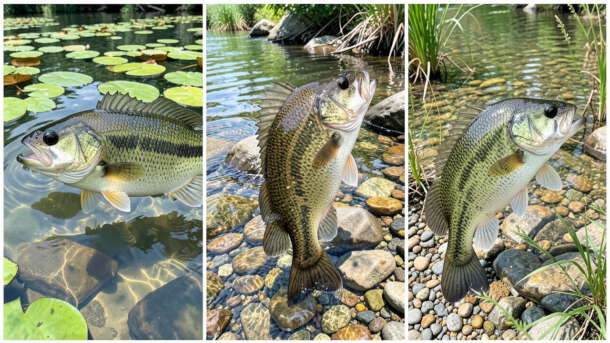
Comparing the Three Bass Species
To make it easier to remember the differences, let’s look at a side-by-side comparison. This table highlights the most important features to help you tell them apart quickly. Mastering How to Identify Largemouth vs Smallmouth vs Spotted Bass becomes much simpler when you can compare them directly.
Practicing a systematic check of mouth size, body shape, and markings will greatly improve your field identification accuracy.
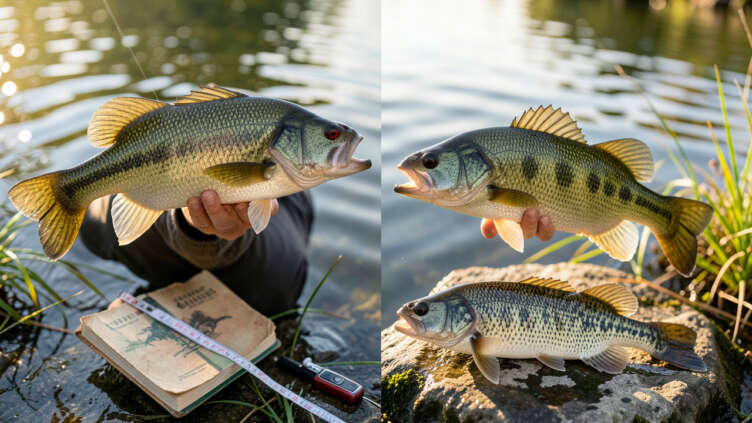
Tips for Successful Identification in the Field
When you land a bass, take a moment to observe it closely. Don’t rush to release it. Look at the mouth size first.
Does it extend past the eye? If so, it’s likely a largemouth. If it’s much smaller and only reaches the middle of the eye, consider smallmouth.
If it’s somewhere in between, look for spots.
Tailoring your bait and presentation to the specific bass species can dramatically improve your catch rate.
Next, examine the body shape. Is it deep and heavy, or long and sleek? Then, check for the defining markings.
Is there a clear lateral line, or are there distinct spots? The fin shape and color can also be clues. Practicing these steps will greatly improve your ability in How to Identify Largemouth vs Smallmouth vs Spotted Bass.
Remember, sometimes a fish might have traits that blend species, especially in areas where they overlap.
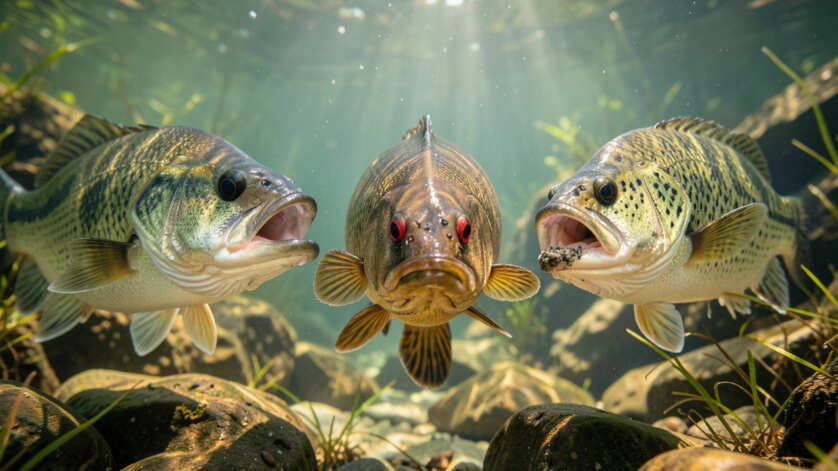
Why Knowing Your Bass Matters for Anglers
Understanding How to Identify Largemouth vs Smallmouth vs Spotted Bass directly impacts your fishing success. Each species has different feeding habits and preferred locations. For example, if you’re targeting largemouth, you might use weedless baits in thick vegetation.
For smallmouth, you might switch to small jigs or tubes fished around rocks in current.
Knowing the species also helps you comply with local fishing regulations. Some areas have different size or creel limits for each type of bass. It also allows you to appreciate the nuances of each fish.
Each species offers a unique challenge and a thrilling fight. This knowledge enhances your overall fishing experience.
Frequently Asked Questions
What is the easiest way to tell a Largemouth Bass from a Smallmouth Bass?
The easiest way is to look at the mouth. A largemouth bass has a large mouth that extends past its eye, while a smallmouth bass has a smaller mouth that only reaches to the middle of its eye.
Do Spotted Bass have spots?
Yes, spotted bass get their name from the small, dark, irregular spots found below their lateral line. They also have a more prominent lateral line than largemouth bass.
Which bass species is the largest?
The largemouth bass is generally the largest of the three species, known for its substantial size and powerful build.
Can you catch all three bass types in the same lake?
Yes, in some areas, especially in large reservoirs or lakes with diverse habitats, it is possible to catch largemouth, smallmouth, and spotted bass.
How does water temperature affect bass identification?
While not a direct identification feature, water temperature influences where each bass species prefers to live. Largemouth prefer warmer water, smallmouth prefer cooler water, and spotted bass are more adaptable.
Are Smallmouth Bass always bronze in color?
Smallmouth bass are often described as bronze or brown, but their coloration can vary depending on their environment and water clarity. They typically have dark vertical bars.
Final Thoughts
Accurately telling apart largemouth, smallmouth, and spotted bass is a skill that improves your fishing. By observing mouth size, body shape, coloration, and habitat, you can confidently identify your catch. This knowledge helps you use the right techniques and appreciate the diversity of these popular game fish.