







Midday Bass Fishing Strategy: When The Sun Is Highest
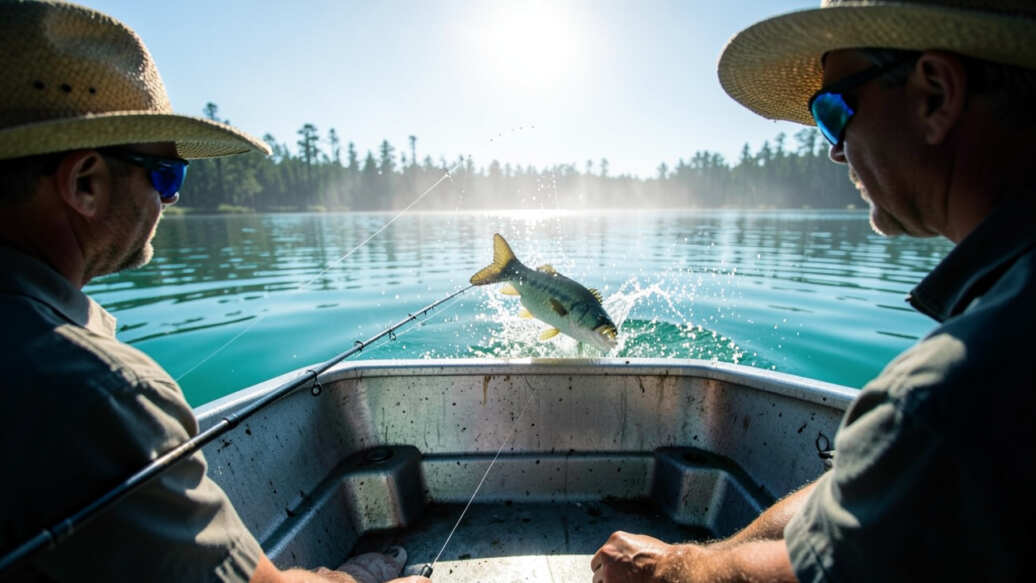
Midday bass fishing requires targeting shaded areas or deeper water where bass retreat when the sun is highest. Bass shift to structure like docks, laydowns, or deep ledges to escape direct light and remain catchable. Adjusting lure selection to soft plastics, jigs, or spinnerbaits that can be presented slowly and precisely increases success during these hours. Understanding these behavioral changes allows anglers to remain productive under the toughest light conditions.
Many anglers think bass go inactive when the sun is directly overhead, but that’s not always the case. Understanding how bass react to the brightest part of the day can help you catch more fish. This guide will show you how to adjust your approach for successful fishing during these challenging hours.
We’ll cover how to find bass when the sun is highest and what lures and techniques work best. You’ll learn how to keep catching fish when others are packing up. Get ready to refine your Midday Bass Fishing Strategy: When the Sun Is Highest and make those tough hours your most productive.
Key Takeaways
- Bass behavior changes significantly under high sun, often seeking shade or deeper water.
- Adjusting lure selection and presentation is crucial for midday success.
- Finding bass during peak sun requires understanding their preferred hiding spots.
- Specific techniques can entice bites when bass are less active.
- Water clarity and temperature play vital roles in midday bass fishing.

Finding Bass When the Sun Is Highest
When the sun beats down directly, bass tend to move. They don’t just disappear; they seek refuge. This often means moving to areas with shade or cooler water.
Your Midday Bass Fishing Strategy: When the Sun Is Highest needs to focus on these locations. Think about where bass can hide from the direct glare and heat.
Look for bass around any available cover. This includes overhanging trees, docks, submerged vegetation, and even the shady side of boat hulls. The deeper the water, the more likely bass are to be found there during the hottest part of the day.
They are looking for comfort and a strategic advantage to ambush prey.
Shade is Your Friend
The most obvious places to find bass are where there’s shade. This is especially true on clear, sunny days. The sun’s rays penetrate the water, and bass will move to avoid the direct light and warmer surface temperatures.
The deeper the shade, the better. This is a core principle of Midday Bass Fishing Strategy: When the Sun Is Highest.
Consider areas with thick lily pads or dense weed beds. These natural canopies offer excellent protection. Even a single large rock or a fallen log can create enough shade to hold bass.
Switching to softer, darker lure colors like green pumpkin or brown can help your bait blend into the shadows and appear more natural to wary bass.
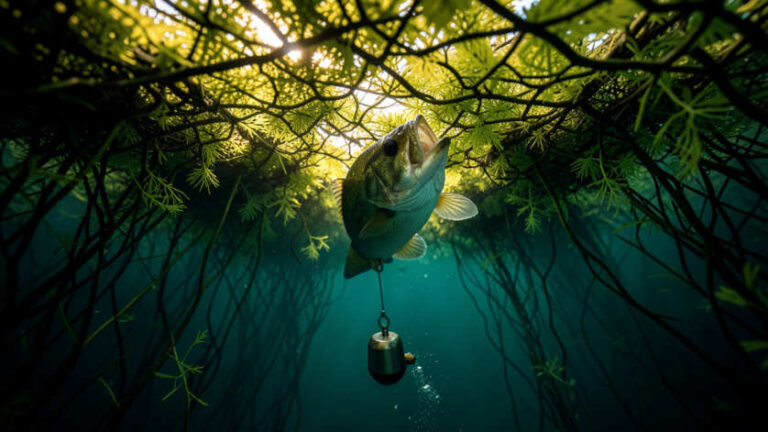
Look for bass in the deepest shade available, such as under dense overhangs or thick docks, as they seek to escape the direct light and heat.
Always cast your bait or lure into these shaded zones first.
The Appeal of Deeper Water
As the sun climbs higher, the surface water can become warmer than the depths. Bass, being cold-blooded, will seek out cooler temperatures. This often means retreating to deeper parts of the lake or river.
This is a key aspect of a successful Midday Bass Fishing Strategy: When the Sun Is Highest.
Look for drop-offs, underwater humps, or channels. These deeper areas offer both cooler temperatures and a place to escape the bright light. If you’re fishing a pond, even a few extra feet of depth can make a big difference.
Bass will be more comfortable and more likely to feed in these cooler zones.
Structure and Cover Still Matter
Even with the sun high, bass will still relate to structure and cover. They use these features for both protection and as ambush points. Don’t forget about submerged logs, rock piles, and man-made structures like bridges and culverts.
These provide shade and a place to rest.
The key is to understand that while bass might change their location, their fundamental need for structure and cover remains. Your Midday Bass Fishing Strategy: When the Sun Is Highest must incorporate these elements. Think about how the sun affects the visibility and temperature around these structures.
Adjusting Lure Selection for Midday
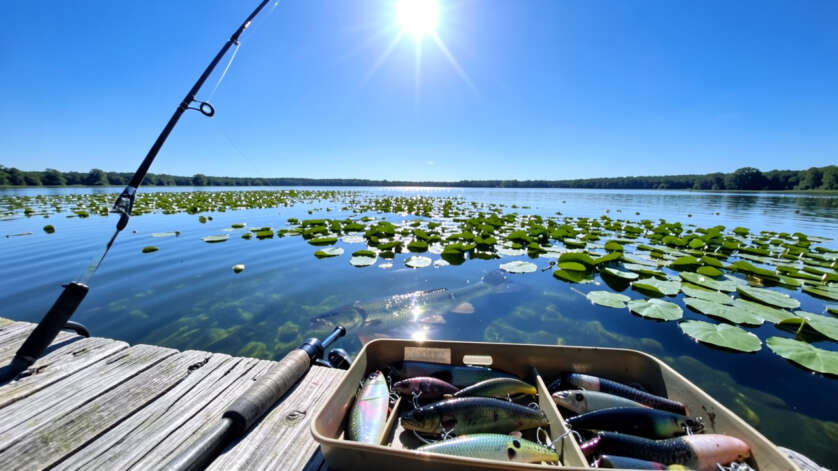
Lure choice is critical when the sun is high. Bass can become more finicky and less aggressive. You need to present lures that are subtle, less flashy, and mimic prey that is also seeking shade or cooler conditions.
This is where a refined Midday Bass Fishing Strategy: When the Sun Is Highest really pays off.
Consider the color and action of your lures. Natural, darker colors often work best during bright conditions. They blend in better with the shadows and are less likely to spook wary bass.
Topwater Lures in the Midday Sun?
While topwater lures are often associated with dawn and dusk, they can still be effective midday, especially in certain situations. If bass are holding tight to cover, a topwater bait can trigger a reaction strike. The key is to use lures that create a subtle commotion rather than a lot of noise.
Think about walking baits with a natural retrieve or poppers that create small, enticing splashes. The lure needs to look like a struggling baitfish or insect trying to escape the heat. This is a nuanced part of Midday Bass Fishing Strategy: When the Sun Is Highest.
A slow, deliberate retrieve that mimics an injured or resting prey is often more effective than a fast action when bass are conserving energy.
The Power of Soft Plastics
Soft plastics are incredibly versatile and can be deadly during midday. They offer a natural presentation and can be fished slowly and precisely. Texas rigs, shaky heads, and drop shots are excellent choices.
Try using smaller, more natural-colored soft plastics. Worms, creature baits, and crawfish imitations can all be effective. The key is to make your presentation as lifelike as possible.
A slow, deliberate retrieve is often best. This allows bass to get a good look at your bait before striking. This is a cornerstone of any effective Midday Bass Fishing Strategy: When the Sun Is Highest.
Jigs and Spinnerbaits for Deeper Water
When bass move deeper, jigs and spinnerbaits can be very effective. A jig can be hopped and dragged along the bottom, mimicking a crawfish. This is a classic tactic for bass holding tight to structure.
Spinnerbaits, especially those with single, larger blades, can be effective when fished at a moderate pace. The flash and vibration can attract bass from a distance. Try using more subdued blade colors like gold or silver, or even painted blades to match the conditions.
This is a practical application of Midday Bass Fishing Strategy: When the Sun Is Highest.
Presentation Techniques for High Sun
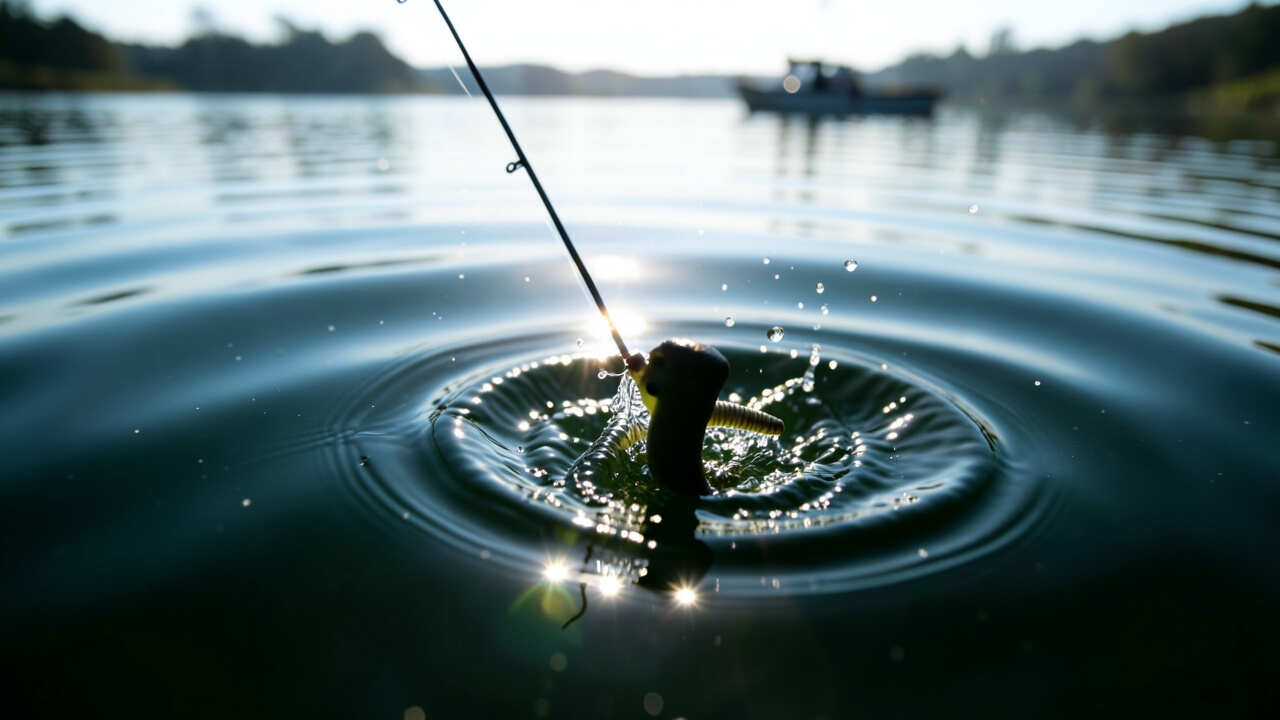
How you present your lure is just as important as the lure itself. Midday bass can be more cautious, so a slower, more precise presentation is often necessary. Your Midday Bass Fishing Strategy: When the Sun Is Highest needs to account for this increased wariness.
Avoid making a lot of noise or creating excessive disturbance. Bass are less likely to chase a fast-moving bait when they are trying to conserve energy in the heat.
Slower is Often Better
When the sun is high, slow down your retrieve. Bass are not as active and may not chase down a fast-moving lure. A slow, methodical presentation allows them to inspect the bait.
They might be more inclined to strike if they feel it’s an easy meal.
This applies to all lure types. Even with a spinnerbait, a slower retrieve can be more effective. For soft plastics, a dead-stick presentation or a very slow drag can be irresistible.
Patience is key for a successful Midday Bass Fishing Strategy: When the Sun Is Highest.
Monitor water temperature and oxygen levels; bass will seek out cooler, well-oxygenated areas like creek inlets or shaded deeper pockets during midday.
Targeting Specific Spots
Instead of casting and retrieving broadly, focus on targeting specific pieces of cover or structure. Cast your lure precisely into the shade line or directly over a submerged log. Give the bass a reason to bite right there.
This precision approach is crucial when bass are hunkered down. You want your lure to land as close as possible to where they are holding. This minimizes the distance they have to travel to strike.
This focused approach is vital for your Midday Bass Fishing Strategy: When the Sun Is Highest.
Using Electronics
If you have a fish finder, use it to locate bass during the midday. Look for suspended fish or fish holding tight to the bottom in deeper water. This can save you a lot of guesswork.
Electronics are a valuable tool for any angler, especially when conditions are tough.
Once you locate a school of fish, try different lures and presentations to see what triggers a bite. Sometimes, a subtle change in lure color or retrieve speed can make all the difference. This is a smart addition to your Midday Bass Fishing Strategy: When the Sun Is Highest.
Water Conditions and Midday Bass
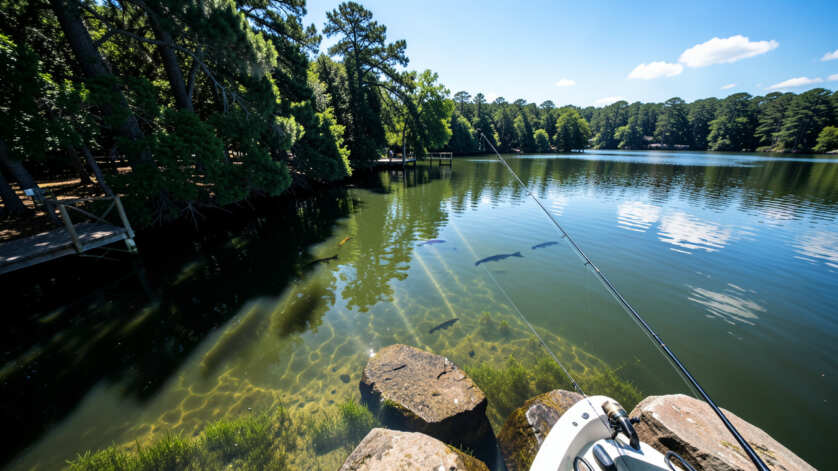
The condition of the water plays a significant role in how bass behave during the midday. Factors like water temperature, clarity, and oxygen levels are all important. Your Midday Bass Fishing Strategy: When the Sun Is Highest must adapt to these variables.
Understanding these conditions will help you make better decisions about where to fish and what lures to use.
Water Temperature’s Impact
Bass are sensitive to water temperature. While they seek cooler water during high sun, there’s a limit to how warm they can tolerate. If the surface water gets too hot, they will move to deeper, more stable temperatures.
This is a primary driver for their midday movements.
Conversely, if the water is already cool and the sun is intense, they might stay shallower in shaded areas. Always be aware of the temperature and how it might be affecting the bass. This is a fundamental part of a successful Midday Bass Fishing Strategy: When the Sun Is Highest.
Don't limit yourself to midday; the most aggressive feeding often occurs during low-light periods, so plan your trips to cover dawn and dusk for best results.
Water Clarity Matters
In clear water, bass are more easily spooked by the bright sun and overhead predators. They will often move to deeper water or seek out thicker cover to hide. This makes a subtle presentation even more important.
In stained or muddy water, the sun’s glare is reduced. This means bass might not move as drastically. They may stay shallower and be more active throughout the day.
Your lure choice and color can be adjusted based on water clarity. This consideration is vital for your Midday Bass Fishing Strategy: When the Sun Is Highest.
Oxygen Levels
Oxygen levels can also influence bass behavior. During hot, stagnant conditions, oxygen can become depleted, especially in the shallows. Bass will seek out areas with better oxygenation, which are often deeper or where there’s current flow.
If you are fishing a lake with known oxygen issues, focus on areas where water is moving or where there’s a significant depth change. This is a less obvious but important aspect of a comprehensive Midday Bass Fishing Strategy: When the Sun Is Highest.
When to Fish Other Times
While this guide focuses on midday, it’s worth remembering that bass are generally more active during lower light conditions. Understanding when bass are most likely to feed can help you plan your fishing trips.
Dawn and dusk are prime feeding times for bass. They are more comfortable moving in the shallows and actively hunting. However, a well-executed Midday Bass Fishing Strategy: When the Sun Is Highest can still yield great results.
Early Morning and Late Evening
The hours just after sunrise and before sunset are often the most productive. The lower light levels make bass feel more secure. They will venture into shallower waters to feed on baitfish and other prey.
This is when you might see more aggressive topwater action.
If you’re struggling midday, consider adjusting your fishing schedule. Sometimes, the best strategy is simply to fish when the bass are naturally more active. However, if you must fish midday, apply the principles discussed here.
Cloudy Days and Overcast Conditions
Cloudy days can significantly change the midday fishing game. When the sun is obscured, bass are less stressed by the light and heat. They tend to remain more active and may not move as drastically.
On overcast days, you can often use a broader range of lures and presentations. The fish might be more willing to chase. This is a great time to experiment with faster retrieves or brighter lures.
This offers a different approach compared to a bright, clear midday. It’s a variation on the Midday Bass Fishing Strategy: When the Sun Is Highest, but still requires understanding the fish’s comfort level.
Frequently Asked Questions
What is the best lure for bass when the sun is directly overhead?
Soft plastics like worms or creature baits on a Texas rig or shaky head are excellent. Natural, subdued colors work best. Slow, deliberate retrieves are key.
Do bass hide in shade during the middle of the day?
Yes, bass actively seek out shade to escape the direct sun and heat. Look for them under overhanging trees, docks, or dense vegetation.
Is midday bass fishing possible on a bright, sunny day?
Absolutely. A solid Midday Bass Fishing Strategy: When the Sun Is Highest involves understanding bass behavior and adjusting your tactics to find them in cooler, shaded areas or deeper water.
Should I use a faster or slower retrieve during midday?
Generally, a slower retrieve is more effective midday. Bass are less active and may not chase fast-moving baits. A slow presentation allows them to inspect and strike.
Does water temperature affect midday bass fishing?
Yes, water temperature is a major factor. Bass will move to cooler water when the surface gets too warm. This often means going deeper or finding shaded areas with stable temperatures.
Are topwater lures useless in the midday sun?
Not entirely. They can still work for triggering reaction strikes, especially when bass are holding tight to cover. Use subtle, natural-looking topwater baits with a less aggressive retrieve.
Final Thoughts
Catching bass when the sun is highest is achievable with the right approach. Focus on finding them in shaded areas or deeper, cooler water. Adjust your lures and presentations to be more subtle and natural.
Implementing a smart Midday Bass Fishing Strategy: When the Sun Is Highest will help you turn those tough hours into successful fishing moments.


2 Comments