

How Water Temperature Drives Bass Behavior All Year Round
Water temperature is the primary driver of bass behavior throughout the year, dictating their location, activity levels, and feeding patterns. In spring, warming waters trigger a pre-spawn feeding frenzy and then spawning as temperatures stabilize near 60–65°F. Summer heat pushes bass to deeper, cooler areas where they feed less frequently, while falling fall temperatures signal a heavy feeding binge before winter. Adjusting lure selection and presentation to match these seasonal temperature windows directly increases catch rates in any fishery.
Bass fishing can feel like a puzzle, especially when you’re not catching fish. The biggest piece of that puzzle is often the water temperature. It’s the main thing that tells bass where to be and what to do, all year long.
Understanding How Water Temperature Drives Bass Behavior All Year Round helps you predict their movements and find them faster. This knowledge means more time casting and less time guessing, leading to a more successful and enjoyable fishing trip, no matter the season.
Key Takeaways
- Water temperature is the main factor dictating bass location and activity levels throughout the year.
- Different temperature ranges trigger specific feeding patterns and spawning behaviors in bass.
- Adjusting your fishing techniques and lure choices based on water temperature is crucial for success.
- Understanding seasonal temperature shifts helps predict where bass will be found in lakes and rivers.
- Knowing how temperature affects bass helps anglers catch more fish and enjoy their time on the water more.
Spring: Warming Waters Spark Bass Activity
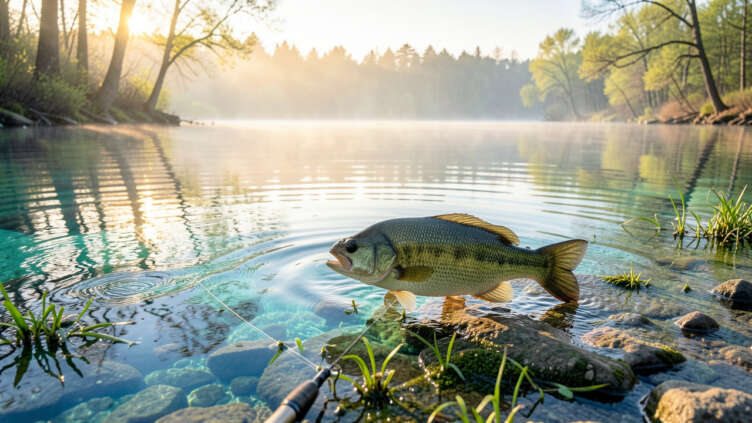
As winter fades, the first hint of warmer water signals a major shift for bass. These fish are cold-blooded, meaning their body temperature matches the water around them. When the water starts to warm, their metabolism speeds up.
This makes them more active and hungry. Early spring sees bass moving from deeper, warmer wintering holes into shallower areas.
The magic number for many bass species in spring is around 50-60 degrees Fahrenheit. This range often triggers their pre-spawn feeding frenzy. Bass will actively hunt for food to build up energy for spawning.
They are often found near structure like docks, fallen trees, and weed lines. These spots warm up faster and offer protection.
As the water hits the low 60s, bass begin their spawning ritual. Males build nests in shallow, protected areas. Females move in to lay their eggs.
During summer heat, bass often suspend near thermoclines or structure like drop-offs, which provide a quick escape to cooler depths while still allowing ambush feeding.
When the water temperature first reaches the low 50s, target shallow bays and creek arms where the sun warms the water fastest to find active bass.
During this time, bass can be more aggressive and territorial. They will defend their nests fiercely. This makes them vulnerable to anglers.
Understanding How Water Temperature Drives Bass Behavior All Year Round is key here.
Pre-Spawn Feeding Frenzy
Before spawning, bass are on a mission to eat. They need to replenish their reserves. This is a prime time for anglers.
Look for bass staging in areas between their winter haunts and the shallow spawning flats. They are often in transition zones.
Spawning and Nesting
Once water temperatures consistently reach the mid-60s to low 70s, spawning is in full swing. Bass focus on reproduction. They may be less interested in feeding but will strike out of aggression or defense.
Targeting areas with soft bottoms and cover is important for finding nesting bass.
Summer: Peak Activity and Deeper Dwellers
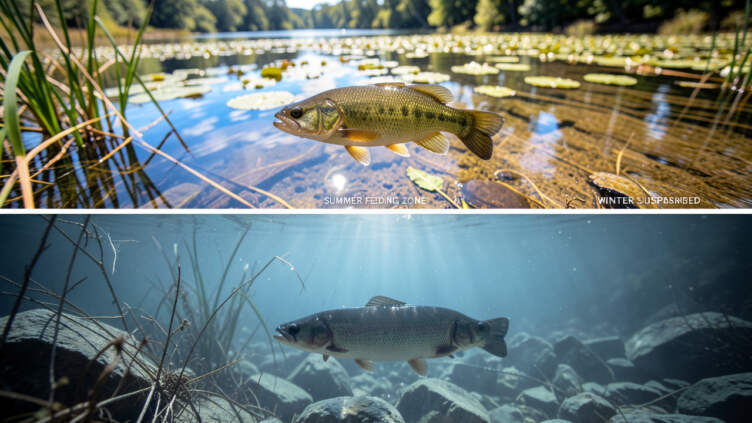
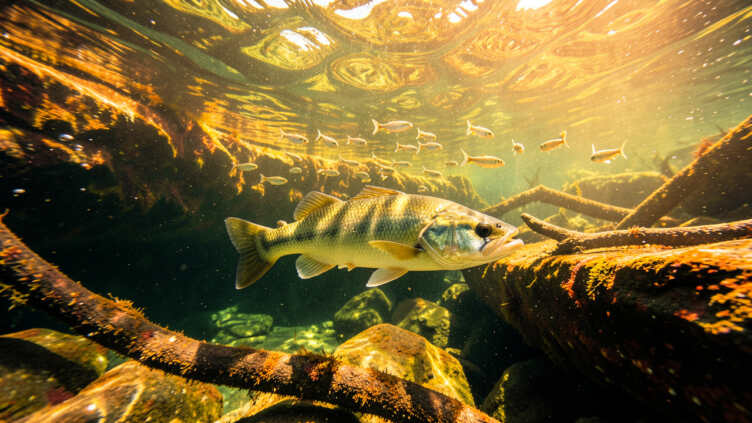
Summer brings higher water temperatures, often ranging from the high 70s to the low 80s Fahrenheit. This heat can push bass into deeper, cooler water to escape the sun’s direct rays and find comfort. However, they still need to feed.
This creates a unique challenge for anglers trying to locate them.
Bass behavior in summer is heavily influenced by temperature. In the heat of the day, they often seek shade and cooler water. This means looking for them around submerged structures like humps, drop-offs, and ledges.
These areas offer both shade and a consistent food source. They are also found in areas with good oxygen levels.
As the sun sets and the water cools slightly, bass become more active again. Evening and early morning are prime fishing times. They will move into shallower waters to feed on baitfish that also come closer to the surface.
Fall is the season when trophy bass are most catchable because cooling water triggers an instinct to pack on weight before winter.
This is where understanding How Water Temperature Drives Bass Behavior All Year Round truly pays off.
Finding Summer Bass
In summer, think about where bass can find relief from the heat. Deep water, shade, and good oxygen are key. Look for structure that provides these conditions.
This might include deep weed lines, submerged logs, or the shady side of boat docks.
Summer Feeding Patterns
Bass often feed in low-light conditions during summer. Early mornings, late evenings, and cloudy days are excellent. They will chase baitfish that are also more active during these times.
Fast-moving baits can be effective when bass are actively hunting.
Fall: The Big Bass Feed
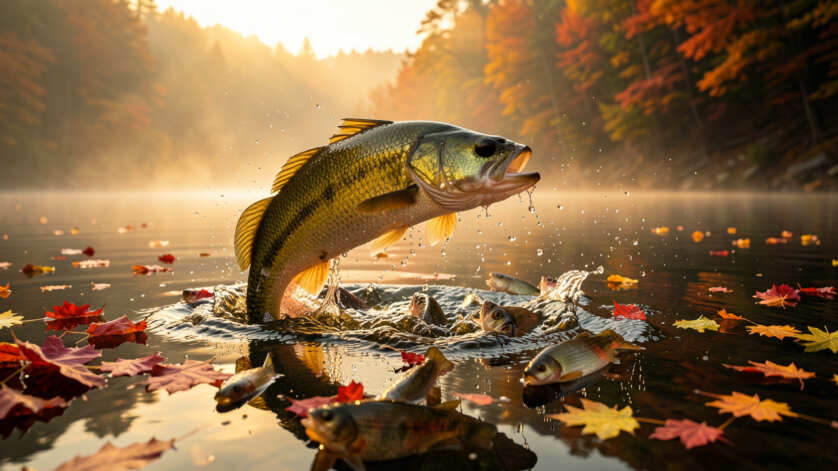
As summer’s heat begins to wane, fall brings a welcome change for bass anglers. The cooling water temperatures signal another feeding boom for bass. They know winter is coming and need to pack on weight.
This makes fall one of the best times to catch large bass.
Water temperatures in the 50s and 60s Fahrenheit are ideal for fall feeding. Bass become more aggressive and will chase larger prey. They start moving out of their deep summer haunts and back towards shallower areas.
This is a transition period, and bass can be found in a variety of depths.
In winter, slow down your presentation dramatically and fish deep, vertical structure like main lake points and creek channel bends where bass conserve energy.
Look for bass along creek channels, points, and the edges of weed lines that are still holding baitfish. As the water continues to cool into the 40s, bass will start moving towards their deeper wintering areas. But before they settle in, they feed heavily.
This is a critical time to understand How Water Temperature Drives Bass Behavior All Year Round.
Fall Feeding Frenzy
In fall, bass are focused on building up fat reserves for the lean winter months. They are actively hunting larger meals. This is a great time to use bigger lures and target aggressive bites.
They will often ambush prey from cover.
Transitioning to Winter
As water temperatures drop into the 40s, bass begin their migration to deeper, more stable wintering grounds. They will often follow baitfish schools as they move. Finding these baitfish can lead you straight to the bass.
Winter: Slowing Down in the Cold
Winter presents the biggest challenge for bass anglers. As water temperatures drop into the 30s and low 40s Fahrenheit, bass metabolism slows dramatically. They become much less active and feed infrequently.
Their primary goal is survival and conserving energy.
Bass will move to the deepest, most stable parts of the lake or river. These areas offer consistent temperatures and protection from harsh weather. They often group up in large schools.
Finding these wintering holes is the key to success during this season. This is where understanding How Water Temperature Drives Bass Behavior All Year Round is most important for patience.
Be aware that rapid temperature changes stress bass more than extreme stable temperatures, so avoid aggressive fishing when water is quickly warming or cooling.
When the water is very cold, bass are not actively chasing prey. They are more likely to strike lures that are presented slowly and directly in front of them. Think about a slow-moving bait that mimics a dying baitfish.
Patience and precise lure placement are paramount. The colder the water, the slower you should fish.
Wintering Habits
In winter, bass seek out the warmest, most stable water they can find. This is typically the deepest part of the body of water. They often hold near structure like submerged humps, ledges, or deep cover.
They conserve energy by moving very little.
Winter Feeding Strategies
Bass feed very little in winter. When they do feed, it’s usually on slow-moving prey. Jigs, spoons, and small, slow-retrieved swimbaits can be effective.
The key is to present the bait with very little action and let it appear as easy prey.
Temperature and Bass Physiology
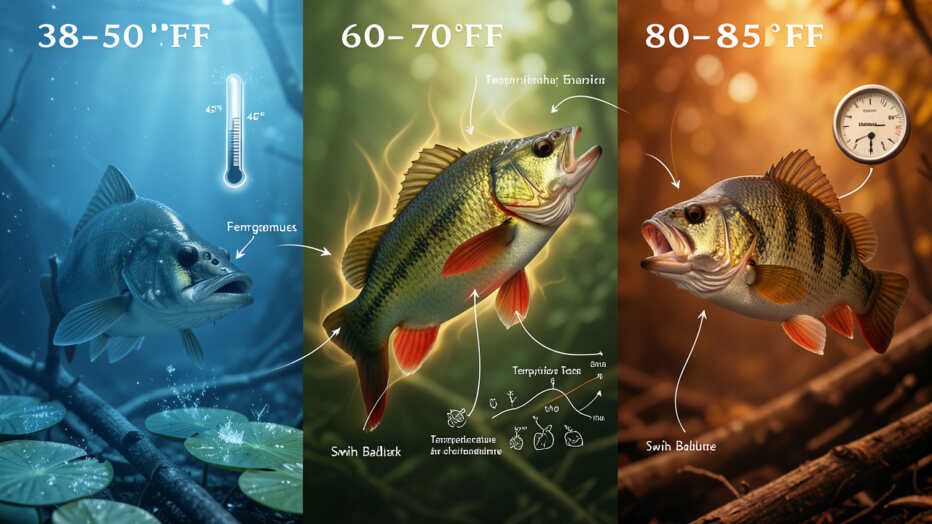
The direct link between water temperature and bass physiology is fascinating. Bass are ectothermic, meaning they rely on their environment to regulate their body temperature. As water temperature rises, their metabolic rate increases.
This means they need more food and are more active. Conversely, as temperatures drop, their metabolism slows down, leading to reduced activity and feeding.
This fundamental biological principle is why understanding How Water Temperature Drives Bass Behavior All Year Round is so vital for anglers. It dictates everything from their feeding schedule to their location in the water column. A bass in 80-degree water is a completely different animal than a bass in 40-degree water.
Always measure water temperature at multiple depths and locations, as surface readings can be misleading; bass often hold a few degrees cooler just a few feet down.
Metabolic Rate and Feeding
A bass’s metabolic rate is directly tied to water temperature. Higher temperatures mean a higher metabolism, leading to more frequent feeding. Lower temperatures mean a slower metabolism and less frequent feeding.
This is why bass are more aggressive feeders in spring and fall.
Activity Levels
When their metabolism is high, bass are more active. They will swim more, chase prey more vigorously, and respond to lures more readily. In colder water, their activity level drops significantly.
They become lethargic and conserve energy.
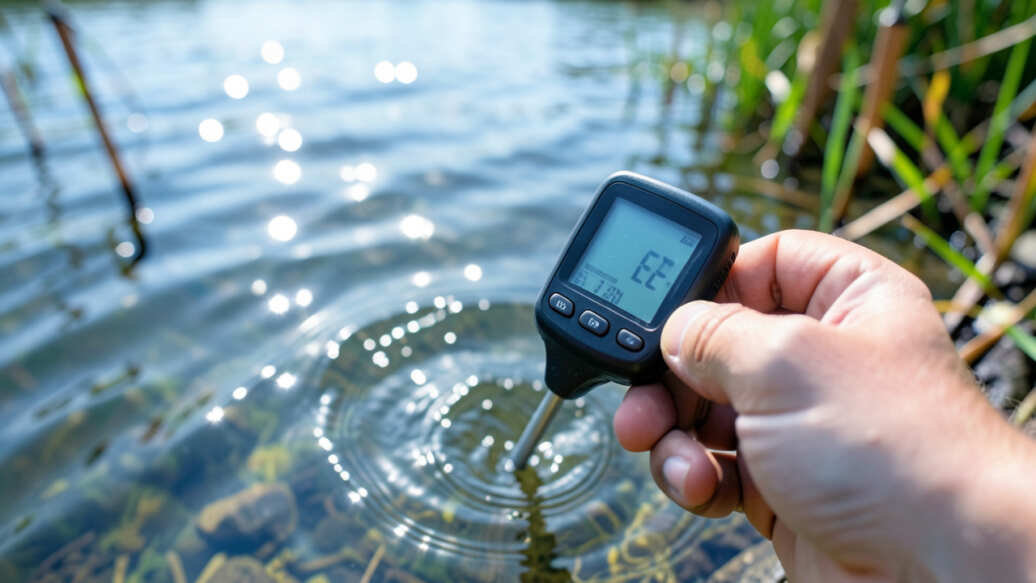
Reading the Water Temperature
Knowing how to accurately read water temperature is a skill every angler should develop. A simple, reliable thermometer is an essential piece of gear. Look for digital or floating thermometers that provide quick and accurate readings.
Don’t just take one reading. Take readings in different parts of the water body. Bass will seek out slightly different temperatures even within the same lake or river.
The smartest anglers match lure speed and profile to the water temperature, not the calendar, because bass behavior follows the thermometer, not the month.
For example, shallow coves might warm faster than the main lake. Creek channels can also offer slightly different temperature zones. This detailed approach helps refine your understanding of How Water Temperature Drives Bass Behavior All Year Round.
Thermometer Use
Use a good quality thermometer to get accurate readings. Check temperatures in shallow areas, main lake areas, near drop-offs, and in areas with current. This will give you a comprehensive picture of the water conditions.
Interpreting Readings
Once you have your readings, you can start to interpret what they mean for bass behavior. For instance, if the main lake is 55°F and a shallow cove is 60°F, you might find pre-spawn bass in the cove. If the main lake is 75°F and a deep point is 70°F, you know where to look for them in the summer heat.
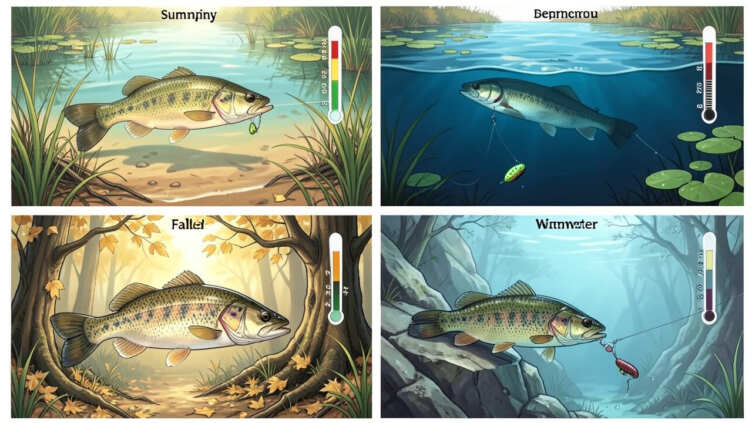
Seasonal Lure and Technique Adjustments
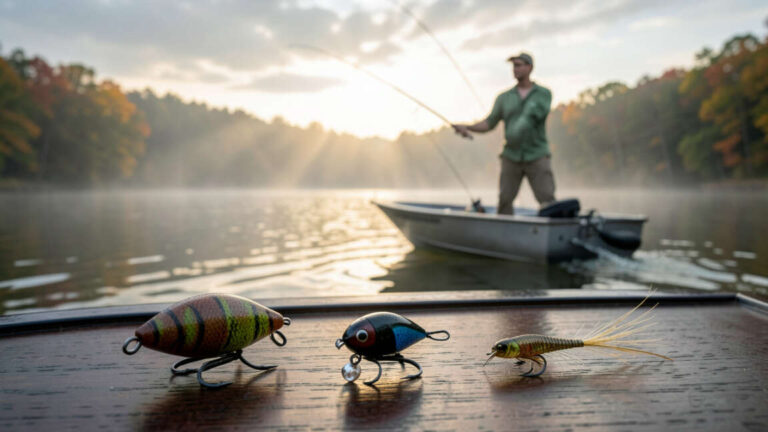
The most practical application of understanding How Water Temperature Drives Bass Behavior All Year Round is adjusting your fishing strategy. What works in the spring won’t necessarily work in the winter, and vice versa. Matching your lures and techniques to the water temperature and resulting bass behavior is crucial.
In warmer waters (spring, summer, fall feeding periods), bass are more active and aggressive. This allows for faster lure retrieves and a wider variety of lures. Crankbaits, spinnerbaits, and topwater lures can be very effective.
In colder waters, especially winter, you need to slow down. Smaller baits, subtle presentations, and finesse techniques are often necessary.
Spring Strategies
In spring, as water warms, bass move shallow. Use lures that mimic baitfish or crawfish. Focus on areas with cover and structure that warm up first.
Your retrieve speed should increase as the water gets warmer.
Summer Strategies
Summer heat means bass often retreat to deeper, cooler water. Use lures that can reach these depths or are effective during low light periods. Think about fishing around docks, submerged trees, and drop-offs.
Evening and morning fishing is often best.
Fall Strategies
Fall is a prime feeding time. Bass are looking for larger meals. Use bigger lures and target areas where baitfish are schooling.
As the water cools, you may need to slow down your retrieve slightly.
Winter Strategies
Winter requires extreme patience and slow presentations. Bass are not actively hunting. They are waiting for an easy meal.
Focus on presenting your bait very slowly and directly in their path. Think finesse tactics.
Frequently Asked Questions of How Water Temperature Drives Bass Behavior All Year Round
How does water temperature affect when bass spawn?
Bass typically spawn when water temperatures reach a consistent range, usually between 55°F and 70°F, depending on the species and region. This warming trend signals them to build nests and reproduce.
Where do bass go in the summer when the water gets hot?
In hot summer weather, bass seek cooler, oxygen-rich water. They often move to deeper parts of lakes and rivers, or find shade around submerged structures like trees, ledges, and weed lines.
Should I fish faster or slower in cold water?
You should always fish slower in cold water. Bass metabolism slows down significantly, making them less active and less likely to chase fast-moving baits. Slow, deliberate presentations are key.
What is the best water temperature for bass to feed actively?
Bass are most active feeders when water temperatures are between 60°F and 75°F. This range typically occurs in spring and fall, leading to their most aggressive feeding periods.
How does understanding How Water Temperature Drives Bass Behavior All Year Round help me catch more fish?
Knowing how temperature influences bass helps you predict where they will be and what they will be doing. This allows you to choose the right lures and techniques, leading to more successful fishing trips.
Does the type of bass (largemouth vs. smallmouth) matter for temperature preferences?
Yes, while both are affected by temperature, smallmouth bass generally prefer cooler water than largemouth bass, especially in the summer. Their ideal temperature ranges can differ slightly.
Final Thoughts
Mastering How Water Temperature Drives Bass Behavior All Year Round is your secret weapon. It helps you predict bass locations and feeding habits. By adjusting your fishing based on the water temperature, you’ll cast more effectively and catch more fish, making every outing more rewarding.



9 Comments