Spinnerbait Bass: Blade Selection, Speed, And Retrieve Tips
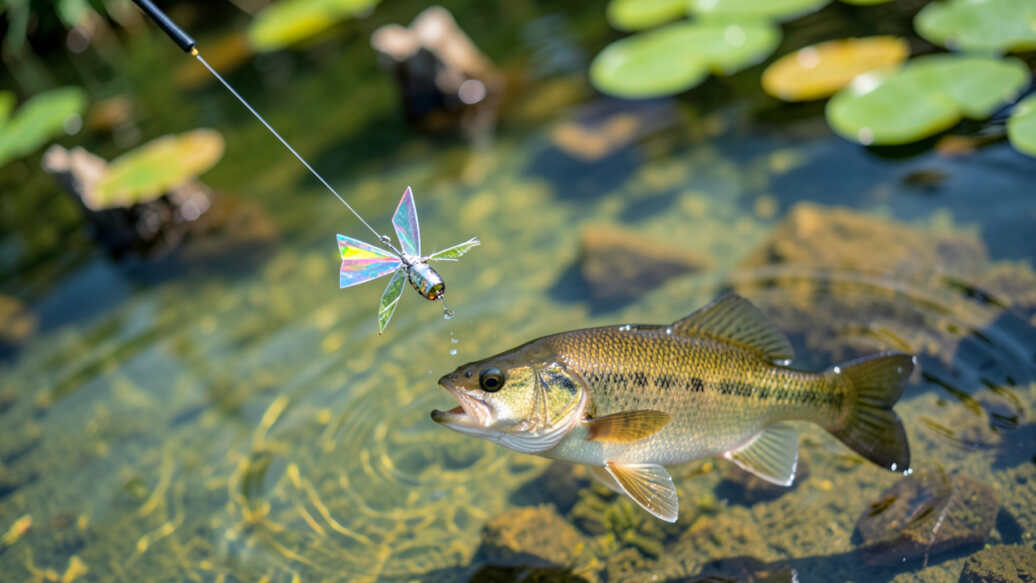
Selecting the right spinnerbait blade shape and size, adjusting retrieve speed to water conditions, and employing specific techniques like the slow crawdad crawl or fast baitfish blitz directly influence strike rates in bass fishing. Small changes in blade presentation and speed can trigger bites from hesitant or aggressive fish in different depths and clarity. Mastering the interplay of blade choice, retrieve speed, and technique is the key to transforming a slow day into a productive outing.
Catching bass with a spinnerbait is a fantastic way to spend a day on the water. But if you’re not getting the bites you want, you might be missing a few key details. Getting your spinnerbait presentation just right can make all the difference between a slow day and a fish-filled one.
We’ll break down the important parts of Spinnerbait Bass: Blade Selection, Speed, and Retrieve Tips so you can start bringing more bass to the boat. You’ll learn how small changes can lead to big results and a much more successful fishing trip.
Key Takeaways
- Choosing the right blade shape and size is crucial for attracting bass in different conditions.
- Adjusting your retrieve speed can trigger strikes from hesitant or aggressive fish.
- Different retrieve techniques, like steady retrieves and stop-and-gos, appeal to bass in various moods.
- Understanding how water clarity and depth affect your spinnerbait choice is key to success.
- Combining the right blade, speed, and retrieve will significantly boost your bass fishing success.
Mastering Spinnerbait Blade Choices for Bass
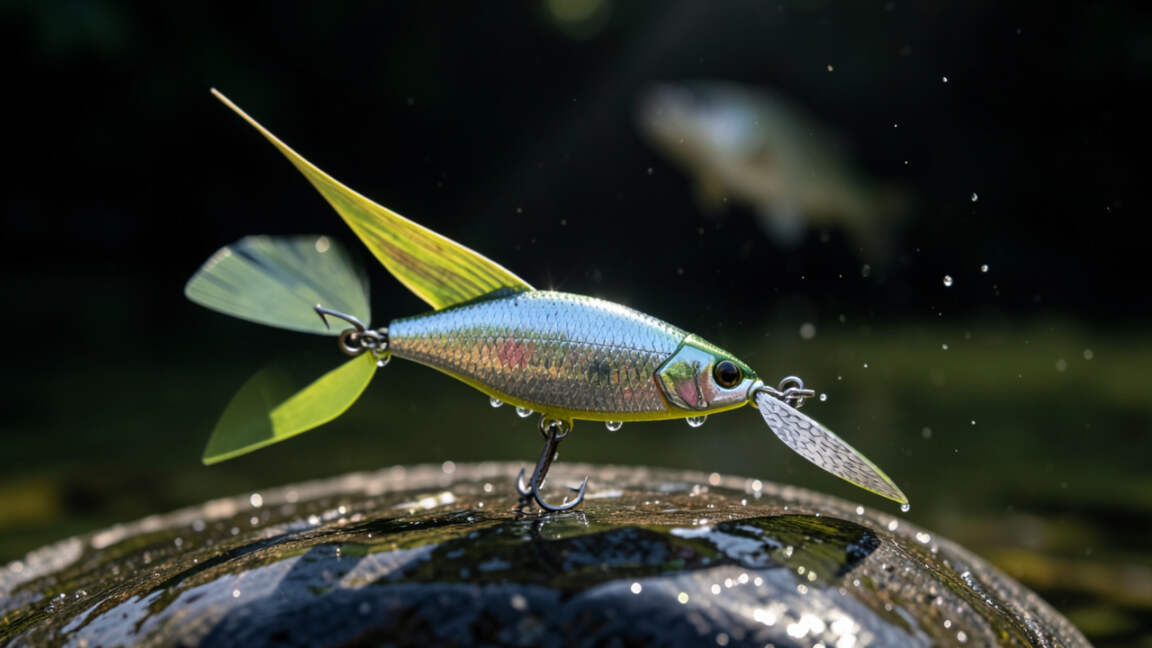
The blade on a spinnerbait is like the lure’s personality. It’s what creates flash and vibration, drawing bass from a distance. Different blade shapes and sizes do different jobs, and knowing when to use each one is a big part of successful Spinnerbait Bass: Blade Selection, Speed, and Retrieve Tips.
The Power of Flash and Vibration
Bass have great eyesight and are attracted to movement and light. Blades spin in the water, throwing off flashes of light. They also create a subtle vibration that fish can feel with their lateral lines.
These two factors combined are what initially grab a bass’s attention.
Start with a Colorado blade in stained water for maximum vibration, and switch to a willow leaf in clear water for a more subtle flash.
Common Blade Shapes and What They Do
You’ll see a few main blade shapes when you look at spinnerbaits. Each one has a purpose.
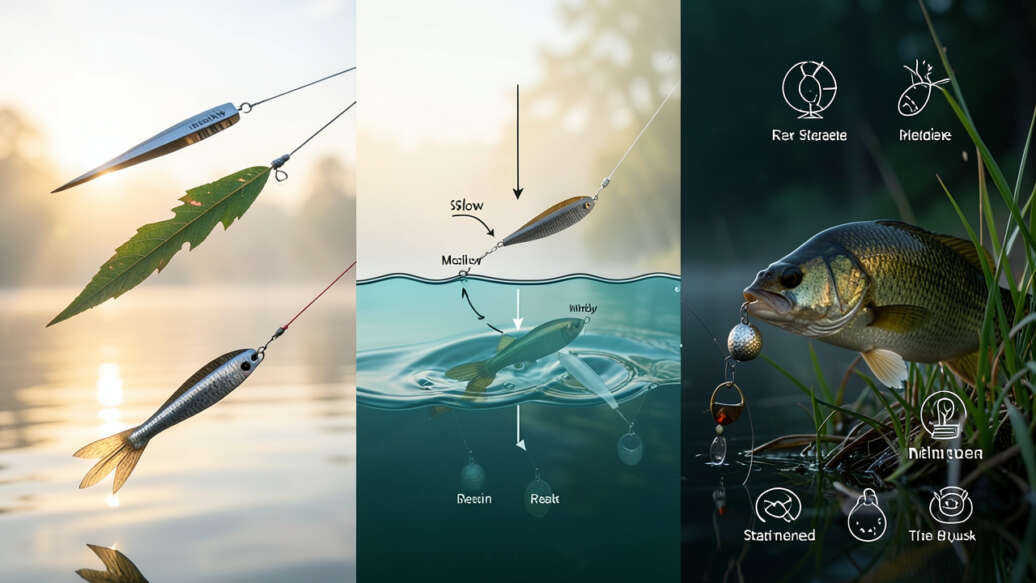
- Willow Leaf Blades: These are long and narrow. They spin easily and create a lot of flash with less vibration. They are great for clear water and when bass are a bit finicky. They cut through the water well, allowing for faster retrieves without too much drag.
- Colorado Blades: These are round and cup-shaped. They spin slower but create a lot of vibration. They are excellent in stained or dirty water where bass rely more on feeling than seeing. They also provide more lift, which can help keep your bait higher in the water column.
- Tandem Blades: Many spinnerbaits have two blades. Often, this is a combination, like a willow leaf in front and a Colorado in back. This gives you the best of both worlds: the flash of the willow leaf and the vibration of the Colorado. The smaller blade usually spins faster and helps turn the larger blade.
- Indiana Blades: These are a bit of a middle ground between willow leaf and Colorado. They offer a good balance of flash and vibration. They are versatile and can be used in many different situations.
Blade Size Matters
Larger blades create more flash and vibration. Smaller blades create less. In clear water, you might want smaller blades to be more subtle.
In dirty water, larger blades can help the bass find your bait. Also, consider the size of the spinnerbait itself. A big spinnerbait often needs bigger blades to balance correctly.
Finding the Right Spinnerbait Speed
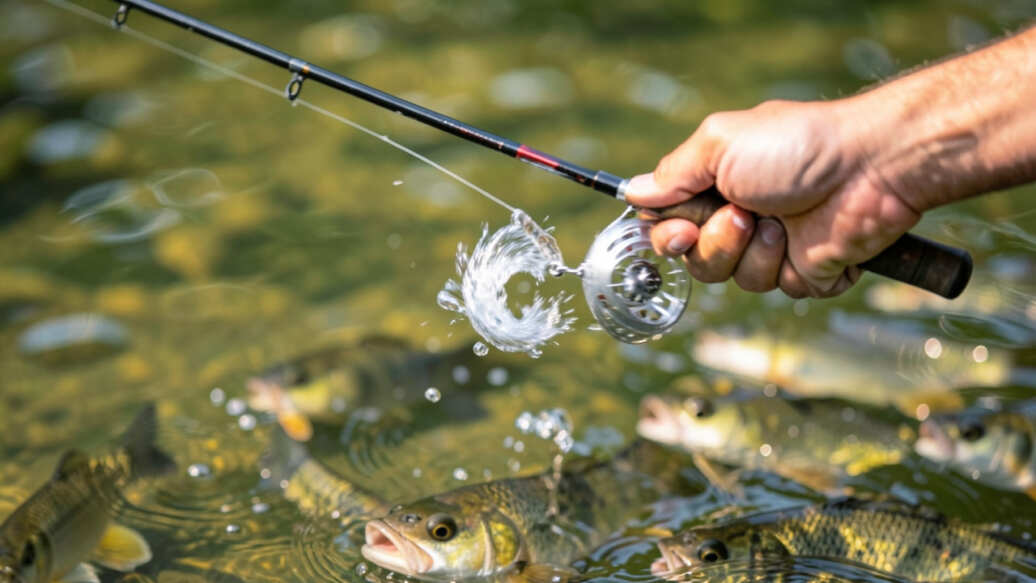
The speed at which you retrieve your spinnerbait is just as important as the blade. Bass aren’t always looking for a fast meal. Sometimes, a slow, enticing presentation is what they want.
Why Speed is Key
Fish behavior changes based on water temperature and their hunger level. In cold water, bass are less active and prefer slower food. In warmer water, they might chase faster prey.
Matching your retrieve speed to the bass’s mood is critical for successful Spinnerbait Bass: Blade Selection, Speed, and Retrieve Tips.
Slow Retrieve: The “Crawdad Crawl”
A slow retrieve mimics a crawfish or a wounded baitfish. This is often best in cooler water (below 60°F or 15°C). You want to reel just fast enough to keep the blades spinning and the bait moving forward.
If the bait starts to drag or fall too much, speed up slightly. This slow, steady pace allows bass to get a good look and strike with confidence.
Retrieve speed is critical because bass metabolism and activity level change with water temperature—slow down in cold water, speed up when it’s warm.
Medium Retrieve: The “Baitfish Chase”
This is your workhorse speed. It’s good for most conditions and when bass are actively feeding. You’re trying to imitate a fleeing baitfish.
The blades should be spinning well, and the lure should move with purpose. This speed works well in water temperatures from 60°F to 75°F (15°C to 24°C).
Fast Retrieve: The “Baitfish Blitz”
A fast retrieve can trigger reaction strikes. Bass might chase down a fast-moving bait out of instinct. This is often effective in warmer water (above 75°F or 24°C) when bass are more aggressive.
Be careful, though; a too-fast retrieve can make the lure unstable or blow through the strike zone too quickly.
Experimentation is Crucial
There’s no single magic speed. Always start with a medium retrieve and see what happens. If you’re not getting bites, try slowing down or speeding up.
Pay attention to how the lure feels and sounds. If it feels like it’s about to helicopter or pull too hard, adjust your speed. Your goal is to find the sweet spot that gets those bites.
Effective Spinnerbait Retrieve Techniques
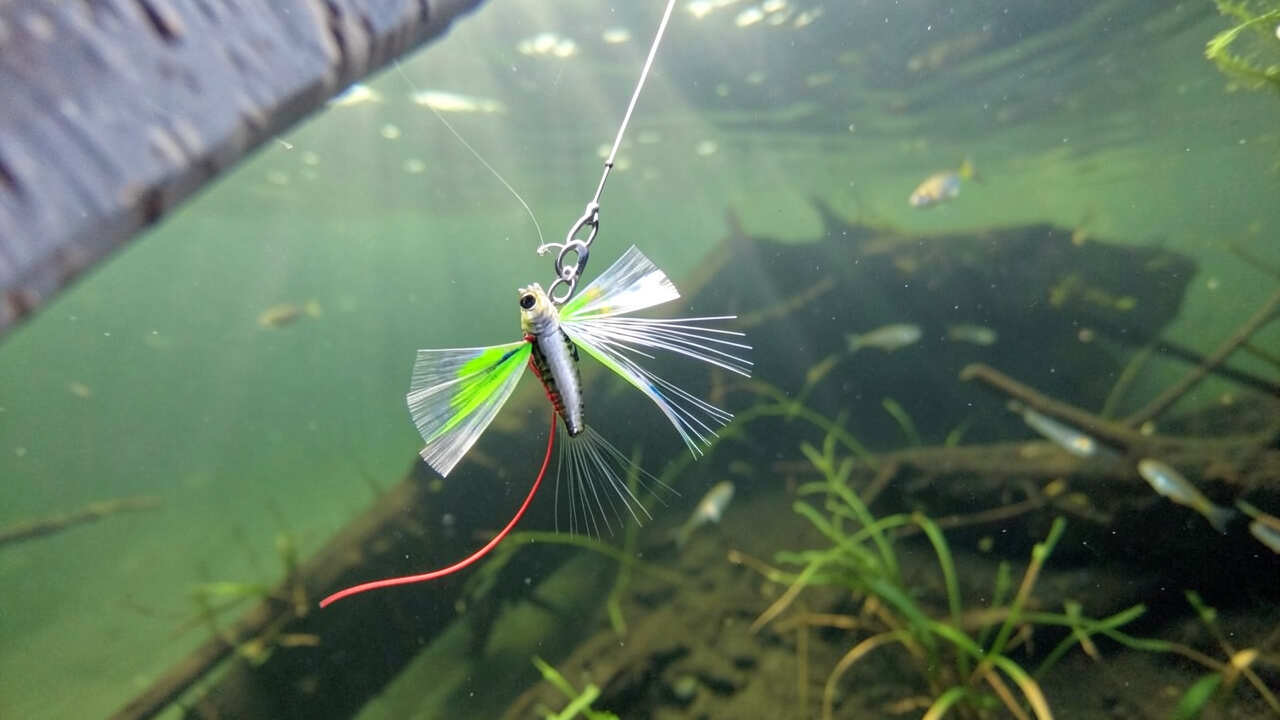
Beyond just reeling, how you work your spinnerbait can make a big difference. Different retrieves imitate different prey and can trigger bites when a simple steady retrieve won’t.
The Steady Retrieve
This is the most basic and often most effective technique. You simply cast out, let the lure sink to your desired depth, and reel at a steady pace. Vary the speed as discussed above.
This works best when bass are actively chasing baitfish.
The Stop-and-Go Retrieve
This technique is great for getting finicky bass to bite. Cast out and start a steady retrieve. Then, pause the retrieve for a few seconds.
The spinnerbait will flutter or fall. Many strikes happen during this pause. After the pause, resume your steady retrieve.
The stop-and-go retrieve mimics an injured baitfish, often triggering strikes from bass that ignore a steady presentation.
This mimics a wounded baitfish or a crawfish trying to hide.
The Bottom Bouncing Retrieve
For bass holding near the bottom, especially in areas with structure like rocks or weeds, try this. Cast out and let the spinnerbait sink all the way to the bottom. Then, retrieve it very slowly, allowing the bait to bump and drag along the bottom.
This imitates a crawfish foraging. You’ll often feel a slight tick or pull when a bass strikes.
The Burn and Kill
This is a more aggressive technique. Cast out and reel as fast as you can for a few seconds (the “burn”). Then, suddenly stop reeling for a moment, letting the bait flutter.
This sudden change in speed can trigger a reaction strike from bass that might not have chased a steady bait.
Working Around Cover
When fishing near weeds, docks, or laydowns, try to keep your spinnerbait just above or in contact with the cover. A well-placed spinnerbait that deflects off cover can often draw a strike. If you get snagged, a sharp jerk can sometimes free it and trigger a bite.
When to Use Which Spinnerbait Combination
Choosing the right spinnerbait setup for the conditions is where Spinnerbait Bass: Blade Selection, Speed, and Retrieve Tips really come together. Think about these factors:
Water Clarity
This is perhaps the biggest factor. In clear water, bass can see your bait from a distance. You want flash, but not too much vibration that might spook them.
Willow leaf blades and smaller blades work well. A steady, slightly faster retrieve can be effective. In stained or dirty water, bass rely more on vibration to find their food.
Colorado or tandem blades with more thump are great. A slower retrieve might be better so they can locate it.
Water Depth
The depth you’re fishing influences your bait choice. For shallow water (0-5 feet), a lighter spinnerbait with a faster blade that doesn’t dive too deep is good. For medium depths (5-15 feet), a medium-weight bait with a good balance of flash and vibration is effective.
In stained or dirty water, a slower retrieve gives bass more time to hone in on the vibration, so let your spinnerbait barely crawl along.
You might need to let it sink a bit. For deep water (15+ feet), a heavier spinnerbait is needed to get down and stay down. Tandem blades or larger single blades can help keep it in the strike zone.
A slower retrieve is often best for deep bass.
Seasonality and Water Temperature
As mentioned, water temperature dictates bass activity. Cold water means slow and steady. Warm water means faster and more aggressive.
Spring and fall are transition periods where you might need to experiment the most.
Structure and Cover
If you’re fishing around heavy cover like thick weeds or wood, you need a spinnerbait that can be fished cleanly. A single willow leaf blade can sometimes get through weeds better than a bulky Colorado blade. For fishing around rocks, a bait that can tumble and bounce off them is ideal.
Tandem blades can be good here.
Spinnerbait Comparison Table
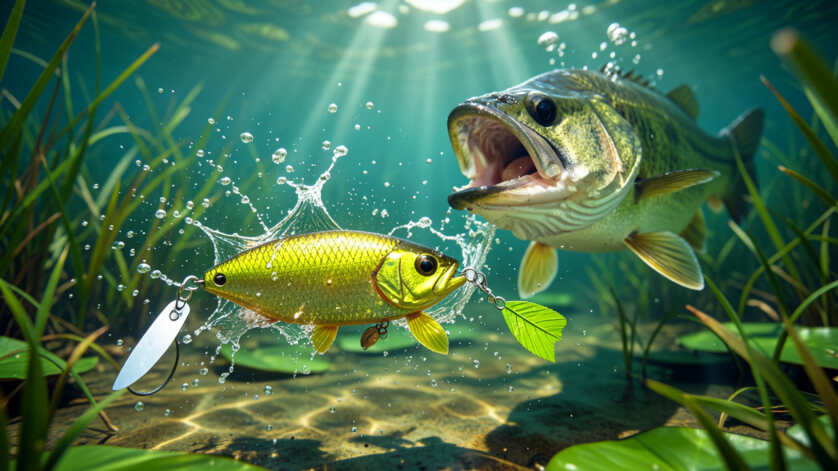
Spinnerbait Bass: Blade Selection, Speed, and Retrieve Tips for Success
Putting all these elements together is the goal. When you’re out on the water, think about the conditions first. Is the water clear or dirty?
How deep are you fishing? What time of year is it? These questions will help you pick the right spinnerbait.
A good starting point for many situations is a 1/2 ounce spinnerbait with a tandem blade setup – a willow leaf in front and a Colorado in back. This offers versatility.
If you’re fishing in clearer water, try to match the hatch. If you see small baitfish, a smaller spinnerbait with more subtle flash might work best. If you see crawfish, try a bait that wobbles more and can be fished slower near the bottom.
For stained water, don’t be afraid to use bigger, thumpier blades. Bass will find it.
Don’t overthink your setup—a 1/2-ounce tandem blade spinnerbait (willow leaf up front, Colorado in back) handles most conditions right out of the box.
When it comes to retrieve, always start with a medium, steady pace. Watch your line and feel the vibration. If you get a follow but no strike, try pausing the lure or changing your speed.
Sometimes, a bass will react to a sudden change. If you’re not getting any action, don’t be afraid to switch up your spinnerbait. Try a different blade combination, a different weight, or even a different color skirt.
The key to mastering Spinnerbait Bass: Blade Selection, Speed, and Retrieve Tips is experimentation and observation.
Remember, bass are predators, and they react to movement and sound. Your spinnerbait is designed to mimic injured prey, and you want to make it as appealing as possible. A well-matched spinnerbait, retrieved at the right speed and with the right technique, can be an absolute bass-catching machine.
Don’t get discouraged if it doesn’t work right away. Keep trying different things. You’ll start to see patterns emerge, and your success rate will climb.
Frequently Asked Questions
Question: What is the best spinnerbait blade for murky water?
Answer: For murky or stained water, you’ll want blades that create a lot of vibration. Colorado blades or larger tandem blades with a Colorado blade in the back are excellent choices because they thump strongly and help bass locate your lure by feel.
Question: Should I always use a fast retrieve for spinnerbaits?
Answer: No, a fast retrieve is not always best. While it can trigger strikes from aggressive bass, especially in warm water, a slower retrieve is often more effective in cooler water or when bass are hesitant. Experimenting with different speeds is key.
Question: How does water temperature affect spinnerbait retrieve speed?
Answer: In colder water, bass are less active and prefer slower-moving prey, so a slow retrieve is best. In warmer water, bass are more active and will chase faster baits, making a medium to fast retrieve more effective.
Question: When should I use a stop-and-go retrieve with my spinnerbait?
Answer: A stop-and-go retrieve is very effective when bass are being finicky or are not aggressively chasing. The pause allows the spinnerbait to flutter, mimicking a wounded baitfish, which can trigger a strike from a hesitant bass.
Question: What does tandem blade setup mean for spinnerbait bass?
Answer: A tandem blade setup means the spinnerbait has two blades, usually one in front and one behind. This combination offers both flash and vibration, and the interaction between the blades can create a more enticing action for bass. A common setup is a willow leaf in front and a Colorado blade in back.
Question: How do I know if my spinnerbait retrieve speed is correct?
Answer: You can tell if your retrieve speed is correct if the blades are spinning consistently and the lure is moving forward without “helicoptering” (spinning uncontrollably) or dragging too much on the bottom. You should feel a steady vibration through the rod.
Final Thoughts
Mastering spinnerbait fishing involves understanding how blade choice, retrieve speed, and technique work together. By matching your spinnerbait to the water conditions and bass mood, you’ll significantly increase your chances of a bite. Keep experimenting with different setups and retrieves to find what works best on any given day.