


Spring Bass Fishing: Pre-Spawn Patterns And Hot Tactics
Pre-spawn bass fishing success depends on locating transition zones between deep wintering areas and shallow spawning flats, where water temperature between 50 and 60 degrees Fahrenheit triggers feeding activity. These staging areas offer abundant prey and cover, making them reliable hotspots for anglers. Effective presentations include crankbaits for covering water, jigs to mimic bottom feeders, and soft plastics for versatility, along with spinnerbaits or buzzbaits when bass become more active. Understanding these patterns and adapting lure selection to water temperature and bass activity levels directly improves catch rates during this critical prespawn period.
As the ice melts and the water warms, bass start getting ready to spawn. Understanding where they go and what they like to eat during this time can make a huge difference in your catch. This guide will show you the best ways to find and catch bass before they spawn.
You’ll learn about the key patterns and hot tactics that lead to successful Spring Bass Fishing: Pre-Spawn Patterns and Hot Tactics. Get ready to improve your fishing game this spring and bring home more bass.
Key Takeaways
- Learn where bass hide and feed just before they spawn.
- Discover the best lures and techniques for pre-spawn bass.
- Understand how water temperature affects bass behavior.
- Find out how to adjust your strategy based on weather changes.
- Gain tips for catching bigger bass during the pre-spawn period.
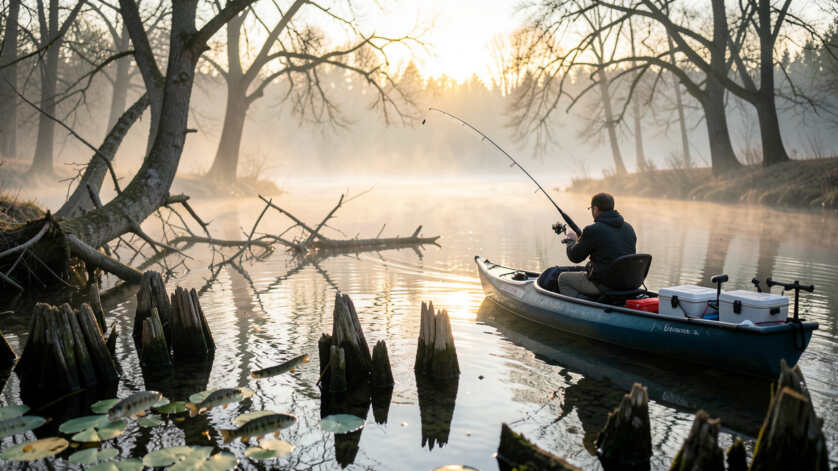
Finding Pre-Spawn Bass Hotspots
Before bass move into shallow areas to spawn, they hang out in specific spots. These areas offer food and protection. Knowing these locations is the first step to successful Spring Bass Fishing: Pre-Spawn Patterns and Hot Tactics.
Transition Zones: The Key to Pre-Spawn Success
Pre-spawn bass often use transition zones. These are areas where different types of water meet. Think about where deep water meets shallow water.
Drop-offs are also prime examples of transition zones. Bass use these spots to feed on baitfish that move between depths.
Focus on transition zones where deep water meets shallow areas, as pre-spawn bass use these spots to feed on baitfish.
Look for these types of areas:
- Points: Underwater points that jut out into deeper water are excellent. Bass use them as highways to move from deeper wintering areas to shallower spawning flats.
- Creeks and Inlets: Areas where creeks or small rivers flow into a larger lake or river warm up faster. Bass are drawn to the warmer, often more oxygenated water.
- Docks and Overhangs: These structures provide shade and cover. Bass will often position themselves under them, waiting for prey.
- Bridges and Culverts: Similar to docks, these structures offer shade and current breaks. Baitfish often gather around them.
Water Temperature Matters
Water temperature is a huge trigger for bass behavior. As the water warms, bass become more active. They move from their deeper wintering holes towards shallower areas.
The ideal temperature range for pre-spawn activity is typically between 50°F and 60°F (10°C to 16°C).
You’ll notice changes as the temperature rises:
- Below 45°F (7°C): Bass are still lethargic and deep.
- 45°F to 50°F (7°C to 10°C): Bass start to move shallower. They are looking for food but are still cautious.
- 50°F to 55°F (10°C to 13°C): This is prime pre-spawn time. Bass are actively feeding and moving towards spawning grounds.
- 55°F to 60°F (13°C to 16°C): Spawning may begin in some areas. Bass will be in shallow cover and around beds.
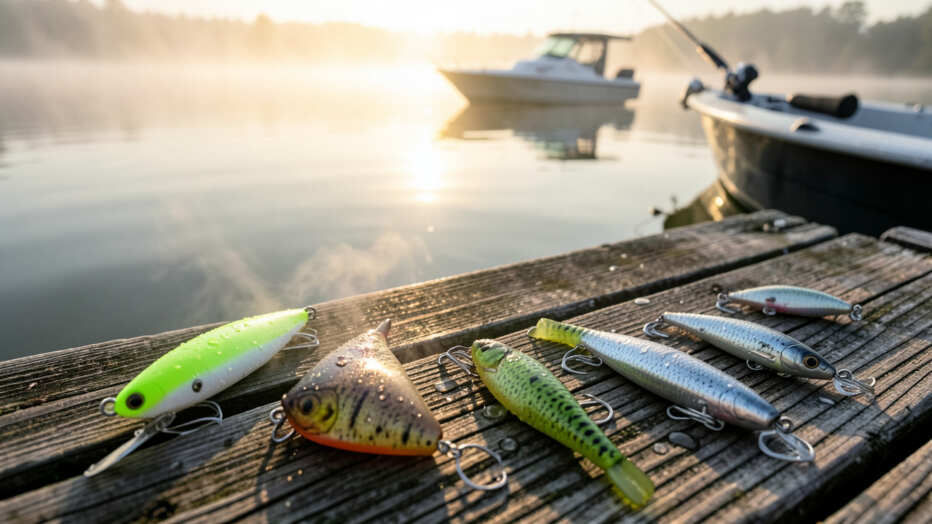
Effective Lures for Pre-Spawn Bass
Choosing the right lure is crucial for Spring Bass Fishing: Pre-Spawn Patterns and Hot Tactics. Bass are often looking for a substantial meal before the energy-draining spawn. This means lures that imitate larger baitfish or offer a good meal are effective.
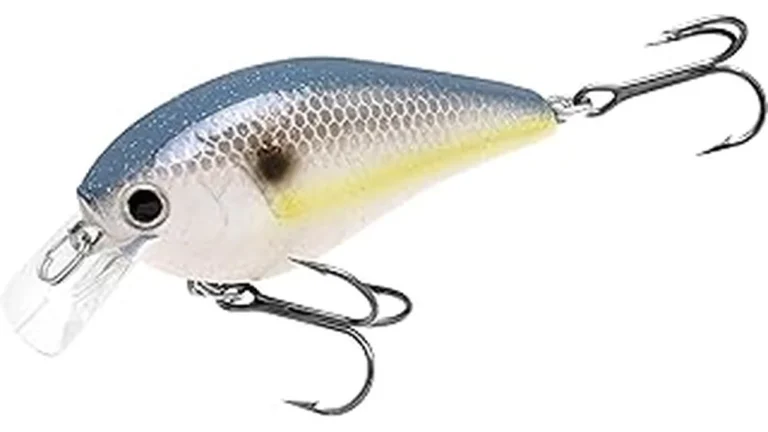
Crankbaits: Covering Water
Crankbaits are excellent for covering a lot of water quickly. They can imitate baitfish and trigger reaction strikes. In the pre-spawn period, think about:
Medium-diving crankbaits are ideal for reaching the depths where pre-spawn bass are holding, imitating larger baitfish to trigger reaction strikes.
- Medium-diving crankbaits: These can reach the depths where bass are holding.
- Natural baitfish colors: Shad, silver, and white patterns work well.
- Slower retrieve speeds: Bass are not as aggressive as they will be in warmer water.
Jigs: Mimicking Bottom Feeders
Jigs are fantastic for targeting bass that are holding close to the bottom. They can imitate crawfish, which are a primary food source for bass, especially in cooler water.
- Football jigs: Their shape allows them to be dragged along the bottom without snagging easily.
- Crawfish colors: Brown, green pumpkin, and black and blue are good choices.
- Trailer selection: A crawfish-imitation trailer or a grub can add extra appeal.
Soft Plastics: Versatile and Effective
Soft plastics offer a lot of versatility. They can be rigged in many ways to target different depths and presentations.
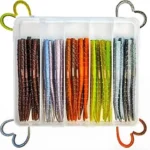
- Senkos: These stick baits can be rigged weightless or with a little weight. Their subtle action is great for cautious bass.
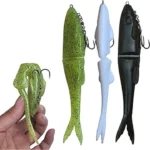
- Grubs: Small grub baits on a jig head can imitate baitfish or crawfish.
- Creature baits: These baits have lots of appendages that create movement and attract attention.
Spinnerbaits and Buzzbaits: When Bass are More Active
As the water temperature gets closer to 60°F (16°C), bass become more aggressive. Spinnerbaits and buzzbaits can be very effective at this stage. They create a lot of vibration and flash, which can draw strikes from a distance.
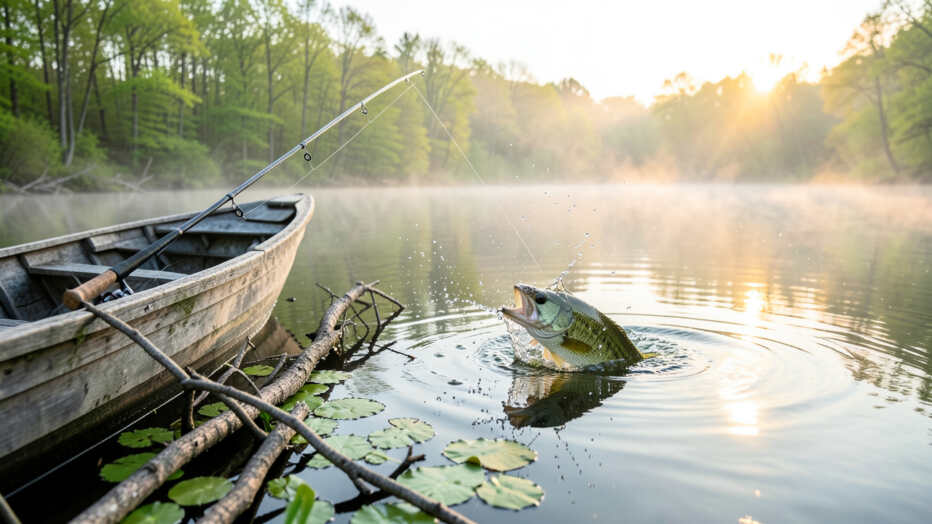
Tactics for Pre-Spawn Bass Fishing
Beyond choosing the right lures, your fishing tactics will significantly impact your success. Spring Bass Fishing: Pre-Spawn Patterns and Hot Tactics involves understanding how to present your lure.
Slow and Steady Wins the Race
In cooler water, bass are not as quick to chase down prey. A slower retrieve is often more effective. This gives the bass time to investigate your lure and decide to strike.
Experiment with different retrieve speeds to find what the bass are responding to on any given day.
Work the Structure
Bass will be relating to structure. Make sure your lure makes contact with it. Cast your bait near docks, rocks, fallen trees, or weed lines.
On warm, sunny days, pre-spawn bass are more likely to move shallow and feed aggressively, making it an optimal time to target them.
Let your lure pause on or near the structure. This pause can often trigger a strike.
Consider the Weather
Weather plays a big role in pre-spawn bass fishing. After a cold front, bass might move deeper or become less active. On warm, sunny days, they are more likely to move shallow and feed aggressively.
Cloudy or overcast days can also be very productive, as bass may feel more secure moving around.
Here’s a quick look at weather impacts:
Targeting Bigger Bass
The pre-spawn period is a great time to catch larger female bass. These fish are often in the transition zones, feeding heavily to prepare for the spawn. They are typically found near deeper water access, so focus your efforts on those areas.
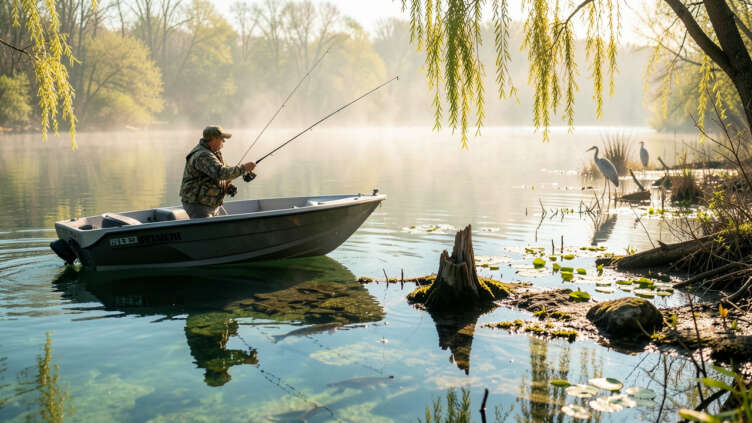
Understanding the Pre-Spawn Cycle
The pre-spawn phase is a critical window for anglers. It happens after the winter doldrums and before the actual spawning begins. This period is characterized by warming water temperatures and increased bass activity.
Understanding this cycle helps you predict where the bass will be and what they will be doing.
The Importance of Spring Bass Fishing: Pre-Spawn Patterns and Hot Tactics
Mastering Spring Bass Fishing: Pre-Spawn Patterns and Hot Tactics means you are capitalizing on a time when bass are hungry and moving. They are not yet focused on guarding nests, making them more susceptible to biting. This is when anglers can have some of their best fishing days of the year.
Monitor warming water temperatures as they signal the start of the pre-spawn phase, when bass become more active and feed heavily.
Recognizing the Signs
As spring progresses, watch for changes in your environment. Warmer water is the most obvious sign. You might also see increased baitfish activity in shallower areas.
Increased vegetation growth can also start to provide more cover for bass.
When Does Pre-Spawn Start and End?
The exact timing of the pre-spawn period varies greatly depending on your geographic location and the specific body of water. Generally, it begins when water temperatures consistently reach the mid-40s Fahrenheit (around 7°C) and lasts until water temperatures approach the low 60s Fahrenheit (around 16-18°C), when spawning truly kicks off.
Gear Up for Spring Success
Having the right gear makes a difference. For Spring Bass Fishing: Pre-Spawn Patterns and Hot Tactics, you’ll want reliable equipment.
Rod and Reel Combinations
A versatile setup is key. Consider a medium-heavy action baitcasting rod paired with a quality baitcasting reel. This setup offers the power to handle larger bass and the sensitivity to feel subtle bites.
For finesse techniques or lighter lures, a spinning rod and reel combination can be beneficial. A medium or medium-light spinning rod with a 2500 or 3000 series spinning reel works well for soft plastics and smaller crankbaits.
Always wear polarized sunglasses to spot fish and submerged structure; without them, you risk missing subtle signs of bass activity.
Line Choices
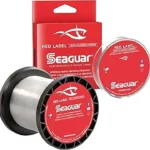
Monofilament line is often a good choice for crankbaits and spinnerbaits due to its buoyancy and stretch, which can help with casting distance and absorbing shock. Fluorocarbon line is excellent for jigs and soft plastics because it’s nearly invisible underwater and has low stretch for better hooksets. Braided line is strong and sensitive, good for fishing in heavy cover or when you need to pull fish out quickly. Master these Spring Bass Fishing Pre-Spawn Patterns and Hot Tactics for a rewarding season.
Essential Tackle Box Items
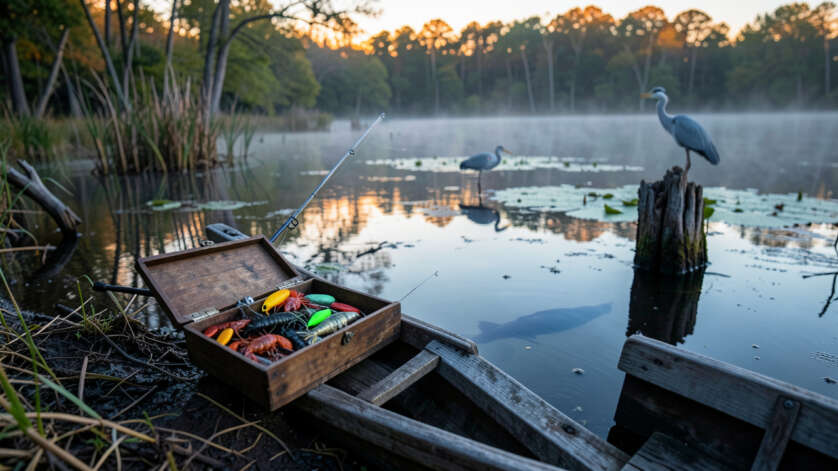
Make sure your tackle box is stocked. You’ll want a variety of lures mentioned earlier. Don’t forget a good pair of polarized sunglasses to help you spot fish and submerged structure. Official government search results for Spring Bass Fishing: Pre-Spawn can help readers check public guidance before acting.
A landing net and a good pair of pliers for hook removal are also essential.
Frequently Asked Questions
What is the best water temperature for pre-spawn bass fishing?
The ideal water temperature range for active pre-spawn bass is typically between 50°F and 60°F (10°C to 16°C). Warmer temperatures encourage them to move shallower and feed.
Are bass more aggressive in the pre-spawn period?
Yes, bass become much more aggressive as the water warms in the pre-spawn phase. They are actively feeding to prepare for spawning and are often easier to catch.
What are the best lure colors for Spring Bass Fishing: Pre-Spawn Patterns and Hot Tactics?
Natural baitfish colors like silver, white, and shad patterns are great for crankbaits and spinnerbaits. For jigs and soft plastics, crawfish colors like brown, green pumpkin, and black/blue are very effective.
Should I use a fast or slow retrieve for pre-spawn bass?
Generally, a slower retrieve is more effective for pre-spawn bass. They are not as quick to chase in cooler water, so giving them time to strike is important.
Where do bass go after the pre-spawn period?
After the pre-spawn, bass move into very shallow water, often less than 3 feet deep, to build nests and lay eggs. This is the actual spawning period.
How do I adapt my tactics for Spring Bass Fishing: Pre-Spawn Patterns and Hot Tactics after a cold front?
After a cold front, bass may become less active and move slightly deeper. Try slowing down your presentation, using jigs, or dragging soft plastics along the bottom near structure.
Final Thoughts
Focus on transition zones and understand how water temperature guides bass behavior. Using the right lures and a slower retrieve will help you catch more bass this spring. Master these Spring Bass Fishing: Pre-Spawn Patterns and Hot Tactics for a rewarding season on the water.