Beginner Bass Mistakes That Cost You Fish (And How To Fix)
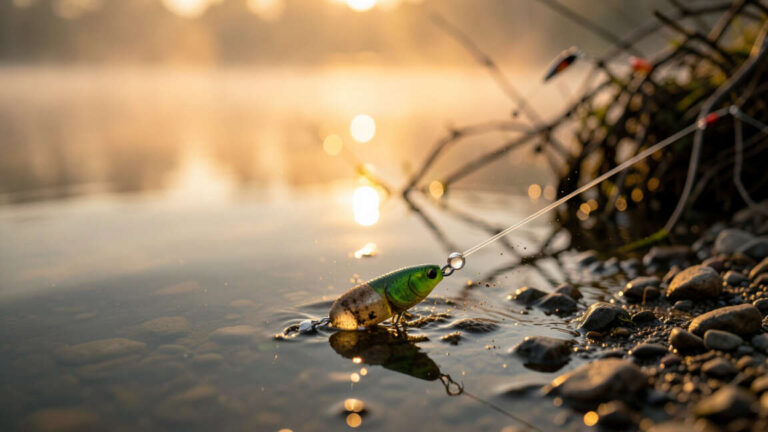
Choosing the wrong lure for the current water clarity and seasonal forage is one of the most common beginner bass mistakes that costs fish. Fixing this requires matching lure size, color, and action to what bass are naturally feeding on in that specific environment. Another critical error is fishing unproductive areas or at the wrong time of day, as bass relate closely to structure, depth, and light conditions. Mastering accurate casting and adjusting retrieve speed and cadence based on water temperature and bass activity will quickly turn missed opportunities into consistent catches.
Fishing for bass can be a lot of fun, but sometimes things just don’t go as planned. You might be doing everything right, but still, the fish aren’t biting. Often, it’s the little things that make a big difference.
Learning about Beginner Bass Mistakes That Cost You Fish (And How to Fix) can help you catch more bass. This knowledge means you’ll spend less time frustrated and more time reeling in your catch. We’ll show you how to spot and fix these common errors so you can enjoy more success on the water.
Key Takeaways
- Proper lure selection is crucial for attracting bass in different conditions.
- Understanding bass behavior helps you choose the right fishing spots and times.
- Casting accuracy and lure presentation can significantly impact your catch rate.
- Line management and knot tying are essential for landing fish safely.
- Patience and observation are key skills for any angler.
- Adjusting your approach based on water conditions and fish activity leads to better results.
Choosing the Right Lure for Bass
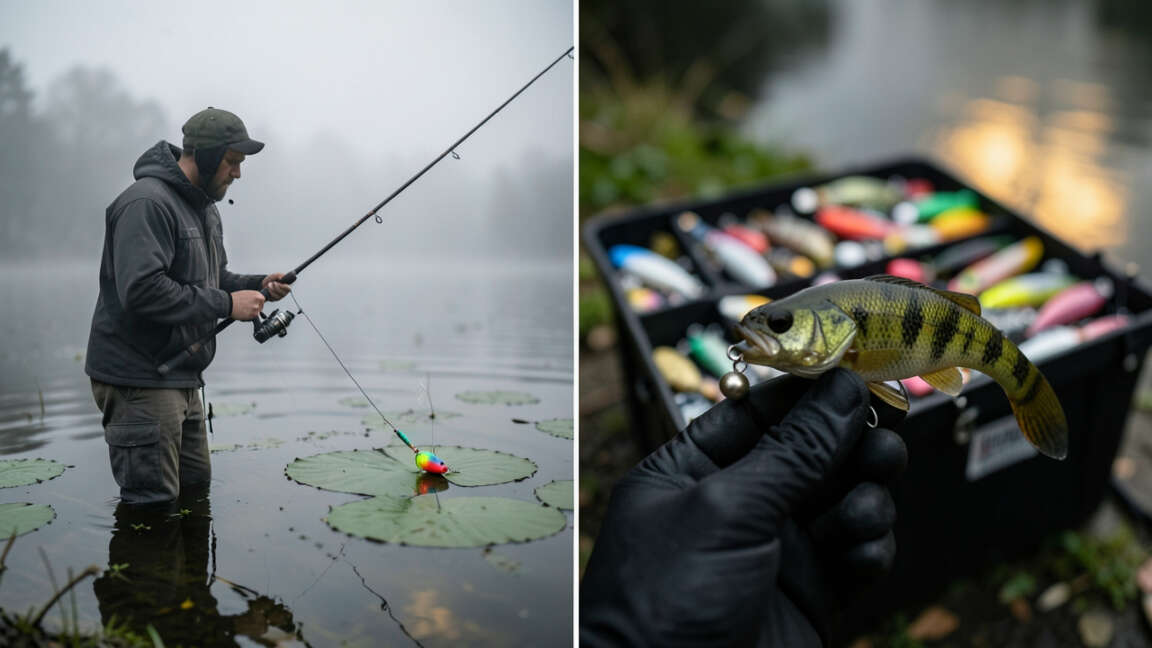
One of the biggest reasons beginners miss out on bass is using the wrong lure. Bass are picky eaters, and what works one day might not work the next. Think about the water color and the type of baitfish in the area.
Clear water might call for natural colors, while murky water might need something brighter or with more vibration. This is a common area where Beginner Bass Mistakes That Cost You Fish (And How to Fix) are made. You need to match your lure to the bass’s environment.
Matching Lures to Water Clarity
Clear water often means bass can see your lure from a distance. They might be spooked by something too flashy or unnatural. In these cases, try lures that mimic common prey like small fish or crawfish.
Think subtle colors like green pumpkin, brown, or even white. These are less likely to scare a wary bass. On the other hand, when the water is muddy or stained, bass rely more on their lateral line to detect vibrations and their sense of smell.
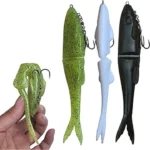
For murky water, it’s best to use lures that create a lot of commotion. Spinnerbaits with large blades, chatterbaits, or crankbaits with rattles are excellent choices. Bright, bold colors like chartreuse, fire tiger, or even black can stand out in low visibility.
In murky water, use bright, bold colors like chartreuse, fire tiger, or black to make your lure stand out and trigger strikes.
The key is to make your lure easy for the bass to find and tempting enough to strike. Making this adjustment is a vital step in fixing Beginner Bass Mistakes That Cost You Fish (And How to Fix).
Understanding Forage and Seasonal Changes
Bass eat what’s available. If the lake is full of shad, you want lures that look like shad. If crawfish are the main meal, then crawfish-imitating lures are your best bet.
This is a fundamental aspect of bass fishing. Many beginners overlook this, leading to frustrating days on the water. Paying attention to what the bass are feeding on will guide your lure choices.
This is a crucial part of avoiding Beginner Bass Mistakes That Cost You Fish (And How to Fix).
Seasonality also plays a huge role. In the spring, bass are often shallow and looking for easy meals as they prepare to spawn. They might hit larger, more aggressive lures.
In the heat of summer, they might move deeper or feed more actively at dawn and dusk. Fall can bring them back shallow as baitfish school up. Understanding these patterns helps you know where to fish and what lures to throw.
Location, Location, Location: Finding Bass
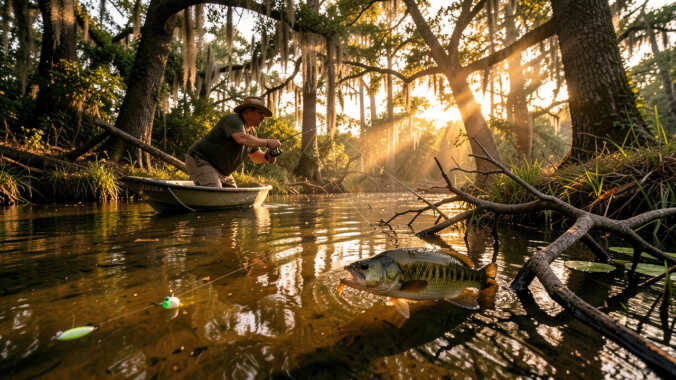
Where you cast your line is just as important as what you cast. Bass are ambush predators. They like to hide and wait for prey.
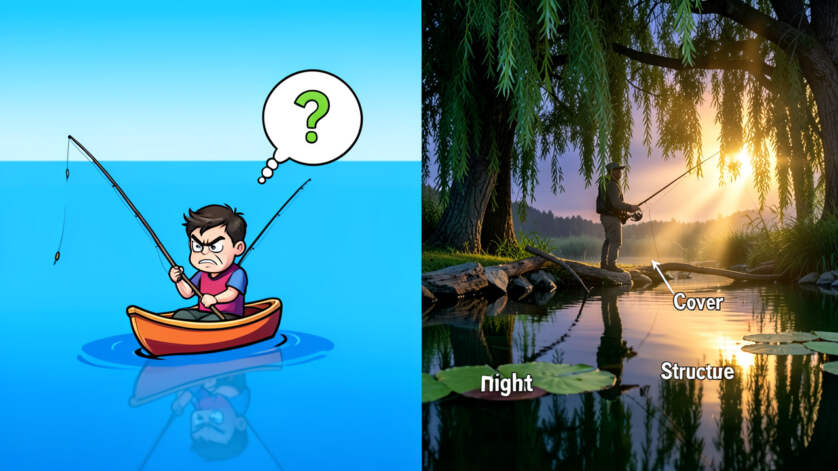
This means looking for structure and cover. Common spots include weed lines, fallen trees, docks, and drop-offs. Beginners often make the mistake of fishing in open water where there’s nothing for the bass to hide behind.
Identifying Bass Hangouts
Think like a bass. Where would you go if you wanted to eat a meal without being seen? You’d find a place with cover.
Focus on structured areas like weed lines, fallen trees, and docks rather than open water to find ambush points where bass hide.
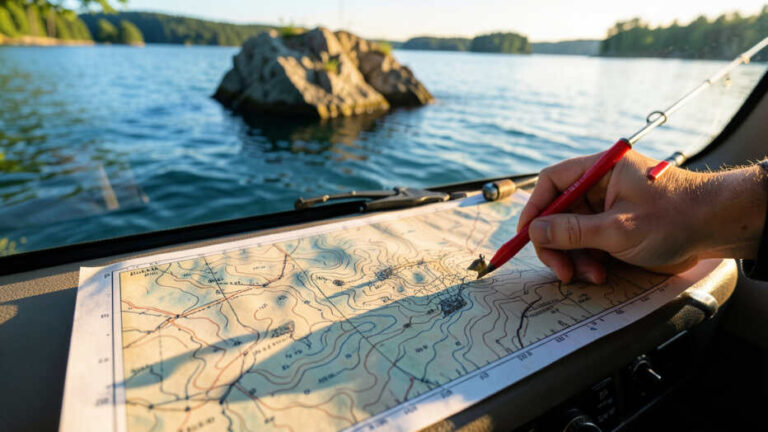
This could be a patch of lily pads, a rocky point, or a submerged log. Bass will position themselves near these features, waiting for baitfish to swim by. Learning to spot these areas on your map or by looking at the shoreline is a skill that improves with practice.
This is a key element in correcting Beginner Bass Mistakes That Cost You Fish (And How to Fix).
When to Fish for Bass
The time of day and year can also affect where bass are and how active they are. Early mornings and late evenings are often prime times, especially in warmer months. This is when bass are more likely to move into shallower water to feed.
Overcast days can also extend feeding periods. Conversely, bright, sunny afternoons can push bass to seek shade and deeper water.
Presentation Matters: How You Fish Your Lure
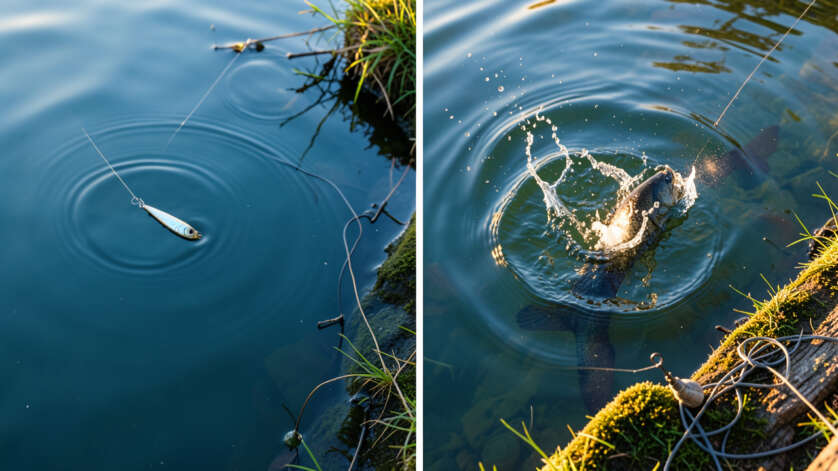
Even the best lure won’t catch fish if it’s not presented correctly. How you work your lure is often the difference between a bite and a blank. Bass can be attracted to different types of retrieves.
Some lures need a steady retrieve, while others require a more erratic action.
The Art of the Retrieve
A steady, medium-speed retrieve is a good starting point for many lures like crankbaits and some plastics. For soft plastics, like worms or creature baits, a “()%
The question of how to best work a lure is a big one. For soft plastics, a slow, natural-looking retrieve is often best.
This might involve just hopping the bait along the bottom or giving it a slight twitch. This mimics a wounded baitfish or a crawfish trying to escape. For reaction baits like spinnerbaits or buzzbaits, a faster, steady retrieve is usually effective.
The key is to experiment and see what the bass are responding to on any given day. This is a critical point when addressing Beginner Bass Mistakes That Cost You Fish (And How to Fix).
How you work your lure is often the difference between a bite and a blank.
Don’t be afraid to vary your retrieve. Sometimes, a pause in the retrieve can trigger a strike. Bass might be following your lure and need that moment of stillness to decide to bite.
Or, a sudden jerk can make it look like the bait is trying to escape, exciting the bass. Paying attention to how the lure behaves in the water is important. You want it to look as natural and enticing as possible.
Casting Accuracy and Placement
Being able to cast your lure accurately is a skill that significantly improves your success rate. You want to be able to place your lure right next to a dock piling, into a brush pile, or along a weed edge. Bass often hold tight to cover, and if your lure lands too far away, you might not get a bite.
This is a common issue that leads to many Beginner Bass Mistakes That Cost You Fish (And How to Fix). Practice your casting until you can consistently hit your targets.
Think about where the bass are likely to be positioned around that cover. Are they looking out into open water? Are they tucked deep into the structure?
Your cast should aim to put your lure in their strike zone. Sometimes, a gentle, controlled cast is better than a long, wild one. Accuracy allows you to present your lure in the most effective way possible.
Tackle and Gear: The Right Tools for the Job
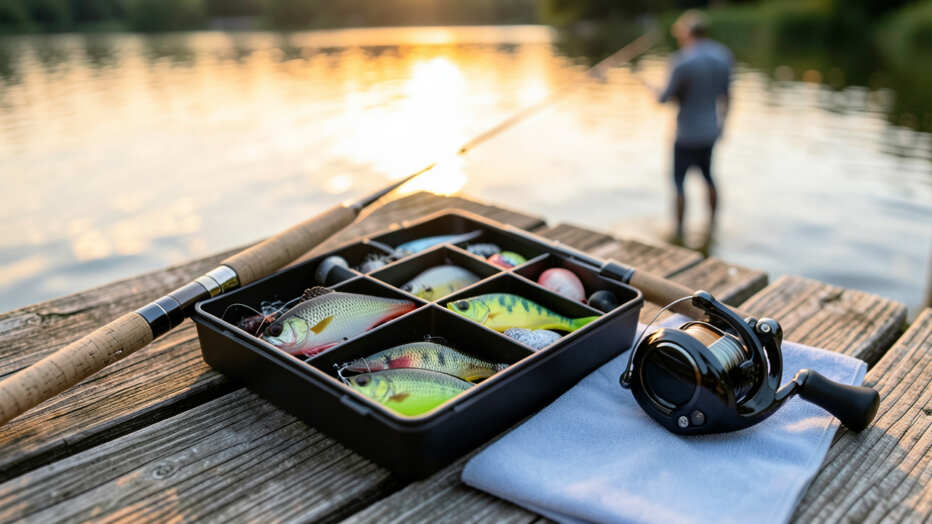
Your fishing gear plays a vital role. Using the wrong rod, reel, or line can make fishing much harder and cost you fish. This is another area where Beginner Bass Mistakes That Cost You Fish (And How to Fix) can occur.
Line Management and Knot Strength
The line connecting your lure to your rod is critical. If your line breaks, you lose your lure and potentially a fish. Using the correct pound test for your fishing situation is important.
If you’re fishing in heavy cover, you’ll need a stronger line than if you’re fishing in open water. Also, learning to tie good knots is essential. A poorly tied knot can slip and cause you to lose your fish.
Some of the most common knots for bass fishing include the Palomar knot and the improved clinch knot. These are strong and relatively easy to tie. Always test your knots before casting with force.
For heavy cover, use a heavier baitcasting setup to cast larger lures and fight bigger fish effectively.
This simple step can prevent many frustrating moments and lost fish. Ensuring your line and knots are secure is a fundamental step in avoiding Beginner Bass Mistakes That Cost You Fish (And How to Fix).
Rod and Reel Selection
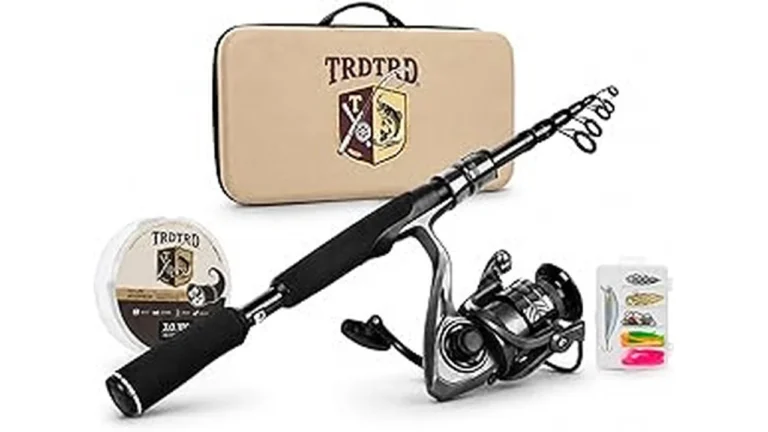
The type of rod and reel you use should match the lures you are throwing and the type of fishing you are doing. For example, a light spinning rod is great for finesse baits and lighter lures. A heavier baitcasting setup is better for casting larger lures and fighting bigger fish in heavy cover.
Using a rod that’s too light for the job can make it difficult to control a fish, while a rod that’s too heavy might not cast lighter lures well.
Many beginners start with a basic spinning combo, which is versatile. As you gain experience, you might want to explore different rod actions and powers. The action refers to where the rod bends, while the power refers to its strength.
Understanding these basics will help you choose equipment that makes catching bass easier and helps you avoid Beginner Bass Mistakes That Cost You Fish (And How to Fix).
Reading the Water and Conditions
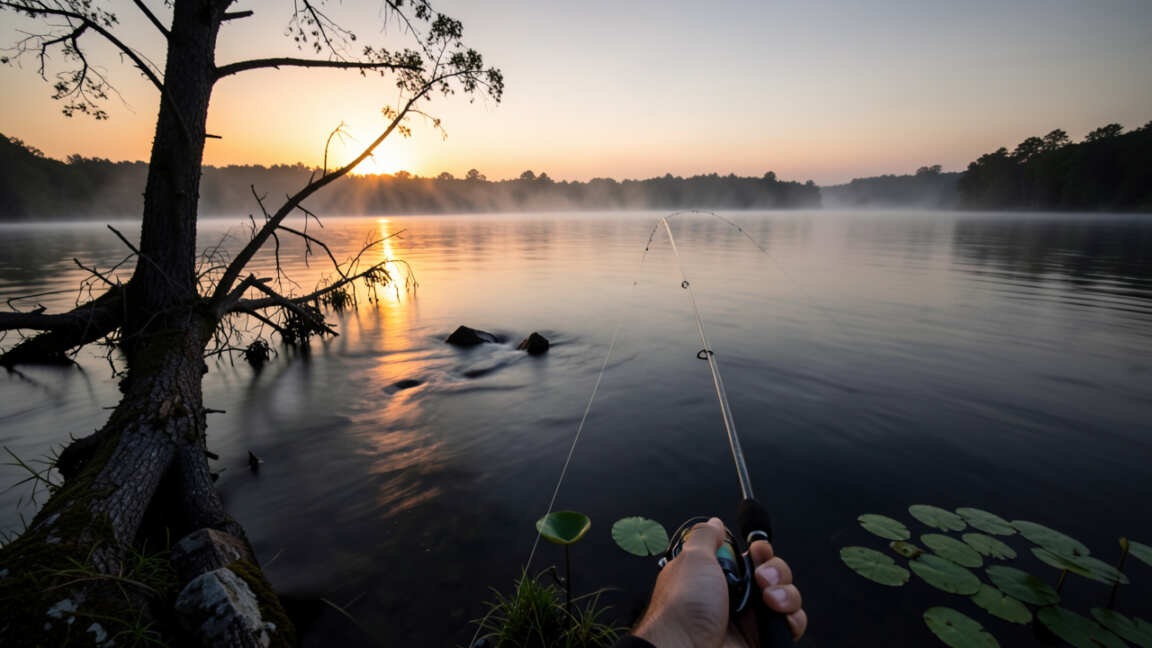
Bass fishing isn’t just about casting and reeling. It’s also about observing your surroundings and adapting. The weather, water temperature, and even the wind can all influence bass behavior.
Understanding Weather’s Impact
Changes in weather can dramatically affect fishing. A sudden storm can put bass on high alert, making them less likely to bite. However, the pressure changes before a storm can sometimes trigger feeding activity.
Sunny, calm days might push bass to seek shade and cover, while windy days can stir up baitfish and make bass more active. Learning to read these signs will help you know when and where to fish.
Pay attention to the wind. Wind can push baitfish into certain areas, and bass will follow. It can also make the water surface choppy, which can help conceal your presence.
Failing to fish before a storm is a missed opportunity, as the pressure change often triggers a feeding frenzy.
Fishing into the wind can be tough, so try to cast with the wind when possible. Adapting to the weather is a key part of overcoming Beginner Bass Mistakes That Cost You Fish (And How to Fix).
Water Temperature and Bass Activity
Water temperature is one of the most critical factors in bass fishing. Bass are cold-blooded, meaning their body temperature matches the water. As water temperatures change, so does their metabolism and activity level.
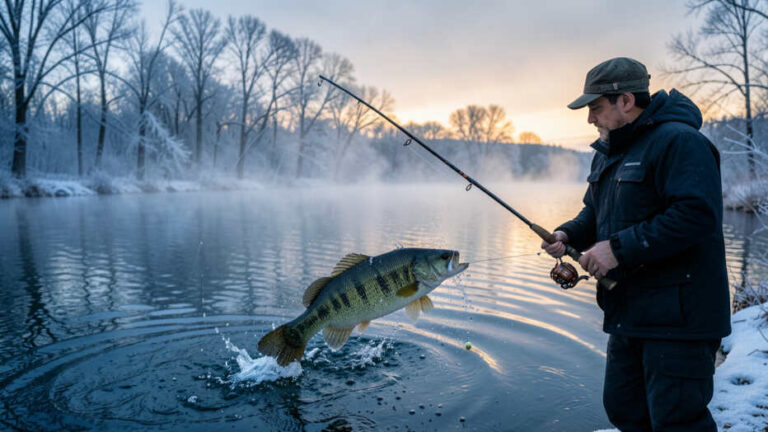
In cold water (below 50°F), bass are slower and less active, preferring slower-moving baits. As the water warms into the 50s and 60s, they become more active and will strike a wider range of lures.
When water temperatures are in the ideal range (65-75°F), bass are typically very active and aggressive. This is often considered prime bass fishing season. As the water gets very hot in the summer, they might move deeper or become more active during cooler parts of the day.
Knowing the water temperature and how it affects bass can guide your lure choice and retrieve speed. This understanding is vital for fixing Beginner Bass Mistakes That Cost You Fish (And How to Fix).
The Importance of Patience and Observation
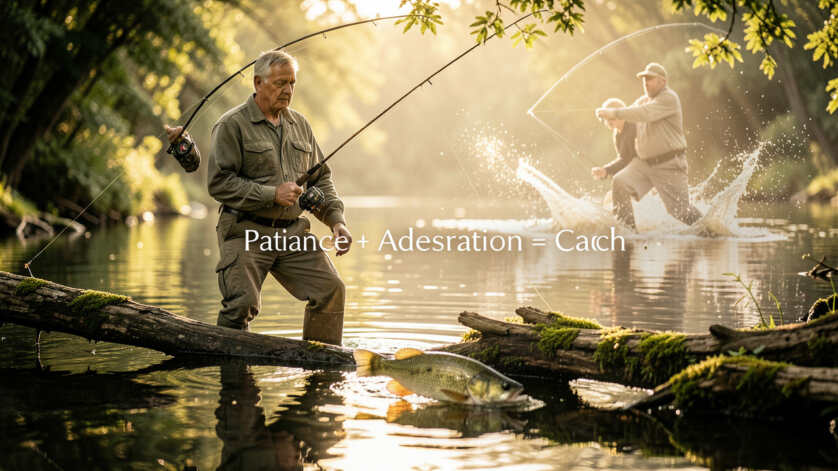
Finally, one of the most overlooked aspects of bass fishing is patience. Bass fishing is not always about constant action. There will be times when you don’t get a bite for a while.
This is where observation and patience come in. Instead of getting frustrated, use this time to observe your surroundings. Are you seeing baitfish?
Are there any signs of bass activity? This can provide valuable clues.
Don't leave a spot too quickly; bass may move into the area after you've been fishing for a while. Following government bass fishing conservation tips helps protect fish populations for future generations.
When you do get a bite, pay attention to how it happens. Was it a hard strike? A light tap?
Did it happen on a pause or during a retrieve? These details can help you replicate success. Patience also means not giving up on a spot too quickly.
Sometimes, bass will move into an area after you’ve been fishing it for a while. Learning to wait and watch is a crucial skill that separates good anglers from average ones. It’s a key part of mastering Beginner Bass Mistakes That Cost You Fish (And How to Fix). Practicing patience and observation is crucial for becoming a successful bass angler.
Frequently Asked Questions
What is the most common mistake beginners make when bass fishing?
A very common mistake is using the wrong lure for the conditions or not presenting it correctly. Many beginners also overlook the importance of fishing around cover and structure.
How can I improve my casting accuracy for bass fishing?
Practice is key. Spend time on the water or in your yard just casting your lure to different targets. Focus on a smooth, controlled motion rather than just trying to cast far.
Is it better to use a spinning reel or a baitcasting reel for bass fishing?
Both have their uses. Spinning reels are generally easier for beginners and versatile for lighter lures. Baitcasting reels offer more control for heavier lures and lines, especially in thick cover.
What should I do if bass aren’t biting at all?
Try changing your lure color, size, or type. Also, experiment with your retrieve speed and cadence. Sometimes, a slight change in presentation can make a big difference.
How important is line choice in bass fishing?
Line choice is very important. Using the correct pound test and type of line (monofilament, fluorocarbon, braid) for your fishing situation can prevent lost fish and improve lure performance.
Understand where bass are likely to be at different times of day and in different water temperatures. Use lures that can reach those depths, such as crankbaits with different lip sizes or soft plastics fished on weighted hooks.
Final Thoughts
Avoiding common errors like poor lure choice or incorrect presentation will boost your bass fishing success. By understanding bass habits, adapting to conditions, and practicing good technique, you can significantly improve your catch rate. Keep learning and enjoy your time on the water. Understanding the role of water temperature and bass activity can help anglers choose the right techniques.