





Retrieve Cadence For Bass: Speed, Pause, And Twitch Guide
Retrieve cadence for bass is the strategic combination of lure speed, pause duration, and twitch intensity that triggers strikes from bass. Matching these elements to bass activity levels and water conditions—such as a longer pause in cold water or a subtle twitch for finicky fish—makes the difference between a follow and a bite. The key takeaway is that a well-timed pause can be more effective than constant action, and anglers must experiment to find the perfect rhythm for each situation.
Catching bass often comes down to how you move your lure. It’s not just about the lure itself, but how you make it act in the water. Getting this right means more bites and bigger fish.
This Retrieve Cadence for Bass: Speed, Pause, and Twitch Guide will help you understand the rhythm that triggers bass to strike. You’ll learn how to make your lures irresistible by mastering the subtle art of lure movement, leading to more successful fishing trips.
Key Takeaways
- Understanding retrieve cadence is crucial for attracting bass.
- Varying lure speed, pause duration, and twitch intensity can trigger strikes.
- Different bass fishing techniques require specific retrieve cadences.
- Environmental factors like water temperature influence the best retrieve.
- Experimentation is key to finding the perfect retrieve for any situation.
- A well-timed pause can be more effective than constant action.
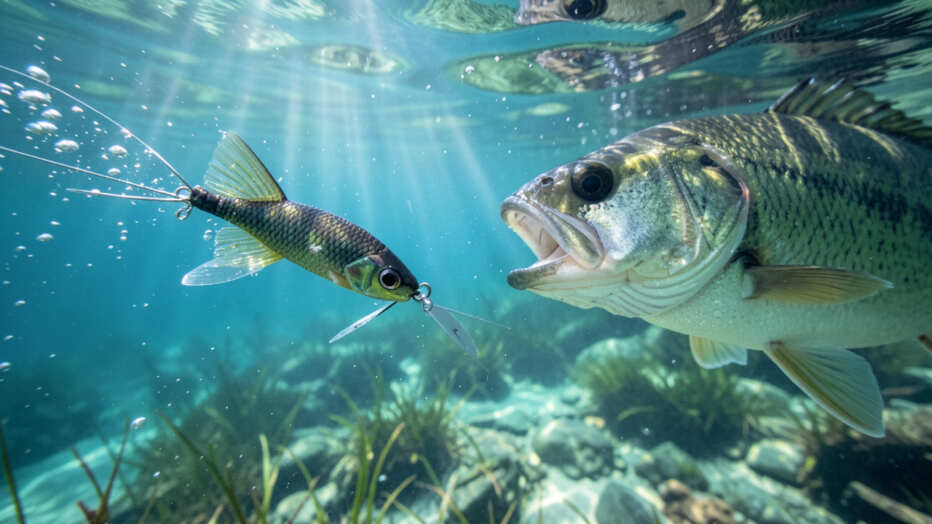
Why Lure Speed Matters for Bass
The speed at which you retrieve a fishing lure is a primary factor in how bass perceive it. Bass are predators, and they react to prey movement. Too fast, and your lure might look like a panicked baitfish trying to escape, which can work, but sometimes it’s too much.
Too slow, and it might seem injured or dead, which is also appealing, but there’s a sweet spot.
Understanding the right lure speed helps you mimic natural baitfish behavior. Think about how small fish dart and pause. Your retrieve should try to replicate this.
When bass are actively feeding, a faster retrieve can cover more water and trigger reaction strikes. On slower days, a more deliberate, slower pace can entice less aggressive fish.
Experiment with incremental speed changes on each cast until you find the pace that triggers a reaction—bass will tell you what they want.
Matching Speed to Bass Activity
Bass activity levels change throughout the day and with seasons. In warmer water, bass are generally more active. They have more energy and are willing to chase down faster lures.
This is when a medium to fast retrieve can be very effective.
When water temperatures drop, bass become more lethargic. They conserve energy. A slow, steady retrieve often works best in these conditions.
It allows the bass time to react and strike without expending too much effort. It’s about making the lure look like an easy meal.
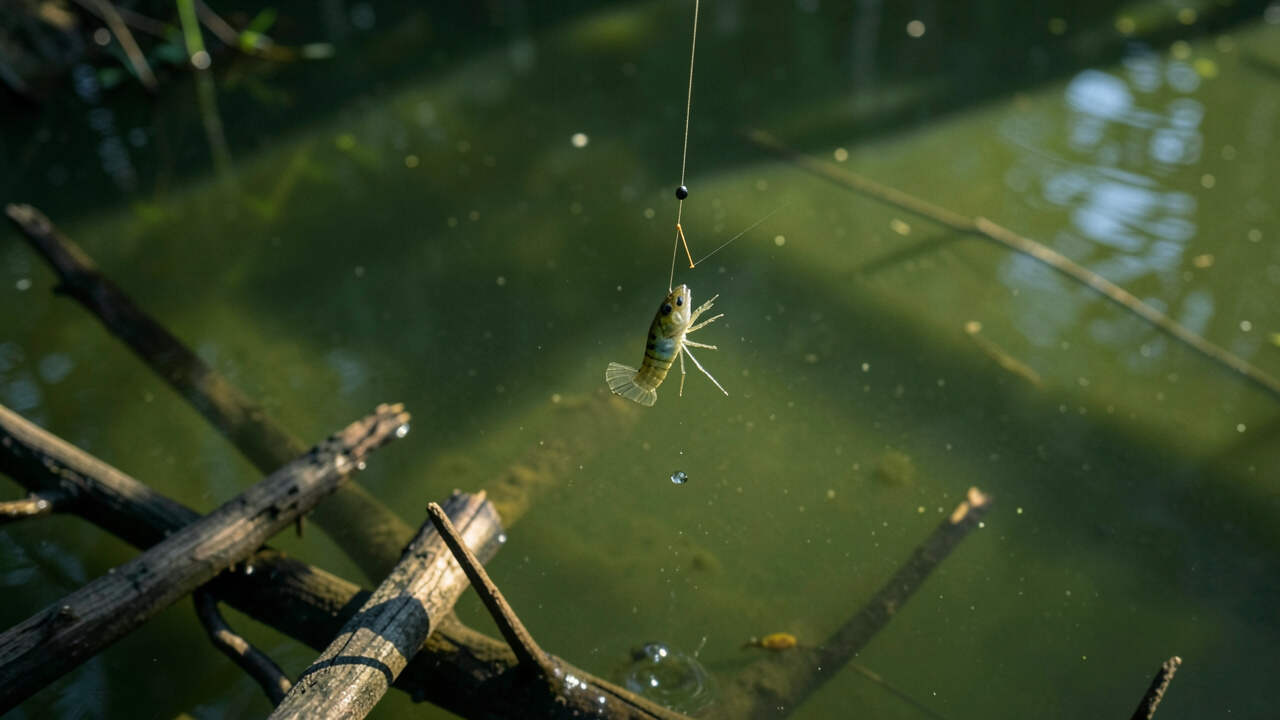
The Power of the Pause in Bass Fishing
The pause is often the most overlooked yet most potent part of a successful retrieve. Many anglers focus on continuous action. However, a well-timed pause can be the difference between a lure being ignored and a bass lunging at it.
A pause allows the lure to suspend, sometimes with a subtle natural drift, mimicking an injured or struggling baitfish.
This moment of stillness creates an opportunity for a bass to assess the lure. If it looks like an easy target, they will often strike during the pause. The length of the pause is critical.
Too short, and it might not register with the fish. Too long, and the lure might sink out of the strike zone or look unnatural.
Pausing your retrieve gives bass a moment to commit to the strike; the natural drift of a suspended lure often triggers an instinctive attack from nearby predators.
How Long Should a Pause Be?
The ideal pause duration depends on several factors. These include the type of lure you are using, the depth of the water, and the bass’s mood. For topwater lures, a pause of a few seconds might be enough to get a reaction.
For soft plastics or jigs, the pause can be longer, allowing them to settle on the bottom or in the water column.
Experimentation is key here. Start with a short pause, maybe 2-3 seconds. If you don’t get a bite, try extending it to 5 seconds or even longer.
Pay attention to where the bite occurs. If you get bites during the pause, you know you’ve found a good duration. If you get bites right after you restart the retrieve, the pause made the fish commit.
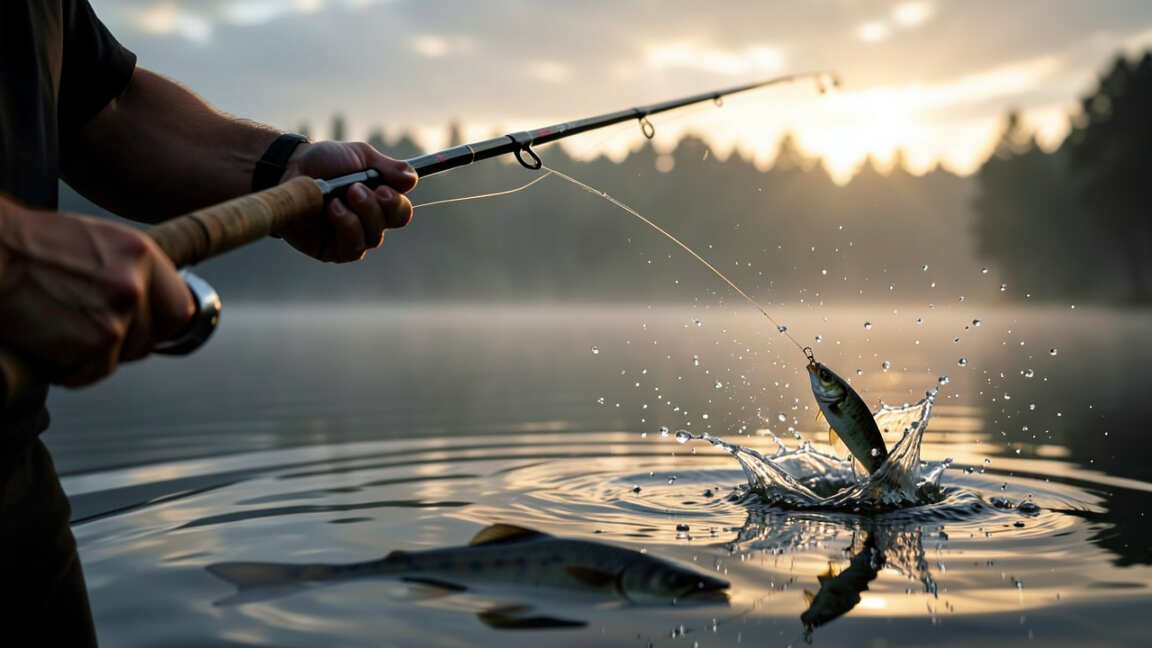
Mastering the Twitch for Lure Action
Twitching a lure involves short, sharp jerks of the rod tip. This imparts erratic, enticing action to your lure, even when you’re retrieving slowly. A twitch can make a lure dart left or right, stop abruptly, or shimmy in place.
This unpredictable movement is highly attractive to bass.
Different lures respond differently to twitches. A soft plastic worm might dance and wiggle. A jerkbait might dart sharply.
A topwater bait might chug or pop. The goal of the twitch is to add a sudden burst of life that mimics a fleeing or injured baitfish. It’s a way to add excitement to a slower retrieve.
A sharp twitch transforms a steady lure into erratic prey, exploiting a bass’s instinct to strike sudden, unpredictable movements.
When and How to Twitch
Twitching is most effective when you want to add a bit of surprise to your retrieve. It’s great for getting the attention of bass that are following your lure but not committing. A quick twitch can trigger a reaction strike.
It’s also useful for working lures through cover, like weed edges or submerged structures.
To twitch, hold your rod tip down and give it a quick, sharp snap. This should be a short, controlled movement. Follow this with a slight reel to take up slack and reset for the next twitch.
The frequency and intensity of your twitches can be adjusted. Some days, a single sharp twitch is all it takes. Other days, a series of quick twitches might be needed.
Putting It All Together: The Retrieve Cadence for Bass: Speed, Pause, and Twitch Guide
The real magic happens when you combine speed, pauses, and twitches into a cohesive retrieve. This is what we call cadence. It’s the rhythm of your lure’s movement in the water.
A good cadence makes your lure look like a natural, vulnerable meal. It’s not just random movements; it’s a deliberate sequence designed to fool a bass.
Think of it like a dance. You have the main rhythm (speed), the moments of stillness (pauses), and the sharp, sudden moves (twitches). The best anglers can adapt this dance to what the bass are telling them.
This means constantly adjusting your retrieve based on the bites you get, or don’t get.
Pay attention to each cast—if a bass follows but doesn’t bite, change your cadence by adjusting the pause length or adding a sharper twitch.
Creating Your Own Retrieve Cadence
There’s no single perfect cadence that works every time. You need to develop an understanding of how bass react to different lure movements. Start by observing your lure’s action.
How does it move when you reel slowly? What happens when you pause? How does it dart when you twitch?
Then, start experimenting. Try a slow retrieve with short pauses. Then try a medium retrieve with occasional twitches.
Combine a faster retrieve with a sudden, long pause. Keep track of what works and what doesn’t. Your goal is to find a retrieve that elicits strikes from bass in the current conditions.
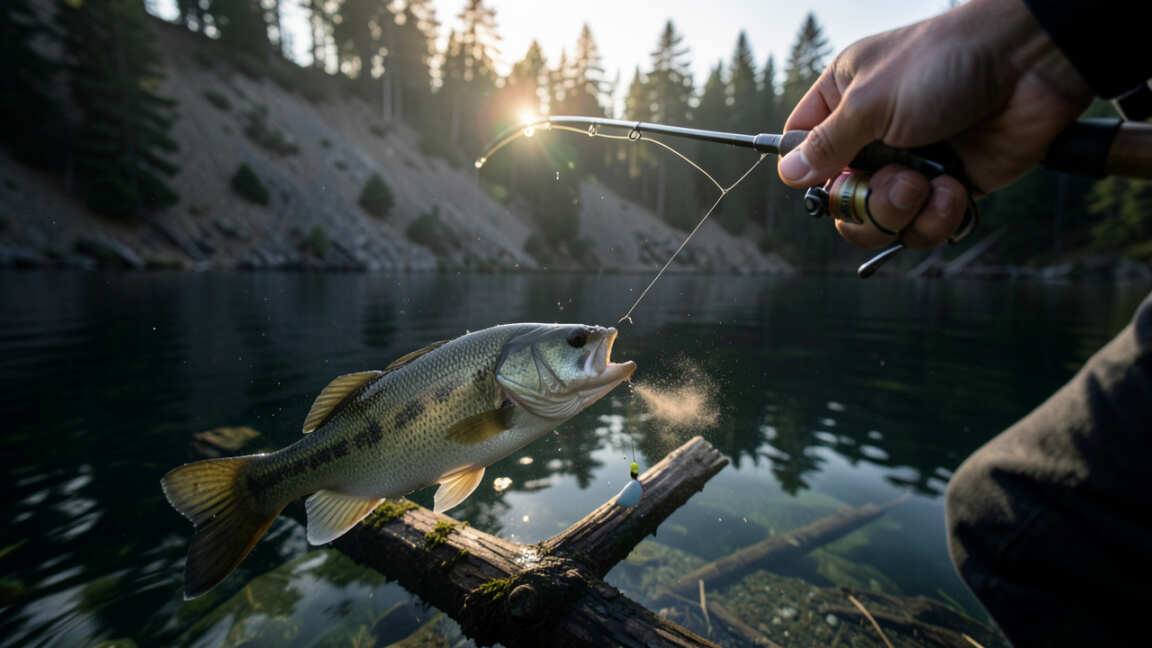
Factors Influencing Retrieve Cadence
Several environmental factors play a big role in determining the best retrieve cadence. Water temperature is a major one. Colder water means slower retrieves.
Warmer water allows for faster retrieves and more aggressive actions. Bass metabolism slows down in cold water, making them less likely to chase.
Water clarity is another factor. In clear water, bass can see your lure from a distance. They might be more selective.
A more subtle, realistic retrieve might be needed. In stained or muddy water, bass rely more on vibration and sound. They might react better to faster retrieves with more action, or lures that create more disturbance.
The Impact of Water Temperature
In spring, as water warms, bass become more active. They move shallower and start feeding more aggressively. This is a great time for faster retrieves with topwater lures and jerkbaits.
You can often get away with a more aggressive cadence.
Summer brings warmer water, and bass can be very active. However, they might also be deeper or in shaded areas to escape the heat. You might need to vary your retrieve speed throughout the day.
Mornings and evenings can be excellent for faster retrieves, while midday might require a slower, more methodical approach.
Avoid slow, subtle retrieves in murky water—bass rely on vibration and sound to locate prey, so choose lures that displace water or produce noise.
Fall sees cooling water temperatures. Bass prepare for winter and feed heavily. This is a prime time for a wide range of retrieves.
You can often use faster presentations, but also find success with slower, more deliberate retrieves that mimic dying baitfish as the water cools further.
Winter is when bass are least active. They conserve energy. Slow, steady retrieves are usually best.
Long pauses and subtle twitches are more effective than fast, erratic action. Sometimes, just dragging a jig or soft plastic along the bottom is all you need.
Water Clarity and Bass Behavior
Clear water allows bass to see your lure clearly. This means they can inspect it. If your lure looks unnatural, they might ignore it.
In clear conditions, a more natural, slower retrieve with precise twitches and pauses can be very effective. Think about mimicking a struggling minnow or crawfish.
Murky or stained water is different. Bass have to rely on other senses. Vibration, sound, and silhouette become more important.
Lures that create more water disturbance, like spinnerbaits or vibrating jigs, can work well. You might also find that faster retrieves can help them locate your lure in the low visibility.
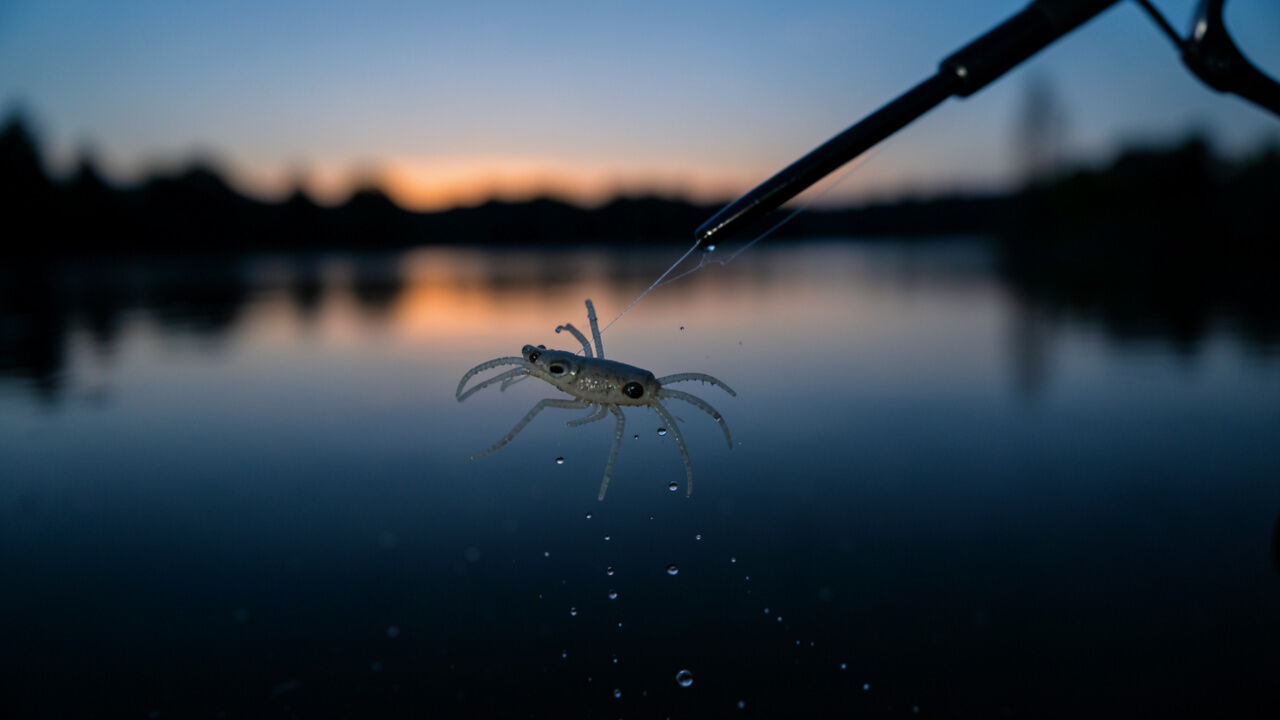
Best Lures for Different Retrieve Cadences
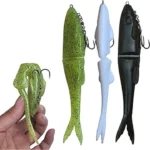
Different lures are designed to work best with specific types of retrieves. Understanding this helps you choose the right lure for the cadence you want to employ. For example, jerkbaits are made to be twitched and paused.
Spinnerbaits excel with a steady retrieve that makes their blades spin and flash.
Soft plastic baits are incredibly versatile. You can swim them slowly, hop them, or drag them. Their action is highly dependent on how you move them.
Jigs are also very adaptable, often fished with a hopping or dragging retrieve that includes pauses. Topwater baits often require a combination of steady retrieves, pops, and pauses.
Jerkbaits and Twitching
Jerkbaits are designed for a stop-and-go retrieve. You reel a bit, then twitch your rod tip, then reel again to take up slack. This creates that darting, erratic action that bass find irresistible.
The length of the pause between twitches is critical and needs to be adjusted based on conditions.
Match your lure’s retrieve speed to the bass’s metabolic activity—warmer water calls for faster action, while cold water demands a patient, injured-prey presentation.
Spinnerbaits and Steady Retrieves
Spinnerbaits are known for their rotating blades, which create flash and vibration. They are typically fished with a steady retrieve. The speed of the retrieve can be varied to match the bass’s activity level.
A faster retrieve might mimic a fleeing baitfish, while a slower one can look like an injured one.
Soft Plastics and Versatile Techniques
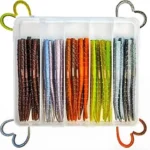
Soft plastics like worms, creature baits, and fluke-style baits can be fished in countless ways. You can swim them with a steady retrieve, twitch them, hop them off the bottom, or let them fall. The key is to impart action that makes them look alive.
The Retrieve Cadence for Bass: Speed, Pause, and Twitch Guide emphasizes that with soft plastics, you have the most control over the lure’s movement.
Topwater Lures and Sound/Action
Topwater lures create commotion on the surface. Poppers make a “pop” sound. Walk-the-dog baits move side-to-side.
Prop baits create a sputtering action. Many topwater lures benefit from a combination of steady retrieves, short twitches, and pauses. The sound and visual disturbance attract bass from below.
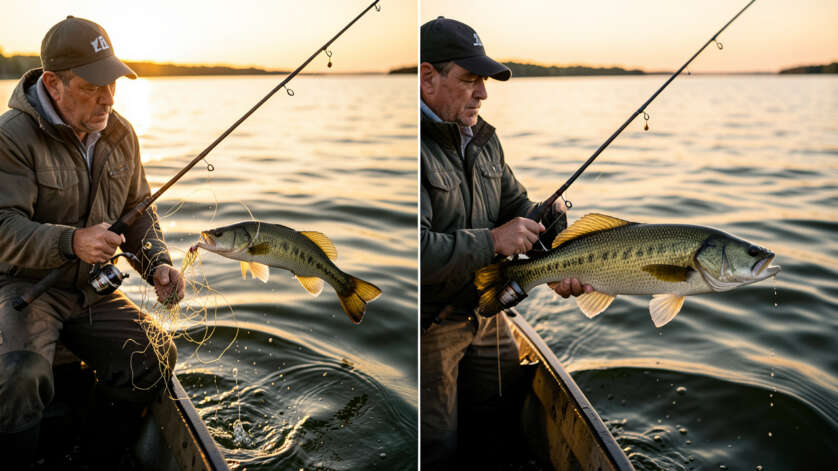
Common Retrieve Cadence Mistakes to Avoid
One of the most common mistakes anglers make is using the same retrieve cadence for every lure and every situation. Bass are not always in the same mood. They don’t always feed on the same things.
A one-size-fits-all approach rarely works consistently.
Another mistake is not pausing long enough or pausing too long. Finding the right pause duration takes practice. Also, twitching too violently or not twitching at all can be detrimental.
It’s about finding the right balance of action.
Using a one-size-fits-all retrieve cadence ignores the bass’s changing mood; the best anglers vary their rhythm with every cast and condition.
The Danger of Monotony
If you reel your lure in at the same speed with no variation, you’re missing out on many opportunities. Bass might follow your lure out of curiosity, but if it doesn’t do something interesting, they’ll often turn away. Introducing pauses and twitches breaks up the monotony and can trigger a strike.
Ignoring Bass Reactions
Pay close attention to how the bass are reacting to your lure. Are they just bumping it? Are they following it without striking?
Are they hitting it immediately? These are all clues. If you’re not getting bites, it’s time to change your retrieve cadence.
Don’t be afraid to experiment. The Retrieve Cadence for Bass: Speed, Pause, and Twitch Guide is all about adaptation.
Frequently Asked Questions
Question: What is the most important part of a bass lure retrieve?
Answer: The most important part is adapting your retrieve cadence to the conditions and the bass’s mood. This means varying speed, pauses, and twitches.
Question: How does water temperature affect the best retrieve cadence for bass?
Answer: Colder water requires slower retrieves with longer pauses, while warmer water allows for faster retrieves and more aggressive actions. This is a key element of the Retrieve Cadence for Bass: Speed, Pause, and Twitch Guide.
Question: Should I always twitch my lures when fishing for bass?
Answer: Not always. Twitching is a powerful technique, but sometimes a steady retrieve or a simple pause is more effective. Observe the bass’s reaction to determine the best action.
Question: How can I tell if my retrieve cadence is wrong?
Answer: If bass are following your lure but not biting, or if you’re getting very few bites, your retrieve cadence might be wrong. Try changing the speed, pause length, or twitch intensity.
Question: Is there a specific retrieve cadence for catching bass in dirty water?
Answer: In dirty water, bass often rely on vibration and sound. A retrieve that creates more disturbance, like a fast spinnerbait or a vibrating jig with a steady retrieve, can be effective.
Question: What’s the best way to learn the ideal Retrieve Cadence for Bass: Speed, Pause, and Twitch Guide?
Answer: Practice is essential. Experiment with different speeds, pauses, and twitches on various lures and in different conditions. Pay attention to what works and what doesn’t.
Final Thoughts
Mastering your lure’s movement is key to catching more bass. By understanding how speed, pauses, and twitches influence a bass’s decision to strike, you can significantly improve your success rate. Keep experimenting with your retrieve cadence to find what works best on any given day.



One Comment