
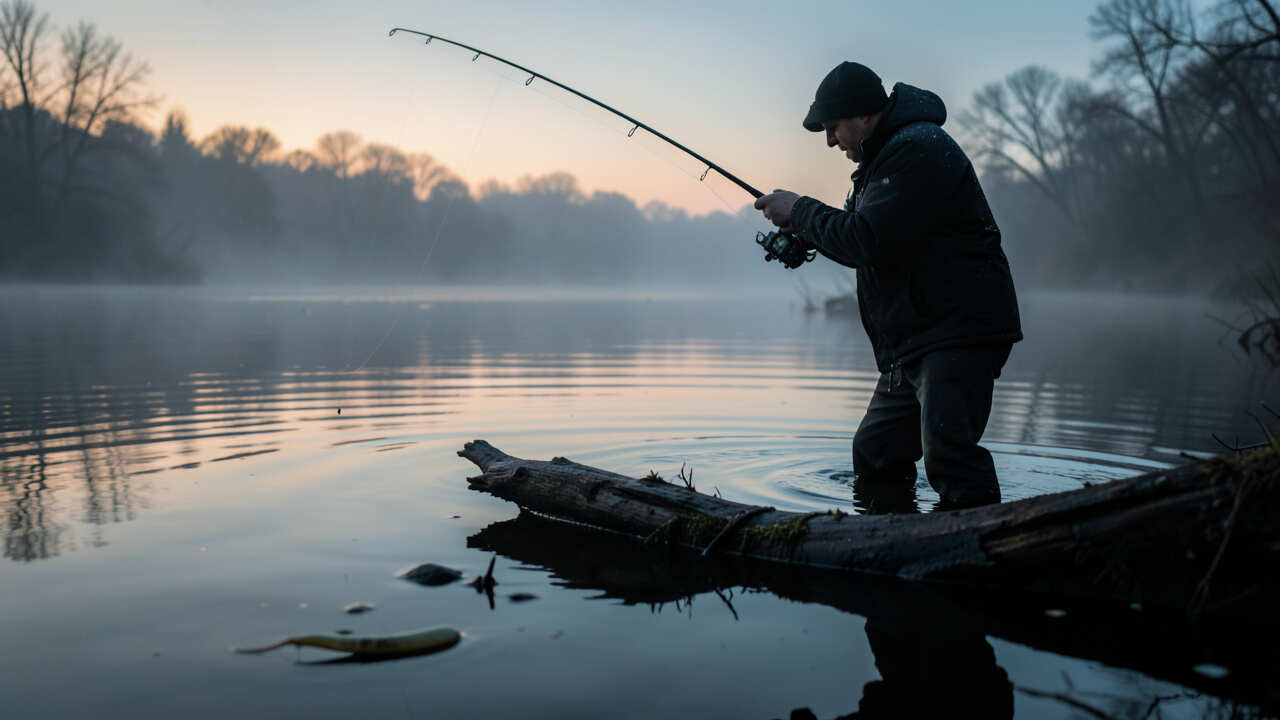
Cold Water Bass Tactics: Slow Down To Catch More Fish
Cold water bass tactics require slowing down your retrieve because bass become metabolically sluggish and conserve energy in cold water. Anglers should use slow-moving baits like jigs, soft plastics, swimbaits, blade baits, and drop shot rigs to match the bass's reduced activity level. The dead stick technique and subtle rod tip action are effective for triggering strikes from inactive fish. Patience and reduced lure speed are essential for consistently catching bass during winter months.
When the water gets cold, bass don’t always chase fast-moving baits like they do in warmer months. They become more sluggish and conserve energy. This is where understanding Cold Water Bass Tactics: Slow Down to Catch More Fish becomes your secret weapon.
By adjusting your approach, you can significantly increase your chances of hooking those winter bass. We’ll cover how to make the right lure choices and present them effectively to get more bites when the fishing gets tough.
Key Takeaways
- Bass metabolism slows down in cold water, making them less active.
- Slow retrieve baits are crucial for enticing sluggish bass.
- Choosing the right lure color and size is important for cold water fishing.
- Understanding bass location in cold water helps target them effectively.
- Subtle bait movements can trigger strikes from finicky bass.
- Patience and observation are key to successful cold water bass fishing.
Why Bass Slow Down in Cold Water
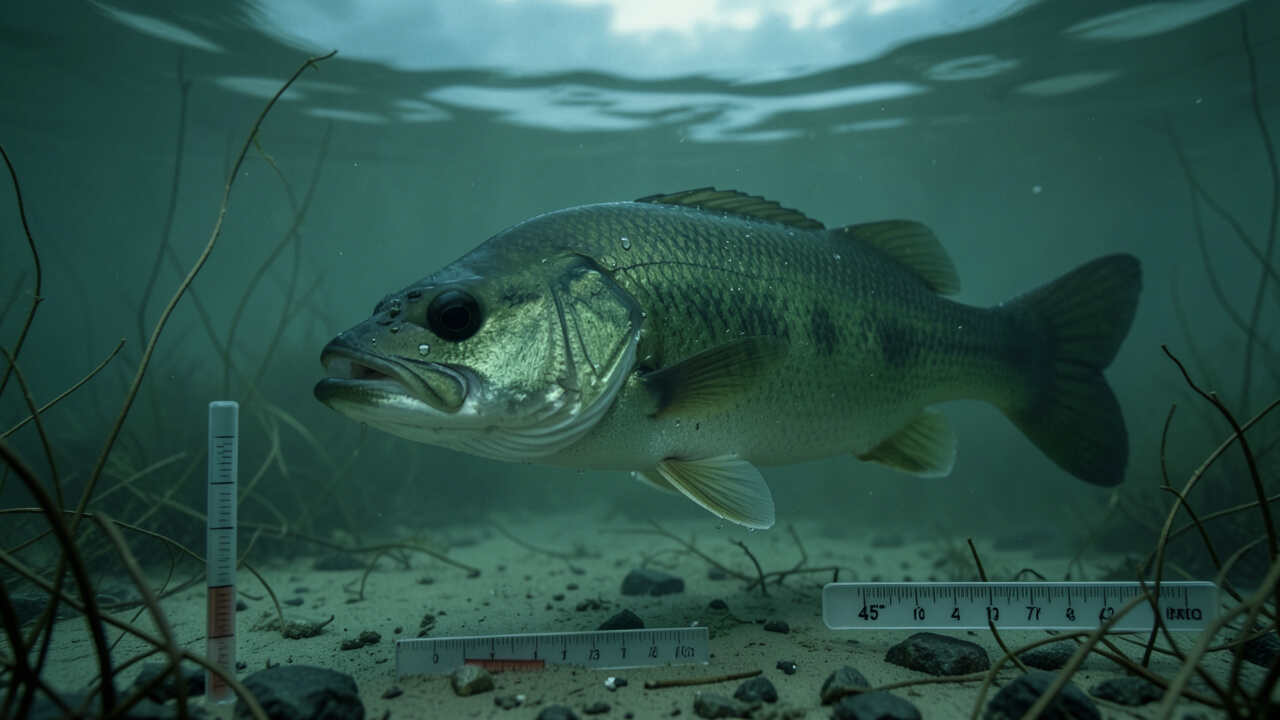
As water temperatures drop, the entire metabolism of a bass slows considerably. They need less food to survive. This means they won’t expend a lot of energy chasing down fast-moving prey.
Think of it like humans needing less food in winter. Bass become more lethargic and prefer to ambush their meals rather than chase them down.
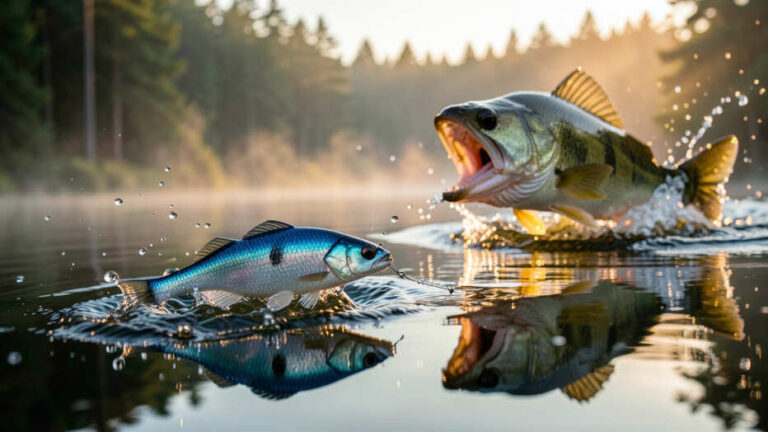
Swimbaits with a natural slow-speed wobble can trigger strikes even when bass are lethargic, requiring only a slight rod twitch for action.
When water temperatures drop, match your lure speed to the bass's slowed metabolism to avoid spooking them with fast retrieves.
This change in behavior directly impacts how you should fish. Your usual aggressive, fast-paced techniques might not work anymore. The fish are simply not in the mood to chase.
They are looking for an easy meal that doesn’t require much effort. This is the core reason why Cold Water Bass Tactics: Slow Down to Catch More Fish are so effective.
Best Lures for Cold Water Bass
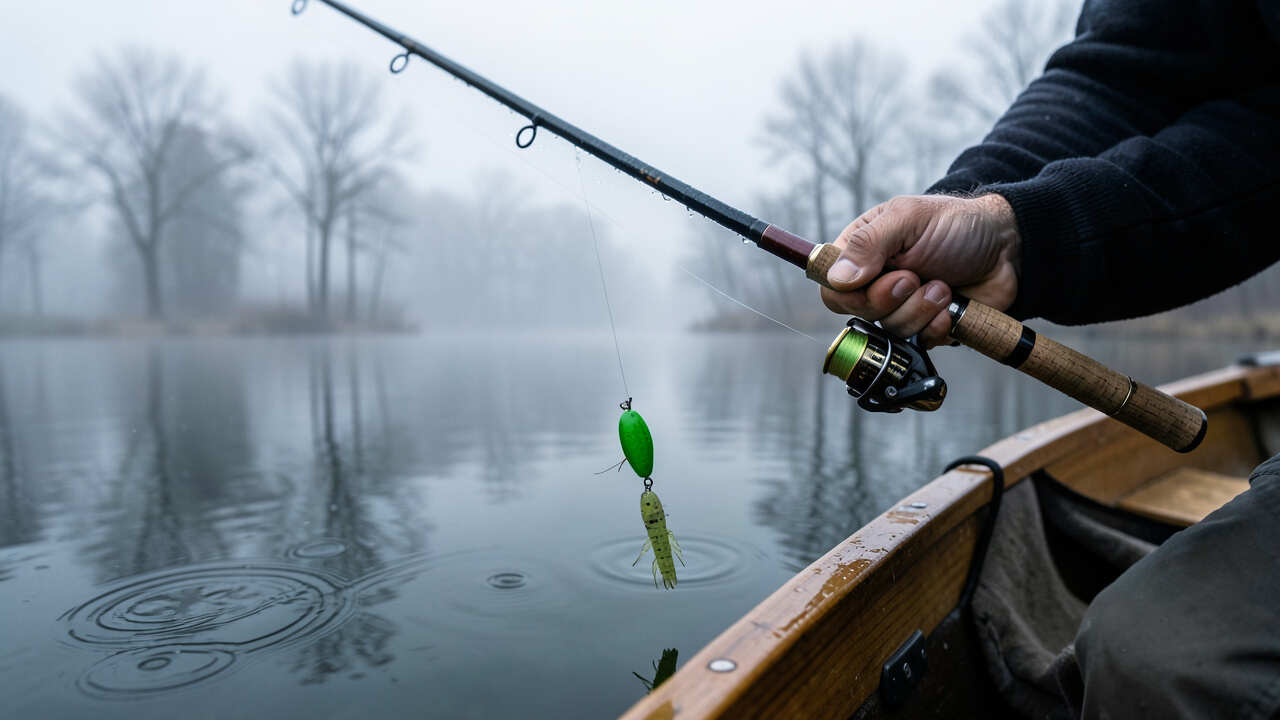
When selecting lures for cold water, the key is to mimic slow-moving or stationary prey. Think about what a cold, lethargic bass would find appealing. It’s usually something that requires minimal effort to eat.
Jigs and Soft Plastics
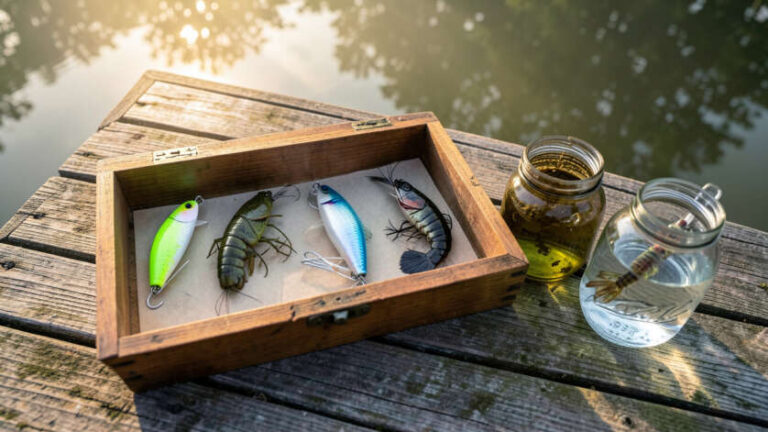
Jigs are fantastic for cold water. You can fish them slowly, letting them hop along the bottom or sit still. A jig with a subtle trailer can mimic a crawfish or a wounded baitfish.
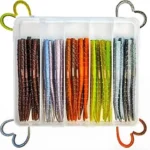
Soft plastics like creature baits, worms, or grubs can also be very effective when rigged weightless or with a light weight.
The trick with soft plastics is to impart very subtle action. A slow drag, a short twitch, or even just letting it sit on the bottom can trigger a bite. The less movement, the better sometimes.
This is a fundamental part of Cold Water Bass Tactics: Slow Down to Catch More Fish.
Swimbaits
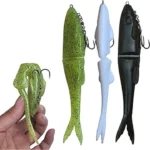
Small to medium-sized swimbaits can work, but you need to fish them very slowly. A slow, steady retrieve is often best. Sometimes, even just a slight twitch of the rod tip can give the swimbait just enough action to draw a strike.
When water temperatures fall below 50°F, deliberate retrieves become essential — bass simply won't chase.
Look for swimbaits with a natural swimming action even at slow speeds.
Consider baits that have a paddle tail for a subtle thump. This vibration can attract bass even when they are not actively feeding. The key is to avoid any jerky or erratic movements.
Keep it smooth and consistent.
Blade Baits and Drop Shot Rigs
Blade baits are excellent for vertical jigging. You can let them fall and then give them a sharp lift, followed by a slow fall. The vibration they put out can call in bass from a distance.
This is a great way to present a bait with a lot of action but in a controlled, slow manner.
The drop shot rig is another top choice. It allows your bait to hover just off the bottom. You can shake the rod tip to give the bait a lot of subtle action without moving the weight much.
This keeps the bait in the strike zone longer and is perfect for finicky cold water bass. Mastering the drop shot is a key element of Cold Water Bass Tactics: Slow Down to Catch More Fish.
When to Slow Down Your Retrieve
The primary trigger for slowing down is water temperature. Generally, when water temperatures drop below 50 degrees Fahrenheit (10 degrees Celsius), bass become much more lethargic. The colder it gets, the slower you need to fish.
Use subtle rod tip movements instead of constant reeling to impart gentle action that entices cold-water bass.
Here’s a simple guide:
- Above 60°F (15°C): You can often get away with moderate to fast retrieves.
- 50-60°F (10-15°C): Start slowing down your retrieve.
- Below 50°F (10°C): Slow, deliberate retrieves are essential.
It’s not just about the temperature, though. Observe the bass’s behavior. If they are not reacting to your faster baits, it’s time to switch gears.
This is a crucial aspect of Cold Water Bass Tactics: Slow Down to Catch More Fish.
How to Fish Slowly and Effectively
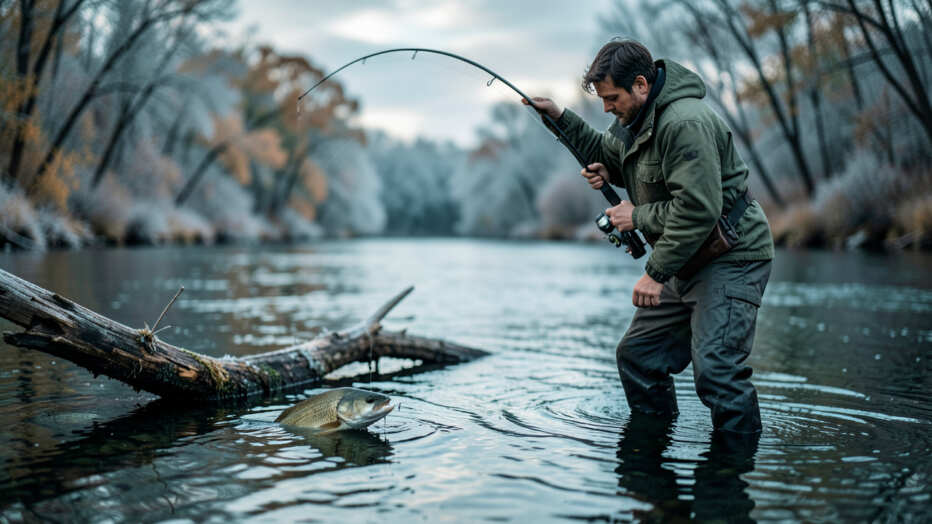
Fishing slowly doesn’t just mean reeling in your bait at a snail’s pace. It involves a combination of lure choice, presentation, and patience. You need to make your bait look like an easy meal.
The “Dead Stick” Technique
This is where you let your bait sit completely still for extended periods. After casting, let your bait settle on the bottom. Then, give it a very subtle twitch or a slow drag.
Let it sit again. Sometimes, the bass will just swim up and eat a bait that isn’t moving at all. This is a highly effective technique for Cold Water Bass Tactics: Slow Down to Catch More Fish.
Subtle Rod Tip Action
Instead of fast reeling, use your rod tip to impart action. For plastics on a shaky head or drop shot, a gentle quiver can make the bait dance. For jigs, a slow hop or drag with the rod tip is more effective than a fast retrieve.
In cold water, bass move to stable areas like drop-offs or deep cover to conserve energy; avoid shallow flats.
The goal is to create a natural, subtle movement that mimics stressed or dying baitfish.
Line Watching and Feel
When fishing slowly, you need to be more attuned to your line. Bites can be very subtle. You might see a slight tick, a twitch, or your line might just go slack.
Feel for any unusual pressure or movement. This requires focus and concentration.
It’s easy to miss a bite when you’re fishing slow. Your brain might tell you nothing is happening. However, a cold water bass might just be gently mouthing the bait.
Learning to detect these subtle signs is part of mastering Cold Water Bass Tactics: Slow Down to Catch More Fish.
Where to Find Cold Water Bass
In colder water, bass tend to move to more stable locations where the temperature is slightly warmer or where they can ambush prey with less effort. They often seek out deeper water or areas with cover that offers some protection from the cold current.
Deeper Water and Structure
Look for areas with significant depth changes. This could be drop-offs, ledges, or underwater humps. Bass will often suspend near these features.
A medium-light to medium power rod with fast action and a smooth drag reel improves bite detection and hooksets in cold conditions.
They might also congregate around any available structure like submerged trees, bridge pilings, or rock piles. These spots offer both cover and a potential ambush point.
Sun-Warmed Areas
On sunny days, shallow areas that receive direct sunlight can warm up slightly. Bass might move into these areas to take advantage of the warmer water and increased baitfish activity. Look for shallow flats, coves, or points that get a lot of sun exposure.
Current Breaks
Bass will often position themselves in areas where they can escape the main current but still be close to potential food sources. This could be behind points, large rocks, or fallen trees in the water. They wait for baitfish to be swept to them by the current.
Adjusting Your Gear for Cold Water
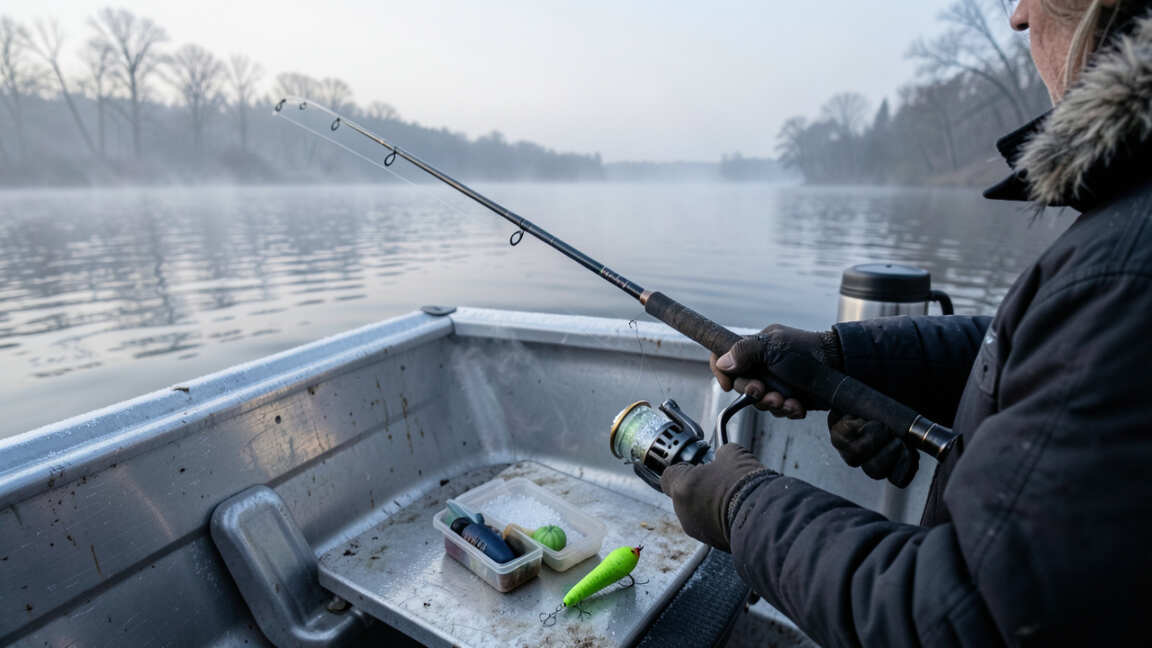
Your tackle can also play a role in successfully implementing Cold Water Bass Tactics: Slow Down to Catch More Fish. Using the right gear can make a significant difference.
Line Choice
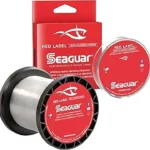
Many anglers prefer fluorocarbon line in cold water. It sinks well, which is good for keeping your bait down. It also has very low stretch, which helps with detecting subtle bites and setting the hook on fish that are less aggressive.
Cold water fishing demands a mindset where long periods without a bite are normal, but focus on each cast pays off.
A lighter line, like 6-8 pound test, can also help your lures move more naturally.
Rod and Reel
A sensitive rod is crucial for feeling those light bites. Look for rods with graphite blanks that transmit vibrations well. A medium-light to medium power rod with a fast action is often ideal.
For reels, a smooth drag system is important. You don’t want a reel that will snap a light line when a fish makes a sudden run.
The Importance of Patience
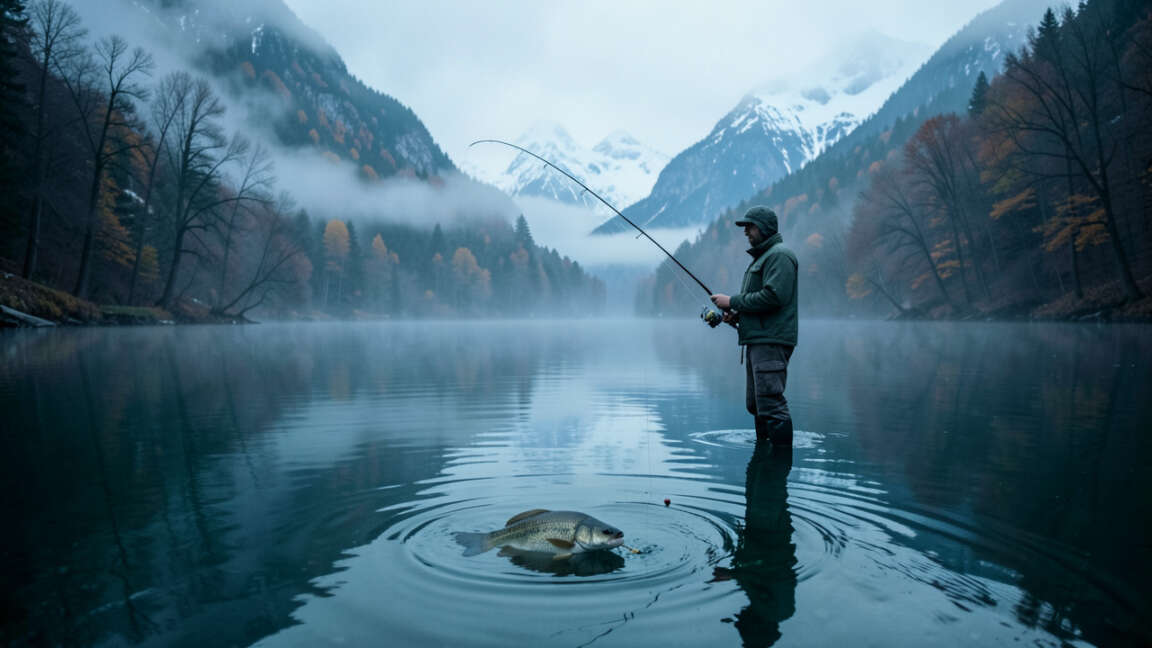
Perhaps the most critical element of Cold Water Bass Tactics: Slow Down to Catch More Fish is patience. Cold water fishing requires a different mindset. You can’t expect to catch fish on every cast, and sometimes you might go through long periods without a bite.
It’s about making each cast count and staying focused. When you do get a bite, the hookset needs to be deliberate. Don’t yank too hard, especially with lighter line.
Understanding how different tactics perform in cold water helps you choose the most effective lure and retrieve for the conditions.
A smooth, firm pull is usually enough to secure the hook.
Don’t get discouraged if you aren’t getting bites immediately. Keep trying different spots and techniques. Observe what’s happening around you.
Are there baitfish present? Are other anglers catching anything? These clues can help you adjust your approach.
Comparing Cold Water Tactics
Understanding how different tactics perform in cold water can help you make better choices on the water. Here’s a quick comparison of common approaches.
This table highlights that for effective Cold Water Bass Tactics: Slow Down to Catch More Fish, you need to lean heavily on slower presentations. Fast baits are generally less productive when the water is cold.
Common Mistakes to Avoid
Even with the right knowledge, anglers can make mistakes that cost them bites. Being aware of these common errors can help you improve.
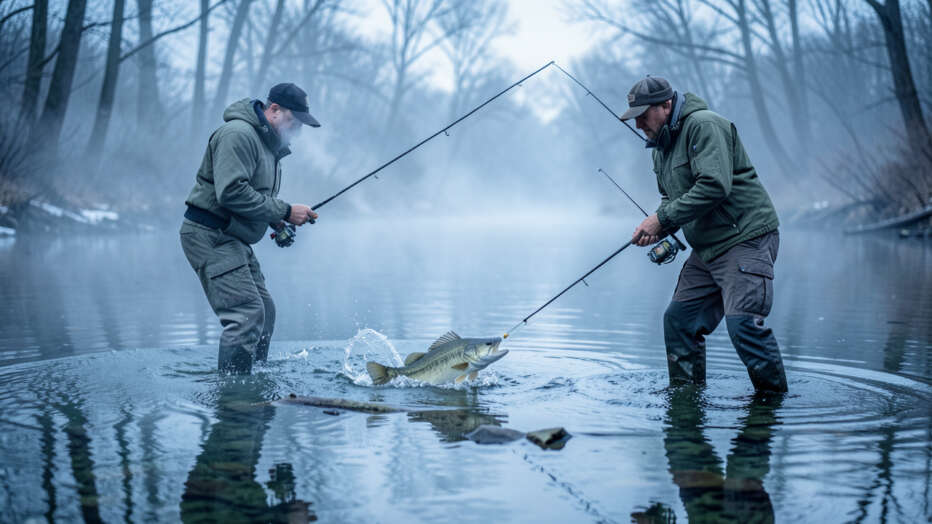
- Fishing too fast: This is the most common mistake. If your bait is moving too quickly, lethargic bass simply won’t chase it.
- Not downsizing lures: In cold water, bass often prefer smaller, more manageable meals.
- Ignoring subtle bites: You must be vigilant and ready to set the hook on even the lightest tap.
- Fishing the wrong depth: Bass move to deeper, more stable water in the cold. Not targeting these areas is a missed opportunity.
- Too much lure action: Overworking your bait can make it look unnatural and scare fish away. Subtle is key.
Avoiding these pitfalls is essential for successful Cold Water Bass Tactics: Slow Down to Catch More Fish. It’s about refining your technique and understanding the fish’s mindset.
Frequently Asked Questions
Why do bass get less active in cold water?
Bass are cold-blooded. Their body temperature depends on the water temperature. As the water cools, their metabolism slows down, meaning they need less energy and food, making them less active.
How slow is “slow” when fishing for cold water bass?
“Slow” means very slow. Think about a baitfish that is struggling or dying. You want your lure to move just enough to be noticeable but not so much that it requires a chase.
Sometimes, this means letting it sit for several seconds between twitches or drags.
Should I use brighter colors in cold water?
Generally, natural, subtle colors like watermelon, green pumpkin, and brown tend to work best. However, on very cloudy days or in stained water, a touch of chartreuse or orange can sometimes help attract attention.
What is the best time of day for cold water bass fishing?
Mid-day, when the sun is highest and potentially warming shallow areas, can be very productive. However, early morning and late afternoon can also work, especially if you’re targeting deeper water.
How important is line watcher when using Cold Water Bass Tactics: Slow Down to Catch More Fish?
Line watching is extremely important. Bites can be very subtle in cold water, and watching your line for any slack, twitch, or movement is often the only way to detect a strike.
Do I need to change my hookset for cold water bass?
Yes, especially if you are using lighter lines or smaller hooks. A smooth, deliberate hookset is better than a hard, jarring yank. This prevents tearing the hook out of a less aggressive fish’s mouth.
Final Thoughts
When the water chills, remember that bass become less active. Adjusting your approach with slower baits and presentations is key to success. Focus on subtle movements and patience to trigger bites from lethargic fish.
Applying these Cold Water Bass Tactics: Slow Down to Catch More Fish will help you fill your cooler.

2 Comments