



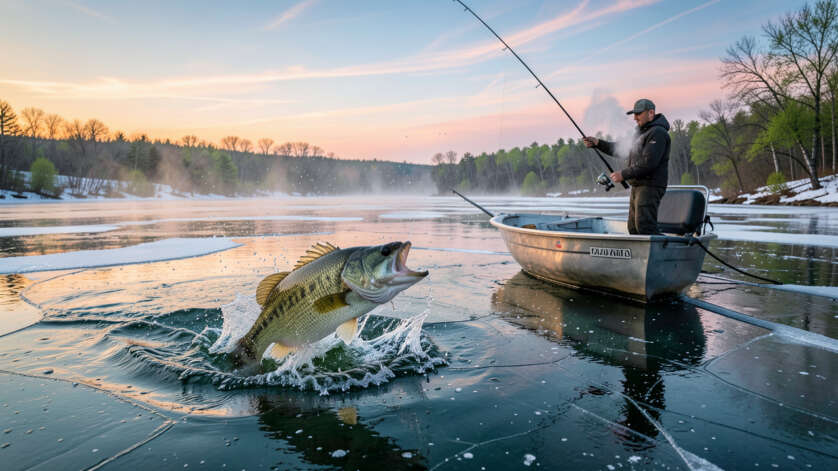
Ice-Out Bass: How To Find Aggressive Fish After Long Winter
Ice-out bass fishing targets aggressive fish that become active as warming water triggers a feeding frenzy after winter dormancy. Prime locations include shallow bays, inlets, and outlets where sun-warmed water attracts hungry bass, along with submerged structure and cover. Effective early spring lures include soft plastics, jigs, jigging spoons, spinnerbaits, and chatterbaits that mimic easy prey. Understanding these patterns helps anglers locate and catch aggressive post-winter bass efficiently.
The water is starting to warm up, and that means one thing for anglers: the bass are getting active! After a long winter, finding these hungry fish can be a challenge, but knowing where to look and what to use makes all the difference. This guide will help you understand the behavior of bass as the ice melts and show you how to locate them.
Get ready to catch more fish with our tips on Ice-Out Bass: How to Find Aggressive Fish After Long Winter. We’ll cover the best spots, lures, and times to fish for those early spring bites.
Key Takeaways
- Understand how water temperature and weather affect bass behavior after ice-out.
- Learn the prime locations where bass gather in early spring.
- Discover the most effective lures and baits for catching ice-out bass.
- Identify the best times of day and weather conditions for early spring bass fishing.
- Develop strategies to adapt your fishing approach as conditions change.
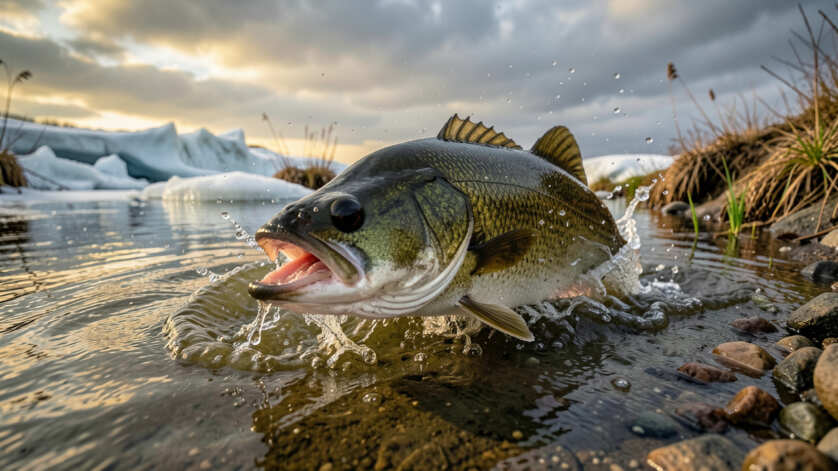
Why Bass Become Aggressive After Ice-Out
Winter is tough on fish. They conserve energy and stay in deeper, more stable water. When the ice finally breaks and the sun starts warming the shallows, bass feel a change.
This change signals a shift in their feeding habits. They need to regain the energy they lost during the cold months. This hunger makes them much more aggressive feeders.
Understanding this basic drive is the first step to finding them.
Use the increased sunlight and warming shallows to your advantage by focusing on areas where bass are recovering energy.
The melting ice also changes the environment. Increased sunlight penetrates the water. This promotes the growth of algae and plankton, which in turn attract baitfish.
Bass follow this food chain into shallower areas. They are looking for easy meals. This is a prime time for anglers to target them.
You can often find Ice-Out Bass: How to Find Aggressive Fish After Long Winter in areas that were previously inaccessible or less productive.
Prime Locations for Ice-Out Bass
After the ice melts, bass move from their deep wintering holes. They seek out areas that offer a combination of warmer water and available food. These are the spots where you’ll have the best luck.
Warmer Shallow Bays
The first places to check are the shallow, protected bays. These areas warm up much faster than the main lake. Look for bays that have dark bottoms, as these absorb more sunlight and heat.
These spots are often shielded from strong winds, which keeps the water temperature more stable.
Baitfish love these warmer waters too. You’ll often see signs of baitfish activity in these bays. Bass won’t be far behind.
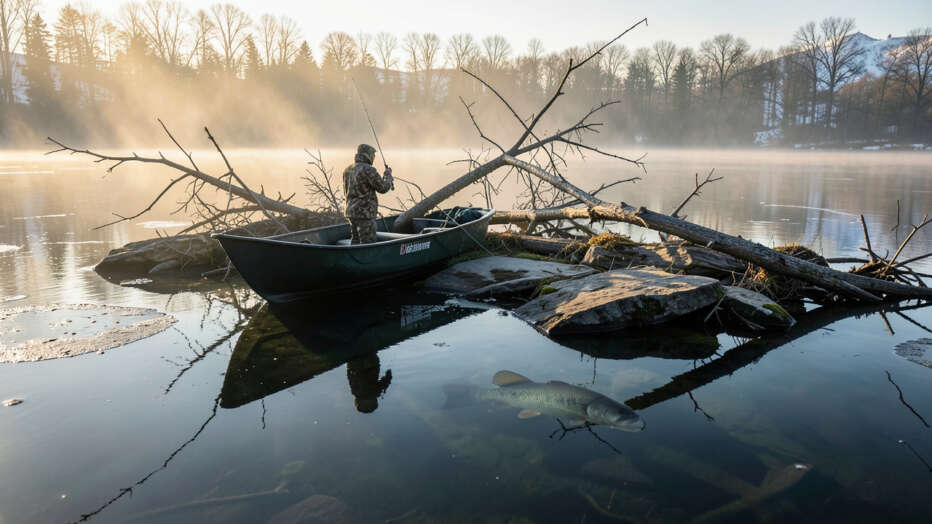
Focus on the edges of these bays, near any structure like fallen trees, docks, or weed beds that are starting to emerge.
Inlets and Outlets of Lakes
Rivers and streams flowing into or out of lakes are also hot spots. The moving water is often a few degrees warmer. It also brings in fresh oxygen and nutrients.
Focus on shallow bays with dark bottoms and developing weed lines, as these areas warm fastest and attract baitfish.
This attracts baitfish, and where baitfish go, bass follow.
Look for areas where the current slows down. This might be around points, humps, or submerged structure. These calmer pockets are perfect ambush points for bass.
The fresh water influx can trigger feeding behavior. This is a key aspect of understanding Ice-Out Bass: How to Find Aggressive Fish After Long Winter.
Submerged Structure and Cover
Even in shallow areas, bass will look for places to hide and ambush prey. Submerged logs, rocks, brush piles, and dock pilings are excellent targets. These structures provide a place for baitfish to gather.
They also offer bass a place to rest and wait for a meal.
As the water warms, new weed growth might start appearing. These early weed beds are magnets for baitfish and bass. Target the edges of these developing weed lines.
Any transition zone, like where weeds meet open water or rock, can be productive.
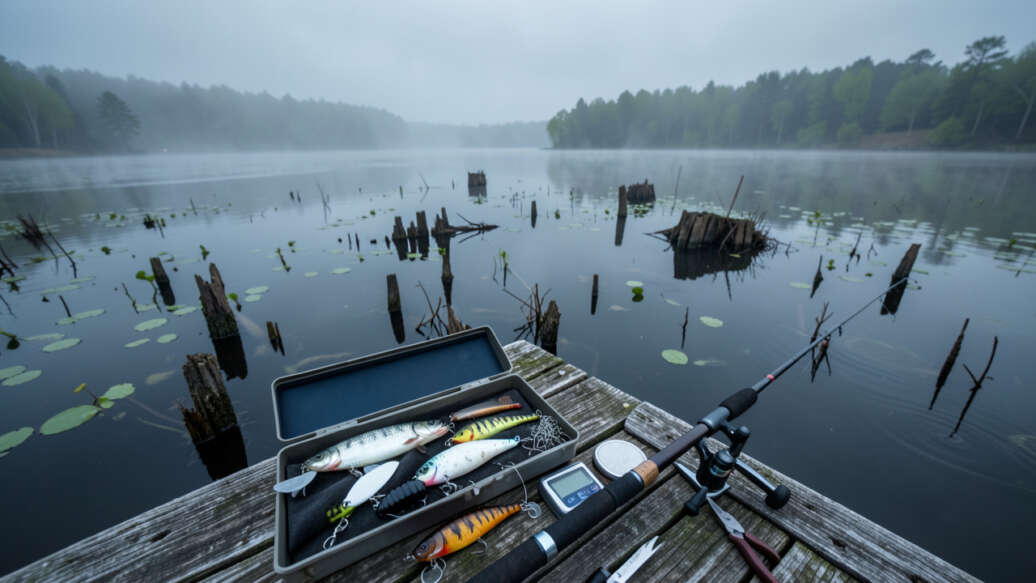
Effective Lures and Baits for Early Spring Bass
The type of lure you use is crucial for enticing those post-winter bass. Their metabolism is picking up, but they might still be a bit sluggish. You need to present your bait in a way that triggers their instinct to feed.
Soft Plastics
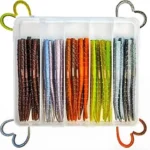
Soft plastic baits are incredibly versatile for ice-out bass fishing. Worms, crawfish, and grub-style plastics can mimic natural forage. Rigging them weightless or with a very light weight allows for a slow, natural presentation.
This is perfect for bass that are still a bit hesitant.
Try Texas rigs, shaky heads, or drop shots. These rigging methods keep the bait near the bottom where many baitfish are. Experiment with different colors.
Natural tones like green pumpkin, watermelon, and brown often work best. Don’t forget to try some chartreuse or white for contrast.
Jigs and Jigging Spoons
A jig can be an excellent choice for targeting bass around structure. A football jig or a finesse jig can be bounced along the bottom. This imitates a crawfish or a slow-moving baitfish.
The action of the jig can draw a reaction strike from a less-than-enthusiastic bass.
For deeper water or when you need to cover more area, a jigging spoon can be effective. Drop it down to the bottom and use an aggressive up-and-down jigging motion. The flash and flutter can attract bass from a distance.
A slow, natural presentation with weightless soft plastics often triggers a reaction strike from post-winter bass.
This is a great technique for finding active fish when you’re unsure of their exact location.
Spinnerbaits and Chatterbaits
These lures offer both flash and vibration, which can be irresistible to bass. Spinnerbaits are great for covering water. They can be fished at various depths.
A single-blade spinnerbait is good for slower retrieves. A tandem-blade spinnerbait can be worked a bit faster.
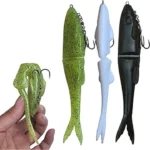
Chatterbaits, also known as vibrating jigs, create a lot of noise and vibration. This can be very effective when bass are looking for an easy meal. They are also good at imitating baitfish.
Try them around shallow cover like docks or weed edges.
Crankbaits
Shallow-diving crankbaits can be very effective in the warming shallows. Look for crankbaits that mimic baitfish. They should have a tight wobble.
Retrieve them at a moderate pace. You can also try pausing them occasionally to trigger a bite.
Colors like shad patterns, crawfish patterns, and firetiger can work well. Match the crankbait’s depth to the water you are fishing. If you’re in 2-4 feet of water, use a crankbait that dives to that depth.
Understanding Bass Behavior and Feeding Patterns
Bass behavior changes significantly as the winter ice recedes. Understanding these shifts is key to successful fishing.
Water Temperature’s Role
Water temperature is the most critical factor. Bass are cold-blooded, meaning their body temperature matches the water. As the water warms from the 40s into the 50s Fahrenheit, their metabolism speeds up.
This directly influences their feeding activity.
When water temps are in the low 40s, bass are still lethargic. They feed only when necessary. As temps climb into the mid-to-high 50s, they become much more active and aggressive.
This is when you’ll see the best action for Ice-Out Bass: How to Find Aggressive Fish After Long Winter.
The Impact of Sunlight and Weather
Sunny days can dramatically increase water temperature in shallow areas. A few hours of direct sunlight can warm up a protected bay several degrees. This can push bass into these areas to feed.
Target bass when water temperatures climb into the mid-to-high 50s, as their metabolism and aggression increase significantly.
Cloudy days might keep them a bit deeper or less active.
Wind can also play a role. A gentle breeze can stir up the water. This can oxygenate it and push baitfish into certain areas.
However, strong, cold winds can push bass back into deeper, more protected water. Pay attention to the wind direction and strength.
Pre-Spawn Aggression
As spring progresses towards the pre-spawn period, female bass begin to feed heavily. They are building up energy reserves for egg development and spawning. This makes them particularly aggressive and willing to chase down larger baits.
Male bass also become more territorial and aggressive.
This pre-spawn feeding frenzy is what many anglers look forward to. It’s a prime time for catching large bass. The goal is to present a lure that looks like a substantial meal to these hungry fish.
Timing Your Fishing Trips for Maximum Success
Knowing when to go fishing can be just as important as knowing where to go.
Best Times of Day
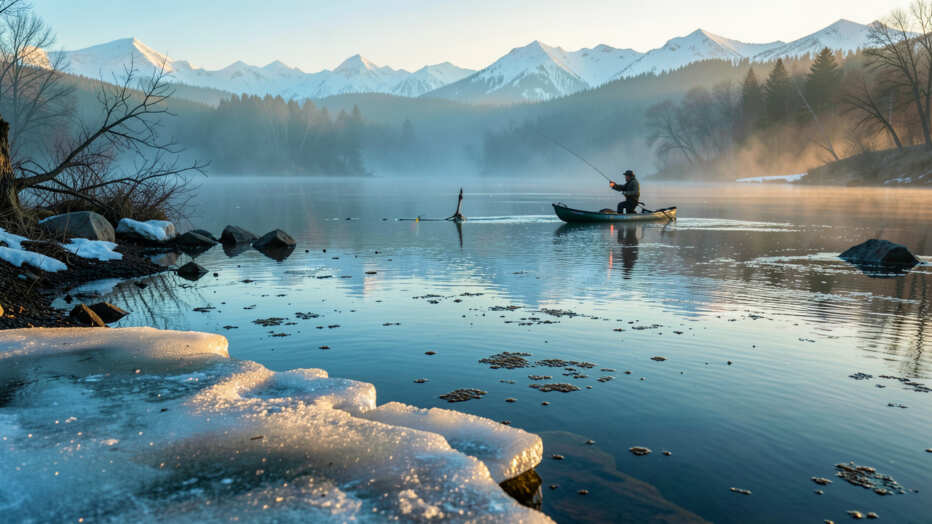
Early mornings and late afternoons are often the most productive times. As the sun rises, shallow areas begin to warm. Bass move in to feed.
In the late afternoon, as the sun starts to dip, they might again move into shallower feeding grounds.
Avoid fishing only at midday on cold overcast days; instead, focus on early mornings and late afternoons when shallow areas warm up.
However, on very sunny, warm days, bass might feed actively throughout the day. Conversely, if it’s a cold, overcast day, midday might be your best bet as the sun’s warmth is less impactful. Experiment to see what works best on your local waters.
Seasonal Progression
The “ice-out” period isn’t just one moment; it’s a progression. The first few weeks after the ice melts are different from the weeks leading up to spawning. Initially, focus on warmer shallows and structure.
As the water continues to warm into the 60s, bass will move shallower and start looking for spawning beds. This is when you might see them more actively patrolling the banks and flats. Understanding this seasonal movement is vital for consistent success with Ice-Out Bass: How to Find Aggressive Fish After Long Winter.
Adapting Your Strategy for Changing Conditions
Fishing is all about adapting. The conditions can change quickly in early spring.
Reading the Water
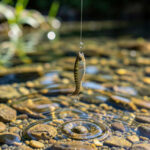
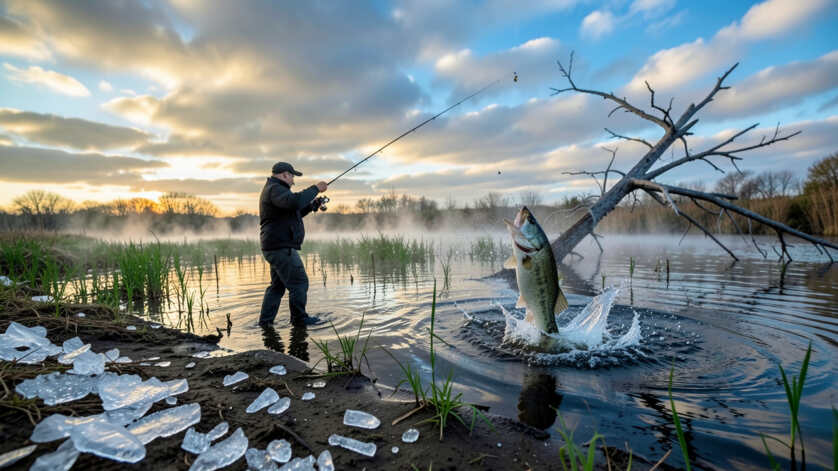
Learn to read the water. Look for signs of baitfish activity, like dimpling on the surface or baitfish schools on your electronics. Observe the water clarity.
In clearer water, bass might be more wary, so a stealthier approach might be needed. In stained or muddy water, they might rely more on vibration and sound.
Use wind to your advantage by fishing the downwind side of the lake, where warmer water and baitfish often accumulate.
Pay attention to wind. Wind can blow baitfish into coves and points. It can also make the water warmer on the downwind side of the lake.
Use the wind to your advantage.
Retrieving Lures Effectively
When bass are sluggish, a slow, steady retrieve is often best. Let your lure sit on the bottom for a few seconds before moving it. This gives a hesitant bass time to investigate.
For reaction strikes, try varying your retrieve speed. Speed up, then slow down, or add a pause.
If you’re fishing with soft plastics, use subtle twitches and hops. For jigs, a slow drag along the bottom is often more effective than a fast retrieve. The key is to match your retrieve to the bass’s mood and energy level.
Comparison: Early Spring Bass vs. Summer Bass
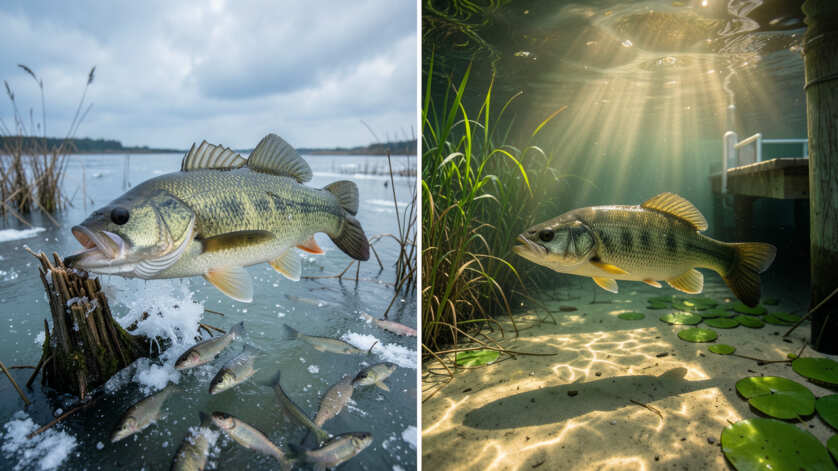
The feeding behavior and locations of bass differ significantly between early spring and summer. Understanding these differences helps you target them effectively. For deeper understanding of retrieves, consult the Wikipedia article on bass fishing techniques.
Targeting ice-out bass requires adjusting your approach for cooler, warming water and more opportunistic feeding behavior.
This table highlights how drastically the bass fishing game changes. Targeting Ice-Out Bass: How to Find Aggressive Fish After Long Winter requires a different approach than summer fishing. The table above compares early spring and summer largemouth bass behavior in different water temperatures.
Frequently Asked Questions
When is the best time to fish for ice-out bass?
The best time is generally when water temperatures reach the mid-50s Fahrenheit. Look for warmer shallow bays and areas with structure. Early mornings and late afternoons are often productive, but sunny days can make them active all day.
What are the most important factors for finding ice-out bass?
Key factors include water temperature, sunlight penetration, and available structure. Bass move into warmer, shallower areas where baitfish congregate. Look for protected bays, inlets, and areas with submerged cover.
Are bass more aggressive after the ice melts?
Yes, bass are typically more aggressive after the long winter. They need to feed to regain energy lost during hibernation. This increased hunger makes them more likely to strike lures.
What type of lures work best for Ice-Out Bass: How to Find Aggressive Fish After Long Winter?
Soft plastics like worms and crawfish, jigs, spinnerbaits, and shallow-diving crankbaits are very effective. These lures can imitate natural forage and trigger bites from hungry bass.
Should I fish deeper or shallower after ice-out?
You should primarily focus on shallower areas that warm up faster. However, if the water is still very cold or the weather is harsh, bass might remain in deeper, more stable water. Always look for warmer pockets and structure.
Final Thoughts
Catching bass after the ice melts is incredibly rewarding. Focus on warmer, shallower waters with structure. Use lures that mimic baitfish and crawfish, and adjust your retrieve to match the bass’s mood.
With these tips for Ice-Out Bass: How to Find Aggressive Fish After Long Winter, you’ll be well-prepared for a great spring fishing season. Before heading out, check Wisconsin bass fishing regulations from the state DNR.