

Jerkbait Bass Fishing: Cadence, Pauses, And Cold Water Tips
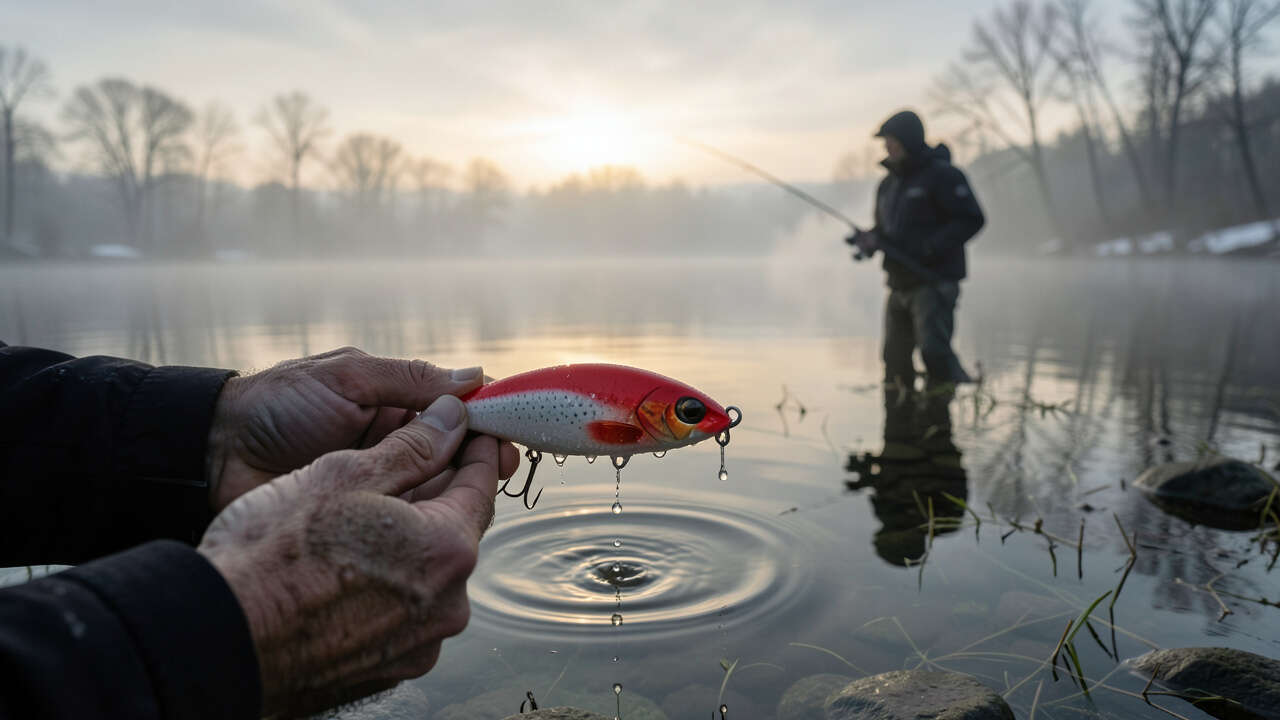
Jerkbait bass fishing in cold water requires a slower cadence and longer pauses to trigger strikes from sluggish bass, as lower temperatures slow their metabolism and reduce aggression. Adjusting retrieve speed to a deliberate, stop-and-go pattern mimics injured prey, which is essential when bass hold in deeper, structured areas near drop-offs or points. Success depends on choosing a suspending jerkbait in natural colors, paired with a moderate-fast rod and sensitive line to detect subtle bites and control bait depth.
When the water gets cold, bass can get sluggish. This makes fishing tougher, but there are ways to still catch them. Learning the right way to work your lure is key.
We’ll show you how to adjust your retrieve with pauses and cadence. This will help you catch more bass, even when the temperatures drop. Get ready to improve your success with Jerkbait Bass Fishing: Cadence, Pauses, and Cold Water Tips.
You’ll learn what makes bass bite when they’re not very active.
Key Takeaways
- Understanding how water temperature affects bass behavior is crucial for cold water jerkbait fishing.
- Adjusting your jerkbait retrieve cadence to be slower and more deliberate is essential in cold water.
- Strategic pauses are vital for triggering strikes from less aggressive, cold-water bass.
- Choosing the right jerkbait and color can significantly impact your success in colder conditions.
- Rod action and line tension play important roles in presenting your jerkbait effectively.
- Knowing where bass hold in cold water will help you position yourself for better bites.
Why Cold Water Changes Bass Behavior
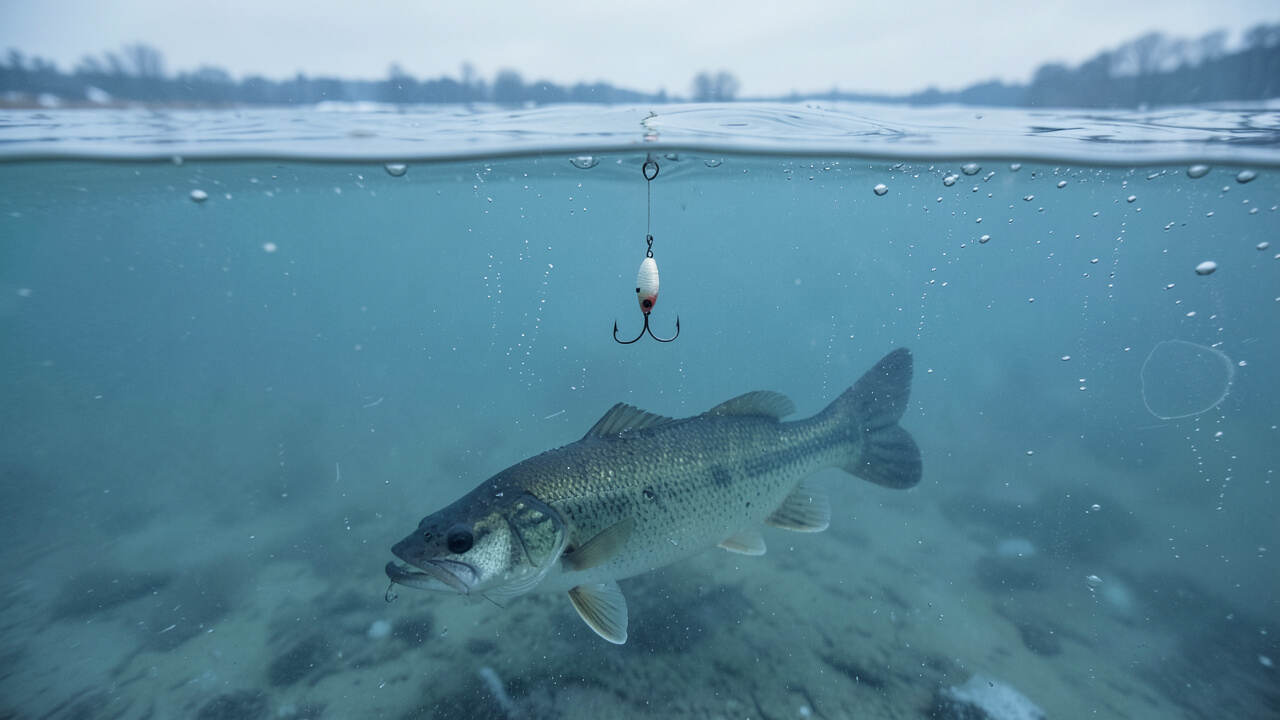
Bass are cold-blooded. This means their body temperature matches the water around them. When water temperatures drop, their metabolism slows down considerably.
They don’t need to eat as much. They also don’t have as much energy to chase fast-moving prey. This makes them less aggressive and harder to catch.
In warmer water, bass are often active hunters. They will chase down baits that move quickly. But in cold water, they often become more stationary and conserve energy.
In cold water, bass conserve energy and often wait for easy meals, so adjust your retrieve to appear wounded and slow.
They prefer to ambush prey that comes close. This is why your fishing tactics need to change.
Understanding this basic biology is the first step. It helps explain why a fast retrieve that works in summer might fail in fall or winter. The fish simply aren’t in the mood or capable of that kind of chase.
Your approach must cater to their reduced activity level. This is where mastering Jerkbait Bass Fishing: Cadence, Pauses, and Cold Water Tips becomes so important. It’s about adapting to the fish’s current state.
Mastering Jerkbait Cadence in Cold Water
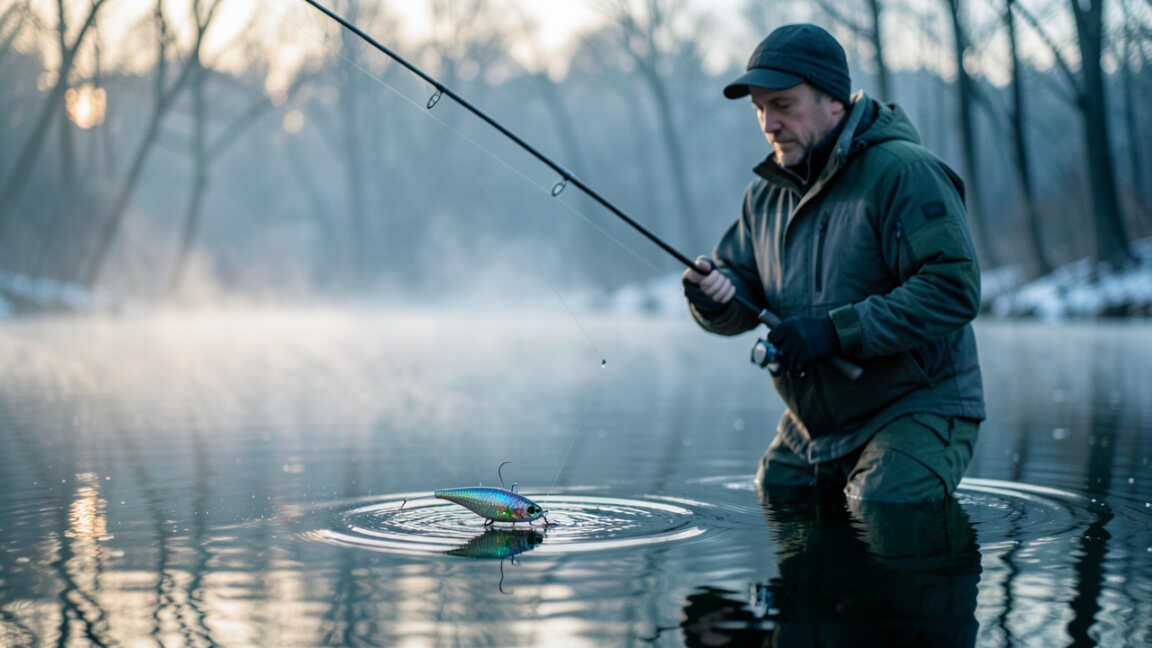
Cadence refers to the rhythm of your lure’s action. It’s the combination of twitches, pulls, and pauses. In cold water, a slower, more subtle cadence is usually best.
Forget the aggressive, rapid-fire twitches you might use in summer. Think about a slow, deliberate retrieve. This means fewer rod snaps and longer pauses.
The goal is to make the jerkbait look like an easy meal. It should appear to be struggling or dying. This is often irresistible to a lethargic bass.
First, start with a slow, steady retrieve. Give the jerkbait a couple of gentle twitches. Then, let it sit for a longer period.
The duration of this pause is critical. It can range from a few seconds to as long as 10-15 seconds. You need to experiment.
Watch your line for any subtle movement during the pause. Bass will often pick up a bait when it’s sitting still. They do this with minimal aggression.
Pauses in your cadence allow the jerkbait to suspend naturally, mimicking an injured baitfish that a lethargic bass can catch without expending much energy.
A sudden tug on your line during a pause is a classic sign of a bite.
Second, vary your twitches. Instead of two sharp snaps, try one long pull. Or try a series of very short, subtle twitches.
Each jerkbait has a different action. Some are designed to suspend, others to sink slowly. Understanding how your specific bait behaves is key.
A bait that sinks too fast can be a problem. It might hit the bottom before a bass can get to it. Conversely, a bait that floats up too much might not get down to where the bass are holding.
Next, pay attention to the water temperature. The colder the water, the slower your cadence should generally be. In water around 50-55°F, you might use slightly more action.
But once it drops into the 40s, you’ll likely need to slow down significantly. Your retrieve should be almost agonizingly slow. The pauses become the most important part of the retrieve.
This is a fundamental aspect of Jerkbait Bass Fishing: Cadence, Pauses, and Cold Water Tips.
The Power of the Pause
The pause is where many cold-water jerkbait bites happen. When the water is cold, bass are not chasing baitfish aggressively. They are often waiting for an easy opportunity.
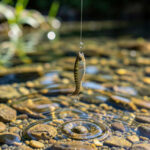
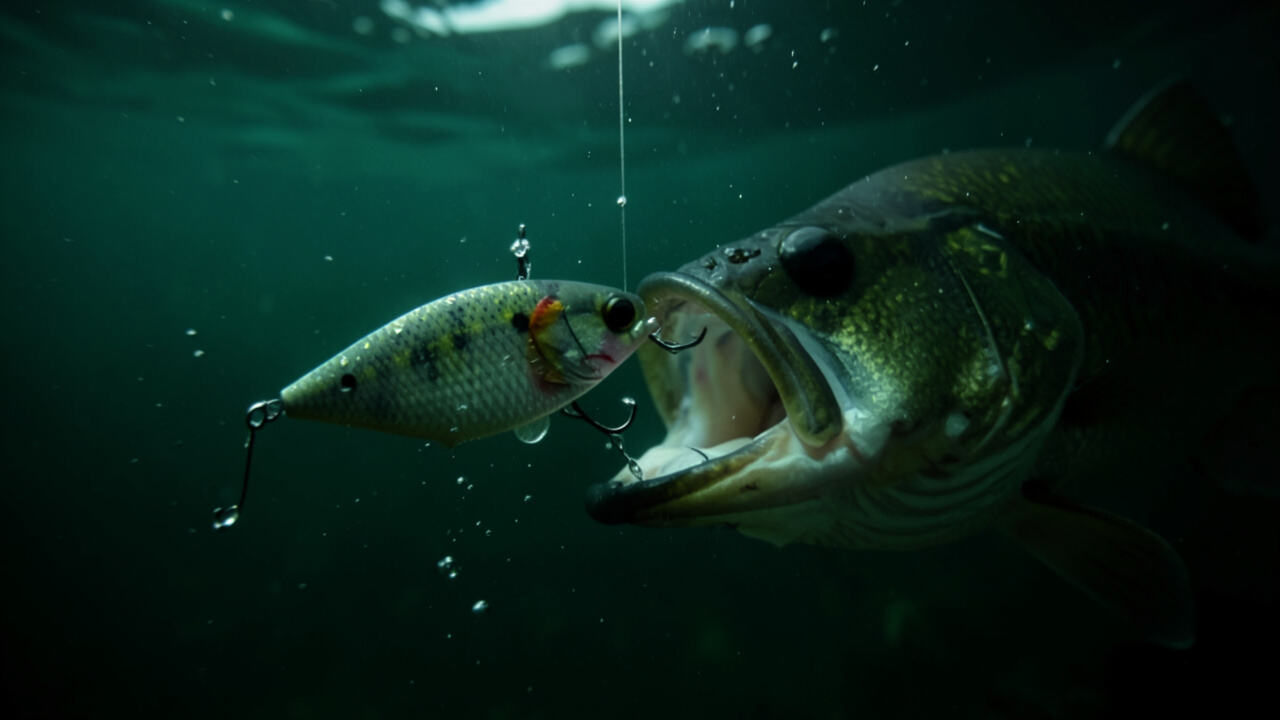
A jerkbait that suspends or sinks slowly during a pause mimics a wounded baitfish perfectly. This is exactly what a bass is looking for when it’s conserving energy. The pause allows the bass to move in and inspect the bait.
They might even gently mouth it before committing to a full strike. This is why you need to be patient and ready.
A common mistake is to reel too quickly after a pause. You might miss a subtle pickup. Always keep a slight tension on your line during the pause.
This allows you to feel even the lightest bite. If you feel a tap or a sudden weight, don’t yank the rod. Just reel up the slack smoothly until you feel resistance.
The pause is not just a rest; it is the moment when the bass decides whether to strike.
Then set the hook. This gentle approach often prevents you from pulling the bait away from a hesitant bass.
Consider the depth of the bass. If they are suspended mid-water, a bait that suspends well is crucial. This keeps your lure in the strike zone during the pause.
If bass are near the bottom, a bait that sinks slowly might be better. It can entice them to rise a short distance. The length of the pause is highly dependent on the bass’s mood.
Some days, a 5-second pause is enough. Other days, you might need to wait 15 or 20 seconds. You have to experiment to find what works on any given day.
The pause is not just about waiting. It’s an active part of the retrieve. It’s the moment of opportunity.
Mastering the timing and duration of pauses is a key skill for successful Jerkbait Bass Fishing: Cadence, Pauses, and Cold Water Tips. It turns a simple lure presentation into a strategic hunting tactic.
Choosing the Right Jerkbait for Cold Water
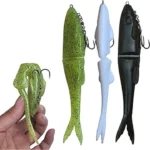
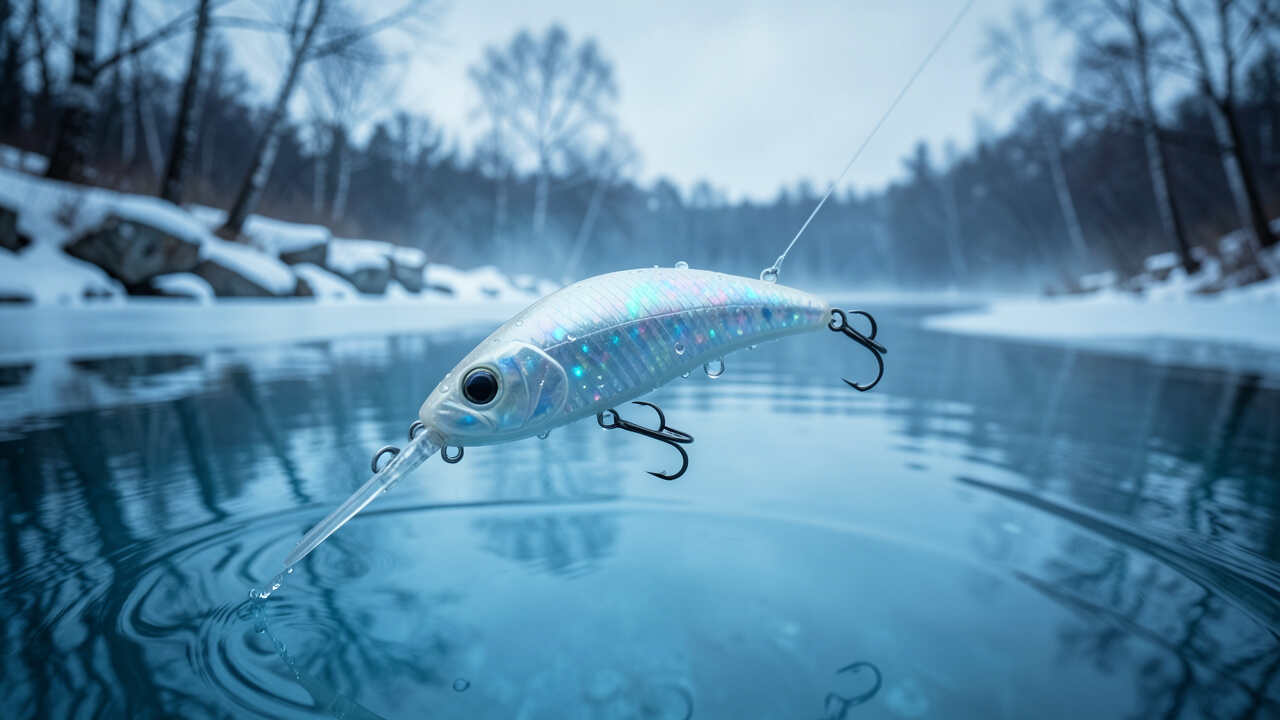
Not all jerkbaits are created equal, especially when fishing in cold water. Certain features make a jerkbait more effective in these conditions. First, consider the suspending quality of the bait.
A jerkbait that suspends perfectly in the water column during pauses is ideal. This keeps it in the strike zone longer. It also mimics a wounded baitfish better than one that sinks rapidly or floats up too quickly.
Weight transfer systems are also beneficial. These systems allow the jerkbait to cast farther. They also help the lure maintain a more horizontal profile when paused.
This can be more appealing to sluggish bass. Look for jerkbaits with rattles that produce a subtle, low-frequency sound. Loud rattles can sometimes spook cold-water bass.
A softer sound can be more enticing. The action of the bait itself is also important. Some jerkbaits have a tighter, more subtle wobble.
Select a jerkbait that suspends perfectly in water column to keep it in the strike zone longer during pauses.
Others have a wider, more aggressive action. In cold water, a tighter wobble is often preferred.
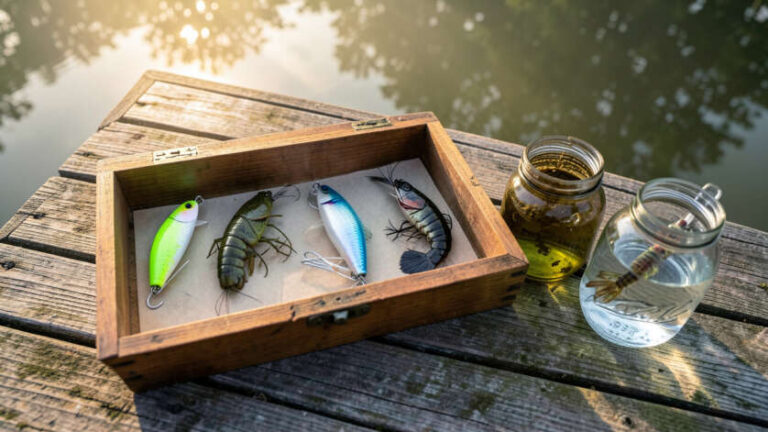
Color selection is another critical factor. In clear, cold water, natural baitfish colors are often best. Think about shad patterns, perch, or crawfish colors.
When the water is stained or murky, brighter colors can be more effective. Chartreuse, white, or even a firetiger pattern might trigger a strike. A good rule of thumb is to match the hatch.
Observe what baitfish are present in the body of water you’re fishing. Then, try to mimic their appearance with your jerkbait color.
A table can help illustrate the differences in jerkbait features for cold water:
Rod and Reel Setup for Jerkbait Bass Fishing
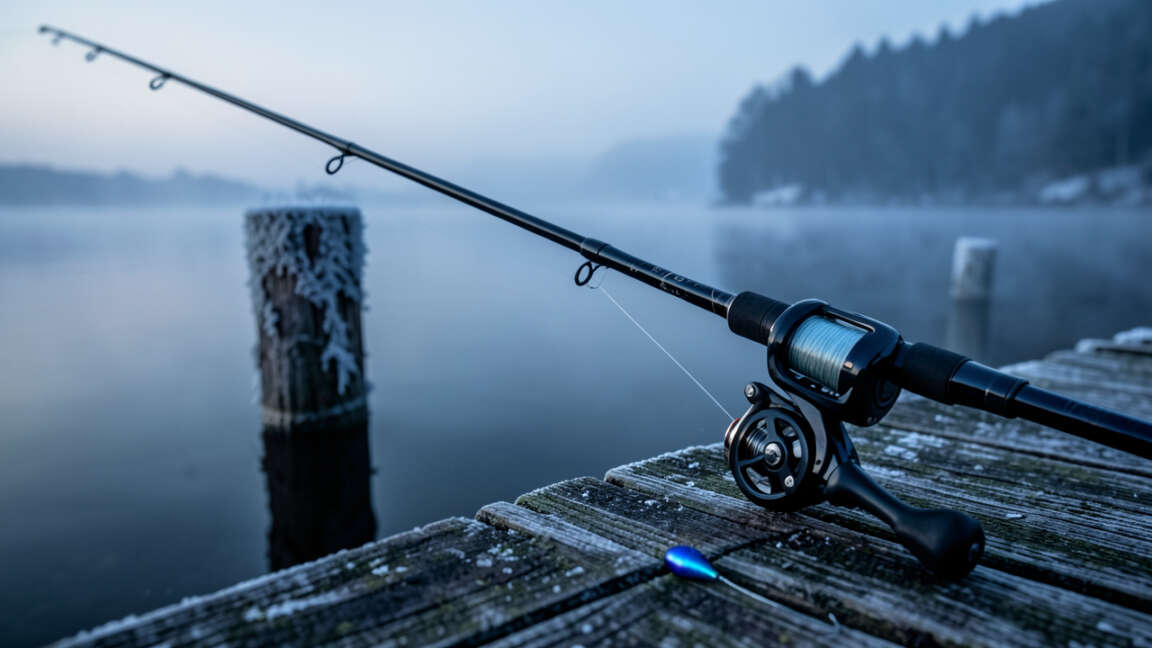
Your rod and reel setup plays a significant role in how you present your jerkbait. For Jerkbait Bass Fishing: Cadence, Pauses, and Cold Water Tips, you need a setup that allows for precise lure control. A medium-light to medium-action spinning rod is often preferred.
These rods have enough backbone to cast lighter jerkbaits effectively. They also offer the sensitivity needed to detect subtle bites. The tip of the rod should be somewhat flexible.
This allows for delicate twitches and controlled pauses.
A baitcasting setup can also work, but it requires a rod with a specific action. A 6’6″ to 7′ medium-action baitcasting rod is a good starting point. The key is to have a rod that can impart the right action to the jerkbait.
You want to be able to twitch the rod tip sharply to make the lure dart. You also need to be able to control the slack line during pauses. Avoid rods that are too stiff.
They can make it difficult to give the jerkbait a subtle action. They can also pull the lure too erratically.
Using a rod that is too stiff can ruin the subtle twitches and pauses needed for cold water jerkbait fishing.
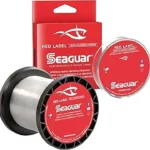
Line choice is also important. Many anglers prefer fluorocarbon line for jerkbait fishing. Fluorocarbon sinks, which can help get your bait down.
It also has very low stretch. This allows for better feel and hooksets. However, some anglers like monofilament for its elasticity.
It can provide a bit more forgiveness on hooksets. This can prevent tearing the hook out of a bass’s mouth. Experiment to see what you prefer.
A line diameter of 6-10 pound test is usually appropriate.
The reel should be smooth and have a decent gear ratio. A 6.4:1 or 7.1:1 gear ratio is common. It allows you to pick up slack quickly when needed.
It also provides enough torque to handle a fighting bass. The combination of rod, reel, and line needs to work together. It should feel balanced in your hands.
This allows for long casting and fatigue-free fishing.
Where to Find Bass in Cold Water
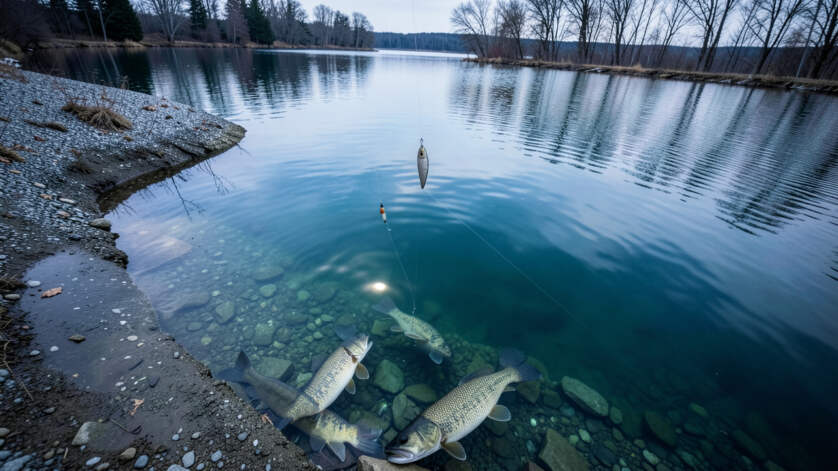
Locating bass in cold water is often about finding slightly warmer water or areas where bass can ambush prey with minimal effort. As the water temperature drops, bass tend to move to deeper, more stable water. However, they will still come shallower to feed when conditions are right.
Understanding these patterns is key to successful Jerkbait Bass Fishing: Cadence, Pauses, and Cold Water Tips.
Look for areas with subtle temperature changes. This could include creek mouths, where slightly warmer water enters the main lake. It could also be areas with darker bottoms that absorb more sunlight.
Sun-drenched flats, especially those with some depth nearby, can also hold bass. Bass will often position themselves near structure. This includes points, drop-offs, submerged timber, or rock piles.
These areas provide cover and ambush points for baitfish.
When fishing lakes, focus on the main lake points. These often extend into deeper water. Bass can use these as highways to move between shallow and deep areas.
Bass in cold water often relate to subtle temperature changes, such as creek mouths, where slightly warmer water can trigger feeding activity.
Drop-offs are also excellent. Bass will hold on the edge of these ledges, waiting for baitfish to move by. Submerged vegetation, even if it’s dying back in the fall and winter, can still attract baitfish.
Bass will often be found near the edges of this cover.
In rivers or current-oriented lakes, look for slack water areas. Bass will often rest out of the main current. They can easily ambush baitfish that get pushed by the flow.
Areas behind large rocks or other current breaks are prime spots. Don’t be afraid to fish deeper than you normally would. Bass can be found holding in 20-30 feet or even deeper in very cold water.
Your jerkbait needs to be able to reach these depths.
Consider using a jerkbait with a slower sink rate or one that can be weighted to get deeper. The goal is to present your lure at the depth where the bass are holding. This requires a bit of scouting and experimentation.
Using a fish finder can be invaluable for locating structure and suspended baitfish. Once you find the right depth and structure, work your jerkbait thoroughly.
Frequently Asked Questions
Question: When is the best time of day for jerkbait bass fishing in cold water?
Answer: Mid-day is often best when the sun is out and can warm shallow areas slightly. Early morning and late evening can also produce bites, but often when fish are more suspended.
Question: How do I know if my jerkbait is suspending correctly?
Answer: After casting, twitch the rod tip a couple of times, then let the bait sit. If it stays at that depth for 10-15 seconds without sinking or floating significantly, it’s suspending well for cold water.
Question: Should I use braid or monofilament for jerkbait bass fishing in cold water?
Answer: Fluorocarbon is often preferred for its low stretch and sink rate, which helps get the bait down. However, some anglers use monofilament for its slight elasticity, which can prevent tearing hooks out of a lethargic bass’s mouth.
Question: What is the ideal water temperature for jerkbait bass fishing?
Answer: Jerkbait fishing can be effective from about 40°F up to the low 60s°F. The colder the water, the slower your retrieve and the longer your pauses should be.
Question: How many twitches should I give my jerkbait in cold water?
Answer: Start with one to two subtle twitches, followed by a long pause. You can experiment with more twitches, but they should be less aggressive than in warmer water.
Question: Does the color of the jerkbait matter a lot in cold water?
Answer: Yes, color is very important. Natural baitfish colors like shad or perch work well in clear water. Brighter colors can be effective in stained or murky cold water.
Question: How can I make my jerkbait go deeper in cold water?
Answer: Use a jerkbait designed to sink slowly, or add a small weight like a drop shot weight or a tiny split shot to the line a foot or two above the lure. Some jerkbaits also have deeper-diving lip designs.
Final Thoughts
Catching bass with jerkbaits in cold water is all about patience and precision. Slow down your retrieve, use longer pauses, and pay close attention to your line. These adjustments help you present a wounded baitfish perfectly.
This strategy is key to triggering bites from less active fish, making your cold water trips more successful.